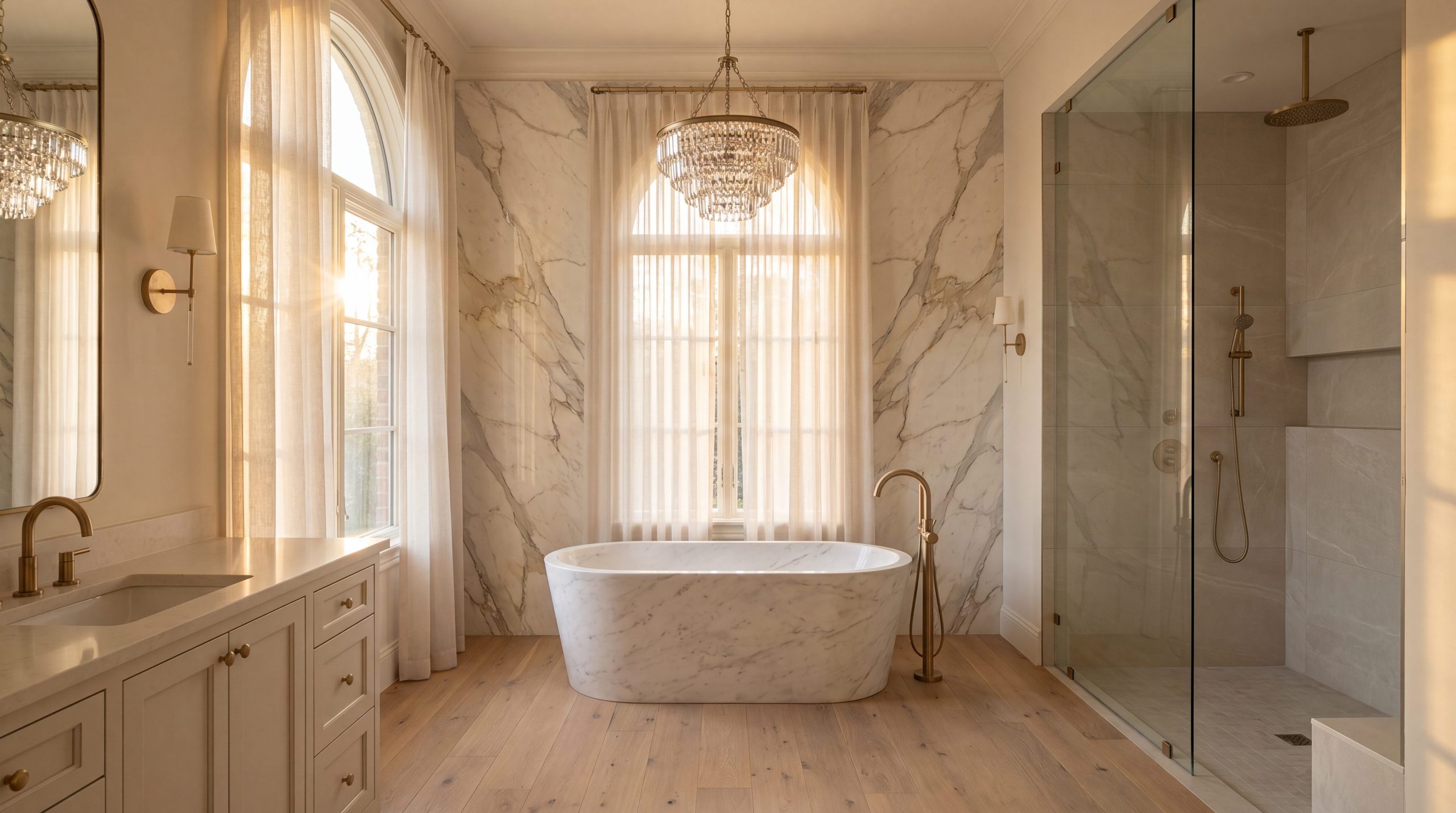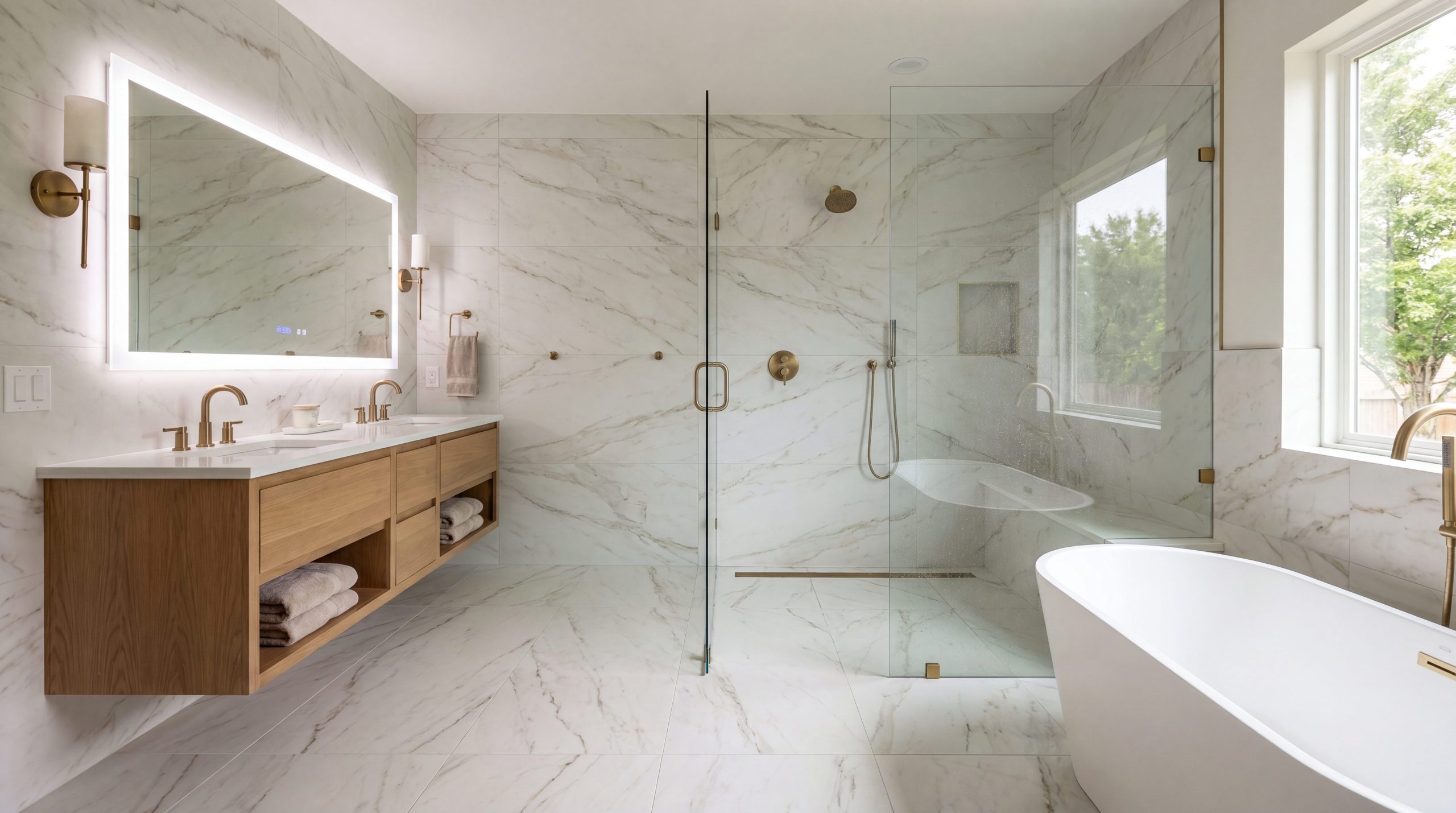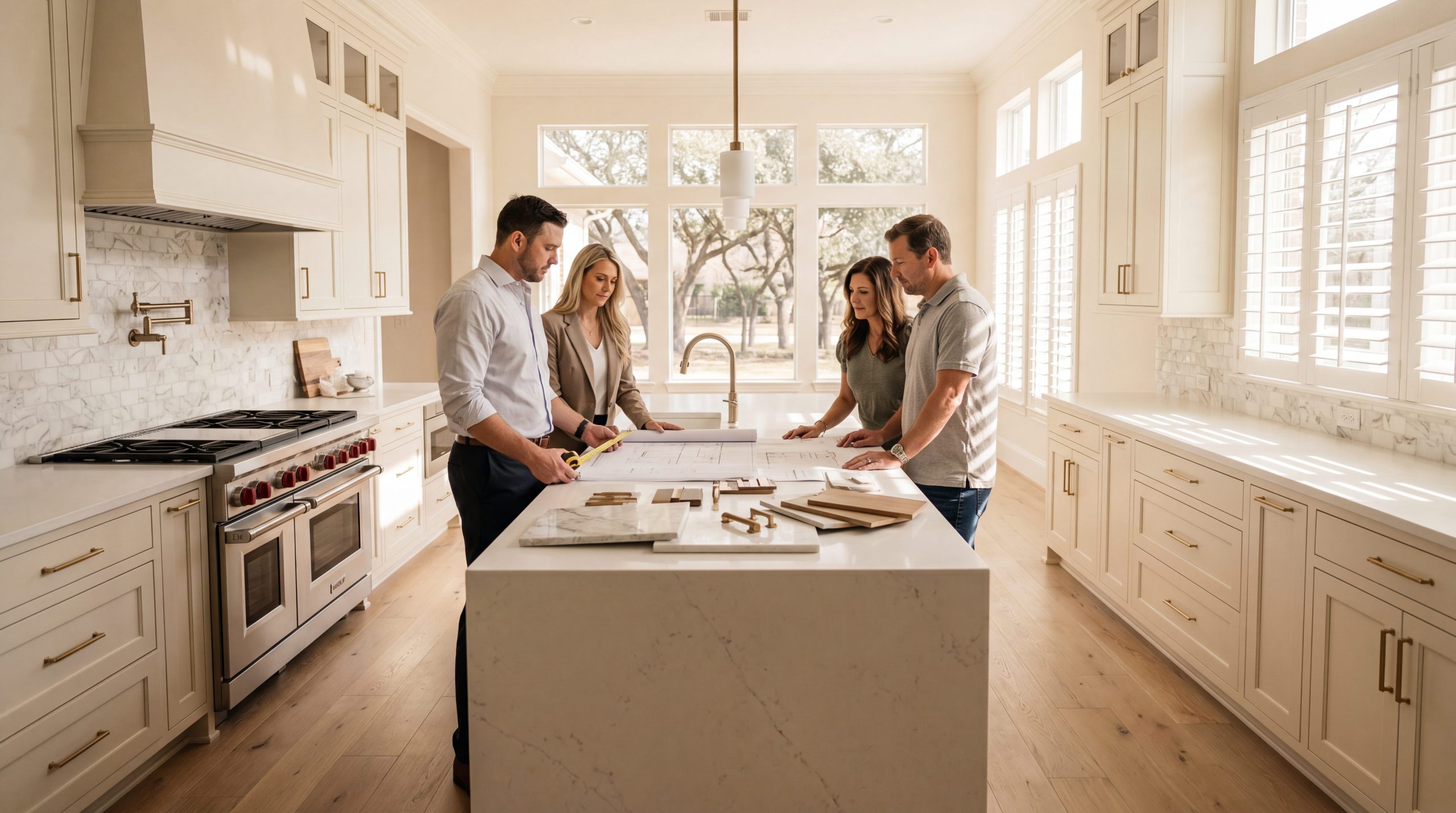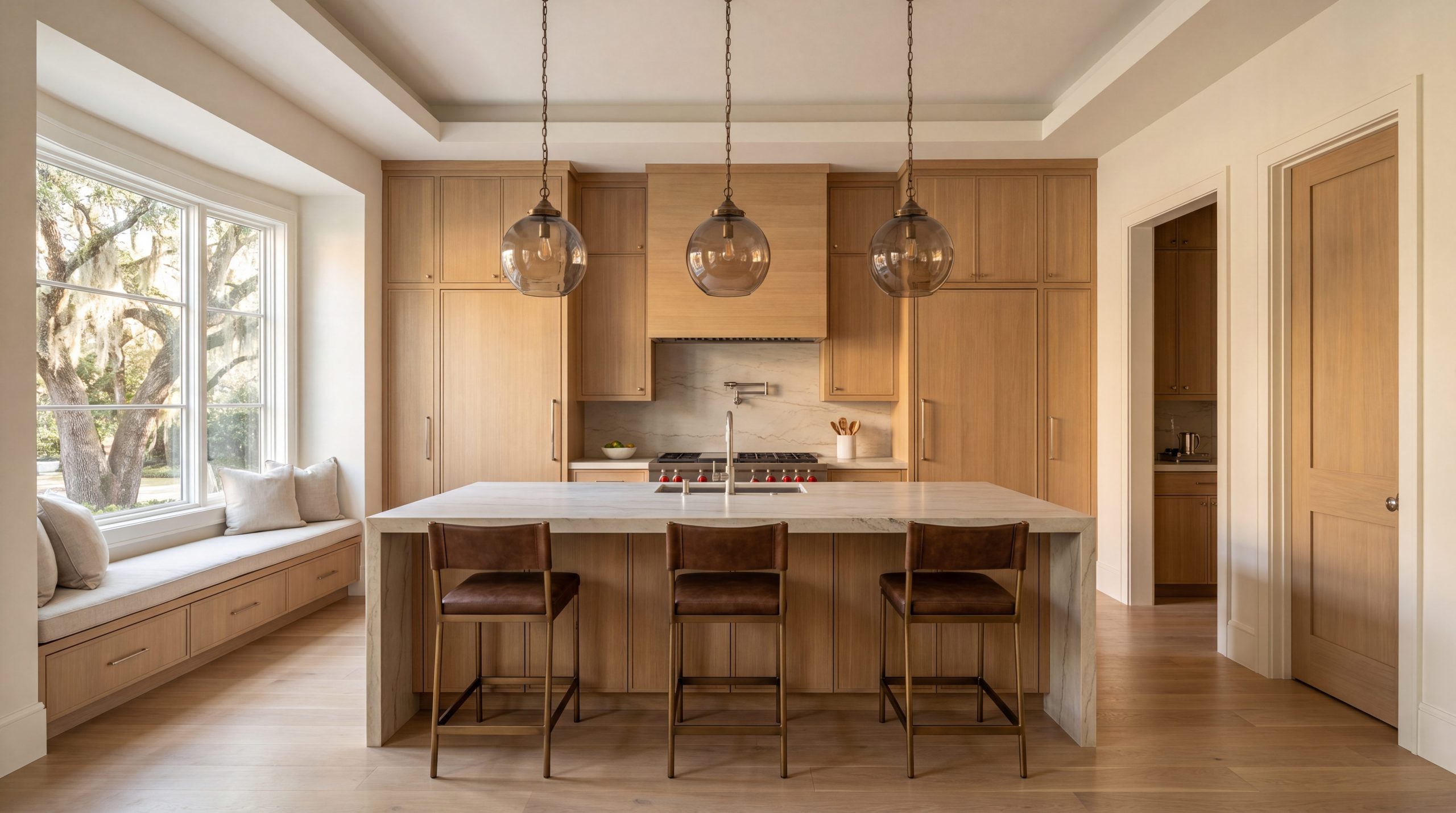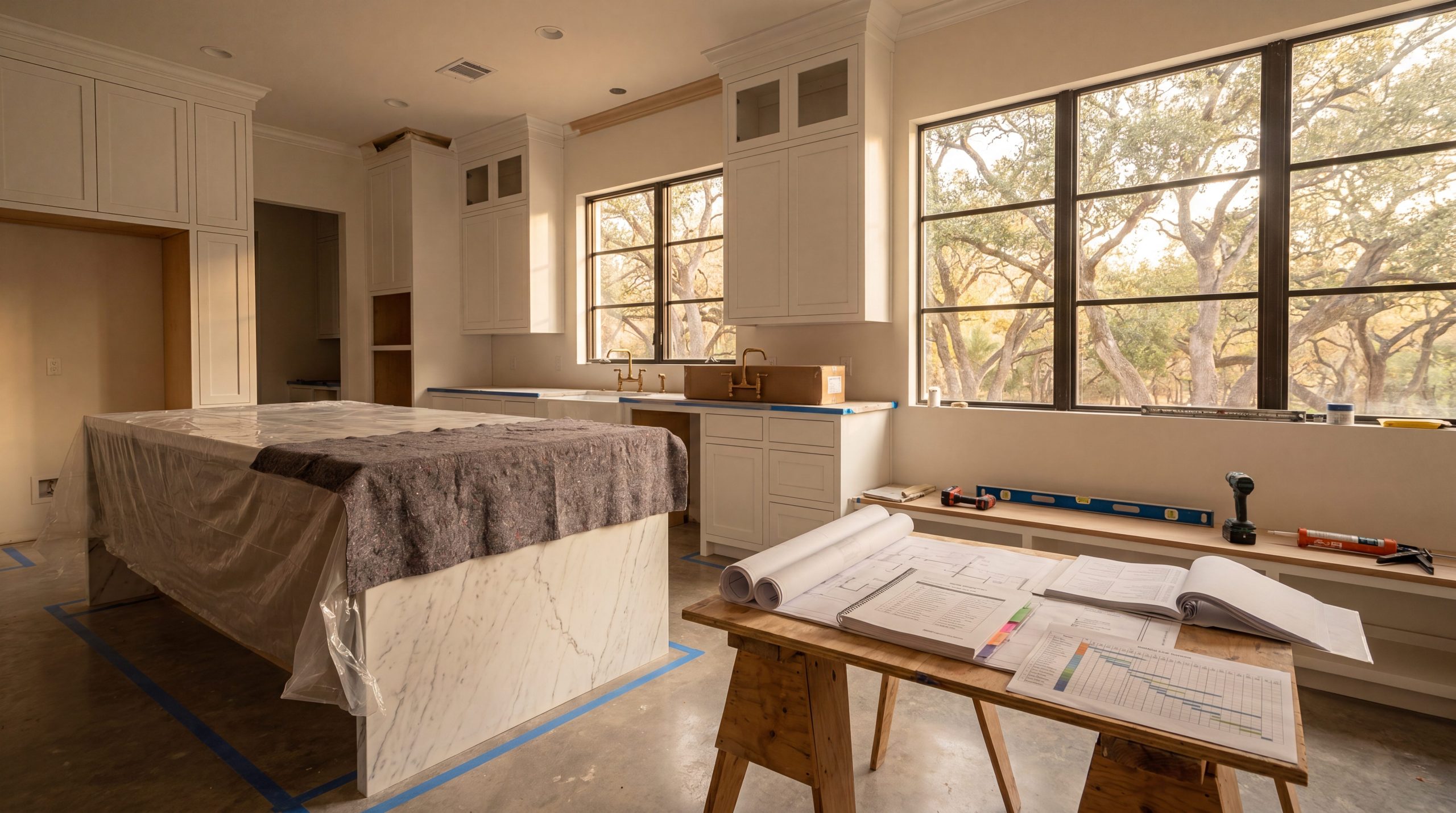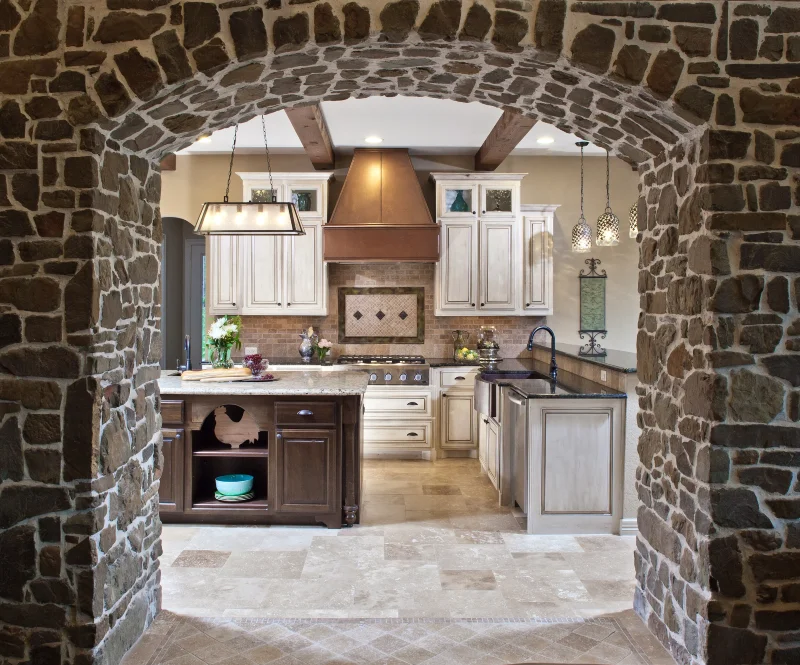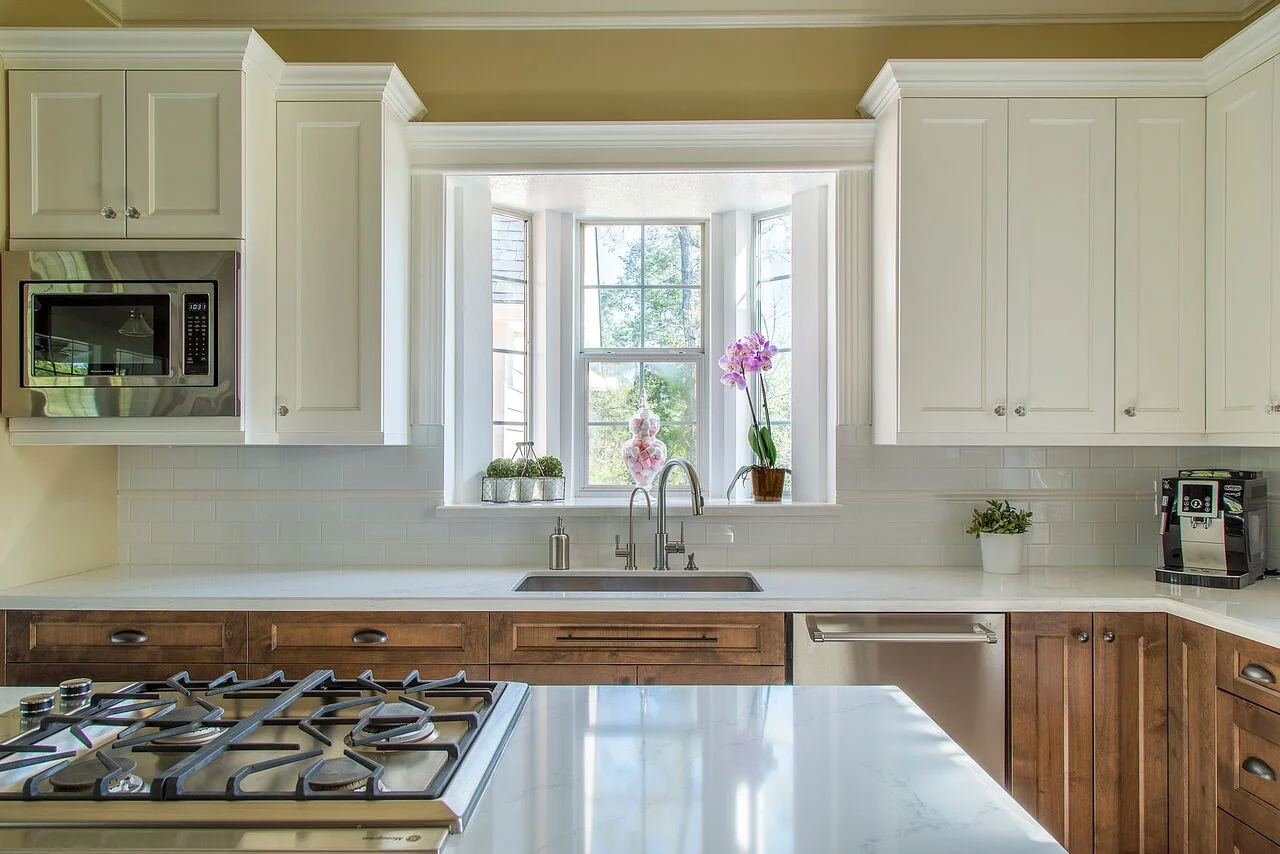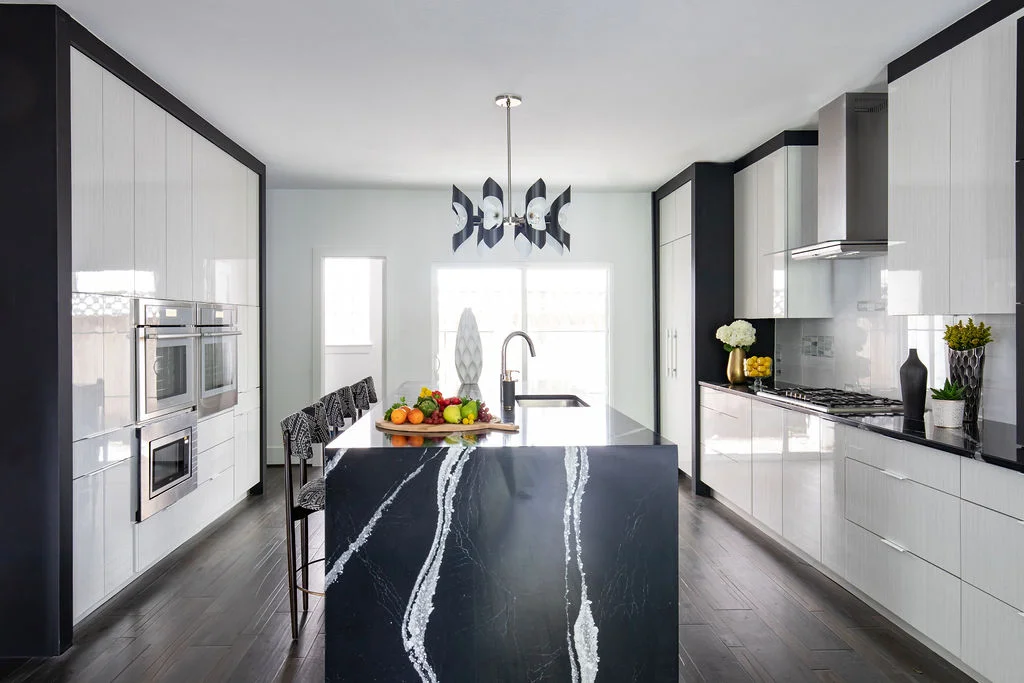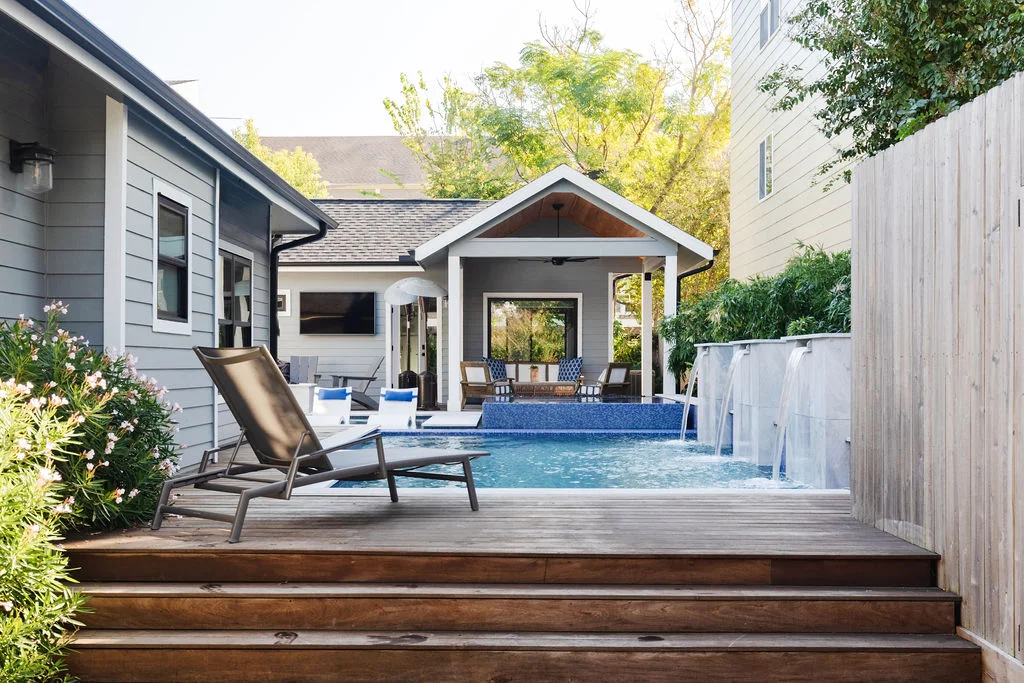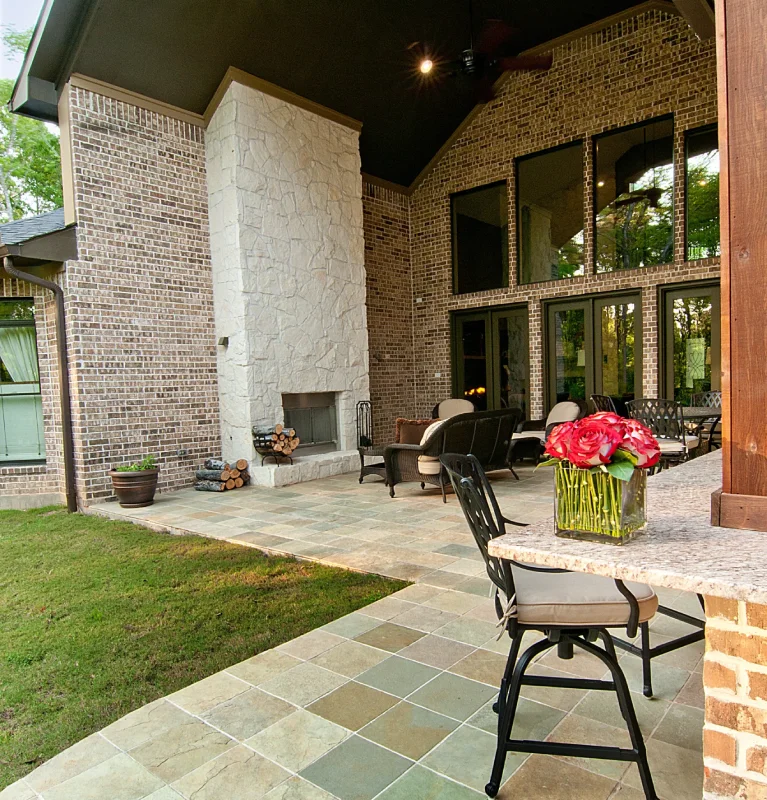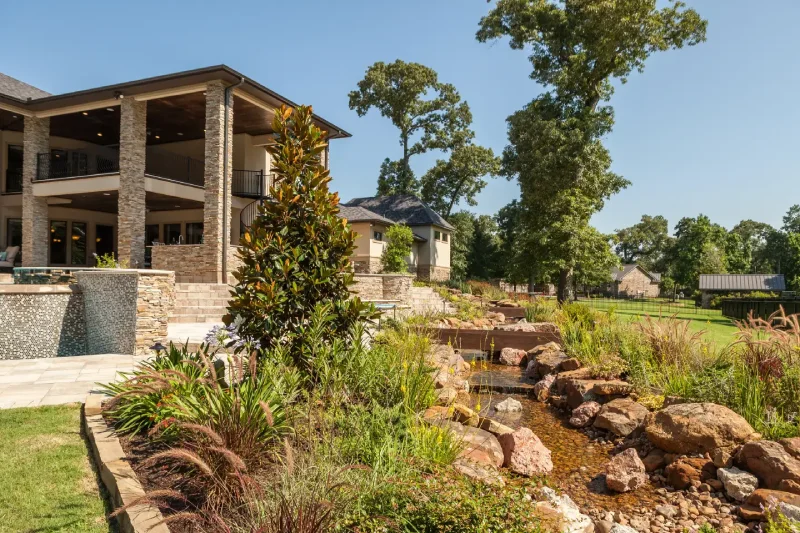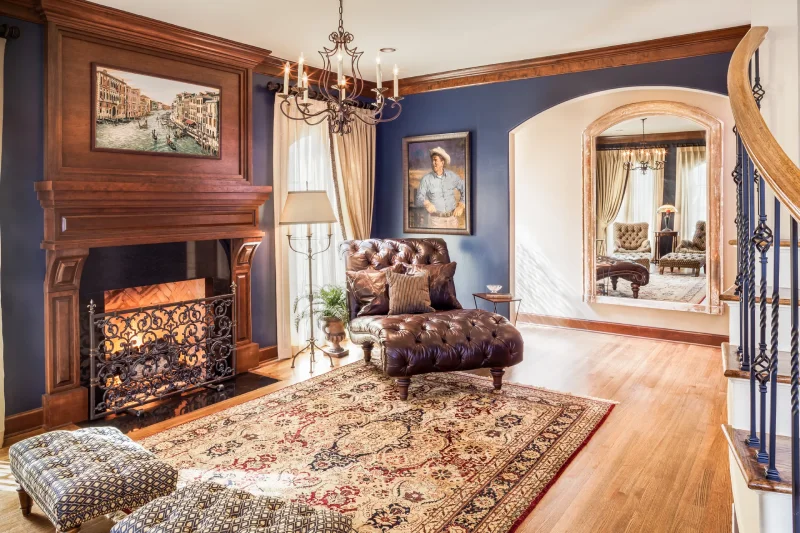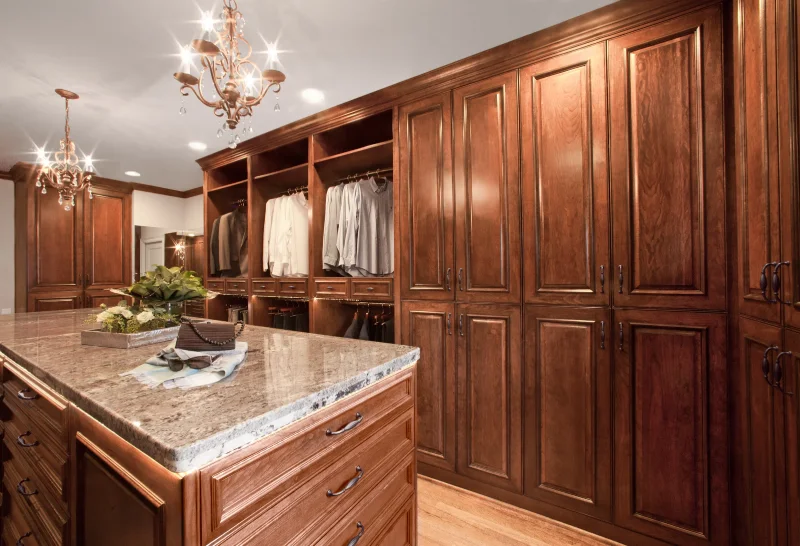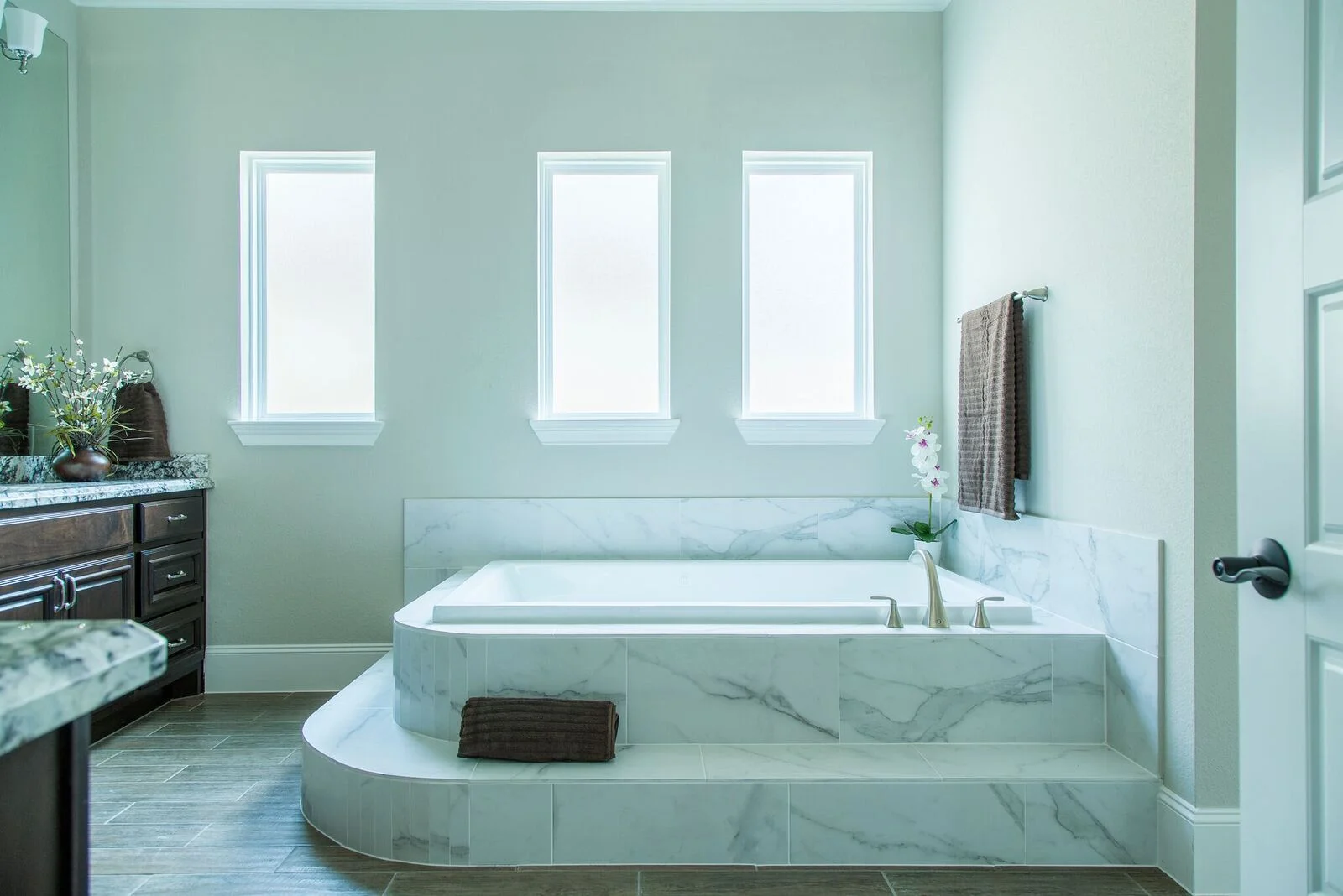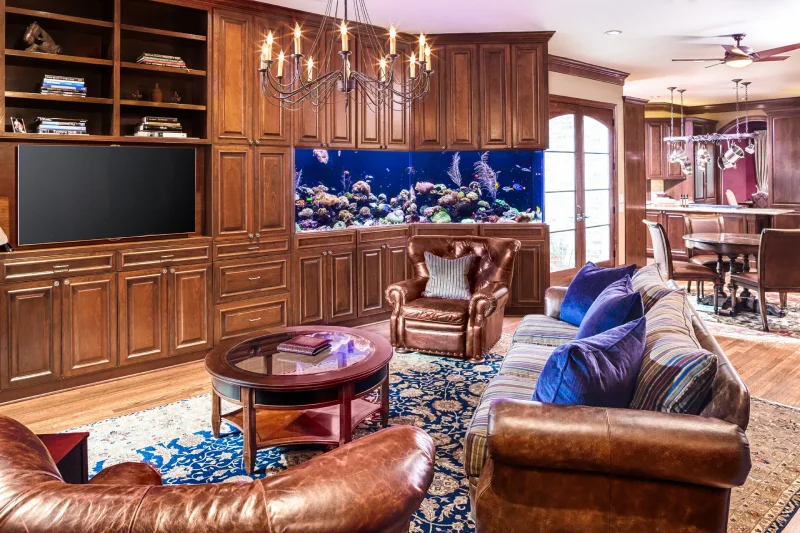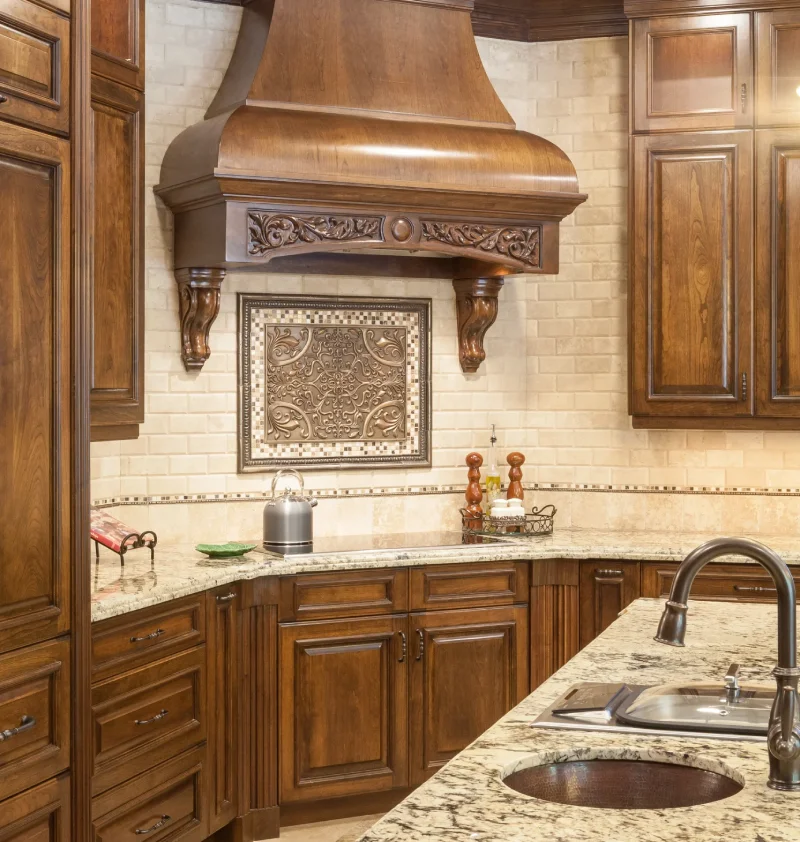
The four main types of construction in The Woodlands, Texas, focus on supporting its master-planned community structure: ground-up residential, whole-home renovations, high-end commercial/office projects, and multi-family/mixed-use developments. These developments often require strict adherence to covenant standards set by the Residential Design Review Committee
Key construction categories in The Woodlands include:
- Ground-Up Residential Construction: Building new, custom, or luxury homes on remaining vacant lots, primarily in villages like Creekside Park, East Shore, or Carlton Woods.
- Whole-Home Renovations and Remodeling: Modernizing older homes (stripping to the studs) in established villages like Grogan's Mill or Panther Creek to meet current design trends.
- Commercial/Office Construction: Developing corporate headquarters, large-scale office complexes, and retail centers, particularly in the Town Center and Waterway areas.
- Multi-Family and Mixed-Use Development: Constructing high-density apartments, townhomes, and lifestyle-oriented developments that combine residential and commercial spaces.
Important Considerations
All construction, including exterior renovations and landscaping (pools, decks, fencing), must obtain approval from the Residential Design Review Committee. This ensures that new improvements maintain the, "visual continuity and high aesthetic standards" of the community.
Building or renovating a home in The Woodlands, Texas, involves far more than choosing a floor plan and hiring a custom home builder. This master-planned community enforces some of the most detailed architectural and environmental standards in the Greater Houston area, and understanding how each construction type works within that framework can mean the difference between a smooth project and a costly setback. Whether you are considering a ground-up luxury build in Creekside Park or a full-scale renovation in Grogan's Mill, knowing the local landscape puts you in control.
Key Takeaways
- Budget between $300 and $650 per square foot for ground-up luxury construction in The Woodlands, excluding land, and reserve an additional 20 to 30 percent for soft costs like permits and architectural fees.
- Verify that every exterior modification needs written Residential Design Review Committee approval—a process that typically takes 2 to 8 weeks for standard projects—before any contractor begins work on your property.
- Compare whole-home renovation costs of $150 to $400 per square foot against new construction at $300-plus per square foot to determine whether renovating an existing home or building from the ground up better serves your goals.
- Confirm your builder has documented experience navigating The Woodlands' Development Standards Committee submissions, since complex designs can remain in review for 6 months or longer.
- Inspect your lot's geotechnical soil report and floodplain designation before closing, as expansive clay soils in Montgomery County can add $30,000 or more to foundation engineering and drainage costs.
- Demand a phased project timeline that accounts for the 18-to-36-month average build cycle common in The Woodlands, including separate milestones for design development, committee approval, and each major construction phase.
Ground-Up Residential Building in The Woodlands Villages
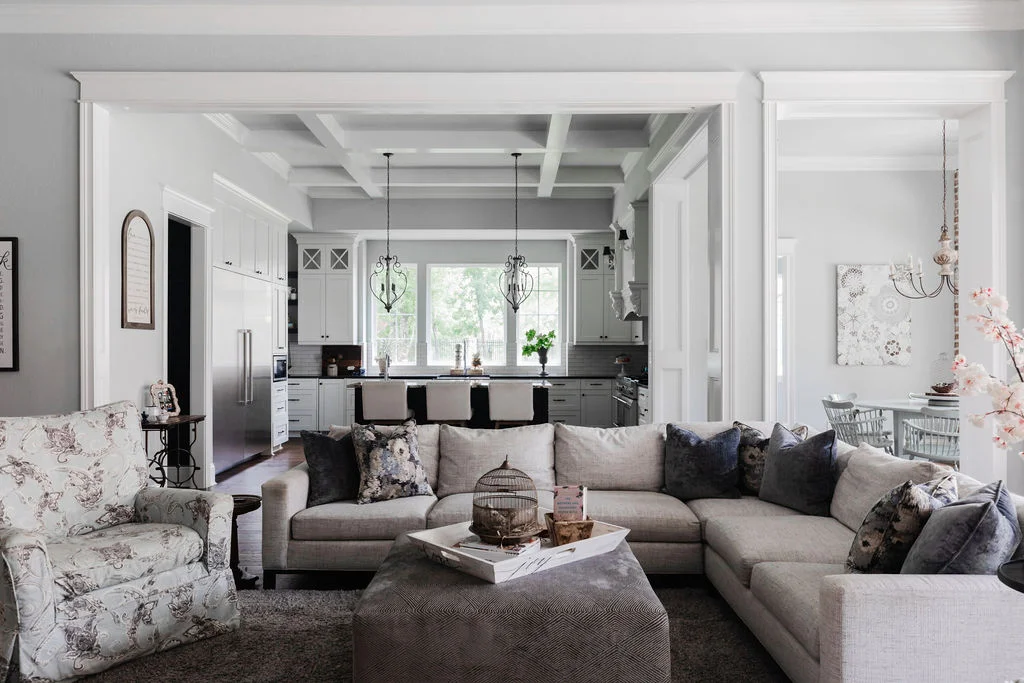
The Woodlands continues to attract homeowners seeking fully personalized residences on the community's remaining vacant lots. Villages like Creekside Park, East Shore, and Carlton Woods offer distinct settings—from wooded preserves to waterfront enclaves—each governed by architectural standards that shape everything from roofline profiles to exterior material palettes. Ground-up construction in this market typically involves an architect-led design-build model, where schematic plans are developed alongside a licensed builder before any permit application moves forward.
Selecting the right village determines far more than your address. Lot size, tree density, and proximity to amenities vary significantly across The Woodlands' residential villages. Carlton Woods features estate-sized lots ranging from half an acre to well over two acres, with completed custom homes generally starting above $2 million. Creekside Park offers slightly smaller footprints with newer neighborhood infrastructure, while East Shore provides a walkable waterfront lifestyle steps from The Woodlands Waterway.
Prevailing architectural styles in this market reflect a clear shift away from the ornate Mediterranean designs of past decades. Transitional architecture—blending traditional gabled roofs with clean lines and large steel-framed windows—dominates new builds. Hill Country Modern and Modern Farmhouse styles are also highly popular, utilizing Texas limestone and board-and-batten siding to create homes that feel rooted in the regional landscape.
What to Evaluate Before Purchasing a Lot
- Confirm the lot's floodplain designation through Montgomery County records before finalizing any purchase
- Request a certified tree survey to identify protected hardwoods that cannot be removed
- Review the village-specific development standards for setback, height, and impervious surface limits
- Verify active Municipal Utility District tap fees, which typically range from $3,000 to $15,000 or more depending on the district
Popular Villages for Ground-Up Residential Construction in The Woodlands
| Village | Typical Lot Size | Estimated Starting Home Price | Notable Character |
| Carlton Woods | 0.50–2.5+ acres | $2,000,000+ | Gated, estate-scale, golf course community |
| Creekside Park | 0.15–0.50 acres | $500,000–$1,500,000 | Newer village, nature trails, family-oriented |
| East Shore | 0.08–0.25 acres | $1,000,000–$3,000,000 | Waterfront, walkable to Town Center |
| Grogan's Mill | 0.15–0.75 acres | $300,000–$900,000 | Established, mature canopy, renovation-heavy |
| Sterling Ridge | 0.20–0.50 acres | $500,000–$1,200,000 | Central location, varied lot topography |
Whole-Home Renovations and Luxury Remodeling in Established Neighborhoods
Many homeowners in The Woodlands' older villages are choosing to renovate rather than relocate. In communities like Grogan's Mill and Panther Creek—where homes were originally built in the 1970s and 1980s—stripping a residence down to the studs and rebuilding the interior allows families to stay in a beloved neighborhood while gaining modern finishes, open-concept layouts, and energy-efficient systems. This approach often costs less per square foot than new home construction, though the total scope of work can rival a brand-new build.
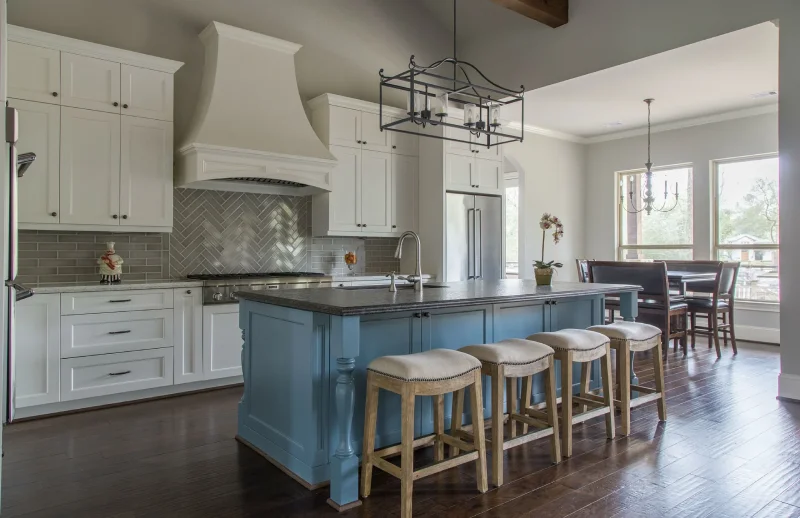
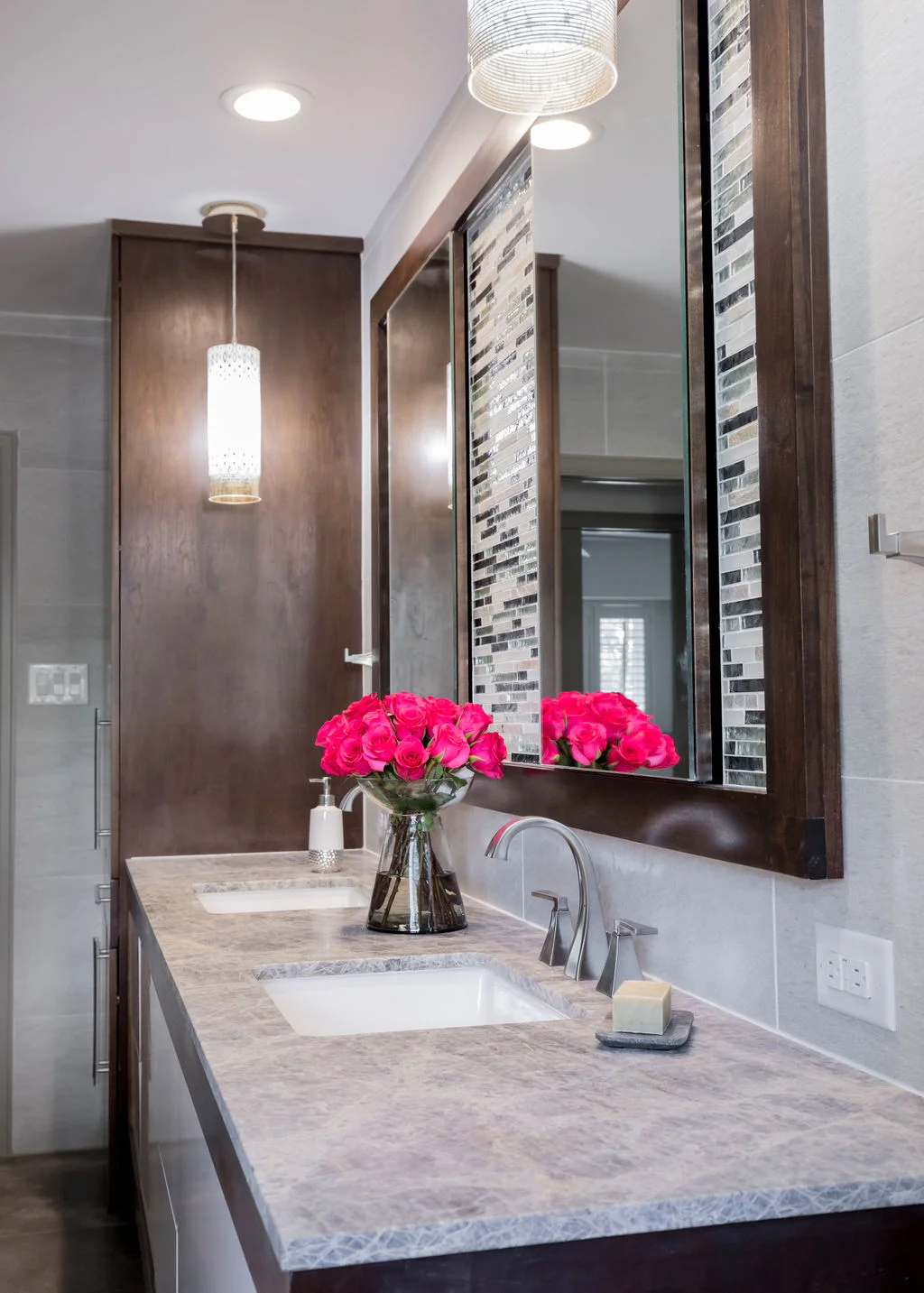
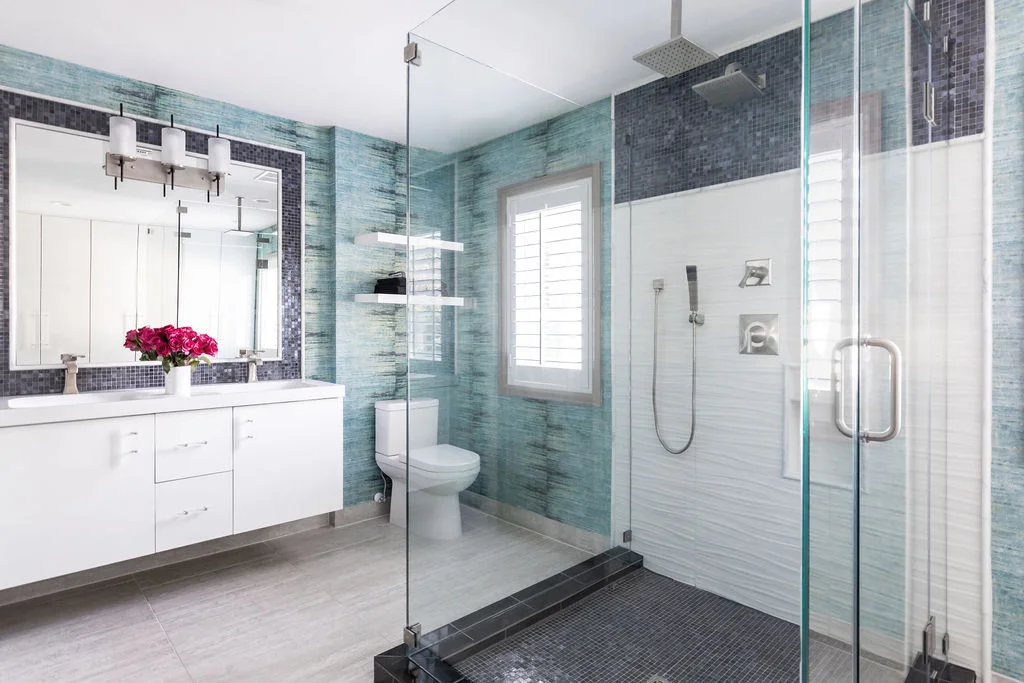
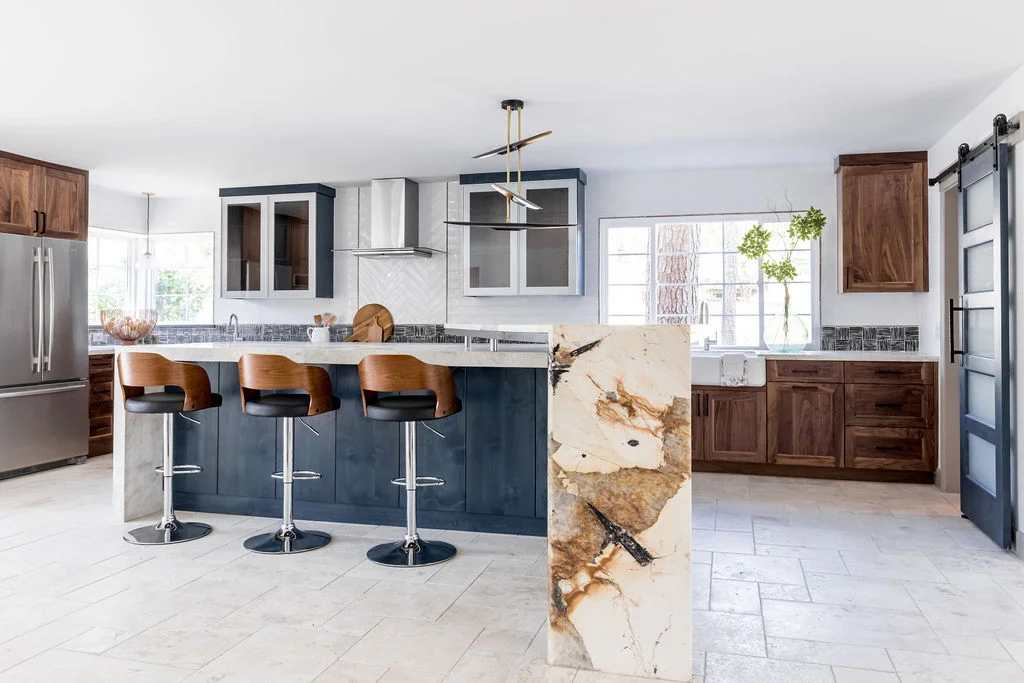
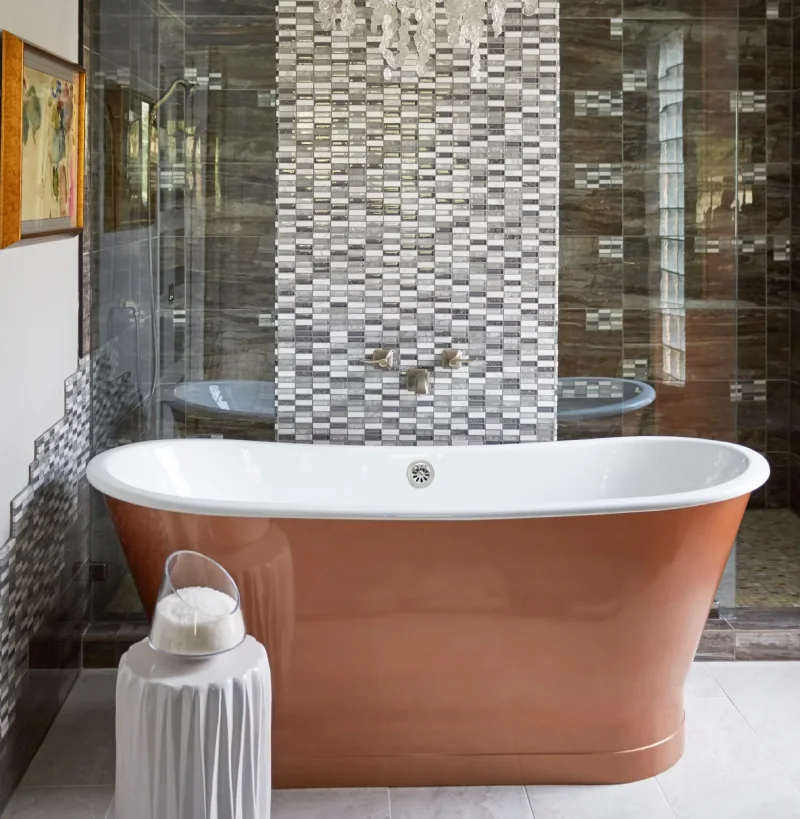
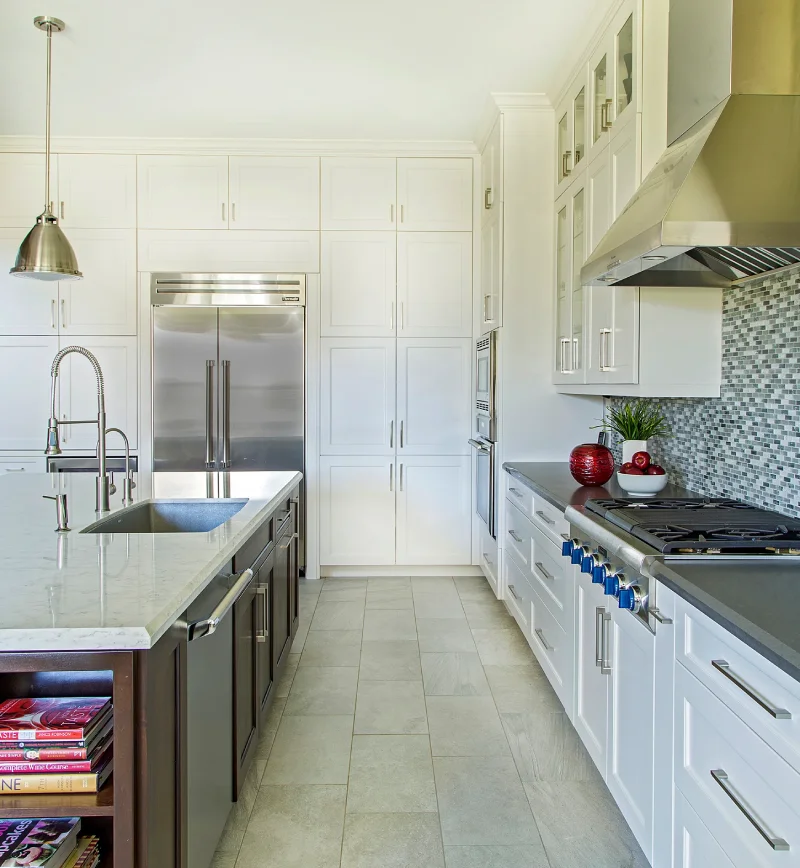
A whole-home renovation in this market typically involves gutting kitchens and bathrooms, reconfiguring floor plans, upgrading electrical and plumbing systems to current code, and replacing windows and insulation. The most popular design requests include chef-grade kitchen remodels with oversized islands, spa-inspired primary bathrooms, dedicated home offices, and seamless indoor-outdoor living transitions. Material selections tend to mirror the Transitional and Hill Country Modern aesthetics that dominate new construction throughout the community.
Renovation also offers a strategic financial advantage in The Woodlands. Established villages often carry lower lot-equivalent costs because the land is already owned, and existing foundations and structural framing can be preserved where they meet current engineering standards. For homeowners who value mature landscaping, decades-old hardwood canopies, and proximity to the original village centers, high-end remodeling delivers a path to a modern home without sacrificing neighborhood roots.
Renovation vs. New Build — Key Decision Factors
- Renovation preserves your established neighborhood, mature landscaping, and existing lot position
- Ground-up construction offers complete structural customization and the latest building code compliance
- Renovation timelines typically range from 6 to 14 months, compared with 18 to 36 months for a new build
- Whole-home renovation costs generally fall between $150 and $400 per square foot, depending on structural changes and finish levels
- Both options require full Residential Design Review Committee approval for any exterior modifications; always confirm current requirements with your local municipality or a licensed contractor before proceeding
Commercial, Office, and Mixed-Use Development Near Town Center
While residential building dominates most of The Woodlands' landscape, the community also supports significant commercial and mixed-use construction. The Town Center and Waterway District serve as the primary hubs for corporate headquarters, large-scale office complexes, retail centers, and high-density residential towers. These developments follow a different regulatory track, reviewed by The Woodlands Township and Montgomery County rather than the village-level Residential Design Review Committees. Always confirm current requirements with your local municipality or a licensed contractor before proceeding.
Multi-family and mixed-use projects—including townhomes, luxury apartments, and lifestyle-oriented complexes that blend retail, dining, and residential space—have increased in recent years as The Woodlands approaches full residential build-out. For homeowners, this matters because new commercial and mixed-use construction shapes property values, traffic patterns, and community amenities in adjacent residential villages. Understanding where these projects are concentrated helps you evaluate the long-term livability of your chosen neighborhood.
Navigating Covenant Compliance and the Design Review Process
The Woodlands operates under one of the most comprehensive private covenant systems in the Greater Houston area. Every exterior modification—whether you are building a new home, replacing a roof, adding a pool, or changing your fence material—requires written approval from the village's Residential Design Review Committee before work begins. This process exists to preserve the visual continuity and high aesthetic standards that define the community, and skipping it can result in stop-work orders or mandatory removal of unapproved improvements. Always confirm current requirements with your local municipality or a licensed contractor before proceeding.
The approval workflow begins with a formal application submitted to your village's committee, accompanied by detailed architectural plans, material samples, color selections, and a site plan showing setbacks and protected tree locations. For ground-up luxury home construction, the Development Standards Committee evaluates architectural compatibility, massing, and environmental impact at a more comprehensive level. Review cycles for straightforward projects typically take two to six weeks, while complex or non-conforming new home designs can remain under review for six months or longer. Always confirm current requirements with your local municipality or a licensed contractor before proceeding.
Working with a builder who has deep experience navigating this specific process can save months of revisions and resubmissions. Experienced firms maintain established relationships with committee liaisons, understand the unwritten design preferences of each village, and submit complete application packages that minimize the risk of delays.
Common Reasons for Application Delays or Denials
- Exterior materials or colors that conflict with the village's approved palette
- Roof profiles or building heights that exceed development standard maximums
- Insufficient setbacks from property lines or protected tree root zones
- Incomplete landscape plans that fail to meet minimum planting requirements
- Missing documentation such as soil reports, drainage plans, or surveyor certifications
Covenant Approval Requirements by Project Type in The Woodlands
| Project Type | Review Body | Typical Review Timeline | Key Required Submissions |
| New Home Construction | Development Standards Committee | 2–6 months | Full architectural plans, site plan, tree survey, material board |
| Whole-Home Exterior Renovation | Residential Design Review Committee | 4–8 weeks | Renovation scope, material and color samples, updated site plan |
| Pool or Outdoor Structure | Residential Design Review Committee | 3–6 weeks | Pool plan, equipment placement, fencing details, drainage plan |
| Roof Replacement | Residential Design Review Committee | 2–4 weeks | Material type, color selection, manufacturer specifications |
| Fence Replacement or Addition | Residential Design Review Committee | 2–3 weeks | Fence style, height, material, location on property |
How Soil Conditions and Tree Preservation Influence New Home Construction
The Woodlands sits on expansive clay soils common throughout Montgomery County, a geological reality that directly shapes foundation design, site engineering, and total project cost. These soils swell when saturated and contract during drought, creating ground movement that can crack conventional slab foundations over time. Most builders in the community specify post-tensioned slab foundations or, for larger estate homes, pier-and-beam systems engineered by a licensed geotechnical firm. A thorough soil report—typically costing between $2,000 and $5,000—is essential before any foundation design begins.
Equally significant is The Woodlands' rigorous tree preservation mandate. The community was designed around its native pine and hardwood forest, and the covenant standards prohibit removal of protected trees without explicit written approval. Builders must submit a certified tree survey that maps every trunk exceeding a specified caliper, then design the home's footprint, driveway, and utility runs to minimize root zone intrusion. This requirement frequently influences lot orientation, building placement, and even architectural style. Always confirm current requirements with your local municipality or a licensed contractor before proceeding.
Drainage engineering presents another layer of planning unique to this area. The flat, flood-prone terrain requires careful stormwater management to meet both Municipal Utility District and Montgomery County standards. Impervious surface coverage calculations are mandatory for every new build and major renovation, and many properties require engineered retention or detention solutions to prevent runoff from affecting neighboring lots. These environmental factors are not optional add-ons—they are enforceable requirements that shape your project from day one.
Engineering and Environmental Costs to Anticipate
- Geotechnical soil testing and foundation engineering: $2,000–$5,000
- Post-tensioned slab foundation upgrade: adds approximately $3–$8 per square foot above standard
- Tree preservation fencing and root zone protection during construction: $1,500–$4,000
- Stormwater drainage engineering to meet local district requirements: $5,000–$15,000
- Impervious surface coverage calculations, required for every new build and major renovation
Budgeting and Timeline Expectations for Residential Projects
Understanding the financial commitment and realistic schedule for each construction category in The Woodlands helps homeowners avoid the two most common sources of stress: budget overruns and timeline surprises. Ground-up luxury residential projects in this market generally range from $300 to $650 or more per square foot for hard construction costs, with an additional 20 to 30 percent layered on for soft costs such as architectural fees, permit applications, survey work, and construction financing. Land acquisition adds another significant variable, with lots ranging from roughly $500,000 in Sterling Ridge to well above $2 million in Carlton Woods.
Whole-home renovations follow a different cost structure. Stripping a home to the studs and rebuilding typically costs between $150 and $400 per square foot, depending on structural modifications, mechanical system upgrades, and finish selections. Kitchen remodels in the Woodlands alone—the single most requested renovation—generally range from $75,000 to $200,000 or more for a luxury-grade transformation. Bathroom remodels at the high end typically fall between $40,000 and $120,000. These investments yield strong resale positioning in a community where buyers expect modern finishes and open floor plans.
The timeline for any residential project in this community runs longer than in most Houston-area suburbs due to the covenant review process. A ground-up build typically spans 18 to 36 months from initial design through move-in, while a comprehensive renovation generally takes 6 to 14 months. Weather delays—especially heavy rain impacting site work—and lead times for specialty materials like custom windows, imported stone, and high-end appliances can extend both timelines further.
How to Protect Your Budget
- Secure a fixed-fee or guaranteed-maximum-price contract to limit your exposure to cost creep
- Build a contingency reserve of at least 10 percent of total hard costs for unforeseen conditions
- Request a detailed allowance schedule that specifies exactly what is included in quoted prices for fixtures, finishes, and appliances
- Lock material selections early, since lead times for custom orders in this market can exceed 12 weeks
Estimated Cost and Timeline by Construction Type in The Woodlands
| Construction Type | Typical Cost Range | Average Timeline | Key Cost Variables |
| Ground-Up Luxury Home | $300–$650+ per sq ft (excl. land) | 18–36 months | Architectural complexity, material grade, lot preparation |
| Whole-Home Renovation | $150–$400 per sq ft | 6–14 months | Structural changes, mechanical upgrades, finish level |
| Kitchen Remodel (Luxury) | $75,000–$200,000+ | 8–16 weeks | Cabinetry, countertops, appliances, layout changes |
| Bathroom Remodel (High-End) | $40,000–$120,000 | 6–12 weeks | Tile work, plumbing relocation, fixture quality |
| Pool and Outdoor Living | $90,000–$250,000+ | 10–20 weeks | Pool size, decking material, outdoor kitchen scope |
Frequently Asked Questions
Do I need a permit to renovate my home in The Woodlands?
Yes. The Woodlands requires Residential Design Review Committee approval for virtually every exterior modification, including roof replacements, fence changes, pool installations, and full renovations. Interior-only projects generally do not require covenant approval but may still need Montgomery County building permits depending on the scope. Always confirm current requirements with your local municipality or a licensed contractor before proceeding.
How much does it cost to build a luxury home in The Woodlands, Texas?
Luxury home construction in The Woodlands typically ranges from $300 to $650 or more per square foot for hard costs alone, excluding land. Soft costs—including architectural fees, permits, surveys, and financing—generally add 20 to 30 percent on top. Total project budgets for a 4,000-to-5,000-square-foot residence in this community often exceed $2.5 million.
How long does the Design Review Committee approval process take?
Straightforward exterior projects usually receive committee approval within two to six weeks. Full new-home designs reviewed by the Development Standards Committee in The Woodlands typically require two to six months, depending on architectural complexity and whether revisions are requested. Submitting a complete application with all required documents significantly reduces delays.
What is the difference between a whole-home renovation and a new build?
A whole-home renovation strips an existing structure to the studs and rebuilds the interior, typically costing $150 to $400 per square foot. A new build starts from bare land and generally costs $300 to $650 per square foot in The Woodlands. Renovations work well for homeowners who want to stay in an established village without sacrificing modern design.
Why are soil reports required before building in The Woodlands?
The Woodlands sits on expansive clay soils that swell and shrink with moisture changes, creating foundation movement risks. A geotechnical soil report, typically costing $2,000 to $5,000, determines the right foundation design—usually a post-tensioned slab—to prevent cracking and structural damage over the life of your Texas home.
Can I build on my own lot in The Woodlands?
Yes, but your plans must receive Development Standards Committee approval before construction begins. Your builder must submit full architectural drawings, a tree survey, a site drainage plan, and material selections that conform to your village's standards. Working with a builder experienced in The Woodlands' covenant process streamlines approvals and prevents costly redesigns.
Conclusion
Every construction project in The Woodlands—whether a ground-up luxury home in Carlton Woods or a whole-home renovation in Grogan's Mill—requires careful alignment with the community's covenant standards, environmental preservation mandates, and realistic cost and timeline expectations. Mastering these three elements transforms what could be an overwhelming process into a confident, well-informed journey toward the home you deserve.
Keechi Creek Builders brings award-winning design-build expertise and deep local knowledge to every luxury home and remodeling project in The Woodlands and surrounding communities. Call 281-688-1454 or visit keechicreekbuilderstx.com to schedule your private design consultation and take the first step toward a home crafted precisely around your vision. Your investment deserves a builder who champions it from first sketch to final walkthrough.