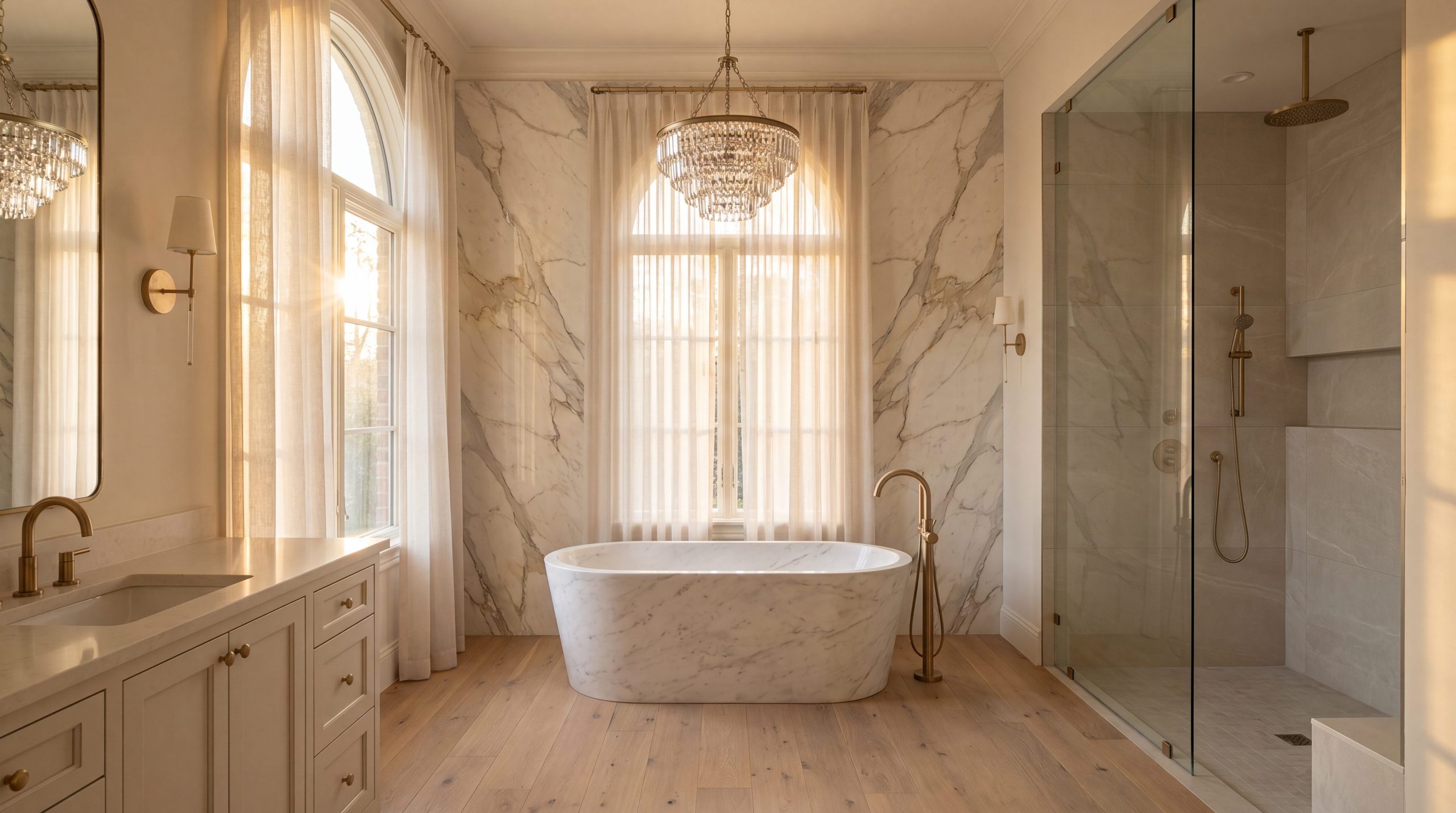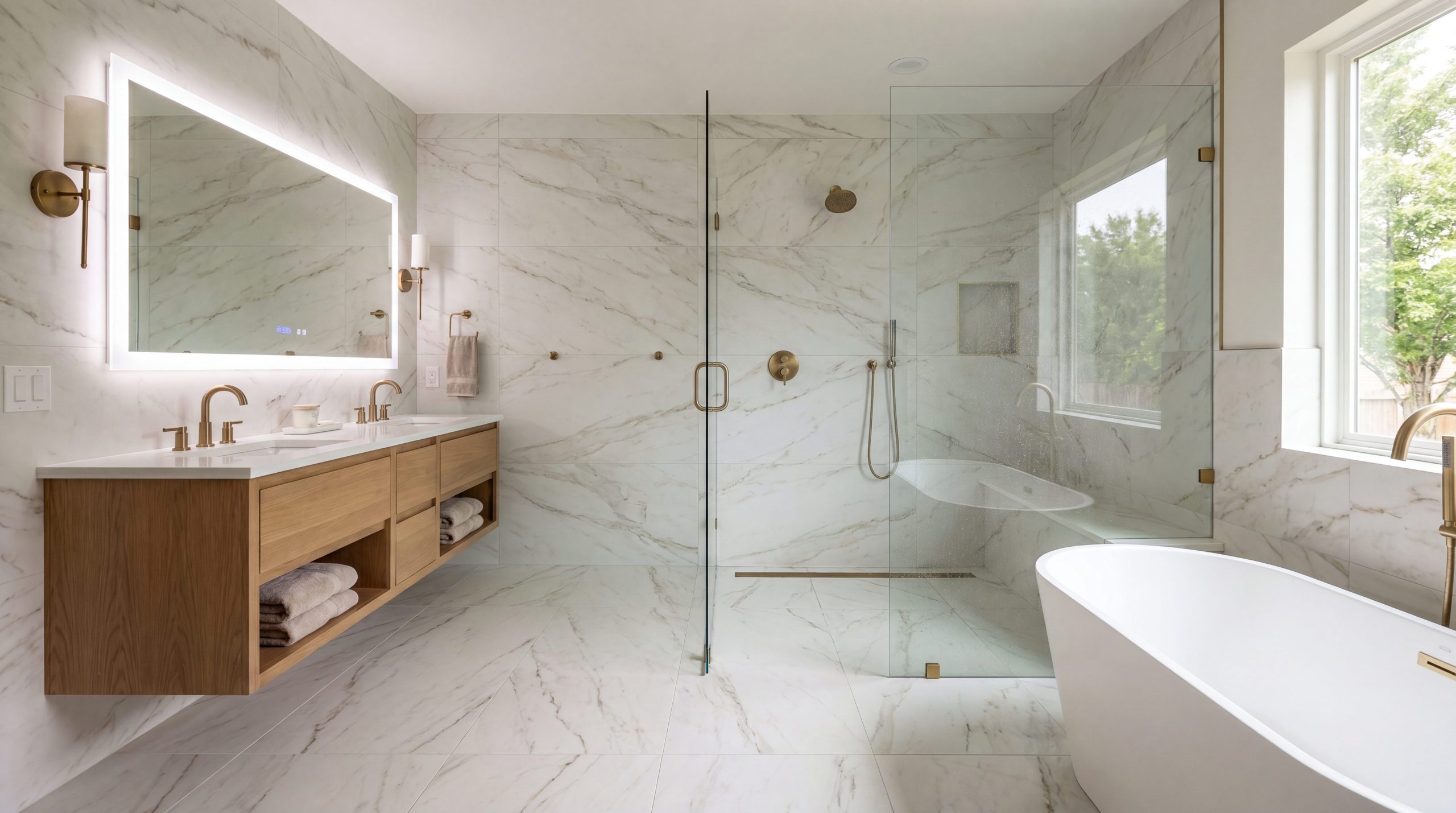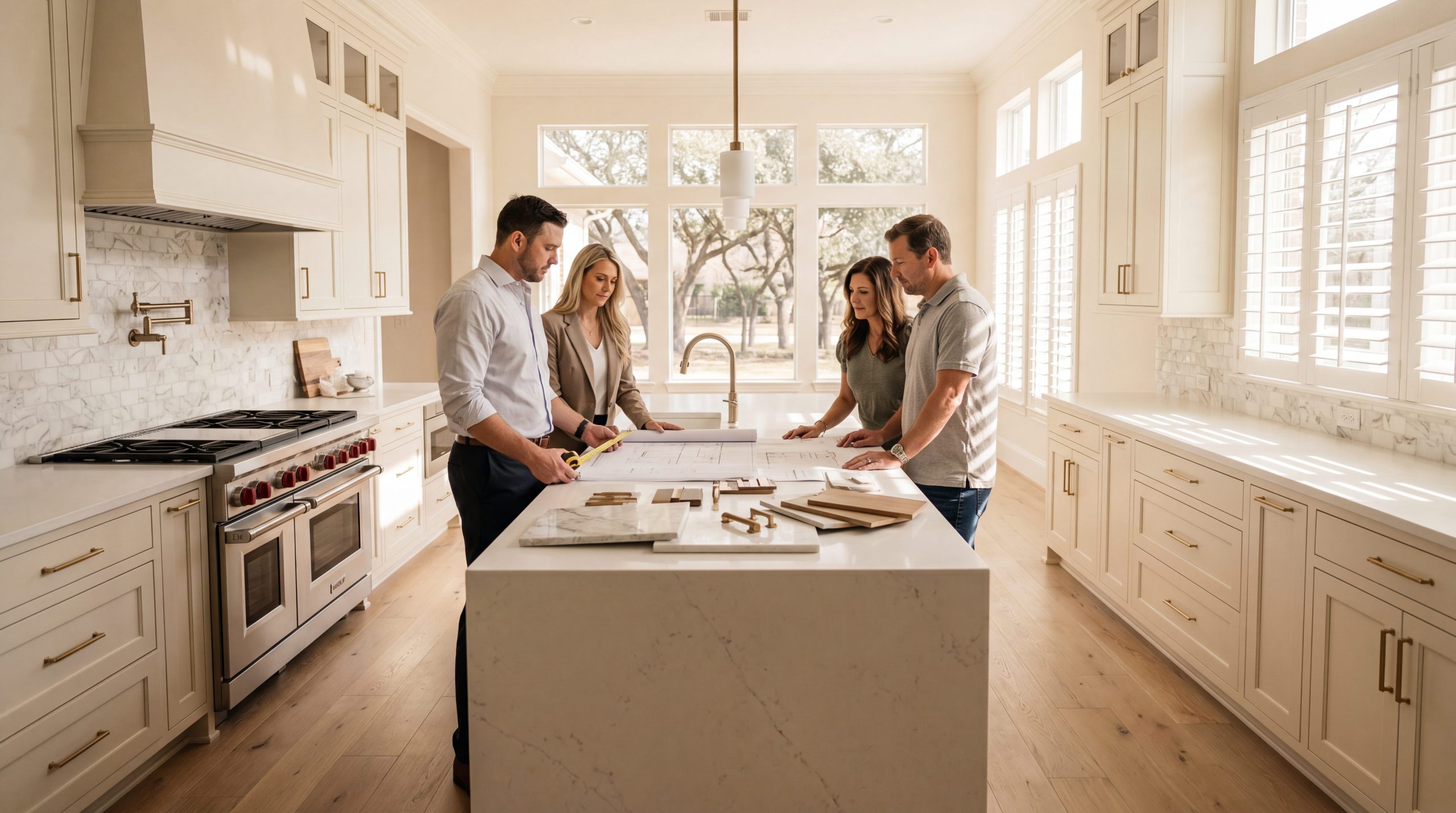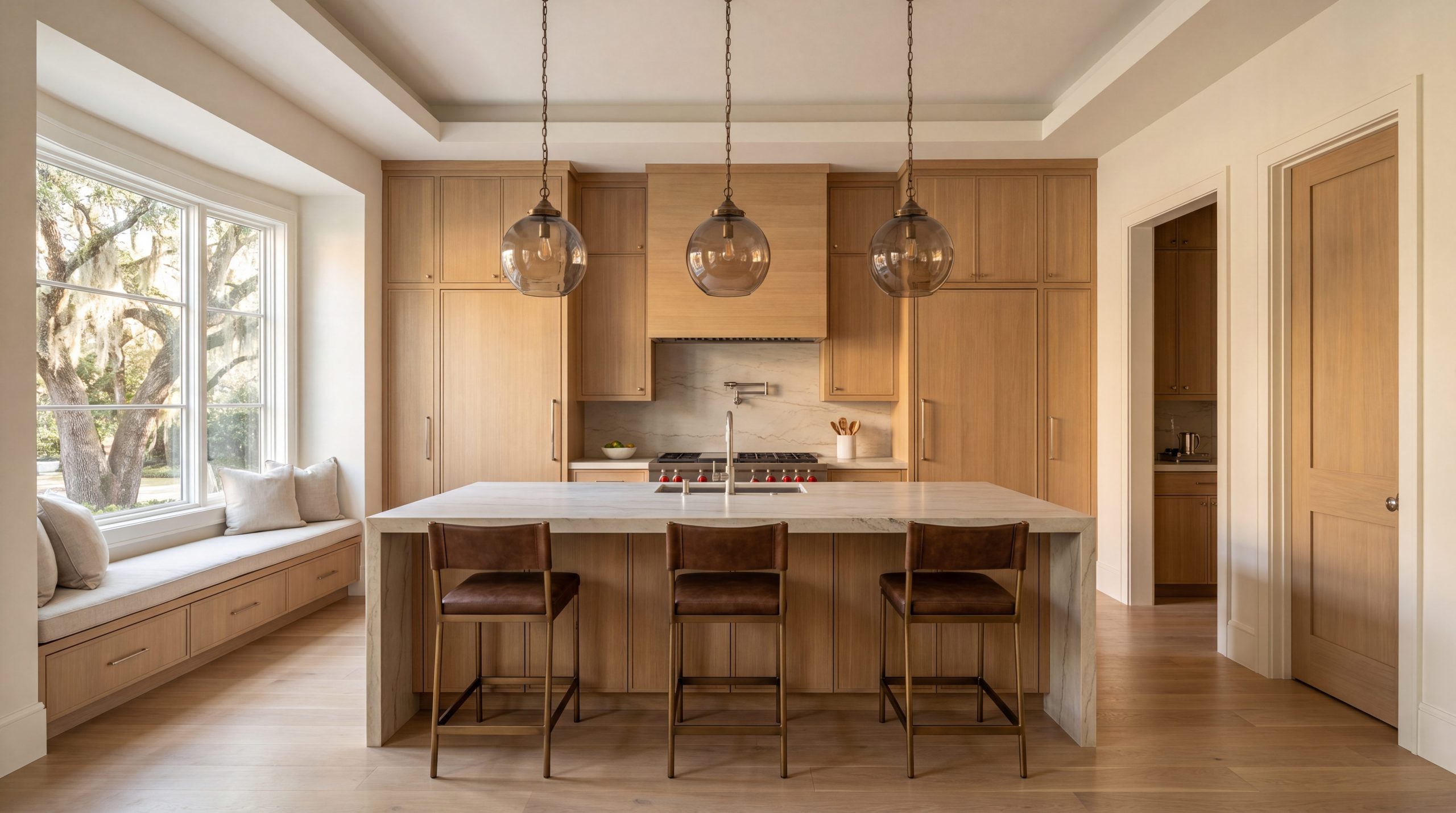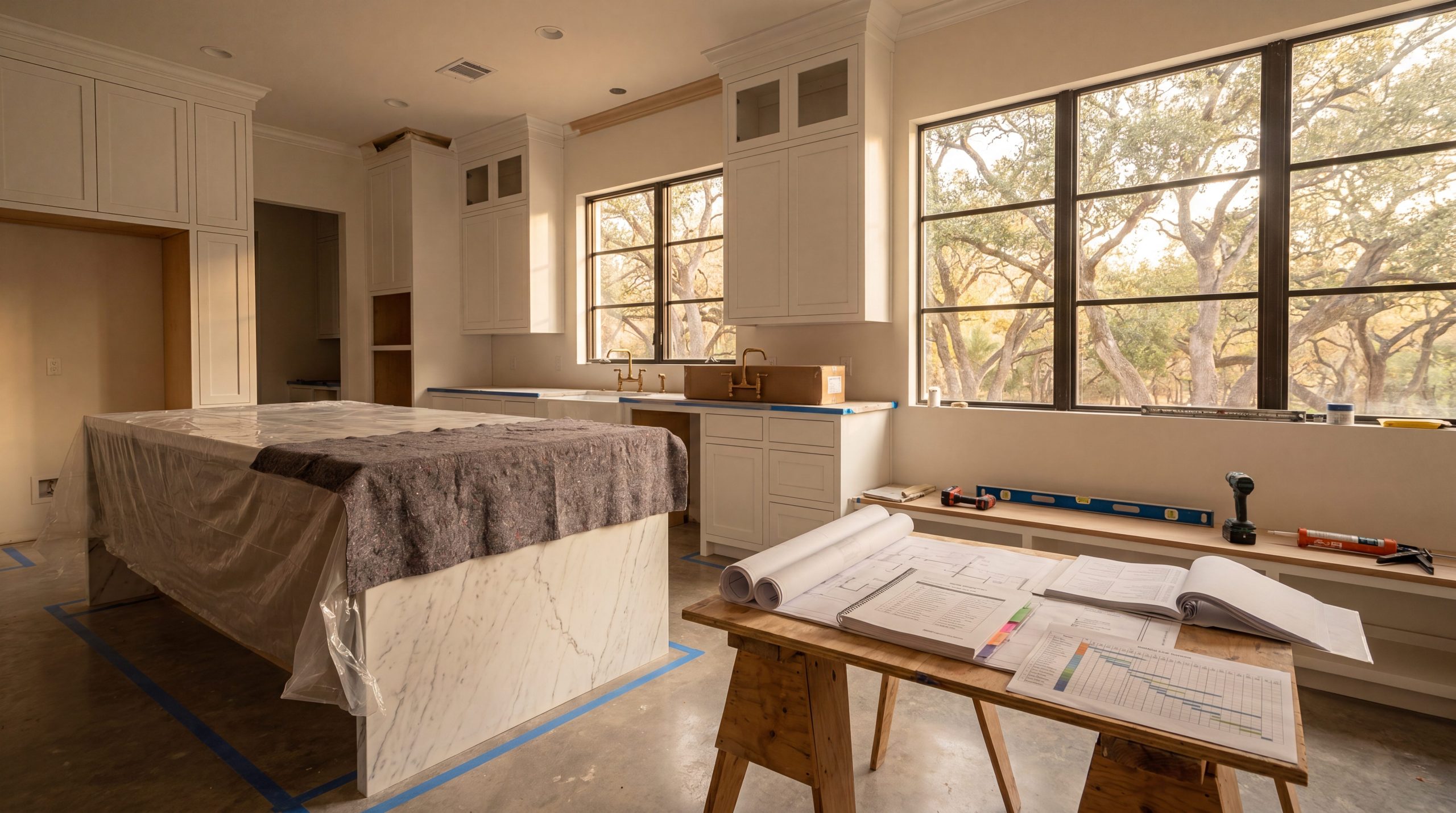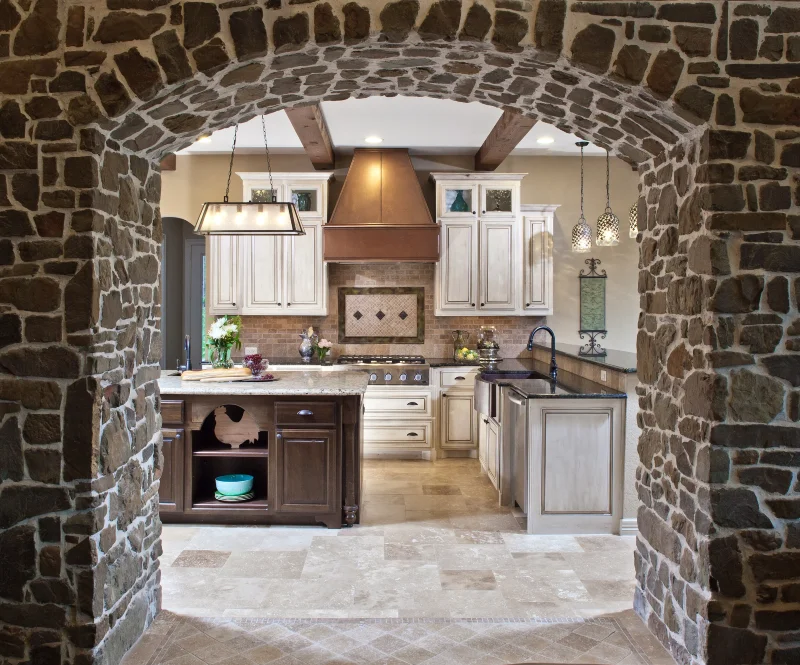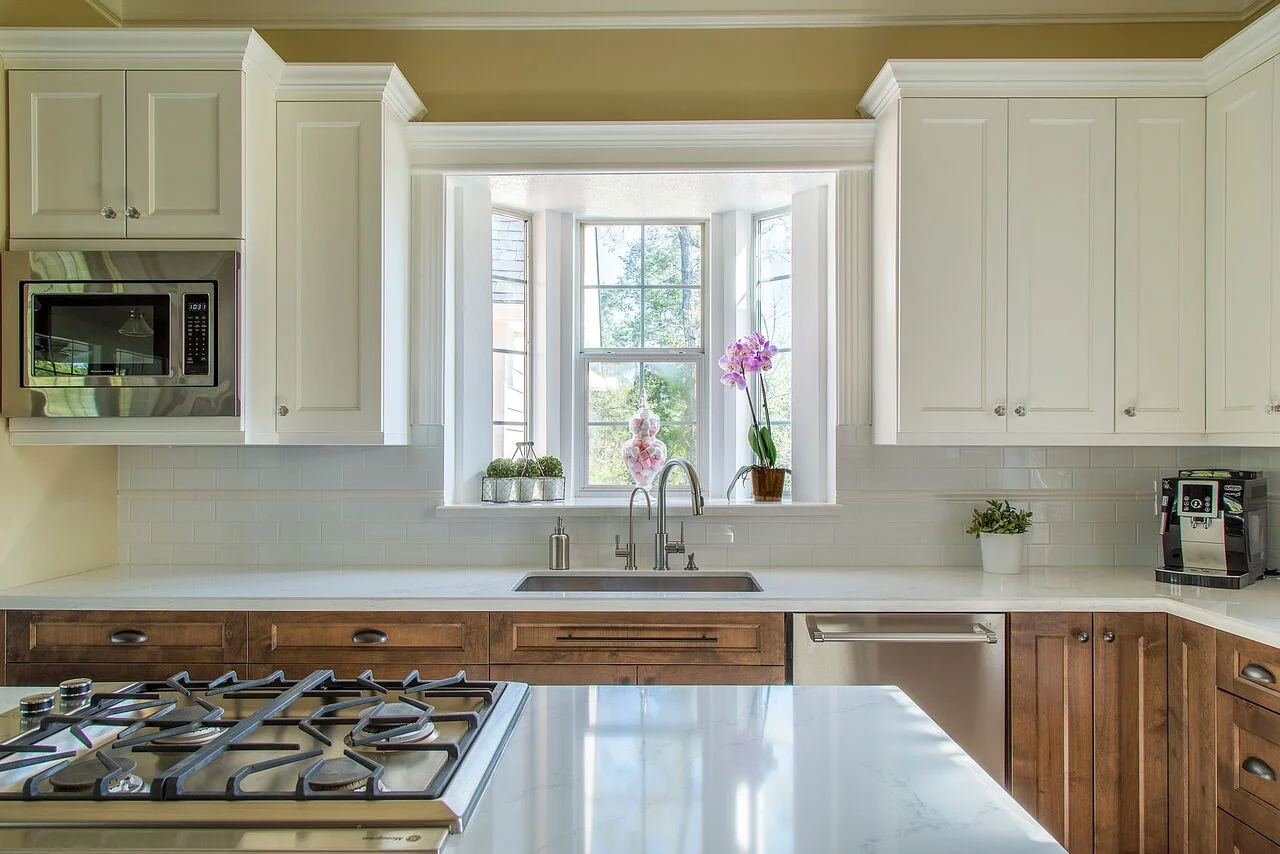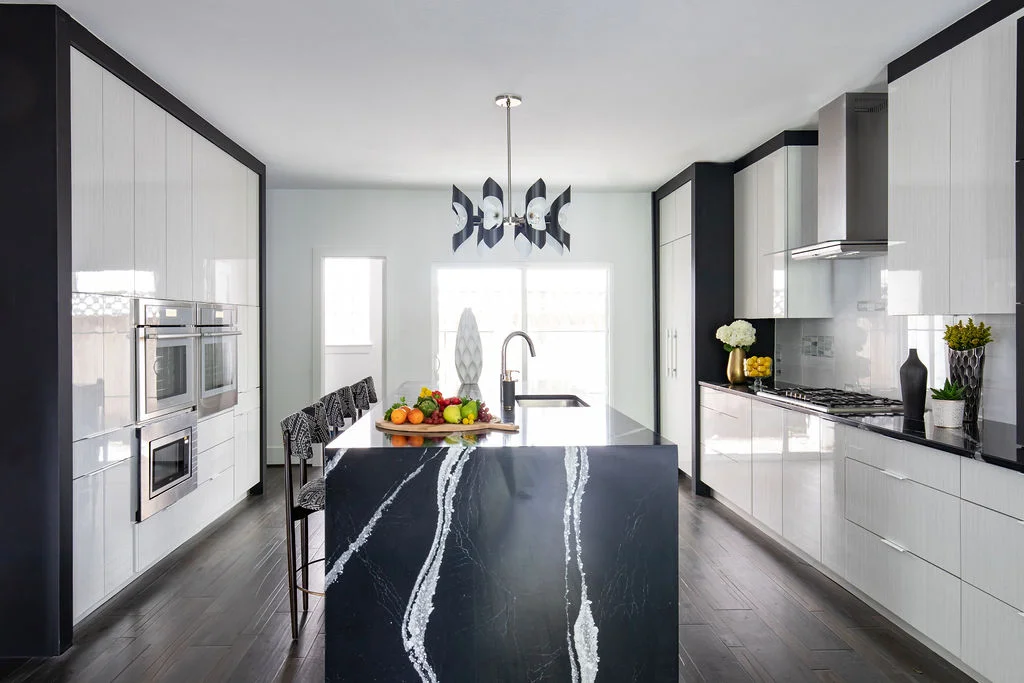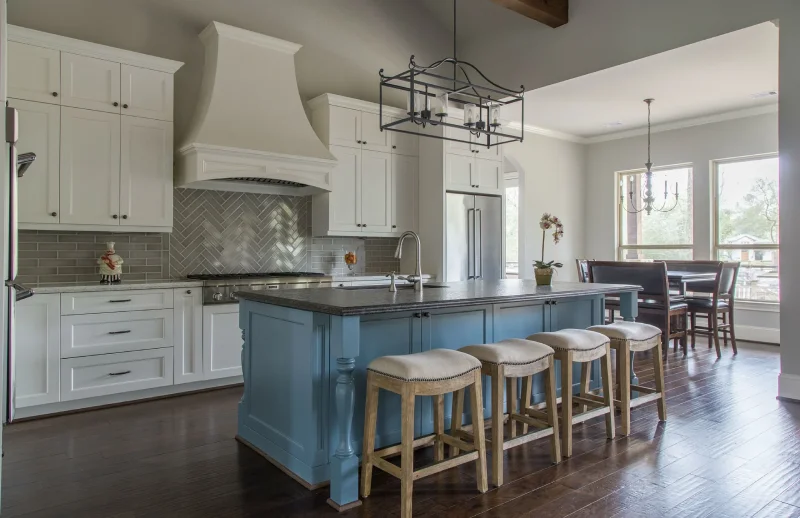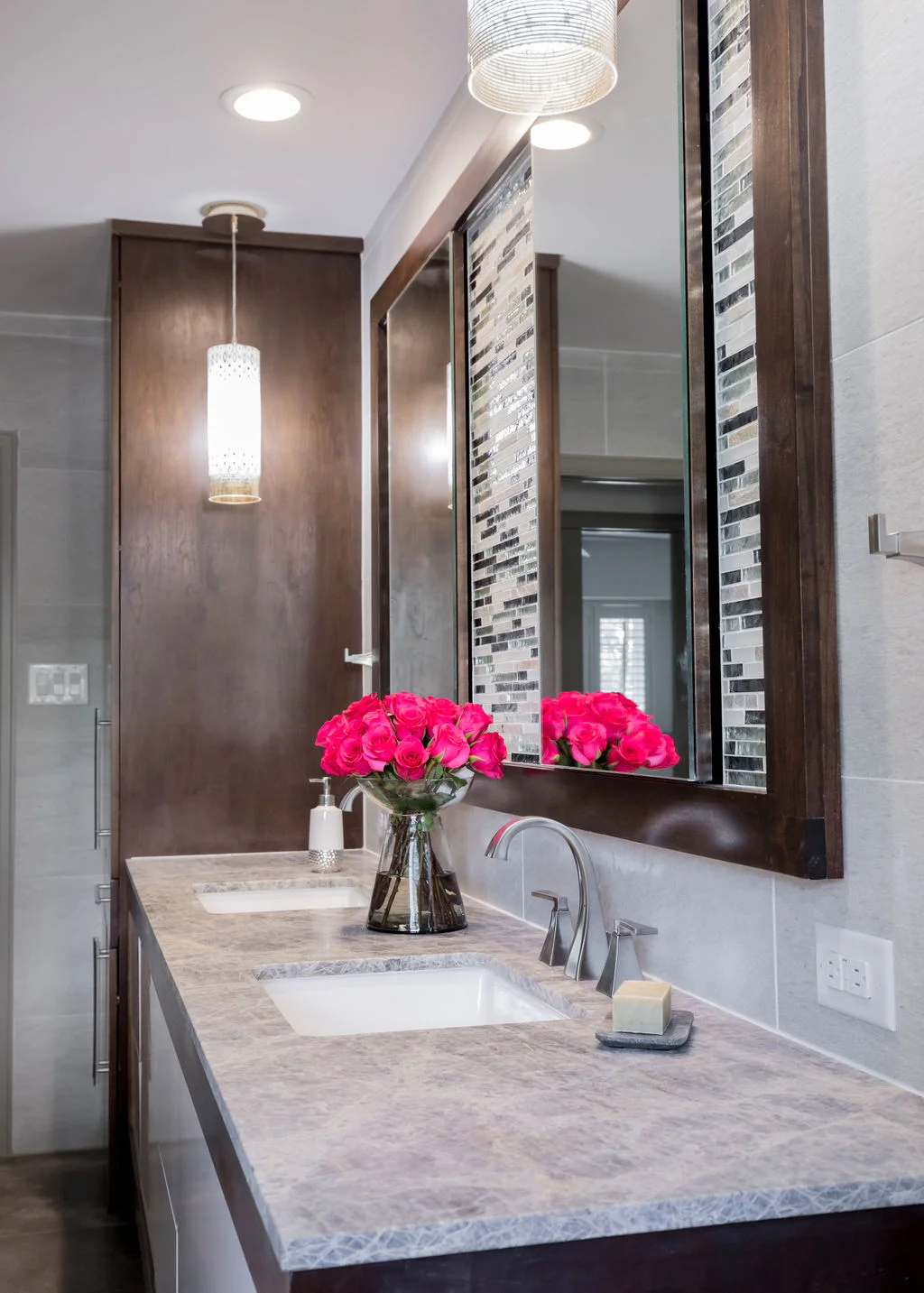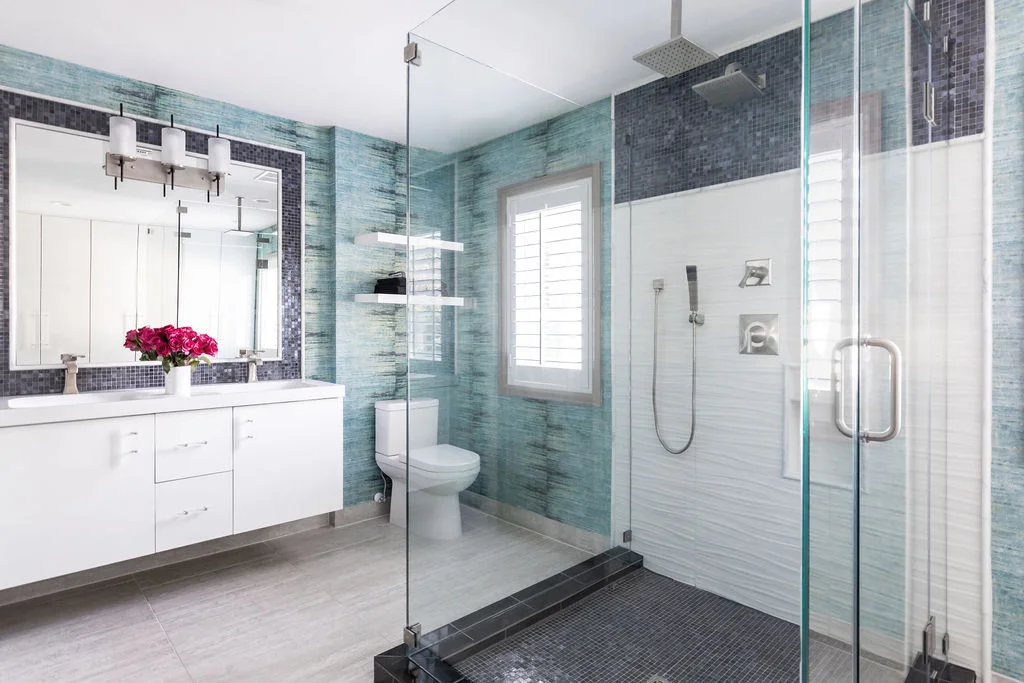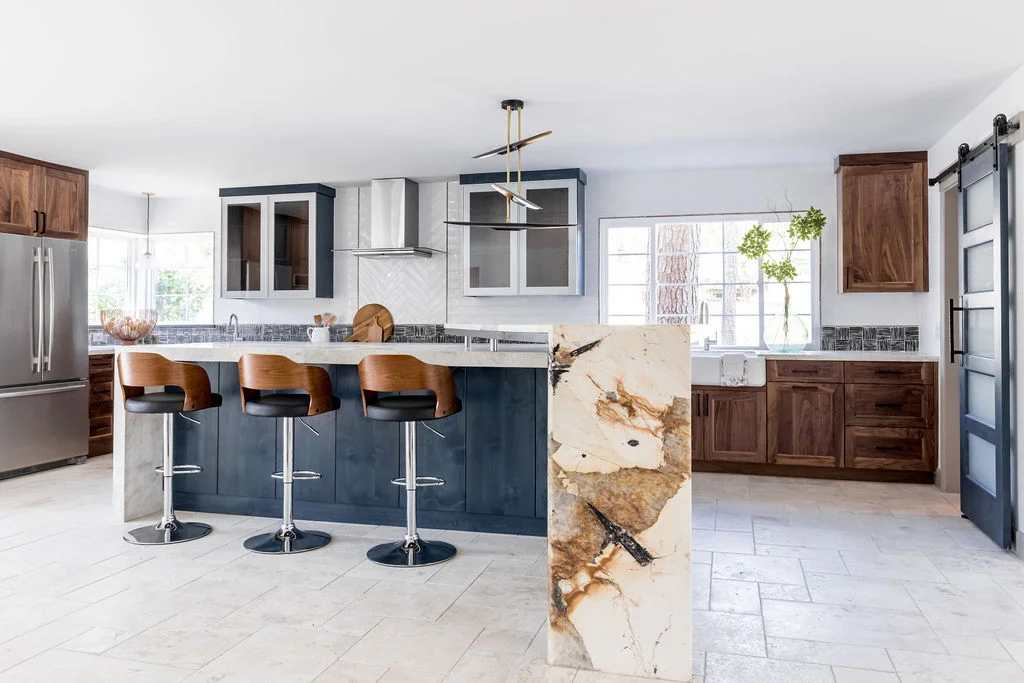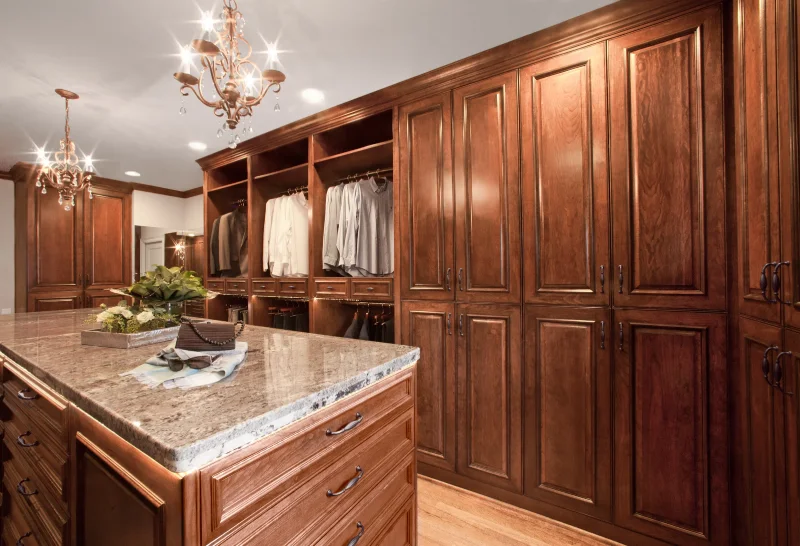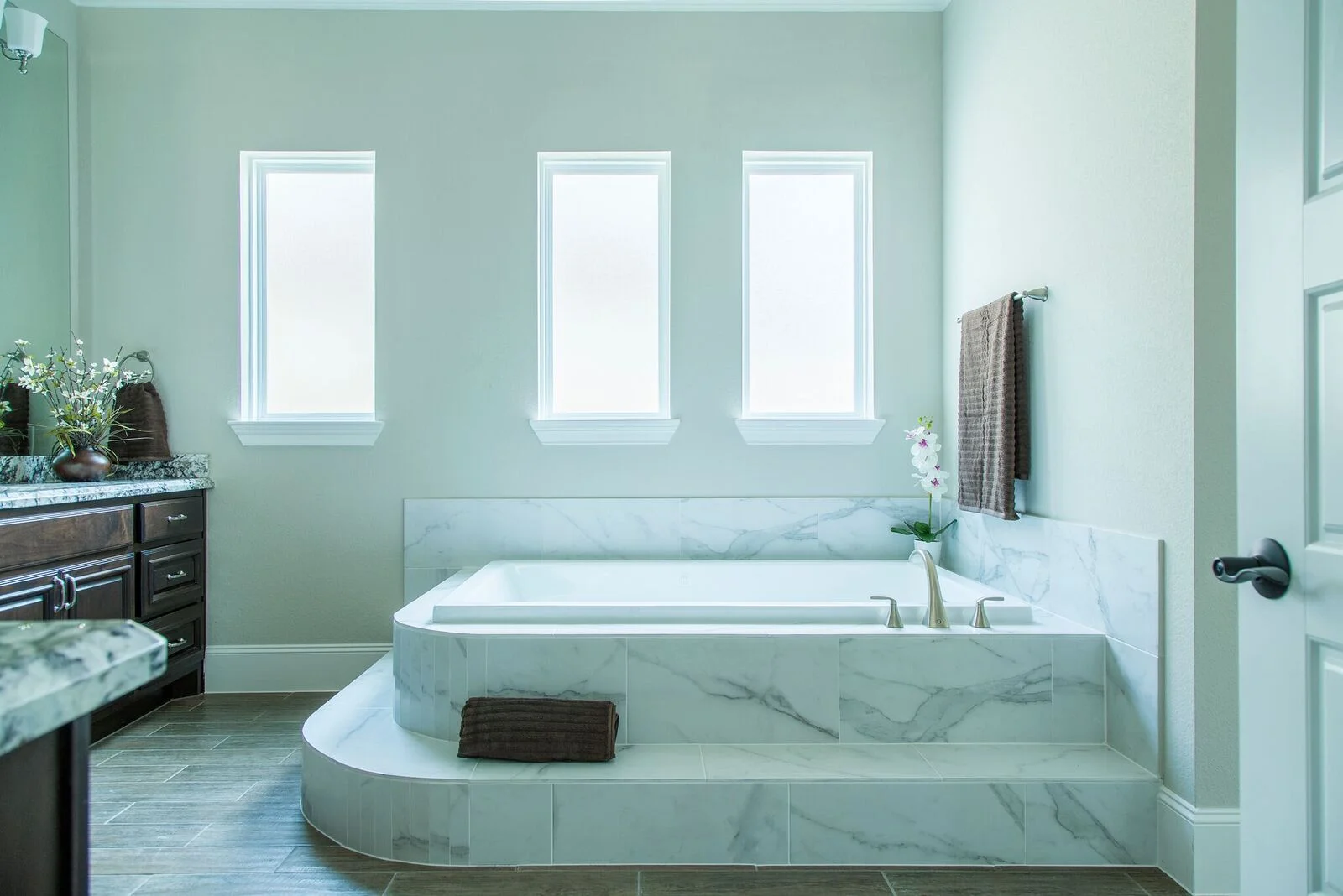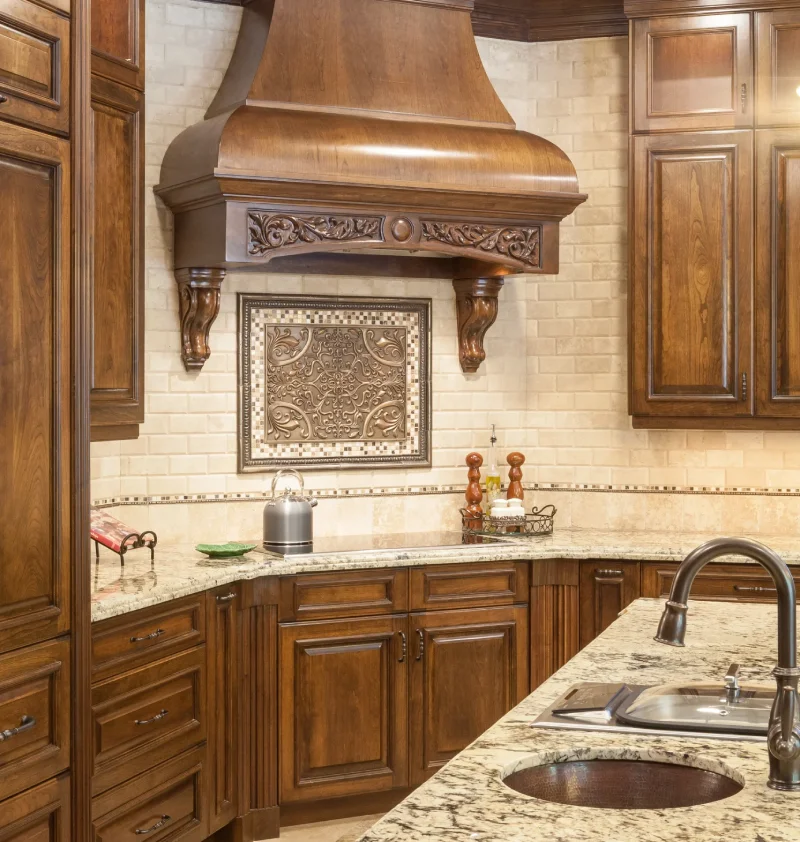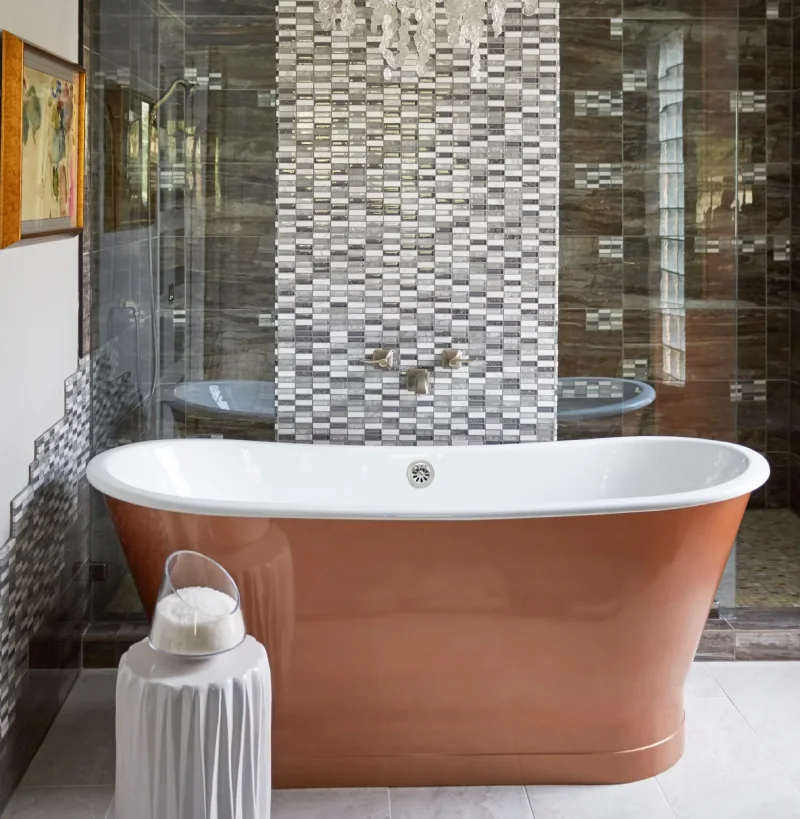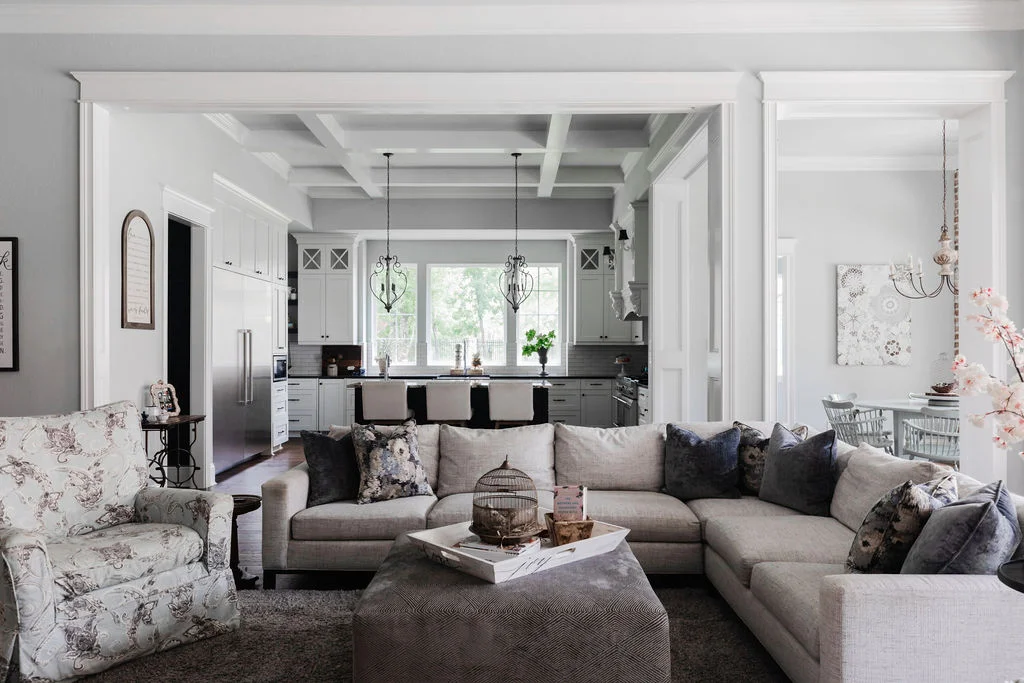

In Houston Heights, where historic charm meets modern luxury, the renovations adding the most value are kitchen remodels (75–85% ROI), spa-like bathroom updates, and adding functional outdoor living spaces. For this specific, neighborhood, preserving historic character (e.g., restoring original hardwoods) while adding modern, energy-efficient amenities is the highest-value strategy.
Introduction
Owning a historic bungalow or new-build in The Heights comes with a unique pressure: every renovation dollar must protect character while maximizing resale. Many homeowners fear pouring six figures into a remodel only to discover the wrong upgrades dilute charm or fail inspection. The good news is that strategic, well-permitted improvements consistently outperform sweeping luxury overhauls. This guide to home remodeling Houston Heights, Texas walks you through the highest-ROI projects, hidden pitfalls in century-old structures, and the right questions to ask before signing any contract.
Key Takeaways
- Budget 10–15% of your home's market value for a minor kitchen refresh, which industry data indicates typically delivers strong ROI in established Inner Loop neighborhoods like The Heights.
- Verify your contractor pulls City of Houston permits for any structural, plumbing, or electrical scope, since unpermitted work in older homes can derail resale and trigger fines.
- Confirm pier-and-beam foundation condition before spending on finishes; Houston's expansive clay soil commonly causes movement in pre-1940 homes that requires shimming or sistering.
- Demand a written allowance schedule covering cabinetry, countertops, tile, and fixtures so a $90,000 bathroom does not balloon to $140,000 mid-project through vague selections.
- Compare three licensed remodelers with verifiable Heights project portfolios, current general liability coverage of at least $1 million, and references from homes built before 1945.
- Inspect every change order in writing within 48 hours; whole-house renovations on older homes typically generate multiple change orders, and unsigned approvals are a leading source of disputes.
Why Historic Inner Loop Renovations Demand a Different Playbook
Renovating in The Heights is unlike remodeling a 2005 suburban build in Cypress or Katy. Most homes here date between 1900 and 1940, sit on pier-and-beam foundations, and many fall within one of the City of Houston Historic Preservation districts. That overlay governs exterior changes — siding, windows, porches, and rooflines — and meaningful exterior work generally requires a Certificate of Appropriateness. Interior scope is typically less restricted by the historic ordinance, but plumbing, electrical, and structural work still require permits.
The second consideration is soil. The Heights sits on expansive Gulf Coast clay, sometimes called "Houston gumbo," which swells and shrinks with moisture. This affects foundation behavior, slab additions, and even tile selection. A skilled remodeler accounts for movement with flexible substrates and proper drainage. Skipping these steps is a common cause of cracked grout lines and sticking doors within the first few years of a finished remodel.
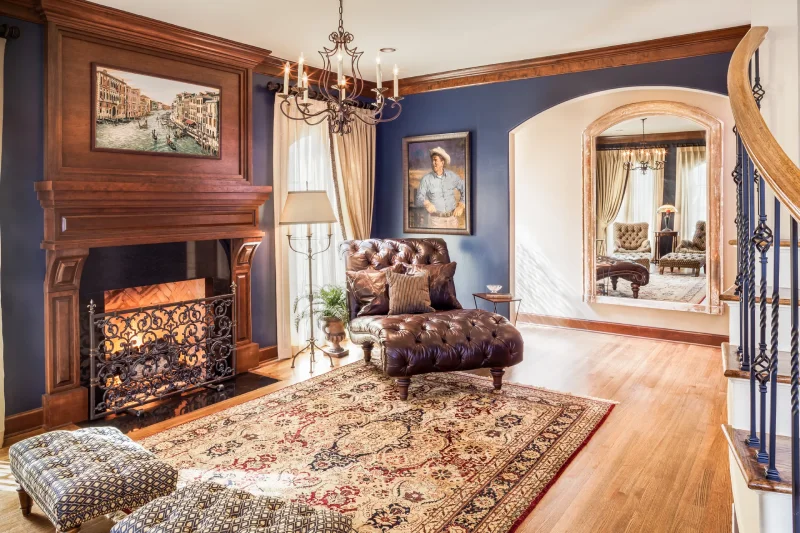
Finally, buyers in this submarket pay a premium for authenticity. Original longleaf pine floors, transom windows, shiplap, and period millwork command real dollars at resale. The renovation playbook that wins here preserves those signatures while quietly modernizing systems. Always confirm current requirements with your local municipality or a licensed contractor before proceeding.
Heights Renovation ROI by Project Type — 2026 Estimates
| Project Type | Typical Cost Range | Estimated ROI | Best For |
| Minor Kitchen Refresh | $30,000 – $75,000 | 75–85% | Bungalows under 2,000 sq ft |
| Full Kitchen Remodel | $90,000 – $180,000 | 55–70% | Whole-house renovations |
| Midrange Primary Bath | $30,000 – $75,000 | 70–80% | Pre-1950 single-bath homes |
| Covered Patio Addition | $25,000 – $60,000 | 55–75% | Lots over 5,000 sq ft |
Kitchen Upgrades That Drive the Strongest Return
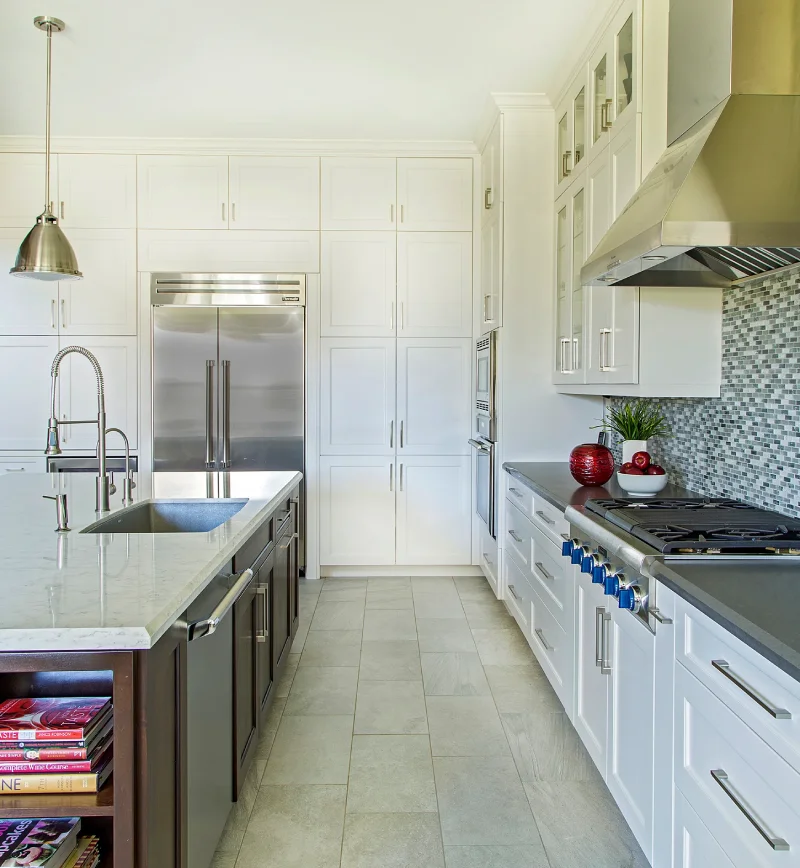
The kitchen remains the single highest-leverage room in any Heights renovation budget. Industry data from the most recent Cost vs. Value Report consistently shows minor remodels — keeping the existing footprint, refacing or replacing cabinets, upgrading counters, and refreshing appliances — outperforming full gut jobs on a pure ROI basis. In bungalows under 2,000 square feet, opening the wall between the kitchen and dining room typically returns more than relocating plumbing to a brand-new island.
Material choices matter as much as layout. Quartz has become a buyer-preferred surface in this submarket because of its consistency and lower maintenance, though high-quality granite remains popular. Soft-close inset cabinetry in white or muted greens reads "Heights" without feeling dated. Brass and brushed-nickel hardware have aged well, replacing the polished chrome that defined remodels a decade ago. Lighting is often underspent — adding layered ambient, task, and accent fixtures meaningfully changes appraised value.
Questions to Ask Your Kitchen Remodeler
- How many Heights or Woodland Heights kitchens have you completed in the past 24 months?
- Do you handle permits in-house, or does the homeowner pull them?
- What is your typical timeline from demolition to final walk-through?
- How are appliance, cabinet, and countertop allowances structured in the contract?
- What is your written warranty on cabinetry installation and plumbing rough-in?
Bathroom Renovations and the Spa Standard
Bathrooms are the second-strongest ROI category, generally returning 70–80% in The Heights and adjacent Woodland Heights based on midrange industry benchmarks. The winning formula in 2026 is the "spa-light" approach: a curbless walk-in shower with linear drain, a freestanding tub where space allows, heated tile floors, and a double vanity with quartz top. Matte-black and brushed-nickel fixtures continue to age well; polished gold has plateaued.
For older homes, the unglamorous work matters most. Replacing original cast-iron drain lines, upgrading from two-prong wiring to GFCI-protected circuits, and installing a properly vented exhaust fan are non-negotiable. These hidden upgrades protect the visible finishes from water and electrical failures that plague unrenovated Heights bathrooms. Skimping here is the fastest way to burn budget on a remodel that fails an inspection two years later.
Layout decisions should respect the home's era. Pushing a primary bath into a former bedroom can work, but eliminating the only first-floor bath in a 1920s bungalow hurts resale. A skilled designer balances modern function with floor-plan logic that future buyers will recognize. Always confirm current requirements with your local municipality or a licensed contractor before proceeding.
Heights Bathroom Remodel Scope and Investment Bands
| Scope Level | Typical Investment | Timeline | Key Inclusions |
| Refresh | $18,000 – $35,000 | 3–5 weeks | Vanity, fixtures, paint, lighting |
| Mid-Range Remodel | $35,000 – $70,000 | 6–9 weeks | Tile shower, new layout, tub |
| Spa-Level Primary | $75,000 – $130,000 | 10–14 weeks | Curbless shower, heated floor, custom vanity |
| Whole-Home Bath Package | $90,000 – $200,000 | 12–18 weeks | Two to three baths, full re-pipe |
Outdoor Living, Energy, and the Hidden Value Plays
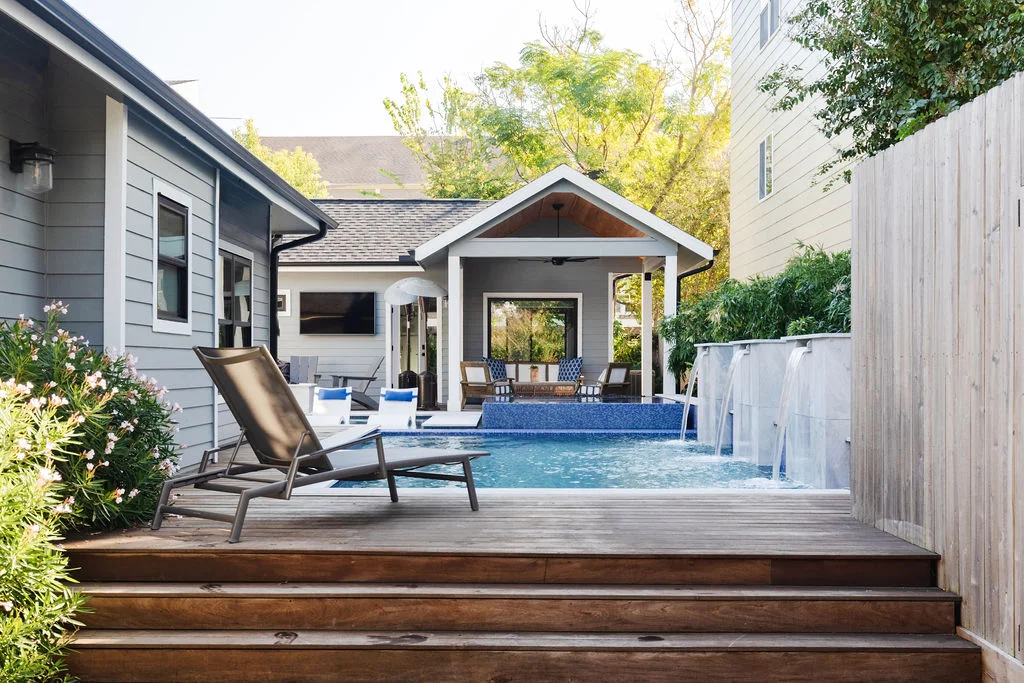
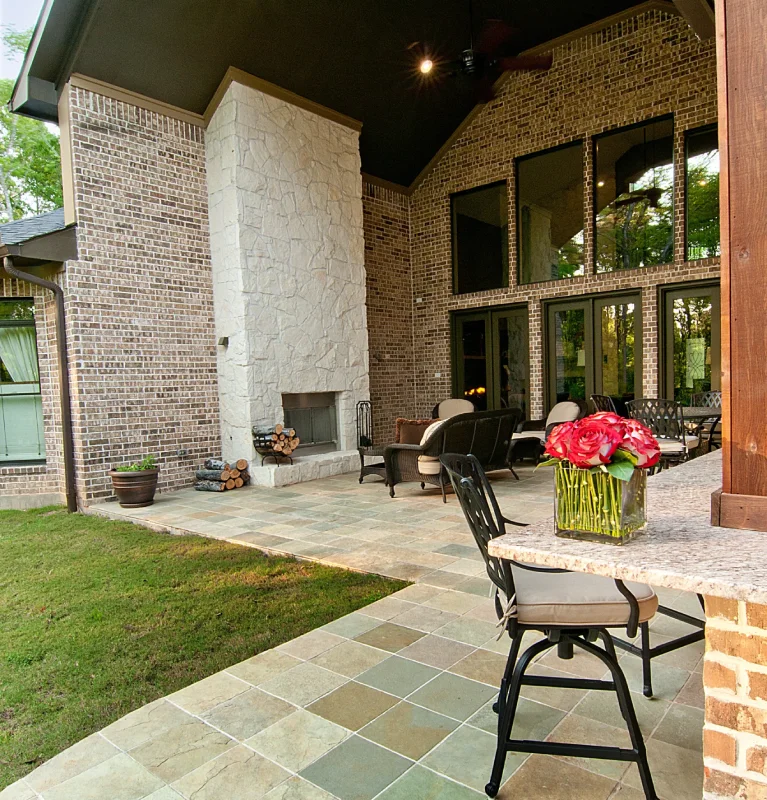
This is the category most local competitors underdiscuss, yet it is where forward-looking Heights homeowners are quietly creating six-figure value. Given the Gulf Coast climate, a covered patio with cedar tongue-and-groove ceiling, integrated fans, and a small outdoor kitchen often returns 55–75% — and dramatically improves how the home shows. Adding a deck or screened porch on a deep Heights lot can lift appraised value meaningfully, in some cases by $15,000 or more.
Energy and resilience upgrades are the second hidden play. Hurricane-rated impact windows, spray-foam insulation in the attic, and a properly sized variable-speed HVAC system can reduce energy bills meaningfully and may lower homeowner insurance premiums. Standby generators have become a common feature among higher-end buyers in Houston Heights, Texas after recent grid events.
Often-Missed Value Levers
- Re-piping galvanized supply lines to PEX before they fail behind finished walls
- Upgrading the electrical panel to 200-amp service with surge protection
- Adding a French drain system on lots prone to ponding
- Installing a tankless water heater to reclaim closet space
- Restoring original longleaf pine floors rather than replacing them
Working With a Heights Builder: Process and Timeline
A well-run whole-house remodel in The Heights typically follows a predictable arc: design and selections (6–10 weeks), permitting (4–8 weeks for projects requiring a Certificate of Appropriateness), construction (4–8 months depending on scope), and punch-list (2–3 weeks). Builders who try to compress the design phase usually end up with the most change orders. The pre-construction investment of time is what protects budget once walls open.
Expect lead times on certain materials — custom cabinetry, specialty windows, and imported tile — to run 10–16 weeks in most cases. A seasoned remodeler orders these during design, not after demolition. Communication cadence matters too: weekly on-site walkthroughs, a shared project management portal, and a single point of contact reduce stress dramatically on projects that may run six months or more.
Cost transparency separates premier builders from the rest. Look for line-item estimates, clearly stated allowances, and a fixed builder fee or transparent cost-plus structure. Vague lump-sum bids almost always end higher than itemized ones. Always confirm current requirements with your local municipality or a licensed contractor before proceeding.
Heights Whole-House Renovation Timeline Snapshot
| Phase | Typical Duration | Homeowner Decisions | Common Delays |
| Design and Selections | 6–10 weeks | Floor plan, finishes, fixtures | Indecision on cabinetry style |
| Permitting | 4–8 weeks | Sign drawings, pay fees | Historic district review |
| Construction | 4–8 months | Approve change orders weekly | Material lead times, weather |
| Punch and Closeout | 2–3 weeks | Final walk, warranty review | Backordered fixtures |
Frequently Asked Questions
What renovation gives the highest ROI in Houston Heights?
A minor kitchen remodel typically delivers the highest ROI in Houston Heights, generally returning 75–85% of investment based on midrange industry benchmarks. Keeping the existing footprint, refacing cabinets, upgrading to quartz counters, and adding layered lighting outperforms a full luxury overhaul on a dollar-recouped basis. Pair it with a primary bath refresh for the strongest combined resale lift in this Inner Loop submarket.
Do I need a permit to remodel a historic home in The Heights?
Yes, most meaningful renovations in The Heights require a City of Houston permit, and exterior changes within a designated historic district generally require a Certificate of Appropriateness. Cosmetic interior work like paint or flooring usually does not. Permit and review timelines often run four to eight weeks. Always confirm current requirements with your local municipality or a licensed contractor before proceeding.
How long does a whole-house remodel take in Houston Heights, Texas?
A whole-house remodel in Houston Heights, Texas typically runs 8 to 14 months from contract signing to final walk-through. Design and selections consume 6–10 weeks, permitting adds 4–8 weeks for projects requiring historic review, and construction generally takes 4–8 months depending on scope. Older bungalows often surface hidden conditions that extend timelines by two to four weeks.
Should I preserve original features or modernize fully?
Preserving original features almost always wins in The Heights and neighboring Woodland Heights. Buyers actively pay premiums for restored longleaf pine floors, original transoms, shiplap walls, and period millwork. The proven strategy is to modernize systems — plumbing, electrical, HVAC, insulation — while protecting visible historic character. Full modernization that strips authenticity tends to underperform at resale.
How much should I budget for a kitchen remodel in The Heights?
Most Heights kitchen remodels in 2026 fall between $60,000 and $180,000, with minor refreshes starting near $30,000. Bungalow-scale kitchens average $80,000 to $130,000 for mid-range finishes, while larger homes with custom cabinetry and premium appliances reach $200,000 or more. Budget an additional 10–15% contingency for surprises common in pre-1940 construction.
What questions should I ask before hiring a Heights remodeler?
Ask how many projects the builder has completed in The Heights or Woodland Heights, whether they handle permits in-house, how allowances are structured, what their warranty covers, and how change orders are documented. Request three references from homes built before 1945. A specialized builder familiar with pier-and-beam foundations and historic district review is essential in Houston Heights, Texas.
Conclusion
The renovations that build real, lasting value in The Heights share three traits: they prioritize kitchens and primary baths first, they protect rather than erase historic character, and they invest quietly in systems and outdoor living that buyers reward at resale. Skip any of those, and even a beautifully styled remodel can underperform. Get them right, and a thoughtful renovation can return 75% or more while transforming daily life in your home.
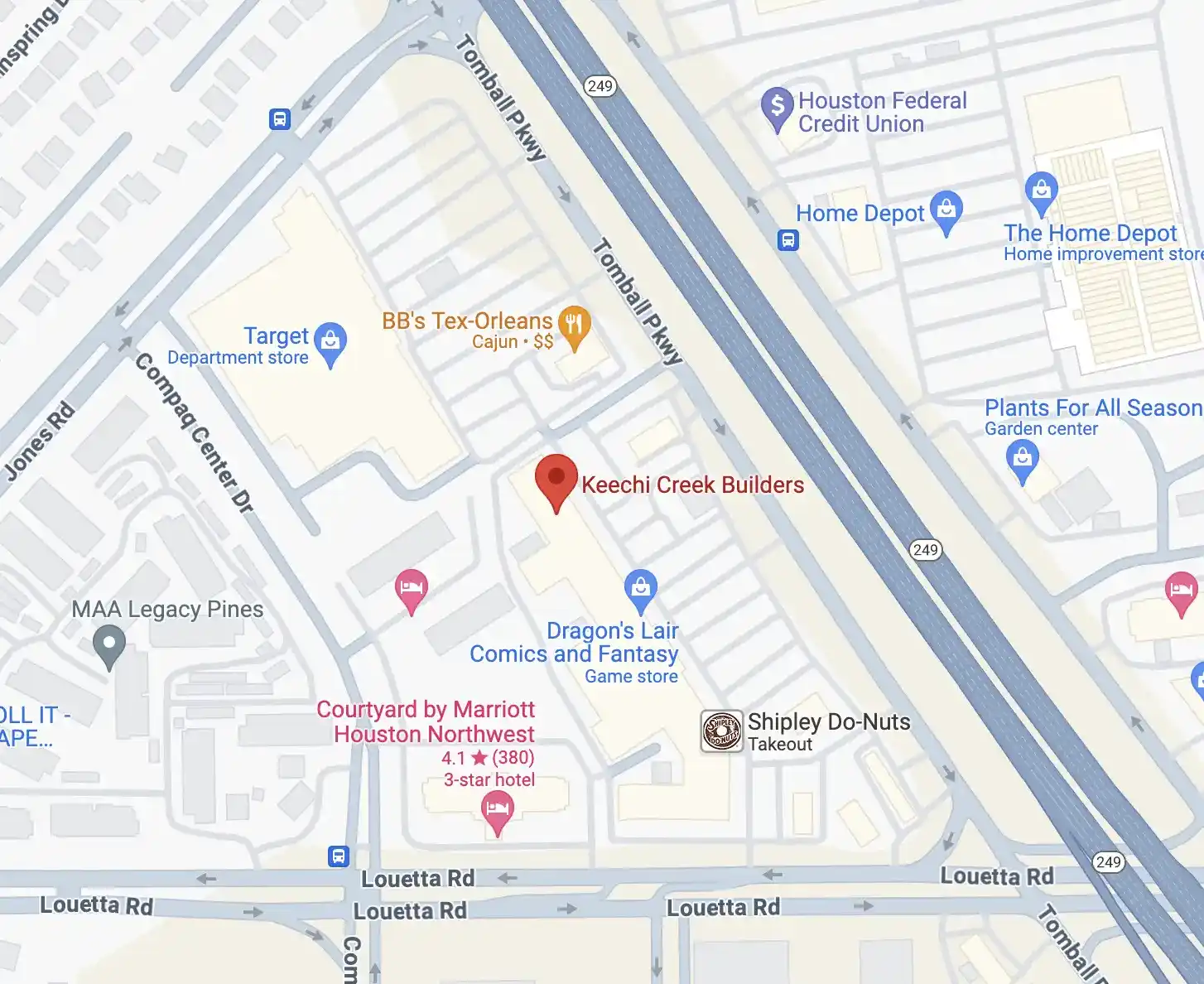
Keechi Creek Builders specializes in design-build renovations that honor the architectural soul of Houston Heights, Texas while delivering modern, energy-efficient luxury. Schedule a private consultation with our team by calling 281-688-1454 or visiting https://www.keechicreekbuilderstx.com to walk your home with a senior project lead. From first sketch to final walk-through, we deliver one trusted partner, one transparent budget, and one remarkable result.