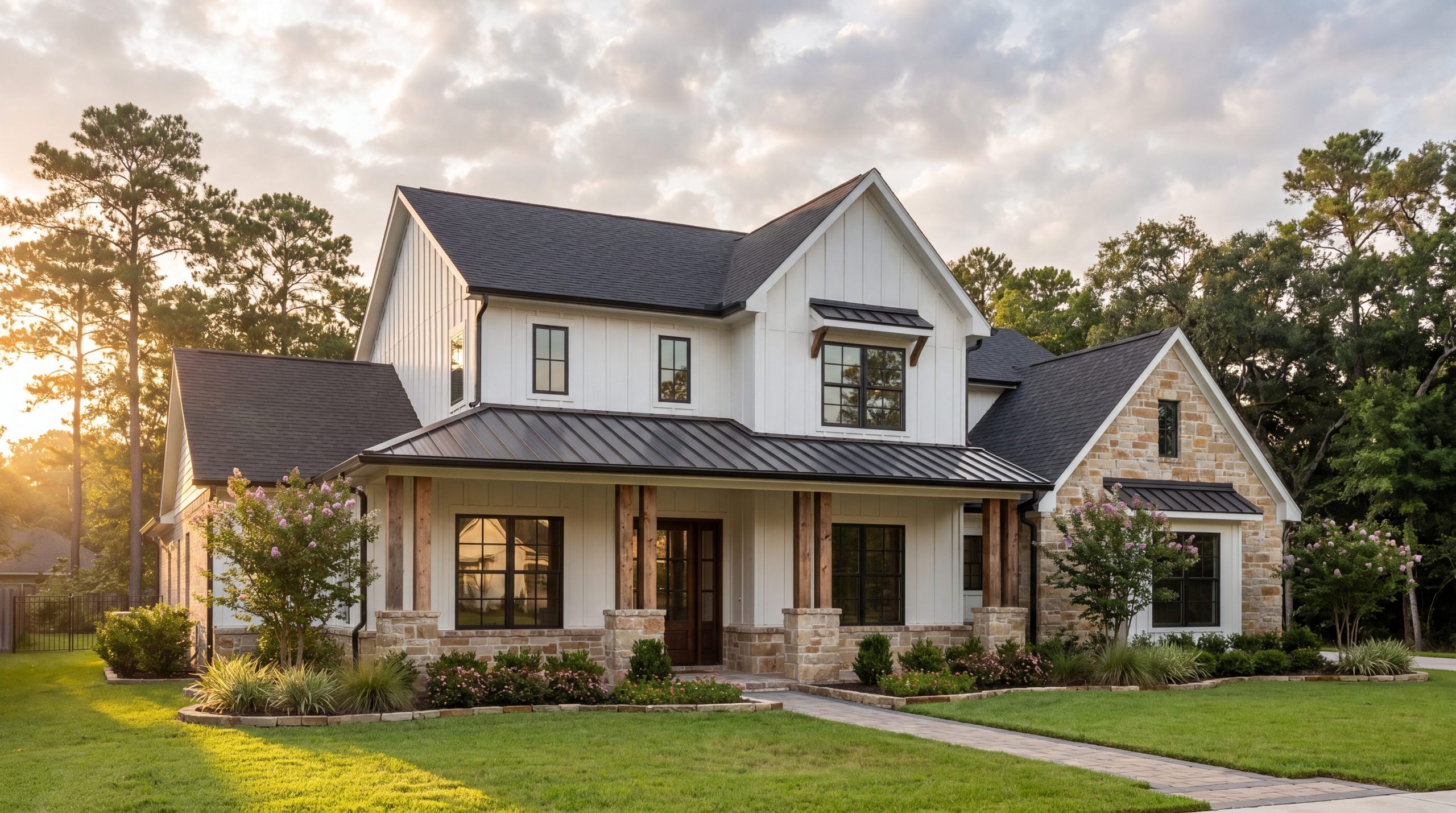
Custom Home Investment in Tomball TX: Cost, Value, and Long-Term Decisions
By Brandon Lynch, GMB, CAPS, CGP | President & Founder, Keechi Creek Builders
Direct Answer. A custom home in Tomball, TX is best evaluated as a multi-decade asset rather than a per-square-foot quote. Total custom home cost in Tomball moves with five primary variables — lot conditions, square footage, structural systems, finish tier, and design complexity — layered on top of a sixth: the operating cost of the home you actually live in. Pre-construction pricing and a design-build contract resolve most of the cost uncertainty before the first concrete pour.
Key Takeaways
- Custom home cost in Tomball is a decision framework with five build-side variables plus one ownership-side variable — not a dollar figure.
- Pre-construction pricing — locking scope, structural systems, and finish allowances before construction — is the largest risk-reduction tool available.
- The design-build model collapses the architect-contractor seam where most cost-overrun disputes originate.
- Total cost of ownership — energy, durability, maintenance, resale resilience — frequently outweighs the line items most homeowners fixate on.
- Tomball's master-planned and acreage corridors (Augusta Pines, Northpointe, Lakes of Rosehill, Gleannloch Farms) each carry their own ARC, lot-condition, and entitlement profile.
- A Tomball custom home is engineered for 25–40 years of family use; the right framework treats it as a legacy asset, not a transaction.
A Better Question Than "How Much Does It Cost to Build a Custom Home in Tomball?"
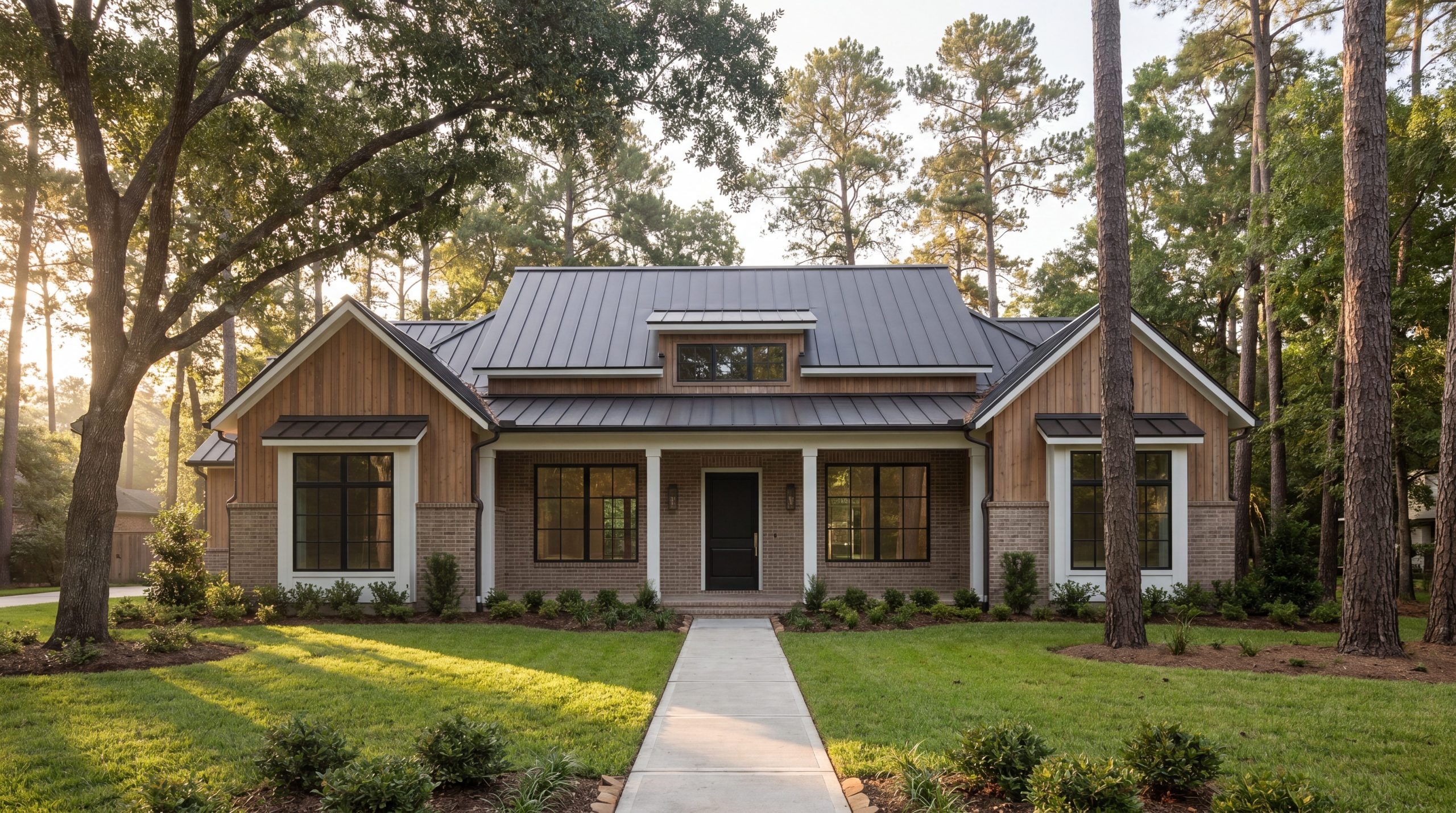
Most conversations about how much it does cost to build a custom home in Tomball, TX begin in the wrong place. The per-square-foot question — what will my custom home cost per sq ft — sounds precise, but it produces a number that is almost always wrong by enough to matter. A 4,200 sq ft custom home on a flat Augusta Pines infill lot and a 4,200 sq ft custom home on a two-acre Lakes of Rosehill site with mature trees and a drainage easement share square footage. They share nothing else.
The better question is this: what decisions inside the building process move the typical cost, and which decisions are you equipped to make right now? Custom home cost is downstream of those decisions. Structured well, the build cost behaves. Otherwise it spirals through the change-order channel.
In nineteen years of building custom homes in Tomball and across the Greater Houston area — Cypress, Magnolia, Memorial, and The Woodlands — we have learned that the homeowners who arrive at their final walkthrough satisfied are the ones who built a framework for the decisions, then made each one well — with structural data, finish allowances, and home plans grounded in the lot, the building process, and timeline reality.
This pillar lays out that framework. It does not publish a typical cost per square foot, because a per square foot custom home figure is the wrong unit for what a luxury custom home in Tomball actually is.
The Five Variables That Drive Custom Home Cost in Tomball
A custom home cost in Tomball, TX is the output of five interacting variables. Holding any one of them constant while the others move produces the wide cost ranges that homeowners encounter when they survey three builders and receive three different answers. The variables are stable. The numbers underneath them are not — and that is the point.
|
Actionable Tip Before you compare custom home bids, ask each builder to price the same locked scope with written finish allowances, not a vague per-square-foot figure. Put the structural system, the allowances, and the site work on one page. When every bid answers the same questions, you can finally compare builders instead of guesses. |
1. The Lot
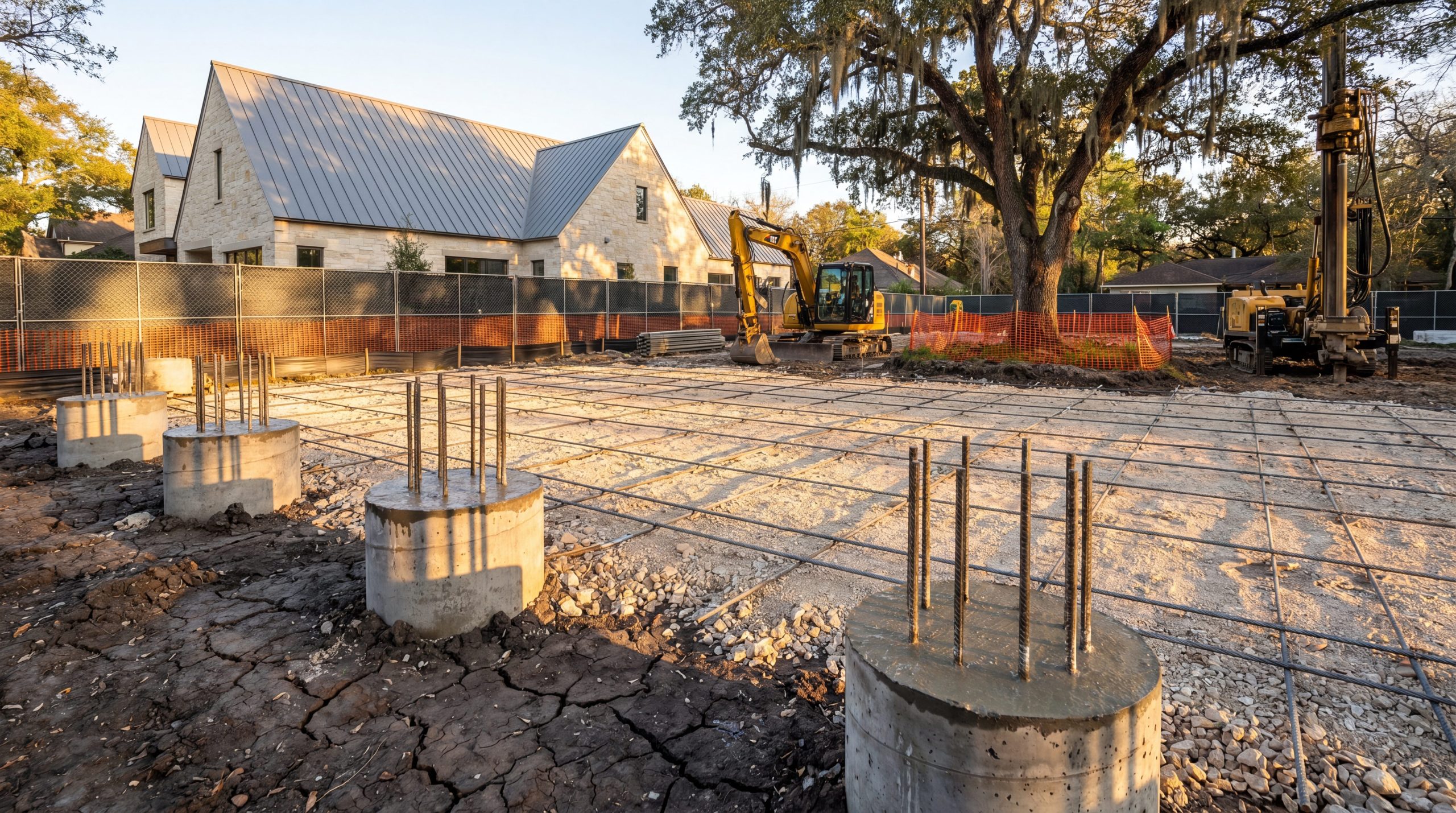
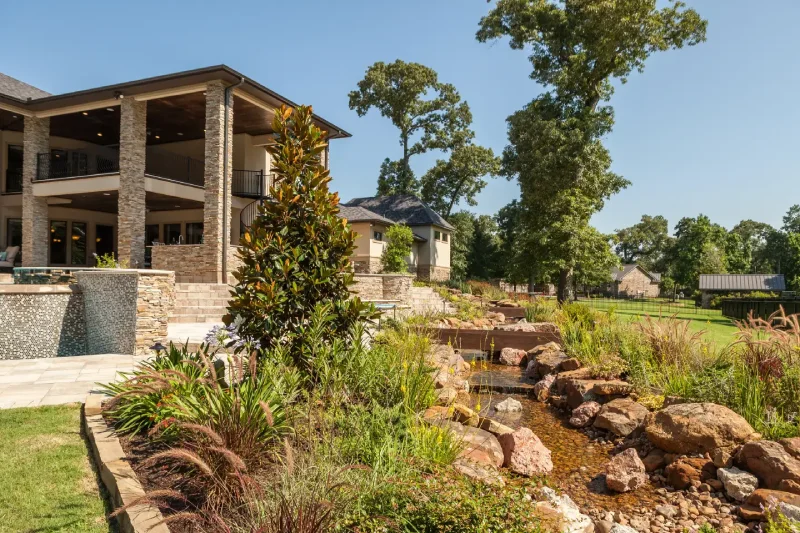
The lot is the first cost decision and the most underestimated. A flat, fully serviced Augusta Pines or Northpointe parcel inside a master-planned community presents a fundamentally different cost profile than a two-acre wooded site in Lakes of Rosehill where a well, aerobic septic, a driveway run, grading, and selective tree clearing all need to be engineered before the foundation is poured. In Harris County, FEMA flood-zone exposure, soil conditions on the post-2005 expansive clay corridor, and easement geometry can each shift the build cost envelope before a single architectural decision is made. A lot-condition assessment — survey, geotechnical, drainage, utility, inspection — lets the rest of the investment envelope settle around verified ground truth instead of optimistic assumptions. For homeowners considering a custom home on your land in or near Tomball, this evaluation is the first conversation, not the last.
2. The Square Footage and Layout
Square footage matters, but layout matters more. Two custom homes at 3,800 sq ft — one with a tightly disciplined floor plan and standard ceiling heights, another with a great room vaulting to twenty feet, a stacked staircase, and a primary suite at the opposite end of the house from the utility chase — will not cost the same. The cost driver is rarely the square footage figure or the per sq ft headline. It is the structural geometry beneath it: span lengths, beam specifications, plumbing runs, mechanical zones, and the engineered slab decisions that follow. Disciplined layout work in design recovers build cost that aggressive square footage trimming during construction never does.
3. The Structural Systems
Foundation, framing, roof, and envelope decisions account for a meaningful share of the typical cost of a Tomball luxury custom home and almost all of the long-term performance. A drilled pier foundation engineered for the local clay profile costs more up front than a standard slab-on-grade and saves the differential many times over by the time the house is fifteen years old. Closed-cell spray foam, conditioned attic systems, and storm-rated window assemblies each return value through operating cost, durability, and comfort. The investment math is not "system X versus system Y at delivery." It is "system X across thirty years of Houston summers."
4. The Finish Tier
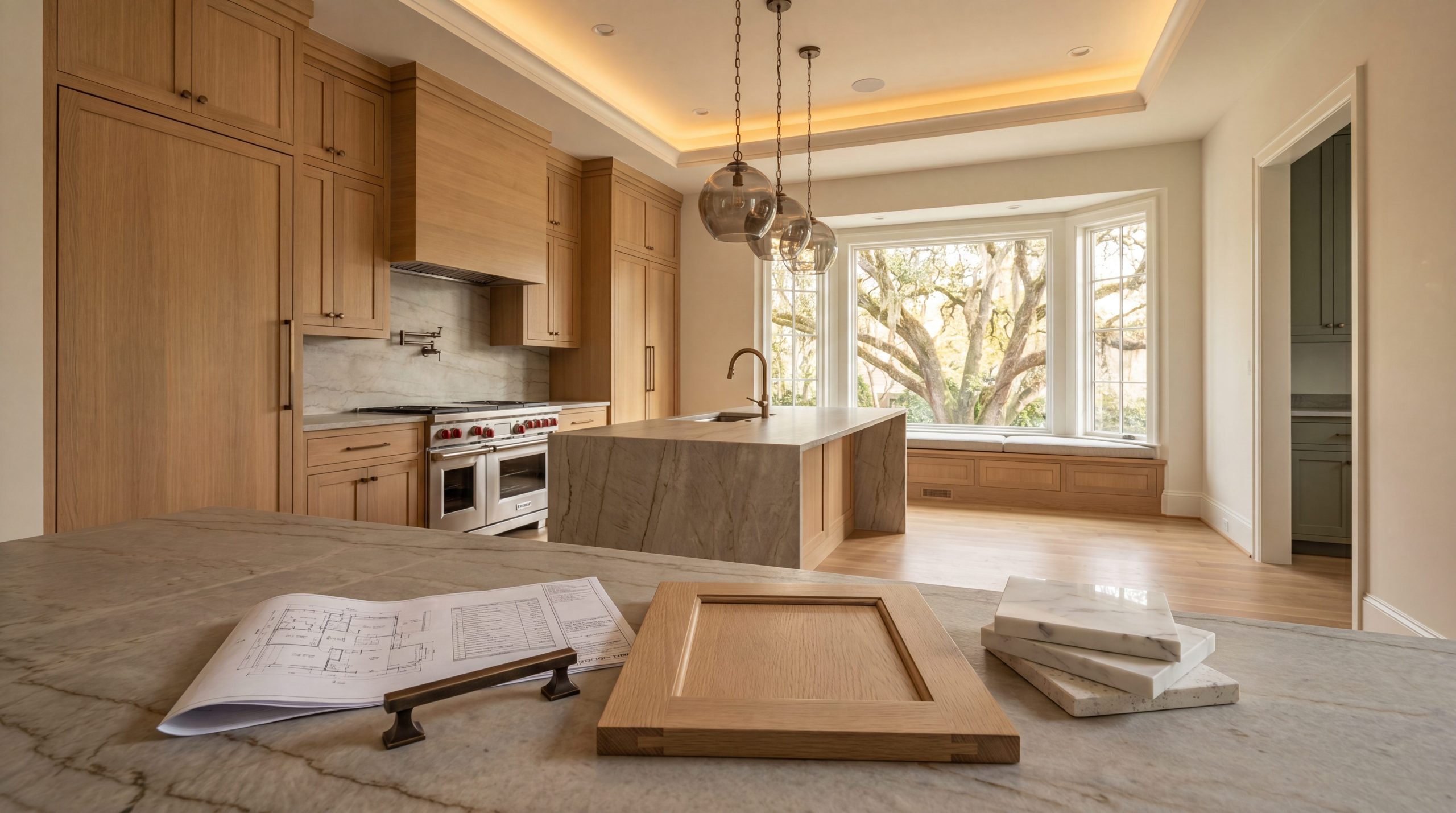
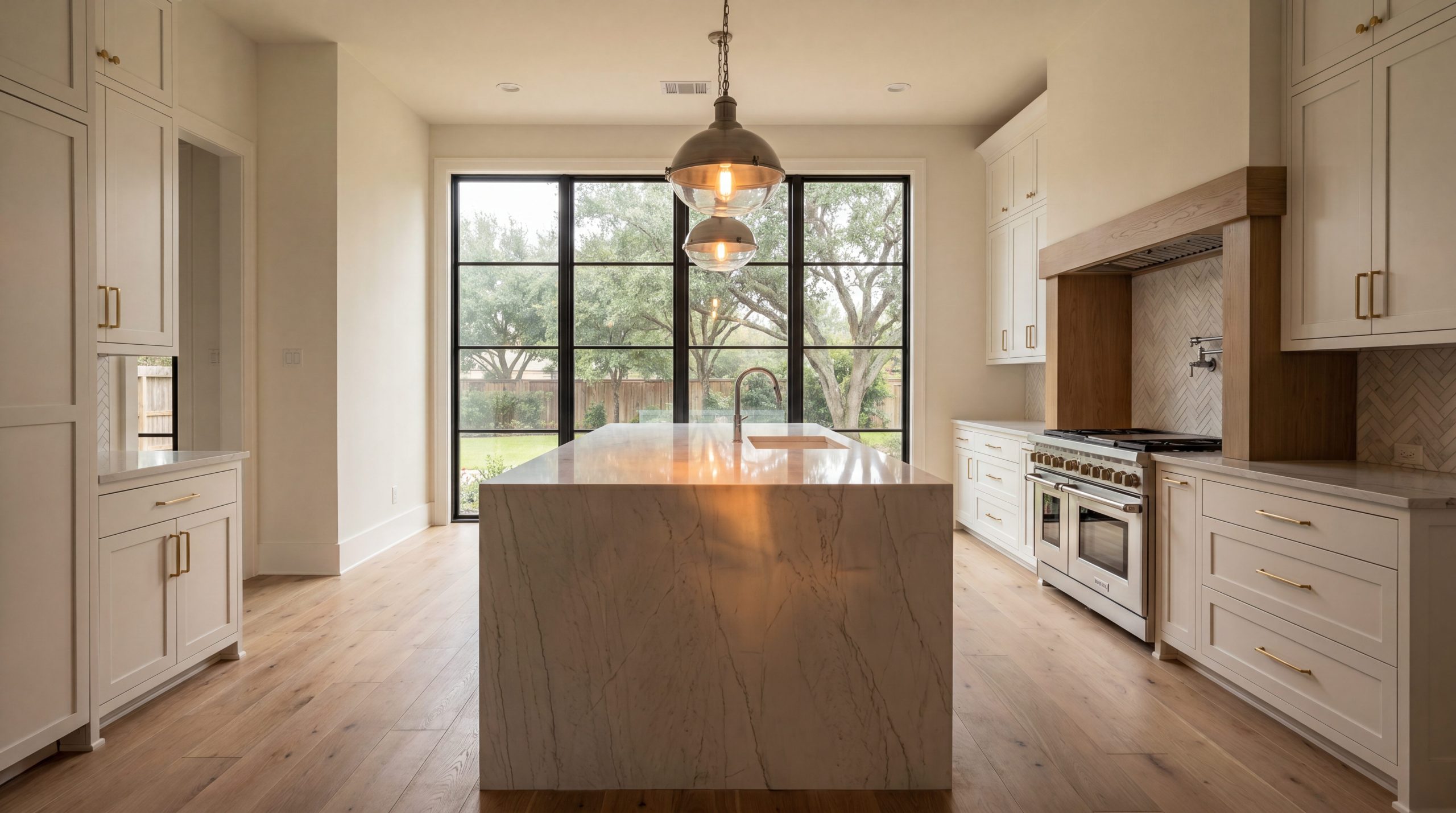
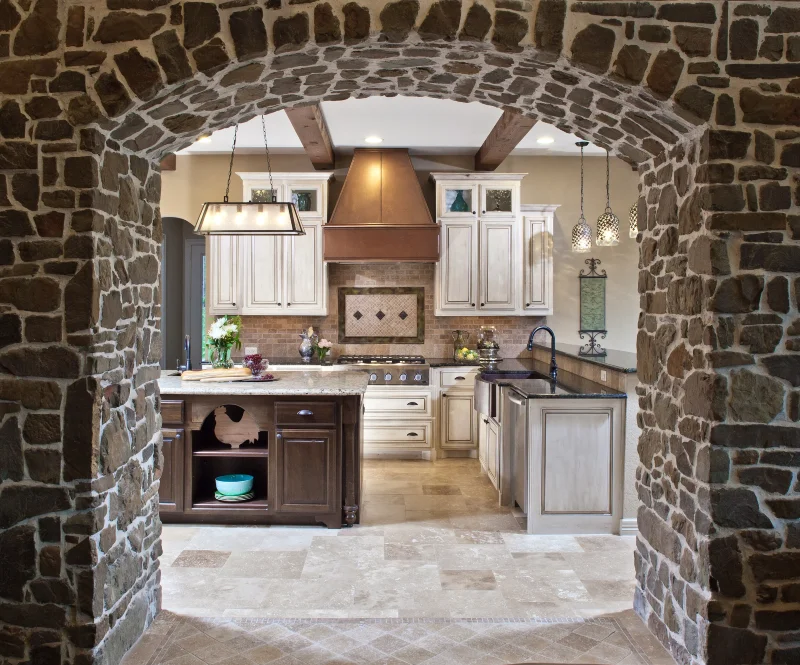
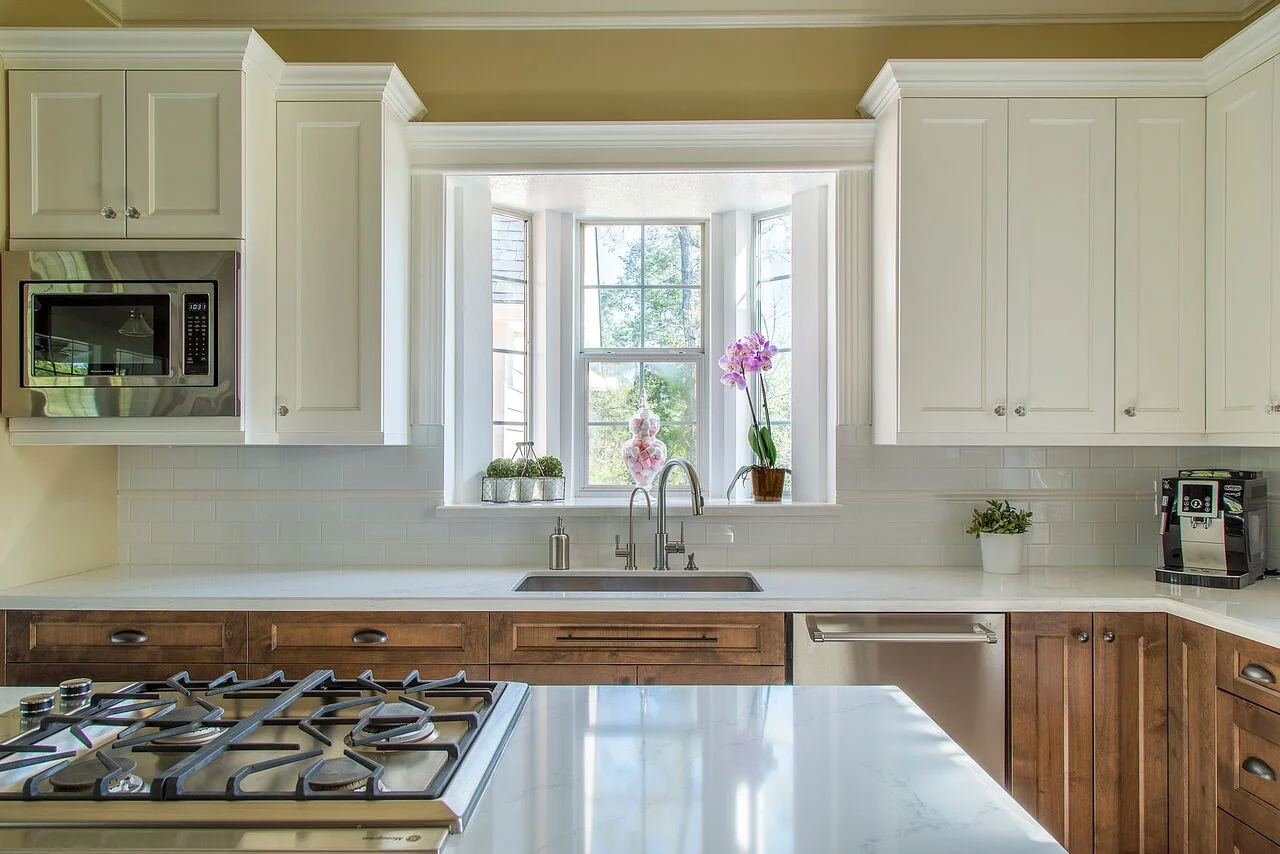
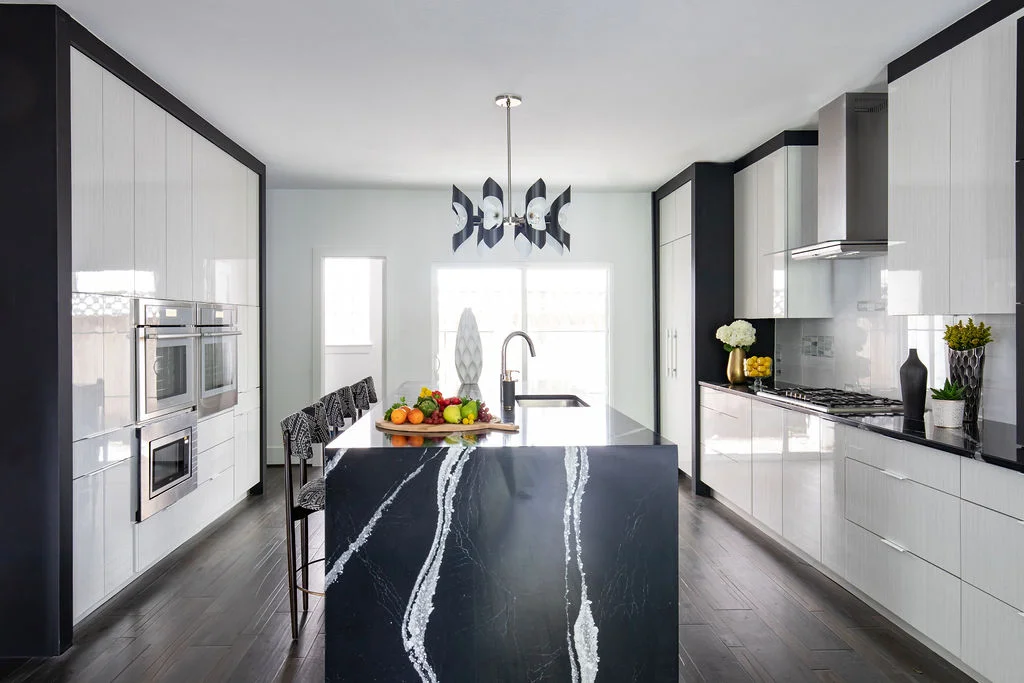
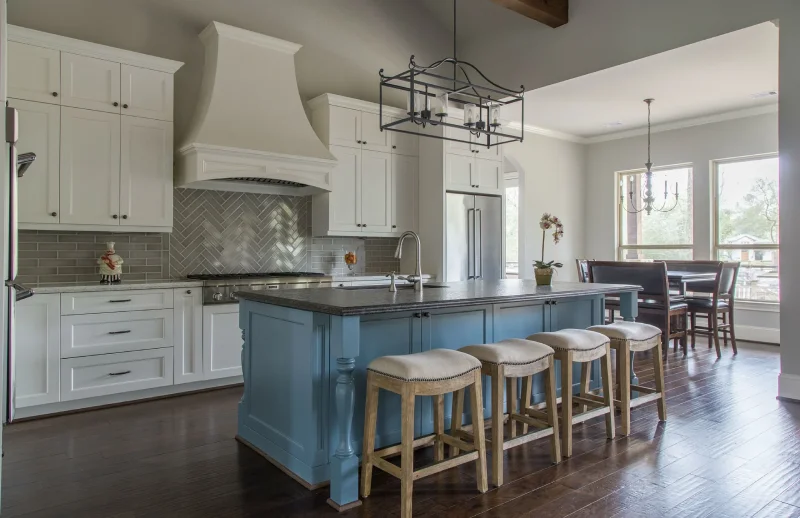
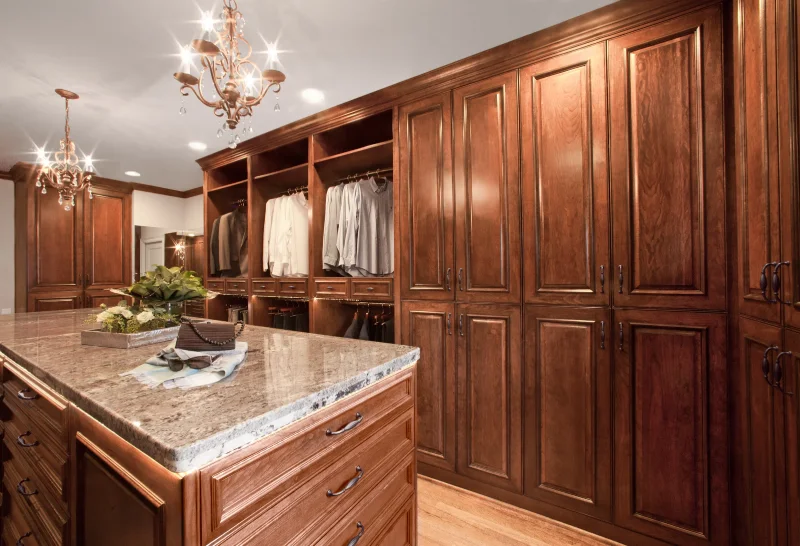
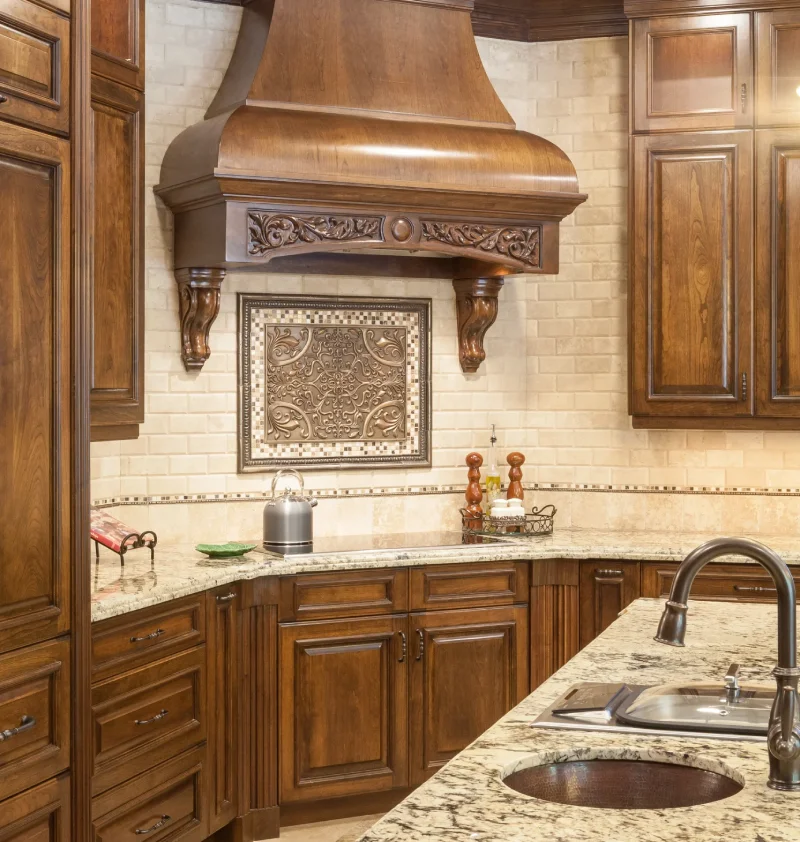
Finish tier is where most homeowners spend their cost-planning attention, and it is the variable they have the most direct control over. Cabinetry, countertops, flooring, tile, fixtures, lighting, appliances, and millwork form a finish spectrum that runs from production-grade through high-end estate-tier. The job in pre-construction is to allocate a finish allowance per category, then design the rest of the project against those allowances so that finish selections during construction become choices within a structured envelope rather than open-ended additions. Late-stage finish changes are the single most common driver of construction-phase delay on any luxury custom home.
5. The Design Complexity
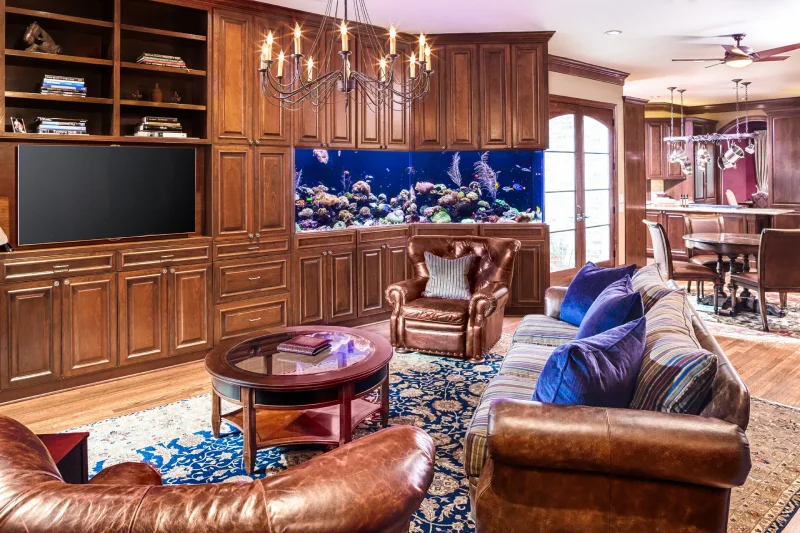
Design complexity sits underneath everything. A symmetrical, code-disciplined elevation built around standard structural modules carries one cost profile. A heavily custom elevation with cantilevered features, structural steel moment frames for large openings, multiple roof planes, and bespoke millwork carries a different one. The right level of design complexity is the level that serves the family's actual life in the home — not the level that maximizes architectural ambition.
The Sixth Variable: Total Cost of Ownership
The first five variables drive the cost of building the home. The sixth — total cost of ownership — drives the cost of living in it. This is the variable most custom home costs conversations ignore, and it is the one that compounds.
A luxury custom home in Tomball is a 25–40 year asset. Across that horizon, the operating cost — utilities, maintenance, system replacement, insurance — will rival the construction cost itself. A tighter envelope, higher-performance glazing, properly sized HVAC zones, and a roof assembly engineered for Houston's storm profile reduce the operating curve every month for decades. A drilled pier foundation on the right soil profile reduces the small probability of a catastrophic structural event that would otherwise dominate the long-term cost ledger.
Without this variable, a custom home is a transaction. With it, it becomes the legacy asset the Tomball decision is actually about.
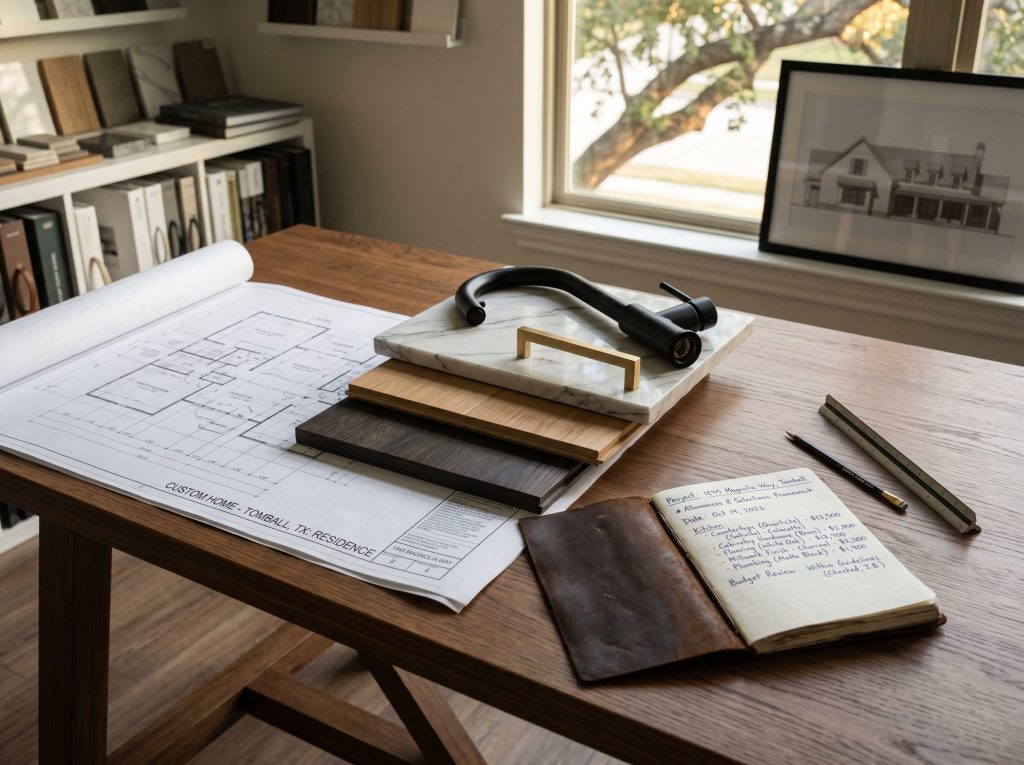
A Decision Framework for Tomball Custom Home Pricing Factors
Inside that variable structure, we walk every Tomball client through the same six-step decision framework. The framework is sequential. Each step's output is the input to the next. Skipping or reordering steps is the single most common pattern we see in custom-home projects that go sideways.
- Define the program. Bedrooms, household structure, work-from-home configuration, multigenerational planning, aging-in-place horizon, entertaining patterns. The program is not the floor plan — it is the life the floor plan has to serve.
- Evaluate the lot. Survey, geotechnical, drainage, utility, easement, ARC exposure, FEMA flood zone, soil profile. The lot determines foundation, envelope, and site work scope before architectural design begins.
- Establish the structural envelope. Square footage range, story count, ceiling-height discipline, structural systems, mechanical strategy. These choices determine the rough cost order of magnitude.
- Allocate the finish allowances. Per-category envelope — kitchen, primary suite, secondary baths, flooring, millwork, lighting, exterior. The allowance frames every later selection.
- Lock pre-construction pricing. Convert program, lot data, structural envelope, and finish allowances into a contract that locks the major scope before construction begins. This is where the design-build advantage becomes operational rather than rhetorical.
- Build, then live in it. Construction, walkthrough, warranty, and the multi-decade ownership horizon the entire framework was built for.
Steps one through four are where the cost decisions live. Step five is where the cost discipline lives. Steps six and beyond are where the value compounds — or does not.
The Build-vs-Buy Question
For every Tomball homeowner considering a custom build, the parallel question is whether to renovate an existing home in Augusta Pines or Gleannloch Farms instead. The honest answer depends on three factors that have nothing to do with builder marketing.
The first factor is the gap between the program and the existing structure. If the family's needs require a fundamentally different floor plan — large great room from a closed kitchen, a primary suite addition, multigenerational quarters — the renovation cost converges with the typical cost of a new custom home in Tomball sooner than most homeowners expect, and the structural compromises of working inside an existing envelope accumulate. If the gap is cosmetic, renovation is often the better investment.
The second factor is the lot. A Tomball acreage parcel — land in Tomball with the size, trees, and frontage the family actually wants — is an asset that no renovation produces. If the existing home occupies a lot that no longer fits the household's life, the lot is itself a primary reason to build your home from scratch.
The third factor is the financing path. Most custom home projects involve a construction loan that pays out in draws against verified progress; that loan structure is fundamentally different from a renovation refinance and shapes both timeline and cash flow.
The fourth factor is time horizon. A whole-home renovation that buys the family ten more years in a beloved Gleannloch Farms neighborhood may be the right answer even when the build cost numbers say otherwise.
Our Tomball whole-home remodeling perspective covers the renovation side of the same decision. A free consultation puts the variables in front of you in one place.
Why Design-Build Changes the Cost Equation
Most of what goes wrong in custom-home cost is structural to the contract model. The traditional design-bid-build sequence — an architect designs, the homeowner solicits bids, a builder constructs to plans the builder did not write — produces a predictable failure mode. Cost surprises emerge during construction because architect and builder were never in the same room when structural and constructability decisions were made. The result is the change-order spiral and a tense conversation about who is responsible for what.
|
Brandon's Builder Insight In 19 years building across Greater Houston, the costliest seam in a custom home is the one between the architect and the contractor. My Texas A&M engineering training taught me to close that seam by designing and building under one roof, so the structural system, the budget, and the drawings agree before we break ground. On a Tomball custom home, that single accountability is what turns a hopeful estimate into a number you can actually hold. |
The design-build model — one team designing and constructing under a single contract — collapses that seam. The team that draws the cantilever prices the structural steel. The team that designs the kitchen orders the cabinetry. The team that engineers the foundation stands on the site when the soil report comes back. Accountability lives in one place.
Pre-construction pricing — locking the major scope, structural systems, and finish allowances under one contract before construction — is meaningfully more reliable inside a design-build firm than across a fragmented architect-and-contractor arrangement. The cost of the home is more predictable because the team accountable for it is the team that produced the design driving it.
For Tomball clients, design-build also handles the seam every acreage project encounters: the lot. The same team that walks the Lakes of Rosehill site designs the foundation responding to the soil report and navigates the Augusta Pines ARC submittal.
Long-Term Value: What the Custom Home Is Worth in Twenty Years
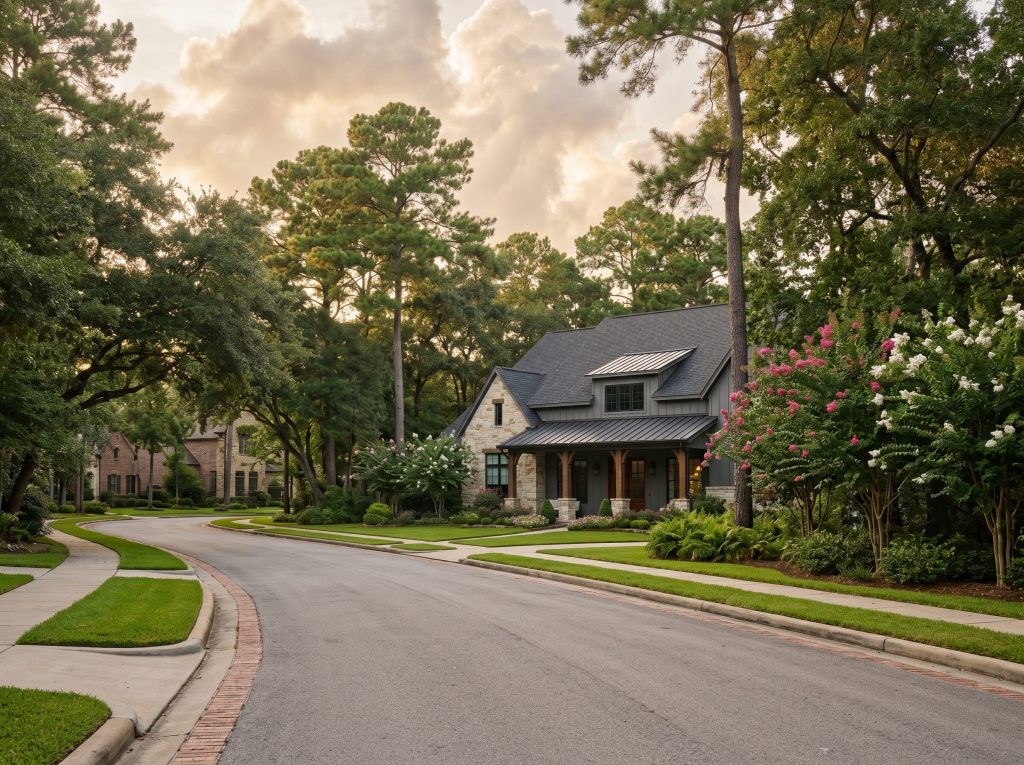
The investment framing for a Tomball custom home is not a five-year resale calculation. The audience here — the empty-nester moving up from a production home in Augusta Pines, the dual-income family stepping into an acreage build on FM 2920, the legacy builder commissioning a forever home in Lakes of Rosehill — is rarely flipping. The home is the multi-decade family asset the entire investment is designed to produce.
Long-term value comes from four sources, in roughly this order: durability of the building shell, performance of the systems inside it, livability of the floor plan over time, and architectural specificity that does not date. The first three are engineering decisions. The fourth is the discipline of saying no to trends that will read as 2026 in 2046.
Tomball's market context matters here. Augusta Pines, Northpointe, and Gleannloch Farms have been adding mature pine and live oak canopy for two decades. Homes proportionate to the lot, materially compatible with the established neighborhood, and restrained in elevation hold their place as the community matures. A custom home built to a higher envelope standard with right-sized mechanical systems pays back its specification differential through three full HVAC replacement cycles. The math is patient, but it is not subtle.
What This Means for Your Tomball Custom Home Decision
If you are evaluating two or three builders, walking acreage lots in Lakes of Rosehill, or weighing a custom build against a comprehensive renovation of your Gleannloch Farms or Augusta Pines home, the work is not to find the lowest per-square-foot number. It is to find the team that will structure the decisions well, lock pre-construction pricing before construction begins, and stand inside one contract with you for the duration of the build.
Keechi Creek Builders is the GHBA Custom Builder of the Year and a 32-time industry award recipient, with Brandon Lynch's Texas A&M Construction Science background and a design-build operating model that places the principal inside every project. We deliver fewer than ten custom homes a year across Tomball's 77375 and 77377 ZIP codes and the Harris County estate corridor.
To discuss your Tomball custom home — the cost framework above applied to your lot, program, and timeline — contact Brandon Lynch at (281) 914-4951.
Frequently Asked Questions
How much does it cost to build a custom home in Tomball, TX?
Custom home cost in Tomball is determined by five interacting variables — lot conditions, square footage and layout, structural systems, finish tier, and design complexity — plus a sixth that operates over the home's full life: total cost of ownership. A per square foot figure compresses all six into one number, which is why per square foot numbers are unreliable. Pre-construction pricing under a design-build contract resolves the variables before construction begins.
What is the design-build advantage for Tomball custom home pricing?
The design-build advantage is that one team designs, engineers, and constructs the custom home under a single contract. This collapses the architect-builder seam where most cost surprises originate. For Tomball custom home clients in Augusta Pines or Northpointe, structural decisions, finish allowances, and ARC navigation all live inside one accountability point. Cost is more predictable because the team accountable for delivering the home is the same team that produced the design driving the build cost.
How should a Tomball custom home client think about total cost of ownership?
Total cost of ownership is the operating, maintenance, and replacement cost of the home across its 25–40 year life. For a Tomball custom home, this includes envelope energy performance, foundation durability against the local expansive clay in Harris County, replacement cycle of mechanical and roofing systems, and insurance and weather-exposure profile. Specification decisions in pre-construction compound across decades, often rivaling original construction cost.
Is it more financially sound to build a custom home in Tomball or to renovate?
The build-versus-buy decision depends on three factors: the gap between the family's program and the existing home's structure, whether the existing lot fits the household's long-term life, and the time horizon for staying. Significant program gaps and an undersized or poorly oriented lot favor building a custom home in Tomball. Cosmetic gaps in a beloved Gleannloch Farms or Augusta Pines neighborhood often favor a whole-home renovation. The lot and the time horizon usually dominate.
Which Tomball communities does Keechi Creek Builders build custom homes in?
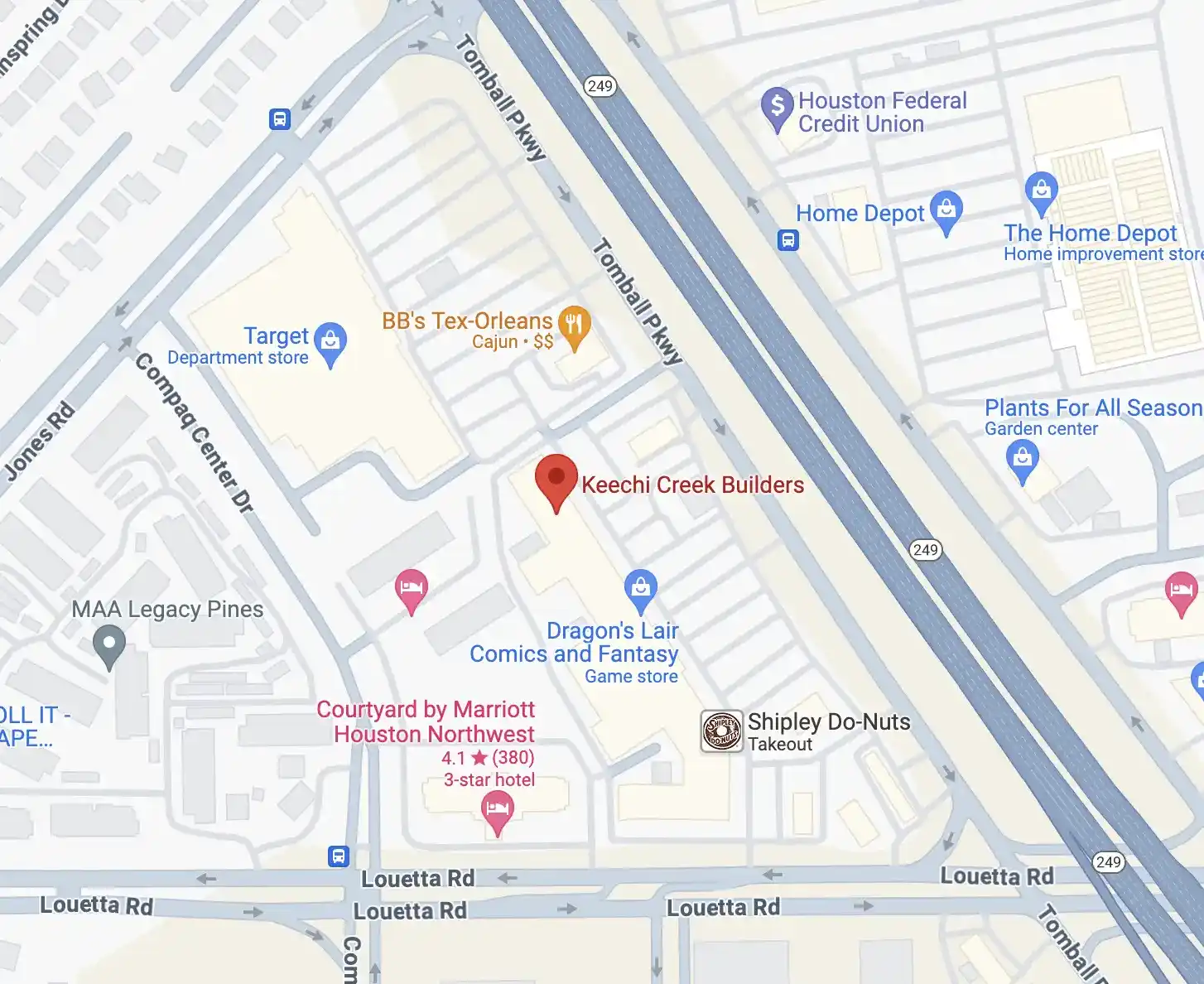
Keechi Creek Builders builds custom homes across Tomball, TX — the master-planned corridors of Augusta Pines, Northpointe, and Gleannloch Farms, the acreage estate context of Lakes of Rosehill, and unincorporated Harris County build-on-your-lot sites along FM 2920 and SH 249 in the 77375 and 77377 ZIP codes. Each community carries its own ARC requirements, lot-condition profile, and entitlement timeline.
How does pre-construction pricing reduce cost risk on a Tomball custom home?
Pre-construction pricing locks the major scope, structural systems, and finish allowances under a single contract before construction begins. It is the largest risk-reduction tool available to a Tomball custom home client. Inside a design-build firm — where one team handles design, engineering, and construction — pre-construction pricing is meaningfully more reliable than across a fragmented architect-and-contractor arrangement, because the team producing the price is the team accountable for delivering it.
How long does it take to build a custom home in Tomball, TX?
A Tomball custom home typically takes 12 to 18 months from pre-construction kickoff to final walkthrough, depending on lot conditions, home size, square footage, design complexity, and home plans. Master-planned community builds with straightforward ARC review and serviced lots run shorter; acreage builds with site preparation, utility extension, or grading run longer. The design-build model compresses this timeline by 2 to 3 months versus a traditional architect-then-contractor approach.
Who is Brandon Lynch and what credentials does he hold?
Brandon Lynch is the founder of Keechi Creek Builders and lead designer on every project. He holds a Bachelor of Science in Construction Science from Texas A&M University, Graduate Master Builder (GMB), Certified Aging-in-Place Specialist (CAPS), and Certified Green Professional (CGP) credentials from the National Association of Home Builders, and is a Greater Houston Builders Association Custom Builder of the Year recipient with 32 industry awards.
Part of the Keechi Creek Builders Tomball custom home cluster. See our [Tomball custom home builder service page](https://www.keechicreekbuilderstx.com/custom-home-builder-tomball-tx/).
To evaluate your Tomball custom home as the multi-decade investment it is, call (281) 914-4951 first and our team will walk through your lot, your scope, and your budget. Prefer to write? Send us a message through our contact page at https://www.keechicreekbuilderstx.com/contact-us/, and Keechi Creek Builders will get back to you within 24 hours to start the conversation.