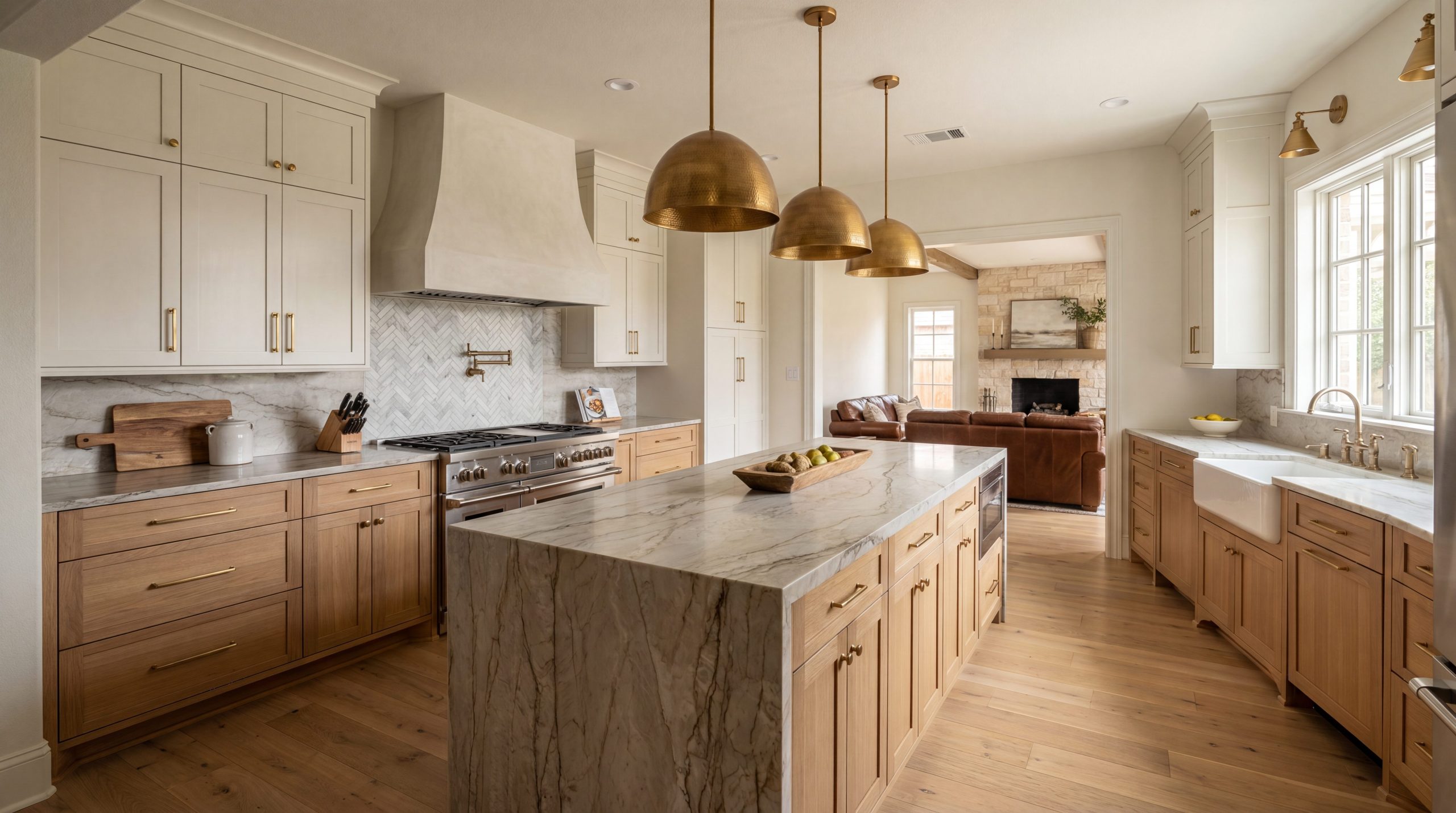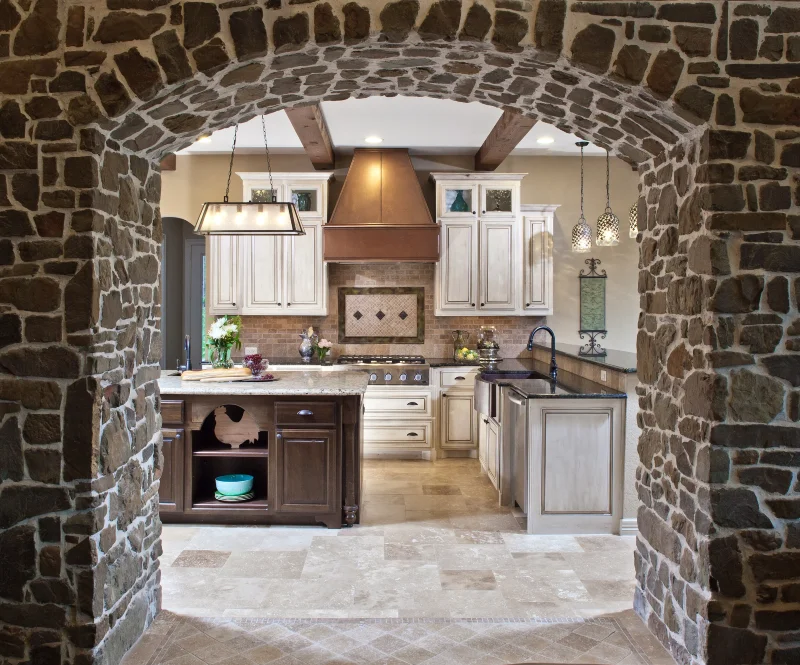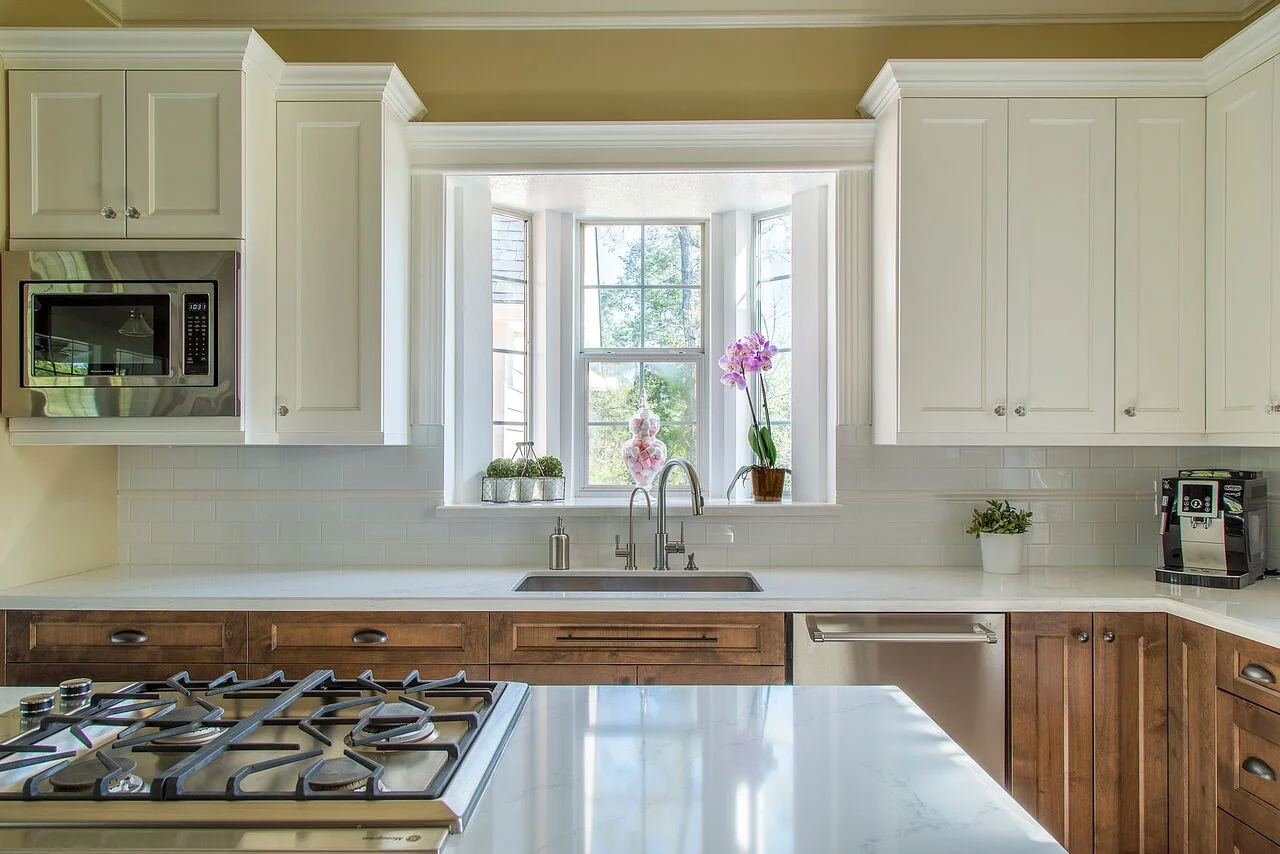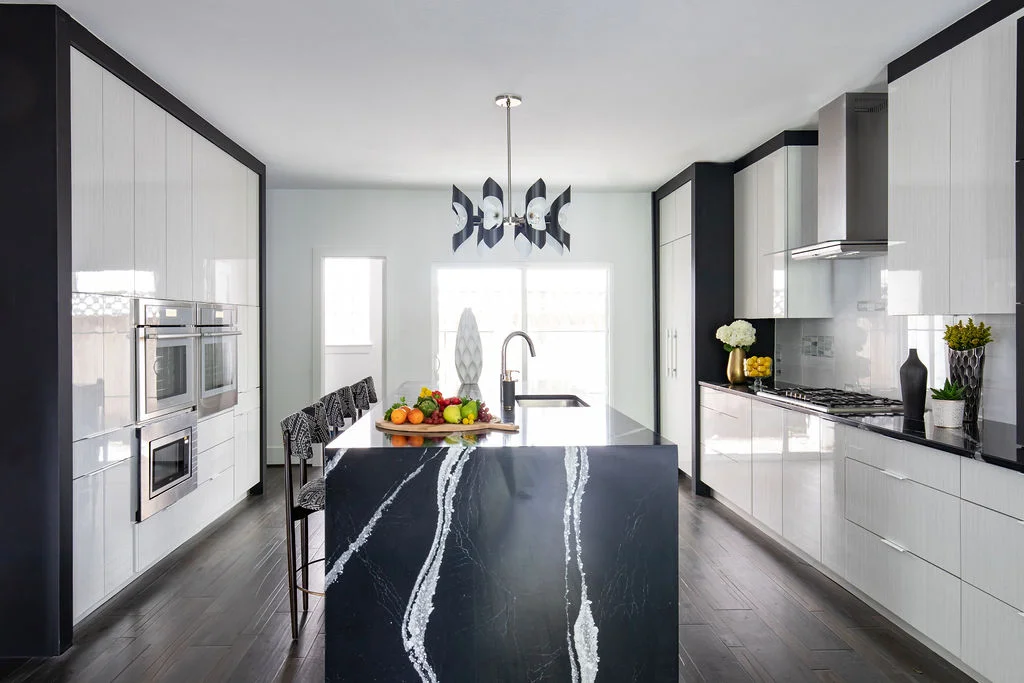
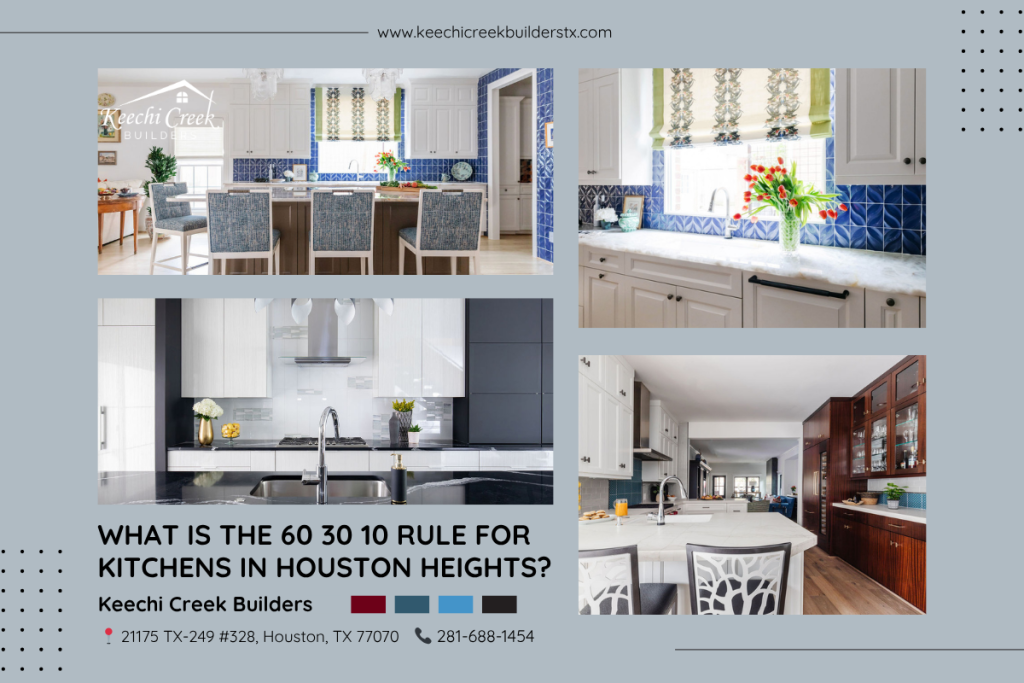
Designing a kitchen that feels both timeless and personal starts with understanding how color shapes every element in the room. For homeowners exploring kitchen remodeling services in Houston Heights—where Craftsman bungalows sit alongside Victorian restorations and modern farmhouse builds—choosing the right palette can feel overwhelming, and one misstep on a $75,000 renovation can leave the entire space looking disjointed. The 60-30-10 rule removes that uncertainty by giving you a proven framework to build a cohesive, stunning kitchen that reflects your personal style and the rich architectural character of the Heights. Whether you are working with a custom home builder in Houston Heights on a ground-up design or renovating an existing space, this principle ensures every color decision serves a clear, intentional purpose.
Key Takeaways
- Budget at least 60% of your kitchen color plan for a single dominant tone—such as warm white or soft gray—to anchor the design and prevent the space from feeling visually fragmented.
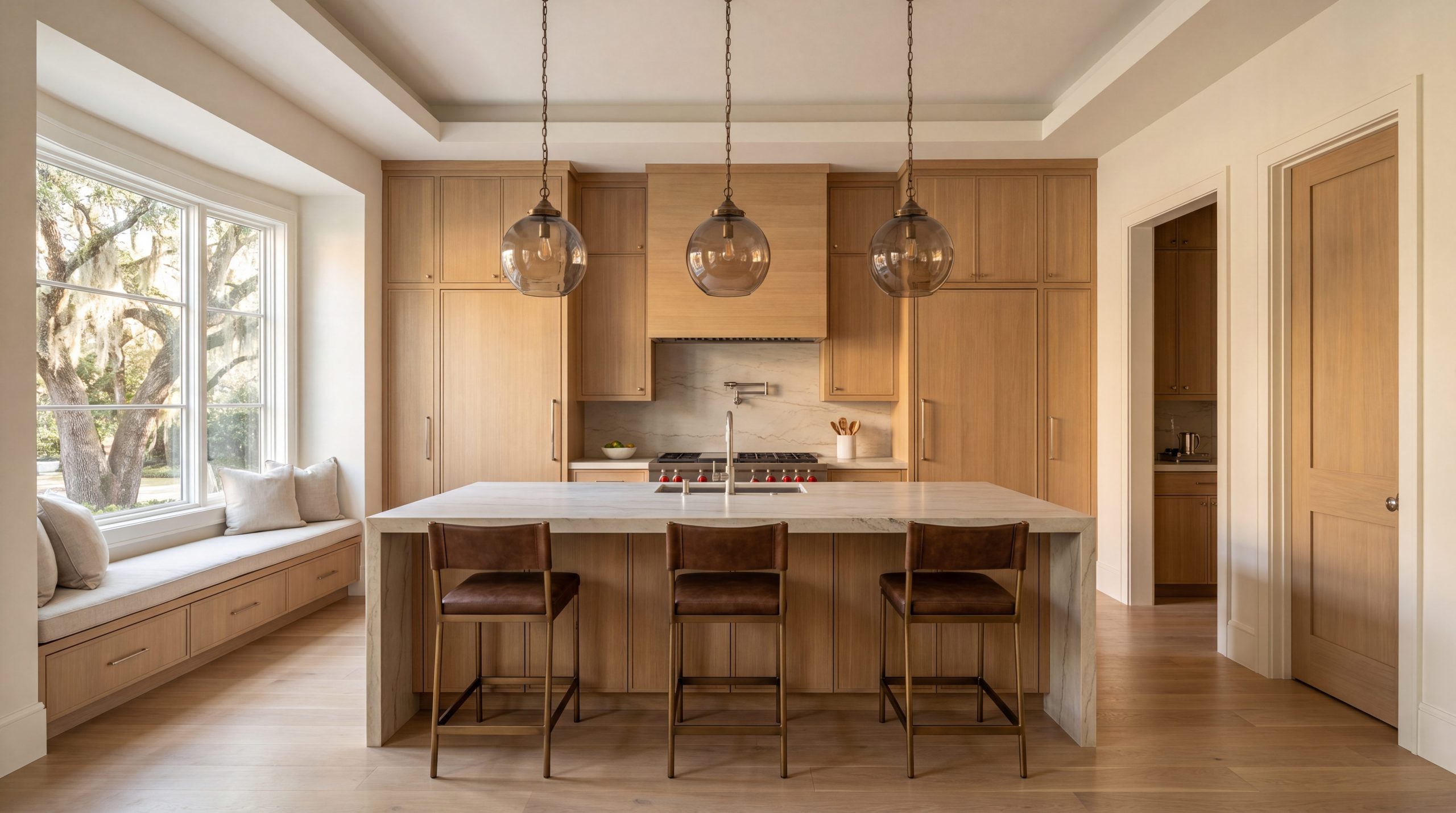
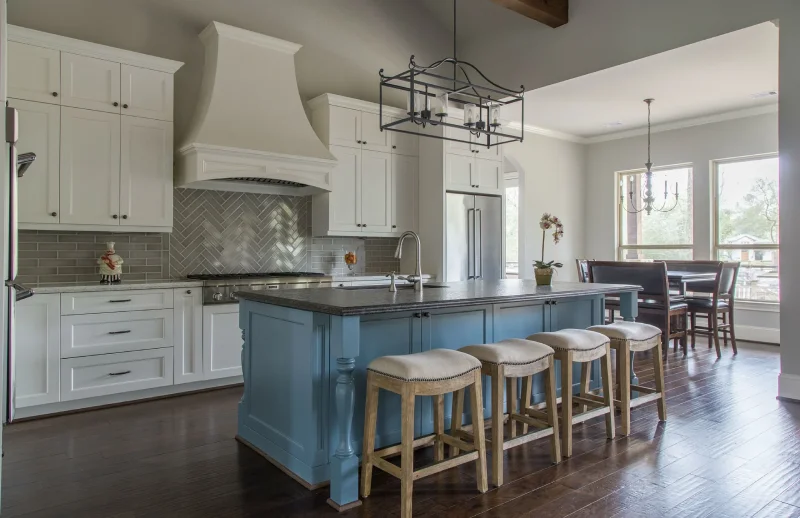
- Verify that your secondary color covers roughly 30% of the kitchen's visible surface area, using elements like island cabinetry or countertops to add visual depth and contrast without competing with your dominant shade.
- Confirm material and finish choices with a licensed designer before committing, as luxury kitchen renovations in the Heights typically range from $75,000 to $150,000 or more depending on scope and material selection.
- Demand sample boards showing all three color tiers together under your actual kitchen lighting, since Houston Heights homes built before 1930 often have unique natural light conditions that shift perceived color.
- Compare at least 3 countertop and backsplash combinations against your chosen 60-30-10 ratio to ensure each surface contributes to a balanced, professional result that honors your home's architectural heritage.
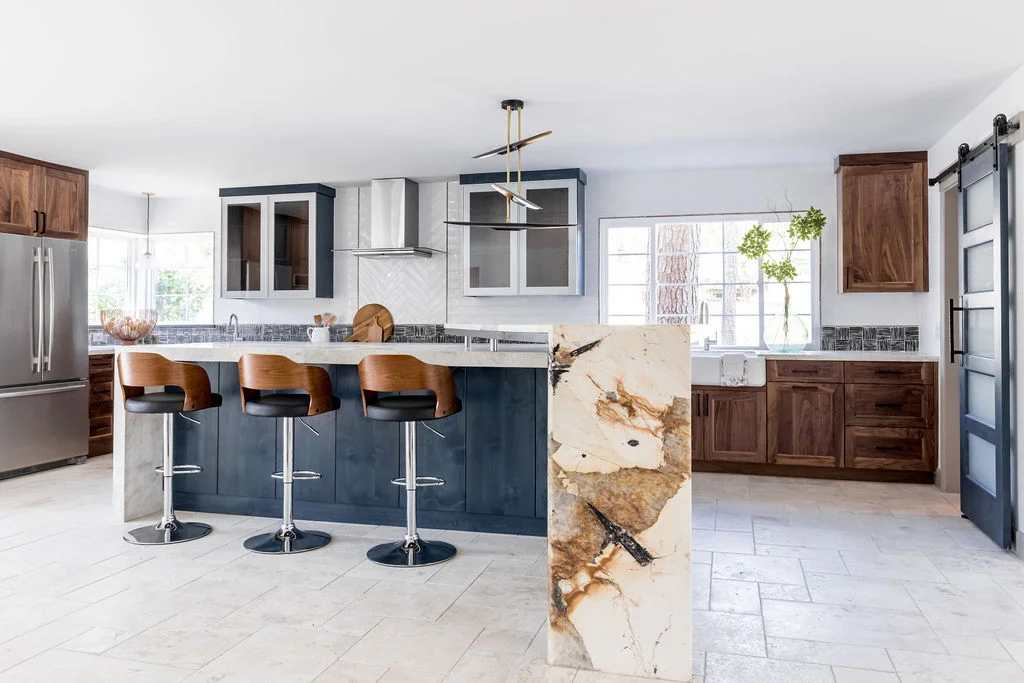
- Inspect your chosen accent pieces—hardware, light fixtures, bar stools—to verify they occupy no more than 10% of the visual field while still delivering the personality and contrast every well-designed kitchen needs.
How Color Balance Elevates a Heights Kitchen Renovation
The 60-30-10 rule works because it mirrors the way the human eye naturally processes visual information. When you walk into a kitchen, your brain instantly reads the dominant surface—walls, upper cabinetry, or a large backsplash slab—as the "mood." The secondary color tells a supporting story through contrast and depth, and the accent draws attention to carefully chosen focal points. Without this hierarchy, colors compete for dominance and the space feels chaotic rather than curated.
In Houston Heights, where open-concept floor plans are increasingly popular in both new builds and renovated Craftsman bungalows, color balance matters even more. An open kitchen shares sightlines with living and dining areas, so your dominant 60% tone must transition gracefully into adjacent rooms. Choosing a neutral foundation—warm white, linen, or pale greige—gives you the flexibility to layer bolder secondary and accent choices while keeping the design anchored in a cohesive visual rhythm that flows through the entire ground floor.
Professional interior designers typically recommend selecting your dominant color first, then auditing every surface that falls within that 60% zone. In a standard 200-square-foot Heights kitchen, the dominant shade covers roughly 120 square feet of visual real estate. When you quantify it that way, the stakes of choosing the right foundation become immediately clear—and the value of a structured approach becomes undeniable.
Why the 60-30-10 Ratio Outperforms Random Color Selection
- Reduces decision fatigue by narrowing choices into three proportional tiers with clear boundaries
- Creates a layered, curated look that adds perceived value to the home at resale
- Prevents expensive mid-project color corrections that can add $5,000 to $15,000 in change-order costs
- Works with every design style, from Victorian restoration to contemporary farmhouse to modern transitional
Typical 60-30-10 Color Allocation for a 200 Sq Ft Kitchen in Houston Heights
| Kitchen Element | Color Tier (Percentage) | Common Heights Color Choices |
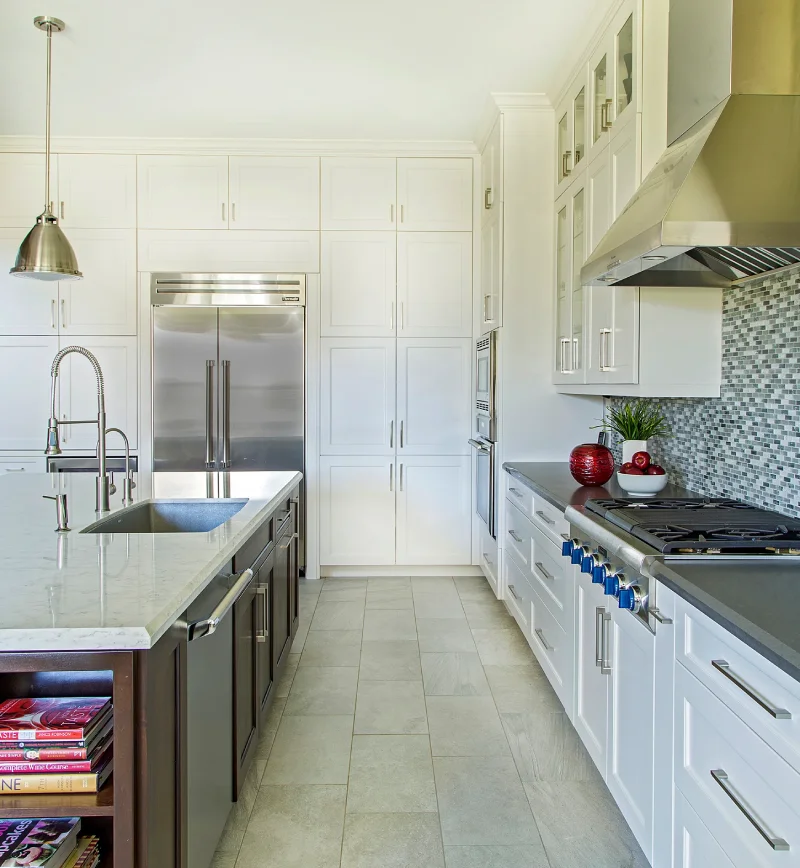
| Walls and Upper Cabinetry | Dominant — 60% | Warm white, linen, soft gray, light oak |
| Kitchen Island Cabinets | Secondary — 30% | Forest green, navy, walnut, charcoal |
| Countertops and Backsplash Tile | Secondary — 30% | Honed marble, soapstone, patterned cement tile |
| Hardware and Light Fixtures | Accent — 10% | Brushed brass, matte black, oil-rubbed bronze |
| Bar Stools and Decorative Accessories | Accent — 10% | Terracotta, emerald, jewel-toned textiles |
Matching Dominant Tones to Houston Heights Architectural Styles
Houston Heights is one of the most architecturally diverse neighborhoods in Texas, with homes ranging from restored 1910 Victorian cottages to contemporary builds on subdivided lots. This diversity means there is no single "right" dominant color for every kitchen. Instead, the 60% foundation should respond directly to your home's structural character—its trim profiles, ceiling heights, window proportions, and the direction your kitchen windows face. Matching the dominant tone to the architecture creates a sense of intention that elevates the entire renovation.
For a Craftsman bungalow with wide trim boards, built-in cabinetry, and warm hardwood floors, cream and soft amber tones serve as the ideal dominant color. These warm neutrals echo the earthy, handcrafted philosophy of Arts and Crafts design and complement the natural wood tones already present in the home. In contrast, a mid-century ranch or a contemporary Heights townhome benefits from cooler foundations—pale gray, greige, or muted sage—that let cleaner architectural lines speak for themselves without visual competition from the walls.
Victorian-era homes in the Heights, with their taller ceilings and ornamental millwork, can absorb deeper or more dramatic dominant colors without feeling heavy. A dusty blue-gray or warm taupe at the 60% level adds sophistication, especially when paired with original transoms or period-appropriate crown molding that frames the kitchen's upper sightline. The key is matching the visual weight of the color to the visual weight of the architecture—lighter structures demand lighter palettes, while grander proportions invite richer tones.
Style-Specific Dominant Color Recommendations
- Craftsman Bungalow (pre-1930): Warm white, cream, soft amber, or natural wood tones that honor the home's handcrafted character
- Victorian Cottage: Dusty blue-gray, warm taupe, sage green, or antique white that complements ornamental trim and taller ceilings
- Modern Farmhouse: Bright white, pale linen, or light greige paired with shiplap texture for clean warmth
- Contemporary or Transitional: Cool gray, warm greige, or matte white with minimal grain for a streamlined feel
Budgeting for a Color-Cohesive Kitchen Redesign in the Heights
Understanding costs before selecting finishes prevents the common and costly mistake of falling in love with a backsplash tile that consumes the entire project budget. In the Houston Heights area, kitchen renovations typically range from around $30,000 for a targeted cosmetic refresh to well over $150,000 for a luxury gut-and-rebuild with custom cabinetry, premium stone surfaces, and professional-grade appliances. Industry data indicates that most Heights homeowners pursuing a comprehensive mid-to-high-range remodel invest between $50,000 and $100,000.
Your 60-30-10 color allocation directly influences how that budget distributes across categories. The dominant color zone—walls, primary cabinetry, and large surface areas—generally absorbs roughly 50% to 60% of the total material budget because it covers the most square footage. Secondary elements like a contrasting island, countertops, and specialty tile typically account for 25% to 35% of material spend, while accent pieces like hardware, fixtures, and decorative items represent the remaining 10% to 15%.
Planning a realistic budget also requires accounting for Houston-specific factors that affect every project in this market. Skilled labor rates in the greater Houston area generally range from $50 to $85 per hour for experienced finish carpenters and tile installers. Allocating a 10% to 15% contingency fund protects against unexpected discoveries behind walls—especially in older Heights homes where outdated plumbing, knob-and-tube wiring, or deteriorated subfloor materials are not uncommon and can add thousands in unplanned repairs.
Estimated Kitchen Renovation Budget Breakdown by Color Tier in Houston Heights
| Budget Category | Typical Cost Range (Mid-to-High End) | Percentage of Total Budget |
| Primary Cabinetry — Dominant 60% | $15,000 – $45,000 | 30% – 35% |
| Countertops and Backsplash — Secondary 30% | $8,000 – $25,000 | 18% – 22% |
| Island Cabinetry and Contrasting Surfaces — Secondary 30% | $5,000 – $18,000 | 10% – 15% |
| Hardware, Fixtures, and Accent Pieces — Accent 10% | $2,000 – $8,000 | 5% – 8% |
| Labor, Permits, and Contingency | $15,000 – $40,000 | 25% – 35% |
Selecting Materials and Finishes That Complement Your Kitchen Color Palette
Material selection is where the 60-30-10 rule moves from theory to tangible, touchable results. Every surface in the kitchen carries texture, sheen, and undertone, and each of these properties affects how the eye perceives your chosen color tiers. A glossy white subway tile reads differently than a matte white shaker cabinet, even when both technically fall within the dominant 60% zone. Understanding these nuances helps you build a kitchen that feels intentional, layered, and rich rather than flat or accidental.
In Houston Heights, where humidity levels frequently exceed 80% during summer months, material durability matters as much as aesthetics. Engineered quartz and porcelain surfaces resist moisture warping and staining far better than unsealed natural stone or solid wood in this subtropical climate. For the secondary 30% zone—countertops and specialty tile—materials like honed quartzite, leathered granite, or large-format porcelain offer both visual depth and long-term performance. These surfaces hold their color integrity year after year, even in a kitchen that handles Houston's heat and humidity daily.
Accent materials deserve equal attention despite their smaller footprint. Brushed brass and unlacquered bronze hardware develop a natural patina over time, adding warmth and lived-in character that complements the earthy tones common in Heights Craftsman kitchens. Matte black fixtures deliver sharp contrast in modern and transitional designs. Always review physical samples in your kitchen's actual natural and artificial light before making final commitments—catalog photos and screen images rarely capture how a finish interacts with the specific light conditions in your home.
Material Durability Considerations for Houston Heights Kitchens
- High humidity resistance: Porcelain tile, engineered quartz, and marine-grade plywood outperform natural wood and unsealed marble in Houston's climate
- Heat tolerance: Granite and quartzite handle hot pots and baking sheets better than solid-surface or laminate options
- Stain resistance: Quartz requires no sealing and resists wine, coffee, and oil stains—critical for a kitchen that serves as the social hub of the home
- Longevity in historic homes: Materials that accommodate slight settling or shifting—common in Heights homes over 50 years old—reduce cracking and separation risk over time
Permits, Timelines, and Planning for Your Heights Kitchen Transformation
A kitchen renovation in Houston Heights involves more than color swatches and material samples. Any project that includes electrical, plumbing, or structural modifications typically requires permits from the City of Houston's Permitting Center. Permit fees for kitchen remodels generally range from $150 to $2,000 depending on project scope, and processing times can add two to four weeks to your overall timeline. Always confirm current requirements with your local municipality or a licensed contractor before proceeding.
Homes within the Houston Heights Historic District carry an additional layer of planning. While interior-only kitchen renovations generally do not require a Certificate of Appropriateness from the Houston Archaeological and Historical Commission, any exterior changes visible from the street—such as window replacements, additions, or exterior wall modifications—may trigger the COA review process. If your kitchen remodel involves bumping out an exterior wall or adding a window, consult with the Historic Preservation Office early to avoid costly delays and potential rework. Always confirm current requirements with your local municipality or a licensed contractor before proceeding.
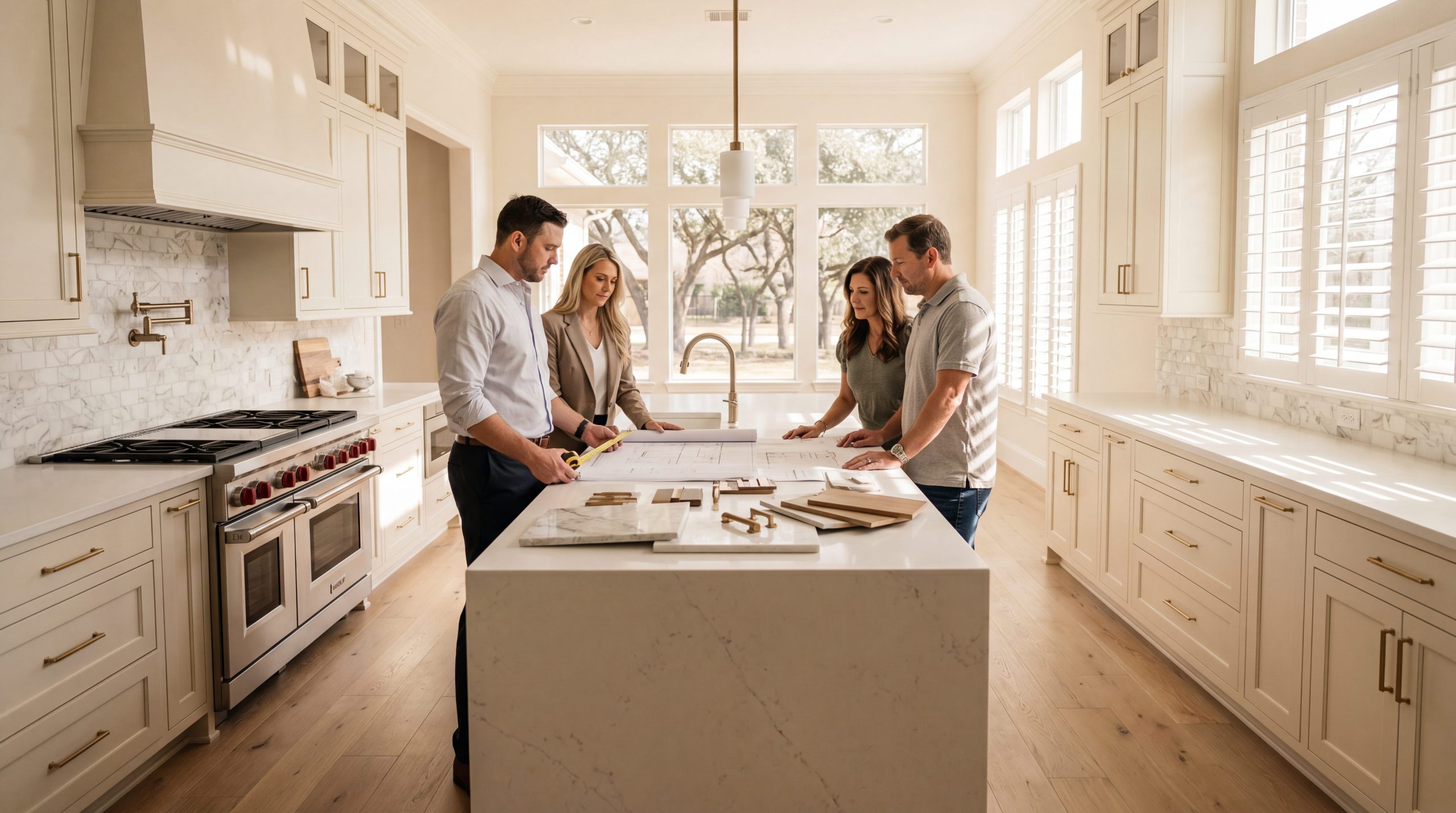
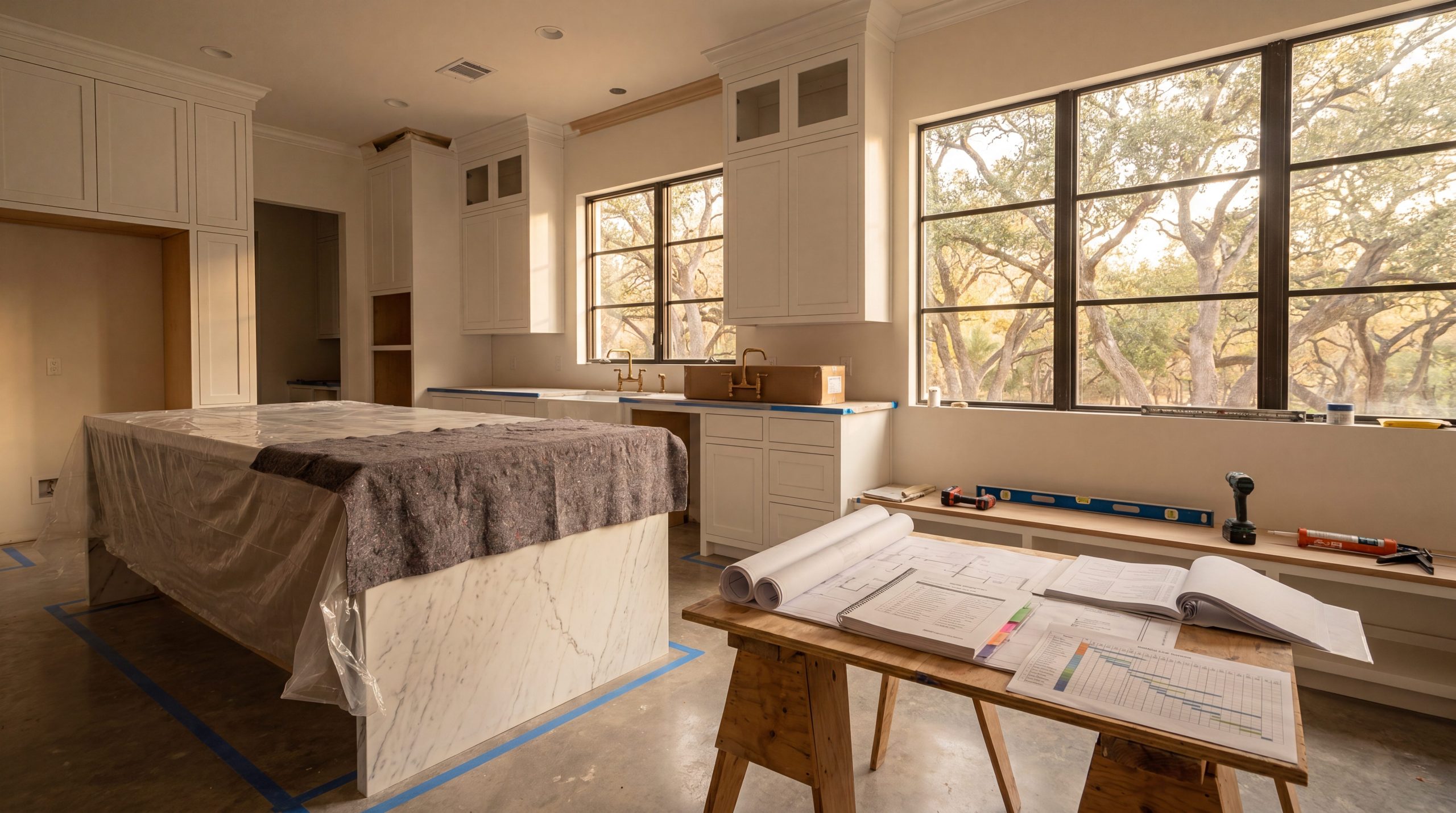
From design through final walkthrough, most comprehensive kitchen remodels in the Heights take between 8 and 16 weeks, though luxury projects with custom cabinetry and imported materials may extend to 20 weeks or longer. Building a realistic timeline means sequencing decisions in the right order: finalize your 60-30-10 color plan first, then select materials, then lock in contractor scheduling and permit submissions. This disciplined approach prevents the cascading delays that occur when homeowners change course on major finishes mid-project—a scenario that adds both time and cost.
Typical Kitchen Remodel Timeline in Houston Heights
- Weeks 1–2: Design consultation, color palette finalization, and material selection
- Weeks 3–4: Permit applications, contractor scheduling, and material ordering
- Weeks 5–8: Demolition, rough plumbing, electrical upgrades, and framing
- Weeks 9–12: Cabinetry installation, countertop templating and fabrication, and tile work
- Weeks 13–16: Fixture installation, hardware mounting, final paint, and punch-list walkthrough
Estimated Kitchen Remodel Timeline by Phase for Houston Heights Projects
| Project Phase | Typical Duration | Key Activities |
| Design and Planning | 2 – 4 weeks | Color palette, 60-30-10 allocation, material selection, permit filing |
| Demolition and Rough Work | 2 – 3 weeks | Cabinet removal, plumbing rough-in, electrical updates, framing |
| Cabinetry and Surface Installation | 3 – 4 weeks | Cabinet setting, countertop fabrication, backsplash tile layout |
| Finishing and Final Details | 2 – 3 weeks | Hardware, light fixtures, paint touch-ups, final inspections |
| Contingency Buffer | 1 – 2 weeks | Unexpected discoveries, material delays, scheduling adjustments |
Common Color Mistakes Heights Homeowners Make During a Kitchen Renovation
The most frequent misstep is selecting colors in isolation rather than as a coordinated system. A homeowner might fall in love with a bold emerald backsplash tile at a showroom, only to discover it clashes with the undertone of their countertop once both are installed side by side. The 60-30-10 framework prevents this by forcing every color decision into a proportional relationship with the other two tiers. When each element has a defined role and a defined boundary, expensive surprises become far less likely.
Another common error is ignoring the impact of lighting on color perception. Houston Heights homes—especially older Craftsman and Victorian builds with smaller or fewer windows—often have different light temperatures from room to room. South-facing kitchens receive warm, direct light that amplifies yellow undertones, while north-facing spaces produce cooler, blue-cast light that can make warm grays appear muddy or dull. Testing paint samples, tile swatches, and cabinet finishes at multiple times of day, under both natural and artificial light, eliminates this costly risk before a single tile is set.
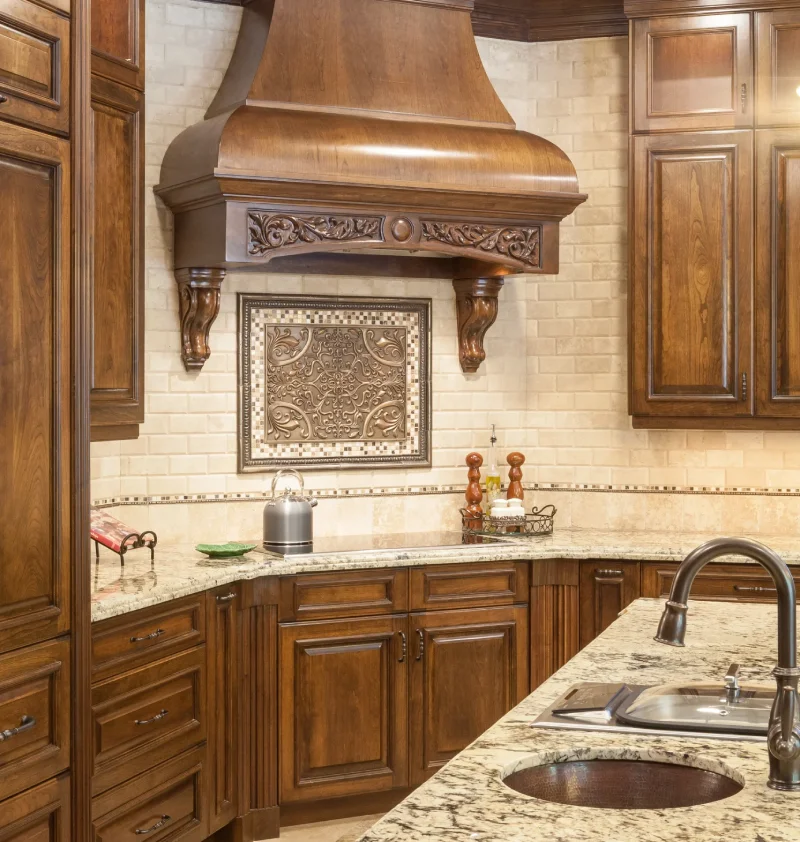
Homeowners also tend to underestimate the visual weight of open shelving and exposed range hoods. These elements occupy significant visual real estate and must be accounted for within your 60-30-10 allocation. An open shelf in warm walnut, for example, functions as a secondary color element—not an accent. Misclassifying its role throws the entire ratio off balance and creates a kitchen that feels heavier or busier than you intended. Map every visible surface to a color tier before your contractor begins ordering materials.
Frequently Asked Questions
What is the 60-30-10 rule for kitchen design?
The 60-30-10 rule is a color theory principle that divides your kitchen palette into three proportional tiers: 60% dominant color, 30% secondary color, and 10% accent color. This framework ensures visual balance and prevents any single shade from overwhelming the space. It works for every design style, from traditional Craftsman bungalows in Houston Heights to sleek contemporary kitchens across the greater Houston area.
How do I choose the right dominant color for my Heights kitchen?
Start by evaluating your home's architectural style and natural light conditions. Craftsman and Victorian homes in Houston Heights generally pair well with warm neutrals like cream, soft gray, or linen, while modern builds benefit from cooler tones like greige or muted sage. Always test your dominant color on a large sample board in your kitchen's actual lighting before committing.
How much does a kitchen remodel typically cost in Houston Heights?
Kitchen renovations in the Houston Heights area generally range from around $30,000 for cosmetic updates to over $150,000 for luxury gut-and-rebuild projects with custom cabinetry and premium finishes. Most mid-to-high-end remodels fall between $50,000 and $100,000. Final costs depend on material selections, appliance upgrades, and the extent of structural or plumbing modifications.
Do I need a permit to remodel my kitchen in Houston Heights?
Most kitchen remodels involving electrical, plumbing, or structural changes require permits from the City of Houston. Interior-only projects in the Heights Historic District typically do not need a Certificate of Appropriateness, though any exterior modifications may trigger additional review. Always confirm current requirements with your local municipality or a licensed contractor before proceeding.
Can I use bold colors in a small Heights kitchen without it feeling cluttered?
Yes—the 60-30-10 rule makes bold color choices manageable by limiting them to the accent tier. Restrict vibrant shades like emerald, navy, or terracotta to just 10% of the room—hardware, a patterned tile strip, or decorative accessories—while keeping the dominant 60% light and neutral. This approach adds personality without overwhelming the smaller footprints common in older Heights homes.
How long does a kitchen renovation take in the Heights area?
A comprehensive kitchen renovation in Houston Heights typically takes between 8 and 16 weeks from demolition to final walkthrough. Luxury projects with custom cabinetry and specialty materials may extend to 20 weeks or longer. Building an accurate timeline starts with finalizing your design and color plan, ordering materials early, and working with a contractor who understands local permitting timelines.
Transform Your Houston Heights Kitchen With Confidence
A successful kitchen renovation in Houston Heights starts with disciplined color planning—using the 60-30-10 rule to build a cohesive palette that honors your home's architectural character. Pairing that palette with durable, climate-appropriate materials and a realistic budget ensures your investment delivers lasting beauty and daily functionality.
Keechi Creek Builders brings a luxury design-build approach to kitchen renovations in Houston Heights and neighboring communities like Woodland Heights and Sunset Heights. Call 281-688-1454 or visit keechicreekbuilderstx.com to schedule your personalized design consultation today—and discover why discerning Heights homeowners trust us to turn their vision into a kitchen worth gathering around.