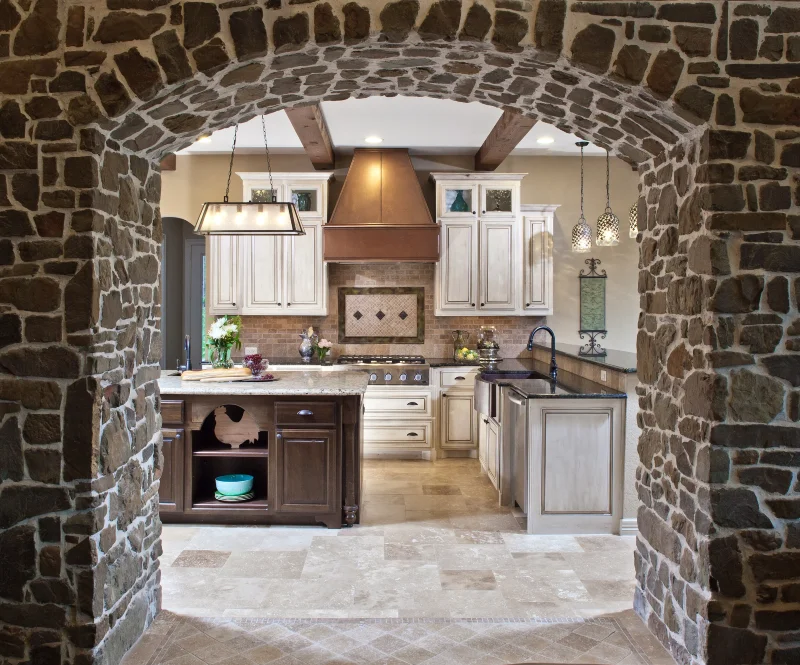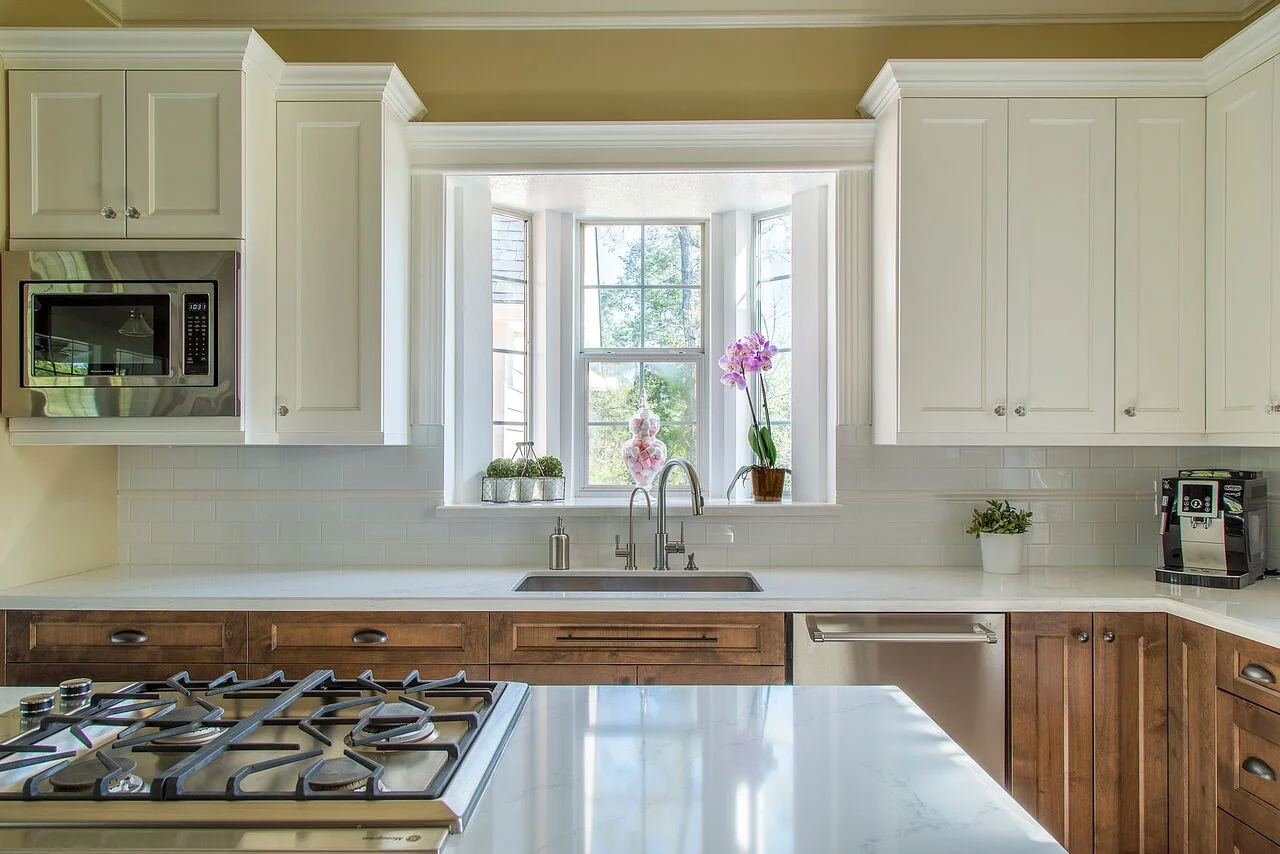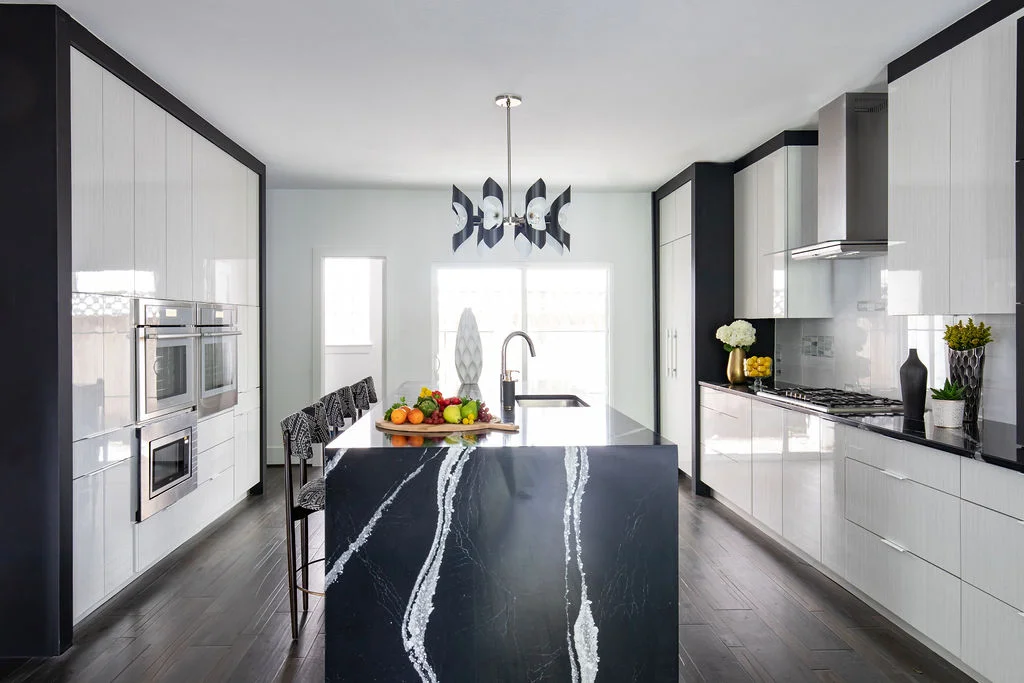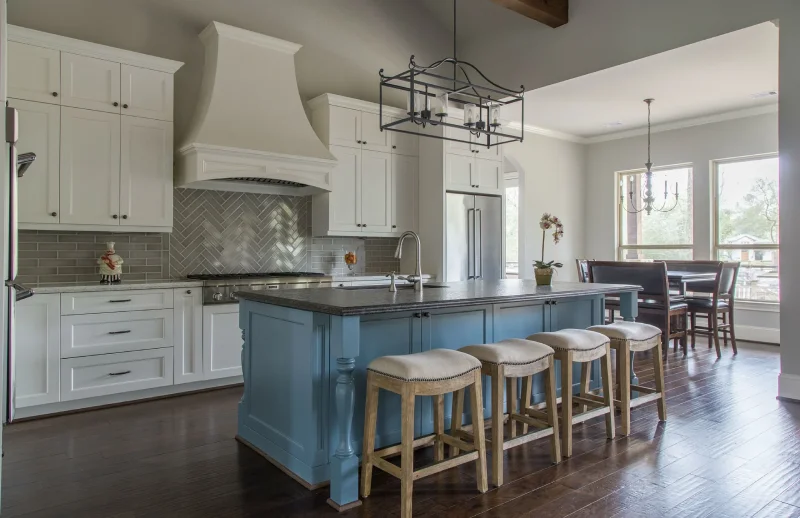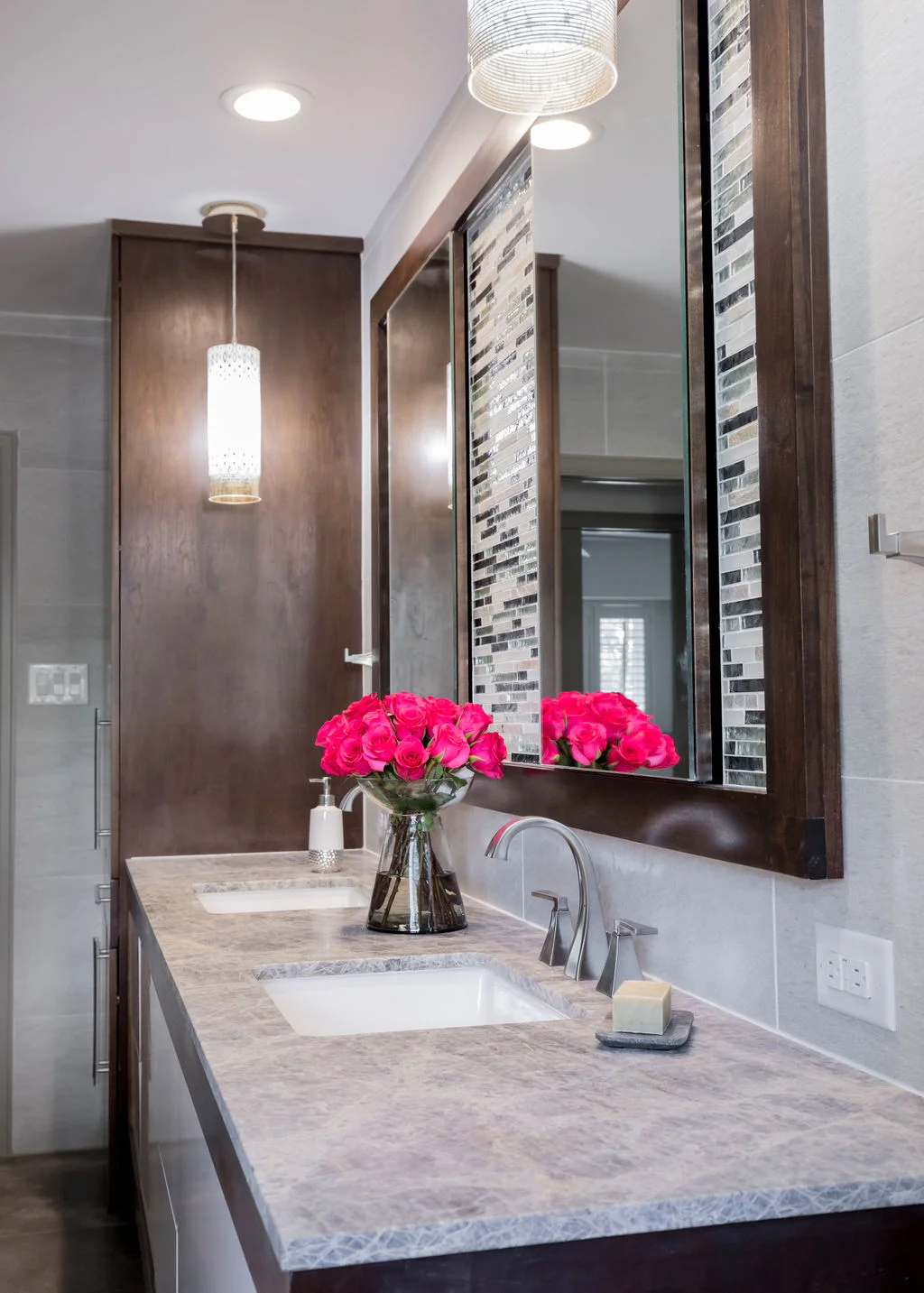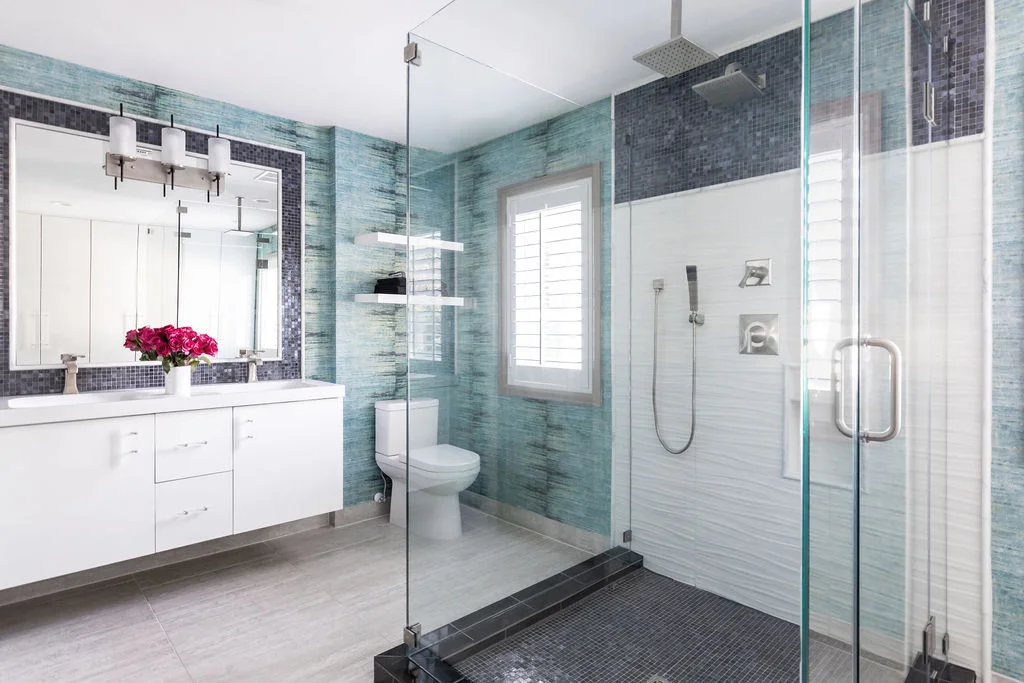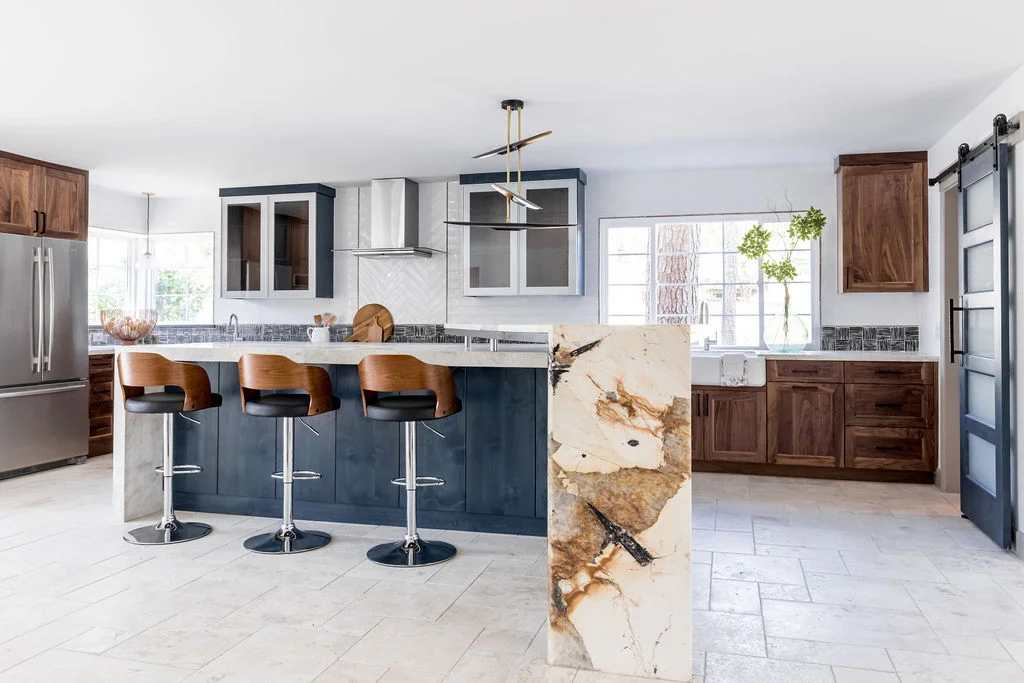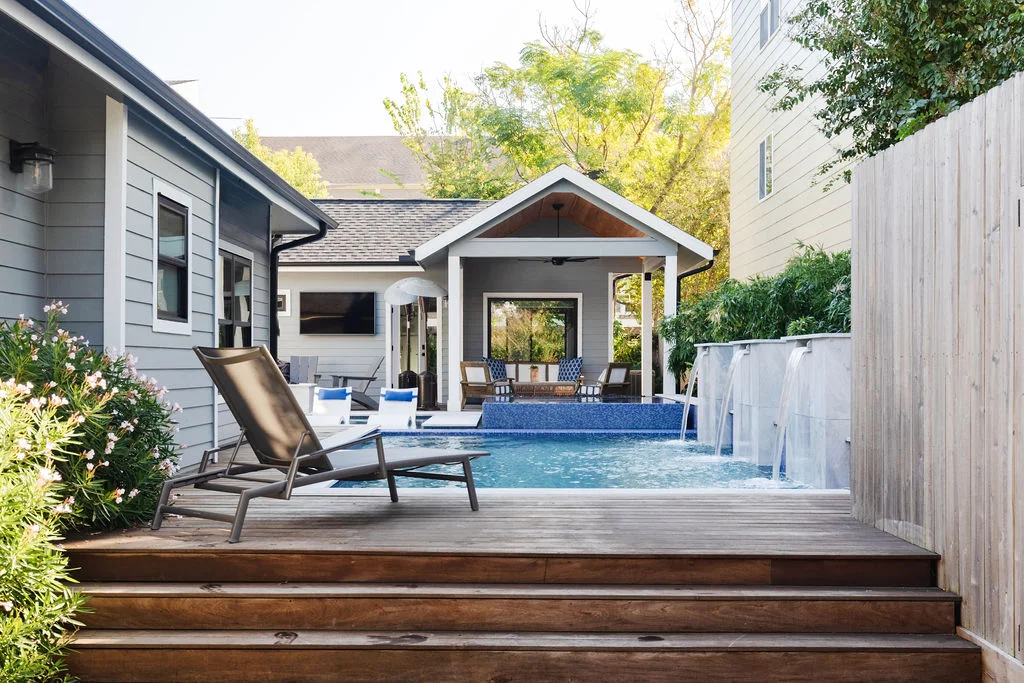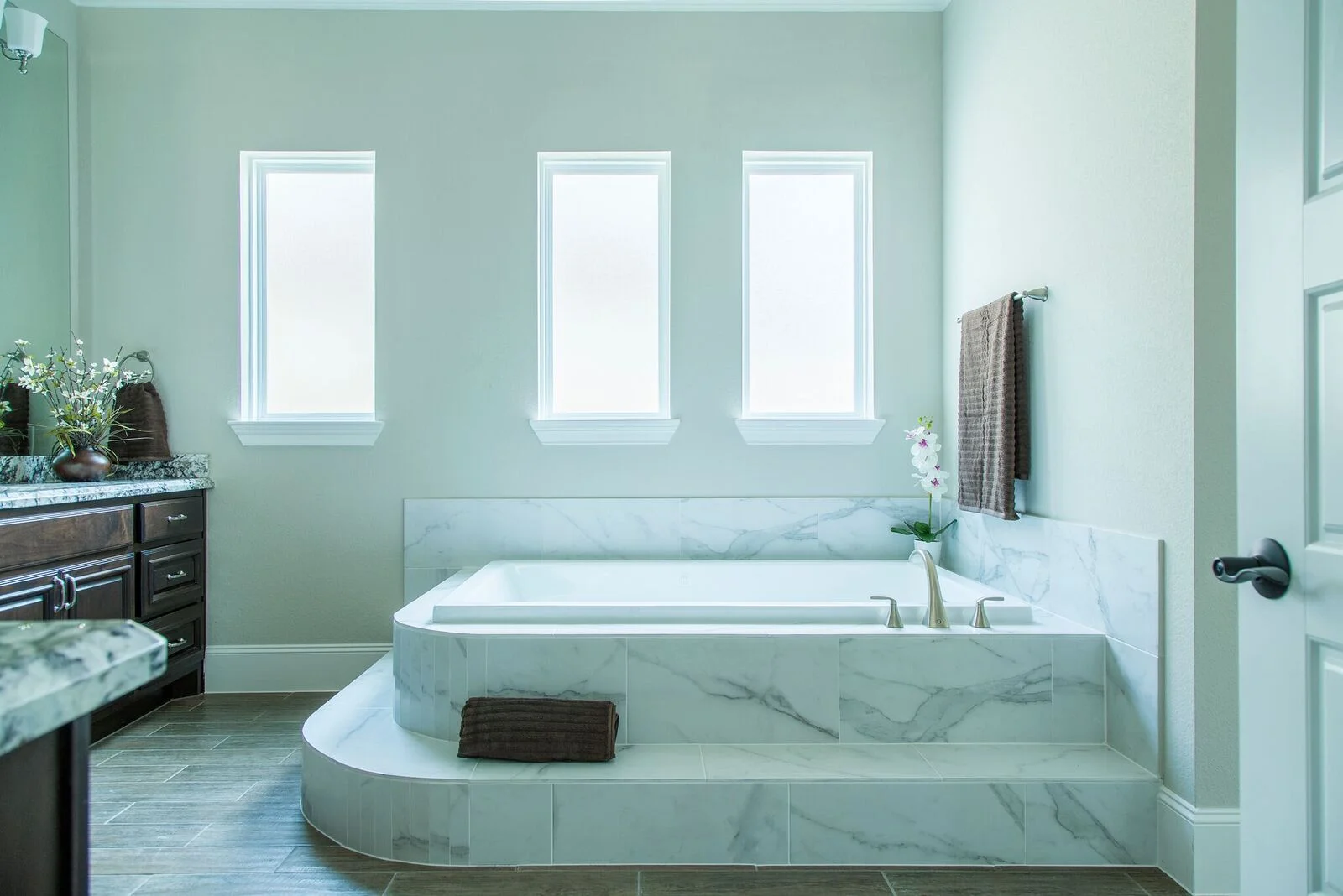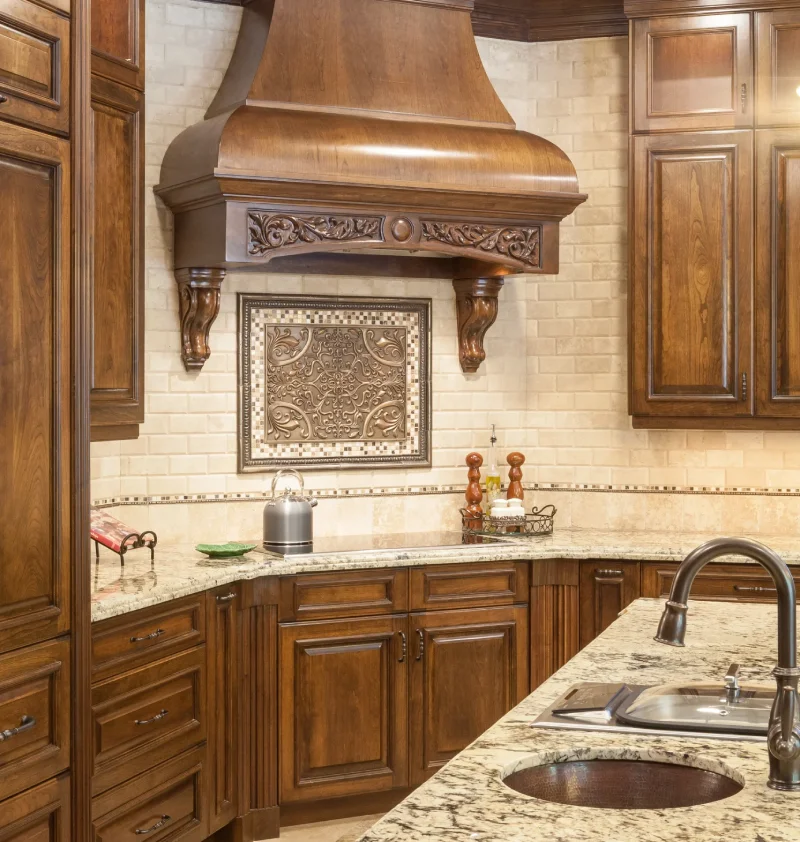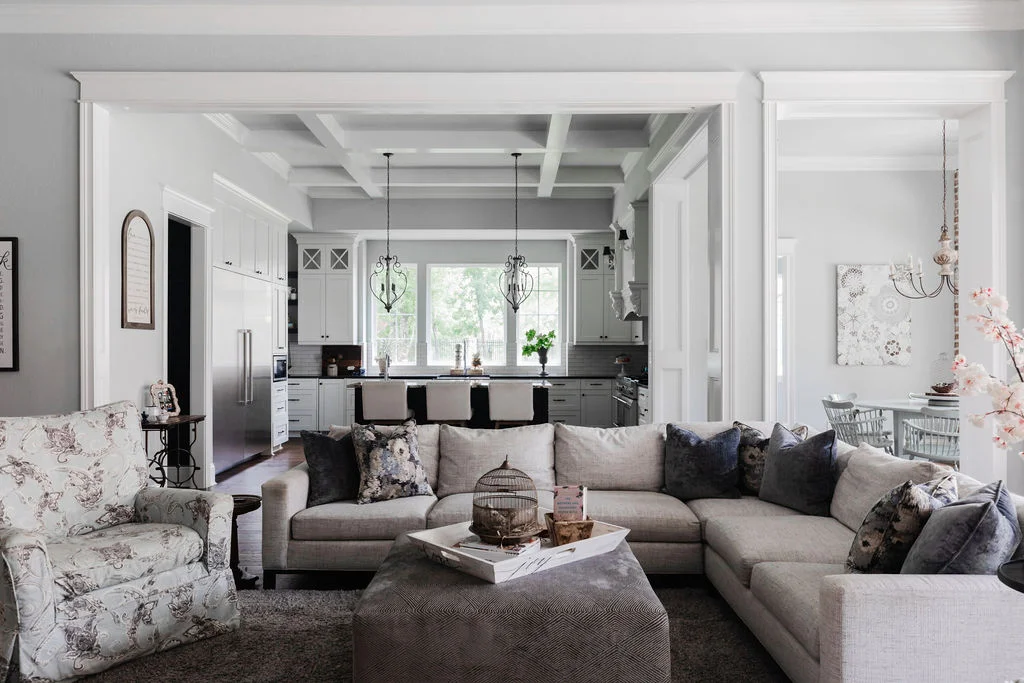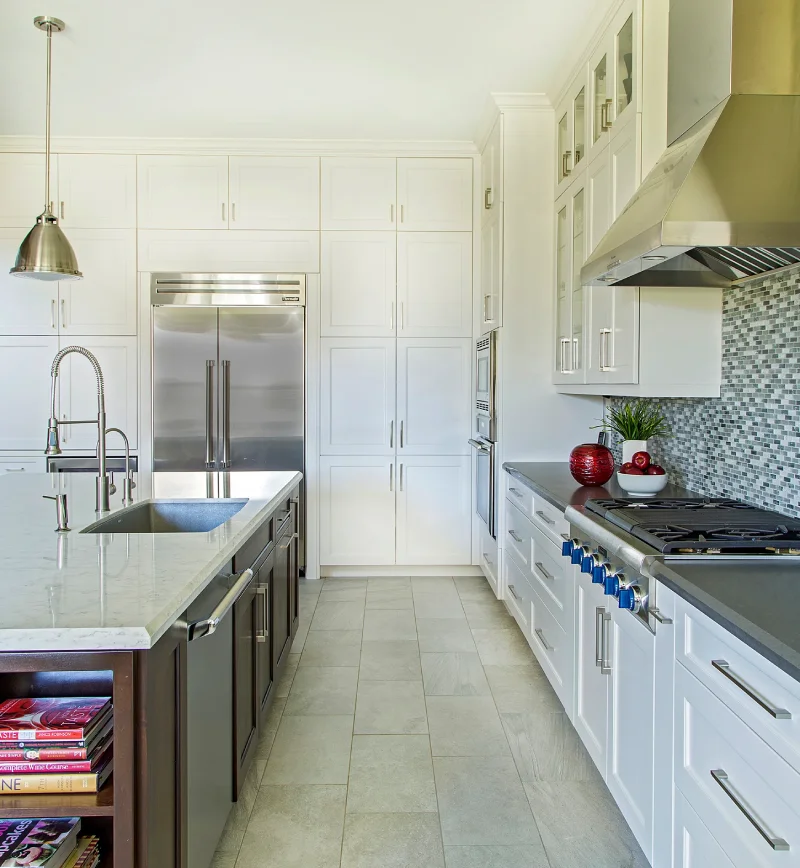

In the Houston Heights, property values are influenced by historic regulations, flood risk, and modern buyer expectations. Non-compliant renovations, flood zone exposure, and high insurance costs can reduce a home’s appeal and price. Outdated layouts, deferred maintenance, overpricing, and less desirable locations—such as near busy roads or commercial areas—can further impact value in this competitive market.
Introduction
Owning a home in the Houston Heights is both a privilege and a responsibility. The neighborhood's tree-lined streets and bungalow charm command premium prices, but a single misstep can quietly erase years of equity. If you are weighing a renovation, a sale, or a long-term hold, the fear of pouring money into the wrong improvements is real. Understanding the value drivers behind home remodeling Houston Heights, Texas projects allows you to protect your investment, plan upgrades with confidence, and elevate your property above neighborhood averages.
Key Takeaways
- Verify your property's status in the East, West, or South Historic District before touching any exterior element, because most visible changes require a Certificate of Appropriateness from the City of Houston.
- Budget at least 5% to 15% extra for flood mitigation if your lot sits in a 100-year floodplain, since industry data indicates comparable homes outside flood zones typically command that premium.
- Confirm bedroom counts remain intact during any layout change, as losing a bedroom often shifts the home into a lower MLS search tier and reduces buyer traffic.
- Inspect roofs, HVAC, and electrical panels every three to five years, because deferred maintenance is one of the fastest ways to invite deep inspection-driven price cuts.
- Compare three contractor bids and demand documented permits, since unpermitted work in the Heights can trigger forced reversal and resale complications.
- Demand a renovation plan that protects original architectural character, because authentic historic detail expands your buyer pool and supports long-term appreciation.
Why Historic District Rules Quietly Erode Heights Home Values
The Houston Heights spans the East, West, and South Historic Districts, governed by the City of Houston Planning and Development Department and reviewed by the Houston Archaeological and Historical Commission. Owners often underestimate how strictly the Certificate of Appropriateness process is enforced. Even seemingly small choices, such as swapping wood windows for vinyl or altering a porch railing, can trigger violations that linger on the property record and depress resale value for years.
Buyers in the Heights are typically educated about district rules. When listings show non-compliant alterations, agents flag the work as a future liability, and offers tend to come in below comparable homes with original character intact. In neighboring areas like Norhill and Woodland Heights, the same dynamic applies because preservation expectations shape the entire submarket. Always confirm current requirements with your local municipality or a licensed contractor before proceeding.
Historic Compliance Risk Snapshot — Houston Heights
| Renovation Element | Compliance Risk | Typical Buyer Reaction |
| Window replacement with non-historic material | High | Lower offers, longer days on market |
| Front porch reconfiguration | High | Inspection contingencies tighten |
| Rear addition under one-third of footprint | Medium | Generally accepted with COA on file |
| Interior-only kitchen remodel | Low | Neutral to positive |
Common COA Triggers Heights Owners Overlook
- Replacing original siding with fiber cement without an approved profile match
- Installing modern garage doors visible from the street
- Removing mature trees protected under the city's tree ordinance
- Adding second-story dormers that change the roofline silhouette
How Flood Risk and Disclosure Reshape Heights Buyer Behavior
Flood exposure is the second-largest hidden value drag in the Heights. Although much of the neighborhood sits on relatively higher ground than nearby Garden Oaks or Timbergrove, isolated pockets near White Oak Bayou and lower elevations along Studewood remain vulnerable. Texas Senate Bill 339, effective September 2019, requires sellers to disclose any property that has flooded or sits within a 100-year or 500-year floodplain, and that paperwork follows the home through every future transaction.
Buyers respond rationally to that risk. Industry data indicates homes in 100-year floodplains generally sell at meaningful discounts compared to dry comparables, and a Fannie Mae analysis of Texas sales found 500-year zone homes saw an average 4.2% price decline after the 2019 disclosure law took effect. Flood insurance premiums in higher-risk Houston zones can run well above $2,000 annually, further pressuring asking prices since lenders require coverage and buyers translate that cost into negotiating leverage. Always confirm current requirements with your local municipality or a licensed contractor before proceeding.
Mitigation Steps That Help Recover Value
- Elevate mechanical systems, water heaters, and electrical panels above projected base flood elevation
- Install backflow preventers and French drains tied to the city stormwater system
- Document every drainage improvement with permits and engineer letters
- Consider a partial pier-and-beam reset for ground-level bungalows in lower-lying blocks
Floor Plan Mistakes That Devalue Heights Bungalows and New Builds
Heights renovation Houston Texas projects fail most often when owners chase personal preference at the expense of resale logic. The classic example is converting a third bedroom into an oversized primary closet. The owner gains storage, but the MLS reclassifies the home as a two-bedroom, instantly removing it from a large pool of family-oriented searches. The same applies to eliminating tubs from every bathroom or removing a dedicated dining space in homes under 2,500 square feet.
Modern Heights buyers want flow, light, and flexibility. They expect a primary suite, a defined home-office nook, and an open kitchen-to-living transition, even inside a 1920s shell. Layouts with chopped-up rooms, narrow hallways, or kitchens isolated from living areas are heavily discounted. Thoughtful design that preserves bedroom counts while opening sightlines is the safest path to value.
Layout Decisions and Resale Impact in the Heights
| Design Choice | Resale Impact | Typical Discount or Premium |
| Removing a bedroom for closet expansion | Negative | 5% to 10% lower sale price |
| Adding a primary suite within existing footprint | Positive | 3% to 7% premium |
| Eliminating the only bathtub | Negative | Smaller buyer pool, longer DOM |
| Open-concept kitchen with preserved bedroom count | Positive | Strongest offers |
Layout Upgrades Heights Buyers Reward
- Primary suite additions sized between 250 and 400 square feet
- Dedicated home-office spaces with hardwired data lines
- Mudrooms or drop zones near the rear entry
- Pantry expansions that do not steal kitchen counter space
Maintenance, Materials, and Strategic Pricing in Heights Property Upgrades
Deferred maintenance is the silent killer of Heights home values. Roofs older than 18 years, HVAC systems past 12 years, original cast-iron sewer lines, and 100-amp electrical panels all flag as future projects during inspection. In a premium market, buyers translate those flags into five-figure credits or walk away entirely. Smart owners stagger major system replacements every two to three years so the home always shows fresh on at least one big-ticket item.
Material choices matter equally. Heights buyers expect solid hardwood floors, real tile, quartz or natural stone counters, and trim profiles that respect the home's era. Builder-grade laminate, hollow-core doors, and bargain fixtures read as cost-cutting and depress appraisal comps. Pricing strategy at listing time also plays a role, since overpriced homes in the Heights can gain a stale reputation quickly and often close below their honest market value after multiple reductions.
Maintenance and Material Decisions for Heights Remodels
| Category | Lower-Value Choice | Higher-Value Choice |
| Flooring | Laminate or vinyl plank | Site-finished oak hardwood |
| Countertops | Builder laminate | Quartz or honed marble |
| Roofing | Three-tab shingle | Architectural shingle or standing seam metal |
| Windows | Vinyl with grilles between glass | Wood or aluminum-clad with true divided lites |
Smart Sequencing for Heights Renovation Projects
- Address structural and drainage issues before cosmetic work
- Replace mechanical systems before refinishing surfaces above them
- Schedule exterior paint after any siding or trim repairs
- Save lighting, hardware, and millwork details for the final phase
Choosing the Right Heights Renovation Partner
Selecting a builder in the Heights is fundamentally different from hiring elsewhere in Houston. Your contractor must understand COA submissions, neighbor notification protocols, pier-and-beam foundation behavior on Heights clay soils, and the realities of working on narrow 50-foot lots. A builder unfamiliar with these constraints can stall a project for months and erode the very value you are trying to build.
Ask pointed questions before signing. Verify how many Heights or Norhill projects the builder has completed in the past three years, who pulls the permits, and how change orders are documented. Demand references from past Heights clients, not just generic Houston-area projects. Always confirm current requirements with your local municipality or a licensed contractor before proceeding.
Questions Every Heights Homeowner Should Ask
- How many Certificates of Appropriateness has your team submitted in the past 24 months
- Which subcontractors are in-house and which are independent
- What warranty covers structural, mechanical, and finish work
- How do you handle hidden conditions discovered after demolition
- What is your typical project duration for a full Heights bungalow renovation
Frequently Asked Questions
What single change devalues a Houston Heights home the most?
Removing a bedroom is typically the fastest way to lose value in the Heights. The home shifts to a lower MLS search tier, eliminating thousands of potential buyers from automated alerts. Even adding luxury closet space cannot offset that lost search visibility. Most Houston Heights, Texas owners recover better returns by reconfiguring within existing bedroom counts rather than consolidating rooms.
Does flood history permanently hurt a Heights property?
Flood history follows a Texas property through every future sale because of state disclosure laws passed in 2019. While documented mitigation, elevation certificates, and engineered drainage solutions can soften the impact, buyers in the Houston Heights generally still discount affected homes meaningfully. Transparent documentation and visible upgrades are the most reliable ways to rebuild buyer confidence over time.
How long does a Certificate of Appropriateness take in the Heights?
A standard Certificate of Appropriateness review in the Houston Heights typically runs four to eight weeks for routine projects and longer for additions or demolitions. Complex applications may require Houston Archaeological and Historical Commission hearings. Always confirm current requirements with your local municipality or a licensed contractor before proceeding, because timelines and fees can shift with city workload and policy updates.
Are kitchen and bath remodels worth the cost in the Heights?
Kitchen and bath remodels remain among the strongest value drivers in the Heights when executed at a quality level matching the neighborhood. Industry data from the 2024 Cost vs. Value Report indicates a minor midrange kitchen remodel can recoup roughly 96% of cost nationally, while major remodels typically recover 50% to 60%. The key is matching finish quality to comparable Heights listings rather than overbuilding.
Can I add square footage to a historic Heights home?
You can typically add square footage to a historic Heights home, but additions must respect setbacks, height limits, and the rear-of-home placement preference within the historic district guidelines. Most approved additions remain modest in scale and hidden from the primary street view. Planning early with an architect familiar with Houston Heights, Texas review standards prevents costly redesigns and rejections.
What renovations should Heights owners avoid entirely?
Avoid renovations that strip original character, eliminate bedrooms, or use materials inconsistent with the home's era. Replacing original wood siding with smooth-panel modern cladding, installing oversized contemporary windows, or removing front porches almost always reduces value. Heights buyers pay premiums for authenticity, so renovations that restore and enhance original details consistently outperform aggressive modernization on resale.
Conclusion
Protecting value in the Heights comes down to three disciplines: respecting historic district rules, addressing flood and maintenance risk before it compounds, and making layout decisions that align with how today's buyers search and live. Owners who treat their renovation as a long-term equity strategy, rather than a personal preference exercise, consistently outperform their block.
Keechi Creek Builders specializes in design-build renovations and luxury remodels tailored to Houston Heights, Texas homes, with deep experience navigating Certificates of Appropriateness, flood mitigation, and bungalow-respectful additions. Call 281-688-1454 or visit https://www.keechicreekbuilderstx.com to schedule a private consultation with our team. Every project we deliver is engineered to elevate craftsmanship, preserve character, and grow the long-term value of your home.