Planning a remodel and worried Houston’s humidity will turn fresh drywall into a hidden mold problem? We prevent it by controlling moisture before walls close, fixing leaks, drying materials, protecting wet areas, and verifying every cavity is ready. Backed by 32 awards, 17+ years of experience, and Texas A&M credentials.
A beautiful renovation can hide a serious problem when moisture gets trapped behind new drywall. Houston’s heat, humidity, heavy rain, and frequent air conditioning make moisture control especially important during demolition, framing, plumbing, insulation, and finishing.
Here, we’ll explain where hidden moisture comes from and what we check before drywall goes up. Also, we'll explain how our process helps protect remodeled homes in Cypress, Memorial, The Woodlands, and throughout Greater Houston.
How Can Home Remodeling in Houston Stop Moisture from Reaching Drywall?
The best strategy is to treat moisture prevention as part of construction, not as a repair after mold appears. During home remodeling in Houston, we inspect every pathway that can introduce water into a wall cavity.
That includes plumbing, windows, doors, roof intersections, exterior openings, HVAC components, kitchens, bathrooms, and areas where old and new construction meet.
Inspect Before You Cover
A remodel gives us a valuable opportunity because walls may already be open. We look for water stains, soft wood, damaged insulation, musty odors, and other signs of previous moisture.
We also inspect old plumbing and exterior wall areas. We never want to cover a questionable surface simply because the framing looks finished.
Control Wet Work
Plumbing, concrete, tile, painting, and other trades can introduce moisture. We sequence the work so that materials can dry properly, open areas are protected from rain, and drywall is kept away from damp surfaces.
Why Does Home Remodeling in Houston Need a Moisture-First Strategy?
Houston’s climate means moisture can enter from outside, develop through indoor humidity, or come from a plumbing problem. A wall may look dry while its insulation, framing, or sheathing remains damp.
The goal is not simply to keep the room comfortable. We need to prevent moisture from staying trapped where airflow is limited, and drying becomes difficult.
Manage Indoor Humidity
During renovation, doors may remain open, exterior walls may be exposed, and normal HVAC operation may change. We account for those conditions and use appropriate ventilation or dehumidification when needed.
Protect Materials
Drywall, insulation, and wood products should remain protected from rain and unnecessary moisture. If materials become damp, we address the cause and allow them to dry before installation.
This is one area where experienced custom builders in Houston can make a real difference. Material handling, weather exposure, sequencing, and installation conditions all affect the finished wall assembly.
What Should We Check Before Closing Interior Walls?
Before drywall covers a wall, we want confidence that everything behind it is ready to stay closed. Closing a wall too early can turn a small moisture issue into a concealed one.
Check Plumbing and Exterior Openings
We inspect water supply lines, drains, valves, and fixture connections for leaks. Kitchens and bathrooms deserve extra attention because they place multiple water sources close together.
We also examine windows, doors, flashing, and other exterior penetrations. A small gap can become a pathway for rainwater during a Houston storm.
Verify the Wall Cavity is Dry
We inspect framing, sheathing, and insulation and allow affected materials to dry before closing the assembly. When conditions warrant it, we use appropriate moisture checks rather than relying solely on appearance.
Here is the basic pre-drywall sequence:
- Check plumbing lines and connections.
- Inspect windows, doors, and exterior openings.
- Confirm framing and sheathing are dry.
- Make sure the insulation is clean and dry.
- Check ventilation and HVAC conditions.
- Remove wet or damaged materials.
- Verify the area again before drywall installation.
How Can Custom Builders in Houston Protect Walls During Construction?
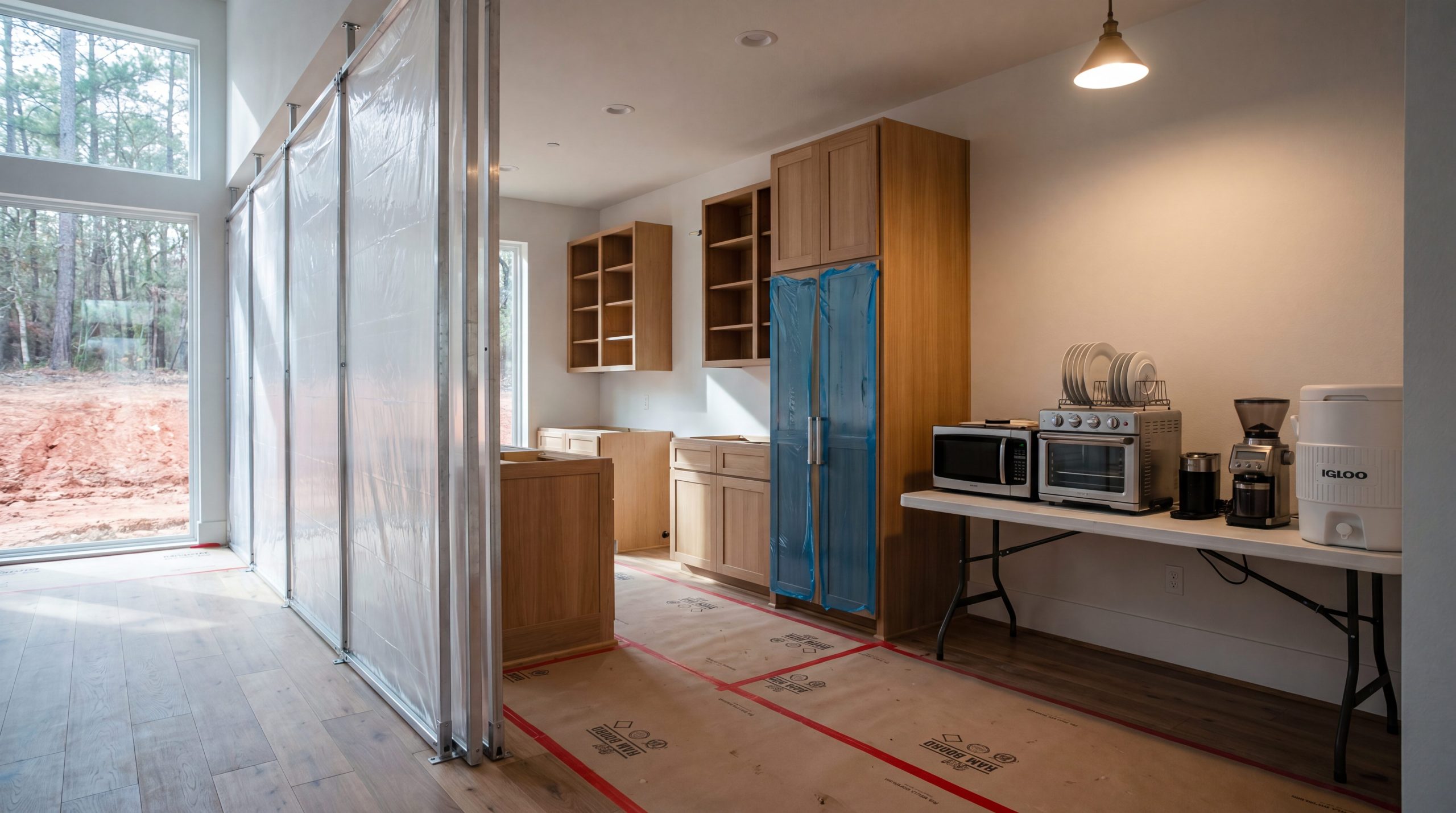
Moisture control continues after the initial inspection. We protect open wall cavities from rain, keep moisture-sensitive materials off damp surfaces, and pay attention to weather before leaving exposed areas vulnerable.
Give Windows and Doors Extra Attention
Windows and doors connect the interior to the exterior, so flashing, sealing, and drainage details matter. During a remodel, we inspect existing openings before new finishes hide them.
Treat Bathrooms and Kitchens Differently
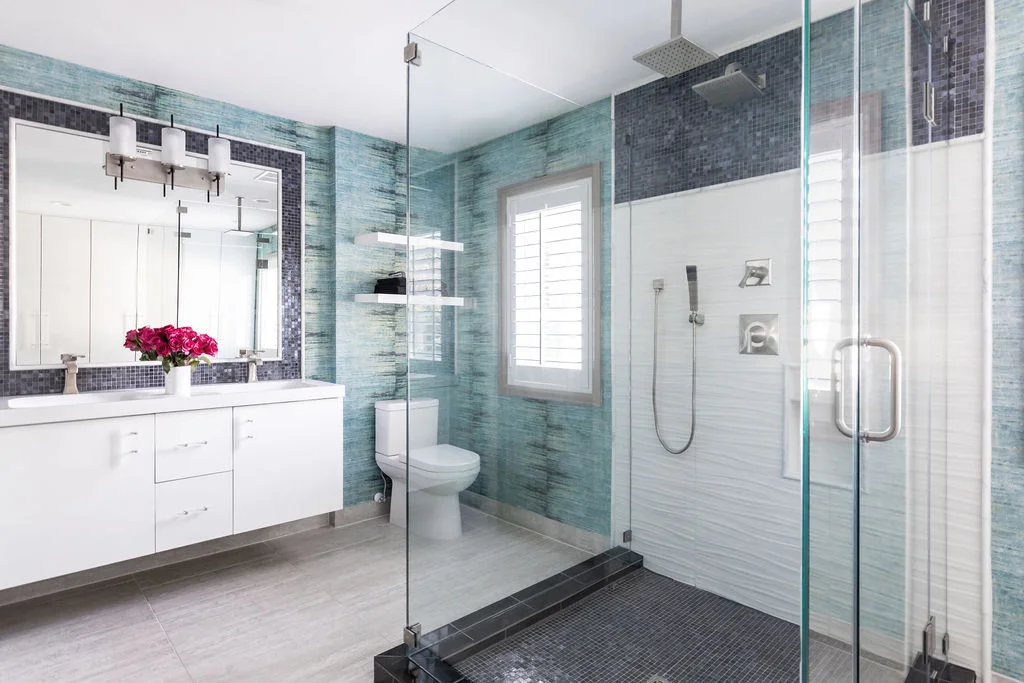
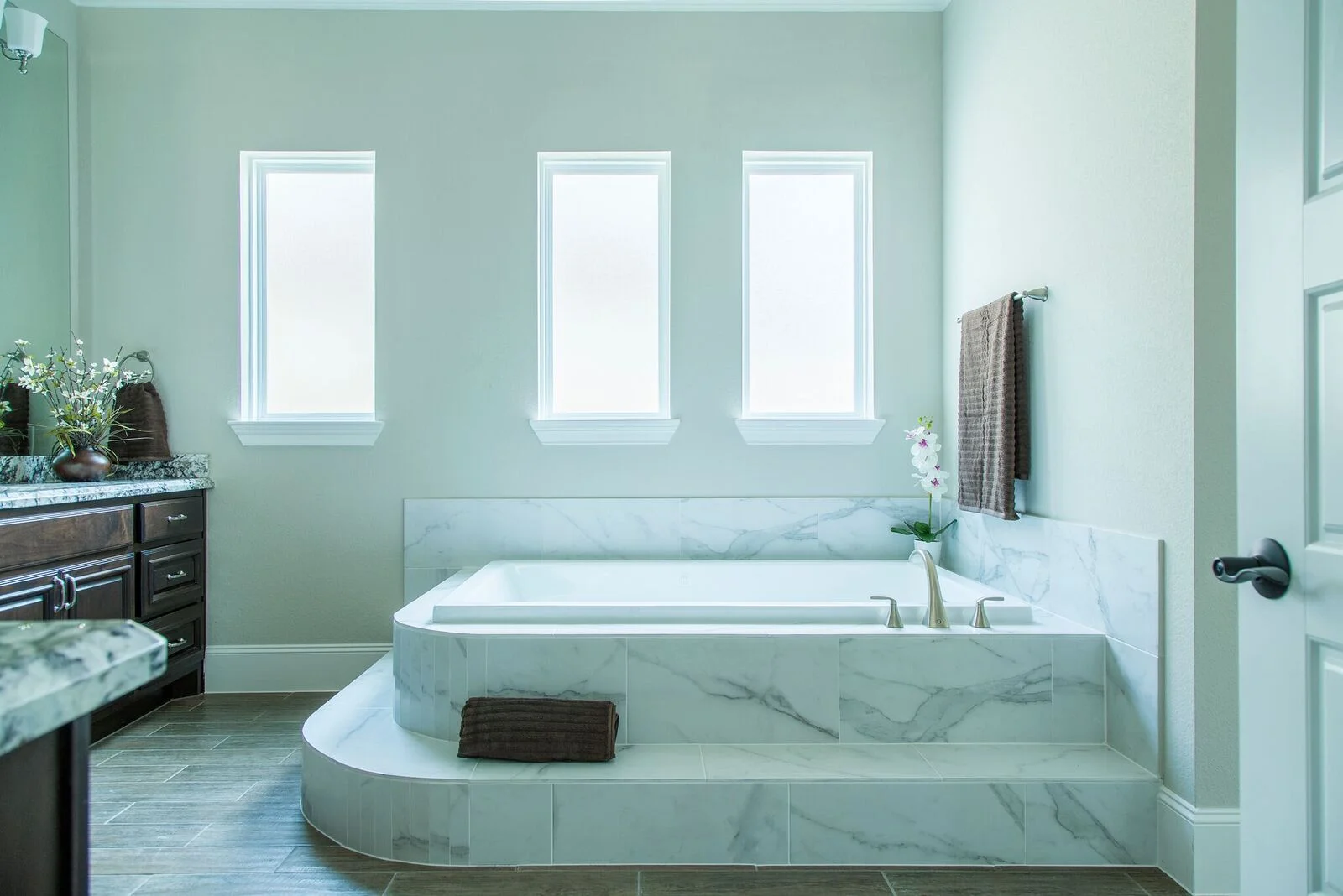
These rooms combine water, humidity, ventilation, and finishes. We plan waterproofing and ventilation before final surfaces go in.
A bathroom should not rely on paint alone to withstand repeated exposure to moisture. The assembly needs appropriate materials, waterproofing details, ventilation, and careful installation.
Keep Air Moving
Proper ventilation can help materials dry and reduce excessive indoor humidity. However, simply pointing a fan at a wet wall is not enough. We consider the moisture source, airflow, and surrounding conditions.
What Materials and Details Help Prevent Hidden Mold?
Materials cannot fix a leak, but the right choices can make a remodel more resilient. We select materials based on the room and the expected moisture exposure.
Match Materials to the Space
A bedroom wall and a bathroom wall face different conditions. Moisture-exposed areas need suitable materials and installation details.
We also avoid installing damaged materials just because they look acceptable from one side. Mold prevention starts with a clean, dry, sound substrate.
Seal Moisture Pathways
Plumbing and electrical penetrations, windows, and other openings require proper detailing. We want to keep unwanted water outside the wall assembly while providing a controlled path for necessary indoor moisture to escape.
| Moisture Risk | What We Check | Prevention Approach |
| Plumbing leaks | Pipes, valves, drains, fixtures | Test connections before closing walls |
| Rain intrusion | Windows, doors, exterior openings | Inspect sealing, flashing, and drainage |
| High humidity | Indoor air and ventilation | Maintain suitable airflow and humidity control |
| Wet materials | Drywall, insulation, framing | Protect, dry, or replace affected materials |
| Bathroom moisture | Shower and wet area assemblies | Use suitable waterproofing and ventilation |
| HVAC condensation | Equipment and nearby surfaces | Identify moisture sources and improve conditions |
How Does Our Design Build Process Support Mold Prevention?
At Keechi Creek Builders, we connect design decisions with construction decisions from the start. Our home remodeling services in Houston include whole home renovations, kitchens, bathrooms, interior redesigns, and structural updates. This practice allows moisture control to remain part of the larger plan.
Our design-build approach places design and construction under a single team. That matters when a project involves moving plumbing, opening exterior walls, changing layouts, or updating several systems at once.
Our 32 industry awards and more than 17 years of experience reflect a long-term commitment to craftsmanship. Our Texas A&M credentials also support the technical side of remodeling, where details behind finished surfaces matter as much as appearance.
For Cypress projects, we consider Harris County permitting requirements and applicable neighborhood approvals. In Memorial, existing home conditions and local community requirements can affect the work. In The Woodlands, homeowners may also need to address community design standards and approval processes.
Local knowledge matters because successful home remodeling in Houston must work both inside the walls and within the property's requirements.
What Should Homeowners Watch for During a Remodel?
You do not need to inspect every pipe, but you should speak up when something looks wrong. During home remodeling in Houston, early communication can make a moisture issue much easier to investigate.
Watch for These Warning Signs
• Wet drywall or insulation
• Musty odors inside newly enclosed areas
• Water stains near windows, ceilings, or plumbing
• Repeated condensation
• Dampness around HVAC equipment
• A wall being closed before a known leak is investigated
If you notice one of these signs, raise the concern before the wall disappears behind finished materials. Our custom builders in Houston can then investigate the source while access remains available.
Common Questions About Mold Prevention
1. Can new drywall prevent mold on its own?
No. Drywall does not remove the moisture source. If water enters a wall cavity or humidity keeps materials damp, mold can still develop. We first control water intrusion, manage humidity, correct leaks, dry affected materials, and then install the finished wall surface.
2. Should damp drywall be installed if it will dry later?
We should not rely on future drying after installation. Damp materials can trap moisture inside a closed assembly, especially where airflow is limited. We identify the cause of the dampness, prevent further exposure, and confirm suitable drying conditions before closing the wall.
3. Are bathrooms more likely to develop hidden mold?
Bathrooms need special attention because they combine plumbing, steam, condensation, and frequent water exposure. Proper ventilation, waterproofing, sound substrates, careful plumbing installation, and suitable material selection work together. We address these details before final wall and ceiling finishes conceal the assembly.
4. Does Houston humidity make every remodel vulnerable?
Houston humidity increases the need for careful moisture management, but it does not mean every remodeled wall will develop mold. We reduce risk by controlling indoor humidity, protecting materials from rain, correcting leaks, providing ventilation, and verifying that wall cavities are dry.
5. When should a homeowner raise a moisture concern?
Raise it as soon as you notice it. A wet surface, musty smell, plumbing leak, condensation issue, or unexplained stain is easier to investigate while walls remain accessible. During home remodeling in Houston, early communication gives our team a better opportunity to find the source and correct it.
Enjoy a Cleaner, Drier Remodel with the Right Team
Mold prevention starts long before anyone sees a finished wall. During home remodeling in Houston, we protect the project by:
- controlling moisture
- inspecting exposed areas
- correcting leaks
- protecting materials
- managing humidity
- confirming that wall cavities are ready before drywall goes up
Whether your project is in Cypress, Memorial, The Woodlands, or another Greater Houston community, we account for the home’s construction history, systems, location, and local requirements.
Keechi Creek Builders combines 32 awards, 17+ years of experience, Texas A&M credentials, and an integrated design-build process. We focus on the details that protect your remodeled space long after the drywall and finishes are complete.
If you are planning a remodel, contact Keechi Creek Builders to address moisture risks early and create a healthier, more durable finished space.