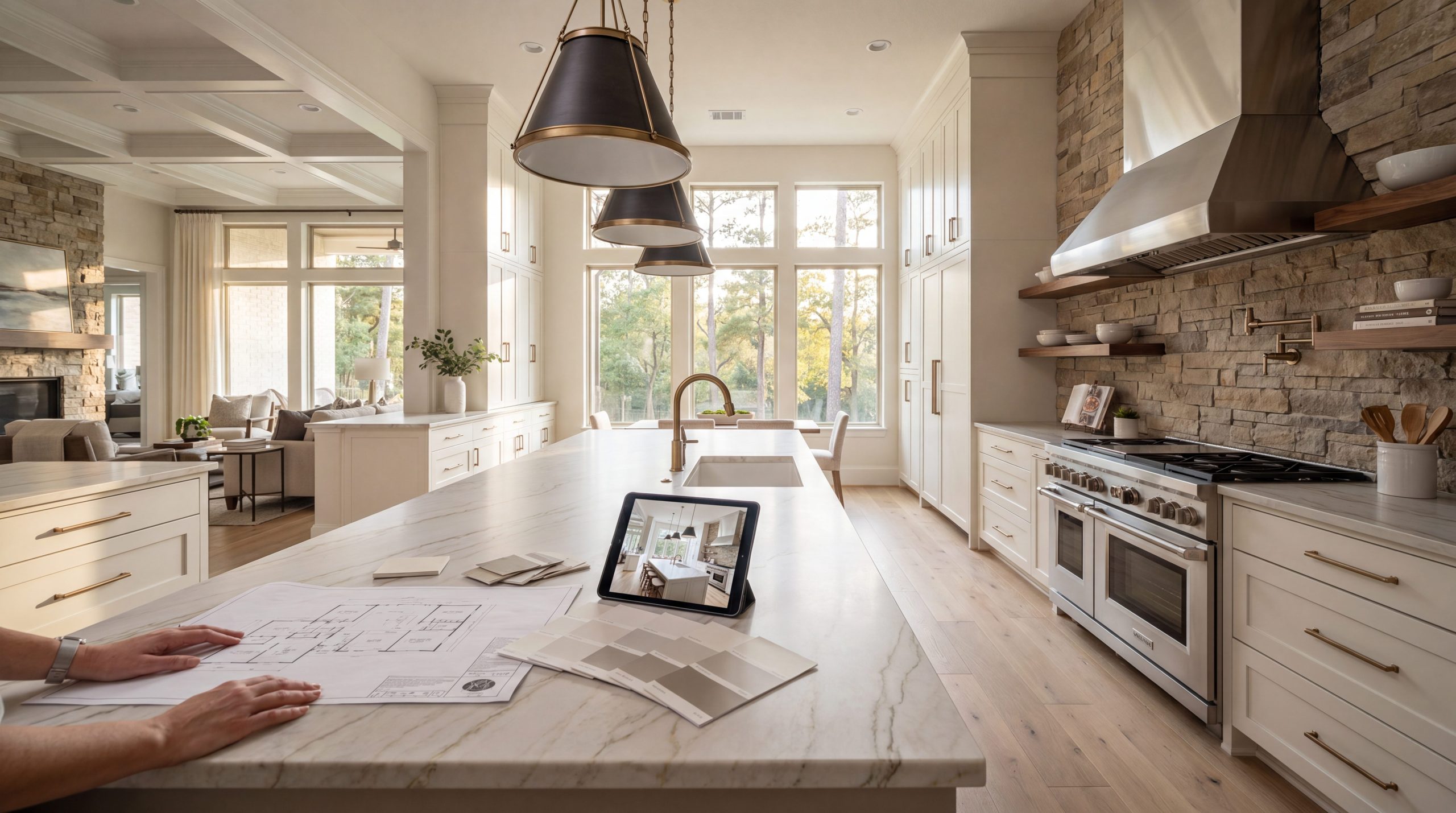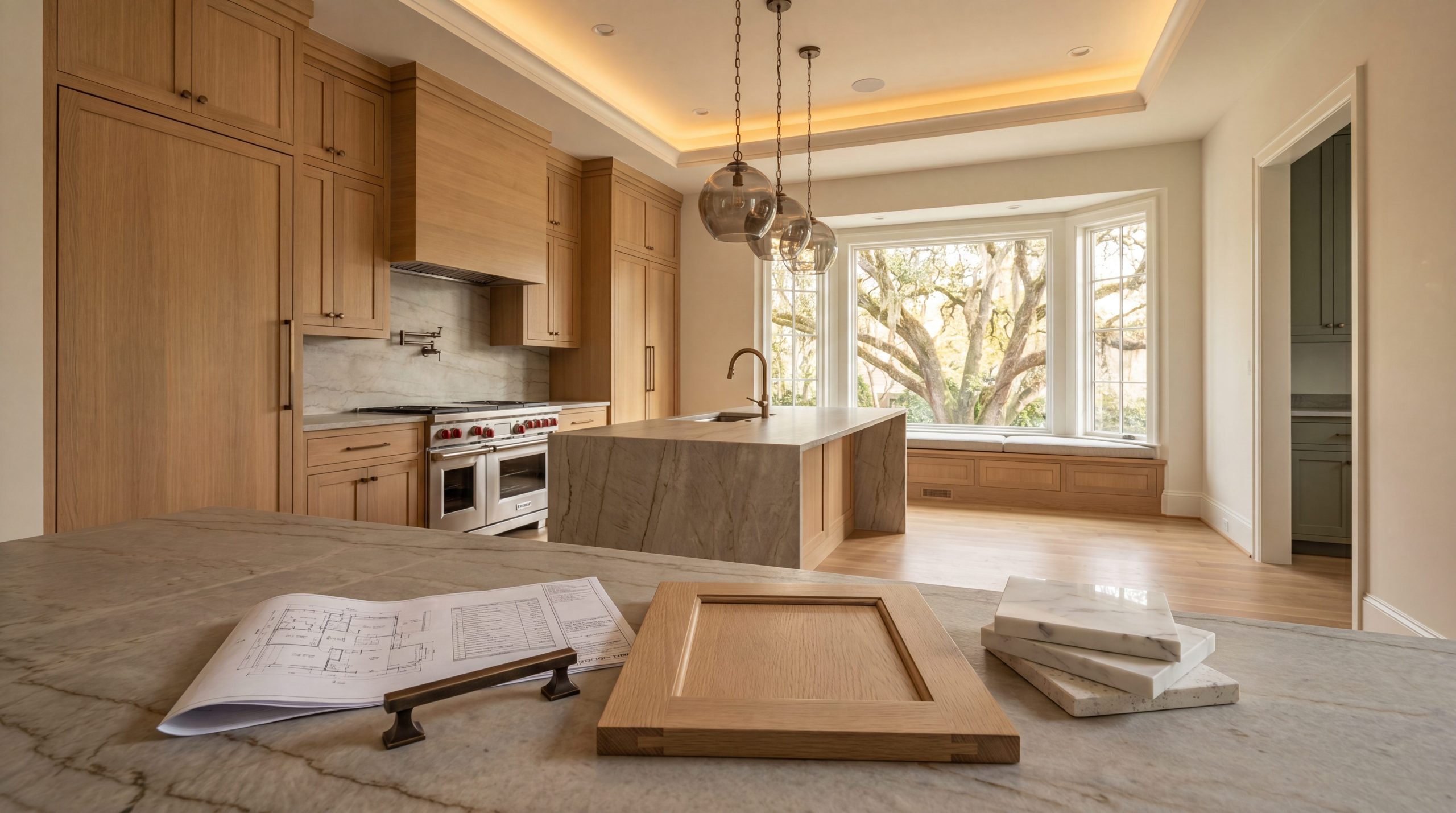
Custom home design in Cypress, TX requires navigating Bridgeland and Towne Lake ARB guidelines, selecting architectural styles suited to Gulf Coast climate, and prioritizing features that reflect how you actually live. Keechi Creek Builders' design-build process uses 3D walkthroughs to eliminate design regret before construction starts, giving you full confidence in every decision.
Key Takeaways
- ARB Compliance Drives Design Decisions: Bridgeland's Design Review Committee and Towne Lake's Architectural Control Committee enforce specific material palettes, minimum square footages, and style standards that shape every custom home design in Cypress, TX.
- Modern Farmhouse Dominates Cypress: Roughly 60% of new custom homes in Cypress master-planned communities feature modern farmhouse elements, including board-and-batten siding, metal rooflines, and natural stone accents.
- Climate Dictates Smart Design: Gulf Coast humidity, extreme heat, and severe storm exposure demand design features like deep roof overhangs, impact-rated windows, and moisture-resistant building envelopes that many out-of-area designers overlook.
- 3D Walkthroughs Prevent Regret: Clients who review photorealistic 3D renderings before breaking ground report significantly fewer change orders during construction, saving both time and money on their custom build.
- Transitional Architecture Is Rising: Blending traditional warmth with contemporary clean lines, transitional design is the fastest-growing style request in Cypress, particularly among homeowners aged 35 to 50 seeking timeless versatility.
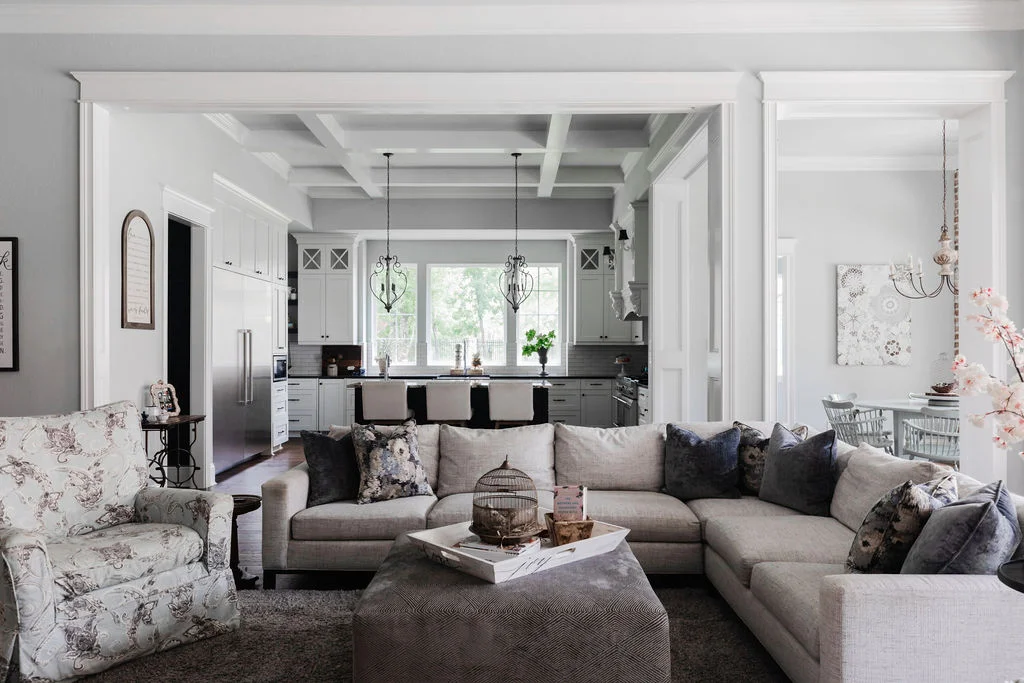
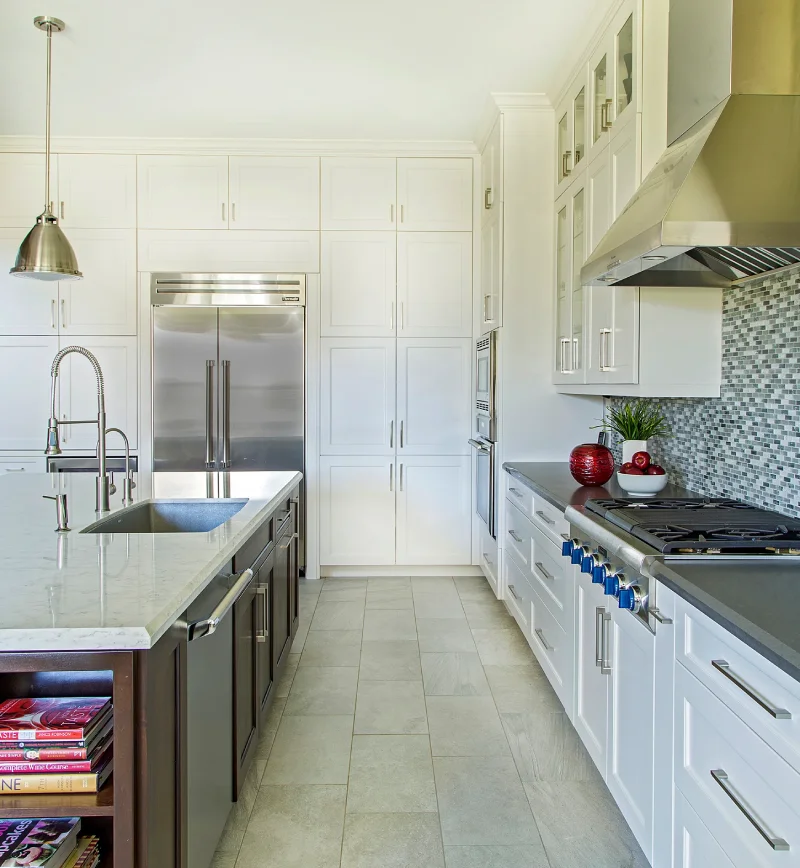
- Floor Plan Layout Matters More Than Square Footage: Thoughtful spatial planning (open-concept kitchen-to-great-room flow, primary suite privacy zoning, dedicated flex spaces) creates a home that performs better daily than one that simply measures larger.
What Architectural Styles Work Best for Custom Homes in Cypress, TX?
Cypress sits in a unique position within the Greater Houston corridor. The area's master-planned communities enforce architectural standards, and the Gulf Coast climate shapes material and layout decisions in ways that differ from Dallas, Austin, or San Antonio builds.
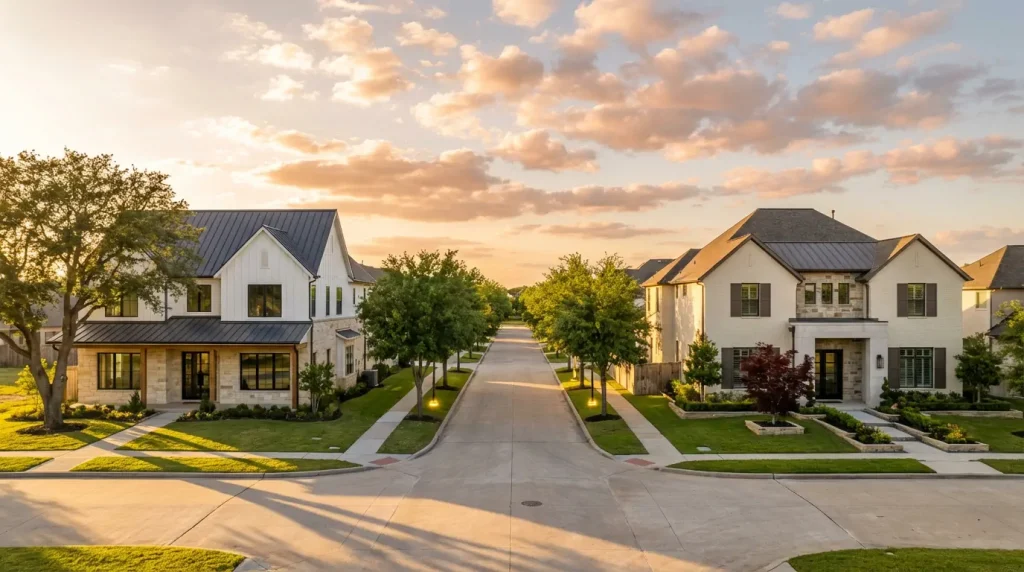
The five most requested architectural styles for custom home design in Cypress, TX, break down into distinct categories. Modern Farmhouse leads the field by a wide margin. Transitional follows as the fastest-growing category. Texas Hill Country, Contemporary, and Traditional round out the top five. Each carries different implications for your ARB approval timeline, construction pricing, and long-term maintenance. Whether you're building on your lot in an established Cypress neighbourhood or selecting a homesite within a new Bridgeland section, the style you choose directly affects your total project investment.
Here's the thing: we've guided clients through design-build projects in Cypress for over 19 years, and the style you choose affects far more than curb appeal. It determines your roofing material options, your window-to-wall ratios, your energy performance, and how your home weathers its first Gulf Coast hurricane season.
| Architectural Style | Popularity in Cypress (2025-2026) | ARB Approval Complexity | Climate Suitability | Typical Price Premium |
|---|---|---|---|---|
| Modern Farmhouse | Dominant (~60%) | Low to Moderate | High | Baseline |
| Transitional | Rising Fast (~20%) | Moderate | High | +5-10% |
| Texas Hill Country | Steady (~10%) | Moderate to High | Very High | +10-15% |
| Contemporary/Modern | Niche (~5%) | High (ARB pushback common) | Moderate | +15-25% |
| Traditional | Declining (~5%) | Low | High | Baseline |
How Do Bridgeland and Towne Lake ARB Guidelines Shape Your Design?
If you're building a custom home in Cypress, you'll likely be building within a master-planned community. Bridgeland (developed by The Howard Hughes Corporation) and Towne Lake (developed by Caldwell Companies) both maintain Architectural Review Boards that must approve your home's exterior design before Harris County issues your building permit.
We navigate these guidelines weekly. Bridgeland's Design Review Committee requires brick, stone, or stucco on a minimum percentage of the front and side elevations visible from the street. They mandate specific roof pitch minimums, restrict certain siding materials, and enforce minimum square footage requirements in their custom sections (typically 3,500 to 4,000 square feet). According to the International Code Council, these community-level design standards work alongside municipal building codes to maintain both aesthetic consistency and structural integrity.
Towne Lake takes a different approach. Their Architectural Control Committee places heavier emphasis on landscape integration and lakefront visibility corridors. Homes along the lake must consider sightline preservation, and the committee actively encourages styles that complement the community's existing aesthetic, which leans toward Tuscan, Mediterranean, and Hill Country influences.
The practical impact? Your architectural style selection isn't purely a matter of personal taste in Cypress. It's a strategic decision that affects how quickly you move through approval and into construction.
Which Custom Home Features Perform Best in Gulf Coast Climate?
The Houston area receives approximately 50 inches of rainfall annually, according to the National Weather Service. Temperatures exceed 90°F for roughly 100 days per year. And the region sits squarely in hurricane-prone territory.
These aren't abstract data points. They're design constraints that should influence every major feature decision in your custom home.
Roof design matters enormously. Deep overhangs (minimum 24 inches, ideally 36 inches) protect windows and exterior walls from both direct sun exposure and wind-driven rain. Standing seam metal roofs have become the preferred choice for modern farmhouse and transitional builds because they shed water faster than composition shingles and carry higher wind ratings.
Window selection requires balancing natural light with energy performance. Low-E coated, argon-filled, impact-rated windows are now standard in high-end Cypress builds. These aren't luxury add-ons. In a region where cooling accounts for the majority of annual energy costs, proper glazing specification is an engineering decision.
Foundation engineering deserves specific attention on Cypress's expansive clay soils. The Texas A&M AgriLife Extension Service has documented how Beaumont clay and similar soil types in Harris County expand and contract with moisture changes, making drilled pier foundations essential for long-term structural performance on most Cypress lots.
- Deep roof overhangs (24-36 inches) for rain and sun protection
- Impact-rated, Low-E windows with argon gas fill for storm resistance and energy efficiency
- Drilled pier foundations engineered for Cypress's expansive clay soils
- Sealed building envelopes with vapor barriers designed for Gulf Coast humidity
- Whole-house dehumidification systems separate from HVAC
What Is the Modern Farmhouse Style and Why Does Cypress Love It?
Modern farmhouse has become the default architectural language of Cypress's newer custom sections. The style combines traditional farmhouse proportions (gabled rooflines, covered porches, board-and-batten or lap siding) with contemporary refinements (clean lines, oversized windows, open floor plans, and mixed material palettes). For homeowners building a new home in Cypress, it represents the clearest path to a quality home that satisfies both personal taste and community standards.
Why does it dominate here? Three reasons. First, the style's emphasis on natural materials (stone, wood, metal) aligns naturally with Bridgeland and Towne Lake ARB palettes. Second, the steep gabled rooflines perform well in heavy rain. Third, the style's flexibility allows significant customization within a cohesive framework, giving homeowners the ability to express individuality without the ARB friction that fully contemporary designs often encounter.
We've built modern farmhouse custom homes in Bridgeland ranging from 3,800 to 6,200 square feet. The style scales well. A 3,800-square-foot version can feel every bit as intentional and luxurious as a much larger build when the floor plan layout is optimized for how the family actually uses the space.
That said, modern farmhouse isn't one thing. There's a significant difference between the Instagram-farmhouse aesthetic (all white, all shiplap, all open concept) and a properly engineered modern farmhouse that incorporates structural steel, commercial-grade insulation, and climate-appropriate material selections. The former photographs well. The latter lives well for decades.
How Does the Design-Build Model Eliminate Decision Fatigue?
Decision fatigue is the number one pain point we hear from homeowners considering a custom build. Hundreds of individual choices about materials, finishes, fixtures, spatial relationships, and systems can overwhelm even the most decisive person. The American Institute of Architects recognizes that integrated project delivery models reduce decision burden by consolidating design and construction expertise under a single team.
The traditional approach separates architect, interior designer, and builder into three independent relationships. You make design decisions with your architect, then translate those decisions to a builder who may interpret them differently. The gaps between these handoffs are where regret lives.
Our design-build model at Keechi Creek Builders works differently. One team handles architectural design, engineering, and construction. Brandon Lynch, GMB, CAPS, CGP (Texas A&M Engineering), leads every project from initial design consultation through final walkthrough. That means the person helping you select ceiling heights and kitchen layouts understands exactly how those decisions affect structural requirements, HVAC sizing, and construction sequencing.
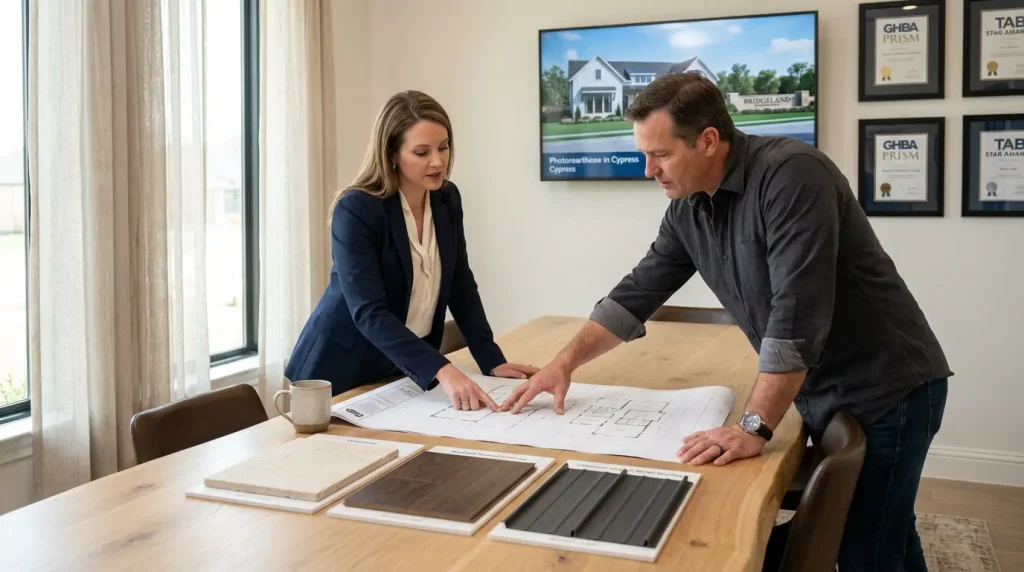
The 3D walkthrough process is where this really comes together. Before we break ground, you walk through a photorealistic digital version of your home. You see how natural light enters the primary suite at different times of day. You experience the spatial relationship between kitchen island and great room. You catch the floor plan issues that flat blueprints hide.
What Design Trends Are Shaping Custom Homes in Cypress for 2026?
Design trends in the luxury custom home space evolve differently than mass-market residential trends. The homeowners we work with in Cypress aren't chasing Pinterest aesthetics. They're making calculated investments in features that will perform for 20 to 30 years.
Here are the trends we're seeing in our active design pipeline right now:
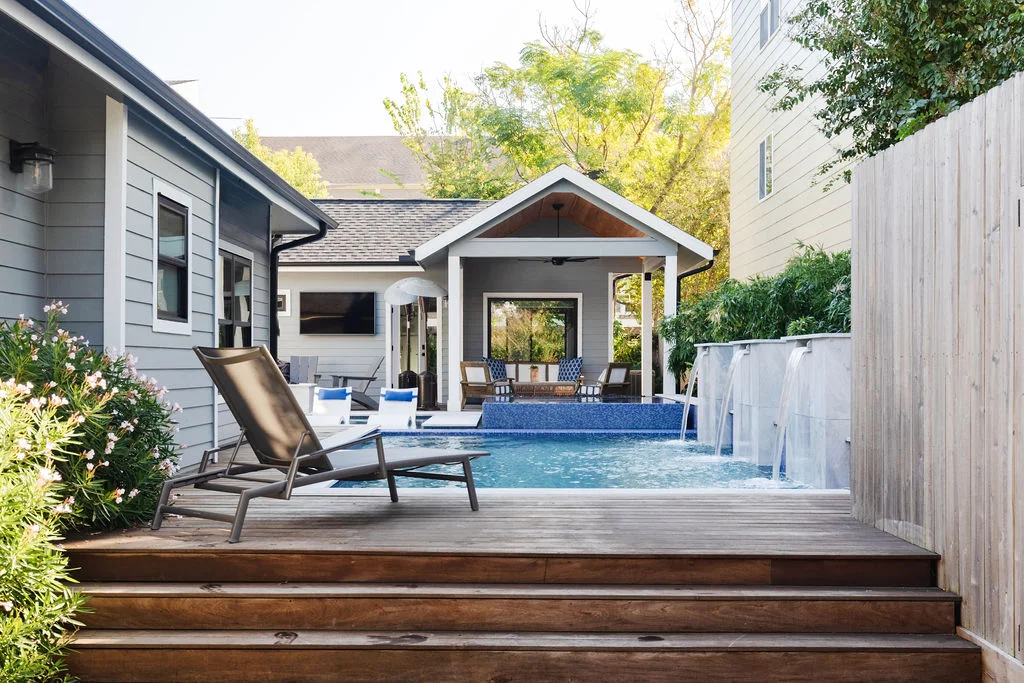
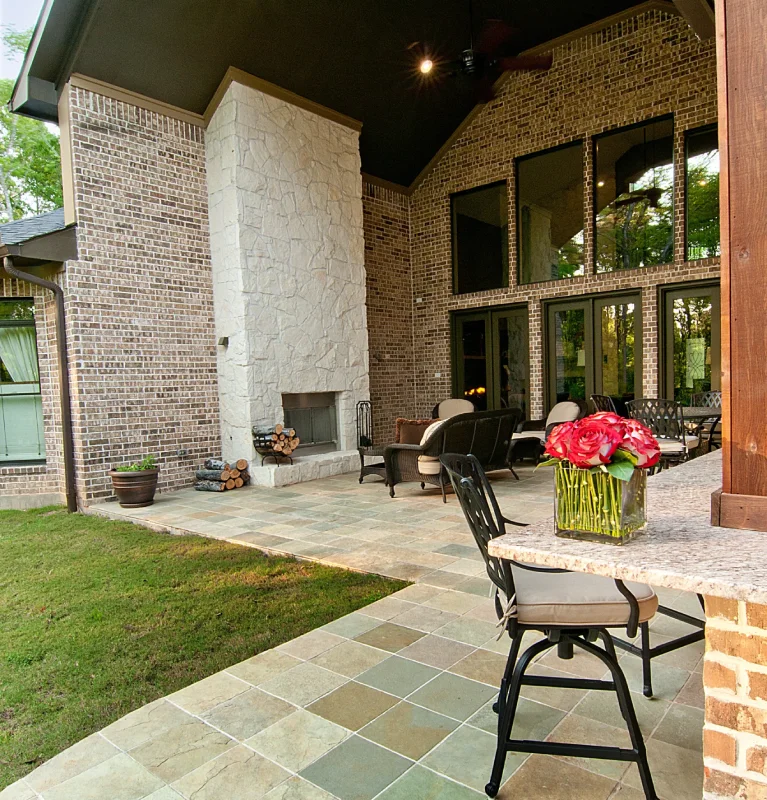
Indoor-outdoor integration is no longer optional. Nearly every custom home design in Cypress we've produced in the past 18 months includes a covered outdoor living space that functions as a legitimate room, not an afterthought patio. Full outdoor kitchens with dedicated refrigeration, plumbed sinks, and weather-rated cabinetry. Retractable wall systems that open the great room directly to the covered outdoor area. The result: living spaces where your family can dine, entertain, and relax year-round in Houston's mild winters.
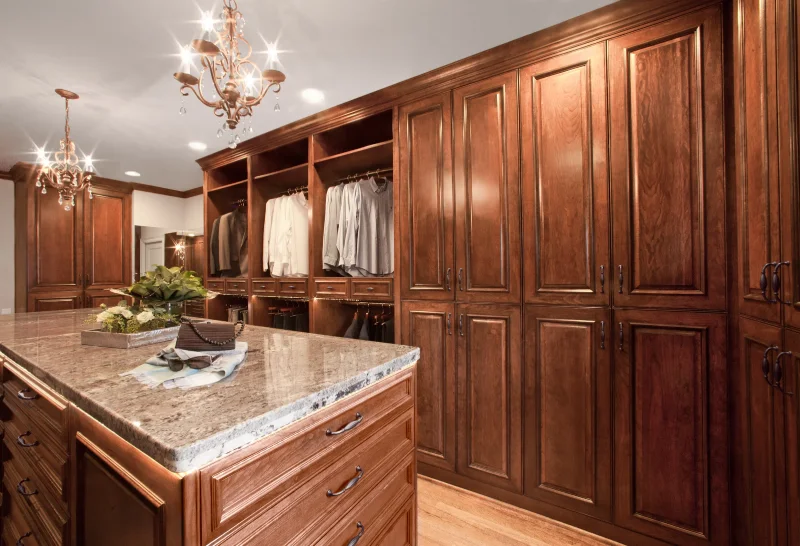
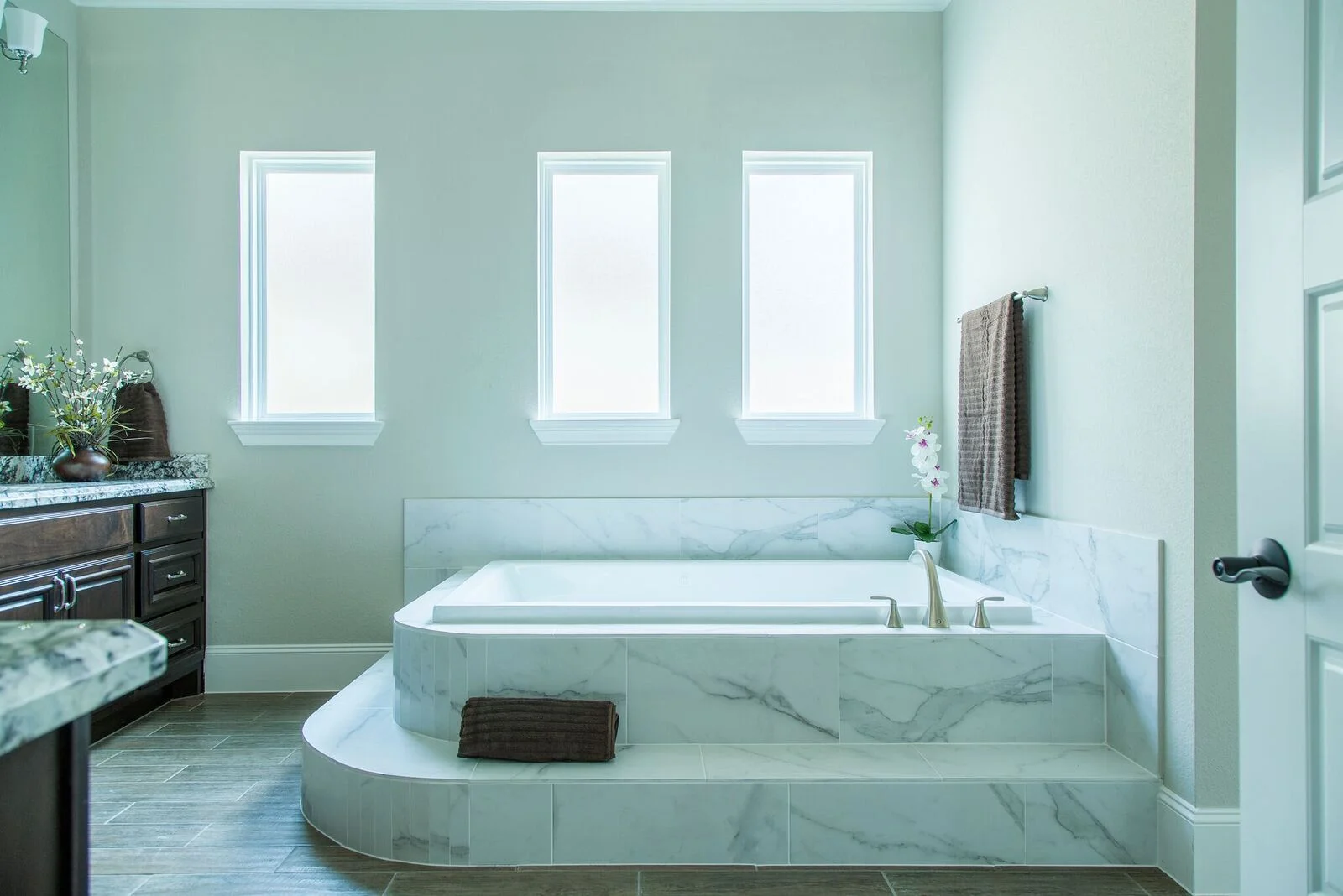
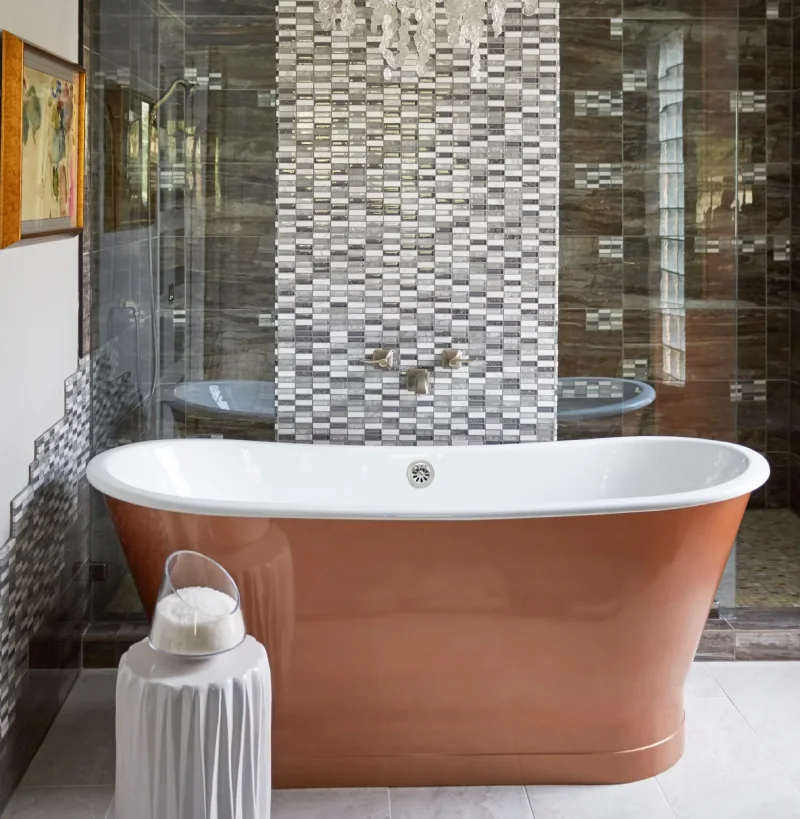
Primary suite design has evolved. The trend has moved away from cavernous master bedrooms toward thoughtfully zoned primary suites with separate sleeping, bathing, and dressing areas. Walk-in closets now function as dedicated dressing rooms. Primary bathrooms increasingly feature wet rooms with open showers and freestanding soaking tubs. These innovations reflect a commitment to excellence in how the most personal rooms in your home actually perform daily.
Flex spaces are the new standard. Home offices, multigenerational living quarters, family rooms that double as media spaces, dedicated homeschool rooms, wine rooms, and hobby spaces now appear in nearly every custom floor plan. According to the National Association of Home Builders, dedicated home offices rank among the top five most-desired features in new construction, a trend that shows no sign of reversing.
Energy-efficient design is embedded, not added. Spray foam insulation, energy-efficient building systems, solar-ready electrical panels, and high-SEER HVAC systems are specified during the design phase, not as upgrades during construction. Innovative building science approaches now allow high-quality custom homes in Cypress to achieve energy performance levels that cut annual utility costs by 30% to 40% compared to standard code-minimum construction.
How Should You Evaluate Your Design Priorities Before Starting?
Before you sit down with any builder's design team, spend time clarifying what actually matters to your family. The most successful custom home projects we've managed start with clients who've done this work.
Ask these questions: How do we actually use our current home? Which rooms do we live in, and which do we avoid? Where does the family gather naturally? What frustrates us most about our current layout? How do we entertain? Do we need multigenerational capacity now or within the next decade?
The answers to these questions matter more than any magazine tear sheet. When we begin the initial design consultation for a custom home building project in Cypress, we start with a lifestyle interview, not a style quiz. Your home should be designed around how you live, not around an aesthetic category. Every family has specific needs that only emerge through structured conversation, and those needs should drive every plan we develop together.
We also walk clients through the ARB requirements for their specific community before any design work begins. There's nothing more frustrating than falling in love with a design concept only to learn it won't pass architectural review. That's wasted time and emotional energy that a Cypress-experienced builder with 32 industry awards can help you avoid entirely.
How Does KCB's Design Process Work From First Sketch to Construction?
Our design process follows a structured sequence that prevents the two most common failure modes: scope creep and communication breakdown.
Phase 1: Discovery. We conduct a detailed lifestyle interview, review your lot or help you evaluate lots in Cypress communities, and establish budget parameters. This phase typically takes one to two weeks.
Phase 2: Concept Design. Our team produces preliminary floor plans and exterior elevations based on your lifestyle priorities, style preferences, and ARB requirements. You'll see two to three concept options. This phase takes two to three weeks.
Phase 3: Design Development. We refine the selected concept into detailed architectural plans. 3D walkthroughs are produced at this stage. Material selections begin. Engineering review ensures structural feasibility. This is the longest design phase, typically four to six weeks.
Phase 4: Construction Documents. Final architectural and engineering plans are produced for permitting, ARB submission, and construction. Every dimension, material specification, and system detail is documented. Two to three weeks.
Phase 5: Approvals. We submit to the ARB and Harris County simultaneously when possible. Timeline varies by community (Bridgeland averages 3 to 4 weeks; Towne Lake averages 4 to 6 weeks for custom sections).
The entire design-through-approval process typically takes 12 to 16 weeks, depending on design complexity and ARB responsiveness. We maintain transparency through weekly design meetings and a shared project timeline that gives you visibility into every milestone.
Frequently Asked Questions
How much does custom home design cost in Cypress, TX?
Design fees for a custom home in Cypress typically range from $50,000 to $80,000, covering architectural plans, engineering, 3D renderings, and ARB submission preparation. With Keechi Creek Builders' integrated design-build model, these costs are incorporated into the total project rather than billed as a separate line item, simplifying your budget and eliminating the communication gaps between separate architect and builder contracts.
What is the most popular home style in Cypress, TX?
Modern farmhouse is the dominant architectural style in Cypress, representing approximately 60% of new custom home builds in Bridgeland and Towne Lake. The style's compatibility with ARB material requirements (natural stone, metal roofing, board-and-batten siding), strong rain performance from steep gabled rooflines, and design flexibility make it the practical and aesthetic leader in the Cypress market.
How long does the custom home design process take?
The complete design process from initial consultation to construction-ready documents and ARB approval typically takes 12 to 16 weeks. This includes lifestyle assessment, concept design, design development with 3D walkthroughs, construction documentation, and community architectural review board approvals. More architecturally complex designs or communities with stringent review processes may extend this timeline.
Do I need an architect if I hire a design-build firm?
No. A design-build firm like Keechi Creek Builders provides architectural design, structural engineering, and construction under one contract. This eliminates the need to hire and coordinate a separate architect, structural engineer, and builder. Our founder, Brandon Lynch (GMB, CAPS, CGP, Texas A&M Engineering), integrates design and construction expertise from day one of your project.
What is transitional architecture in custom homes?
Transitional architecture blends traditional warmth (stone accents, arched openings, symmetrical facades) with contemporary clean lines (flat-panel cabinetry, open floor plans, oversized windows). It's the fastest-growing style in Cypress because it ages well, avoids trend-driven elements that date quickly, and typically navigates ARB approval smoothly by incorporating familiar materials in updated compositions.
How do ARB guidelines affect my custom home design in Cypress?
Bridgeland and Towne Lake ARBs regulate exterior materials, architectural styles, roof pitches, minimum square footage, landscape requirements, and even fence designs. These guidelines must be addressed during the design phase, not after. Submitting a non-compliant design wastes four to six weeks and creates unnecessary frustration. Working with a builder who understands each community's specific standards from the start streamlines the entire process.
What design features add the most value to a Cypress custom home?
Covered outdoor living spaces, primary suite zoning (separate sleeping, bathing, and dressing areas), dedicated home offices, and energy-efficient building systems consistently deliver the strongest combination of daily livability and long-term resale value in the Cypress market. High-impact window systems and properly engineered foundations also add value by reducing insurance premiums and long-term maintenance costs.
Conclusion
Custom home design in Cypress, TX, is a process that rewards preparation, local knowledge, and the right partnership. The architectural style you select, the features you prioritize, and the builder you trust with execution all determine whether your custom home becomes a sanctuary that serves your family for decades or a source of ongoing frustration.
At Keechi Creek Builders, we bring 19 years of Cypress-specific design-build experience, 32 industry awards, and a 3D walkthrough process that eliminates guesswork before construction begins. Building your new home shouldn't feel like a gamble. If you're ready to explore what your custom home could look like, contact our team for a design consultation. We'll start with your vision, navigate the ARB requirements, and produce a design that's engineered for the Gulf Coast and built around how you actually live.