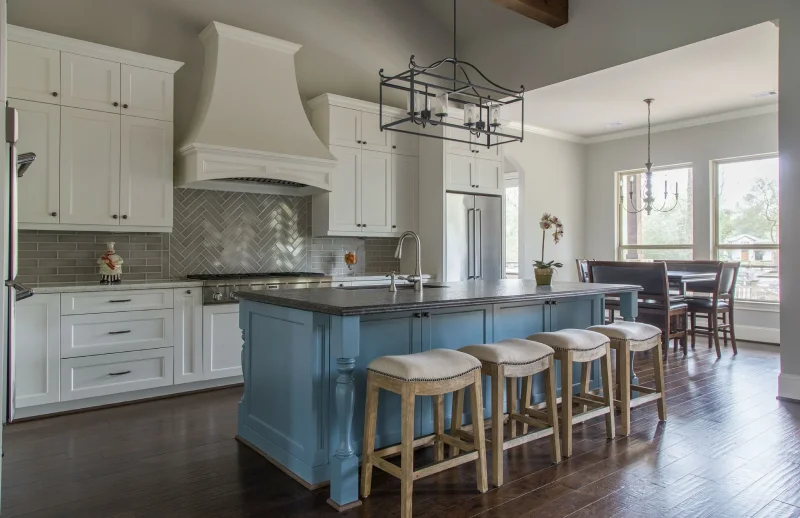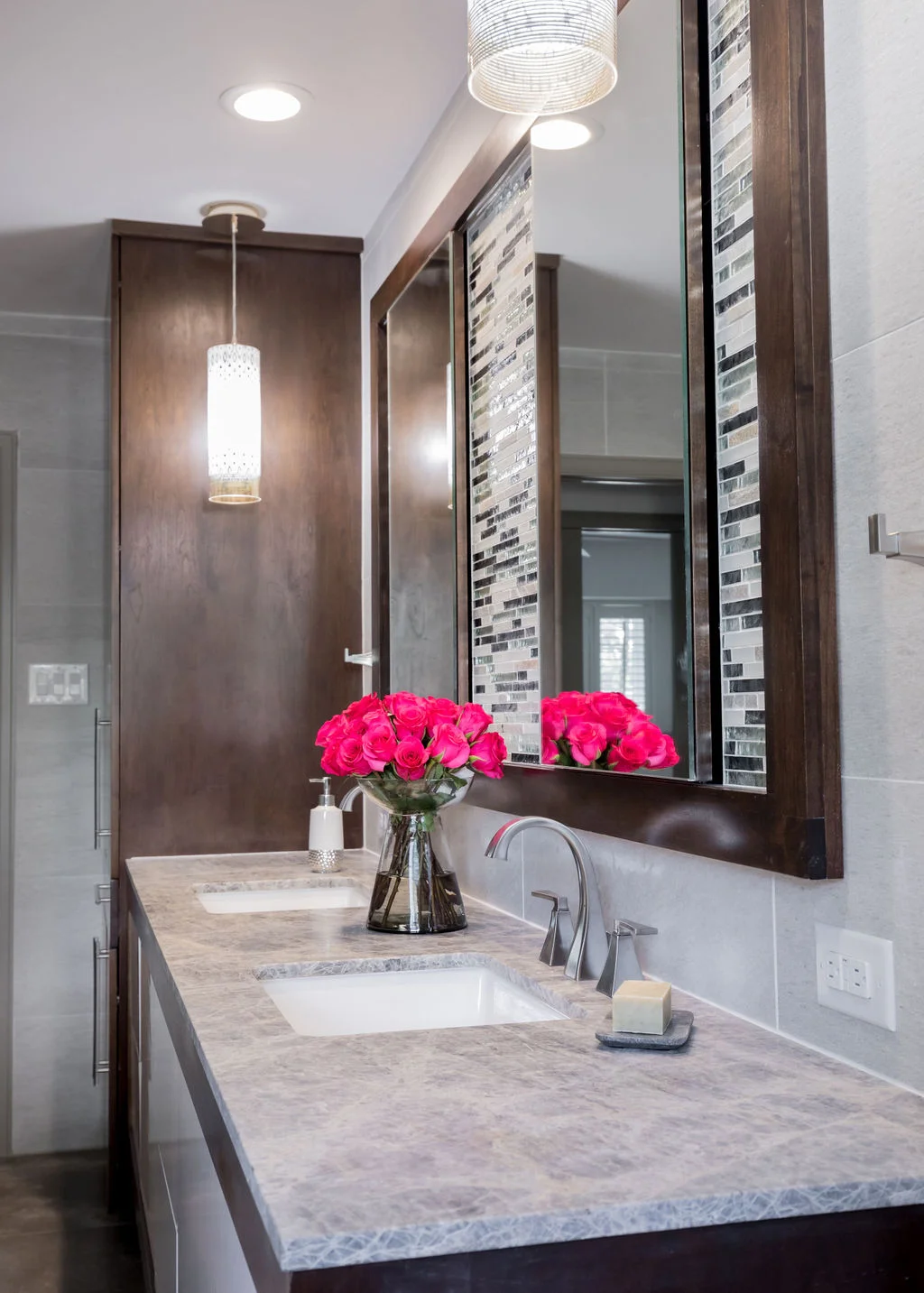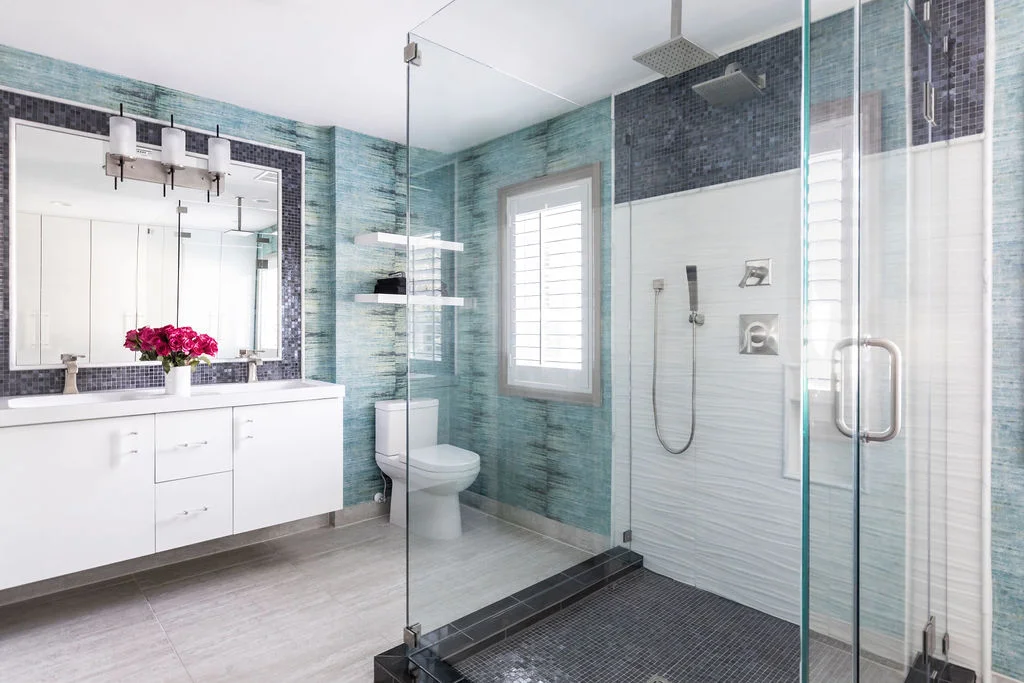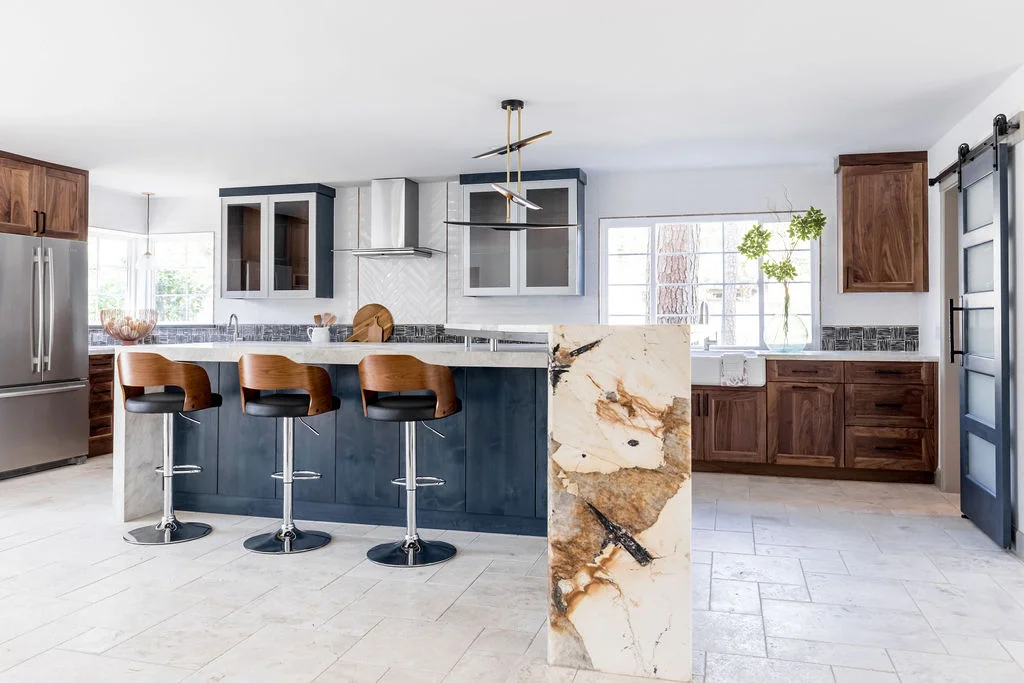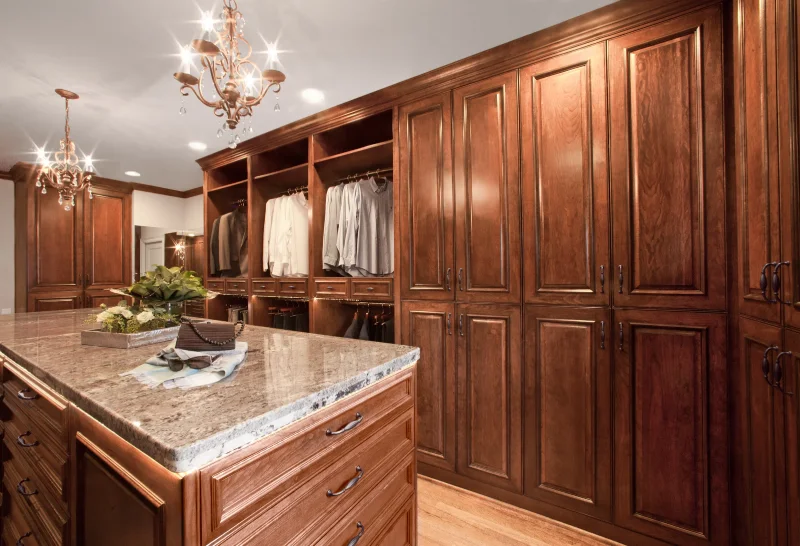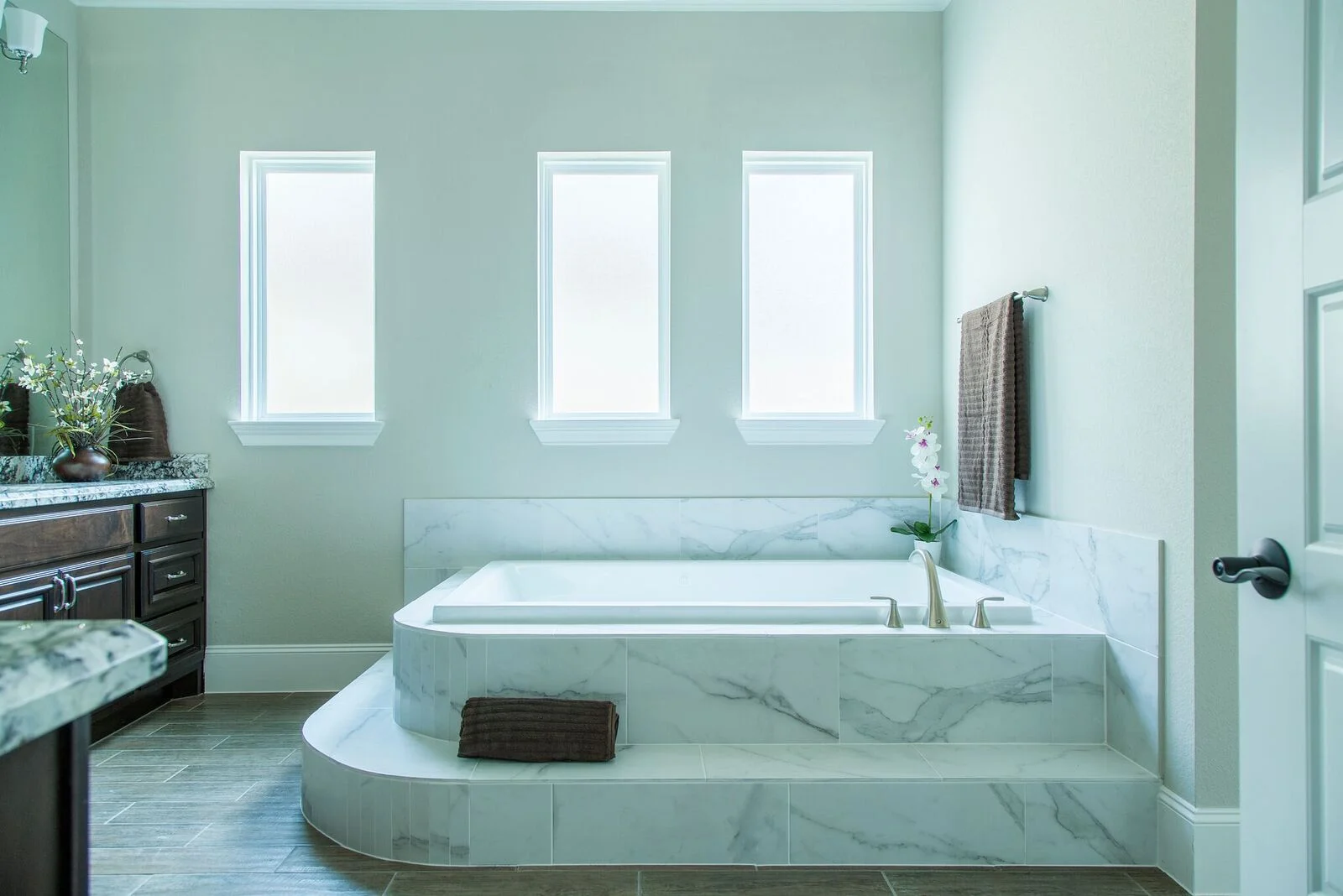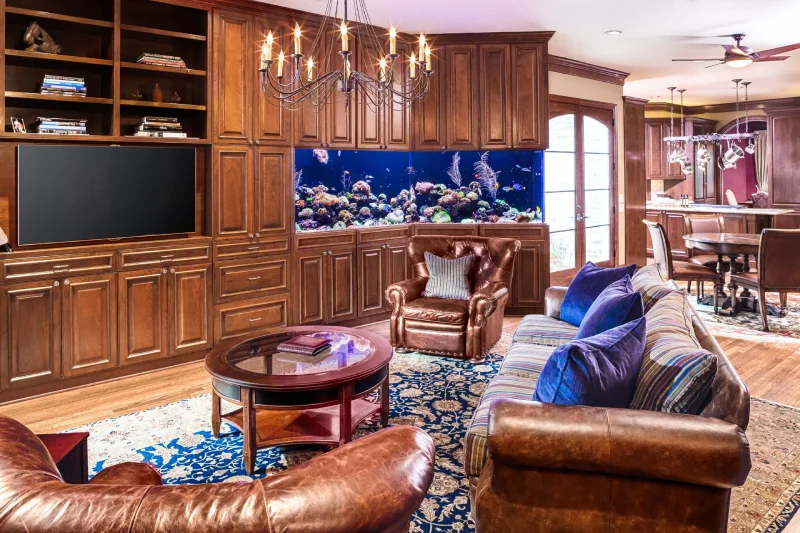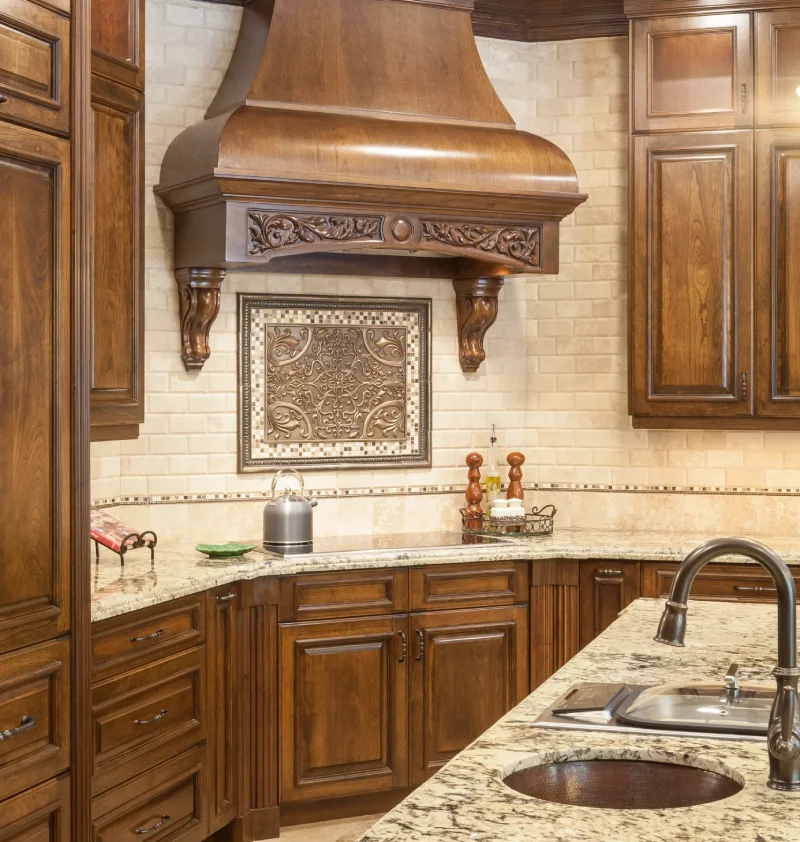
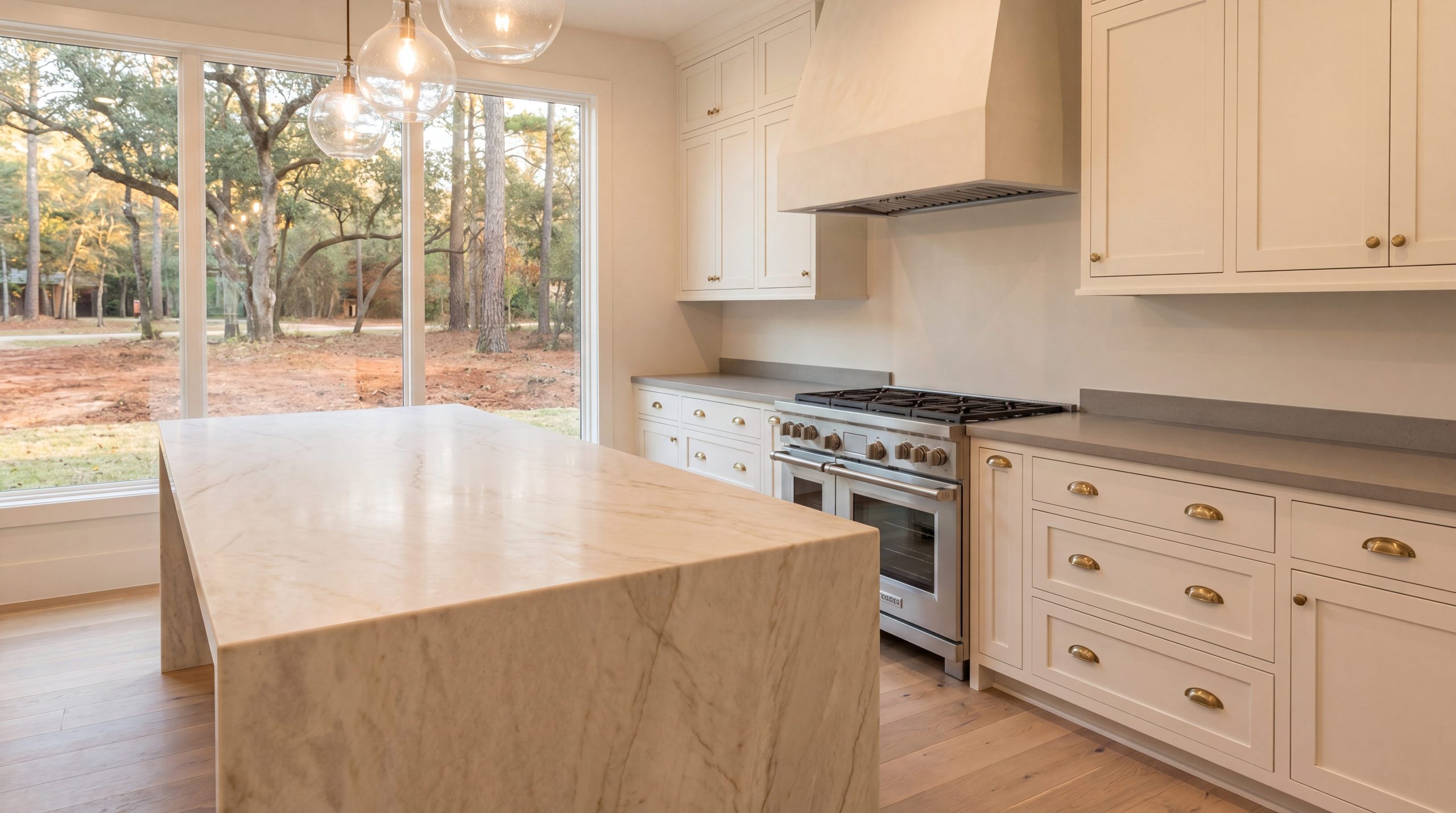
The best countertops for Houston humidity are properly sealed quartzite, engineered quartz, and porcelain slab — three surfaces that resist moisture migration, fight stains in 80% humidity, and hold their finish through a Texas summer. For homeowners in The Woodlands, the right choice depends on cooking habits, design language, and budget over a 20-year horizon, not the showroom photo.
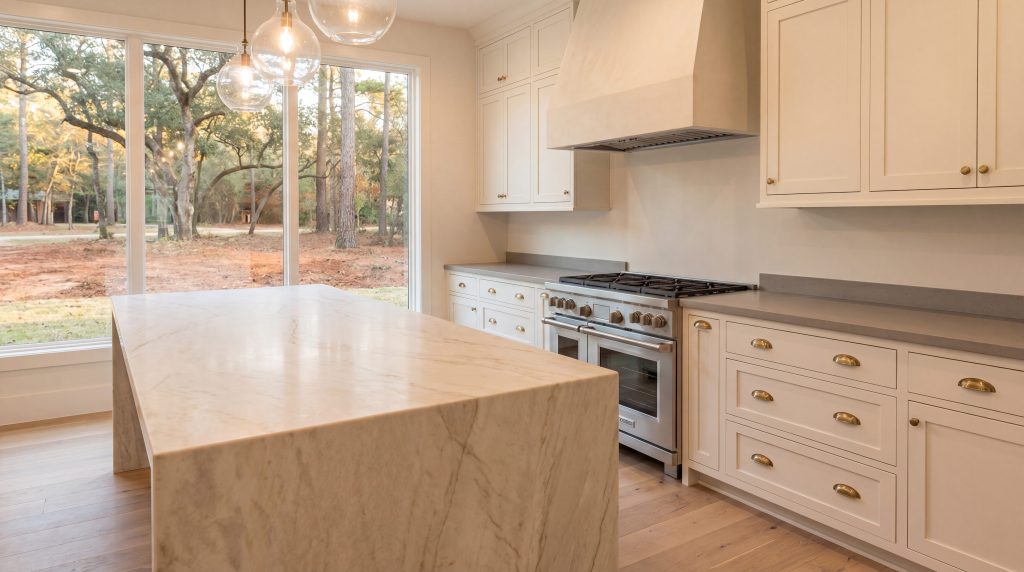
Key Takeaways
- Quartzite wins the durability-style balance: Sealed natural quartzite resists Houston humidity, etches less than marble, and brings dimensional character no engineered surface can fake.
- Engineered quartz is the lowest-maintenance answer: Non-porous by design, quartz needs no sealing, shrugs off coffee and red wine, and performs predictably across 1,500+ pattern options.
- Granite still earns its place — when sealed twice a year: Properly sealed granite handles Houston heat better than quartz at the cooktop and costs less per square foot than quartzite.
- Porcelain slab is the rising performer: UV-stable, scratch-resistant, and dimensionally accurate, porcelain handles indoor-outdoor kitchens and west-facing windows without fading.
- Solid surface fits utility zones, not hero islands: Corian-style acrylics work for laundry rooms and secondary baths but lack the depth Woodlands buyers expect on the main kitchen.
- Maintenance habits matter more than material choice: A poorly sealed quartzite fails faster than well-maintained granite — the homeowner's routine drives lifespan more than the slab spec sheet.
- Climate-matched selection saves money over a 20-year cycle: Cost-per-year analysis flips the showroom math; the cheapest countertop today often becomes the most expensive surface to live with through humid summers.
Why Does Houston Humidity Change the Countertop Conversation?
Houston sits in a humid subtropical climate — the kind of relentless moisture load that turns inadequate countertops into long-term liability. According to the Wikipedia entry on the Climate of Houston, average summer dew points exceed 73°F and indoor relative humidity routinely sits between 55–70% even with conditioning. For countertops, that means three forces working continuously: moisture vapor pressing into porous stone, condensation cycles on cool surfaces near vents and refrigerators, and biological growth pressure on any seam, edge, or unsealed pore.
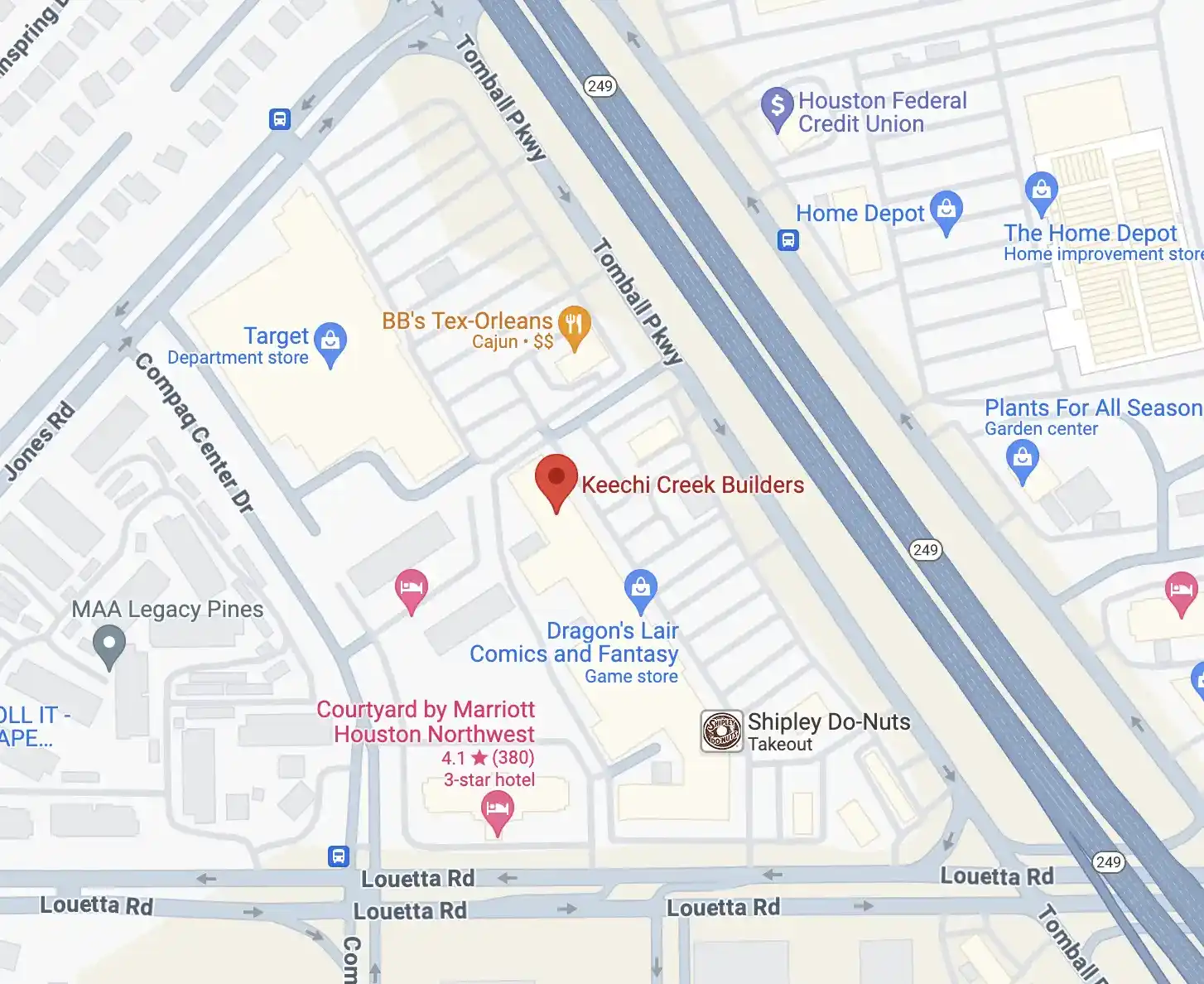
This climate context matters because most national countertop guides are written for temperate markets. A surface that holds up in Denver or Phoenix can fail in The Woodlands by year five. The Keechi Creek Builders team has installed and serviced kitchen surfaces across Carlton Woods, Sterling Ridge, and Creekside Park for 17+ years — long enough to track how each material actually behaves through Montgomery County summers, not just how the manufacturer's spec sheet predicts.
Three Houston-specific stressors deserve special attention. Edge moisture migration is the silent killer of poorly sealed natural stone; water wicks up exposed edges where the sealer thins and creates dark perimeter staining that no surface cleaner reaches. Thermal cycling at the cooktop stresses any engineered resin matrix when a 600°F skillet meets a 72°F slab — sustained exposure breaks down the polymer binder in budget quartz. UV bleaching at south-facing islands fades resin-bound surfaces over a decade; sun streams through The Woodlands' large kitchen windows and works on the slab whether anyone is home or not.
What Are the Best Countertop Materials for Houston Kitchens?
A side-by-side comparison cuts through showroom marketing. The table below ranks the five surfaces Keechi Creek Builders specifies most often for The Woodlands kitchen remodels, scored against the variables that actually matter in Houston conditions.
|
Material |
Humidity Resistance |
Heat Tolerance |
Stain Resistance |
UV Stability |
Maintenance |
Cost/Sq Ft Installed |
20-Year Lifespan |
|
Quartzite (natural) |
Excellent (sealed) |
Excellent (300°F+) |
Very Good (sealed) |
Excellent |
Moderate — seal yearly |
$100–$220 |
25–40 years |
|
Engineered Quartz |
Excellent |
Good (to 300°F) |
Excellent |
Fair (indoor only) |
Low — no sealing |
$70–$160 |
20–30 years |
|
Granite |
Very Good (sealed) |
Excellent (500°F+) |
Good (sealed) |
Very Good |
Moderate — seal twice yearly |
$60–$130 |
25–40 years |
|
Porcelain Slab |
Excellent |
Excellent (700°F+) |
Excellent |
Excellent |
Low — no sealing |
$80–$170 |
20–30 years |
|
Solid Surface (acrylic) |
Excellent |
Poor (under 200°F) |
Very Good |
Good |
Low — buff scratches |
$50–$95 |
15–20 years |
The pattern is consistent: surfaces that combine non-porosity with heat tolerance dominate the upper quadrant. Engineered quartz wins on consistency and predictability, quartzite wins on character and longevity, and porcelain slab wins on technical performance across the broadest range of conditions.
Quartzite Countertops in The Woodlands: When Are They the Right Choice?
Quartzite is a metamorphic stone — sandstone that recrystallized under heat and pressure over millions of years, producing a denser, harder, less porous surface than granite or marble. According to the Wikipedia entry on Quartzite, true quartzite registers 7 on the Mohs hardness scale, harder than glass, and resists acid etching that destroys marble in kitchen service.
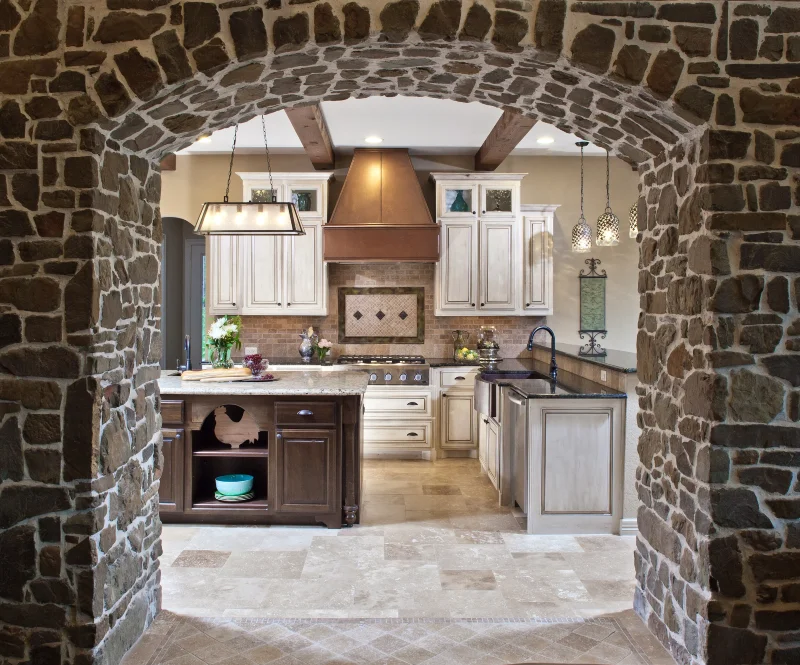
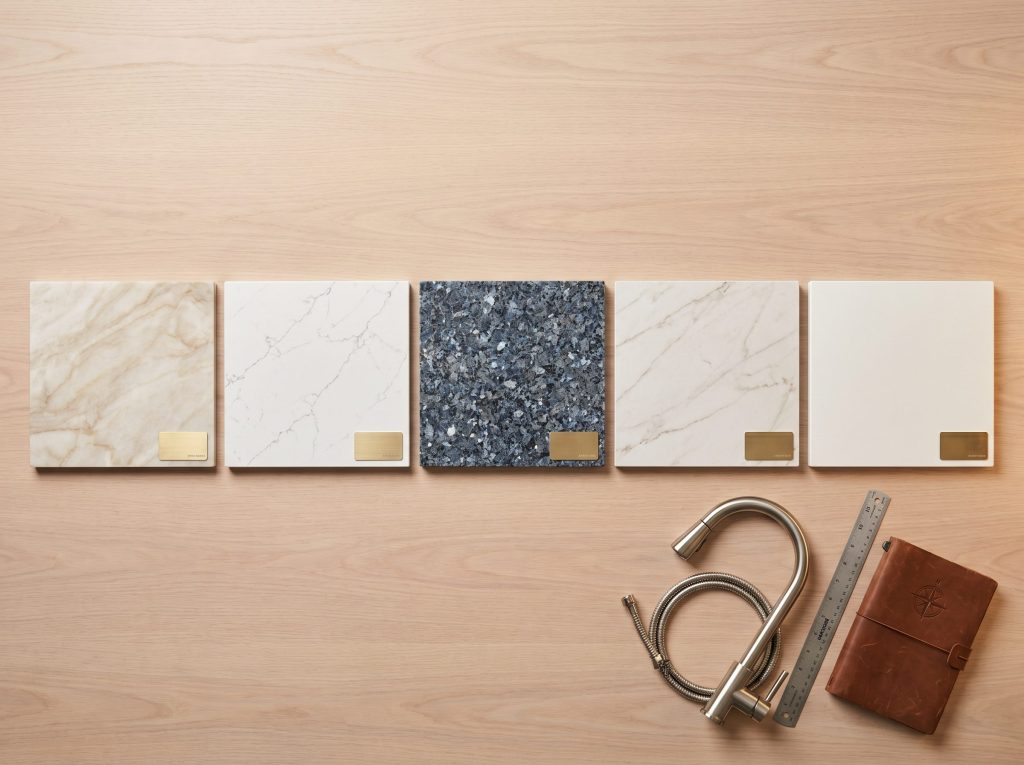
For The Woodlands' luxury homes — particularly the transitional and Hill Country Modern aesthetics common across Carlton Woods and Sterling Ridge — quartzite hits the design brief without compromise. Taj Mahal quartzite delivers warm cream with caramel veining; Mont Blanc reads cool white with grey movement; Calacatta-style quartzites bring marble drama at higher durability. Quartzite countertops in The Woodlands consistently appear in TAB Star Award-recognized kitchen remodels because they photograph as natural stone luxury while performing like an engineered surface.
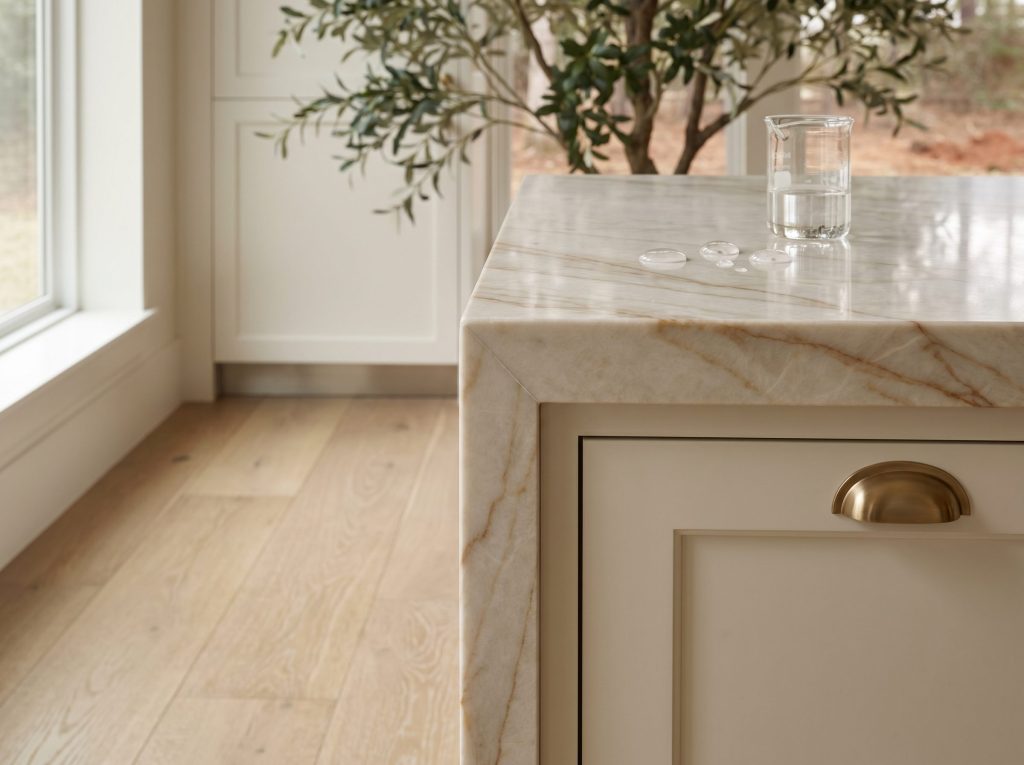
The maintenance honesty: quartzite must be sealed annually, sometimes biannually for darker varieties used in butler's pantries and bar areas. A bead-test water droplet should stand on the surface for at least 30 seconds — if it darkens the stone within 10 seconds, the sealer is failing. Selecting quartzite means accepting that maintenance rhythm; in exchange, the surface ages with character rather than degrading.
Granite vs Quartz in Houston: Which Performs Better?
The granite vs quartz Houston debate is the most common conversation in a Keechi Creek Builders kitchen design meeting — and the answer depends entirely on cooking style, maintenance tolerance, and design language. Both surfaces perform well in Houston humidity when specified and installed correctly.
|
Brandon's Builder Insight In 17 years building across Montgomery County, I've learned the failure point on Houston countertops is almost never the slab — it's the seal at the sink cutout and the unprotected edge on the dishwasher side. We spec a 25-year impregnating sealer on every quartzite and granite install, then return at year one for a free reseal walk-through. That single follow-up has prevented every perimeter-staining call our team would otherwise field by year five. |
Granite advantages: Natural stone character with no two slabs identical. Superior heat tolerance — granite handles a 500°F cast-iron skillet without thermal shock. Cost typically runs 20–35% less than equivalent-grade quartzite. For The Woodlands homeowners who cook seriously and value natural material, granite remains the strongest value proposition. According to the Wikipedia entry on Granite, the stone's igneous crystalline structure provides exceptional density and thermal stability.
Granite considerations: Requires sealing every 6–12 months in Houston conditions. Some darker varieties (Absolute Black, Black Galaxy) seal once and hold for years; lighter granites (Kashmir White, Bianca Antico) need attention twice annually. Repeated unsealed exposure creates the perimeter darkening that homeowners mistake for staining when it's actually moisture migration.
Engineered quartz advantages: Non-porous polymer-and-quartz matrix means no sealing, ever. Stain resistance is exceptional — red wine, turmeric, and coffee wipe clean without ghost marks. Color and pattern consistency across slabs makes large kitchens and multi-piece installations easier to plan. Cambria, Caesarstone, and similar engineered surfaces deliver predictable performance with manufacturer warranties typically running 15–25 years.
Engineered quartz considerations: Sustained heat above 300°F damages the resin binder permanently. Trivets aren't optional — they're operational protocol. Direct sunlight on south- and west-facing islands can cause yellowing over a decade; manufacturer warranties typically exclude UV damage. For indoor kitchens shielded from direct sun, quartz remains the lowest-maintenance answer in The Woodlands market.
|
Brandon's Builder Insight In 17 years building across Montgomery County, I've learned the failure point on Houston countertops is almost never the slab — it's the seal at the sink cutout and the unprotected edge on the dishwasher side. We spec a 25-year impregnating sealer on every quartzite and granite install, then return at year one for a free reseal walk-through. That single follow-up has prevented every perimeter-staining call our team would otherwise field by year five. |
What About Porcelain Slab and Solid Surface — Where Do They Fit?
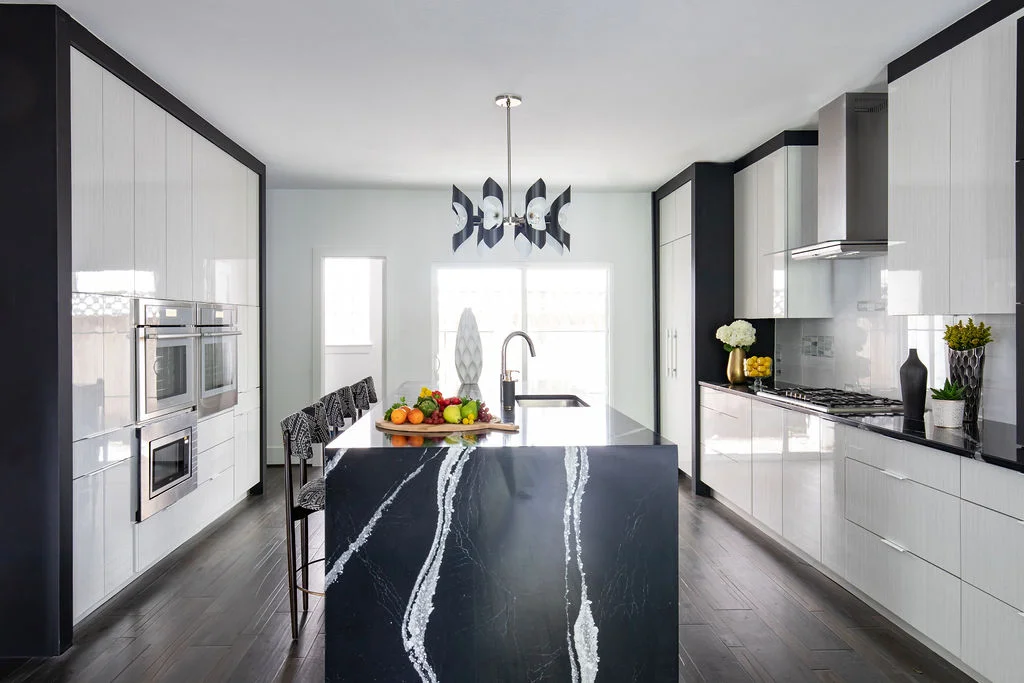
Porcelain slab is the technical performer most homeowners haven't heard of yet. Fired at 2,200°F from refined clay and minerals, large-format porcelain slabs (typically 126" × 63", thicknesses 6mm to 20mm) deliver heat tolerance that exceeds 700°F, complete non-porosity, and UV stability that holds across decades of direct sun exposure. For The Woodlands kitchens with indoor-outdoor flow — increasingly common in Creekside Park and Indian Springs new builds — porcelain handles a covered loggia bar where granite would stain and quartz would yellow.
The aesthetic range has caught up to the technical performance. Calacatta porcelain delivers convincing marble veining; concrete-look slabs read industrial-modern; wood-grain porcelain works for transitional baking islands. The trade-off is fabrication complexity: porcelain demands a fabricator with specific tooling and experience. A poorly cut porcelain edge chips, and field repairs are nearly impossible — choose a contractor with documented porcelain installations before committing.
Solid surface materials (Corian, Avonite, Wilsonart Earthstone) deserve a brief honest assessment. They are non-porous, fully repairable, and inexpensive — and they belong in laundry rooms, mudrooms, and secondary bathrooms, not the hero kitchen of a Woodlands luxury remodel. Solid surface scratches easily, scorches under hot pans, and reads as a value material the moment buyers walk in. The Keechi Creek Builders team specifies solid surface for utility spaces and avoids it on islands and prime perimeter runs.
How Should Houston Homeowners Plan for Countertop Maintenance?
The most durable countertop in Texas is the one whose maintenance routine matches the homeowner's tolerance. A villa in Carlton Woods with quartzite that's never sealed will look worse at year seven than a Sterling Ridge home with granite that's sealed religiously. Material selection without maintenance commitment is half a decision.
|
Actionable Tip Run the 30-second water-bead test on your existing countertops this weekend. Drop a tablespoon of water on three spots — near the sink, beside the cooktop, and at the island corner farthest from traffic. If any spot darkens within 15 seconds, your sealer has failed. Schedule a reseal that same month before humid weather drives staining into the stone. |
The annual sealing protocol for natural stone is straightforward in Houston: drop water on three locations across the slab — near the cooktop, near the sink, and on the perimeter. If the water beads and holds for 30+ seconds, sealing is current. If the water spreads or darkens the stone within 15 seconds, schedule sealing within the month. For most Houston kitchens with quartzite or granite, a single Saturday morning each spring handles the resealing — penetrating sealers from Tenax, Stone Pro, or Miracle Sealants run $30–$60 per bottle and treat 100+ square feet.
Daily care matters more than weekend sealing. Acidic spills (lemon, tomato, wine) wiped within 30 seconds rarely damage sealed stone; the same spill left overnight etches the surface. Quartz forgives daily inattention but punishes hot-pan negligence — a forgotten cast-iron pan on engineered quartz creates a permanent burn mark the warranty won't cover.
For value-tier solid surface and budget granites, professional refinishing every 8–10 years restores the surface for a fraction of replacement cost. Keechi Creek Builders maintains a refinishing referral list for clients whose original installation predates Houston's current humidity-aware material selection standards.
|
Actionable Tip Run the 30-second water-bead test on your existing countertops this weekend. Drop a tablespoon of water on three spots — near the sink, beside the cooktop, and at the island corner farthest from traffic. If any spot darkens within 15 seconds, your sealer has failed. Schedule a reseal that same month before humid weather drives staining into the stone. |
Which Countertop Materials Fit Each Woodlands Village Style?
Material choice should harmonize with architectural language. The Woodlands' nine villages each carry a distinct character, and the right countertop for a luxury home in Carlton Woods may not be the right specification for a Sterling Ridge transitional or a Creekside Park modern farmhouse.
Carlton Woods (luxury traditional and transitional): Quartzite is the dominant specification — Taj Mahal, Cristallo, or Mont Blanc paired with custom inset cabinetry and brushed brass hardware. The dimensional character of natural quartzite complements the village's residential standards and resale expectations. Honed marble appears occasionally in butler's pantries where wear is lower.
Sterling Ridge (transitional and Hill Country Modern): Mixed material strategy works well here — quartzite on the island as the hero surface, engineered quartz on perimeter runs for low-maintenance daily use. The contrast reads intentional and modern while keeping total project cost in a defensible range.
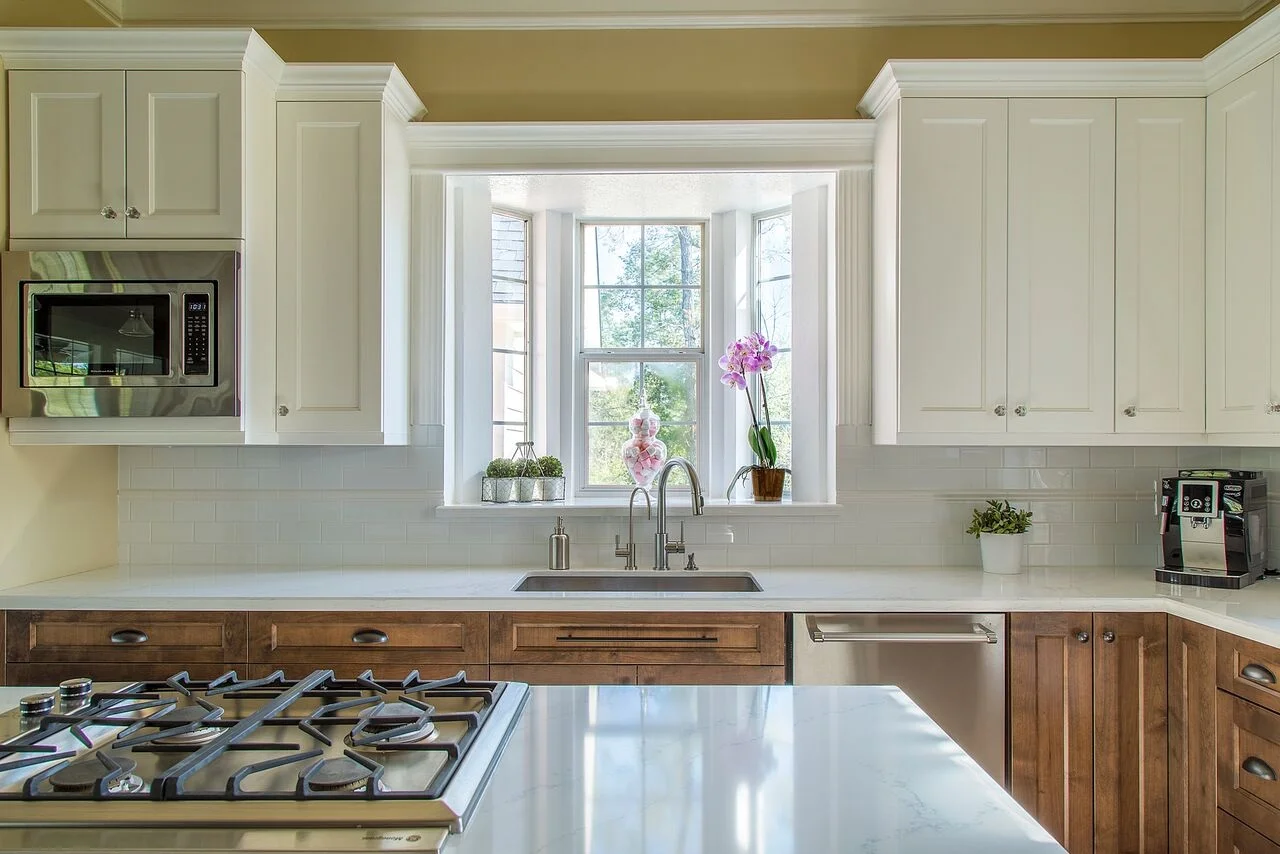
Creekside Park (modern farmhouse and contemporary): Engineered quartz dominates these kitchens, often in soft white or warm gray with subtle veining. Porcelain slab is gaining ground for islands and feature backsplashes — the consistent veining photographs beautifully and the UV stability matches the village's large-window architecture.
For homeowners deciding between approaches, the Keechi Creek Builders custom home builder in The Woodlands page covers how village-specific architectural review standards influence interior material decisions on new builds, and the broader Keechi Creek Builders kitchen remodeling in The Woodlands service page details the full design-build process for retrofitting these surfaces into 10–20 year old production homes.
Explore the firm's portfolio of award-winning Woodlands kitchen transformations on the Keechi Creek Builders homepage to see how these material choices read in finished installations across Montgomery County.
What Does Each Countertop Material Actually Cost Per Year?
Showroom price-per-square-foot misleads homeowners because it ignores lifespan. The honest comparison divides total installed cost by realistic service life. For a typical Woodlands kitchen with 60 square feet of countertop, the cost-per-year calculus reorders the conversation:
- Quartzite at $160/sf installed × 60 sf = $9,600 over 30 years = $320/year
- Granite at $95/sf installed × 60 sf = $5,700 over 30 years = $190/year
- Engineered quartz at $115/sf installed × 60 sf = $6,900 over 25 years = $276/year
- Porcelain slab at $125/sf installed × 60 sf = $7,500 over 25 years = $300/year
- Solid surface at $75/sf installed × 60 sf = $4,500 over 17 years = $265/year
The standardized comparison surfaces a counterintuitive truth: granite delivers the lowest cost-per-year for homeowners willing to maintain the seal. Quartzite costs more per year but holds resale value better in the Carlton Woods and Sterling Ridge markets, where buyers expect natural stone in luxury kitchens. The math should inform — not override — the design conversation.
Industry guidance from the National Kitchen and Bath Association suggests countertops should account for 10–15% of total kitchen remodel budget. For The Woodlands luxury remodels running $125,000–$200,000, that translates to $12,500–$30,000 for countertops — a range that supports nearly any material choice with selection driven by design fit rather than price ceiling.
Frequently Asked Questions
What is the most durable countertop material for Houston humidity?
The most durable countertop in Texas conditions is porcelain slab, followed closely by sealed quartzite and engineered quartz. Porcelain combines non-porosity, heat tolerance above 700°F, and complete UV stability — the trifecta Houston kitchens demand. For homeowners prioritizing natural stone aesthetics with durability, properly sealed quartzite delivers 25–40 years of service in The Woodlands climate. Engineered quartz remains the lowest-maintenance answer for indoor kitchens without direct sun exposure.
Does humidity damage granite countertops?
Houston humidity does not damage granite when the surface is properly sealed, but unsealed or under-sealed granite absorbs moisture vapor over time, creating dark perimeter staining and accelerating biological growth at seams. Granite in Houston requires sealing every 6–12 months depending on the variety — darker stones hold sealer longer, lighter granites need more frequent attention. A simple water-bead test confirms whether resealing is due.
What countertop material withstands heat the best?
Granite handles direct heat best among common materials, tolerating 500°F+ briefly without thermal shock or surface damage. Porcelain slab exceeds granite at 700°F+ tolerance but requires careful fabrication. Engineered quartz is the heat-sensitive outlier — sustained exposure above 300°F damages the resin binder permanently, which is why trivets are operational protocol rather than optional accessory in quartz kitchens.
Are quartzite countertops worth the extra cost?
Quartzite delivers strong value in The Woodlands luxury market because it combines marble-like aesthetics with engineered-quality durability. The premium over granite ($30–$80 per square foot installed) reflects scarcity and fabrication complexity, but resale appraisals in Carlton Woods and Sterling Ridge consistently recognize quartzite as a value-positive material. For homeowners planning to stay 10+ years or selling in the luxury tier, quartzite pays back through both lifespan and home value retention.
How often should Houston kitchen countertops be sealed?
Natural stone countertops in Houston should be tested every 3 months and sealed annually at minimum. Quartzite and most granites need yearly attention; darker, denser granites may hold sealer for 18–24 months. The water-bead test is the reliable indicator: if water absorbs within 15 seconds, sealing is overdue. Engineered quartz, porcelain slab, and solid surface require no sealing at any interval — non-porosity is built into the manufacturing.
Can countertop materials be mixed in one Woodlands kitchen?
Mixed-material countertops are a strong strategy in Sterling Ridge and Creekside Park kitchen remodels. Common combinations include quartzite on the hero island paired with engineered quartz on perimeter runs, or porcelain slab on the cooktop wall with quartzite elsewhere. The contrast reads intentional when materials share a color family and finish profile. Keechi Creek Builders specifies mixed materials in roughly 40% of kitchen remodels to balance design impact with practical maintenance.
What countertop should be avoided in Houston kitchens?
Avoid honed marble as primary kitchen surface in Houston. Marble etches with any acid contact, stains under humidity, and shows scratches and dulling within months of normal use. Marble works in butler's pantries, baking stations, and powder room vanities where exposure is limited, but specifying it as the main kitchen surface in a humid climate creates a maintenance burden few homeowners maintain. Tile countertops with grout joints also underperform — moisture migration through grout creates biological growth in 80% humidity.
How long does a countertop installation take in The Woodlands?
Typical countertop installation runs 2–4 weeks from template to final installation in The Woodlands market. Template happens after cabinet installation; fabrication takes 7–14 days for in-stock materials and 3–4 weeks for special-order quartzite or imported porcelain. Installation day itself is 6–10 hours for an average kitchen. Keechi Creek Builders sequences countertop work to minimize disruption to occupied homes, with phased plumbing and appliance reconnection planned into the build schedule.
Choosing the Right Countertop for Your Woodlands Kitchen Starts with a Conversation
Houston humidity, Texas heat, and Woodlands resale standards combine to make countertop selection more consequential here than in most U.S. markets. The right material depends on your cooking style, your design language, your village's architectural context, and your tolerance for maintenance rhythm — variables a showroom visit cannot resolve. Keechi Creek Builders has specified, installed, and serviced these surfaces across Carlton Woods, Sterling Ridge, Creekside Park, and Indian Springs for 17+ years, with a TAB Star Award for Best Kitchen Remodel and 32 industry awards verifying the work.
Call (281) 914-4951 to discuss the right countertop for your Houston kitchen, or send a message through our contact page at https://www.keechicreekbuilderstx.com/contact-us/ — Keechi Creek Builders replies within 24 hours.