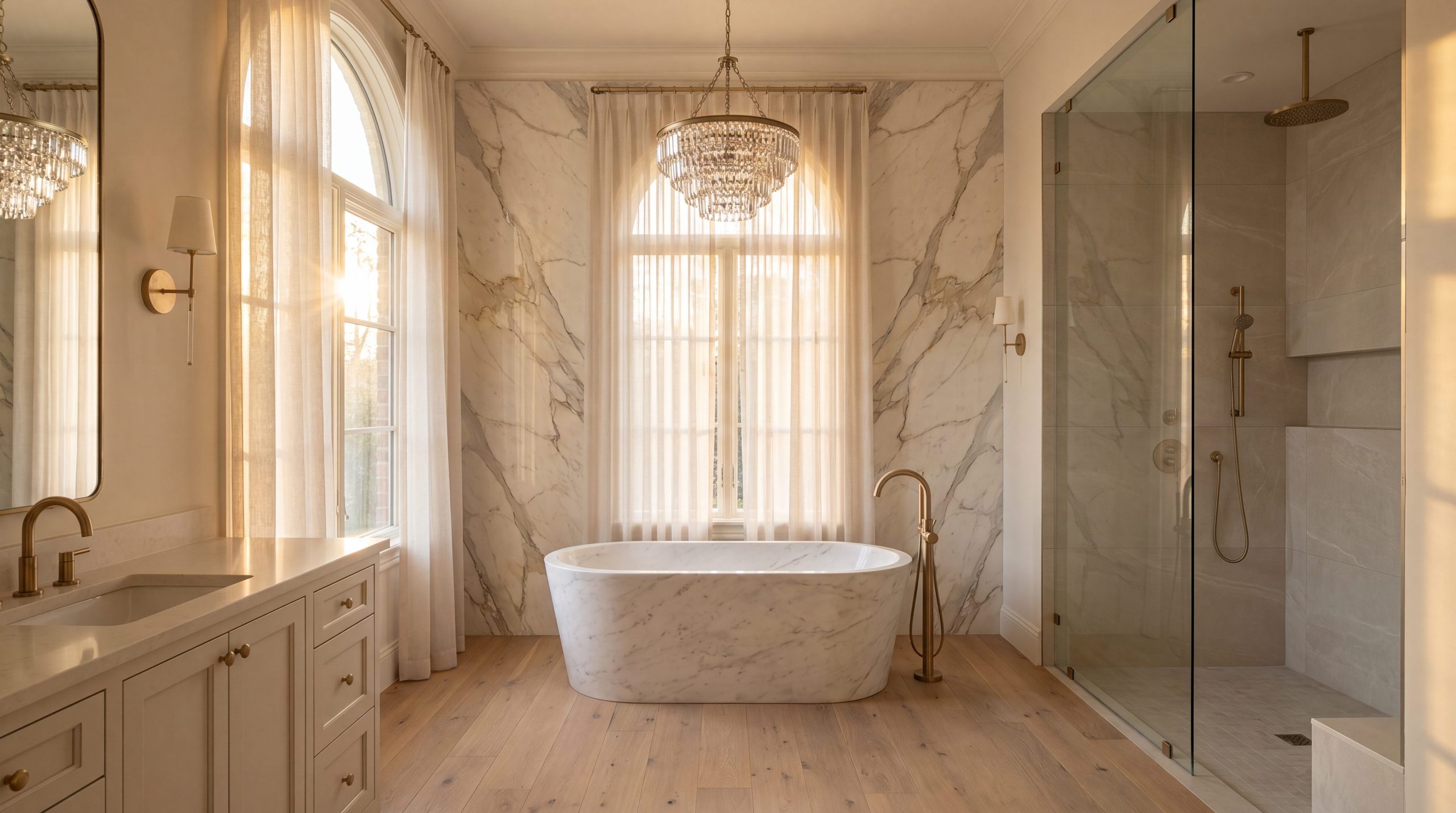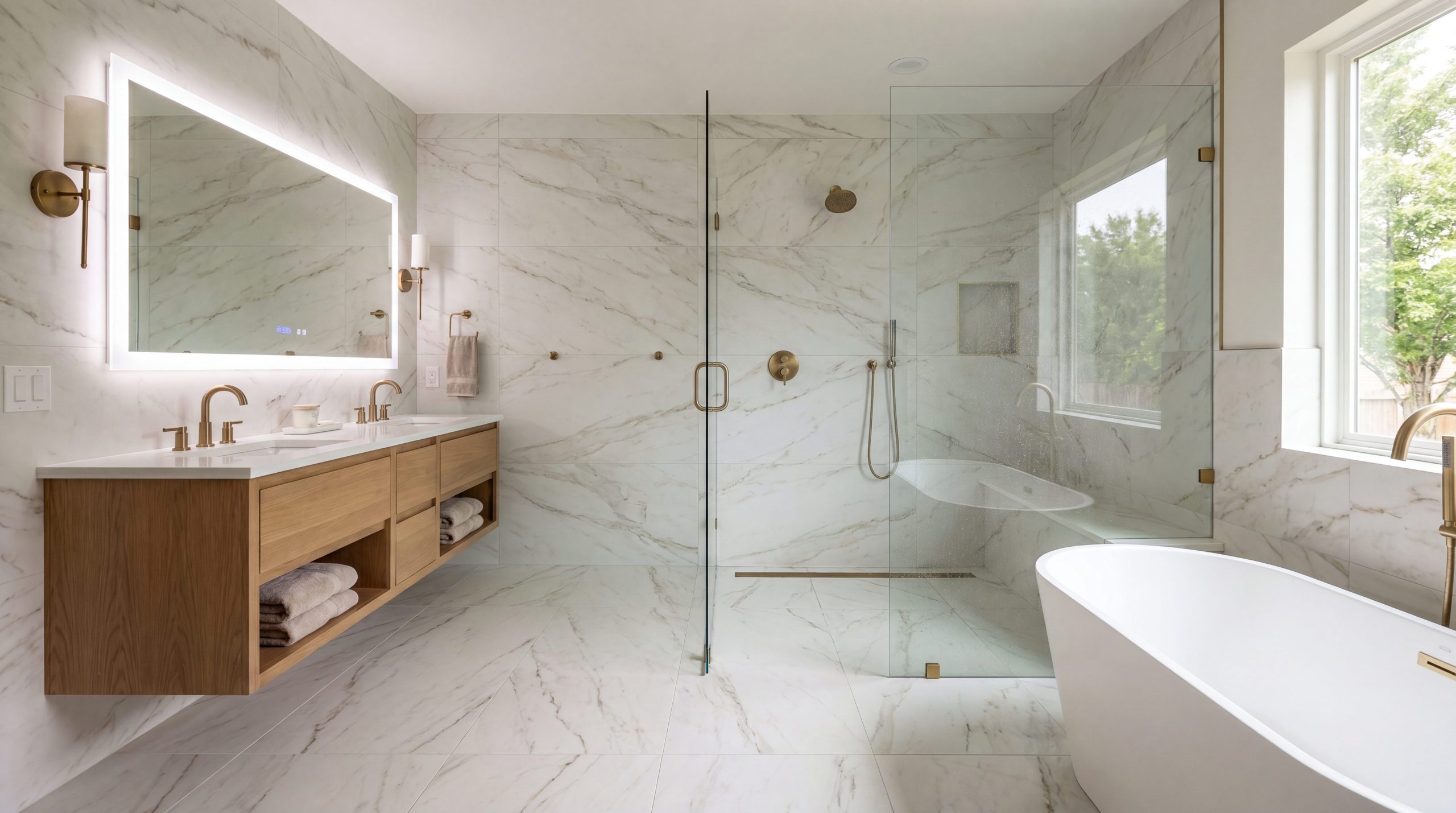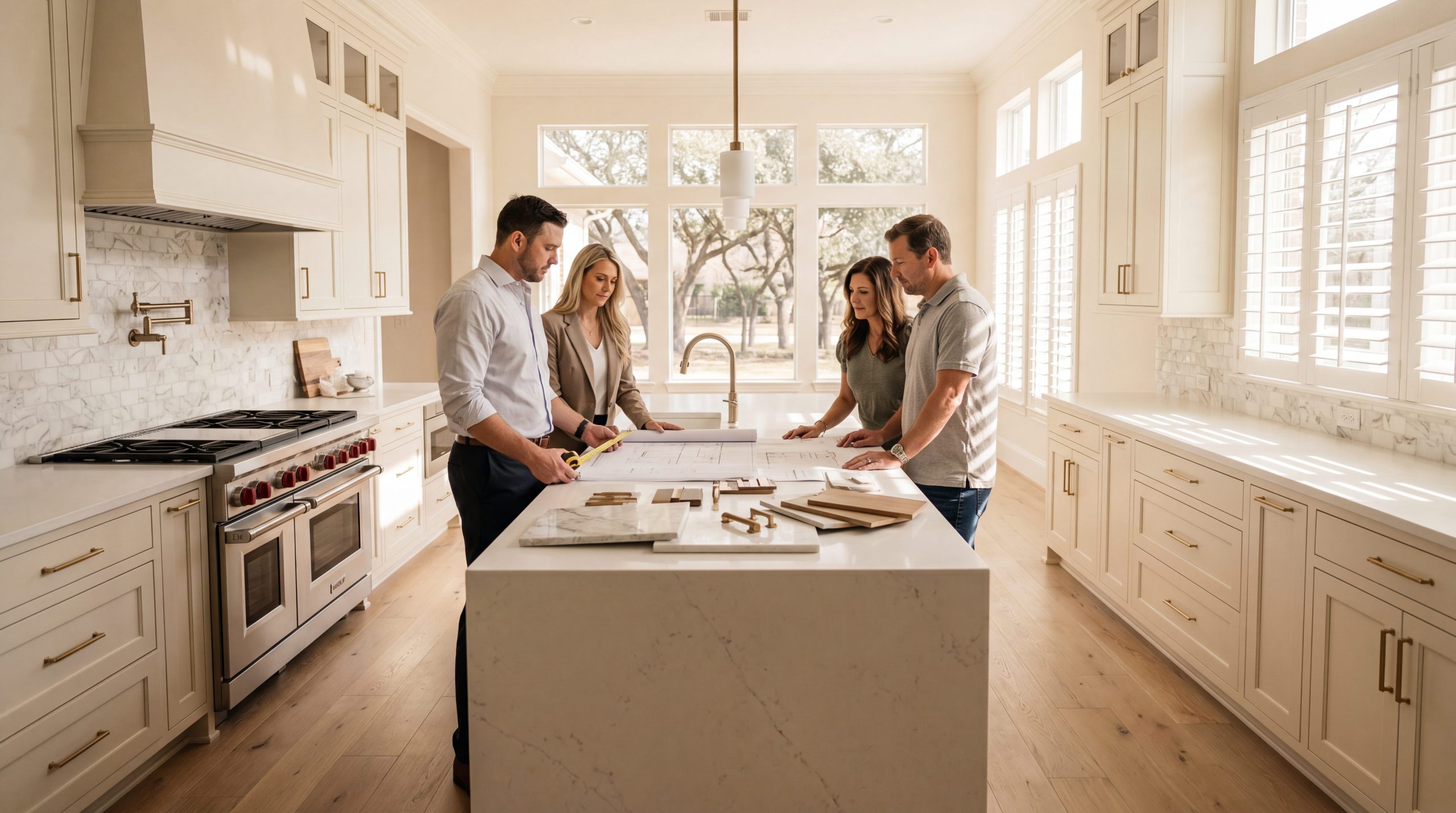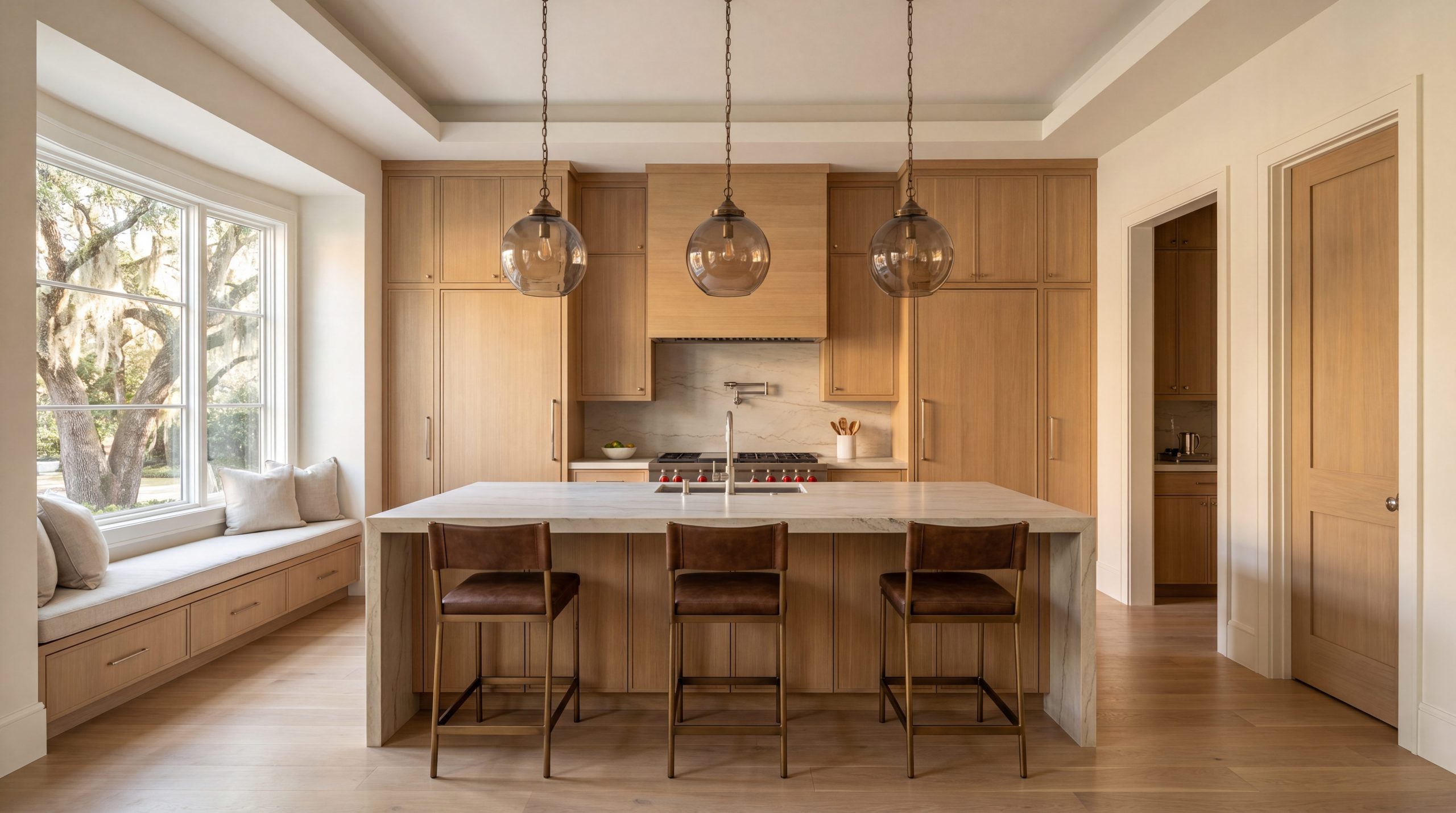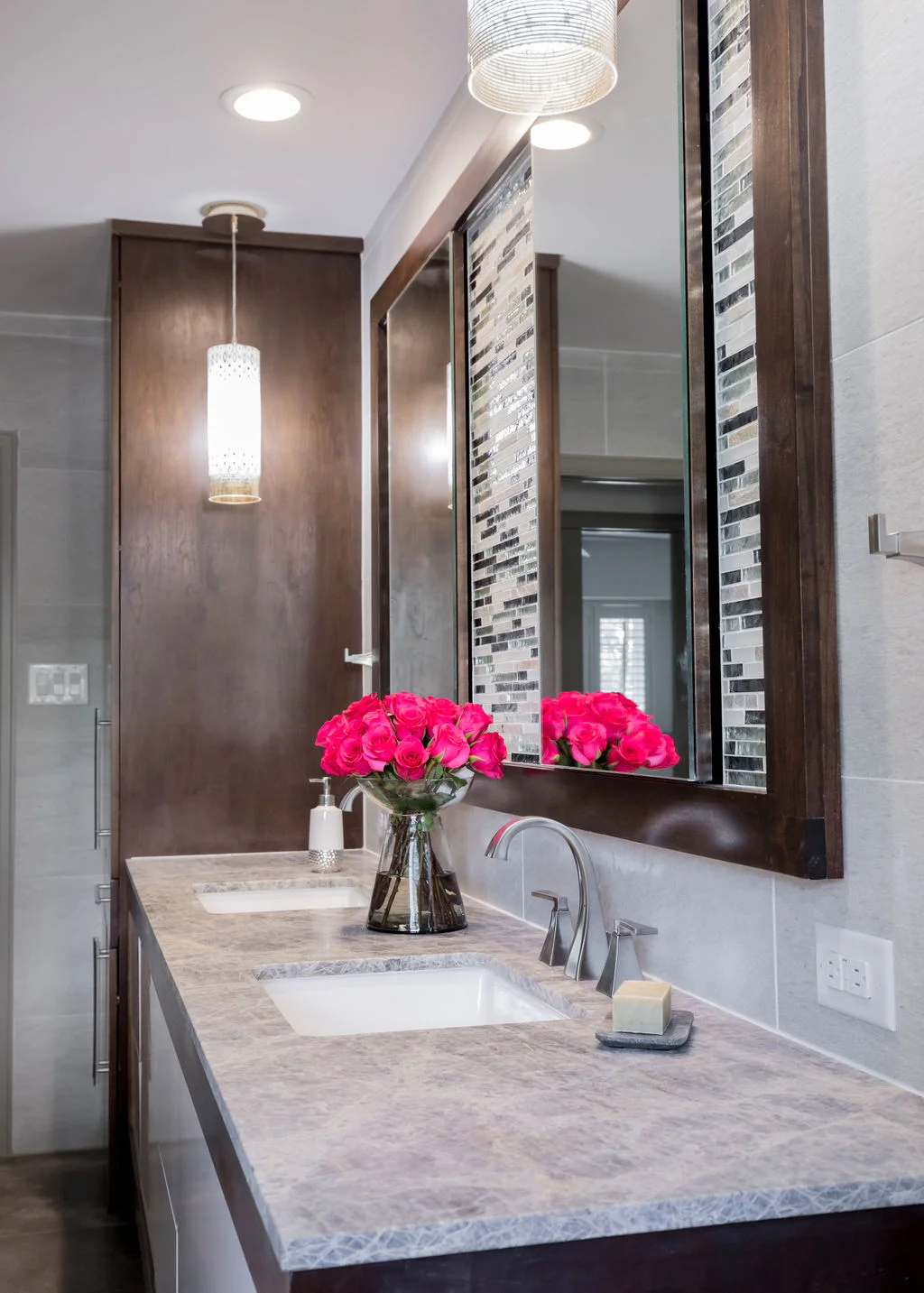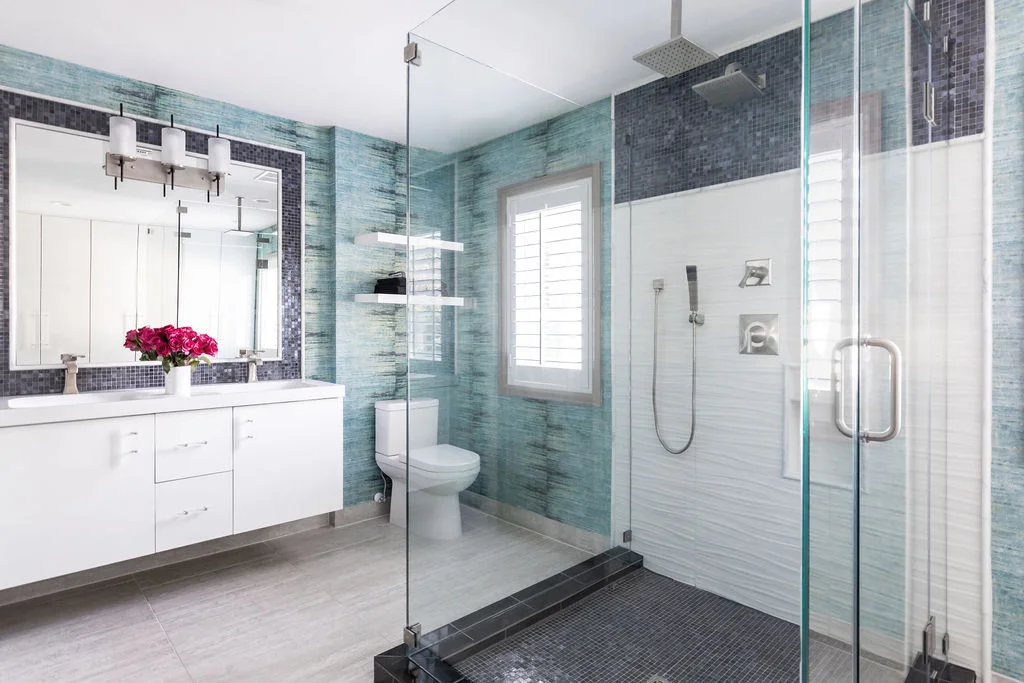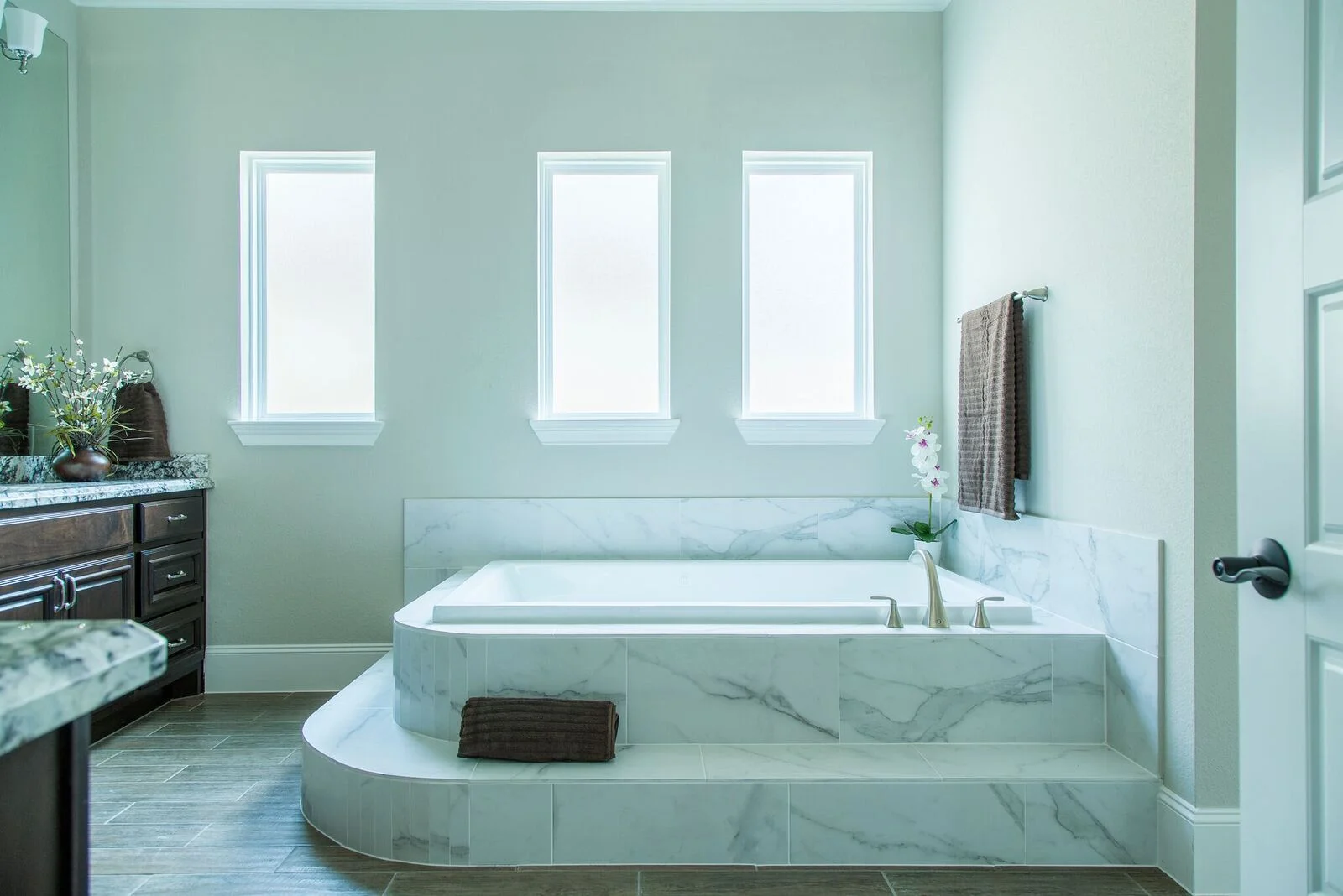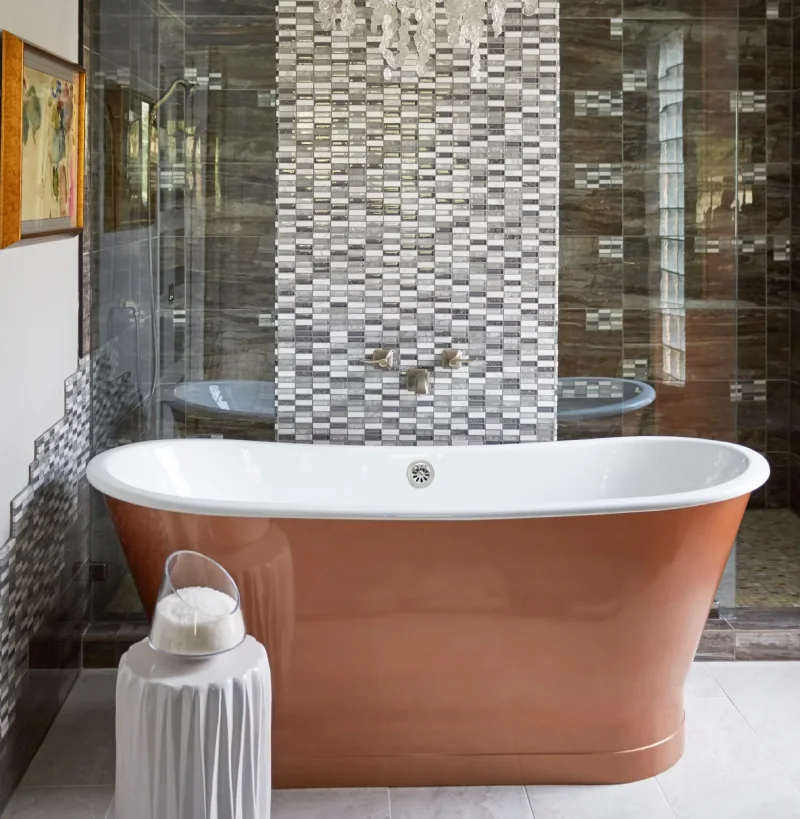
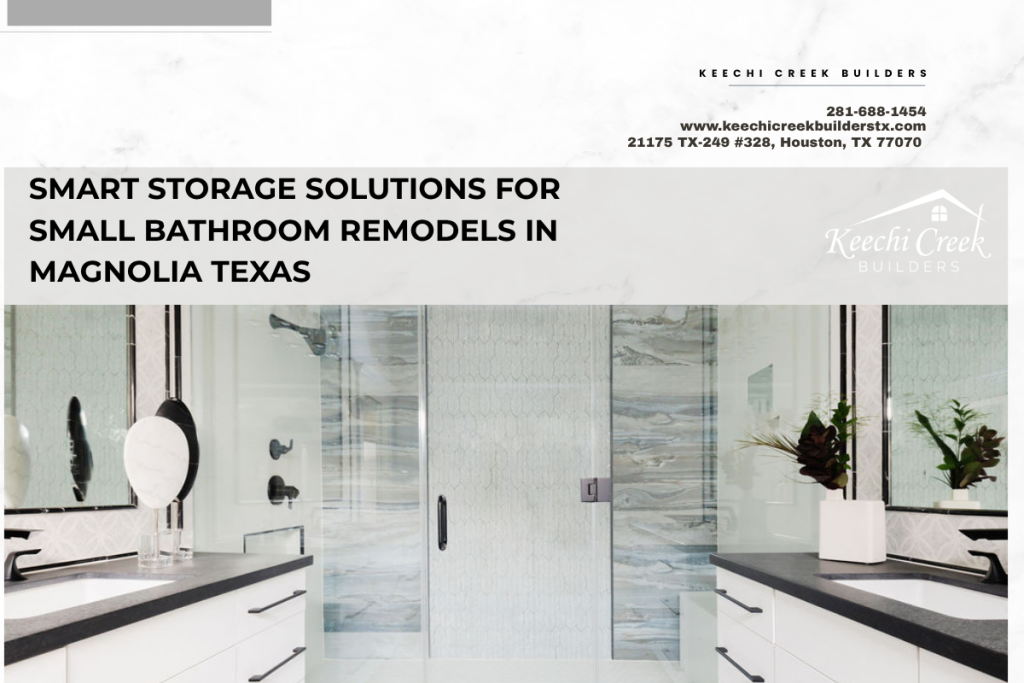
For small bathroom remodels in Magnolia, Texas, optimize space with vertical storage, floating vanities, and built-in niches. Local experts recommend using slim cabinets, recessed medicine cabinets, and corner fixtures to maximize functionality. Tailored solutions like pull-out organizers and custom cabinetry can transform limited square footage.
Introduction
Cramped bathrooms in Magnolia homes can feel like the one room that never quite works, especially when towels, toiletries, and daily routines compete for inches of counter space. Many homeowners worry that meaningful change means losing square footage elsewhere or blowing the budget on a full gut job. The truth is more encouraging. With thoughtful planning, the right materials, and proven techniques, bathroom remodels in Magnolia Texas can turn the tightest layouts into refined, organized retreats that feel twice their size.
Key Takeaways
- Budget between $12,000 and $30,000 for most small bathroom updates in Magnolia, with mid-range projects typically landing near $20,000 when custom storage and quality finishes are involved.
- Verify that any plumbing relocation, new electrical circuits, or structural changes are permitted through Montgomery County, since these scopes generally require inspection in this area.
- Confirm vanity depth before purchase; reducing standard 21-inch depth to 15 or 18 inches can recover up to 6 inches of walkway clearance in narrow rooms.
- Demand floor-to-ceiling vertical storage where wall space allows, because cabinets reaching 84 to 96 inches can add 30 to 50 percent more usable storage volume.
- Compare at least three contractor proposals, ensuring each includes line items for demolition, waterproofing, fixtures, and a 10 to 15 percent contingency reserve.
- Inspect existing subfloor moisture levels before tile installation; readings above 4 percent in our humid climate often signal hidden issues that can delay timelines by 1 to 2 weeks.
Designing Compact Bath Renovations That Work in Magnolia Homes
Small bathrooms in the Magnolia and greater Montgomery County area often share predictable challenges: narrow footprints between 35 and 60 square feet, single-vanity layouts, and limited natural light. The first design priority should be circulation. Current International Residential Code requires at least 21 inches of clearance in front of a toilet and lavatory, while NKBA guidelines recommend 30 inches for comfort. Mapping circulation first allows storage to be layered into the remaining envelope without compromising daily flow.
Once circulation is locked, designers turn to vertical real estate. Walls above the toilet, beside the shower, and over the vanity are often underused, yet they can absorb 8 to 12 cubic feet of storage when fitted with cabinetry, open shelving, or recessed niches. In neighboring communities like Pinehurst and Tomball, homeowners frequently reclaim what felt like a cramped guest bath simply by carrying millwork to the ceiling.
Layout Levers That Recover Inches
- Swap a swinging door for a pocket or barn-style door to recover roughly 9 to 10 square feet of arc space.
- Specify a curbless or low-curb shower to visually extend the floor plane and meet aging-in-place guidelines.
- Choose a wall-mounted toilet with an in-wall tank to save 9 to 12 inches of projection.
- Use a single-handle vanity faucet centered on a narrower deck to allow a slimmer countertop.
Layout Decisions and Space Gains in Compact Magnolia Bathrooms
| Layout Change | Typical Space Recovered | Estimated Cost Range |
| Pocket door conversion | 9 to 10 sq ft of arc | $1,200 to $2,400 |
| Wall-mounted toilet | 9 to 12 inches of depth | $1,800 to $3,200 |
| Floating vanity, 18-inch deep | 6 inches of walkway | $1,600 to $3,800 |
| Curbless shower transition | 4 to 6 inches at threshold | $2,500 to $5,000 |
Smart Storage Strategies for Tight Bathroom Layouts in Montgomery County
Storage is where small bathroom projects in Magnolia either thrive or fall short. The most effective approach is a hierarchy: daily items at arm's reach, weekly items within easy bending, and seasonal or backup items higher or recessed. Floating vanities with full-extension drawers typically deliver 25 to 40 percent more usable storage than traditional cabinets with shelves, because drawers expose the entire contents instead of hiding items in deep recesses.
Recessed medicine cabinets, set into the 3.5-inch cavity between standard 2x4 studs, return roughly 4 to 6 inches of projection into the room compared with surface-mounted units. Pair them with in-wall niches inside the shower for shampoo and soap, and the result is a bathroom where nothing feels stuck on the wall. In the humid climate around Magnolia and Stagecoach, ventilated cabinetry and moisture-resistant plywood boxes generally outlast particleboard by years.
High-Impact Storage Features to Specify
- Pull-out tower cabinets between 9 and 15 inches wide for narrow voids beside vanities.
- Toe-kick drawers under the vanity to capture an additional 1 to 2 cubic feet.
- Mirrored cabinet fronts that double as task lighting reflectors.
- Corner shower caddies built into the tile field, not screwed on afterward.
- Linen pull-outs with adjustable shelves to flex between towel and toiletry storage.
Always confirm current requirements with your local municipality or a licensed contractor before proceeding when relocating electrical for in-cabinet outlets or integrated lighting.
Material and Fixture Choices for Humid Magnolia Climates
Magnolia sits in a humid subtropical zone, and our soils, often clay-heavy with seasonal expansion, can stress bathrooms over time. Material selection should account for moisture, movement, and longevity. Porcelain tile rated PEI 3 or higher generally handles foot traffic and water exposure better than ceramic, while large-format tiles, 12x24 inches or larger, reduce grout lines by 30 to 50 percent and visually enlarge the room.
For cabinetry, marine-grade or furniture-grade plywood with conversion varnish finishes typically resists swelling far better than MDF in our climate. Quartz countertops are usually the practical pick over natural stone for small baths because they require no sealing, hide seams well at narrow widths, and tolerate the temperature swings common in homes that cycle HVAC aggressively during East Texas summers.
Recommended Materials for Compact Bath Projects Near Magnolia
| Surface | Recommended Specification | Typical Lifespan |
| Floor tile | Porcelain, PEI 3+, 12x24 or larger | 20 to 30 years |
| Vanity box | Plywood with conversion varnish | 15 to 25 years |
| Countertop | Quartz, 2 cm or 3 cm thickness | 25-plus years |
| Shower walls | Large-format porcelain or solid surface | 20 to 30 years |
| Cabinet hardware | Solid brass or stainless 304 | 15 to 20 years |
Lighting and Ventilation Considerations
- Per HVI guidance, specify exhaust fans rated at roughly 1 CFM per square foot for baths under 100 square feet, with a 50 CFM minimum.
- Layer lighting: ambient ceiling, task at the mirror, and accent inside niches.
- Choose LED color temperature between 2700K and 3000K for natural skin tones at the mirror.
- Insulate exterior walls to R-15 minimum to limit condensation behind tile.
Permits, HOA Rules, and Process Considerations Around Magnolia
Most cosmetic refreshes, such as paint, mirror replacement, or like-for-like fixture swaps, generally do not require permits. However, the moment a project touches structural framing, electrical circuits, gas lines, or relocates plumbing, permitting through Montgomery County or the applicable city jurisdiction typically applies. Homeowners in master-planned communities near Magnolia and Pinehurst may also have HOA architectural review requirements for any exterior-visible work such as new vent terminations.
Timelines often surprise first-time remodelers. A straightforward small bathroom remodel in Magnolia generally runs 4 to 7 weeks once demolition begins, but permitting, design selection, and material lead times can add 6 to 10 weeks on the front end. Long lead items, such as custom vanities, specialty tile, and shower glass, should be ordered before demolition starts to avoid mid-project pauses.
Questions to Ask Before Construction Begins
- What is the documented experience with bathroom projects in the Magnolia area?
- Who pulls the permits and manages inspections with Montgomery County?
- What is the projected start-to-finish timeline, including selections and ordering?
- How are change orders priced and approved?
- Which subcontractors will be on site, and are they licensed for plumbing and electrical?
- What warranty covers tile, waterproofing, and cabinetry after completion?
Always confirm current requirements with your local municipality or a licensed homebuilder before proceeding with any permit-triggering work.
Budgeting and Value Planning for Compact Bath Upgrades
Setting a realistic budget is the single biggest predictor of remodel satisfaction. In the Magnolia and Tomball corridor, small to mid-range bathroom remodels typically fall between $12,000 and $30,000, while high-end builds with custom cabinetry, frameless glass, and premium tile generally run $35,000 to $60,000 or more. According to the 2024 Remodeling Cost vs. Value Report, a midrange bath remodel recoups roughly 71 to 74 percent of its cost at resale, making well-executed bathrooms one of the strongest interior improvements for resale.
A useful rule of thumb is the 50-30-20 allocation: roughly 50 percent of budget to labor and trades, 30 percent to materials and fixtures, and 20 percent reserved for contingency, design fees, and finishing details. Underfunding the contingency line is a frequent source of stress, because small baths often reveal hidden issues, dated wiring, undersized vent stacks, or rot at the tub flange, once demolition exposes the assemblies.
Budget Allocation Framework for Small Magnolia Bath Remodels
| Category | Share of Budget | Notes |
| Labor and trades | 45 to 55 percent | Includes plumbing, electrical, tile |
| Materials and fixtures | 25 to 35 percent | Vanity, tile, glass, toilet |
| Design and permits | 5 to 10 percent | Plans, selections, county fees |
| Contingency reserve | 10 to 15 percent | Hidden conditions, change orders |
| Finishing details | 3 to 5 percent | Hardware, mirrors, accessories |
Cost-Smart Choices That Preserve Quality
- Keep plumbing fixtures in their original locations whenever the layout allows.
- Mix premium and standard materials, splurging on the vanity and tile while saving on the toilet.
- Order shower glass after framing is complete to avoid remeasure fees.
- Select in-stock or quick-ship tile lines to compress the schedule by 2 to 4 weeks.
Frequently Asked Questions
How much does a small bathroom remodel typically cost in Magnolia, Texas?
A small bathroom remodel in Magnolia typically costs between $12,000 and $30,000, depending on scope and finishes. Cosmetic refreshes with stock cabinetry and standard tile tend to land at the lower end, while custom storage, frameless glass enclosures, and premium materials push toward the upper range. Building in a 10 to 15 percent contingency is generally recommended for hidden conditions.
How long does a compact bathroom remodel take from start to finish?
Most compact bathroom remodels in the Magnolia area take 4 to 7 weeks of active construction once demolition begins. Add 6 to 10 weeks beforehand for design, selections, permitting through Montgomery County, and material lead times. Ordering long-lead items early, especially vanities and shower glass, helps keep the project on schedule and avoids mid-build pauses.
Do I need a permit for a bathroom remodel in Magnolia or Montgomery County?
Permits are generally required when a bathroom remodel changes plumbing locations, adds or alters electrical circuits, or touches structural framing. Like-for-like fixture swaps and cosmetic upgrades often do not require one. Always confirm current requirements with your local municipality or a licensed contractor before proceeding, since rules can change and HOA review may also apply.
What is the best way to add storage in a very small bathroom?
The best way to add storage in a small bathroom is to use vertical wall space with floor-to-ceiling cabinetry, recessed medicine cabinets, and built-in shower niches. Floating vanities with full-extension drawers, narrow pull-out towers, and toe-kick storage further expand capacity. These solutions can increase usable storage by 30 to 50 percent without enlarging the footprint.
Are floating vanities a good choice for small bathrooms in our climate?
Floating vanities are generally an excellent choice for small bathrooms in the Magnolia and Pinehurst area. They visually extend floor space, simplify cleaning, and pair well with reduced-depth designs that recover walkway clearance. Choosing plywood construction with moisture-resistant finishes helps the cabinet hold up to our humid Texas conditions over the long term.
What features should I prioritize for aging-in-place in a small bath?
Prioritize curbless showers, slip-resistant porcelain tile, lever-handled faucets, comfort-height toilets, and blocking in the walls for future grab bars. Lighting layered at 2700K to 3000K with task fixtures at the mirror also supports aging eyes. These features add long-term value while remaining visually elegant in modern Magnolia and Tomball bathroom designs.
Conclusion
A successful small bathroom remodel in Magnolia comes down to three disciplines: planning circulation before storage, choosing materials suited to our humid climate, and budgeting with a real contingency reserve. When those pieces work together, even a 40-square-foot bathroom can deliver the function, beauty, and longevity of a much larger space, all while supporting future resale value.
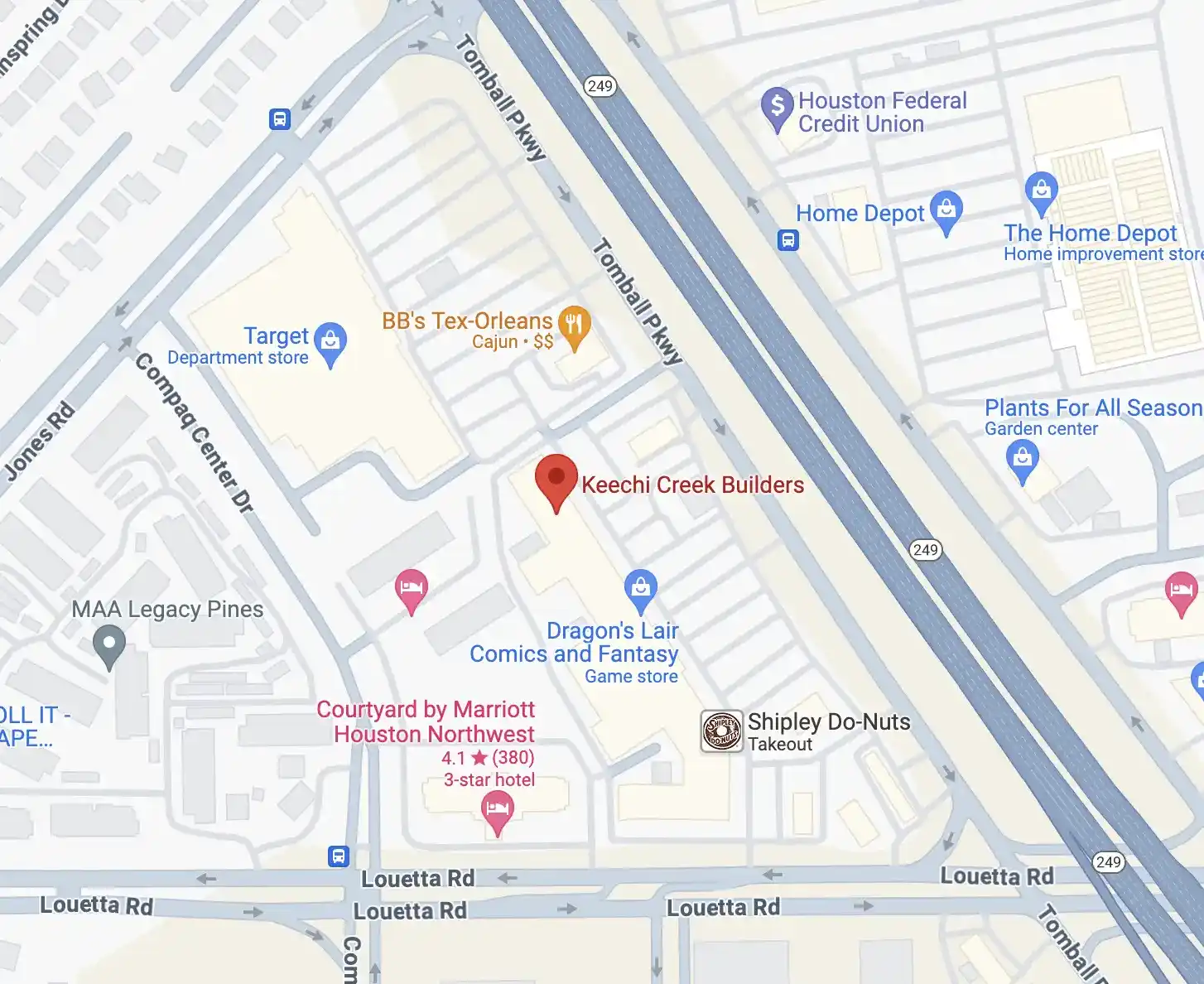
Keechi Creek Builders specializes in custom-crafted, design-build bathroom remodels in Magnolia Texas, bringing award-winning craftsmanship and white-glove project management to every detail. Call 281-688-1454 or visit https://www.keechicreekbuilderstx.com to schedule a personalized in-home consultation with our design team. Your dream bathroom should reflect the quality and care you bring to the rest of your home, and we are ready to build it with you.