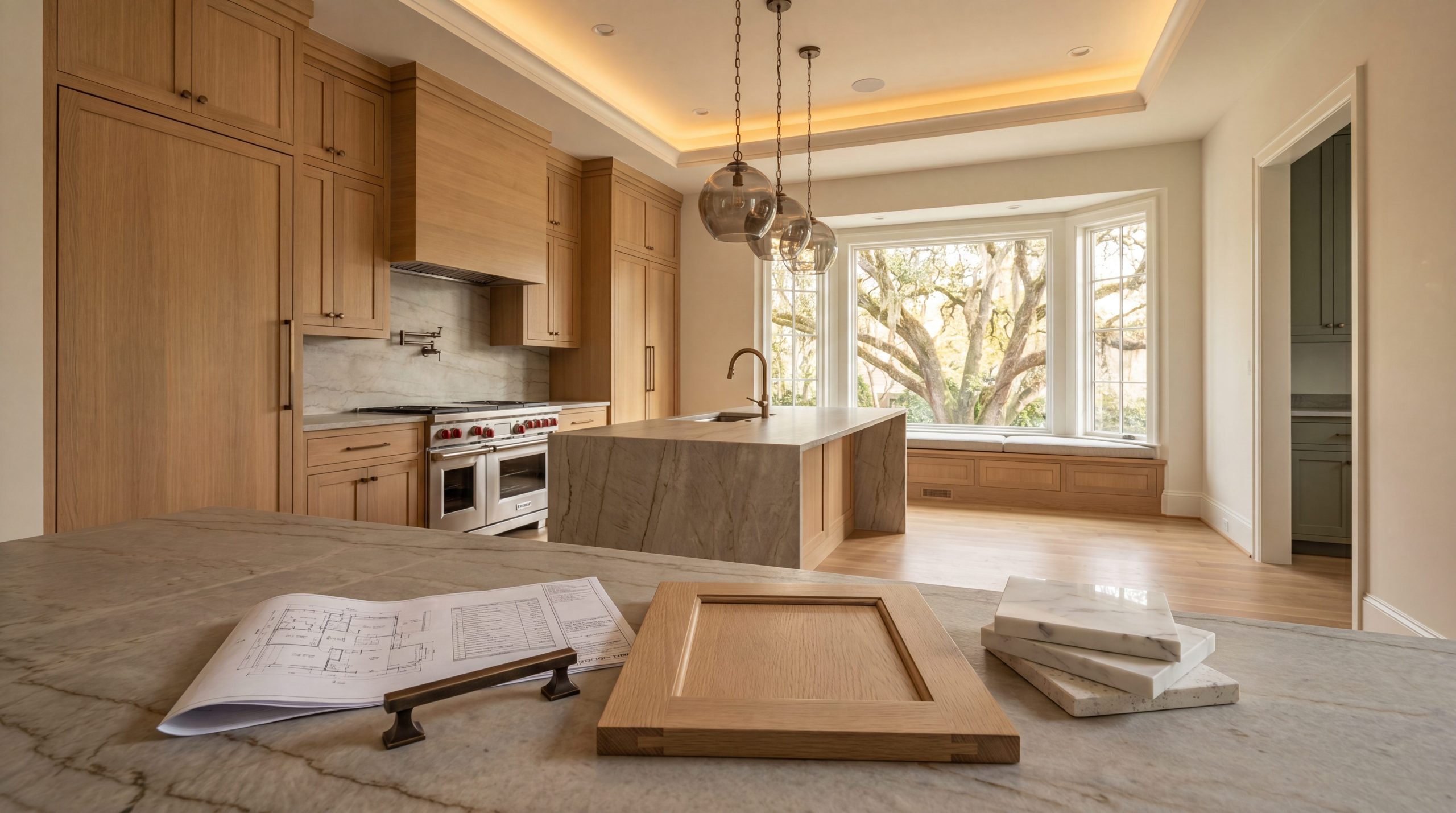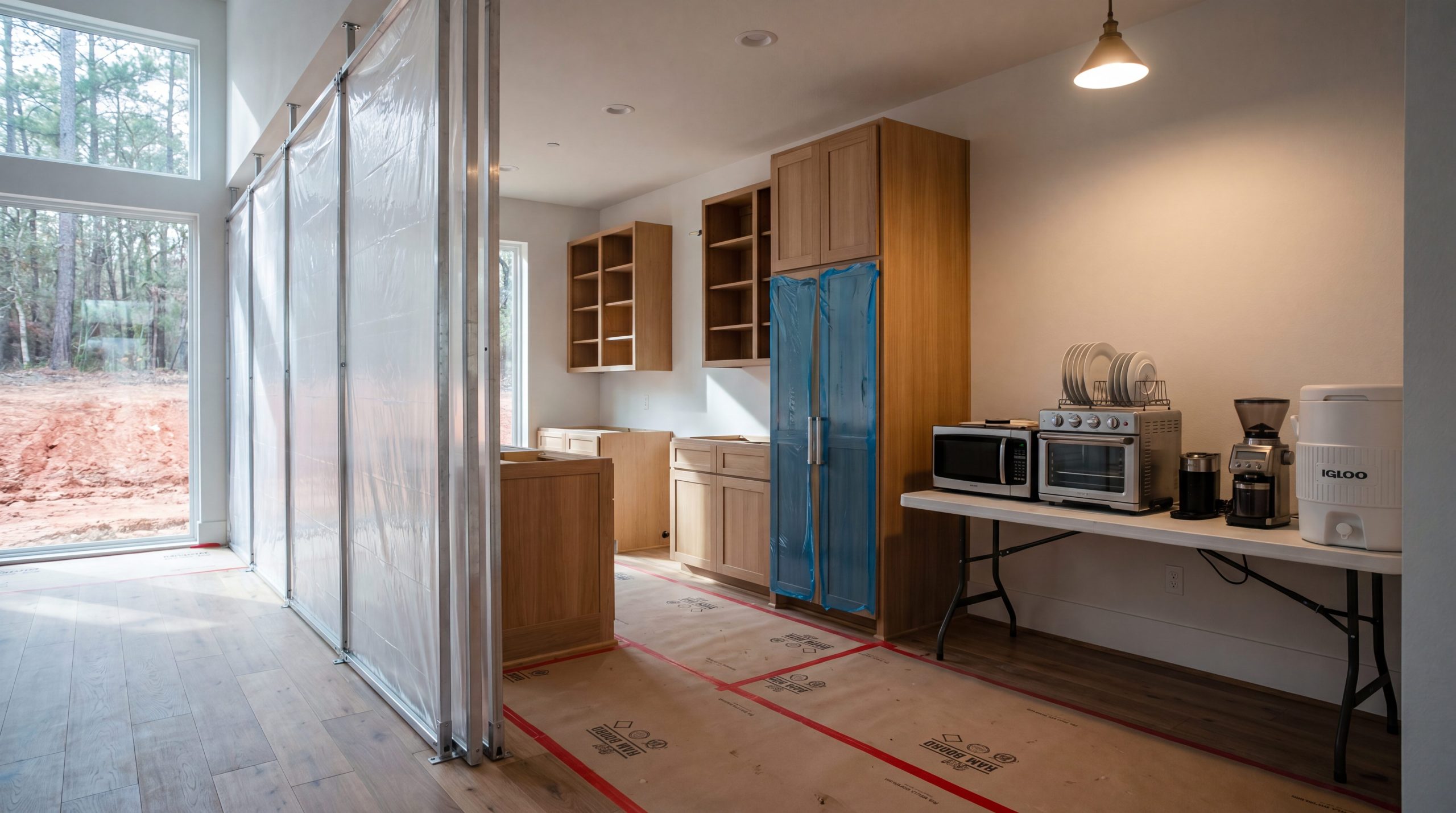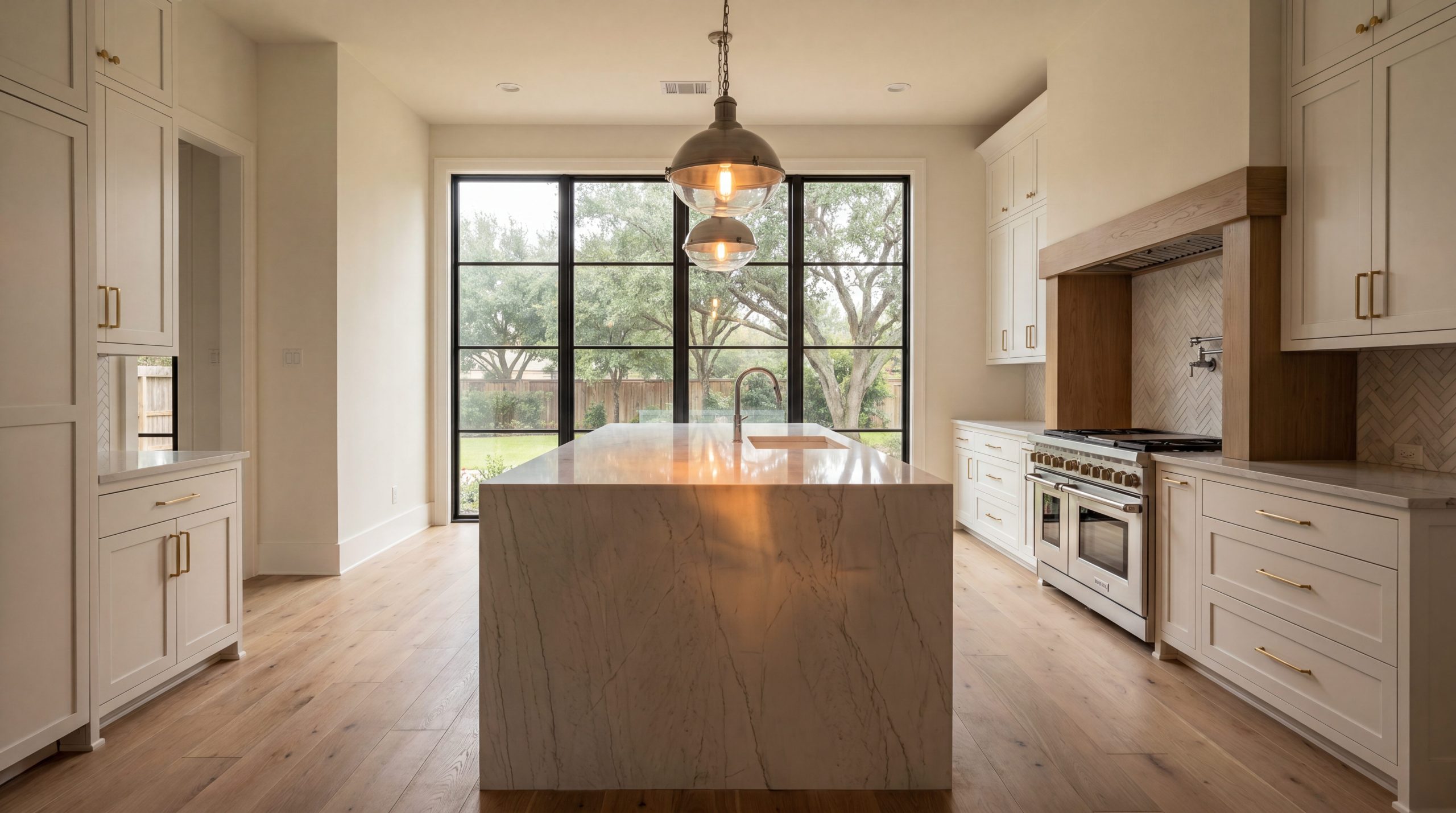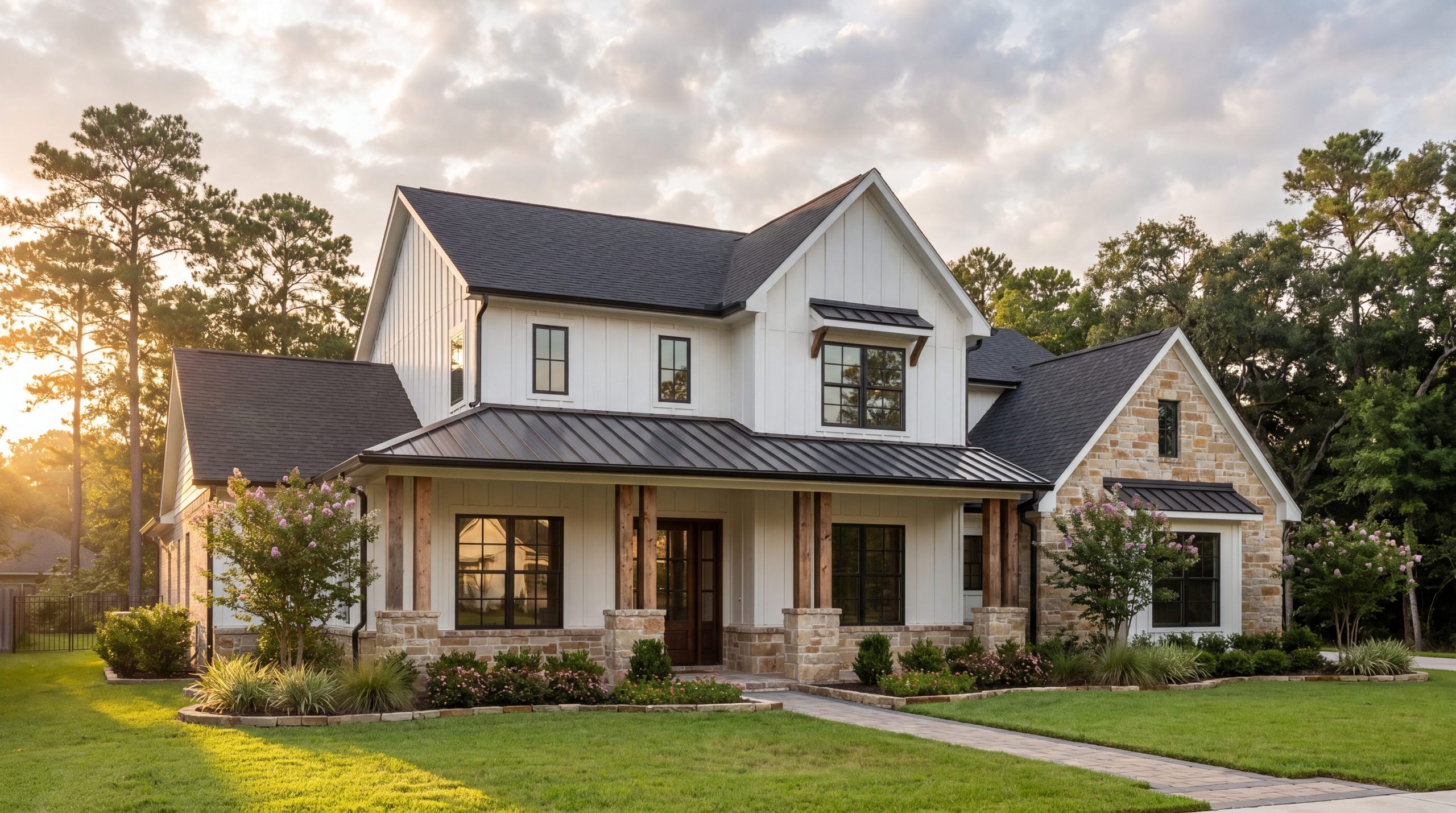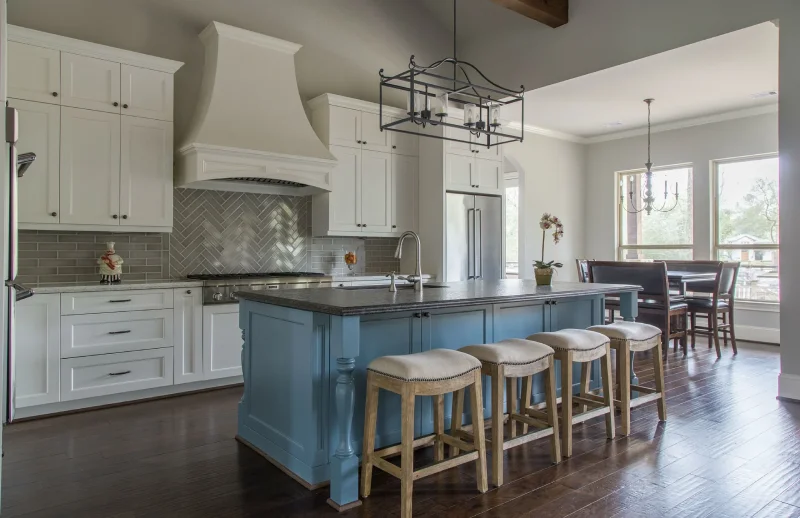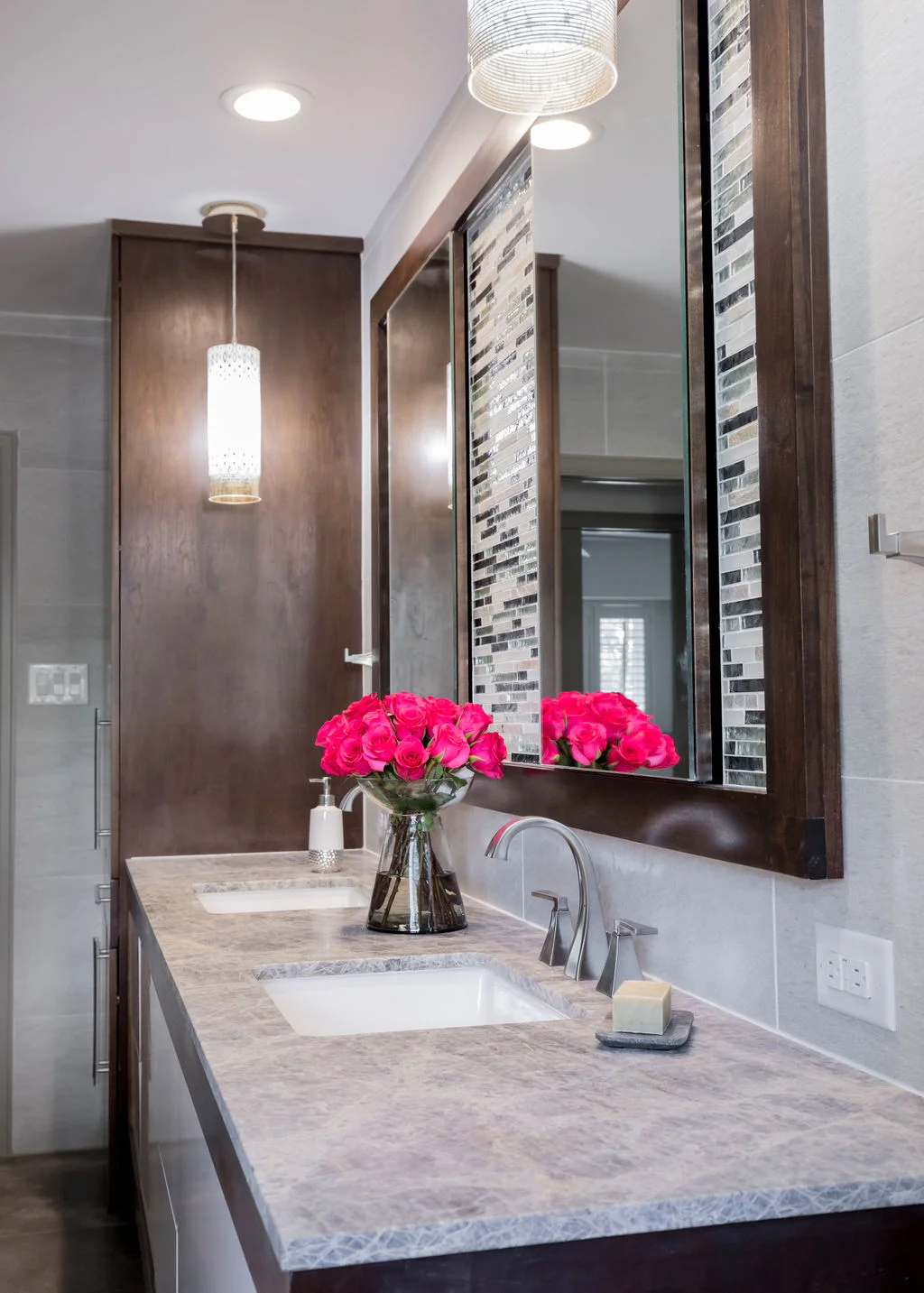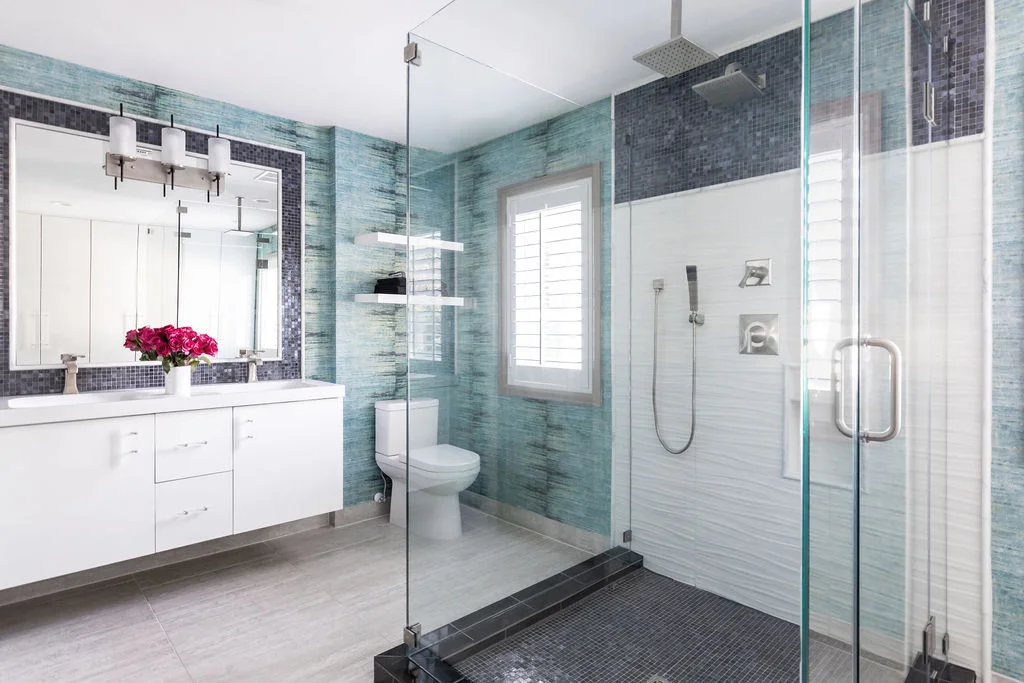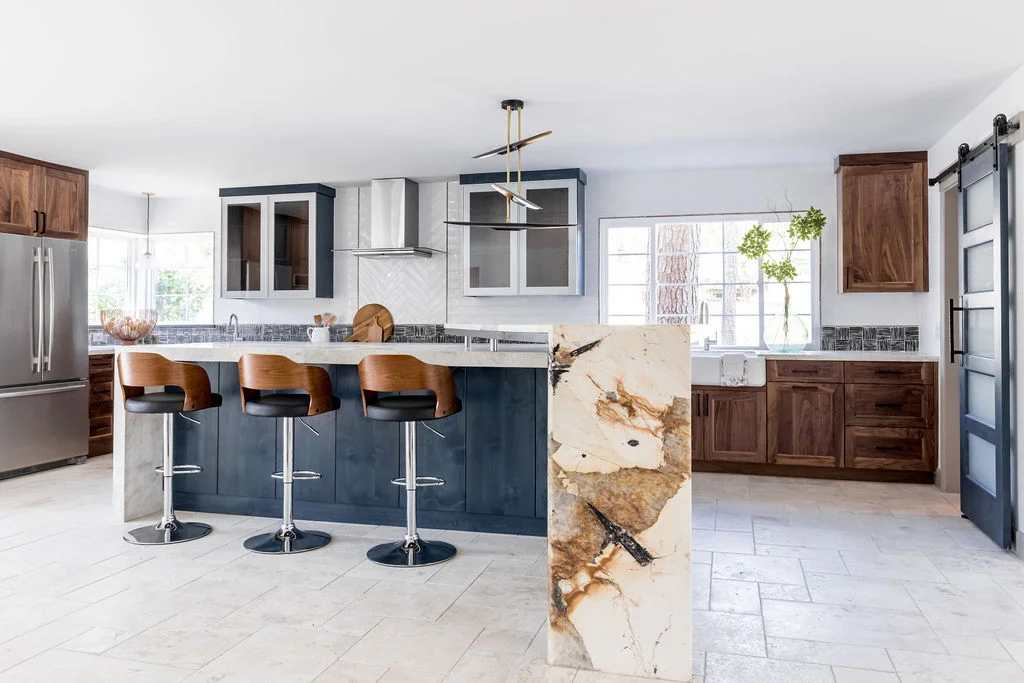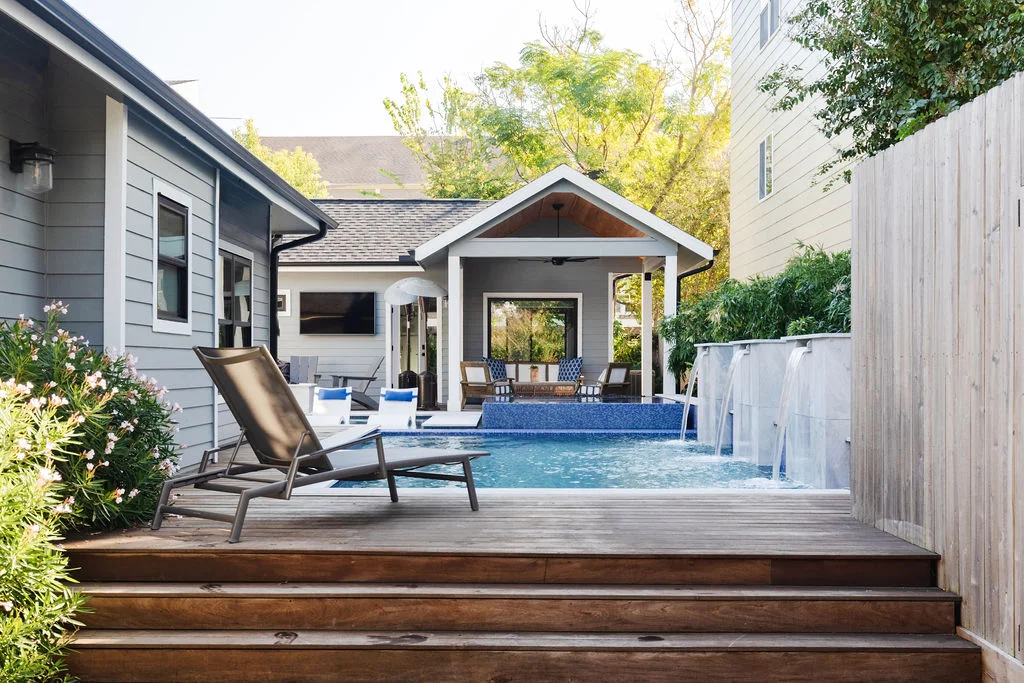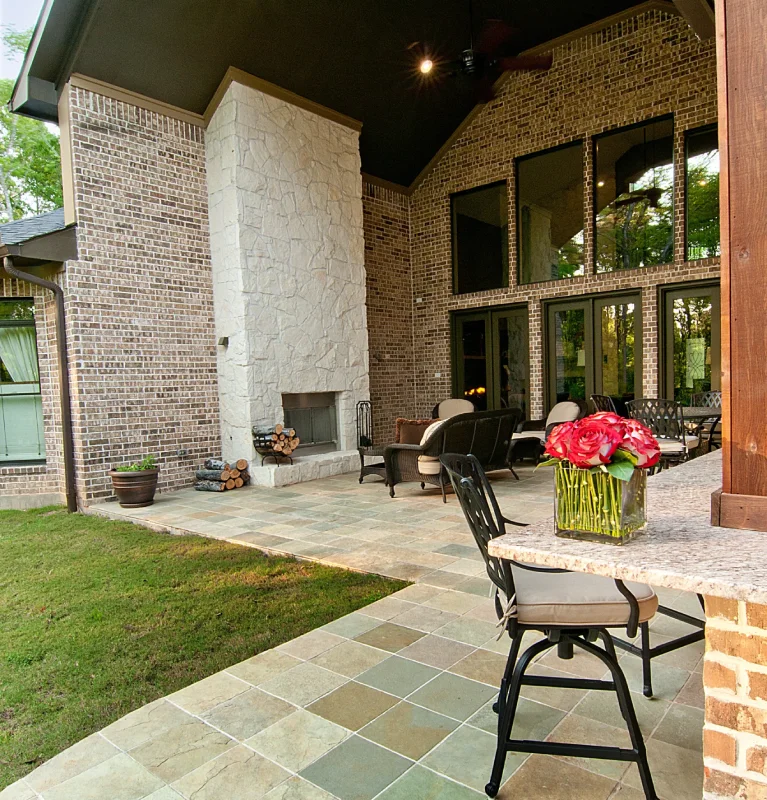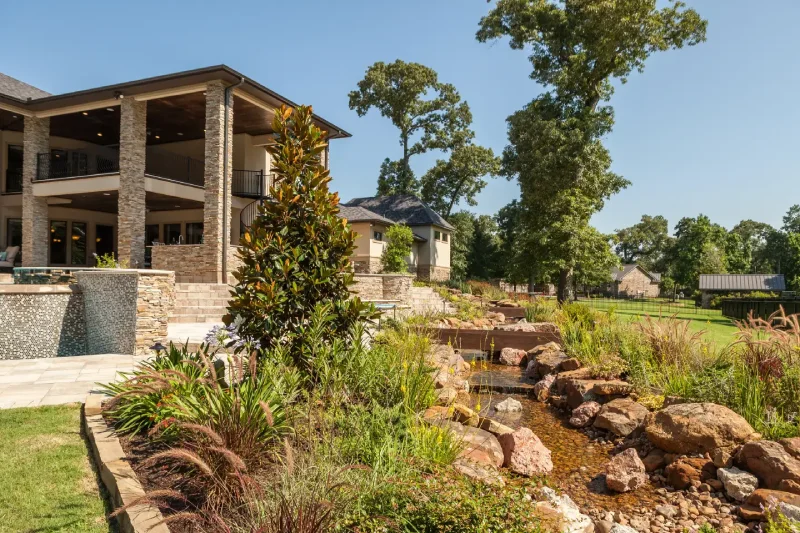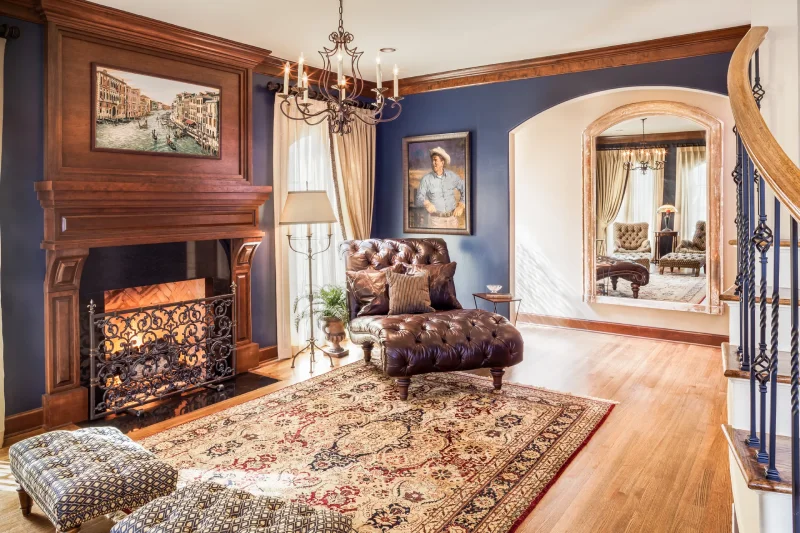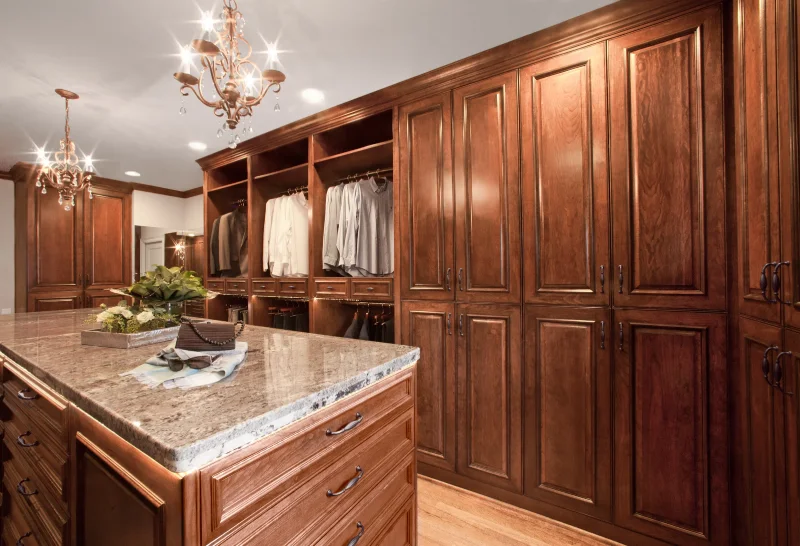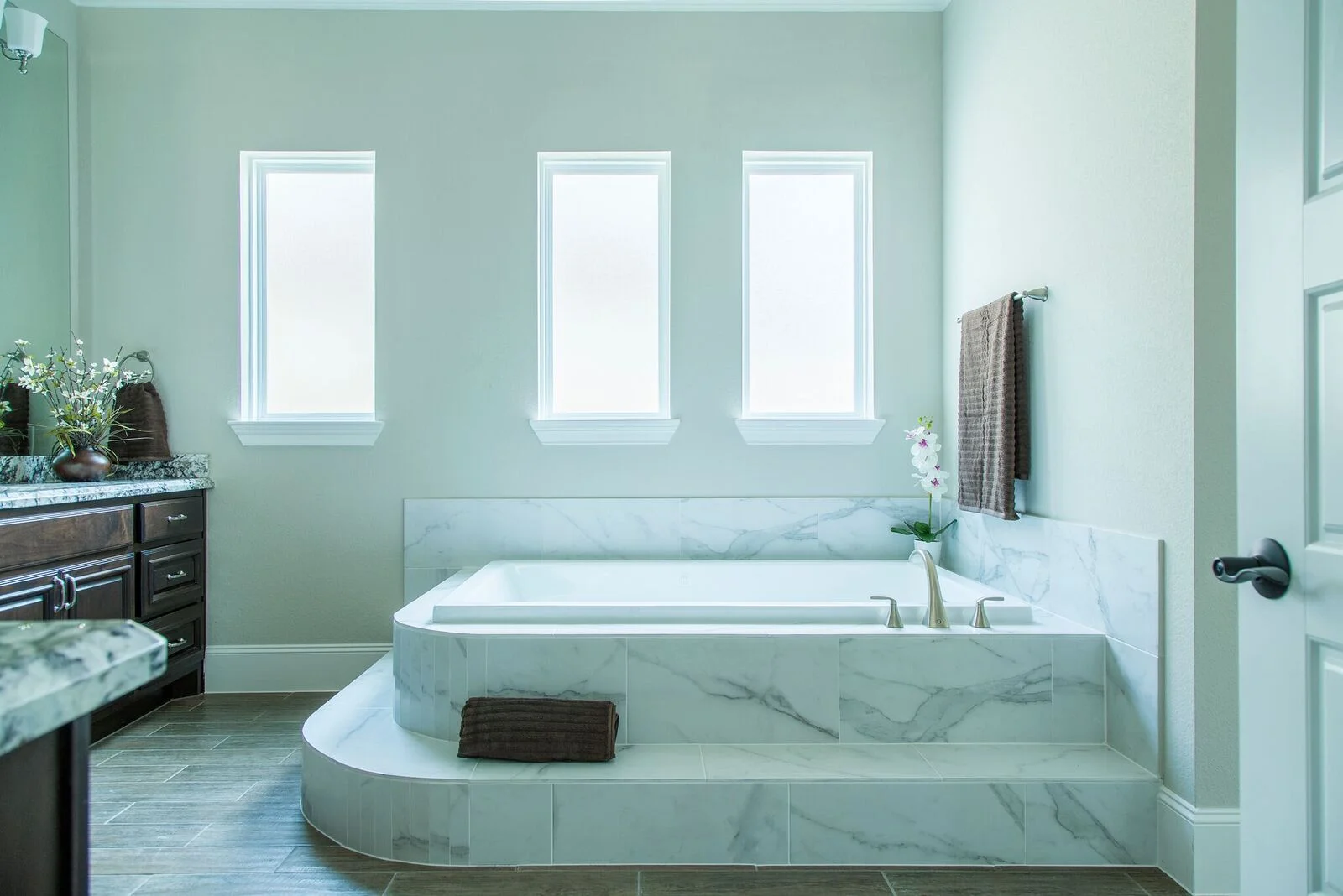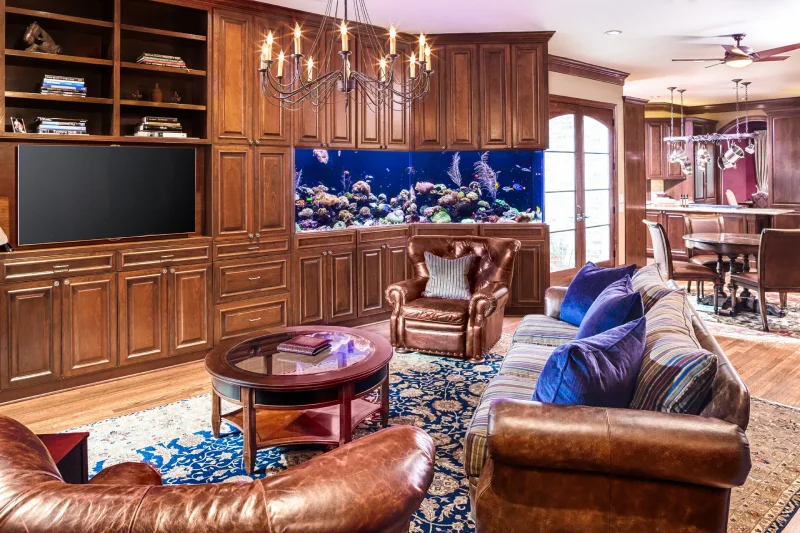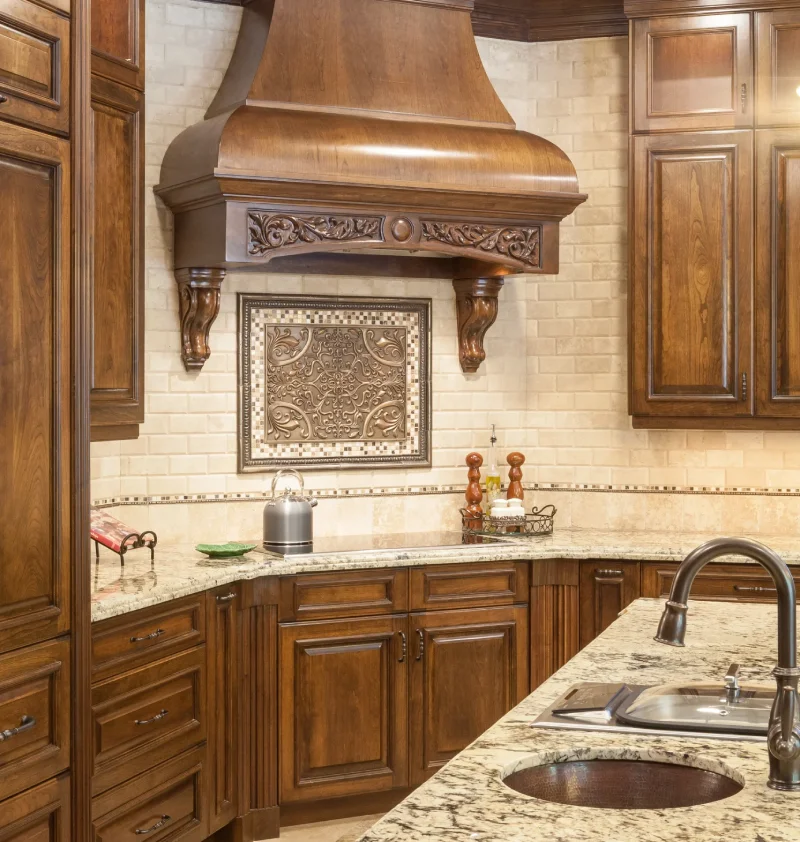
Whole-home remodeling in Magnolia, Texas, offers significant benefits by transforming outdated properties into modern, energy-efficient, and personalized living spaces while boosting property value and avoiding the need to move. Key advantages include creating a cohesive, customized design, upgrading to energy-efficient technology, and improving structural longevity.

Introduction
Deciding whether to remodel your entire home or start over with a new build is one of the most significant financial and emotional decisions you will face as a homeowner. In Magnolia, Texas—where acreage lots, mature trees, and tight-knit neighborhoods define daily life—a whole-home renovation lets you preserve what you love while reimagining everything else. The fear of budget surprises, drawn-out timelines, and a finished product that falls short of your expectations is real. The right approach to home remodeling in Magnolia, Texas, replaces that uncertainty with a clear plan, expert guidance, and a living space that finally matches the life you are building today.
Key Takeaways
- Budget strategically by allocating roughly 15–25 percent of your home's current market value to a whole-home remodel, and cap individual room investments to avoid over-improving for your neighborhood.
- Verify all permit requirements through both the City of Magnolia and the Montgomery County Permit Office, since regulatory standards differ depending on whether your property sits inside or outside the city limits.
- Confirm energy-efficiency upgrades first, because replacing outdated insulation, windows, and HVAC systems can reduce annual utility costs by an estimated 10–25 percent in southeast Texas climates.
- Demand a detailed scope of work that separates structural priorities—foundation, wiring, plumbing—from cosmetic finishes, ensuring hidden issues are resolved before any aesthetic upgrades begin.
- Compare contractor credentials by reviewing at least three builders' BBB ratings, Google reviews, GHBA or TAB award histories, and recent project portfolios in Montgomery County.
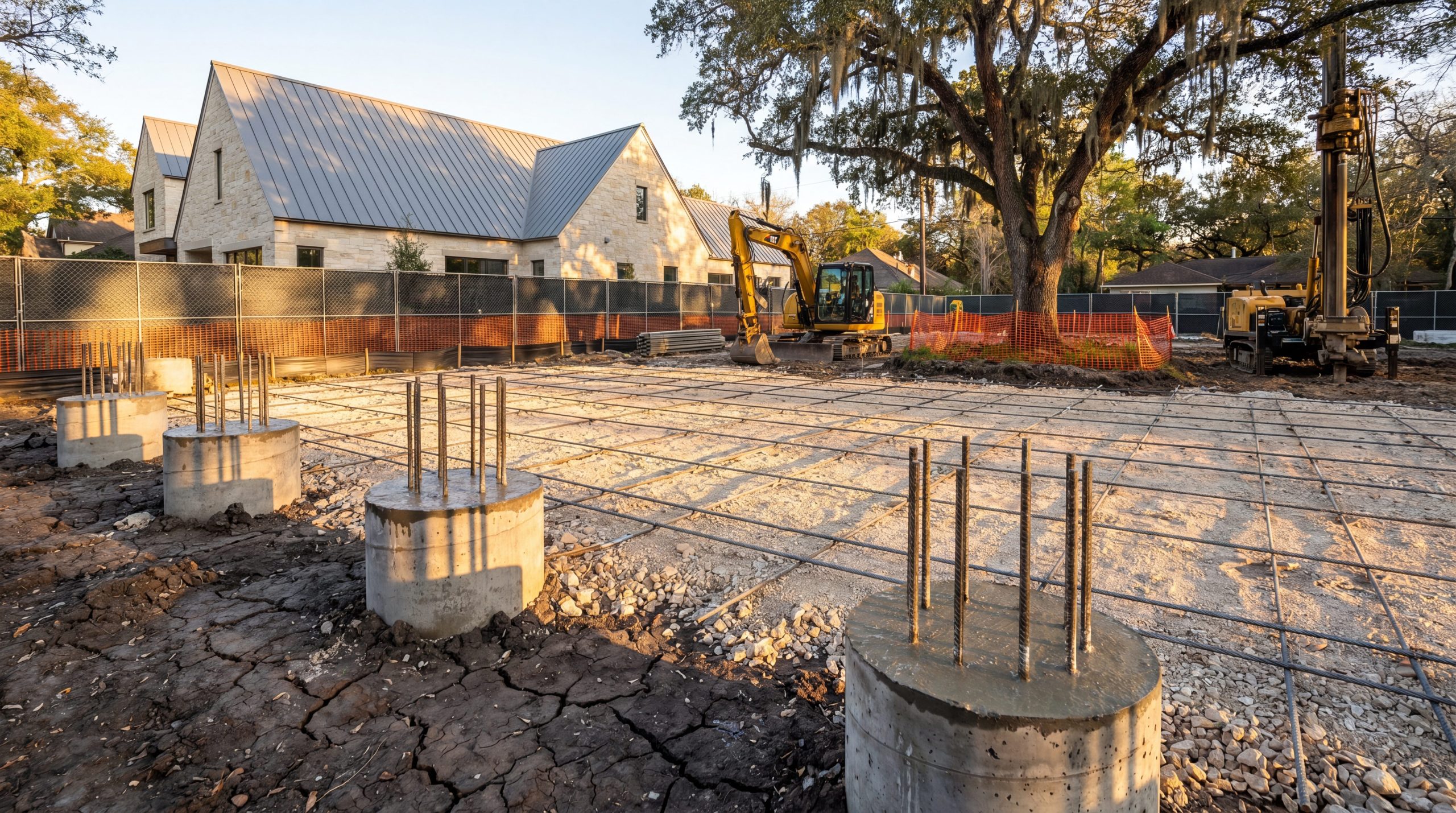
- Inspect the existing foundation before committing to a renovation budget, since Montgomery County's expansive clay soils can require engineered foundation repairs that add $10,000–$30,000 or more to the project total depending on the severity and home size.
Why a Complete Home Renovation in Magnolia Outperforms Selling and Starting Over
In a market where interest rates remain elevated, selling your current home and purchasing or building a new one often means trading a favorable mortgage rate for a significantly higher one. For many Magnolia homeowners, this financial reality makes whole-home remodeling the smarter path. You keep your existing rate, avoid closing costs and agent commissions that typically total 6–10 percent of the sale price for sellers in Texas, and eliminate the stress of coordinating a sale, temporary housing, and a new purchase in a competitive market.
Beyond the numbers, Magnolia's appeal lies in its specific sense of place—the wooded lots along FM 1488, the proximity to community events and local schools, and the semi-rural character that initially drew you here. A comprehensive renovation lets you stay rooted in the neighborhood you chose while giving every room a fresh purpose. Homeowners in nearby Tomball and The Woodlands are making similar calculations, recognizing that a well-planned renovation can deliver the feel of a brand-new home without sacrificing the community ties and location advantages they already enjoy.
Renovating also preserves the character of an older home—original architectural details, mature landscaping, and established lot positioning—that simply cannot be replicated in new construction. When you pair that character with modern performance upgrades, the result is a home that honors its history while meeting every expectation of contemporary living.
Typical Cost Ranges for Whole-Home Renovation Projects in Magnolia, TX
| Renovation Scope | Estimated Cost Per Sq Ft | Typical Total for 2,500 Sq Ft Home |
| Cosmetic Refresh Only (paint, flooring, fixtures) | $15–$60 | $37,500–$150,000 |
| Mid-Range Finishes (cosmetic + systems) | $100–$175 | $250,000–$437,500 |
| High-End Finishes (luxury materials + structural) | $175–$275 | $437,500–$687,500 |
| Gut Renovation (full structural + premium fit-out) | $275–$350+ | $687,500–$875,000+ |
Boosting Property Value Through Strategic Kitchen and Bathroom Upgrades
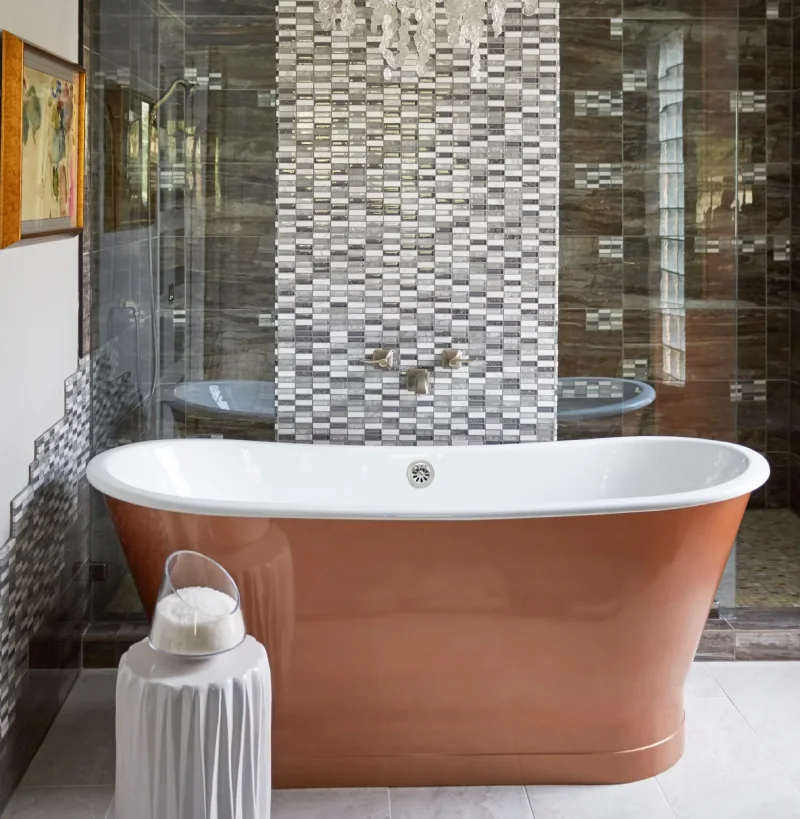
Kitchen and bathroom remodels consistently rank among the most impactful investments a homeowner can make. Recent Cost vs. Value data for the West South Central region—which includes the greater Houston market—indicates that a minor midrange kitchen remodel in Magnolia Texas typically recoups approximately 96 to 113 percent of its cost at resale, making it one of the highest-returning interior projects available. A midrange bathroom remodel in Magnolia, Texas generally returns roughly 57 to 67 percent, depending on scope and current market conditions. These percentages, however, only capture resale value. The daily comfort, functionality, and enjoyment a beautifully designed kitchen or spa-inspired bathroom delivers over years of living often outweighs the pure financial calculus.
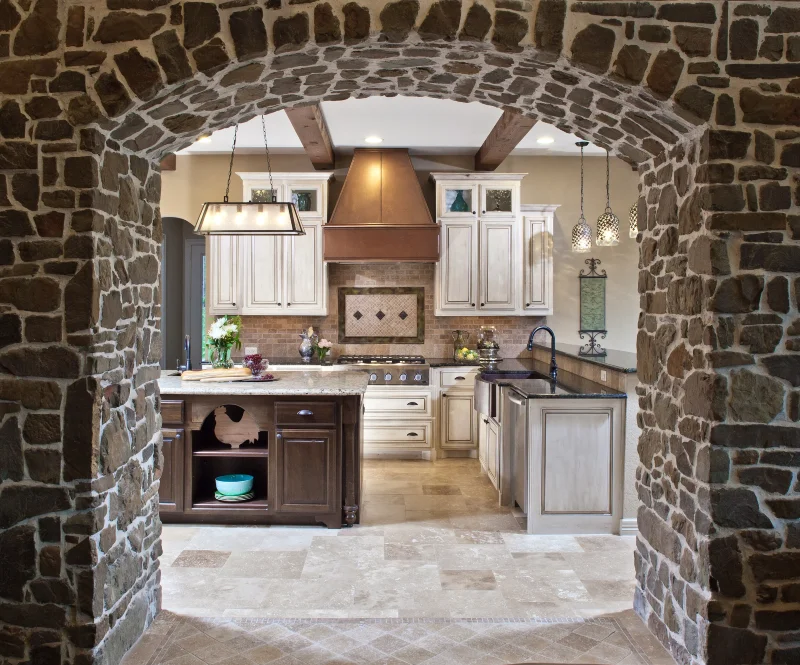
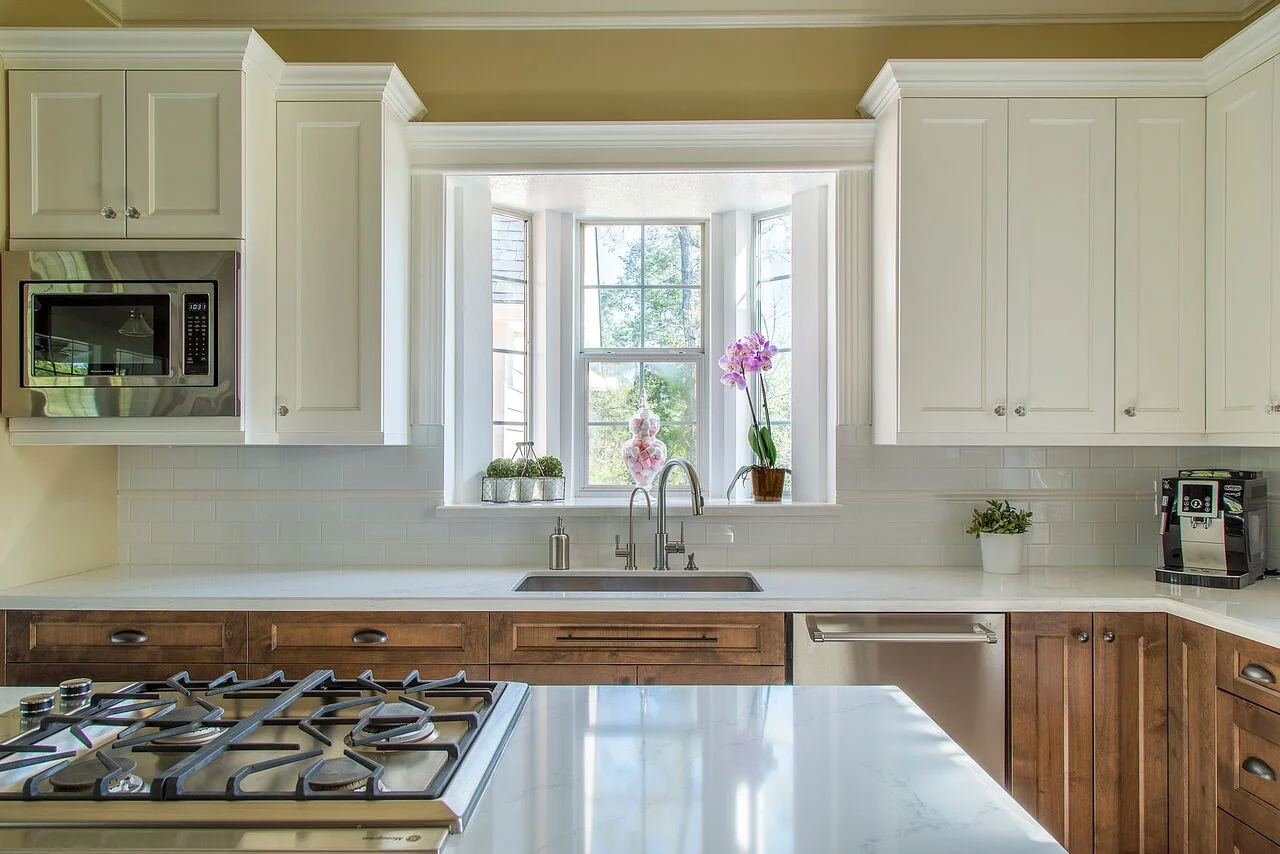
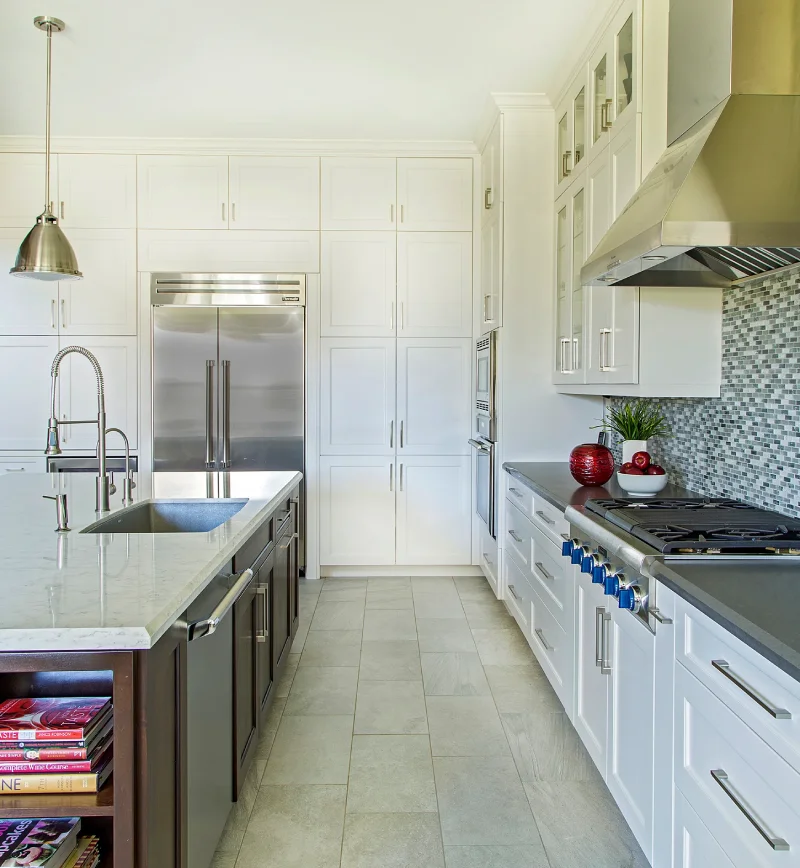
In Magnolia, where Modern Farmhouse and Texas Hill Country aesthetics dominate the architectural landscape, kitchen upgrades that blend rustic warmth with modern functionality resonate strongly with both homeowners and future buyers. Think shaker-style custom cabinetry paired with quartz countertops, professional-grade appliances, and an open-concept layout that connects the kitchen to the main living areas. These design choices are not just trends—they reflect a durable regional preference rooted in how families in this area actually live.
What Drives the Highest Return on Kitchen and Bathroom Projects
- Layout optimization that removes walls or expands footprints to create open, connected spaces
- Material selection that balances longevity with visual appeal—quartz and porcelain outperform granite and marble in cost-per-year-of-use
- Fixture upgrades to water-efficient, stylish hardware that reduces consumption without sacrificing pressure
- Lighting design that layers ambient, task, and accent sources for both function and atmosphere
- Storage solutions including pull-out pantry organizers, built-in spice racks, and custom vanity drawers
A common mistake is investing heavily in ultra-personalized finishes that appeal to a narrow aesthetic. The most effective approach balances your personal style with broad appeal, especially if you plan to sell within the next decade. Your contractor should help you identify where to invest for maximum impact and where more modest selections deliver nearly identical results.
Upgrading Your Home's Energy Performance and Climate Resilience
Southeast Texas summers push air conditioning systems to their limits, and Magnolia homeowners typically face electricity bills that spike dramatically from May through September. A whole-home renovation creates the ideal opportunity to address every layer of your home's energy envelope simultaneously, rather than tackling one upgrade at a time and hoping the pieces work together.
Start with the building envelope itself. Replacing aging fiberglass batt insulation with closed-cell spray foam in walls and attic spaces can dramatically reduce thermal transfer. Pair that with energy-efficient, low-E windows rated for the Gulf Coast climate, and you create a sealed environment that keeps conditioned air inside and humidity out. The U.S. Department of Energy estimates that weatherization improvements can save homeowners an average of $300 or more annually, and in a hot-humid climate zone like Montgomery County, those savings tend to run even higher.
Federal and state incentive programs for energy-efficient upgrades change frequently. Consult a qualified tax professional to confirm your eligibility for current credits and rebates before finalizing your renovation budget.
Priority Energy Upgrades for Magnolia Homeowners
- HVAC replacement to a high-SEER (Seasonal Energy Efficiency Ratio) system—units rated 18 SEER or higher can reduce cooling costs by 20–40 percent compared to systems rated 10 SEER or below
- Spray foam insulation in walls, attic, and crawl spaces to eliminate air infiltration and moisture intrusion
- Low-E, double-pane windows that block ultraviolet rays while allowing natural light—Energy Star-rated windows can cut heating and cooling costs by roughly 10–15 percent
- Tankless or hybrid water heaters that heat on demand and reduce standby energy loss
- Smart home integration with programmable thermostats, automated lighting, and leak-detection sensors
Energy-Efficient Upgrade ROI Comparison for Southeast Texas Homes
| Upgrade | Estimated Cost | Projected Annual Savings | Estimated Payback Period |
| High-SEER HVAC System (18+ SEER) | $8,000–$15,000 | $600–$1,200 | 7–12 years |
| Spray Foam Insulation (whole home) | $5,000–$12,000 | $400–$900 | 6–13 years |
| Energy Star Windows (full replacement) | $15,000–$30,000 | $300–$700 | 20–40+ years |
| Tankless Water Heater | $2,500–$5,000 | $100–$200 | 12–25 years |
| Smart Thermostat | $200–$500 | $50–$150 | 1–4 years |
Climate resilience is another critical consideration. Post-Hurricane Harvey, homeowners across Montgomery County have invested in fortified roofing, impact-resistant windows, and improved site drainage to reduce vulnerability to severe weather. Insurers increasingly reward these upgrades with premium discounts ranging from 7 to over 20 percent depending on provider and certification level, adding a long-term financial benefit that goes well beyond the simple resale equation. If your home sits near a designated floodplain—common in parts of Magnolia and surrounding Montgomery County communities—your renovation plan should include a thorough review of flood mitigation options. Always confirm current requirements with your local municipality or a licensed contractor before proceeding.
Navigating Permits, Codes, and Regulations in Montgomery County
One of the most underestimated aspects of whole-home remodeling in the Magnolia area is understanding which regulatory requirements apply to your specific property. The answer depends heavily on whether your home falls within the incorporated City of Magnolia or in the surrounding unincorporated areas of Montgomery County—and the two jurisdictions operate very differently.
Properties within the incorporated City of Magnolia fall under the 2021 International Residential Code (IRC) and International Codes adopted through Ordinance O-2024-014, and they require building permits submitted to the City of Magnolia Planning and Development Department. Properties in the surrounding unincorporated areas of Montgomery County are subject to the county's Development Permit process. Under regulations adopted in March 2025, a development permit is required for new construction and enclosed additions connected to existing structures. Interior-only renovations that do not alter the building footprint or structure may not require a county development permit, but septic, floodplain, and fire code permits still apply. This jurisdictional distinction is critical—misunderstanding it can lead to unnecessary delays or, worse, skipping required approvals that affect your home's safety and insurability.
Key Regulatory Considerations
- On-site sewage facilities (OSSF): Most lots in unincorporated Montgomery County require a county OSSF permit for any work affecting septic systems. Properties within city limits must connect to city sewer if available. Septic permitting can add weeks to your project timeline if not addressed early.
- Floodplain development: Both jurisdictions require permits for work within designated FEMA floodplains, but the City of Magnolia enforces stricter "no-rise" and freeboard requirements.
- Tree preservation: The city may enforce ordinances protecting certain species and sizes of trees. In unincorporated areas, tree preservation is generally unregulated unless governed by an HOA.
- Driveway and culvert permits: Required in both jurisdictions but processed through different offices—County Precinct Commissioner versus City Public Works.
- HOA restrictions: Many Magnolia-area subdivisions maintain their own architectural review committees with rules on exterior materials, colors, fence heights, and outbuilding placement.
An experienced local contractor who has pulled dozens of permits in both the city and county systems can navigate these requirements efficiently and prevent costly delays. This regulatory expertise is one of the most tangible and valuable assets a builder brings to a whole-home renovation. Always confirm current requirements with your local municipality or a licensed contractor before proceeding.
Designing for How You Live: Aging-in-Place and Lifestyle-Driven Remodeling
A whole-home remodel gives you the rare opportunity to reshape every room around how you actually live right now—and how you plan to live in the years ahead. This goes far beyond choosing paint colors or countertop materials. It means rethinking floor plans, traffic patterns, room functions, and accessibility features with your current lifestyle at the center of every design decision.
For homeowners in their 40s and 50s—a significant demographic in Magnolia's custom home market—universal design and aging-in-place features are increasingly important. These are not clinical or institutional additions. Done well, they enhance both the beauty and the function of a home. Curbless showers with frameless glass enclosures look stunning in any master bathroom. Wider doorways and hallways create a sense of openness and flow. A primary suite on the main floor eliminates daily stair climbing and adds convenience at every stage of life.
Lifestyle-Driven Design Features Worth Considering
- Dedicated home office with soundproofing, built-in storage, and independent climate control—essential for remote professionals
- Flex rooms that can transition from a children's playroom to a home gym to a guest suite as your family evolves
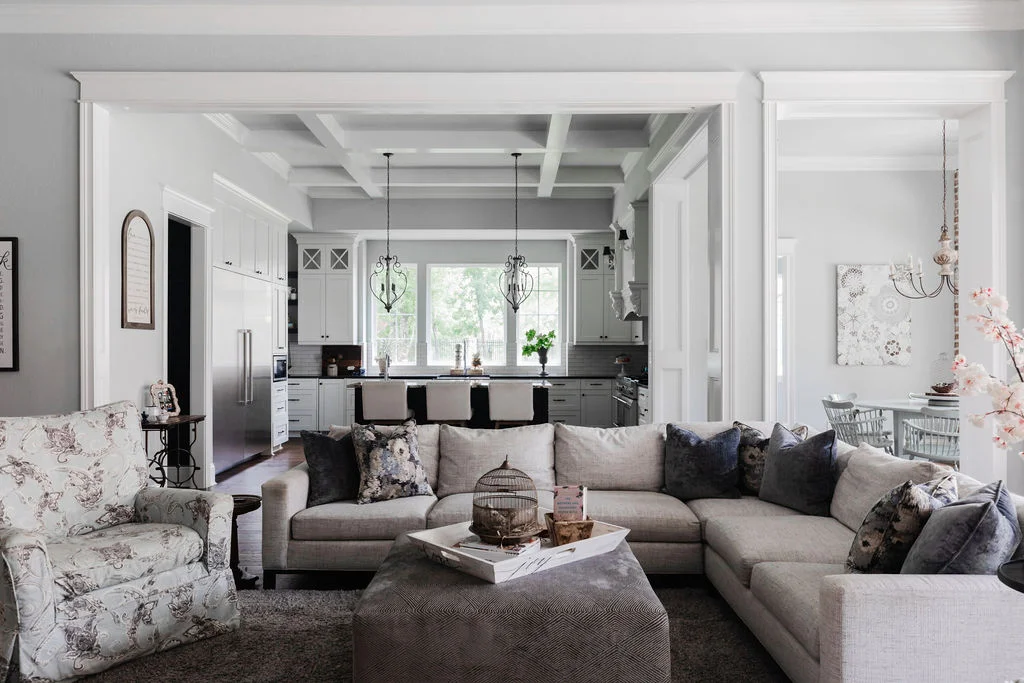
- Open-concept main living areas that connect kitchen, dining, and family rooms for better sight lines and social interaction
- Outdoor living integration with covered patios, summer kitchens, and ceiling fans designed for the Texas heat
- No-step entries and wide hallways that satisfy universal design principles without compromising aesthetics
- Pre-planned elevator shafts for future installation—an increasingly popular feature in multi-story Magnolia homes
This forward-thinking approach protects your investment and eliminates the need for another major renovation down the road. When your home adapts to your life instead of the other way around, you create a living space designed to serve your family beautifully for decades to come.
Montgomery County Permit and Regulatory Quick-Reference
| Regulatory Area | City of Magnolia (Incorporated) | Montgomery County (Unincorporated) |
| Adopted Building Code | 2021 IRC and ICodes (Ordinance O-2024-014) | County Development Permit required for new construction and enclosed additions; verify current code standards with the County Permit Office |
| Permit Authority | City Planning & Development | County Permit Office (development permits, OSSF, floodplain, fire code) |
| Septic (OSSF) | City sewer connection required if available | County OSSF Department permit required |
| Floodplain Rules | Stricter no-rise and freeboard standards | Standard FEMA-based development permit required |
| Tree Preservation | City ordinance may apply | Generally unregulated (HOA restrictions may apply) |
| Driveway/Culvert Permit | City Public Works | County Precinct Commissioner |
Frequently Asked Questions
How long does a whole-home remodel typically take in Magnolia, Texas?
Most whole-home renovations in the Magnolia area take between four and eight months, depending on the scope of work. Projects involving structural changes, foundation repairs, or full system replacements generally fall on the longer end, with extensive gut renovations sometimes reaching ten months or more. Early permit applications and a well-defined scope of work help prevent delays. Your contractor should provide a detailed timeline before work begins.
Do I need a permit to remodel my home in the Magnolia area?
It depends on your property's location and the scope of the project. Within the incorporated City of Magnolia, building permits are required for renovation work involving structural, electrical, plumbing, or mechanical changes. In unincorporated Montgomery County, development permits are required for new construction and enclosed additions, while on-site sewage facility, floodplain, and fire code permits also apply. Cosmetic upgrades like painting and flooring replacement typically do not require permits in either jurisdiction. Always confirm current requirements with your local municipality or a licensed contractor before proceeding.
What is the best remodeling investment for increasing my home's value in Texas?
Exterior improvements like garage door replacement and manufactured stone veneer consistently deliver the highest cost-recouped percentages in the Houston market, often exceeding 100 percent at resale. Among interior projects, a minor midrange kitchen remodel is one of the strongest performers, with recent Cost vs. Value data showing returns of 96 percent or higher. The best strategy combines high-ROI exterior upgrades with interior improvements that enhance daily livability.
How do I choose a qualified remodeling contractor in Magnolia?
Start by verifying the contractor's license, insurance, and bonding status. Check their BBB rating, Google reviews, and whether they hold industry recognition such as GHBA or TAB awards. Ask for references from completed projects in Montgomery County, and request a detailed, line-item proposal before signing any contract. A contractor who has navigated permits in both the city and county jurisdictions demonstrates the kind of local expertise that protects your timeline and budget.
Can I stay in my home during a whole-home renovation?
It depends on the project scope. Cosmetic and room-by-room phased remodels often allow you to remain in the home with some inconvenience. Full gut renovations that involve removing walls, replacing plumbing, or rewiring electrical systems generally require temporary relocation for safety and efficiency. Discuss phasing options with your contractor early in the planning process to minimize disruption.
Are there tax credits available for energy-efficient upgrades in Texas?
Federal tax credits are available for qualifying energy-efficient improvements, including high-efficiency HVAC systems, insulation, and Energy Star-rated windows. Some Texas utility providers also offer rebates for specific upgrades. Eligibility and amounts change frequently, so consult a tax professional and check current programs through Energy Star and your local utility provider before finalizing your renovation budget.
Conclusion
A whole-home remodel in Magnolia, Texas, delivers far more than a visual refresh. It protects your existing mortgage rate, addresses hidden structural and efficiency issues, and transforms your home into a space designed precisely for how you live today and plan to live tomorrow. From strategic kitchen and bathroom upgrades that drive measurable ROI to energy-performance improvements that lower monthly utility costs and strengthen climate resilience, every element of a well-planned renovation adds lasting value.
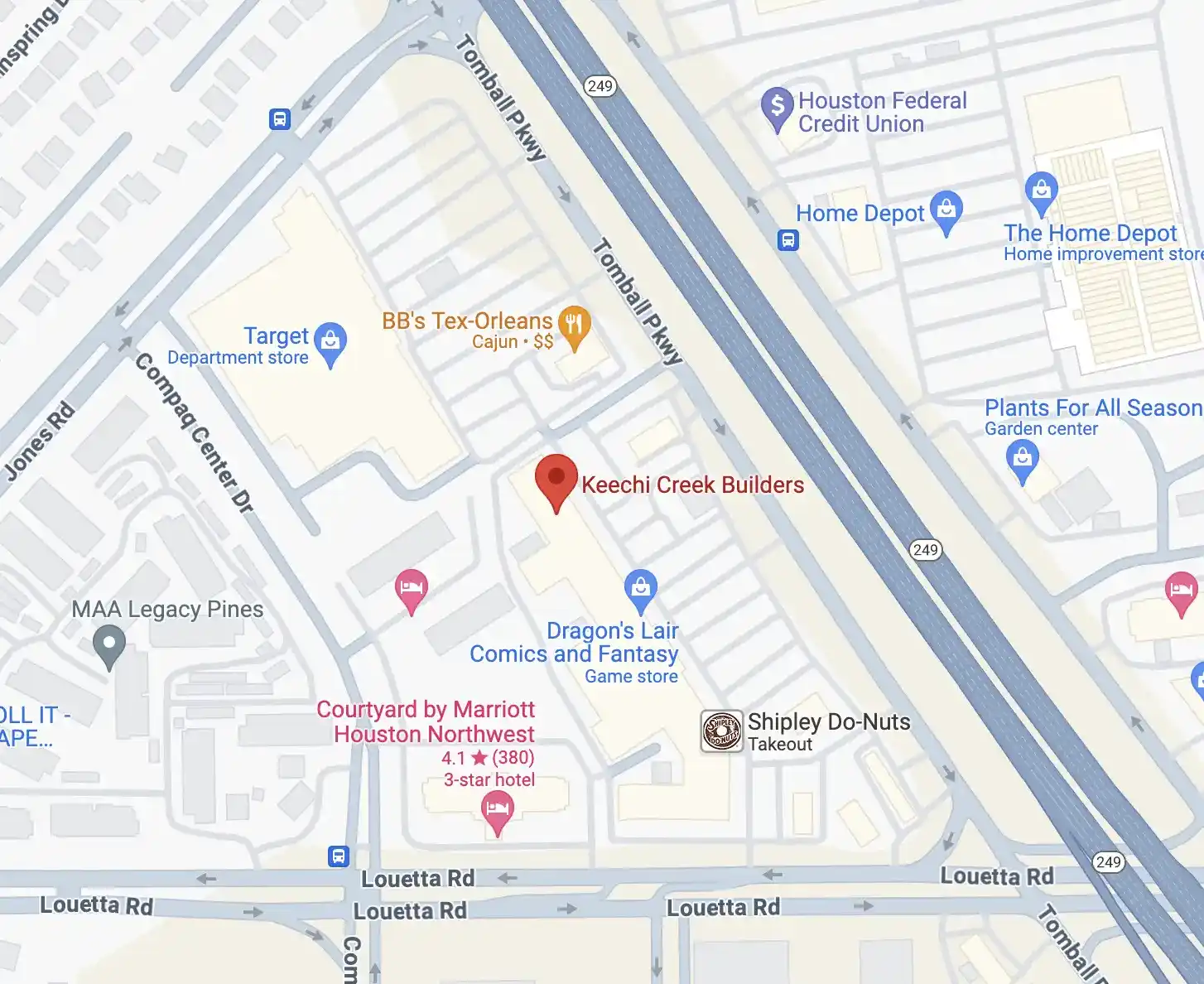
When you are ready to take the first step, Keechi Creek Builders offers an integrated design-build approach that unites architecture, construction, and project management under one roof—eliminating the communication gaps and budget surprises that derail so many renovation projects in Magnolia and throughout Montgomery County. Call 281-688-1454 or visit keechicreekbuilderstx.com to schedule your personalized design consultation and discover how award-winning craftsmanship and white-glove project management can turn your current home into the home your family has been envisioning.