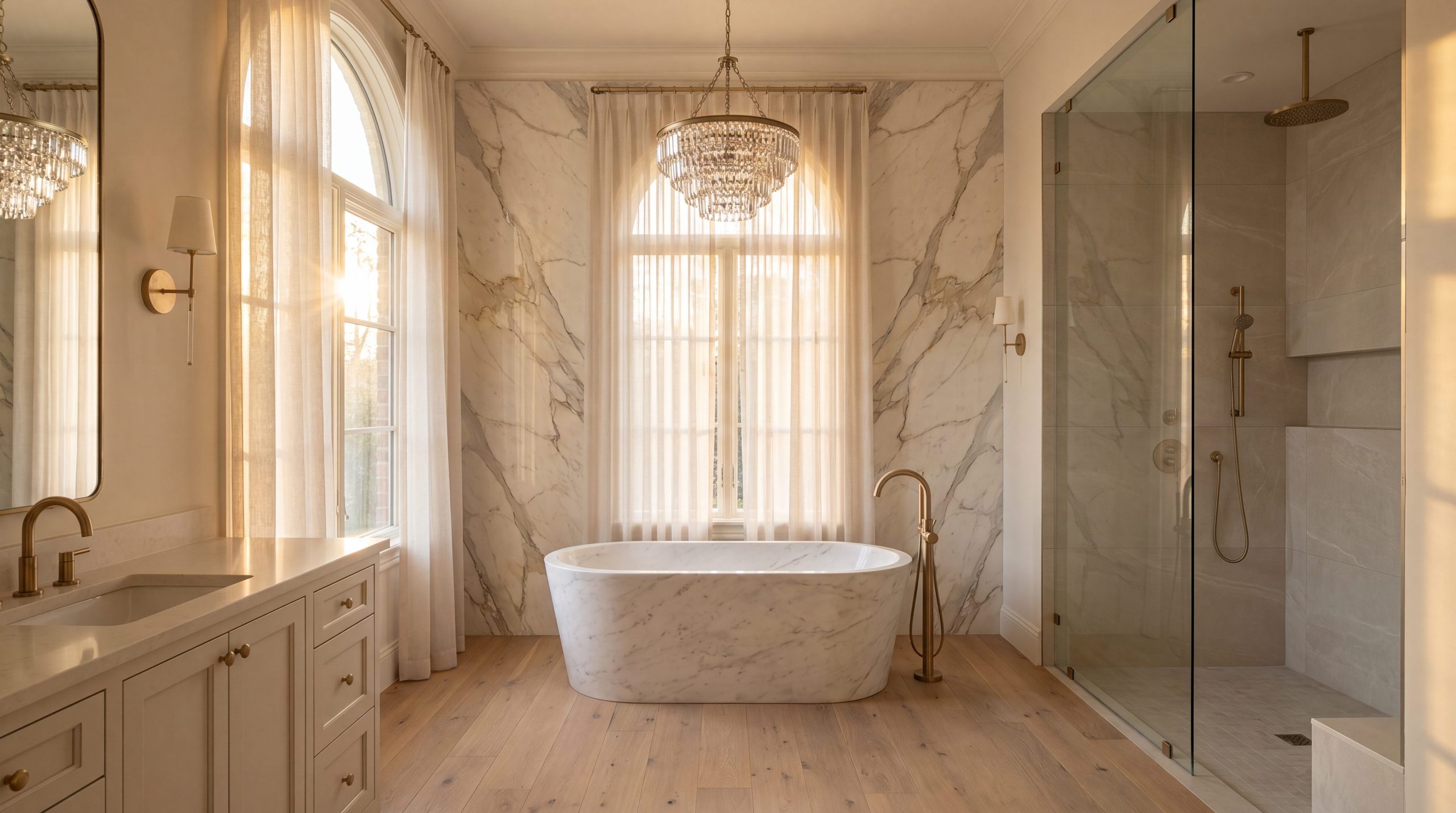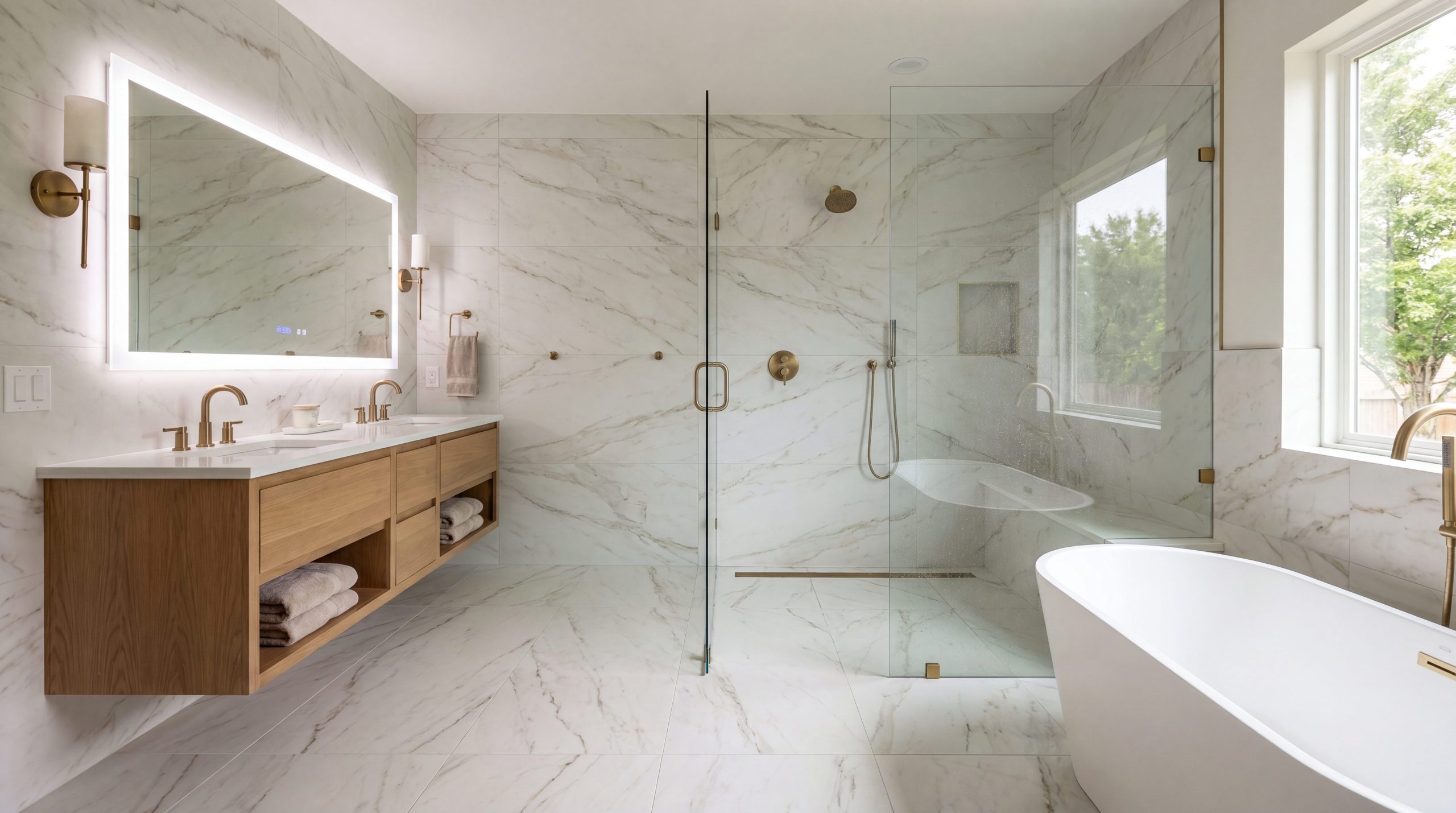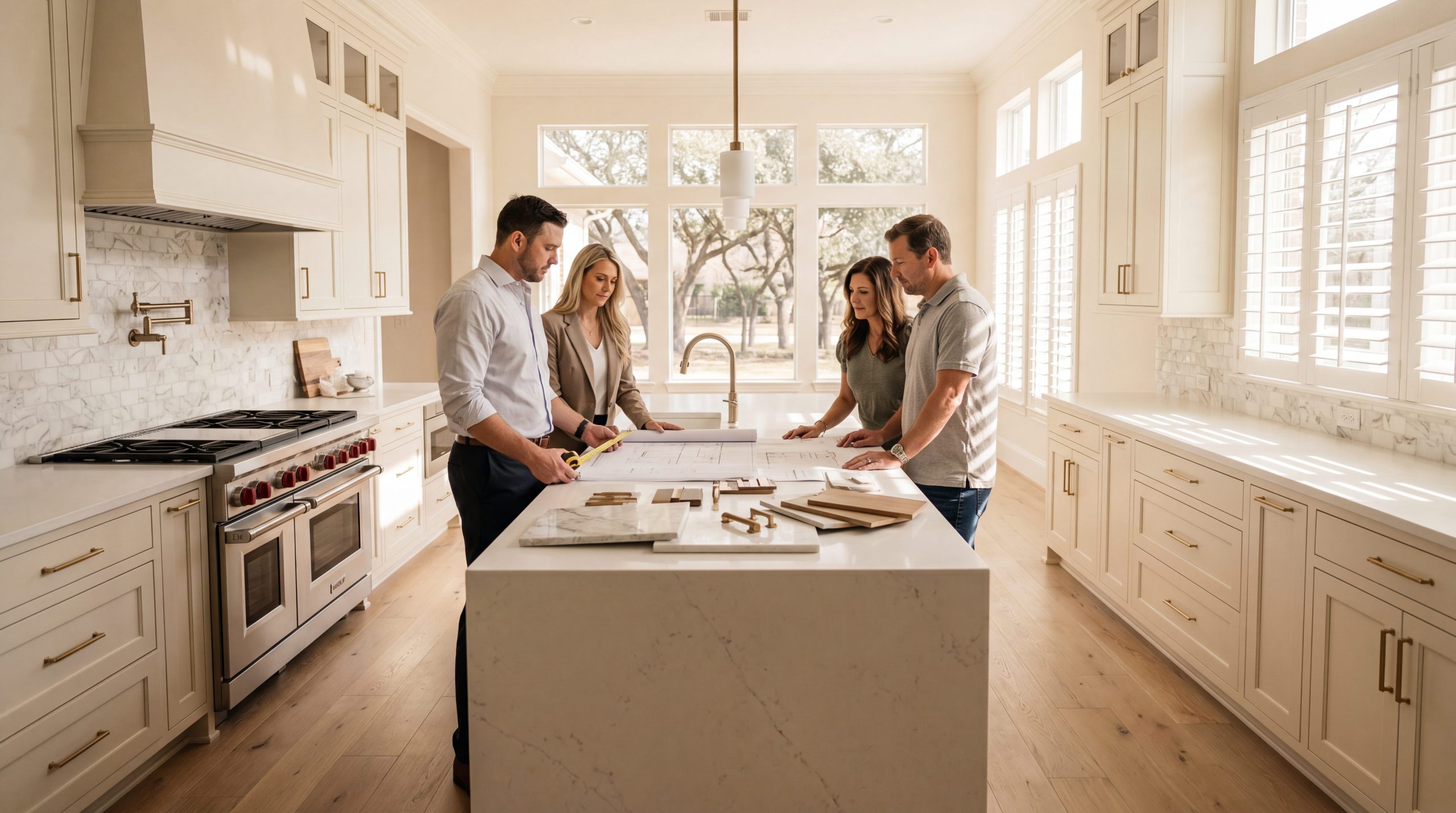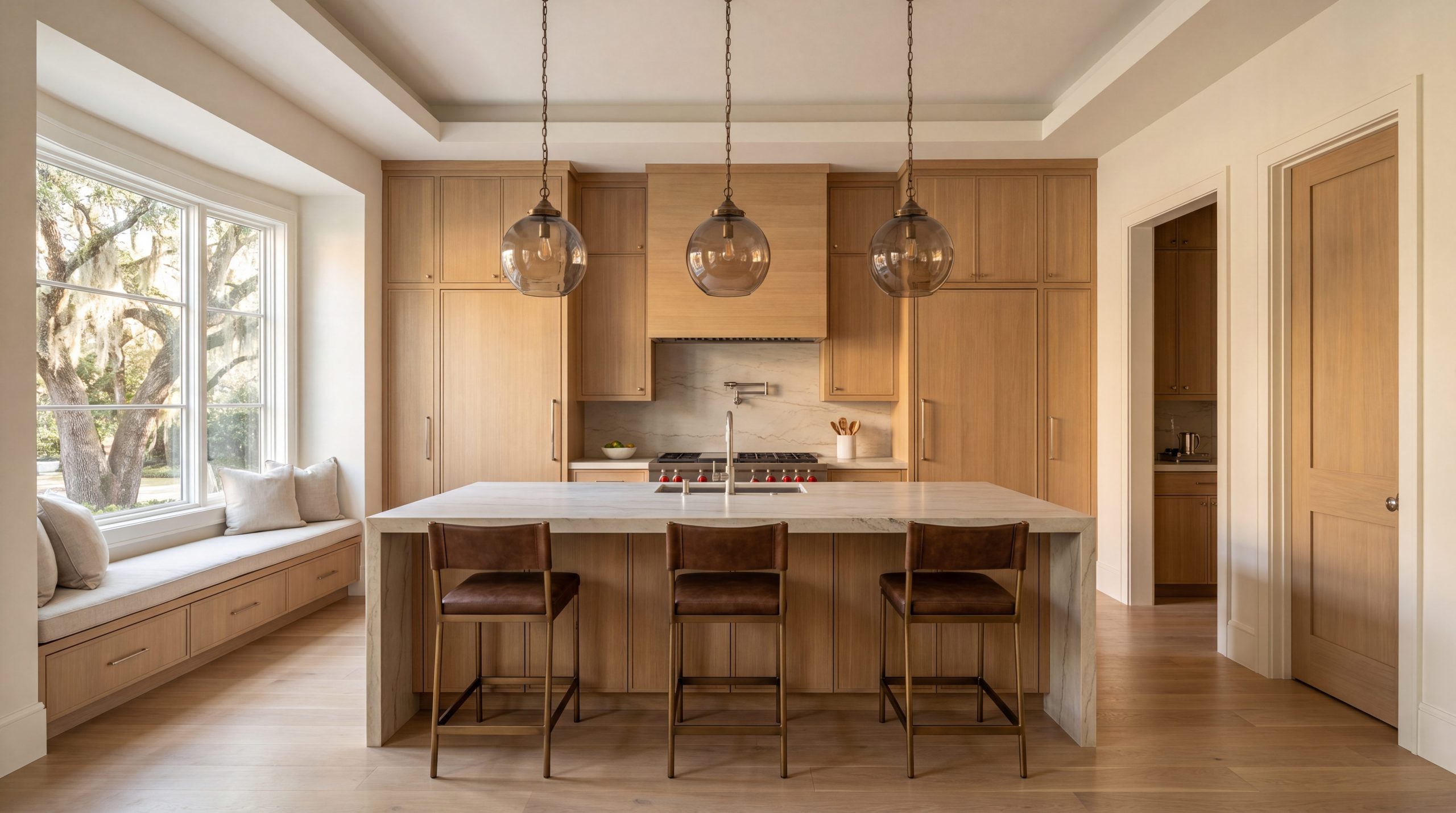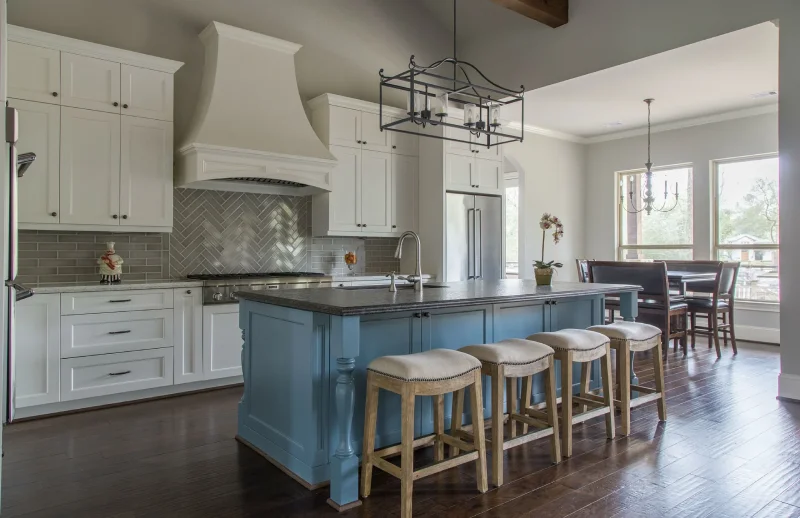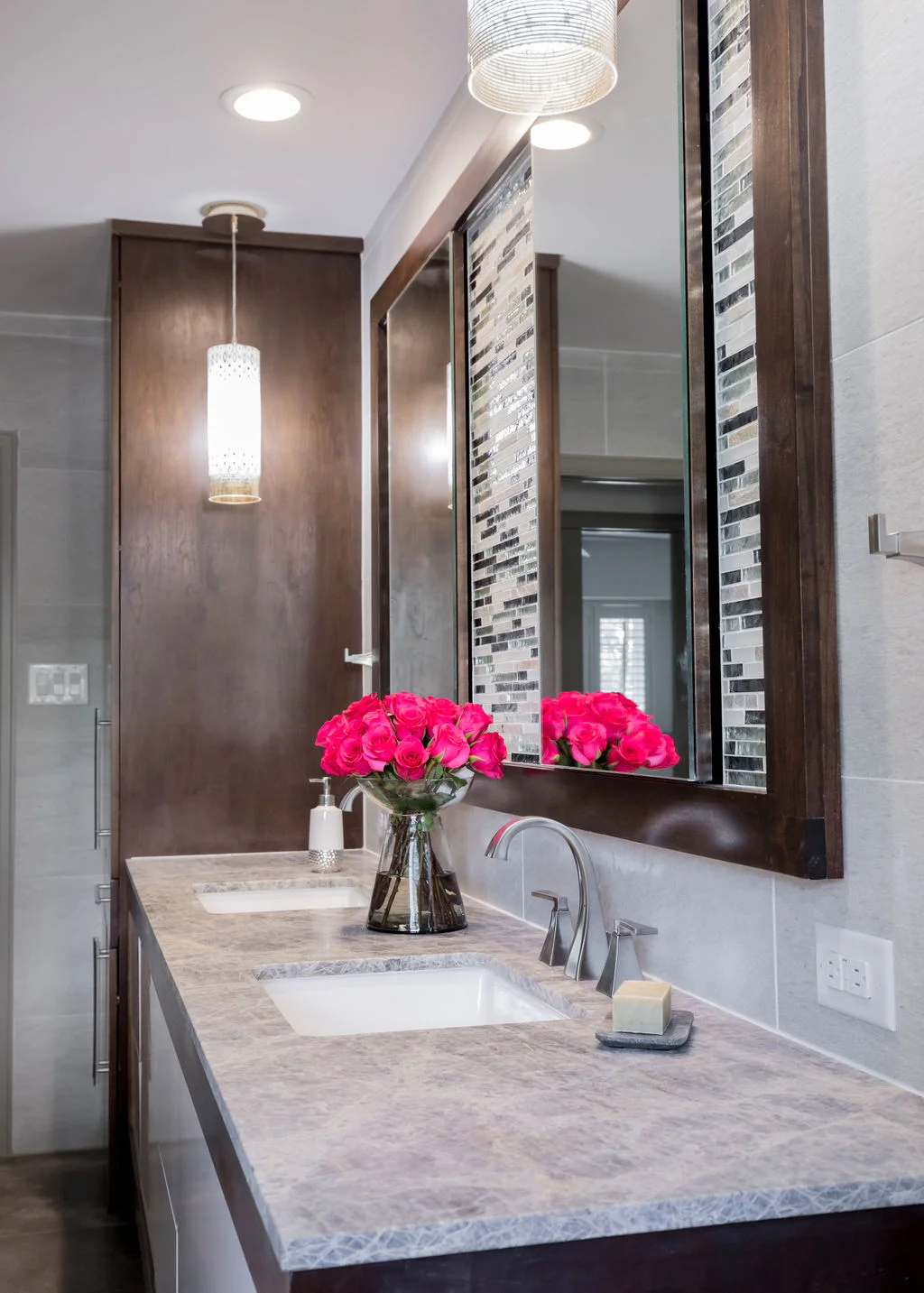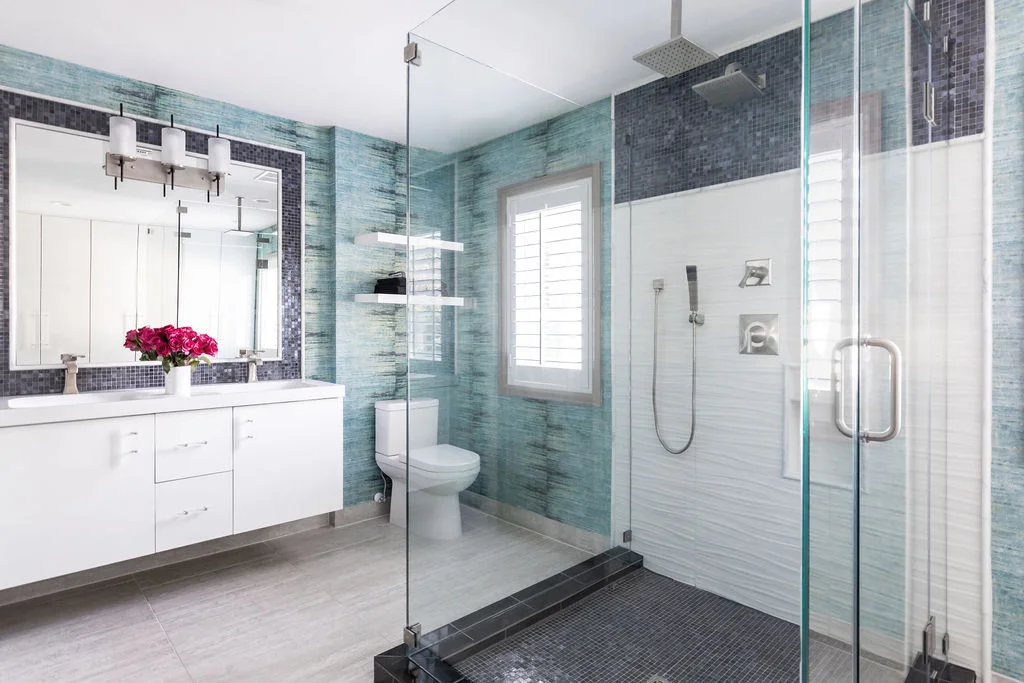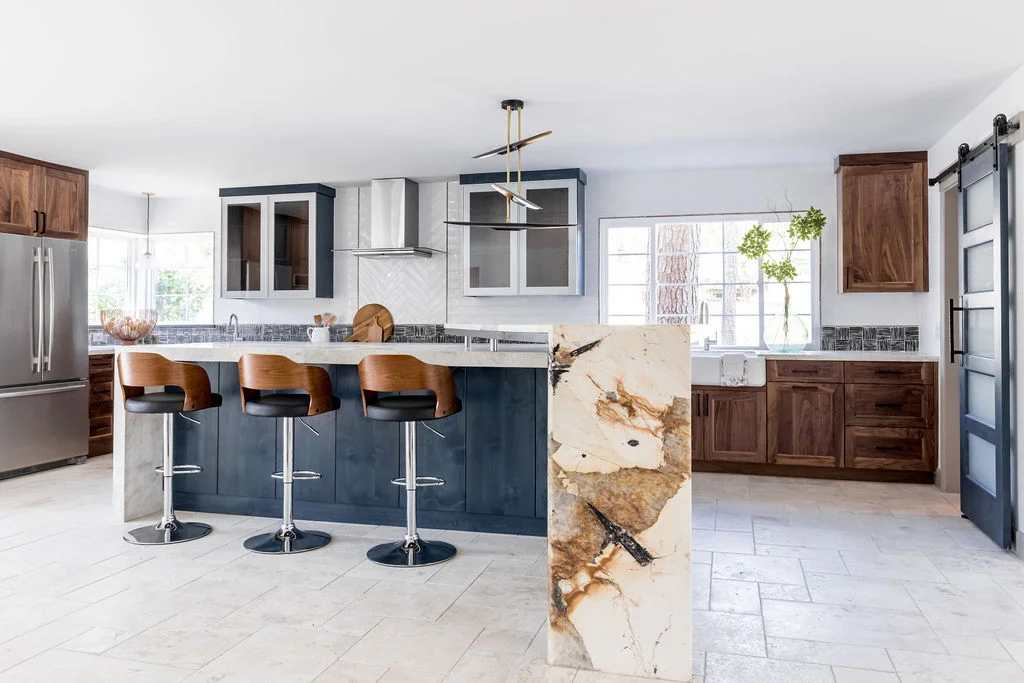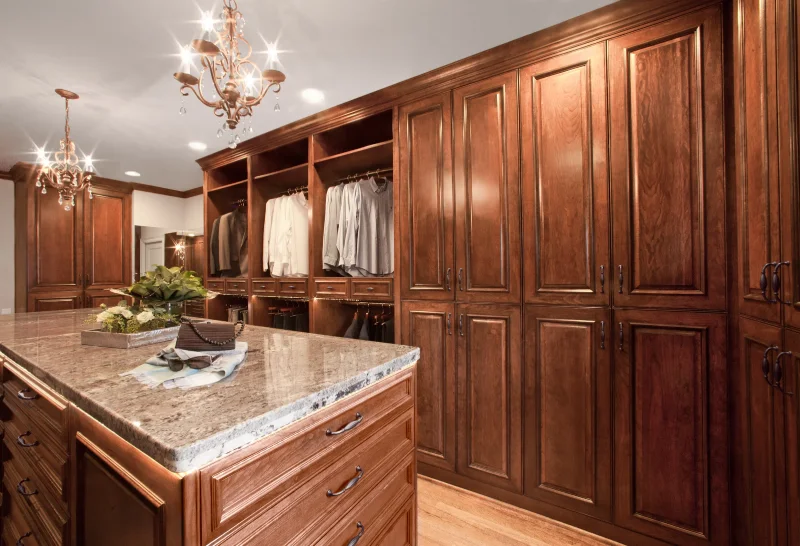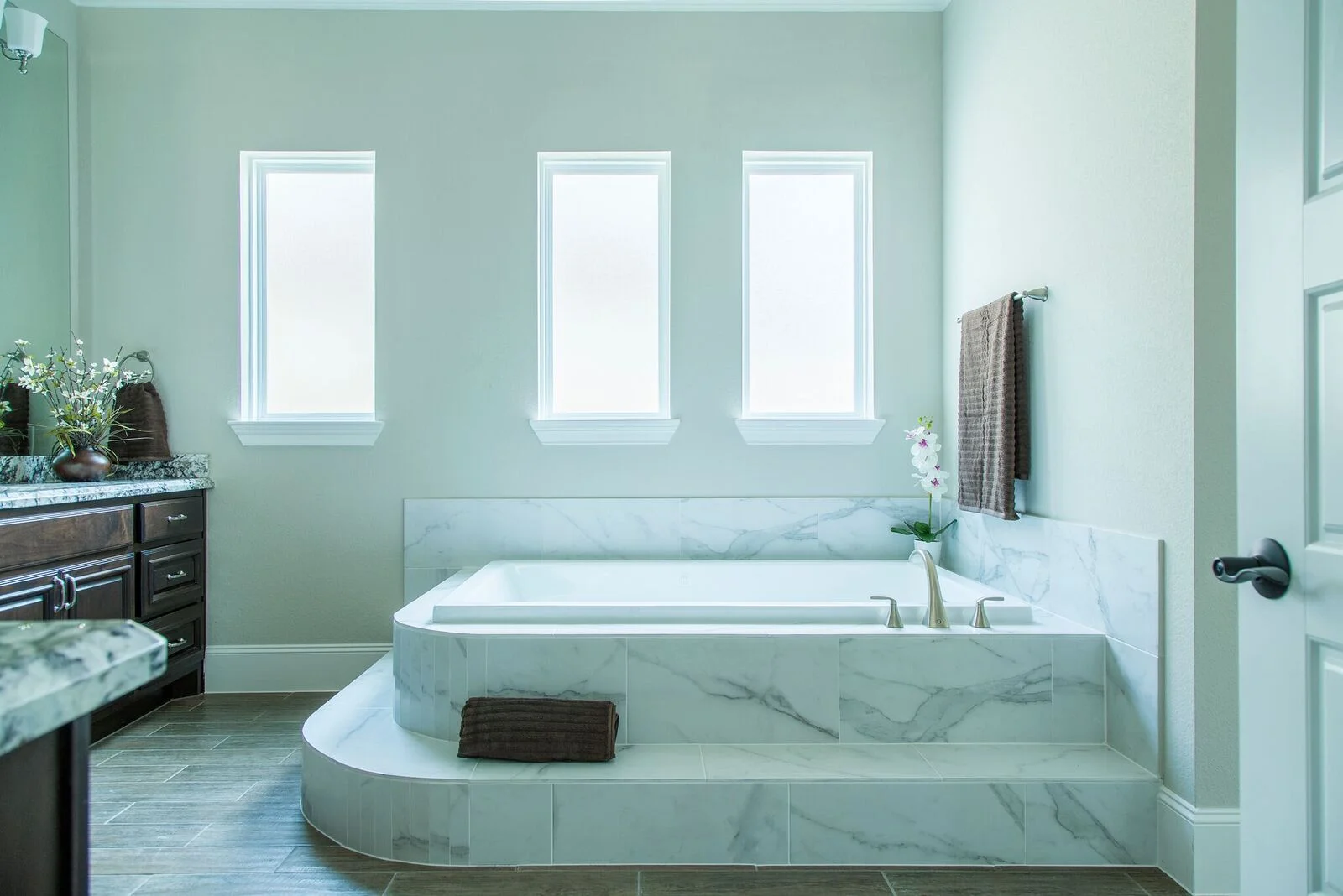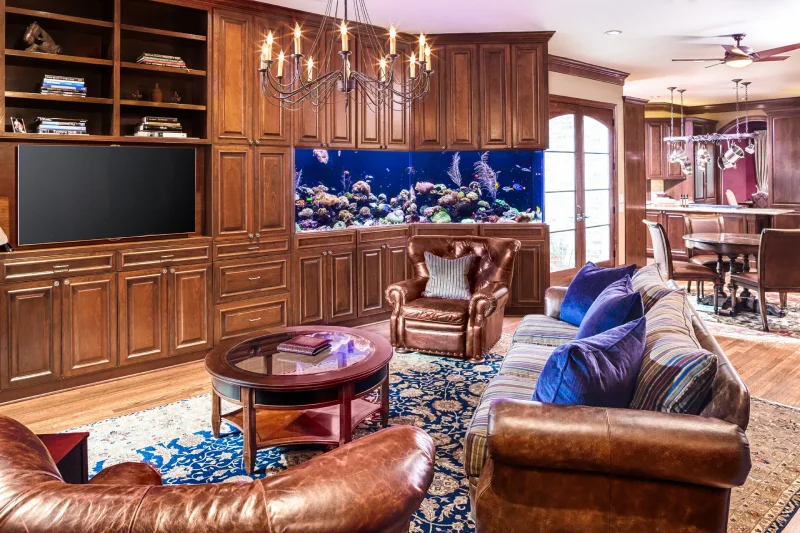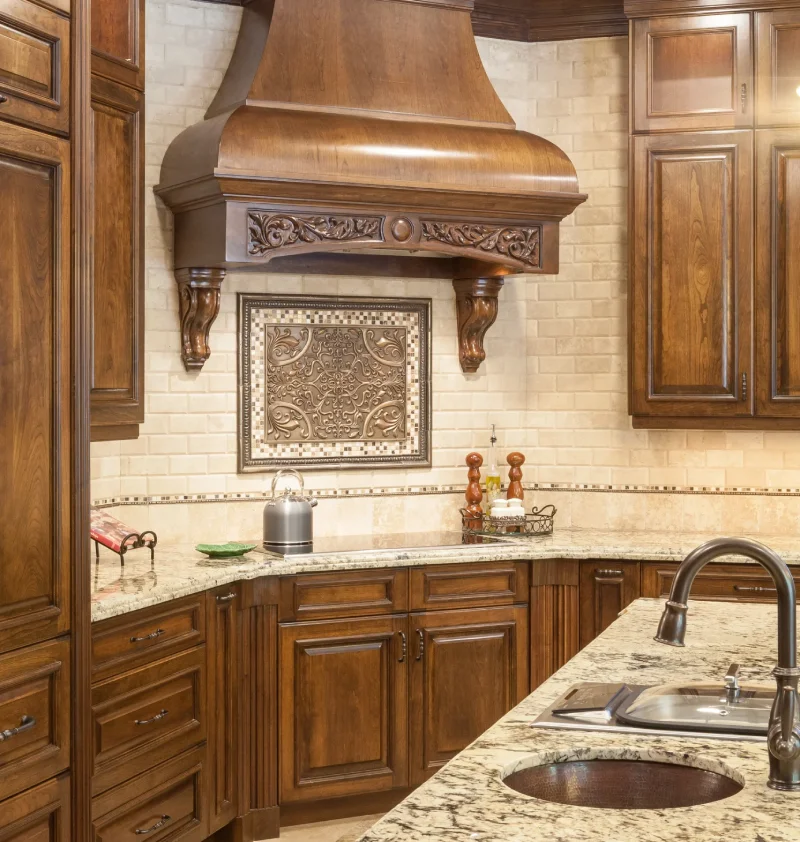
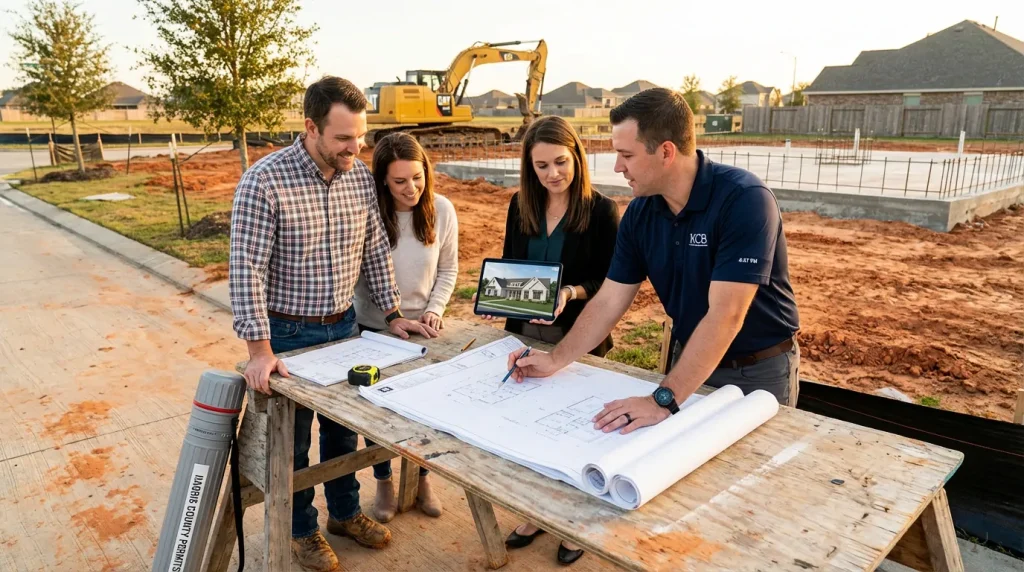
The design-build model consolidates architectural design and construction under one contract and one point of accountability. The traditional architect-then-bid approach separates these functions, requiring homeowners to coordinate independent professionals. For Cypress custom homes navigating Harris County permitting and MPC architectural review boards, design-build eliminates the communication gaps and budget surprises that derail fragmented projects.
Key Takeaways
- Single Point of Accountability: Design-build places architectural design, engineering, and construction under one contract, eliminating the finger-pointing when separate architects and builders disagree over buildability, budget, or timeline.
- Budget Certainty from Day One: Because the design-build team knows construction costs as they design, you avoid the sticker shock of sending completed plans out for bids and discovering the project costs 30% more than expected.
- Faster Project Delivery: The Design-Build Institute of America reports design-build delivers projects faster than traditional methods because design and pre-construction phases overlap instead of running sequentially.
- Cypress Regulatory Navigation: Harris County permitting and community-specific ARB requirements in Bridgeland and Towne Lake add complexity that a design-build firm handles internally rather than passing between separate professionals.
- Protected Design Intent: When one integrated team manages your project from concept through walkthrough, your vision doesn't get diluted by handoff gaps between a designer who imagined it and a builder who interprets it differently.
- Engineering Integration: A design-build firm with in-house structural analysis catches foundation and energy performance issues during design rather than discovering them as costly change orders during construction.
What Is the Difference Between Design-Build and Architect-Then-Bid?
The distinction comes down to who owns the outcome. With design-build, one firm holds responsibility for both your architectural plans and construction. With the traditional architect-then-bid approach (sometimes called design-bid-build), you hire an architect first, finalize drawings, then solicit bids from general contractors and builders separately. The architect and contractor operate under separate agreements with no shared accountability for the final result.
That difference creates practical consequences. In the traditional model, the architect and builder focus on different priorities. The architect handles aesthetics, functionality, and building codes while a separate contractor manages the actual construction cost. We've talked with Cypress homeowners who spent months perfecting plans only to discover no contractor could build them within budget.
Here's the thing. When the architect and builder don't work together from the start, nobody owns the gap between design ambition and construction reality. The architect says the plans are buildable. The contractor says the cost estimate is unrealistic. You're left mediating between professionals who have no contractual obligation to agree.
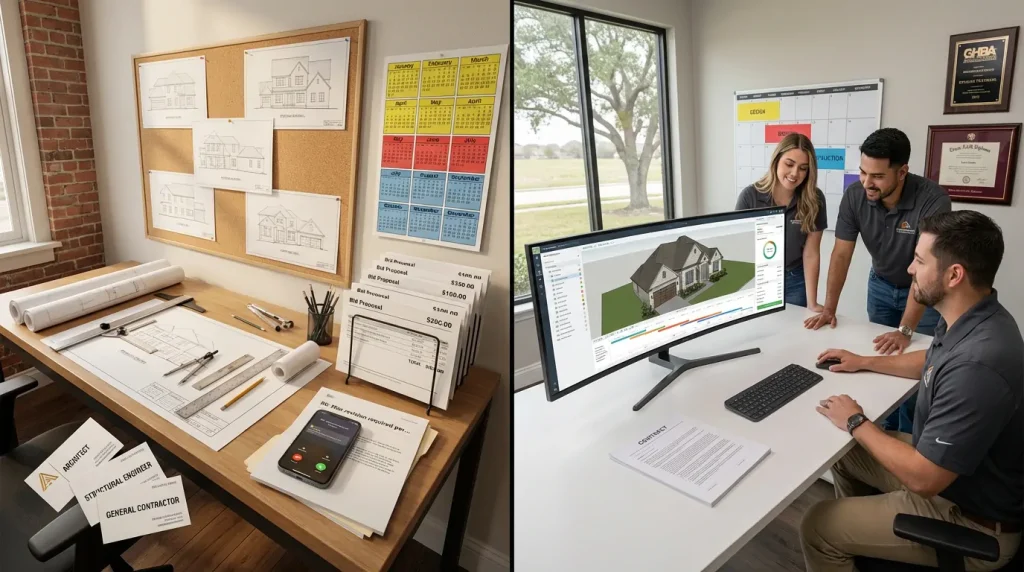
In a design-build arrangement, the construction team participates in design decisions from the first sketch. Material costs, foundation requirements for Cypress's expansive clay soils, Harris County permitting timelines: these factors inform the design as it develops, not after it's finalized.
How Does the Architect-Then-Bid Process Work for Custom Homes?
The traditional approach follows a linear sequence. You hire an architect, develop floor plans and construction documents over several months (architect fees typically run 8-15% of project cost), then take completed drawings to multiple contractors for competitive bids. Each contractor interprets plans differently and may flag design elements they consider impractical or expensive.
After selecting a contractor, you sign a separate construction contract with a defined scope of work. Now you're managing two relationships with separate contracts, separate payment schedules, and separate accountability. If a design issue surfaces during the construction project, the builder calls the architect, who may charge additional fees. The contractor submits a change order. Your budget shifts.
For homeowners building in Cypress communities like Bridgeland or Towne Lake, this fragmented process gets more complicated. ARB submissions require coordinated documentation satisfying both community aesthetic standards and Harris County structural requirements. When your architect and contractor aren't unified, ARB revisions bounce between offices, adding delays throughout the project.
What Are the Advantages of Design-Build for a Cypress Custom Home?
The core advantage is an integrated approach. Your design team and construction team function as a single entity with shared incentives. Designer and builder aren't adversaries negotiating what's buildable at what price. They're colleagues working toward the same outcome under one contract.
Budget transparency happens during design, not after it. As the design process advances, the construction team provides real-time construction cost feedback. Want to add a covered balcony overlooking your Towne Lake lot? Your team can tell you the cost impact before the ink dries. No surprises at bid time because there is no bid time.
Timeline compression is built into the model. Design and construction phases overlap. While architectural plans advance, the construction team schedules subcontractors, orders long-lead materials, and prepares permit applications. The National Association of Home Builders confirms this integrated approach reduces total project duration and delivers cost savings compared to sequential methods.
Communication gaps disappear. When we manage your custom home building process in Cypress, you have a single point of contact and one team interpreting your vision throughout the project. Design intent doesn't get lost in translation between separate offices.
Does Design-Build or the Traditional Method Give You More Design Control?
This is the most common misconception we encounter. Many homeowners assume hiring an independent architect gives them more creative control because the architect works exclusively for them. The reality? Working with an architect vs a design-build firm isn't about control. Design control without budget reality isn't control at all.
Consider what happens. You spend six months with an architect developing your vision. Then bids arrive $200,000 over budget. Now you're redesigning under pressure, cutting features you love, compromising the vision you spent months creating. The homeowner pays the price for a process that separated design from construction cost reality.
| Factor | Design-Build | Architect-Then-Bid |
|---|---|---|
| Budget visibility | Real-time during design | After bids received |
| Design-construction coordination | Continuous, same team | Sequential, separate teams |
| Change order frequency | Lower (issues caught in design) | Higher (field conflicts with plans) |
| Timeline | Overlapping phases | Sequential phases |
| Accountability | Single contract, single entity | Split between architect and builder |
| Cypress ARB navigation | Handled internally | Coordinated between separate firms |
| Cost of design revisions | Included in scope | Additional architect fees |
With design-build, creative control increases because your choices are informed by real construction knowledge from day one. Whether you're planning new construction or a major remodel, you're designing with full awareness of what each decision costs and whether it's structurally feasible for your lot.
How Does Design-Build Handle Cypress's Regulatory Requirements?
Building a custom home in Cypress means satisfying multiple regulatory layers. Harris County requires engineering plans, structural calculations, and permits. If you're in Bridgeland, Towne Lake, or another master-planned community, you also need ARB approval for elevations, materials, landscaping, and sometimes paint colors.
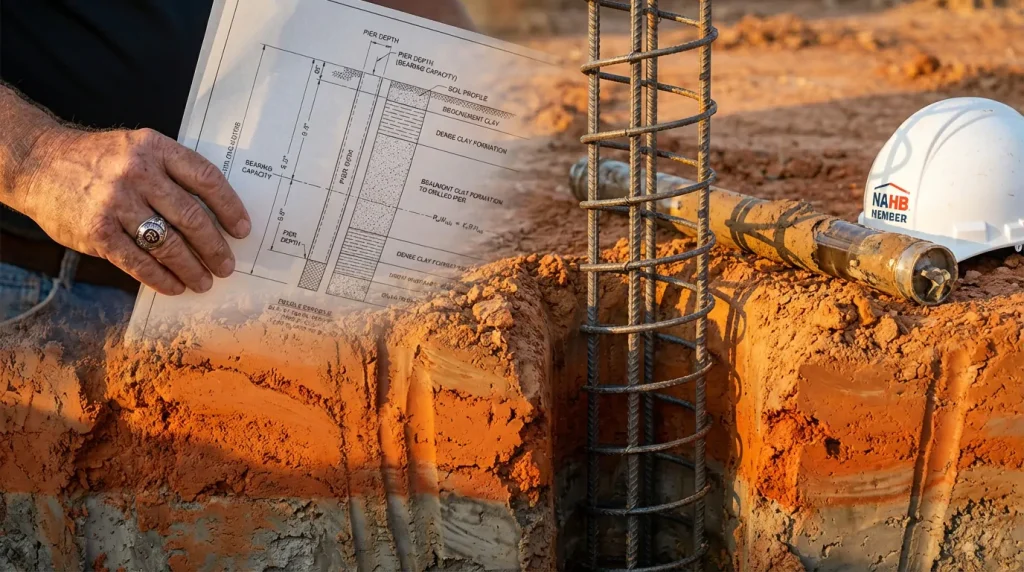
In the traditional model, your architect submits designs to the ARB while the builder you haven't selected has no input on whether ARB-mandated changes affect constructability or cost. A design-build firm manages both tracks as one process, with foundation engineering for Cypress's expansive clay soils built into design rather than emerging as a change order.
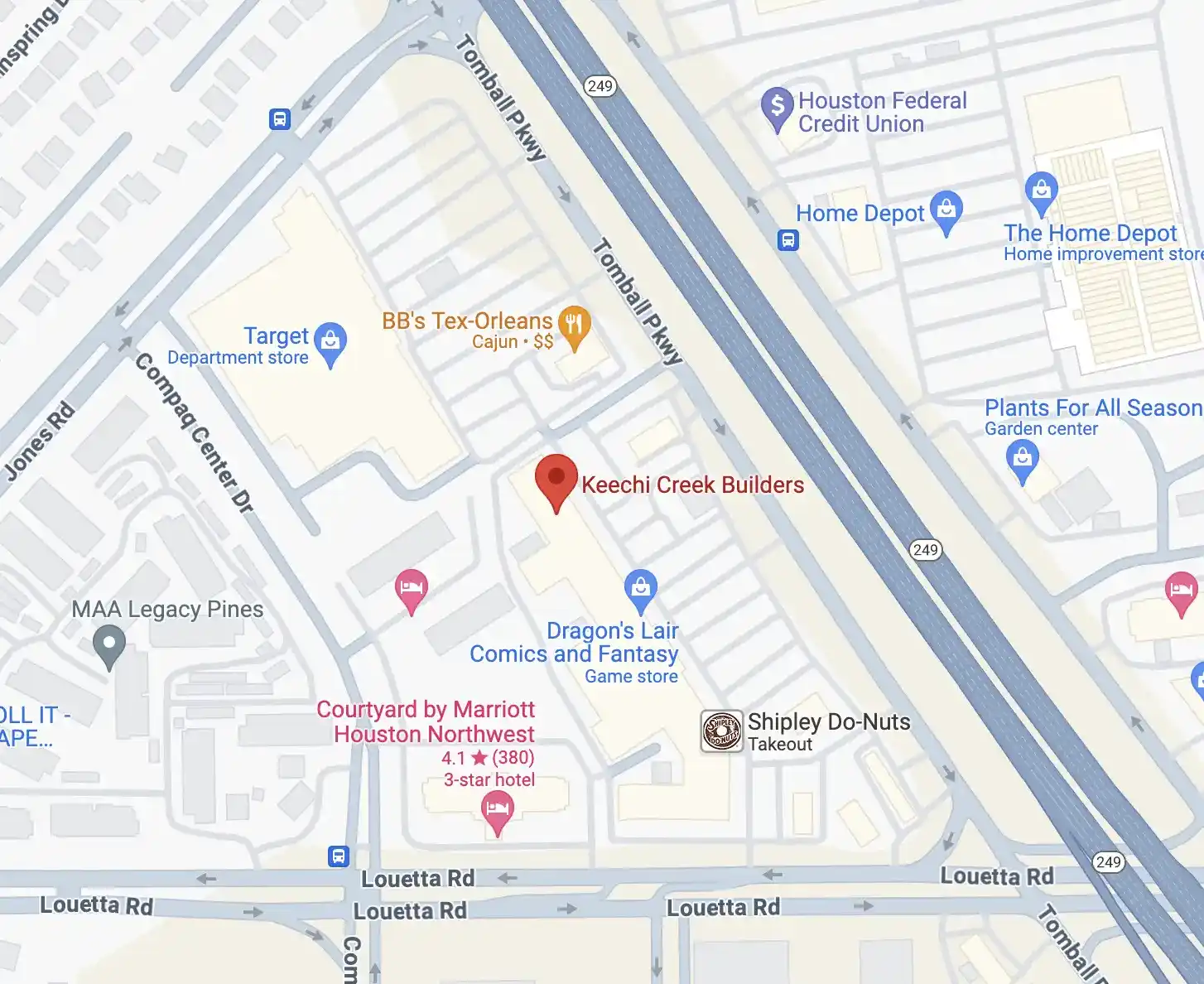
Our team at Keechi Creek Builders navigates these dual-governance requirements daily. Brandon Lynch's engineering background (B.S. AGSM Engineering Business, Texas A&M; GMB, CAPS, CGP certifications) means structural analysis, energy modeling, and foundation engineering happen in-house during design.
When Might the Traditional Architect Route Make Sense?
We believe in giving you an honest assessment. There are situations where hiring a separate architect may be the better fit.
- If your project involves a renowned architect whose specific design philosophy is the primary value you're purchasing, independent engagement preserves that singular creative vision
- If you've inherited or purchased a complete set of construction documents that need no modification, a construction-only contract is more efficient
- If your budget is genuinely unlimited and schedule flexibility exists, the traditional sequential process allows maximum design exploration before committing to a builder
For most Cypress homeowners building a personalized custom residence or major whole-house remodel within a defined budget and timeline, working with a design-build firm delivers a better outcome. The design build approach solves the coordination, cost, and communication problems that plague the traditional method by keeping design and construction under one roof.
How Do You Choose the Right Design-Build Firm in Cypress?
Not all firms calling themselves "design-build" deliver the same integration. Some builders added a designer and relabeled themselves. In a true design-build model, one firm manages architectural design, structural engineering, and construction management as integrated disciplines under one leadership. The design team works alongside the construction team across the entire project.
Ask these questions when evaluating a design-build custom home builder in Cypress:
- Does the firm employ a licensed architect, or use draftspersons without architectural oversight?
- Can they provide 3D virtual walkthroughs before construction begins?
- Do they conduct in-house structural engineering or outsource to a third party?
- How many Cypress projects have they completed through Harris County permits and community ARB submissions?
- Can they offer a guaranteed-maximum contract after design development?
The American Institute of Architects maintains resources on evaluating design professionals. Those criteria apply whether you're hiring an independent architect or choosing a design-build firm to manage your entire project from design phase through construction.
How Does In-House Engineering Change the Design-Build Equation?
Here's where most comparisons miss a critical distinction. A typical design-build firm employs designers and builders but outsources engineering to a third-party structural engineer who reviews plans after development. Better than the traditional model, but it still creates a handoff gap.
A design-build firm with in-house engineering (structural analysis, foundation design, energy modeling) eliminates that gap entirely. Foundation engineering for Cypress's expansive clay soils isn't an afterthought. It's part of the conversation from day one.
We founded Keechi Creek Builders on this principle. Brandon Lynch's Texas A&M engineering education and GMB certification provide structural depth most design-build firms don't possess. With 32 industry awards including GHBA Custom Builder of the Year and an A+ BBB rating since 2011, we've proven that engineering-driven design-build delivers results separate-team approaches struggle to match.
Frequently Asked Questions
Is the design-build model more expensive since everything is bundled together?
Design-build is typically not more expensive when you account for total project cost. Architect fees (8-15%), competitive bidding expenses, change orders from design-construction conflicts, and schedule delays all add cost in the traditional model. Design-build consolidates these and often reduces total expenditure through real-time cost optimization during design.
Can I use my own architect with a design-build firm?
Some design-build firms accommodate owner-selected architects in a modified collaboration. However, this partially recreates the coordination challenges design-build solves. If you have an existing architect relationship, discuss how collaboration would function before committing.
What happens if I don't like the design a design-build firm produces?
The design process is collaborative, with multiple revision rounds, 3D renderings for spatial validation, and your approval required at each milestone. Reputable design-build firms don't hand you a design and say take it or leave it. You retain full creative control throughout design development.
Does design-build work for custom homes or only remodels?
Design-build works across the full spectrum of residential construction, from kitchen remodels to ground-up custom homes. Whether you're planning a bathroom remodel or new construction, the model is particularly effective because coordination scope between design and construction phases is significantly larger than a simple renovation.
How long does a design-build custom home take compared to the traditional method?
Design-build compresses total project duration by overlapping design and pre-construction phases. For a Cypress custom home, expect 12-18 months from first meeting to move-in depending on size and complexity. The traditional architect-then-bid process adds 2-4 months for bidding and contractor selection alone.
What questions should I ask when comparing design-build firms and architects?
Ask how they handle budget management during design, what happens when changes are needed during construction, how they navigate Cypress custom home construction timelines, and whether they can provide references from completed Cypress custom homes in your budget range.
Your Cypress Custom Home Deserves an Integrated Approach
Choosing between design-build and the traditional architect-then-bid model comes down to your priorities, budget discipline requirements, and the regulatory complexity of building in Cypress. If you hire an architect separately, you manage the bid process, contractor selection, and ongoing coordination between design and construction teams yourself. For homeowners who value budget transparency, streamlined communication with a single accountable team, and engineering-integrated design for Cypress's specific soil and regulatory conditions, design-build delivers measurable advantages. The coordination problems and accountability gaps in the traditional model aren't theoretical. They're the common factor in most Cypress projects that go sideways.