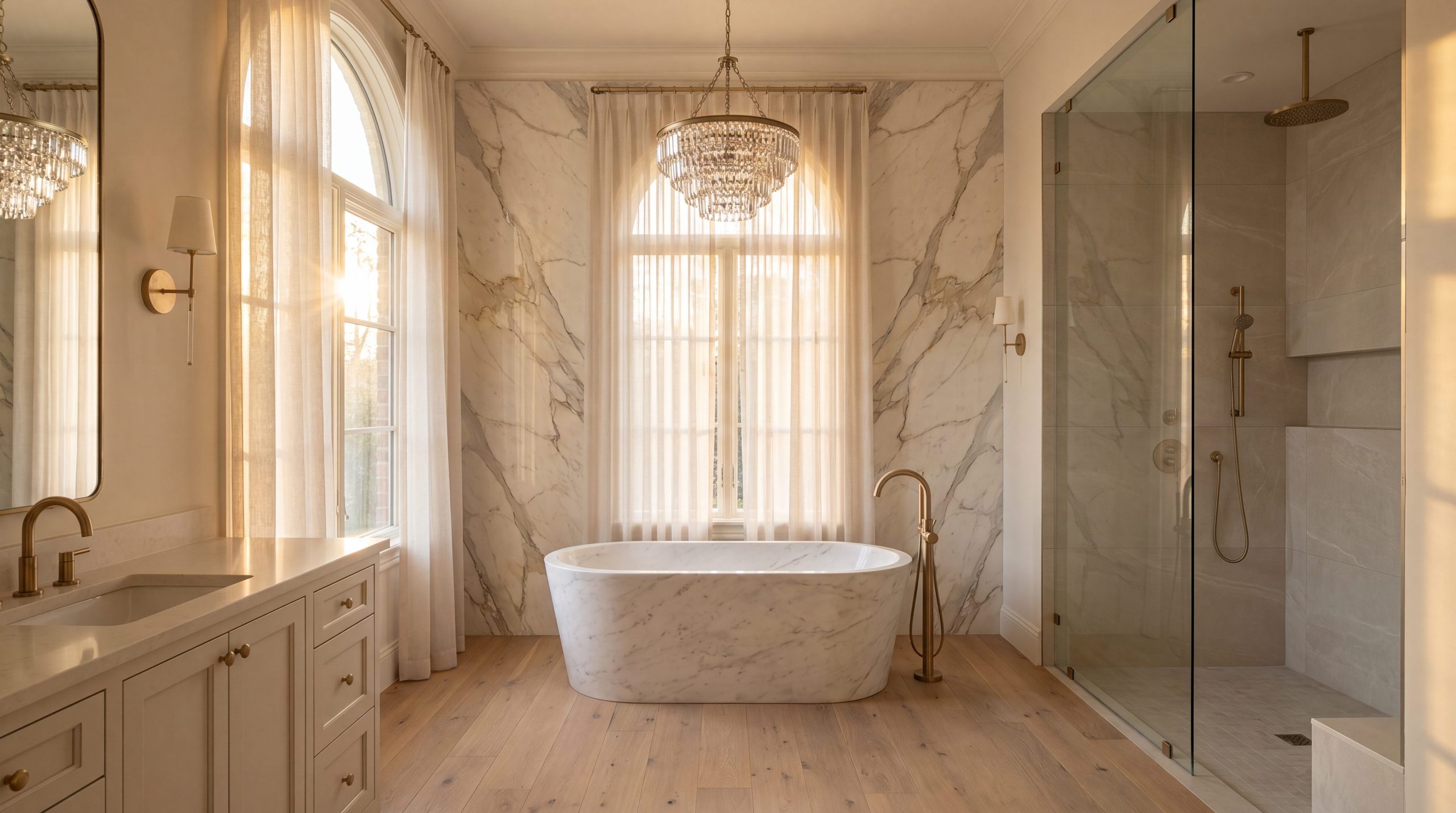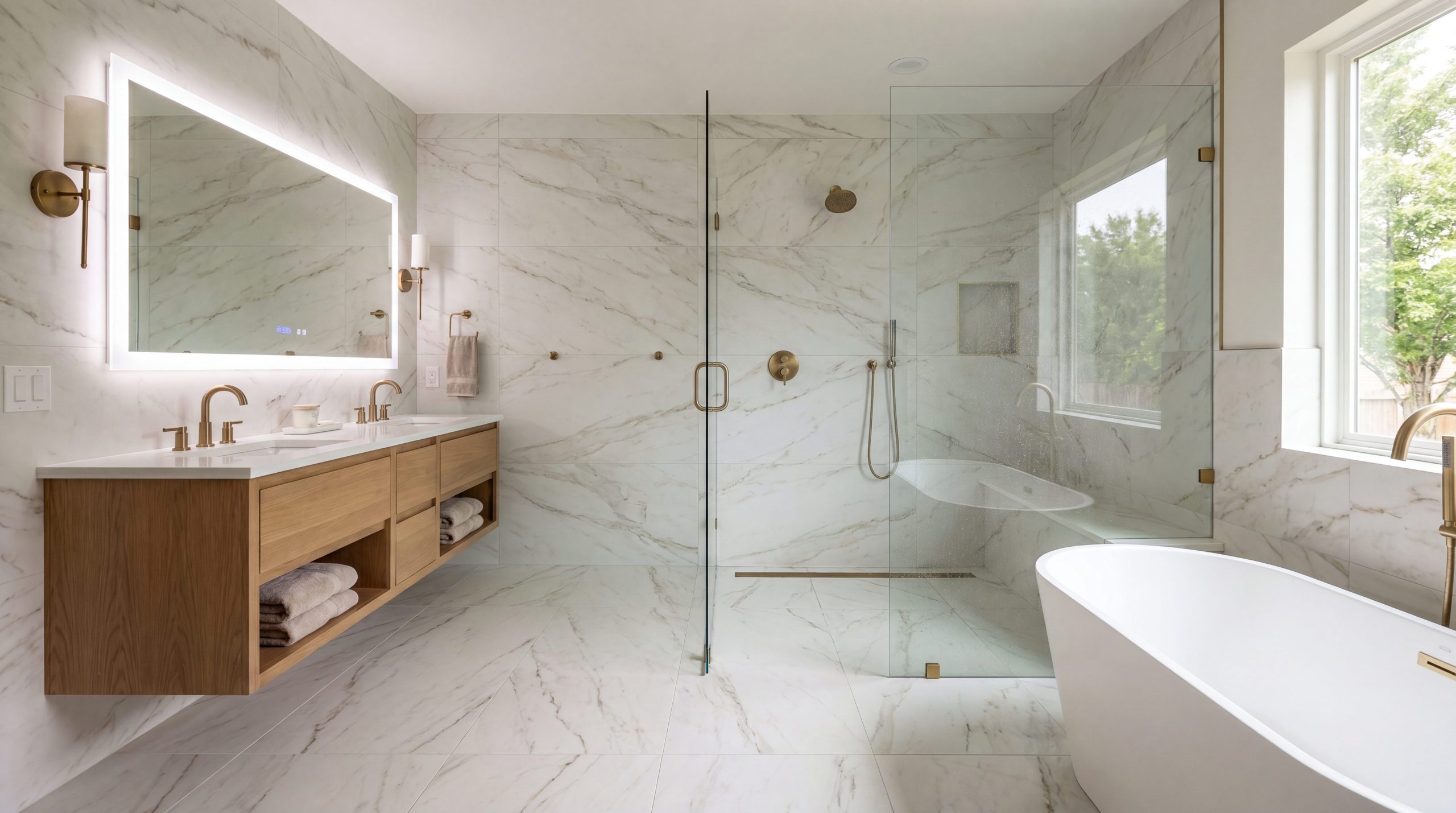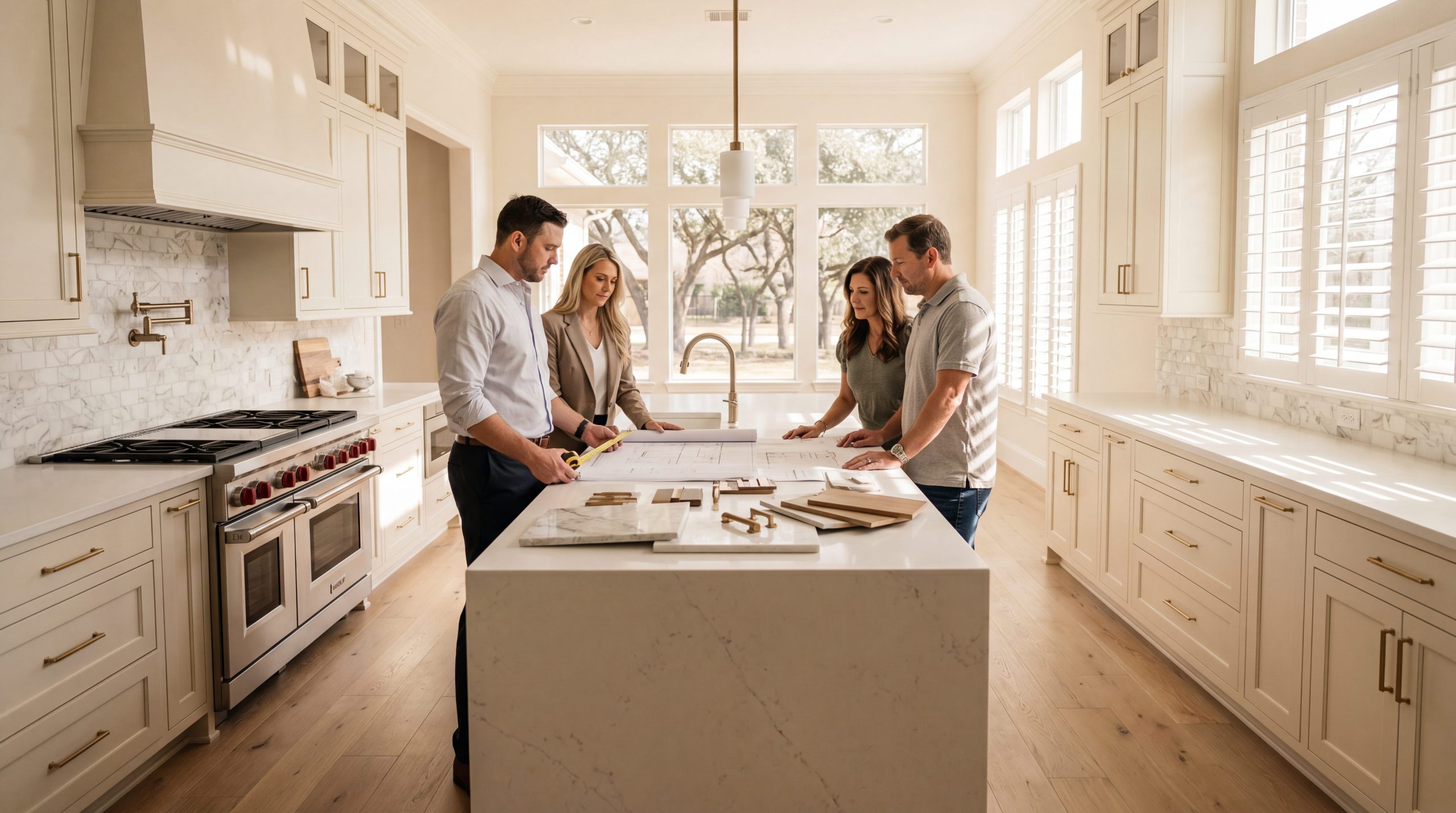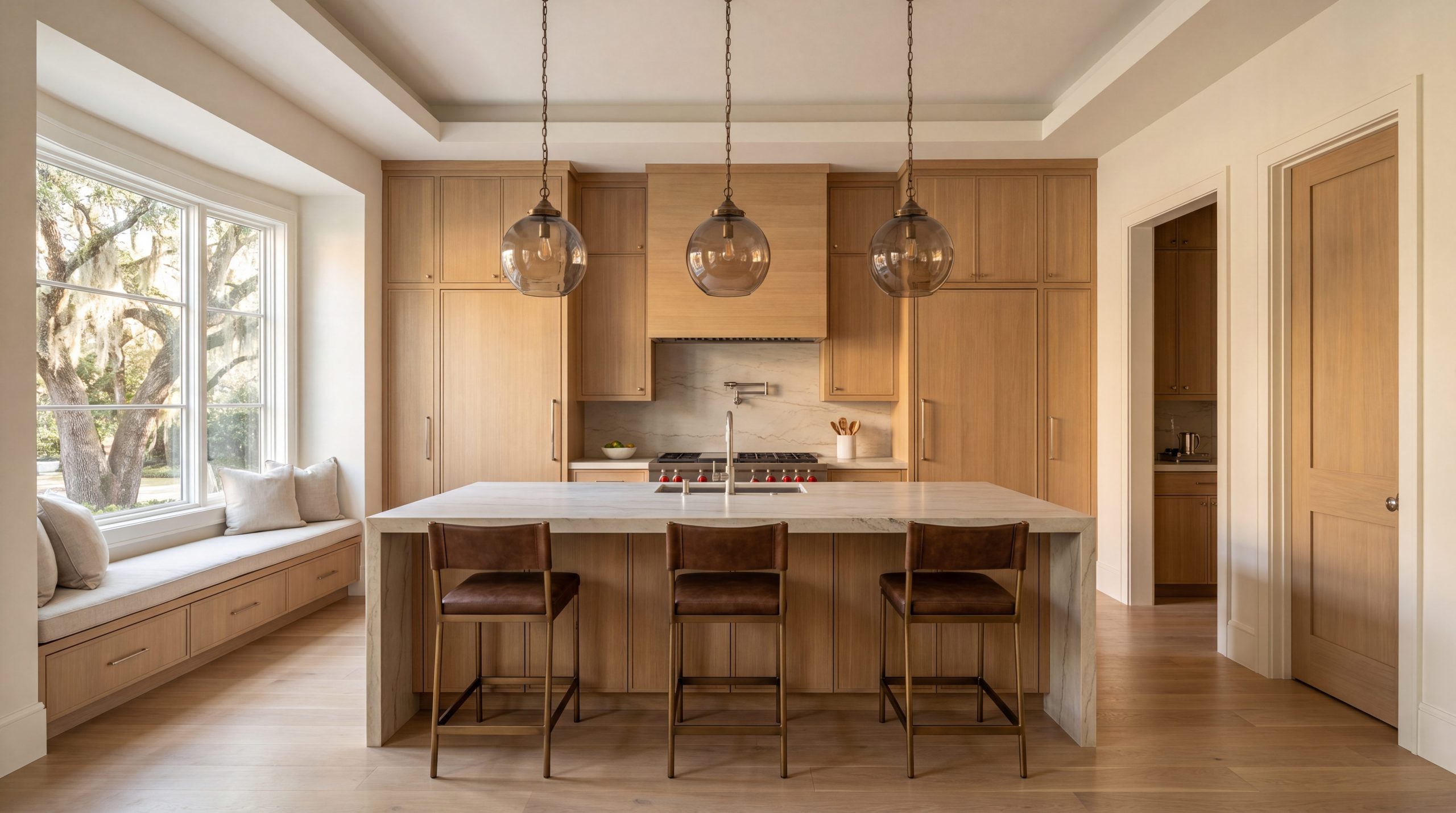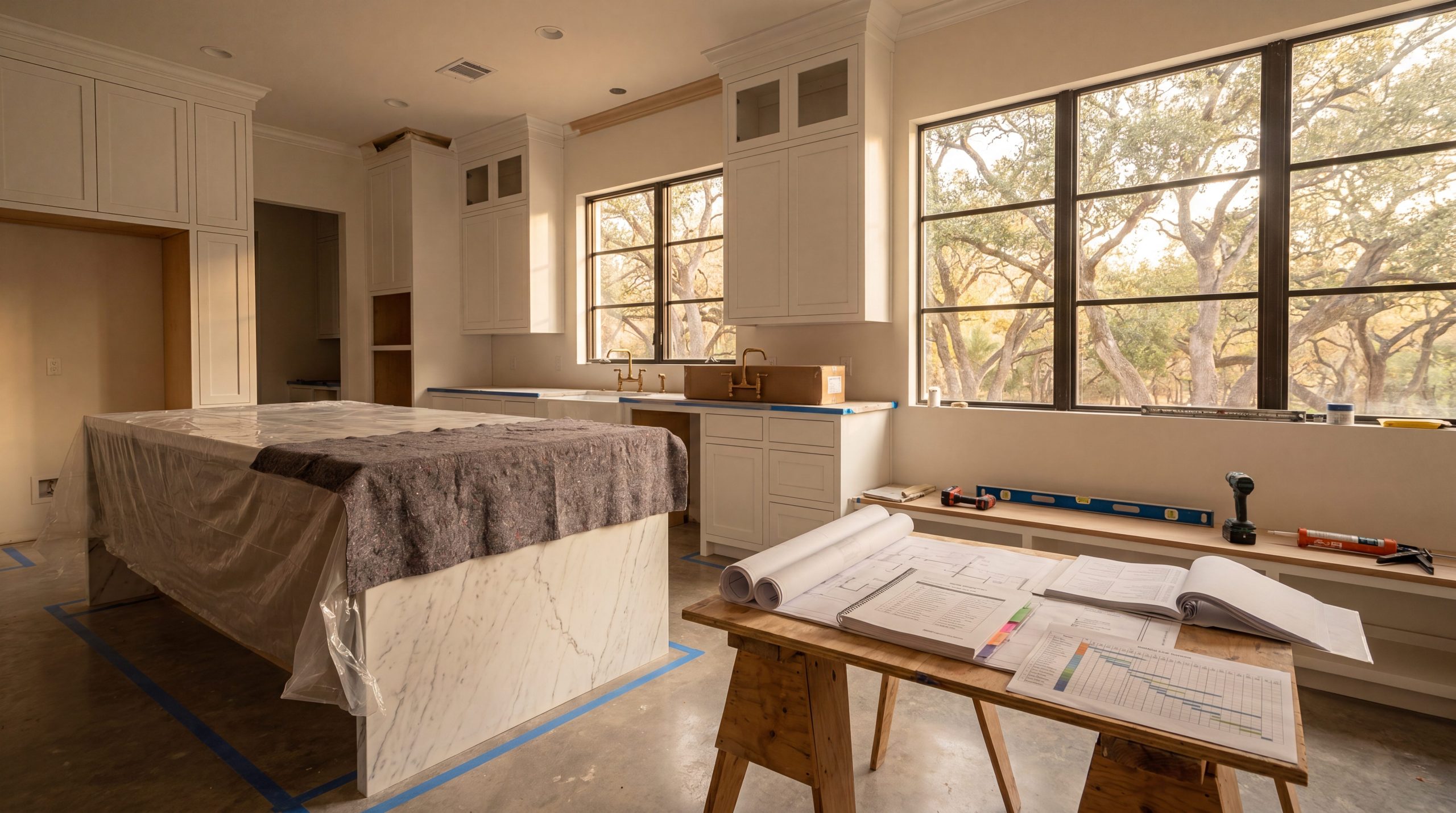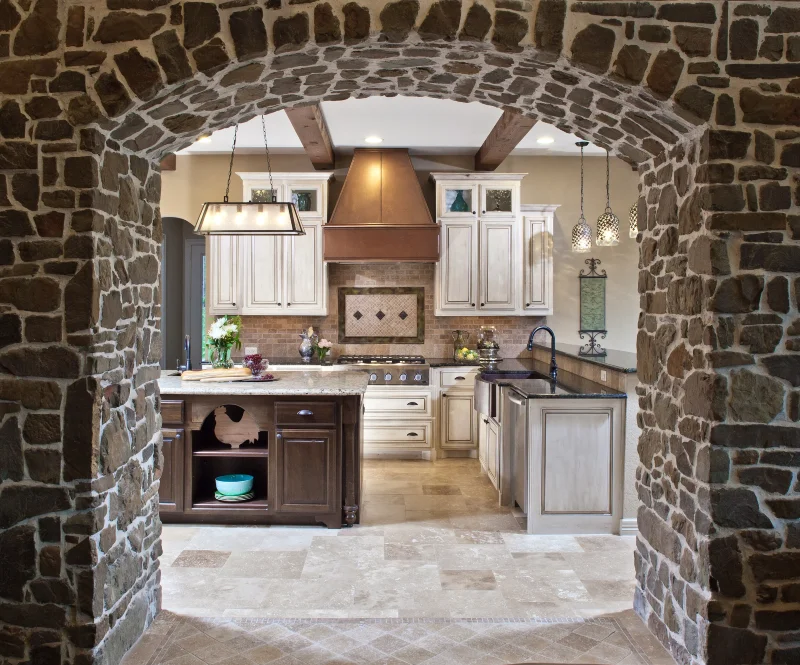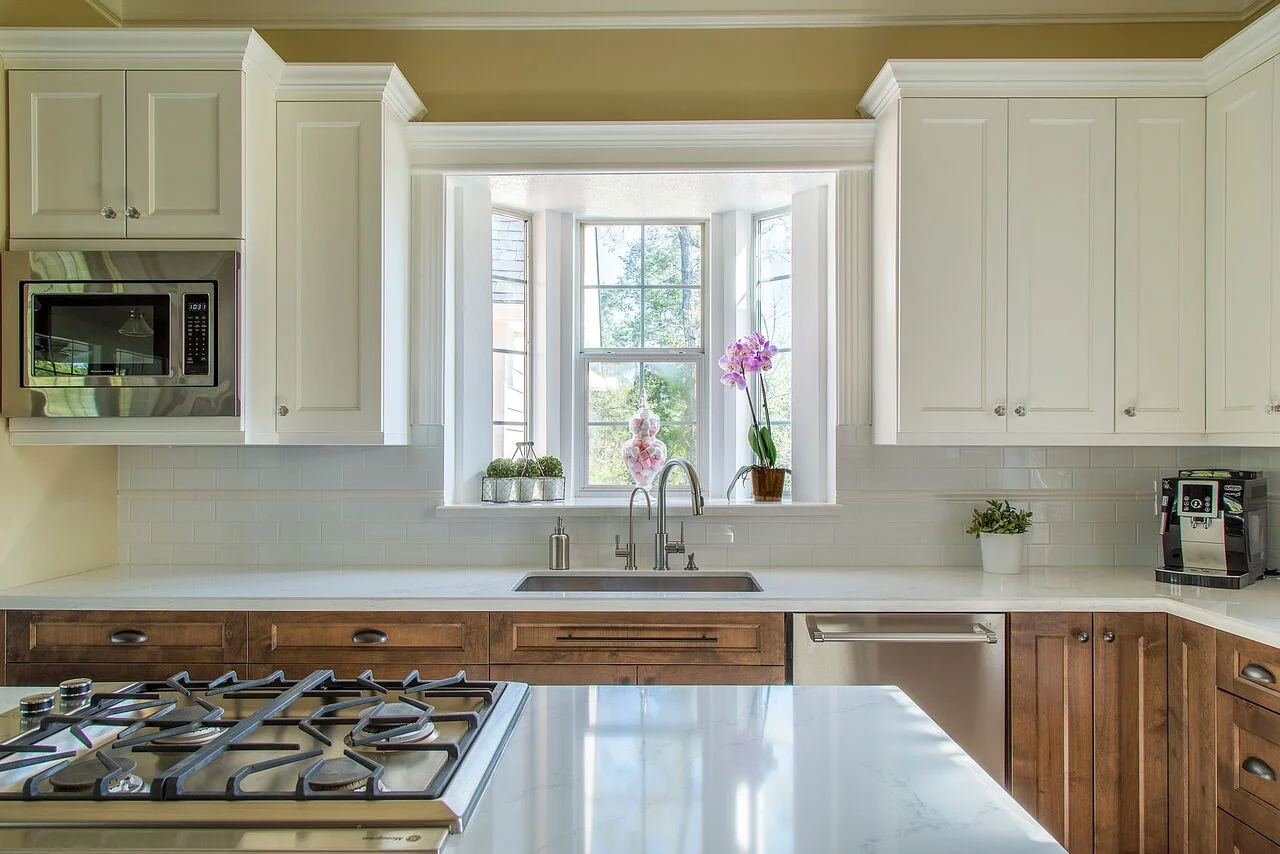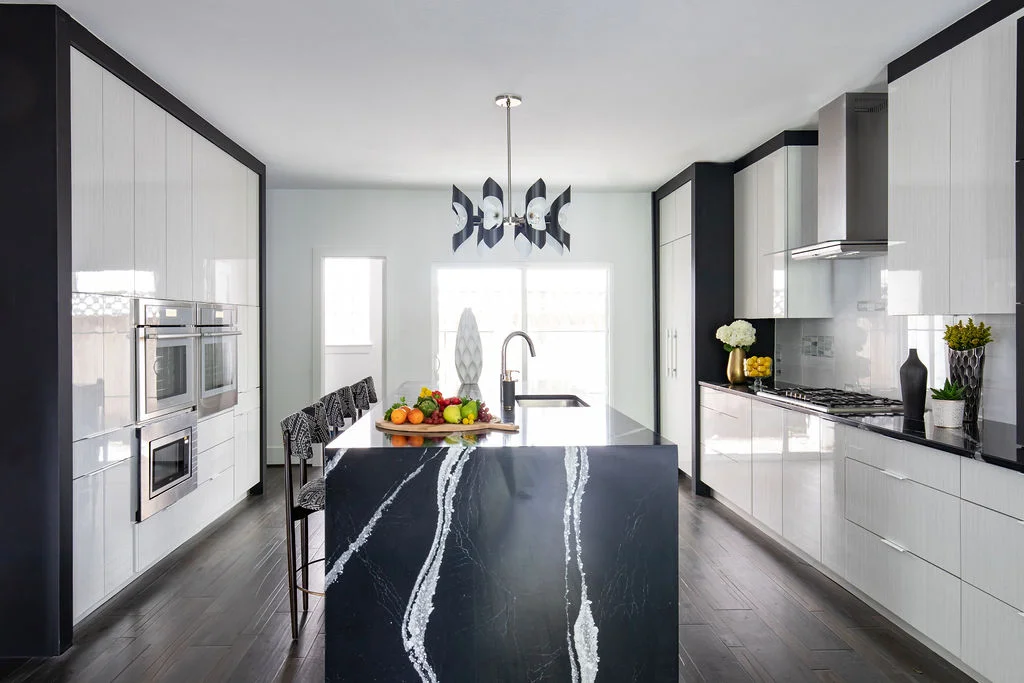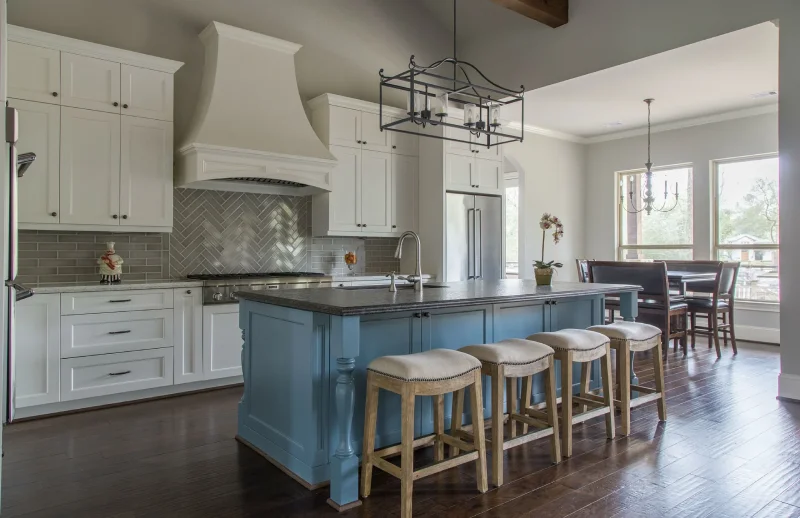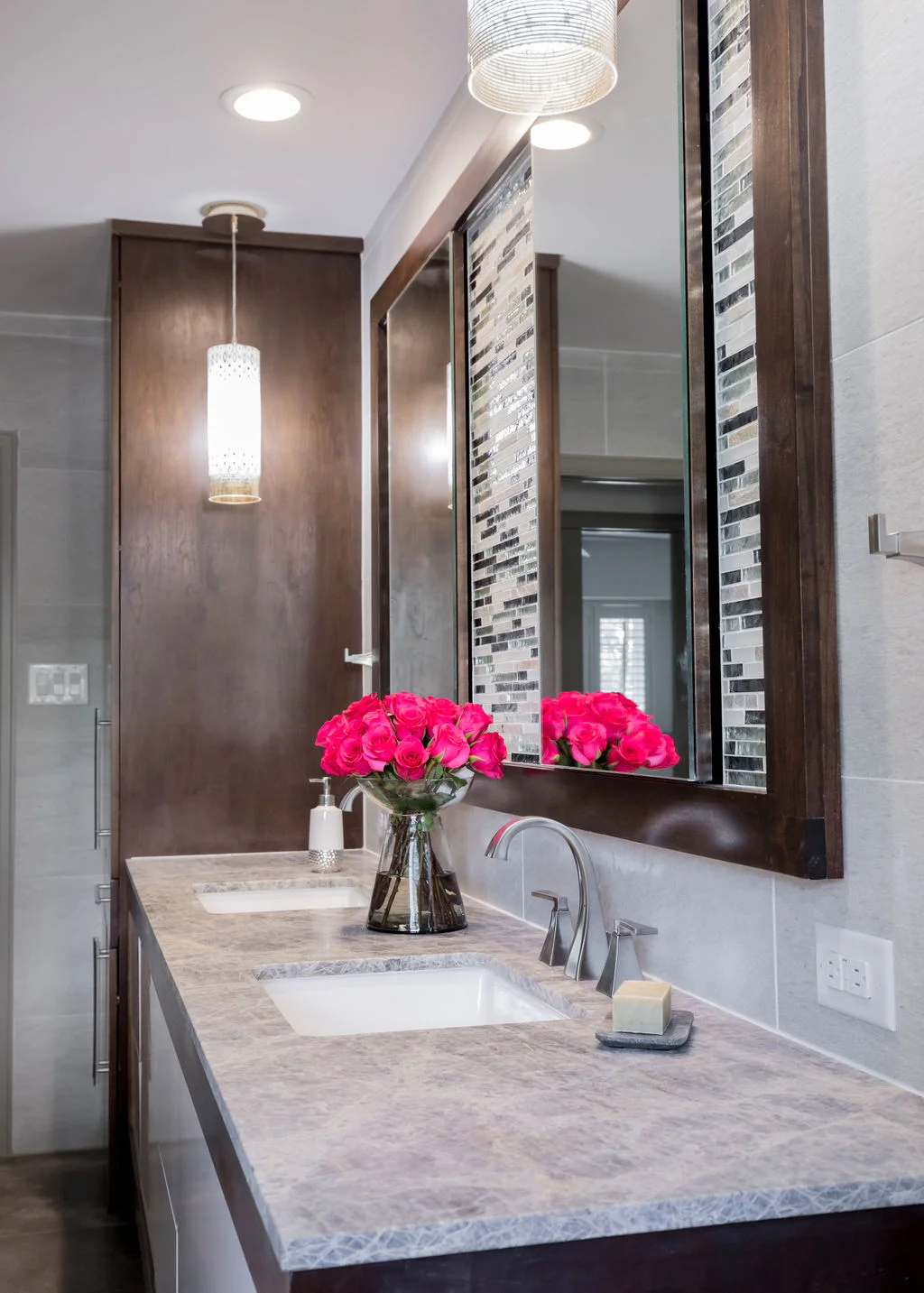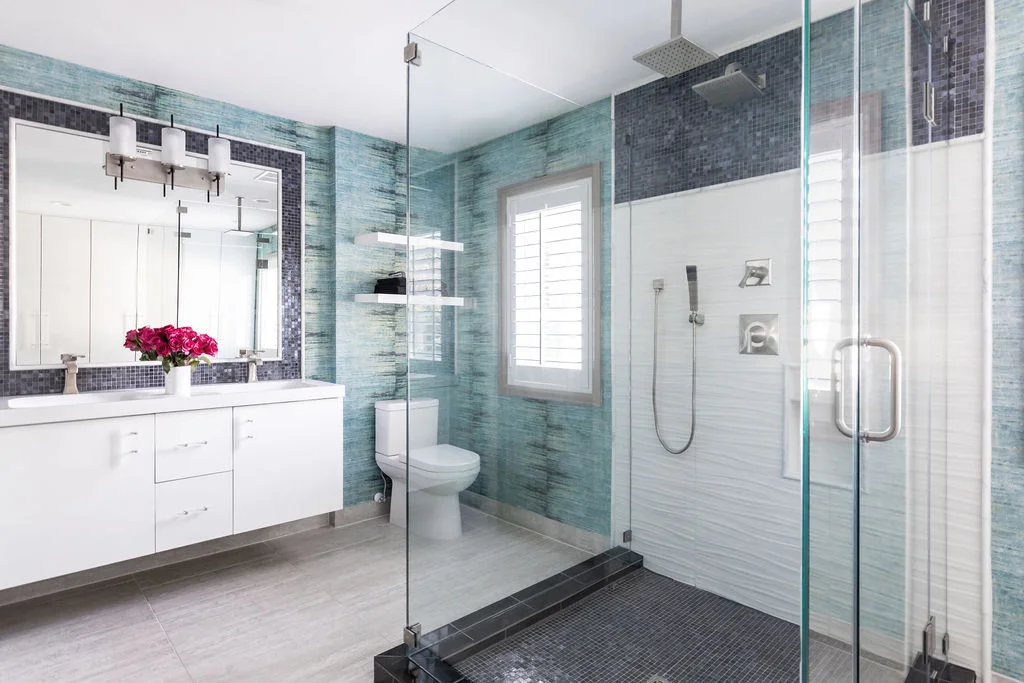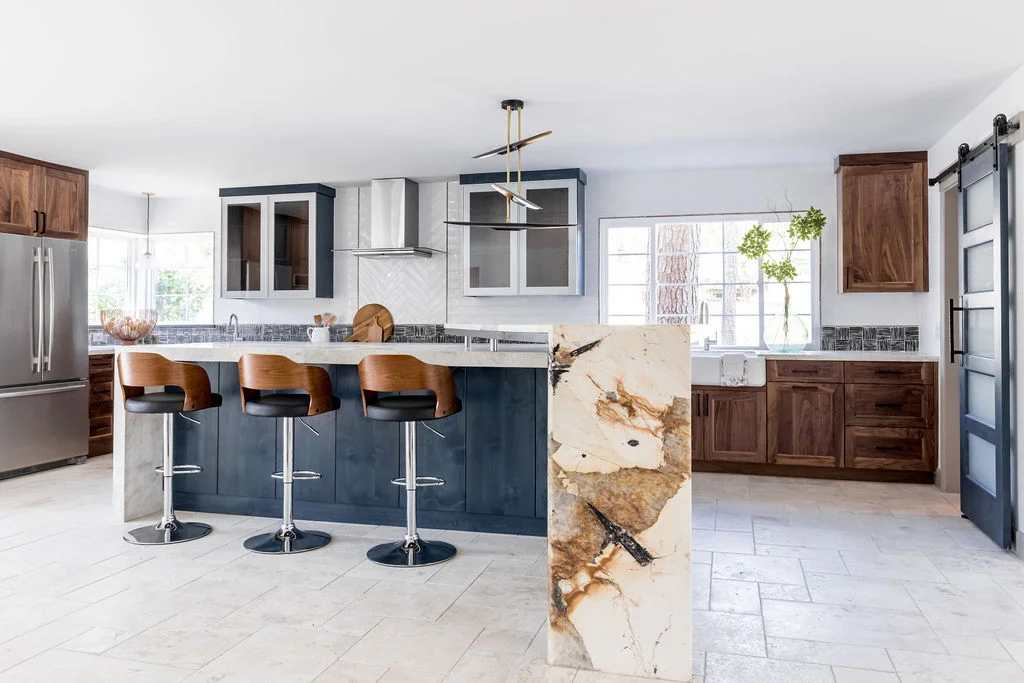
In The Woodlands, Texas, replacing flooring is typically classified as a minor cosmetic update or renovation rather than a "remodel" that requires a permit. While major remodeling projects in The Woodlands—such as those affecting structural elements, mechanical, electrical, or plumbing (MEP) systems—require official permits from The Woodlands Township, simple surface-level changes like flooring usually do not. For custom build homes in The Woodlands, understanding this distinction helps homeowners maintain their luxury properties while ensuring compliance with Township standards and preserving the architectural integrity that defines this prestigious master-planned community.
Introduction
Understanding the distinction between cosmetic updates and major home remodeling projects is essential for homeowners in The Woodlands planning interior improvements. When you're investing in your luxury residence, knowing whether your flooring replacement qualifies as a remodel affects project timelines, budgets, and regulatory compliance. The Woodlands Township maintains specific standards for residential modifications, and flooring work generally falls into the cosmetic category—unless accompanied by structural alterations. This classification determines permit requirements, contractor selection, and how you approach your renovation investment. Whether you're replacing floors throughout your home or working with a contractor for kitchen remodel In The Woodlands, Texas, understanding these regulatory distinctions ensures seamless project execution and protects your substantial investment in your property.
Key Takeaways
• Verify permit requirements by contacting The Woodlands Covenant Administration Department at 281-210-3800 before starting any flooring project, as regulations vary by village and may require review if structural work is involved.
• Budget accordingly for cosmetic flooring updates which typically cost $8-$25 per square foot for luxury materials like engineered hardwood or natural stone, while comprehensive remodeling projects involving layout changes increase investment by 40-60%.
• Schedule professional assessment to evaluate subfloor conditions before flooring installation, as hidden structural issues requiring permits may add 2-4 weeks to your timeline and necessitate Township approval.
• Distinguish between surface updates like carpet-to-hardwood conversion (no permit) versus projects requiring wall removal, room reconfiguration, or MEP system modifications (permit required) to ensure regulatory compliance.
• Plan for quality materials that align with The Woodlands' architectural standards, selecting premium flooring options that preserve property values in this master-planned community where homes average $600,000-$2.5 million.
• Engage licensed contractors experienced with Township covenants and luxury specifications to ensure your flooring project meets both aesthetic expectations and compliance standards without unexpected delays.
Understanding Flooring Replacement as a Home Remodeling Project
The classification of flooring work depends on project scope and impact to your home's structure. In The Woodlands, replacing existing floor surfaces with comparable materials—such as swapping carpet for engineered hardwood or upgrading tile—constitutes a cosmetic enhancement. These surface-level improvements enhance aesthetics and functionality without altering your home's footprint, load-bearing elements, or mechanical systems. Township regulations focus primarily on exterior modifications and structural changes that affect community design standards.
However, when flooring replacement involves additional work beyond surface installation, the project may transition into remodel territory. If you're removing walls to create open-concept spaces, relocating plumbing for radiant floor heating, or repairing compromised subfloor joists, these structural interventions require permits. This distinction becomes particularly important during bathroom renovations In The Woodlands, Texas, where flooring installation often accompanies plumbing modifications, tile shower installations, or layout reconfigurations that definitively trigger permit requirements. The Woodlands Township specifically mandates review for projects affecting MEP systems or altering building layouts, even when conducted entirely indoors.
The distinction matters for luxury homeowners who expect seamless project execution. Professional remodeling firms familiar with Township protocols can assess your flooring goals and determine precise permit requirements. This proactive approach prevents mid-project delays and ensures your investment delivers the sophisticated results that define high-end residences in this prestigious community.
Permit Requirements and Regulatory Framework
The Woodlands Township operates under comprehensive Covenants and Standards that preserve architectural consistency across its villages. For interior modifications, the Township distinguishes between cosmetic updates and major renovations based on specific criteria. Standard flooring replacement—installing new materials over existing subfloors without structural modifications—typically exempts you from permit applications. The Township's Covenant Administration reviews exterior changes, additions, and structural alterations that could impact neighborhood aesthetics or safety.
| Project Category | Permit Status | Review Timeline | Typical Cost Impact |
| Flooring replacement (same-level) | Not required | N/A | $0 additional fees |
| Subfloor structural repair | Required | 10-15 business days | $150-$350 permit fees |
| Floor layout reconfiguration | Required | 15-20 business days | $350-$600 permit fees |
Exceptions arise when flooring work connects to broader renovation goals. If you're converting a formal dining room into a gourmet kitchen extension, the layout modification triggers permit requirements regardless of flooring materials selected. Similarly, installing in-floor heating systems that integrate with your home's HVAC requires electrical and plumbing permits. The Township evaluates whether changes affect structural integrity, utility systems, or exterior appearance when determining permit necessity.
When Cosmetic Work Crosses Into Remodeling Territory
Several scenarios transform simple flooring updates into regulated remodeling projects. Removing load-bearing walls to achieve open-concept living spaces requires engineering assessments and Township approval. Lowering floor levels to install luxurious stone tile in bathrooms involves plumbing modifications and waterproofing that need inspection. Even adding floor-to-ceiling windows that change your home's exterior profile triggers review, regardless of accompanying flooring work.
Understanding these thresholds helps you plan comprehensively. Luxury homeowners in The Woodlands often bundle multiple improvements—updating flooring, reconfiguring layouts, and enhancing lighting—into coordinated projects. Working with experienced design-build firms ensures all elements receive proper permitting while maintaining project momentum toward your vision of refined, personalized living spaces.
Types of Flooring Projects and Their Classifications
Different flooring approaches carry varying regulatory implications in The Woodlands. Direct replacement projects maintain existing room layouts and dimensions, simply upgrading materials for improved aesthetics or performance. These include transitioning from carpet to luxury vinyl plank, refinishing existing hardwood floors, or replacing ceramic tile with natural stone. Such projects preserve subfloor structures and require no changes to walls, doors, or thresholds.
Expansion projects involve extending flooring into previously separate areas, often requiring threshold modifications or minor framing adjustments. Converting carpeted bedrooms and tiled bathrooms to continuous hardwood throughout creates visual flow but may need door undercuts and transition work. While still generally cosmetic, these projects approach remodeling classification if they involve removing walls or relocating doorways to achieve seamless transitions.
Comprehensive renovation projects integrate flooring as one component of extensive interior transformation. These undertakings often include layout reconfigurations, fixture relocations, and structural modifications that definitively require permits. A kitchen remodel installing heated tile floors while moving the island, upgrading appliances, and adding recessed lighting exemplifies coordinated improvements where flooring is inseparable from the broader remodeling scope.
Material Selection and Installation Considerations
| Flooring Type | Typical Lifespan | Permit for Installation | Luxury Market Preference |
| Engineered hardwood | 25-30 years | No | High (60% of luxury homes) |
| Natural stone tile | 50+ years | No* | Very high (40% of luxury homes) |
| Luxury vinyl plank | 15-20 years | No | Moderate (growing 25% annually) |
| Solid hardwood | 75-100 years | No | Highest (70% of custom builds) |
*Unless involving radiant heating or significant subfloor modification
The Woodlands' affluent homeowners prioritize materials that balance timeless aesthetics with durability. Engineered hardwood offers stability in Texas humidity while delivering the warmth of natural wood. Natural stone—travertine, marble, or slate—provides the substantial quality expected in luxury residences. Even high-end luxury vinyl products now replicate authentic wood and stone appearances while offering superior moisture resistance for areas prone to humidity.
Material selection influences installation complexity and potential permit needs. Solid hardwood installation over concrete slabs may require sleeper systems that don't alter structure. Heavy natural stone on upper floors might necessitate load calculations, particularly in older homes. Professional contractors assess these factors during planning, ensuring your material choices align with both aesthetic goals and regulatory requirements.
The Woodlands Community Standards and Compliance
The Woodlands' master-planned design maintains property values through consistent architectural standards across its villages. The Township's Covenant Administration oversees compliance, focusing primarily on exterior modifications visible from streets or neighboring properties. Interior work including flooring typically escapes Covenant review unless it produces exterior changes—such as modified entryways, changed window configurations, or additions affecting rooflines.
Individual villages within The Woodlands may apply supplementary restrictions. Some neighborhoods require pre-approval for any contractor work, even cosmetic projects, to ensure professionals meet community standards. Others mandate notification for projects exceeding certain dollar thresholds. Homeowners associations in specific sections may review material choices visible through windows or during open-house events, maintaining neighborhood aesthetic consistency.
Navigating Village-Specific Requirements
The Woodlands comprises multiple villages—Sterling Ridge, Panther Creek, Cochran's Crossing, Alden Bridge, and others—each with subtle regulatory variations. While Township-wide standards govern structural and exterior changes uniformly, village associations may impose additional guidelines. Before commencing flooring projects, especially those approaching $50,000 in value, confirm requirements with both Township administration and your specific village HOA.
This multi-layered governance protects your property investment. Consistent standards preserve the refined character that makes The Woodlands one of Texas' most desirable communities. When planning flooring updates or comprehensive remodeling, working with contractors familiar with these nuances ensures smooth approvals and protects you from potential compliance issues that could complicate future property sales.
Cost Implications and Project Planning
Budget planning for flooring projects requires understanding how classification affects overall investment. Straightforward replacement projects in The Woodlands luxury homes typically range from $15,000 to $65,000 depending on square footage and material selection. These costs include demolition of existing floors, subfloor preparation, premium material purchase, professional installation, and finishing details like custom transitions and baseboards.
When projects escalate to remodeling classification, additional expenses emerge. Permit fees in Montgomery County and The Woodlands Township range from $150 for minor modifications to $600+ for comprehensive renovations. Engineering assessments for structural changes add $1,500-$3,500. If flooring work reveals hidden issues—water damage, inadequate subflooring, or pest damage—remediation costs can increase budgets by 20-35% while simultaneously triggering permit requirements for repairs.
| Project Scope | Typical Investment Range | Timeline | Permit Requirements |
| Single-room flooring update | $5,000-$18,000 | 3-7 days | None |
| Whole-home flooring replacement | $25,000-$85,000 | 2-4 weeks | None (unless structural issues found) |
| Flooring + layout modification | $45,000-$150,000 | 6-12 weeks | Yes—structural permits required |
Luxury homeowners benefit from comprehensive project planning that anticipates potential complications. Professional design-build firms conduct thorough pre-construction assessments, identifying structural concerns before material orders. This approach prevents budget overruns and timeline extensions, delivering the predictable, high-quality experience that defines premium home improvement services.
Timeline Considerations for Flooring Projects
Project duration varies based on scope and permit requirements. Cosmetic flooring replacement in a 3,000-square-foot Woodlands home typically requires 10-14 days from demolition to final walk-through. This timeline accommodates material delivery, acclimation (essential for hardwood in Texas humidity), installation, and finishing. Homeowners can often remain in residence with proper dust containment and phased room completion.
Remodeling projects incorporating flooring alongside structural changes extend timelines significantly. Permit acquisition alone adds 2-3 weeks before work begins. Structural modifications, MEP system updates, and inspection requirements can stretch projects to 8-16 weeks. However, this extended timeline delivers comprehensive transformation—open-concept living, enhanced lighting, upgraded systems—that superficial updates cannot achieve.
Working with Professional Remodeling Contractors
Selecting qualified contractors determines project success in The Woodlands' luxury market. Professional remodeling firms bring expertise in Township regulations, access to premium materials, and proven processes that deliver exceptional results. When evaluating contractors for flooring work—whether cosmetic updates or comprehensive remodeling—verify licensing, insurance coverage, and specific experience with high-end residential projects in master-planned communities.
Established contractors understand The Woodlands' unique requirements. They maintain relationships with Township officials, streamlining any necessary permit processes. Their supplier networks provide access to exclusive flooring materials—hand-scraped hardwoods, imported stone, custom-finished luxury vinyl—unavailable through retail channels. Most importantly, experienced firms provide accurate project assessments, distinguishing truly cosmetic work from renovations requiring permits before you commit resources.
The design-build approach offers particular advantages for luxury remodeling. This integrated service combines architectural design, material selection, permitting, and construction management under unified leadership. For homeowners planning flooring updates within broader renovation goals—kitchen expansion, bathroom spa conversions, or whole-home modernization—design-build firms deliver cohesive results that honor your lifestyle vision while navigating regulatory requirements seamlessly.
Quality Assurance and Warranty Considerations
Premium contractors stand behind their work with comprehensive warranties covering both materials and installation. Flooring manufacturers typically provide 25-50 year warranties on engineered hardwood and lifetime warranties on luxury vinyl products. However, these manufacturer guarantees require professional installation per specifications. Contractor workmanship warranties—typically 2-5 years for labor—protect against installation defects and ensure long-term performance.
In The Woodlands, where property values justify premium service expectations, quality assurance extends beyond basic warranties. Leading remodeling firms provide detailed project documentation, maintain communication throughout construction, and conduct thorough post-completion reviews. This attention to detail prevents issues that could affect future property sales or refinancing, where lenders and buyers scrutinize renovation permits and professional work verification.
Strategic Considerations for Luxury Home Updates
Affluent homeowners approach flooring decisions strategically, considering how updates affect property value, lifestyle enhancement, and long-term satisfaction. In The Woodlands' competitive luxury market, flooring quality signals overall home maintenance and influences buyer perceptions during eventual resales. Premium materials properly installed maintain and often increase property values, particularly when consistent with neighborhood standards.
Lifestyle considerations equally influence flooring decisions. Active families with children and pets prioritize durability and maintenance ease, favoring engineered hardwood or luxury vinyl that withstands daily use while maintaining sophisticated appearance. Empty-nesters and professionals often select statement materials—wide-plank reclaimed hardwood, honed marble, or exotic bamboo—that reflect personal style and create distinctive interiors worthy of entertaining.
Integration with home technology represents an emerging consideration. Radiant floor heating systems, increasingly popular in luxury bathrooms and kitchens, require specific flooring materials and installation techniques. While adding such systems transforms cosmetic flooring updates into permitted remodeling projects, the enhanced comfort and energy efficiency justify the additional investment and complexity for many Woodlands homeowners.
Return on Investment Analysis
Flooring updates deliver measurable ROI, particularly when executed to luxury standards. Industry data indicates premium flooring installations recoup 70-85% of costs at resale in affluent markets like The Woodlands. This compares favorably to many remodeling projects, while offering the additional benefit of immediate enjoyment. Hardwood flooring specifically appeals to luxury buyers, with 78% of realtors reporting such homes sell faster and at premium prices.
Comprehensive remodeling projects incorporating flooring alongside layout improvements, kitchen remodeling, or bathroom renovations deliver even stronger returns. These coordinated improvements create cohesive, modern spaces that command significant price premiums. In The Woodlands, where median home values exceed $500,000, strategic remodeling investments of $100,000-$250,000 often generate returns of 80-95% while dramatically enhancing quality of life during ownership.
Frequently Asked Questions
Does refinishing existing hardwood floors require a permit in The Woodlands?
No, refinishing existing hardwood floors is classified as routine maintenance and does not require a permit from The Woodlands Township. This process involves sanding down the current finish, addressing minor surface damage, and applying new stain and protective coatings. However, if refinishing reveals significant structural damage to subflooring or joists requiring repair, those remediation efforts may trigger permit requirements. Professional flooring contractors assess structural integrity before refinishing to identify potential complications.
Can I install heated floors without obtaining a building permit?
Installing radiant floor heating systems typically requires electrical and plumbing permits in The Woodlands, as these systems integrate with your home's mechanical infrastructure. Electric mat systems need electrical permits to ensure proper circuit capacity and safety compliance. Hydronic systems circulating heated water require plumbing permits and potentially HVAC modifications. While the flooring installation itself remains cosmetic, the underlying heating infrastructure definitively qualifies as remodeling work requiring Township review and inspection before activation.
How do I verify if my flooring project needs Covenant review?
Contact The Woodlands Township Covenant Administration Department at 281-210-3800 with specific project details including your village location, scope of work, and any structural modifications planned. While standard flooring replacement rarely requires Covenant review, projects involving exterior changes—modified entryways, changed window sizes, or additions—trigger mandatory approval processes. Additionally, check with your specific HOA, as some neighborhoods require notification for contractor work regardless of permit status to maintain community standards.
What constitutes structural changes that require permits for flooring work?
Structural modifications requiring permits include removing or altering load-bearing walls, changing floor levels, repairing or replacing joists and beams, modifying drainage systems, and installing heavy materials requiring load calculations. If your flooring project involves only surface replacement—removing existing materials and installing new flooring over sound, existing subfloors—no structural permit is needed. However, any work affecting your home's framework, foundation, or mechanical systems transitions the project into regulated remodeling requiring Township approval and inspection.
How long does permit approval take for flooring-related remodeling projects?
The Woodlands Township typically processes residential remodeling permit applications within 10-20 business days, depending on project complexity and current application volume. Simple structural repairs might receive approval in 10-12 days, while comprehensive renovations involving multiple systems could require 15-20 days for review. Incomplete applications or projects requiring engineering assessments extend timelines further. Experienced contractors expedite approvals by submitting complete, detailed applications and maintaining established relationships with Township officials, minimizing delays to your project timeline.
Are there specific flooring materials restricted in The Woodlands?
The Woodlands Township does not restrict interior flooring material choices, as Covenant standards focus primarily on exterior aesthetics and community consistency. However, individual HOAs in specific villages may have preferences or restrictions, particularly for materials visible through windows or during home tours. When selecting luxury materials like exotic hardwoods, natural stone, or specialty products, verify any neighborhood-specific guidelines with your HOA. Professional remodeling firms familiar with The Woodlands provide guidance on material selections that satisfy both personal preferences and community standards.
Conclusion
Understanding the classification of flooring work in The Woodlands empowers you to plan home improvements confidently. While surface-level flooring replacement typically qualifies as cosmetic renovation exempt from permits, projects involving structural changes, layout modifications, or MEP system integration require Township approval. This distinction affects budgets, timelines, and contractor selection, making professional guidance essential for luxury homeowners pursuing sophisticated results.
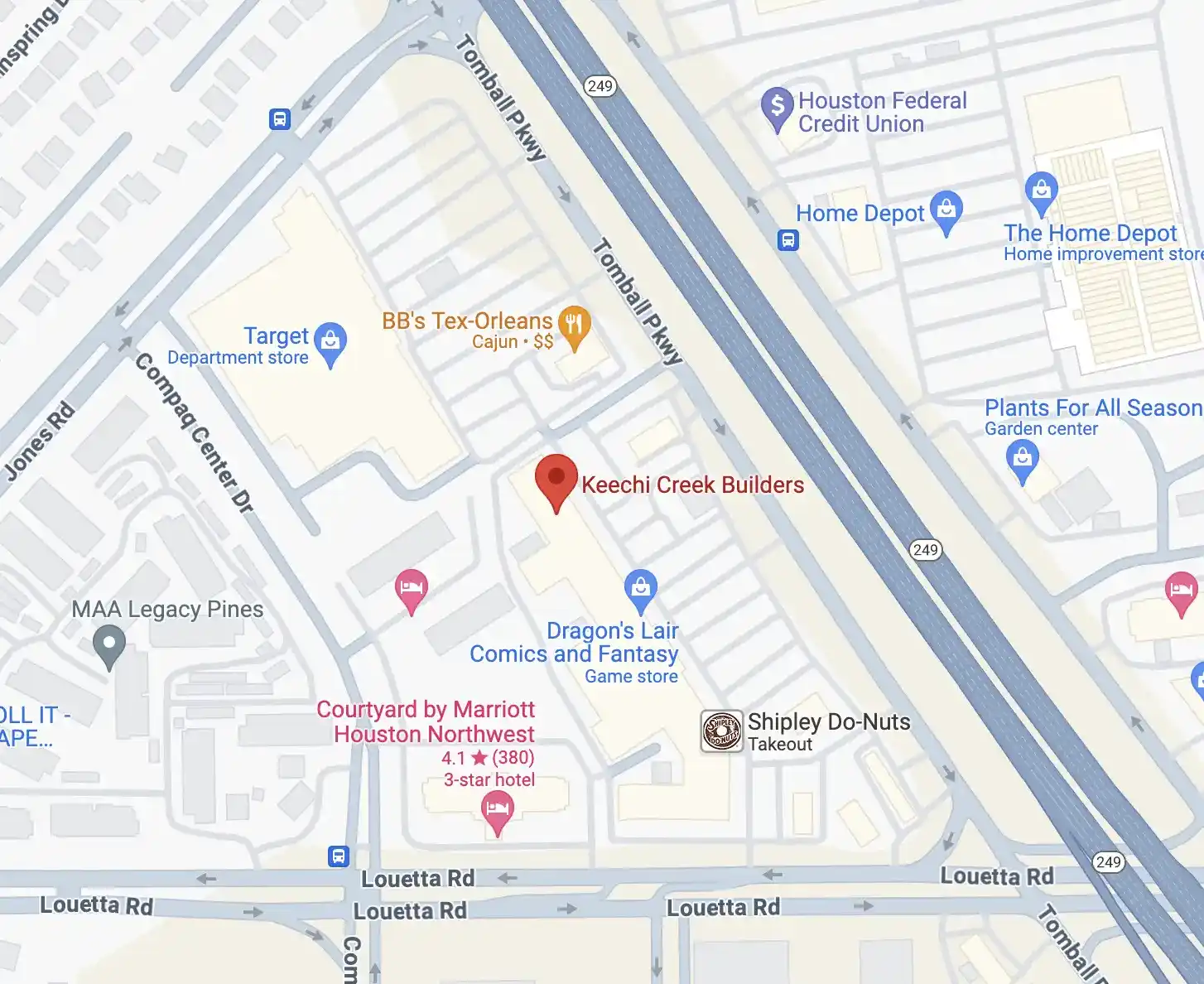
The investment in premium flooring—whether standalone updates or components of comprehensive remodeling—enhances daily living while protecting property values in this prestigious community. When you're ready to transform your Woodlands residence with exceptional craftsmanship and personalized attention to detail, Keechi Creek Builders delivers the white-glove service and proven expertise that defines luxury home remodeling. Contact our team at 281-688-1454 or visit keechicreekbuilderstx.com to schedule your complimentary consultation and discover how we bring your vision of refined, custom living spaces to life throughout The Woodlands, Magnolia, Tomball, and surrounding areas.