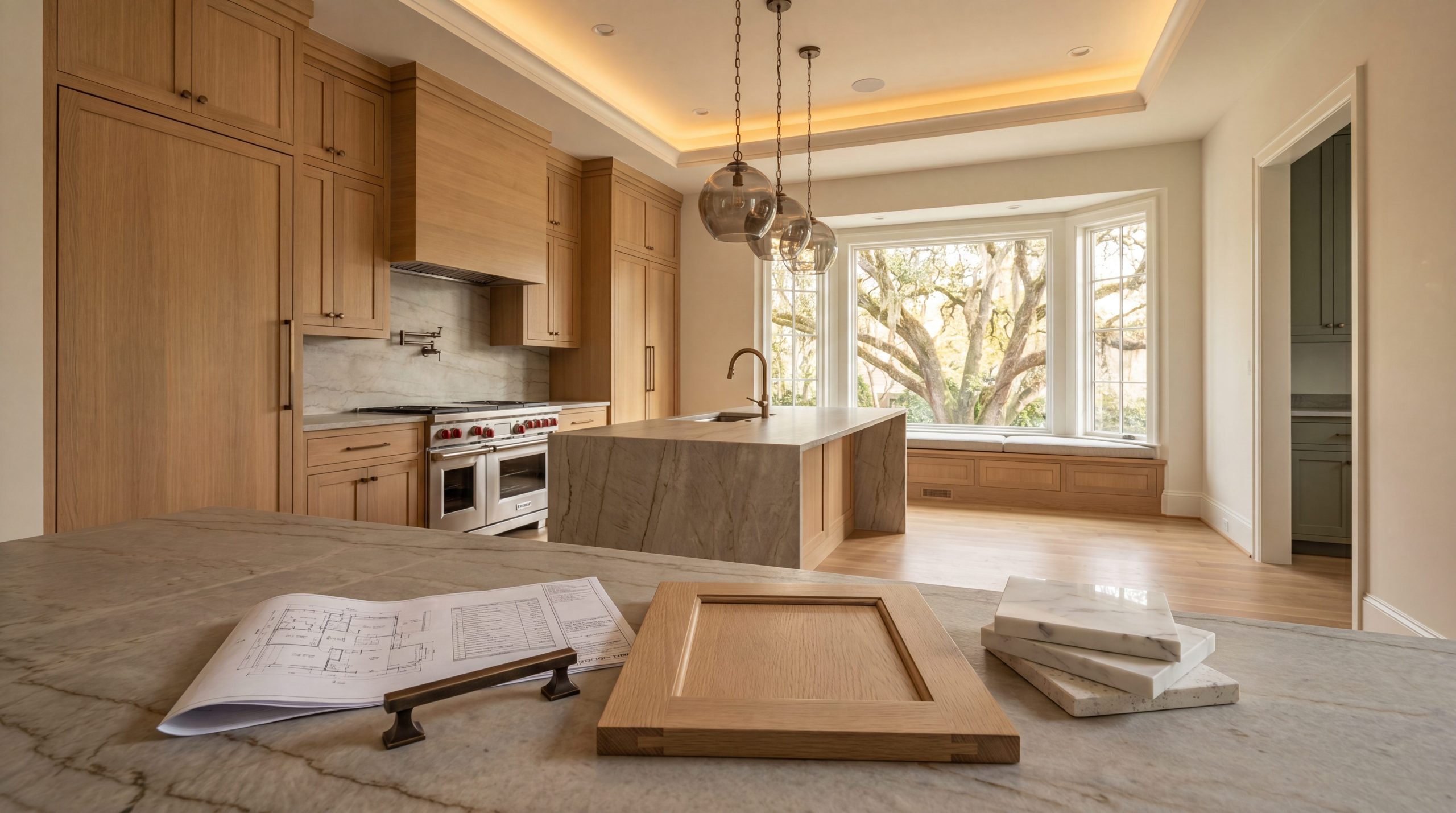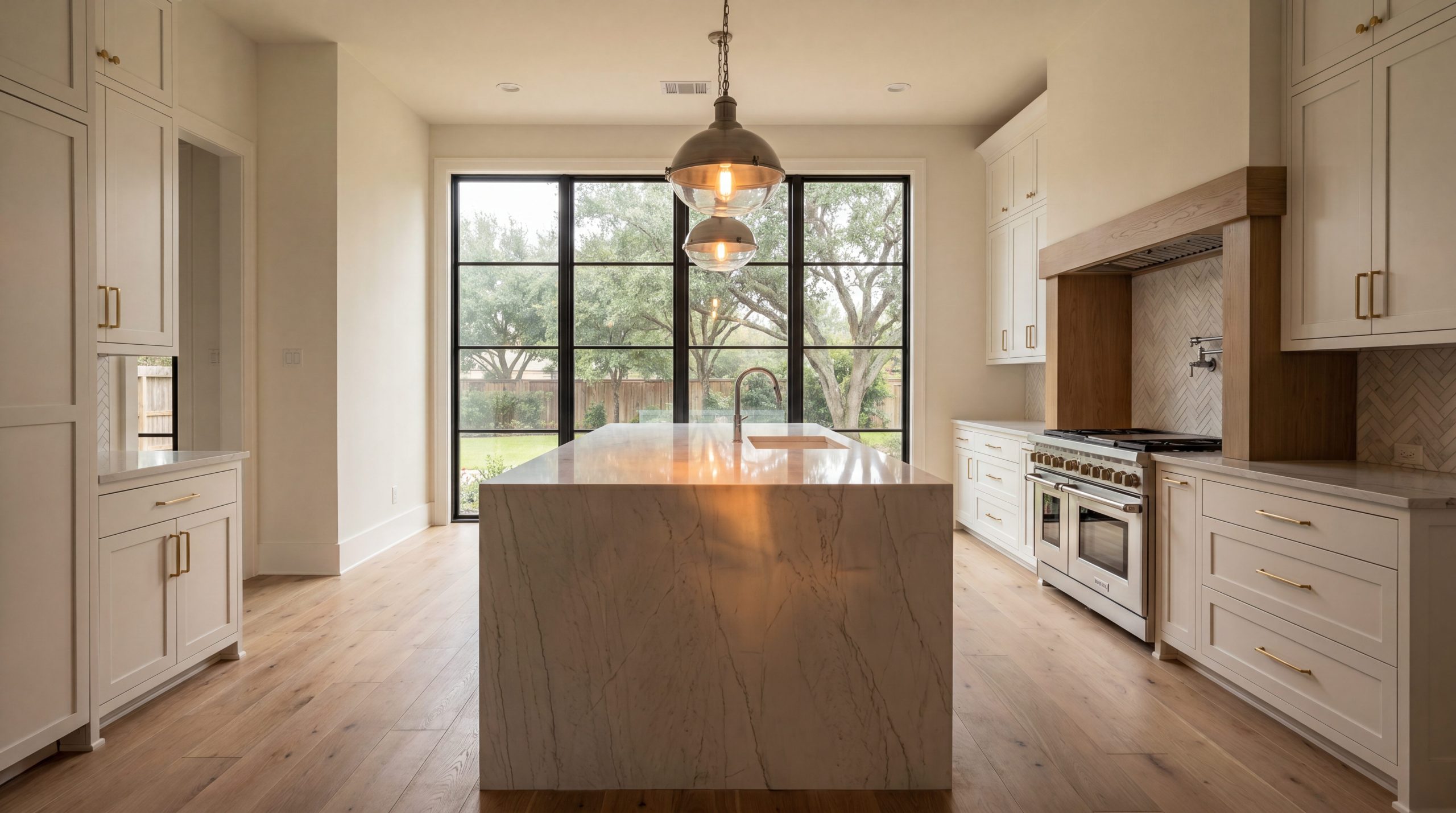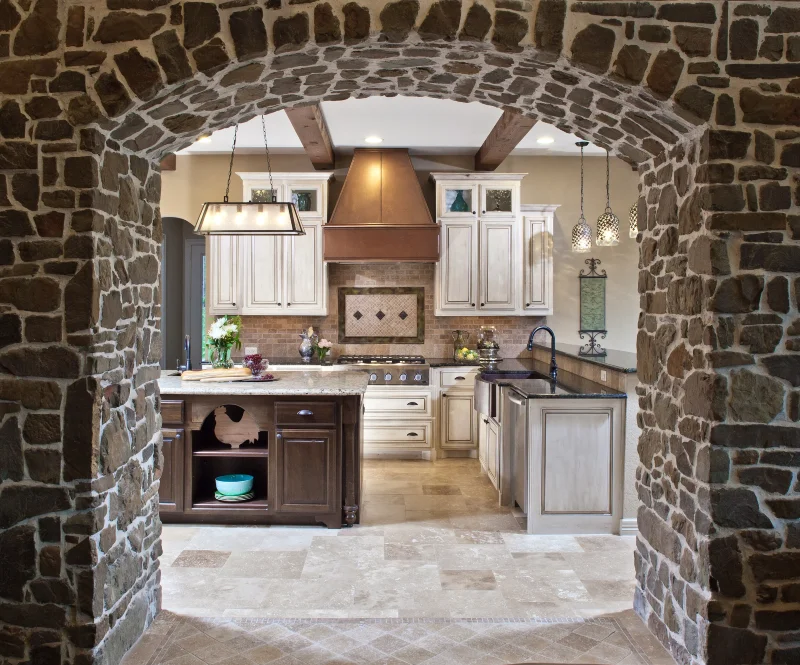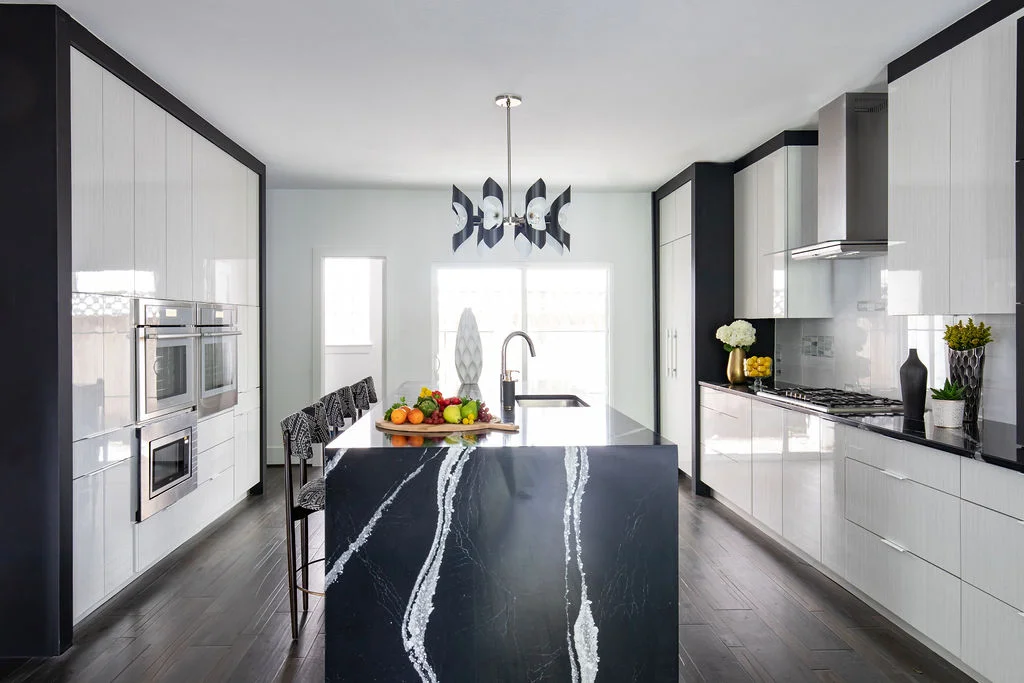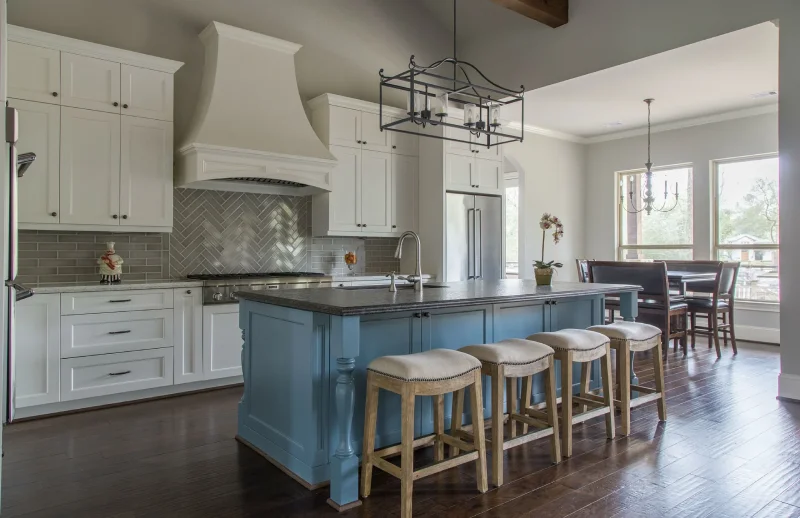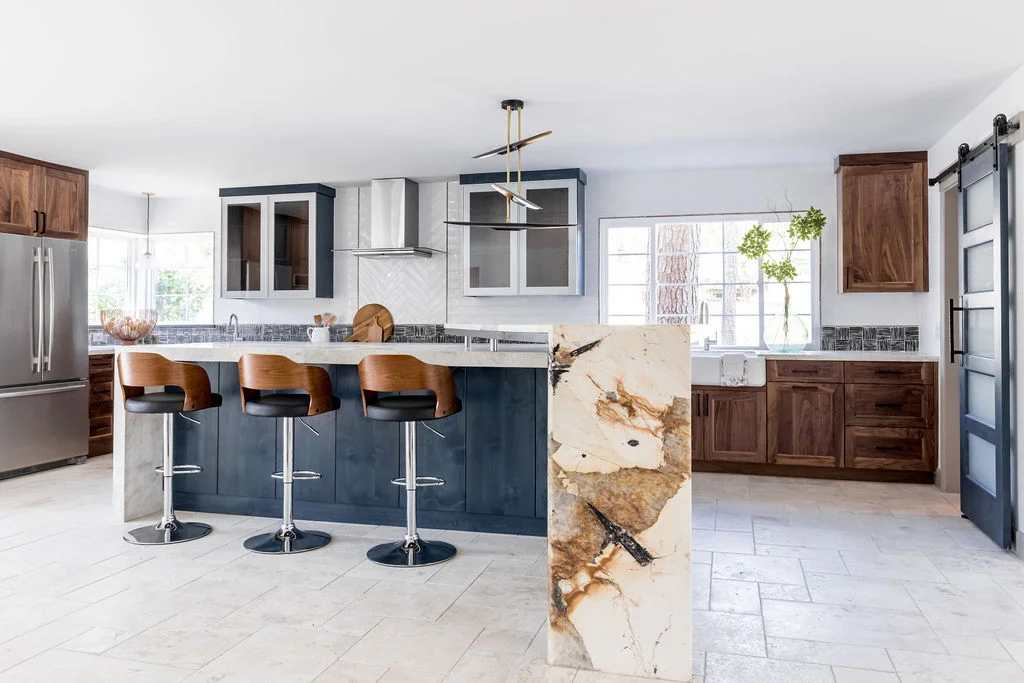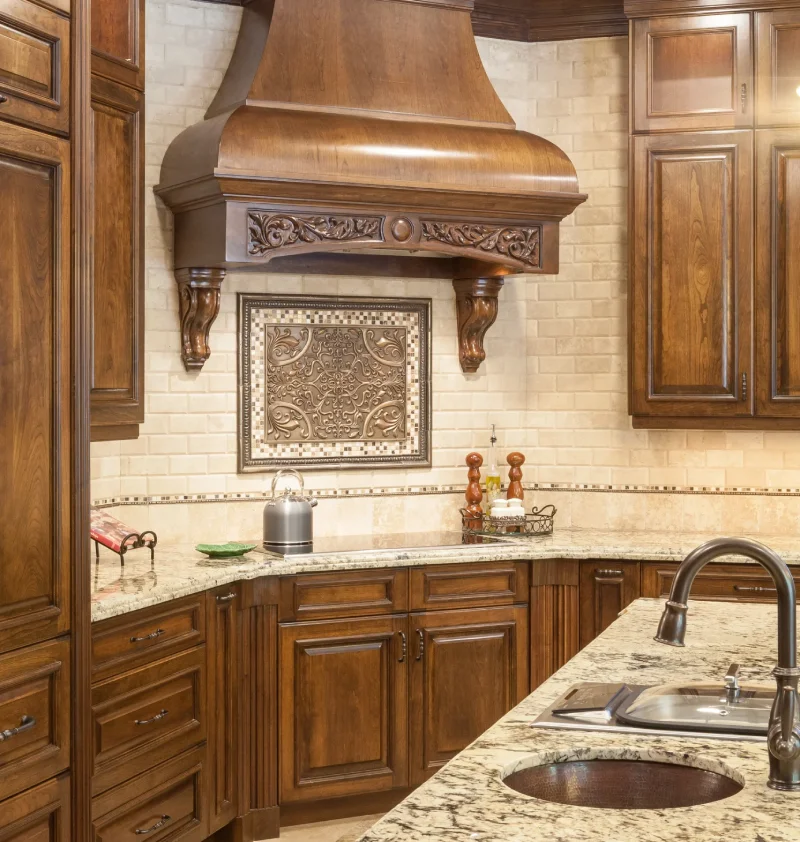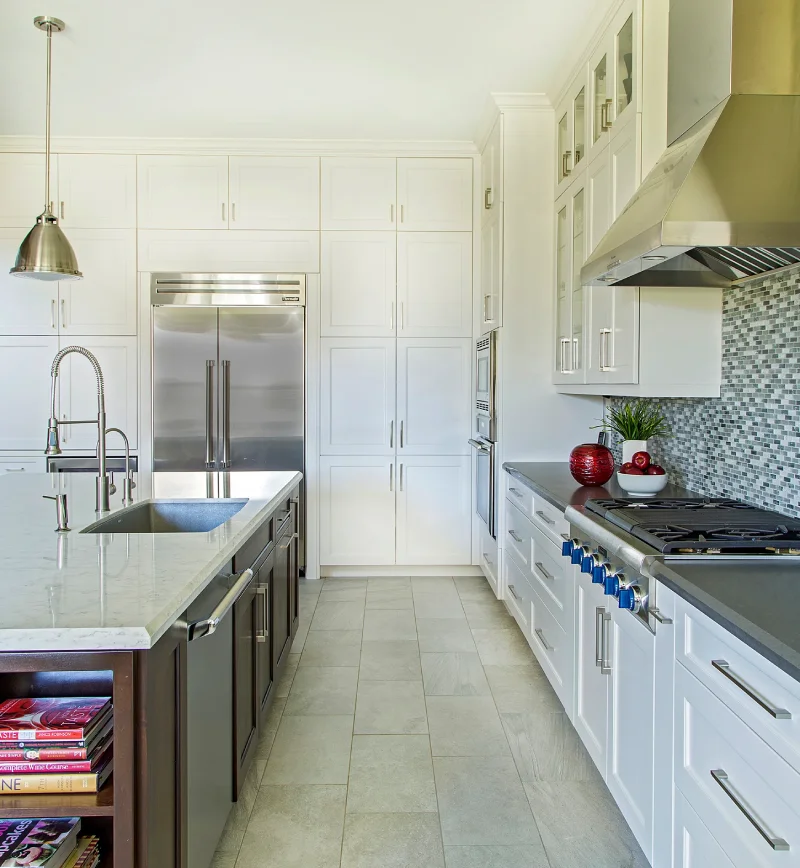
A full kitchen renovation in Magnolia, Texas typically takes 8 to 14 weeks from demolition to final installation, depending on project scope, custom cabinetry lead times, structural modifications, and permit approval timelines. High-end luxury kitchens with extensive layout changes or custom millwork may extend to 16-20 weeks when coordinating multiple trades and specialty installations.
Introduction
Homeowners throughout Magnolia, Texas consistently ask how long their kitchen remodel contractor will need to transform their existing space into a functional, luxurious culinary environment. The timeline for a complete kitchen renovation depends on several critical factors: the extent of structural changes, cabinet customization level, appliance availability, and permit processing speed. Understanding each construction phase helps you plan appropriately, set realistic expectations, and minimize disruption to your household routine. Whether you're pursuing a mid-range upgrade or a comprehensive luxury transformation, knowing the typical duration for each milestone ensures smoother project execution and better communication with your remodeling team.

Key Takeaways
• Schedule your initial consultation 12-16 weeks before your desired start date to allow adequate time for design development, material selection, permit applications, and cabinet ordering—custom cabinetry alone requires 6-10 weeks for fabrication and delivery in current market conditions.
• Allocate 2-3 weeks for demolition and rough-in work including removal of existing cabinets, countertops, and flooring, plus installation of new electrical circuits, plumbing lines, and HVAC modifications that meet updated building codes and accommodate modern appliance requirements.
• Plan for 3-4 weeks of installation sequencing that coordinates cabinet mounting, countertop templating and installation, backsplash tile work, appliance connections, and fixture placement—each trade must complete work in proper order to prevent damage or rework.
• Budget an additional 1-2 weeks for finishing touches such as cabinet hardware installation, grout sealing, paint touch-ups, final plumbing connections, electrical testing, and thorough cleaning before your remodeling professional conducts the final walkthrough inspection.
• Expect permit review and inspection scheduling to add 1-3 weeks to your overall timeline depending on Montgomery County workload, complexity of structural modifications, and whether your project requires multiple inspection checkpoints throughout the construction phases.
• Communicate lead time concerns for specialty items early including custom range hoods, imported tile, professional-grade appliances, or unique lighting fixtures that may require 8-12 weeks for procurement and can significantly delay project completion if not ordered during the design phase.
Understanding the Complete Kitchen Renovation Timeline in Magnolia
The total duration for a full kitchen renovation varies significantly based on project complexity and homeowner decisions. A straightforward cosmetic refresh involving cabinet refacing, new countertops, and updated appliances typically requires 6-8 weeks from contract signing to completion. Mid-range renovations that include new semi-custom cabinetry, flooring replacement, and moderate electrical upgrades generally span 10-12 weeks. Luxury transformations featuring custom millwork, structural modifications, high-end finishes, and integrated smart home technology often extend to 14-20 weeks, particularly when architects and engineers must approve structural changes.
Your renovation specialist must coordinate multiple specialized trades throughout the remodeling process. Electricians, plumbers, HVAC technicians, tile installers, countertop fabricators, cabinet installers, painters, and flooring specialists each require specific timeframes to complete their portions of the project. Proper sequencing prevents conflicts where one trade's work blocks another's access or damages completed installations. Weather delays, material backorders, unexpected structural discoveries, and permit inspection scheduling can each add days or weeks to the originally projected timeline.
Montgomery County building permits typically process within 7-14 business days for standard kitchen renovations, though complex projects involving structural modifications may require engineering reviews that extend approval times to 3-4 weeks. Your builder should submit permit applications early in the design phase to prevent construction delays. Most jurisdictions require inspections at specific milestones—after rough-in work and before final completion—adding 2-5 business days per inspection to your schedule depending on inspector availability.
Pre-Construction Planning Phase Timeline
Design development represents the most variable portion of any kitchen renovation timeline, ranging from 2 weeks for homeowners with clear visions to 8 weeks for those exploring multiple layout options and finish selections. During this phase, your remodeling professional measures existing spaces, documents current conditions, identifies structural constraints, and creates detailed plans showing cabinet locations, appliance placements, lighting positions, and utility connections. Homeowners should visit showrooms, review cabinet samples, select countertop materials, choose appliances, and finalize tile patterns before construction begins.
Custom cabinetry requires the longest lead time of any kitchen component, typically 6-10 weeks from order placement to delivery in 2026 market conditions. Semi-custom cabinets from major manufacturers usually ship within 4-6 weeks, while stock cabinets may arrive in 2-3 weeks. Homeowners pursuing truly unique designs with specialized features, exotic wood species, or complex finish processes should anticipate 12-14 weeks for cabinet fabrication. Your builder should order cabinets immediately after design approval to prevent this critical path item from delaying the entire project.
Professional-grade appliances and specialty fixtures often require extended procurement periods that rival custom cabinetry timelines. Integrated refrigerators, commercial-style ranges, custom range hoods, and imported tile may need 8-12 weeks for delivery from manufacturers or overseas suppliers. Smart home control systems, designer lighting fixtures, and unique plumbing fixtures can also experience delays if not specified and ordered early. Creating a comprehensive material schedule during design development ensures all long-lead items arrive when needed during the construction sequence.
| Pre-Construction Phase | Duration | Critical Activities |
| Initial Consultation & Measurement | 1-2 weeks | Space evaluation, client needs assessment, preliminary budget discussion |
| Design Development | 2-6 weeks | Layout creation, material selection, 3D renderings, revisions |
| Permit Application & Approval | 1-4 weeks | Document preparation, jurisdiction submission, review process, approval receipt |
| Cabinet & Material Ordering | 6-10 weeks | Custom fabrication, quality control, shipping coordination, delivery scheduling |
The Demolition and Rough-In Construction Phase
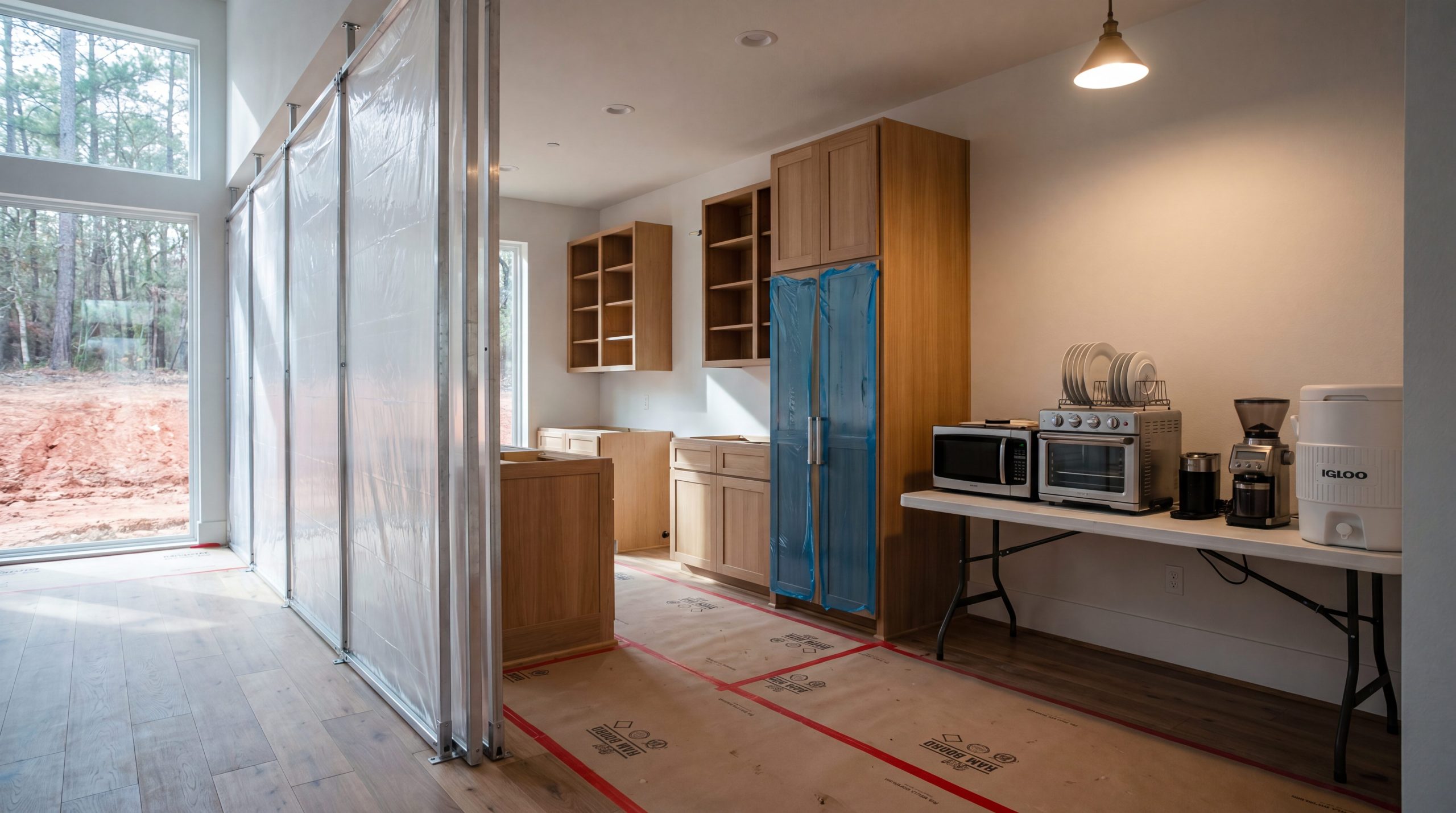
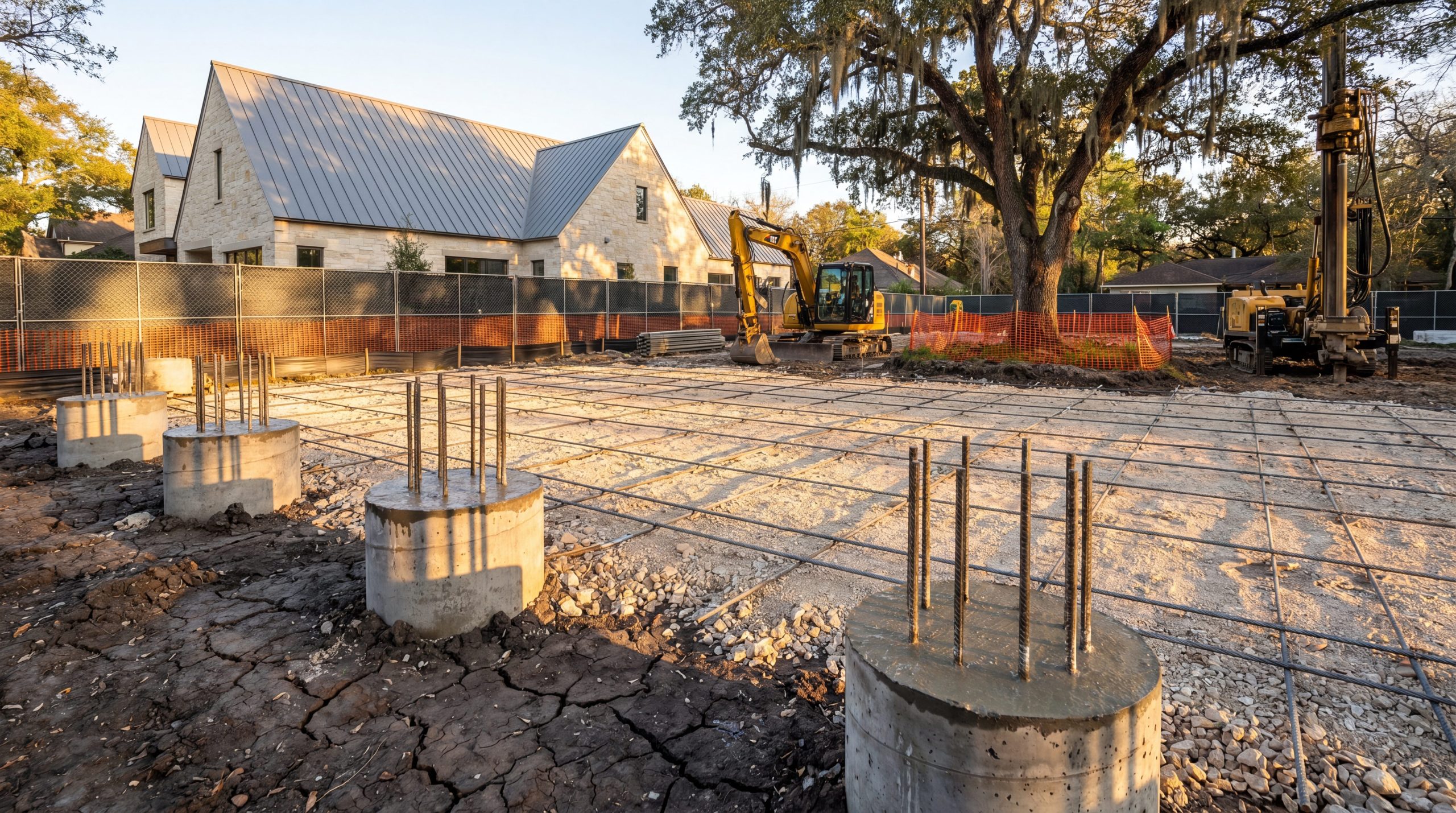
Demolition typically requires 2-4 days for most residential kitchens, during which construction teams remove existing cabinets, countertops, appliances, flooring, and sometimes portions of walls or ceilings. Your renovation team protects adjacent spaces with plastic sheeting and establishes dust barriers to minimize contamination throughout your home. Complete removal exposes existing plumbing, electrical systems, and structural framing, often revealing unexpected issues such as water damage, outdated wiring, inadequate insulation, or code violations that require correction before new installations proceed.
Structural modifications add 3-7 days to your timeline depending on the scope of changes. Opening walls to create larger spaces, relocating load-bearing elements, raising ceiling heights, or expanding floor areas requires careful planning and engineering oversight. Your construction team must install temporary supports, remove existing framing members, construct new structural elements, and obtain mid-construction inspections before proceeding with finish work. Kitchen islands requiring floor-mounted electrical outlets or plumbing connections need concrete cutting and below-slab utility installations that add complexity and duration.
Rough electrical and plumbing installations constitute the critical infrastructure for modern kitchens, typically requiring 5-7 days for complete systems. Electricians install new service panels, circuit breakers, dedicated appliance circuits, under-cabinet lighting provisions, pendant fixture boxes, and receptacle locations that meet current National Electrical Code requirements. Plumbers route supply lines for sinks, dishwashers, refrigerator ice makers, and pot fillers while establishing proper drain connections and venting systems. HVAC technicians may need to relocate ductwork, install additional supply registers, or upgrade ventilation systems to accommodate powerful range hoods.
Cabinet Installation and Countertop Fabrication
Professional cabinet installation requires 3-5 days depending on kitchen size and design complexity. Your installation team begins with upper cabinets, ensuring proper alignment, level mounting, and secure attachment to wall studs. Base cabinets follow, with careful attention to consistent spacing, drawer operation, and door swing clearances. Corner units, specialty storage systems, pull-out pantries, and integrated appliance cabinets demand precise installation to function properly. Installers must coordinate with electricians and plumbers to route utilities through cabinet backs and ensure connections align with appliance and fixture locations.
Countertop fabrication and installation spans 2-3 weeks from template creation to final placement. After cabinet installation completes, fabricators visit your home to create precise templates capturing exact dimensions, sink cutout positions, appliance openings, and edge details. Templates return to fabrication facilities where computerized cutting equipment shapes stone slabs, creates polished edges, and prepares undermount sink openings. Natural stone materials like granite, marble, and quartzite require careful inspection for structural integrity and color consistency before cutting begins.
Final countertop installation typically occurs 10-14 days after templating, requiring one full day for most residential kitchens. Fabricators transport finished sections to your home, carefully maneuver heavy stone pieces into position, apply industrial adhesives, create seamless joints at inside corners, and attach undermount sinks from below. Engineered quartz, solid surface, and ultra-compact materials follow similar processes with slightly shorter fabrication timelines due to consistent material properties and predictable cutting characteristics. Your builder should protect finished countertops during subsequent construction activities to prevent chips, scratches, or staining from other trades' work.
| Installation Milestone | Typical Duration | Coordination Requirements |
| Cabinet Delivery & Staging | 1 day | Inspect for damage, verify against order, organize by installation sequence |
| Upper & Lower Cabinet Installation | 3-5 days | Wall stud locations, level mounting, proper spacing, utility rough-in alignment |
| Countertop Templating | 2-3 hours | Cabinet installation complete, sink location confirmed, appliance specs available |
| Countertop Fabrication | 7-10 days | Material selection finalized, edge profile chosen, cutouts specified |
| Countertop Installation | 1 day | Cabinet mounting secure, sink and fixtures ready, adequate access for stone movement |
Tile Work, Flooring, and Finish Installations
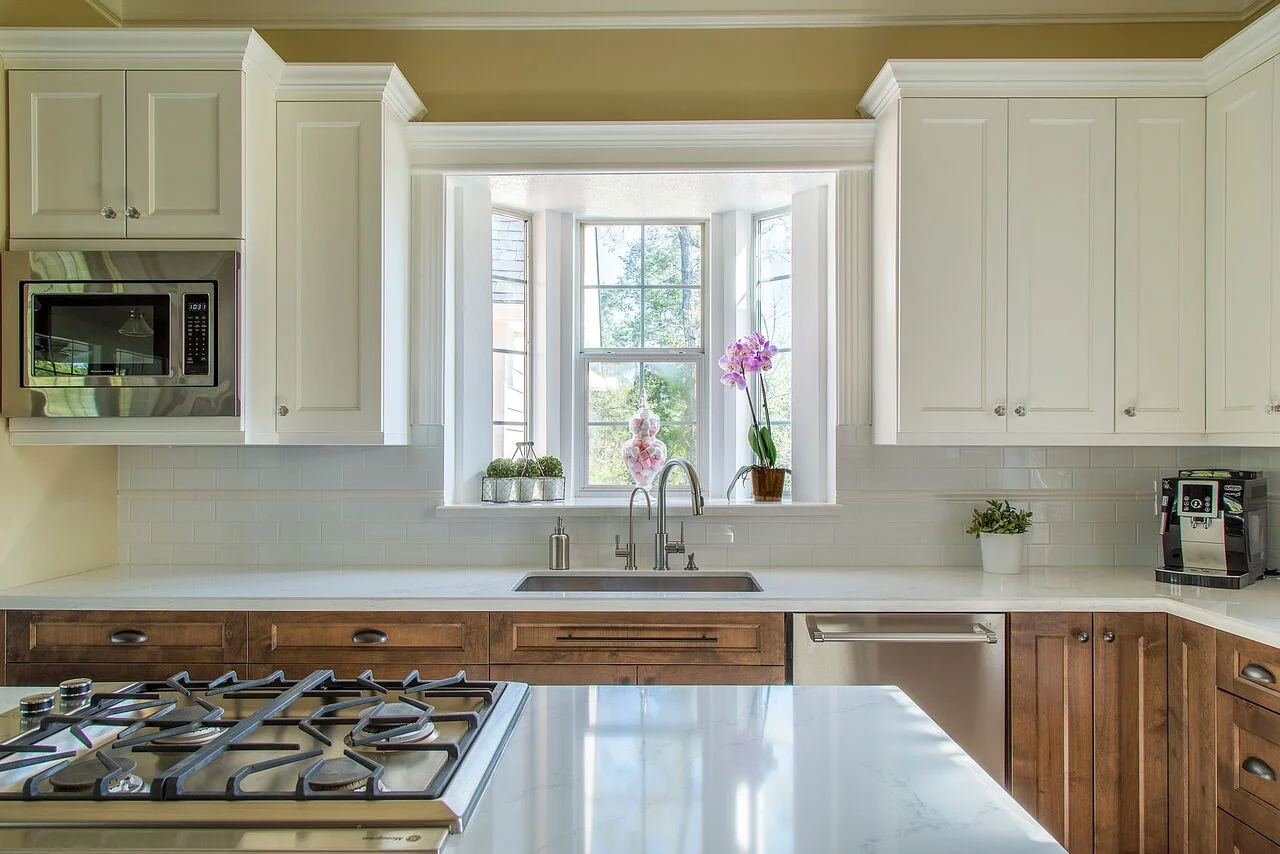
Backsplash tile installation requires 2-4 days including surface preparation, tile setting, grout application, and sealing. Your remodeling team ensures wall surfaces are clean, level, and properly primed before applying thin-set mortar and positioning tiles. Complex patterns, mixed materials, decorative accents, or full-height installations extend installation time compared to simple subway tile layouts. Grout must cure for 24-72 hours before sealing, and some natural stone tiles require pre-sealing before grouting to prevent staining. Careful protection of finished countertops prevents damage during overhead tile work.
Flooring installation timelines vary dramatically based on material selection and subfloor conditions. Luxury vinyl plank and engineered hardwood typically install in 2-3 days including subfloor preparation and acclimation time. Ceramic or porcelain tile flooring requires 3-5 days for layout, setting, grouting, and sealing. Solid hardwood flooring demands 4-7 days when including installation, sanding, staining, and multiple finish coats with adequate drying time between applications. Your renovation specialist should complete all overhead work before flooring installation to prevent damage from dropped tools, spilled materials, or heavy equipment movement.
Painting and final trim work adds 3-5 days to your kitchen renovation timeline. Professional painters prepare surfaces, apply primer coats, and deliver two finish coats to walls and ceilings with proper drying intervals between applications. Trim carpenters install crown molding, baseboards, door casings, and decorative elements that create polished transitions between surfaces. Cabinet hardware installation, including handles, knobs, and pulls, requires precise measurement and drilling to ensure consistent alignment across all cabinet doors and drawers. Light fixture installation, switch plate mounting, and outlet cover placement complete the electrical finish work.
Appliance Installation and System Testing
Major appliance installation and connection requires 1-2 days coordinating multiple trades. Your project manager supervises electricians connecting ranges, cooktops, wall ovens, and dishwashers to dedicated circuits while plumbers establish supply lines and drains for dishwashers, refrigerator ice makers, and pot fillers. Gas line connections for ranges and cooktops require licensed professionals and pressure testing to ensure leak-free operation. Built-in refrigerators, wine coolers, and beverage centers need precise cabinet integration and proper ventilation clearances.
Range hood installation and venting represents a critical component often underestimated in timeline planning. Ducted systems require proper sizing, minimal bend angles, exterior termination, and adequate make-up air provisions for powerful exhaust fans. Some jurisdictions mandate make-up air systems for range hoods exceeding 400 CFM, necessitating additional HVAC work and potential structural modifications. Custom range hoods may require specialized mounting hardware, electrical junction box modifications, or decorative surround installations that add complexity beyond standard under-cabinet models.
Final system testing and commissioning ensures all components function properly before project completion. Your construction team verifies electrical circuits operate correctly, plumbing connections show no leaks, cabinet doors and drawers move smoothly, appliances respond to controls appropriately, and lighting creates desired ambiance. GFCI outlets near water sources must trip and reset properly. Garbage disposals, dishwashers, and ice makers undergo operational testing. Touch-up painting, grout haze removal, cabinet adjustments, and thorough cleaning prepare your kitchen for final inspection and homeowner walkthrough.
Factors That Extend Kitchen Renovation Timelines
Permit delays represent the most common source of unexpected timeline extensions in Magnolia kitchen renovations. Montgomery County building departments experience varying workloads throughout the year, with spring and summer months typically showing slower permit processing due to high construction activity. Projects requiring structural engineer reviews, architectural committee approvals in planned communities, or variance requests for code exceptions may wait 4-8 weeks for complete approvals. Your design-build team should build permit contingency time into initial schedule projections.
Material availability issues have become increasingly common in recent years, affecting everything from cabinet hardware to specialized appliances. Supply chain disruptions, manufacturing delays, shipping constraints, and discontinued product lines can add weeks or months to expected delivery dates. Homeowners selecting custom or imported materials face greater risk of procurement delays compared to those choosing readily available domestic products. Maintaining flexibility in material selections and identifying acceptable alternatives during design development provides options if primary choices become unavailable.
Unexpected structural discoveries during demolition frequently extend renovation timelines and budgets. Hidden water damage from old leaks, termite infestation, outdated aluminum wiring, inadequate structural support, or previous non-permitted modifications all require correction before new construction proceeds. Asbestos-containing materials in older homes necessitate specialized abatement procedures that add 1-2 weeks to schedules. Your builder should include contingency allowances in both timeline and budget projections to accommodate these common discoveries.
| Timeline Extension Factor | Average Delay | Mitigation Strategy |
| Permit Processing Delays | 1-3 weeks | Submit applications early, maintain open communication with building officials, ensure complete documentation |
| Custom Cabinet Backorders | 2-4 weeks | Order immediately after design approval, request production status updates, identify alternative suppliers |
| Structural Repair Requirements | 3-7 days | Include contingency budget, pre-demolition inspections, quick decision protocols for change orders |
| Appliance Delivery Delays | 1-4 weeks | Order early, confirm ship dates monthly, select readily available alternatives, consider display floor purchases |
| Weather-Related Interruptions | 2-5 days | Schedule exterior work during favorable seasons, protect materials from moisture, maintain covered work areas |
Choosing the Right Kitchen Remodeling Professional in Magnolia
Selecting an experienced, reputable renovation specialist significantly impacts both timeline adherence and final quality. Homeowners should verify professionals maintain current licenses, adequate insurance coverage, and strong references from recent projects similar in scope to their planned renovation. Established firms with dedicated project managers, long-term trade relationships, and proven material procurement systems typically complete projects faster than less organized competitors. Membership in professional organizations like the National Association of Home Builders or National Kitchen and Bath Association indicates commitment to industry best practices.
Communication protocols established during contractor selection prevent misunderstandings that cause delays throughout construction. Your remodeling professional should provide detailed written proposals specifying material selections, construction sequences, payment schedules, and projected timelines with milestone dates. Regular progress meetings, photo documentation, and transparent change order processes keep homeowners informed and involved without creating decision bottlenecks that stall work. Construction teams who respond promptly to questions, provide realistic expectations, and maintain clean job sites demonstrate professionalism that translates to efficient project execution.
Design-build firms offering integrated architectural design, engineering coordination, and construction services under one contract often deliver faster project completion compared to traditional design-bid-build approaches. Single-source accountability eliminates finger-pointing between designers and builders when issues arise. Designers who understand construction realities create buildable plans that avoid expensive field modifications. Streamlined communication between design and construction teams accelerates problem-solving and reduces delays from coordination failures between separate entities.
Preparing Your Home for Kitchen Renovation
Homeowner preparation before construction begins prevents delays and protects household possessions. Clearing cabinets completely, removing window treatments, relocating small appliances, and establishing temporary cooking stations in other areas should occur before your renovation team arrives. Families with young children or pets should arrange alternative accommodations during intensive demolition and installation phases to maintain safety and prevent construction interruptions. Protecting adjacent rooms with dust barriers, establishing tool storage areas, and providing contractor access to electrical panels and water shut-offs facilitates smooth operations.
Establishing realistic expectations about living conditions during renovation helps families cope with temporary inconveniences. Most kitchens remain non-functional for 6-10 weeks during mid-range to luxury renovations, requiring alternative meal preparation arrangements. Noise from demolition, cutting, and installation occurs during standard working hours. Dust migration into adjacent spaces is inevitable despite best containment efforts. Your construction manager should provide approximate schedules for particularly disruptive activities like demolition days, tile cutting, or wood sanding so families can plan accordingly.
Material selection decisions made during design development directly impact construction efficiency and timeline adherence. Homeowners who finalize all selections before construction begins prevent delays from pending decisions during active work phases. Last-minute changes to tile patterns, cabinet hardware, lighting fixtures, or paint colors often require material reordering that halts work while waiting for deliveries. Your design team should establish clear decision deadlines for each material category tied to procurement lead times and construction sequencing requirements.
Frequently Asked Questions
What is the shortest possible timeline for a kitchen remodel in Magnolia, Texas?
The absolute minimum timeline for a functional kitchen renovation is 4-6 weeks, achievable only for cosmetic updates using stock cabinets, existing layouts, and no permit-requiring work. This compressed schedule requires cabinet availability at local suppliers, immediate material procurement, and dedicated contractor focus without juggling multiple concurrent projects. Most mid-range renovations realistically need 8-12 weeks, while luxury transformations with custom elements should plan for 12-16 weeks minimum to accommodate proper design development, material lead times, and quality installation practices.
Do I need permits for a kitchen remodel, and how do they affect my timeline?
Montgomery County requires building permits for kitchen renovations involving electrical modifications, plumbing changes, structural alterations, or gas line work. Permit applications typically process within 1-2 weeks for standard projects, though complex renovations may require 3-4 weeks for engineering reviews. Most jurisdictions mandate inspections after rough-in work and before final completion, each potentially adding 2-3 days to your schedule depending on inspector availability. Working without required permits risks stop-work orders, fines, and complications during future home sales.
Can I live in my home during a complete kitchen renovation?
Most homeowners successfully occupy their homes during kitchen renovations lasting 8-14 weeks, though expect significant lifestyle disruptions. Your kitchen remains non-functional throughout construction, requiring alternative meal preparation using outdoor grills, microwave ovens in other rooms, or frequent restaurant dining. Dust containment measures minimize but don't eliminate fine particles migrating to adjacent spaces. Construction crews typically occupy the space 8-10 hours daily Monday through Friday, with occasional weekend work for time-sensitive installations requiring extended curing or drying periods.
What happens if my contractor discovers problems behind existing walls?
Hidden issues like water damage, termite infestation, outdated wiring, or inadequate structural support are common discoveries during kitchen demolitions, particularly in homes built before 1990. Your remodeling professional should document problems with photos, explain necessary corrections, and provide written change order proposals detailing additional work, costs, and timeline impacts. Most professionals include contingency allowances in initial estimates anticipating some level of unexpected repairs. Homeowners should maintain reserve funds covering 10-15% beyond contracted amounts to address these common situations without project delays.
How can I minimize the timeline for my kitchen renovation?
Accelerating kitchen remodel timelines requires proactive homeowner involvement and strategic planning. Make all material selections before construction begins to prevent decision delays during active work phases. Order long-lead items like custom cabinets and specialty appliances immediately after design approval. Select a remodeling company with dedicated crews rather than juggling multiple concurrent projects. Maintain flexibility on minor material substitutions if primary selections experience delivery delays. Respond quickly to contractor questions requiring homeowner decisions. Establish realistic budgets that prevent value-engineering delays when unexpected costs arise.
What should I expect during the final week of my kitchen renovation?
The final week focuses on finishing touches, punch list completion, and thorough cleaning rather than major installations. Your construction team coordinates final appliance connections, installs cabinet hardware, completes touch-up painting, seals grout lines, and adjusts cabinet doors for proper alignment. Electricians verify all circuits function properly, plumbers check for leaks at all connections, and installers ensure smooth drawer operation. Professional cleaning removes construction dust, protects finished surfaces, and prepares your kitchen for final walkthrough. Most builders schedule final inspections early in the last week, addressing any corrections before the official completion date.
Conclusion
Understanding the complete timeline for kitchen renovations in Magnolia, Texas empowers homeowners to plan appropriately, set realistic expectations, and collaborate effectively with construction professionals throughout the transformation process. The 8-14 week duration for most mid-range to luxury kitchen remodels encompasses design development, permit processing, material procurement, sequential construction phases, and quality finishing work that creates lasting value. Factors including custom cabinetry lead times, structural modifications, specialty appliance availability, and permit inspection scheduling all influence your specific project duration beyond these general guidelines.
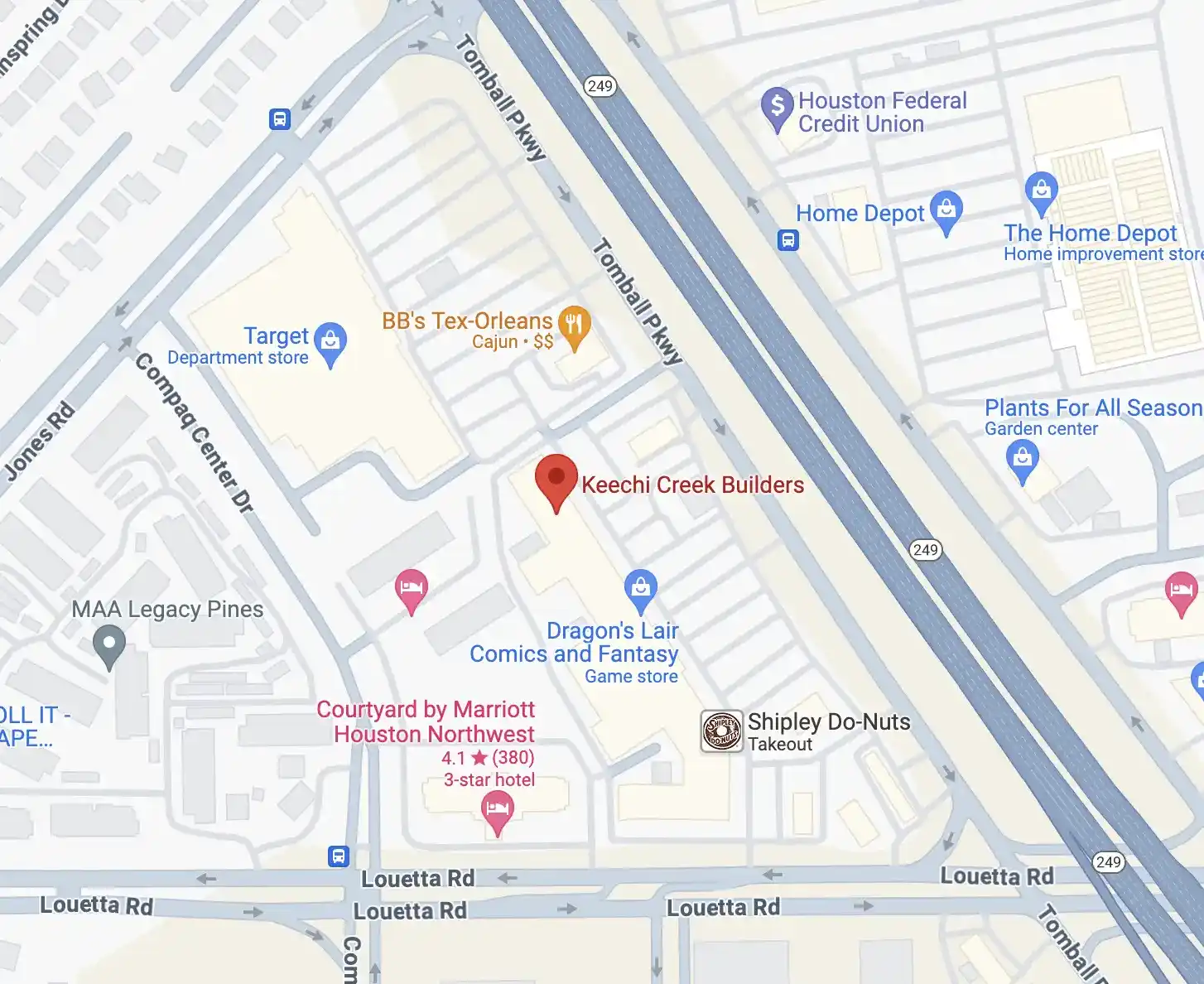
Keechi Creek Builders delivers comprehensive design-build kitchen remodeling services throughout Magnolia, Tomball, Cypress, Memorial Houston, The Woodlands, and Katy, Texas, combining award-winning craftsmanship with transparent project management and personalized client attention. Our experienced team coordinates all trades, manages material procurement, navigates permit processes, and maintains realistic timelines that respect both project quality and homeowner schedules. Contact us at 281-688-1454 or visit https://www.keechicreekbuilderstx.com to schedule your consultation and begin planning your luxury kitchen transformation with a trusted partner committed to bringing your vision to life on time and within budget.