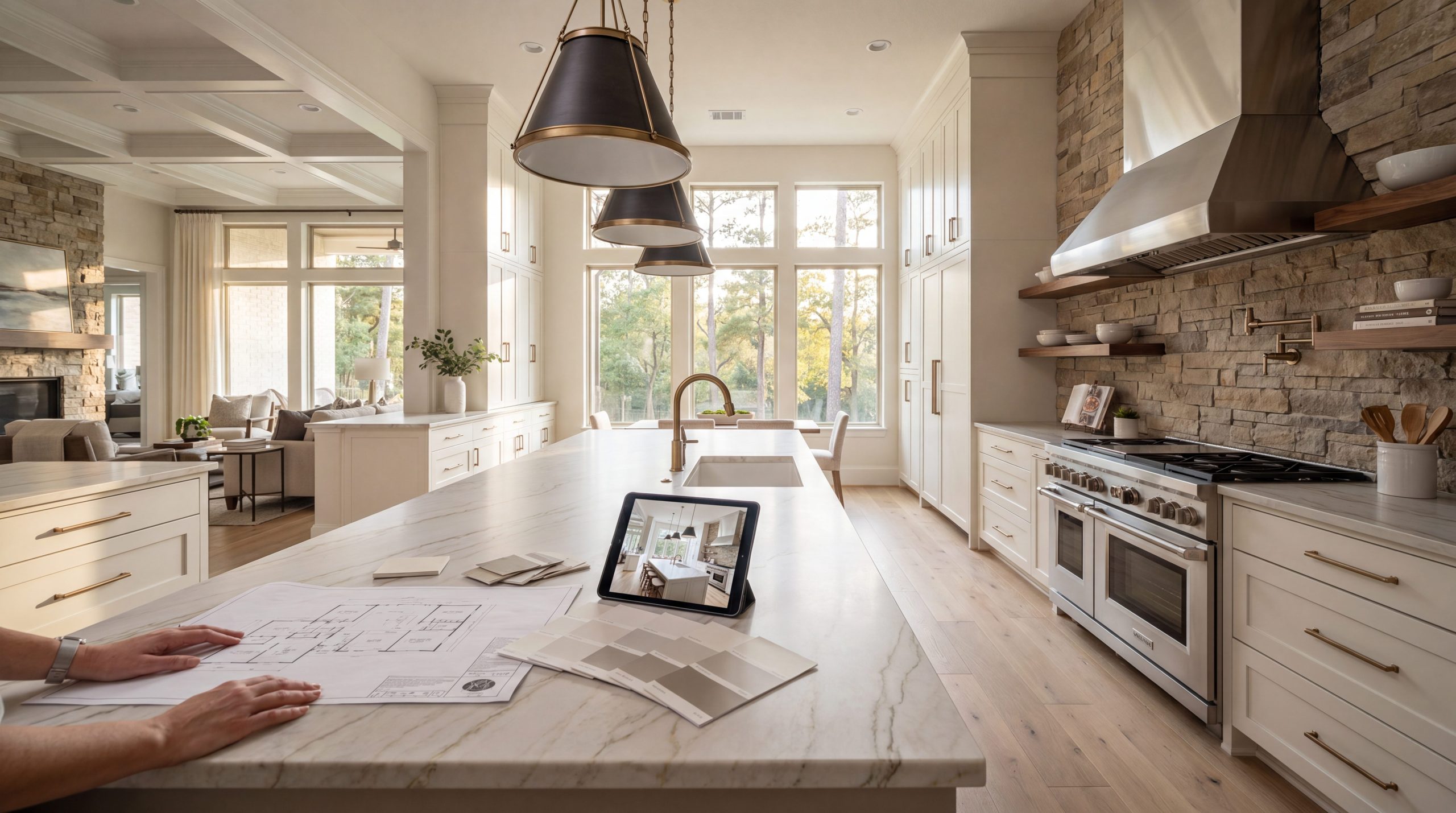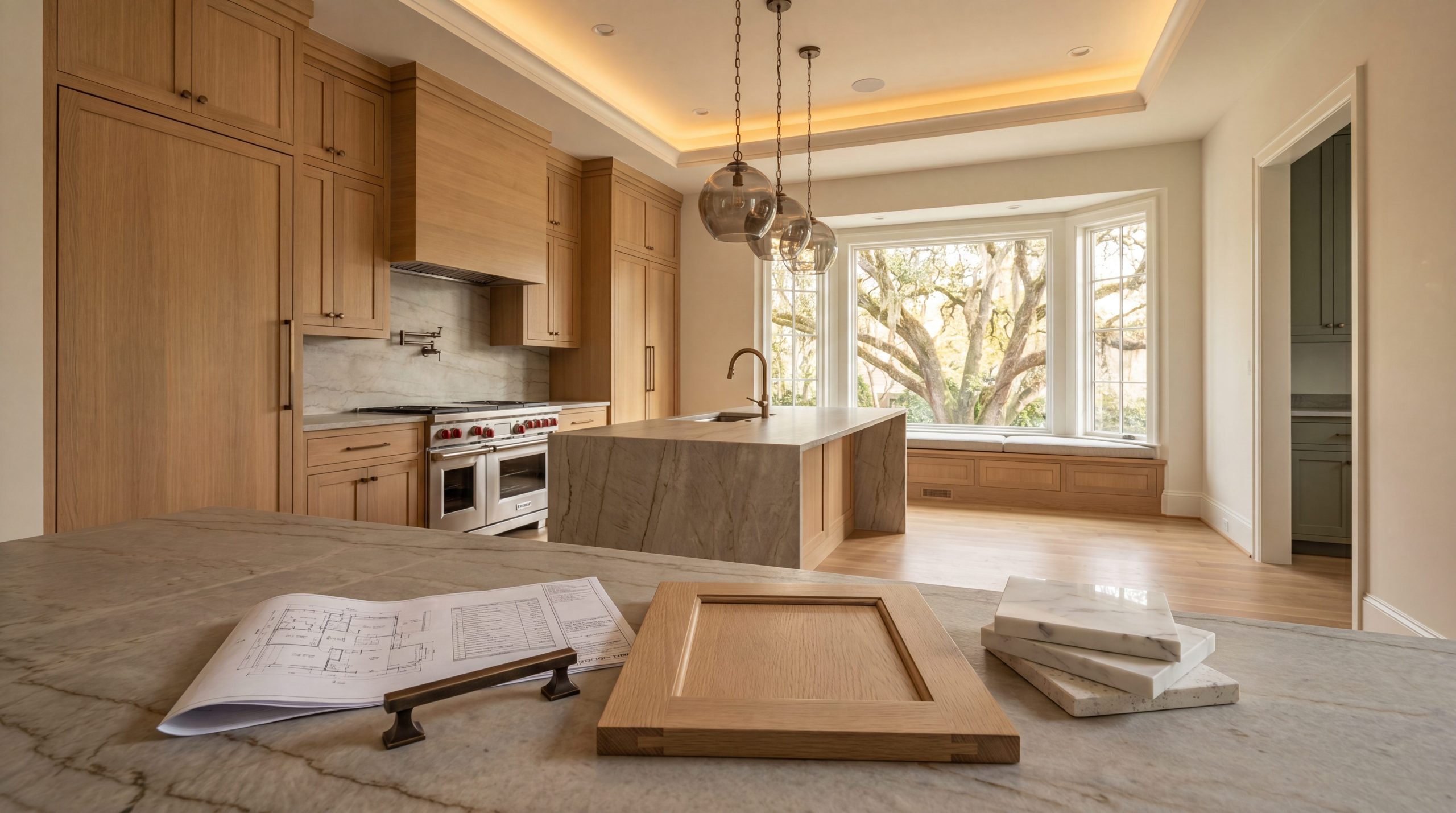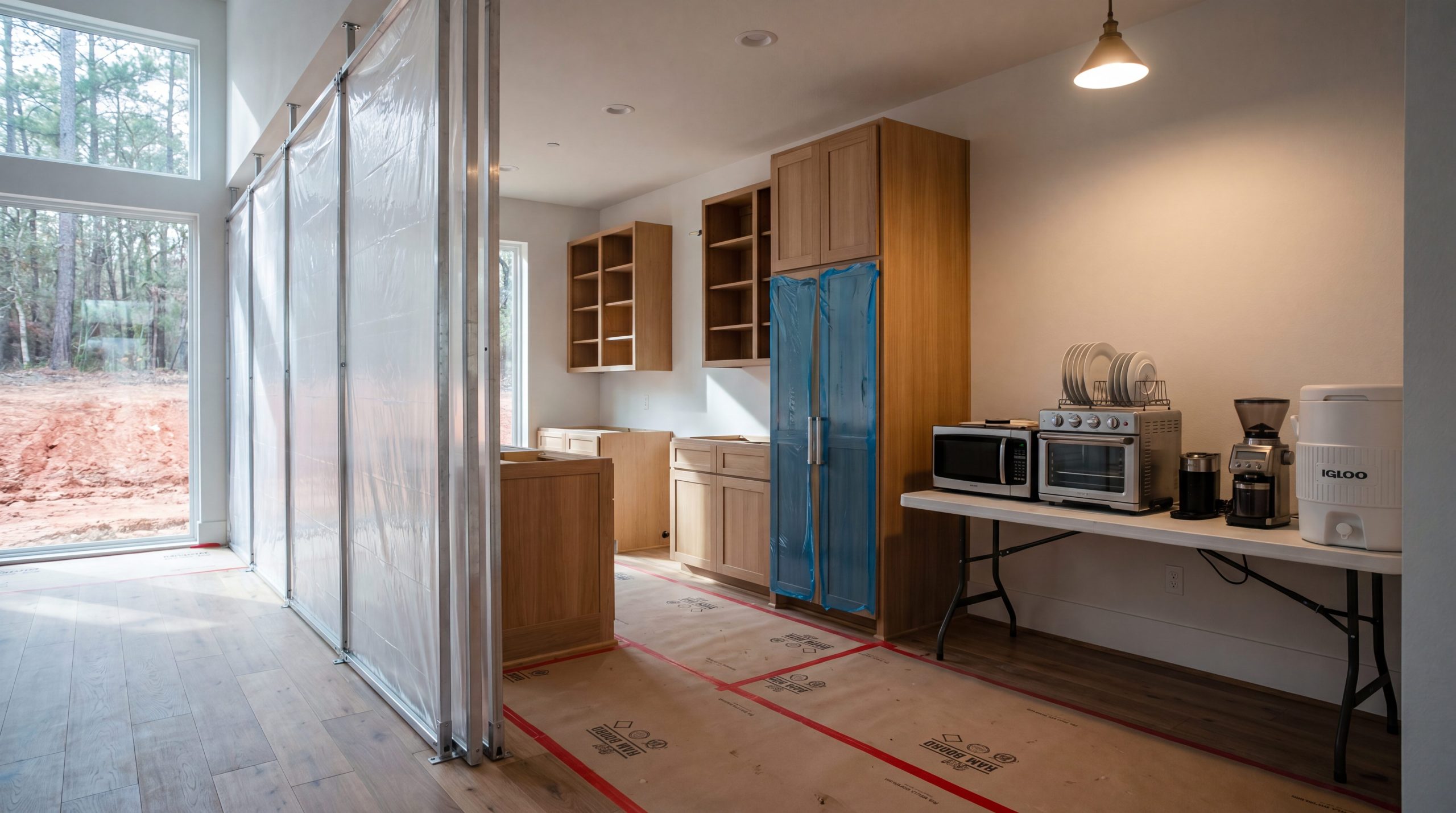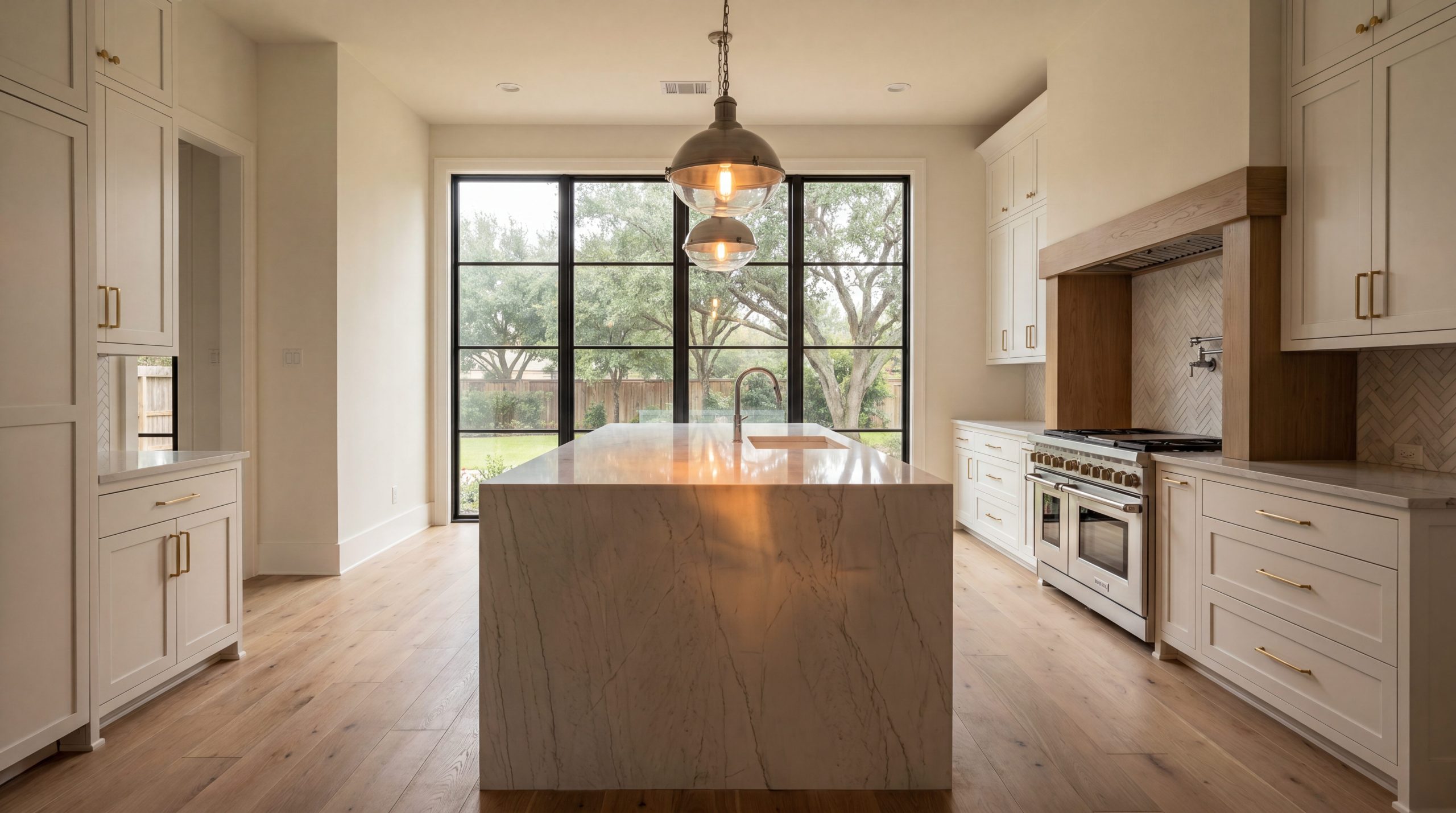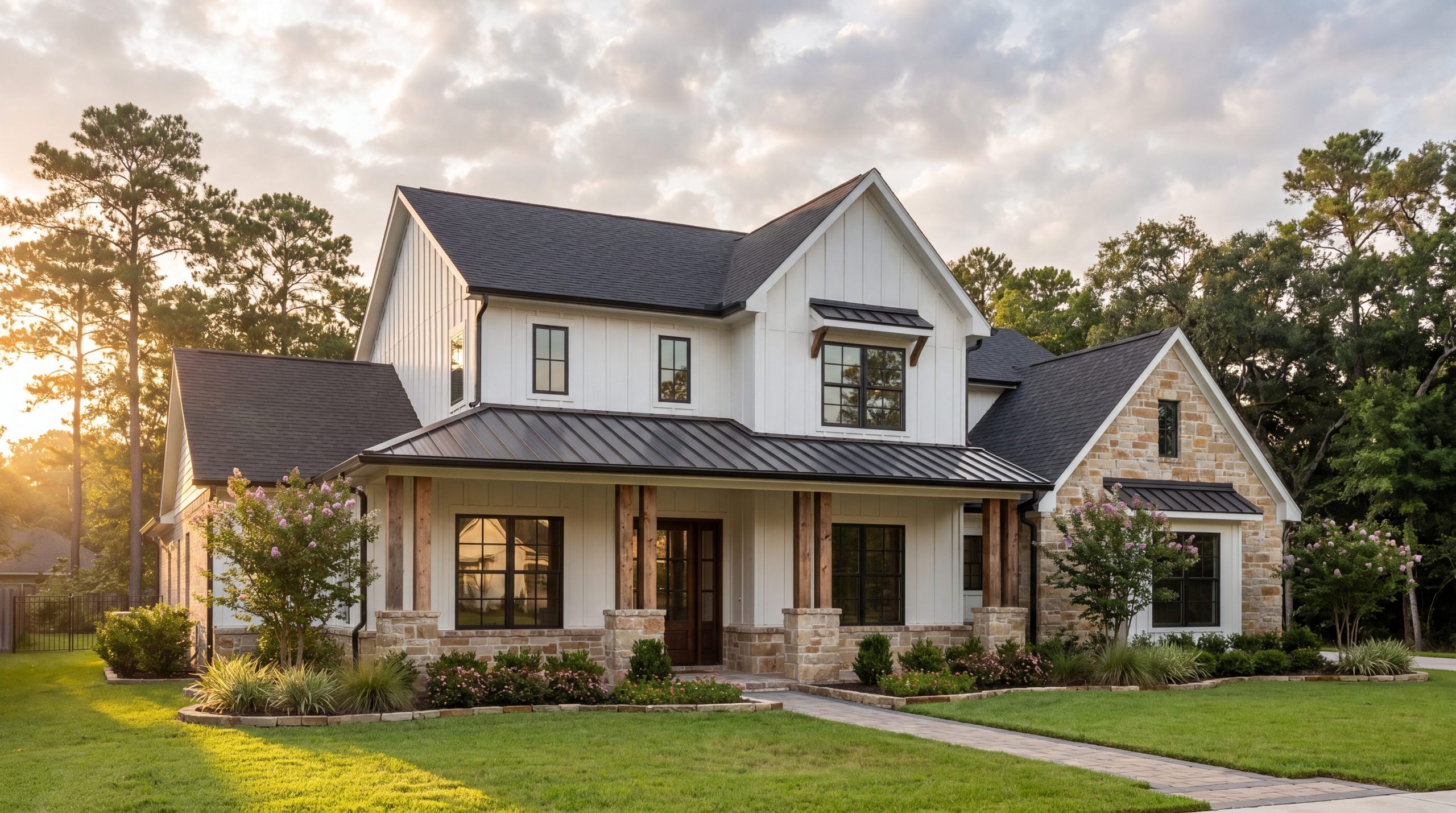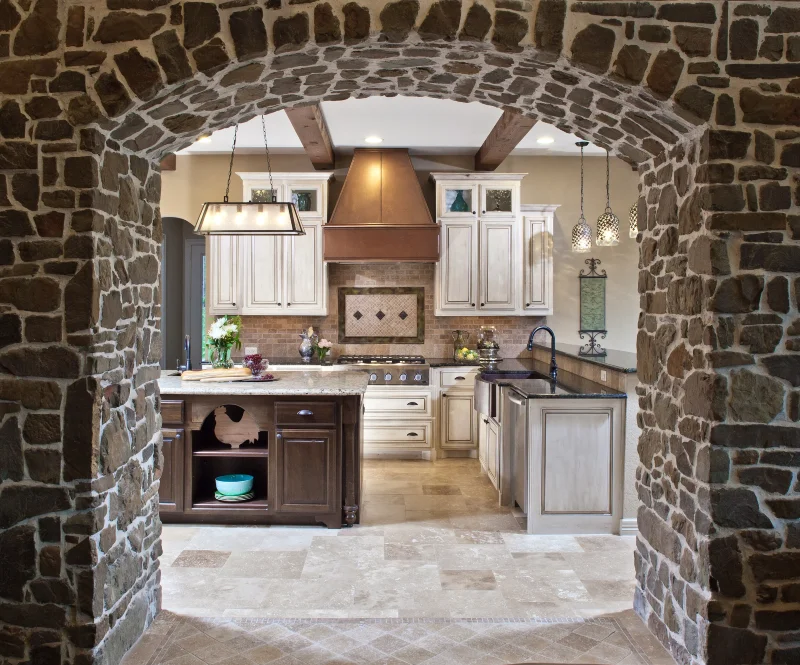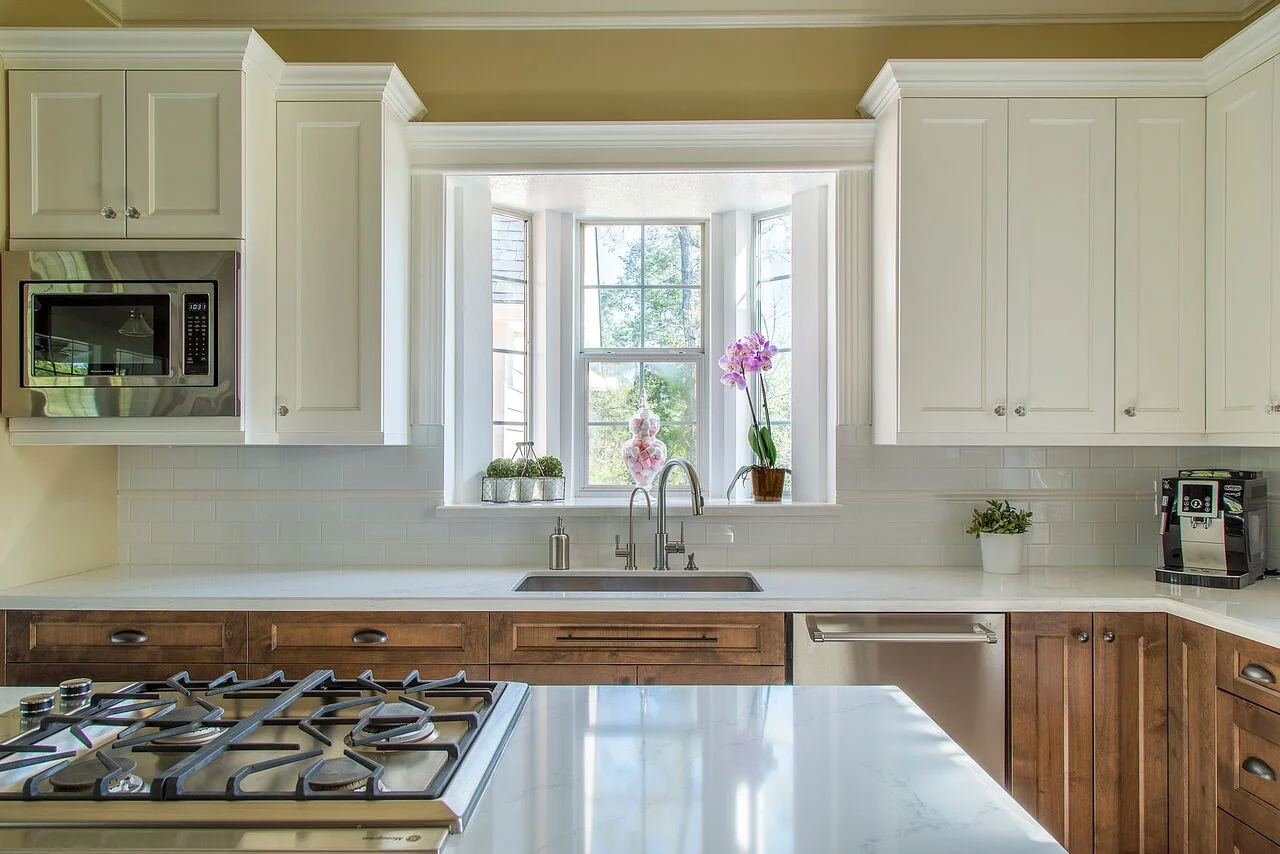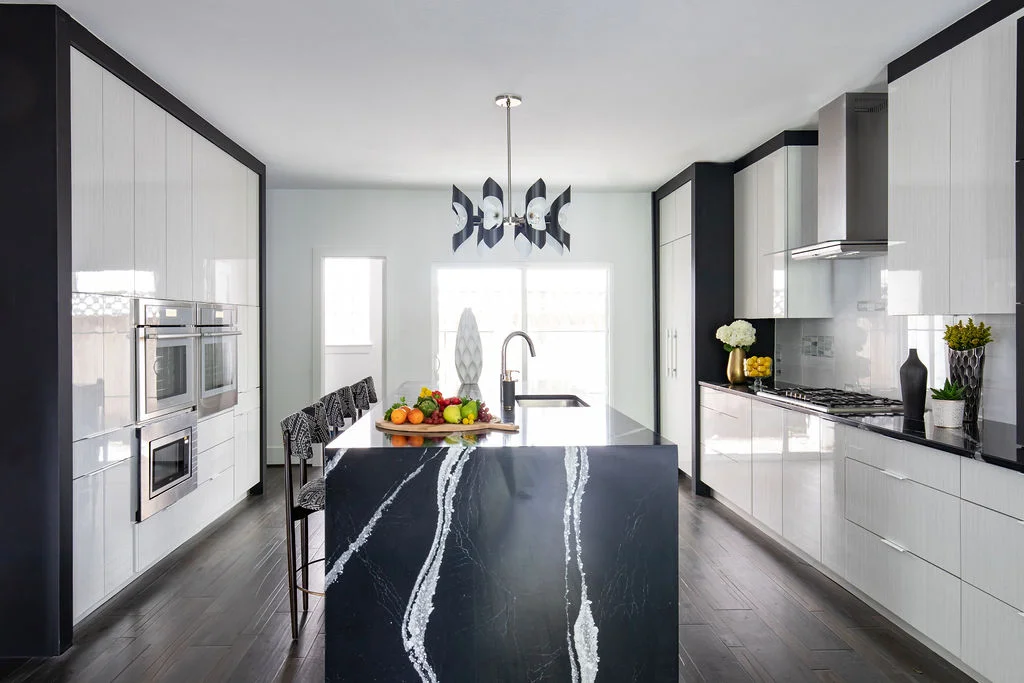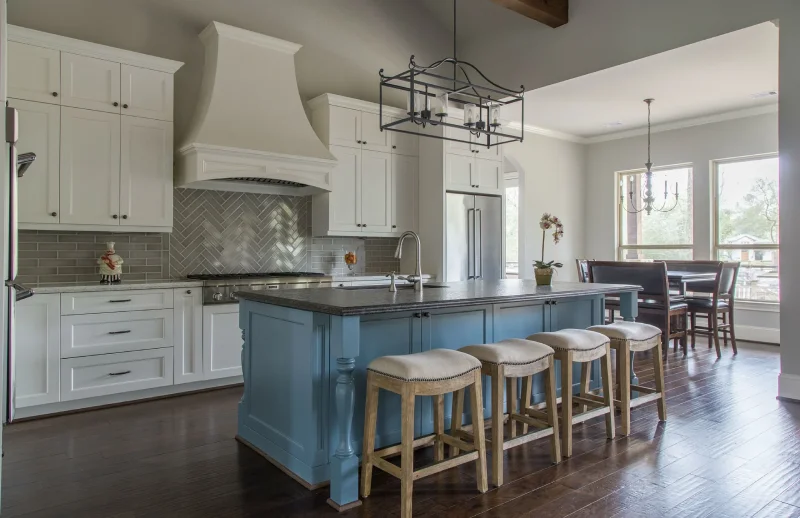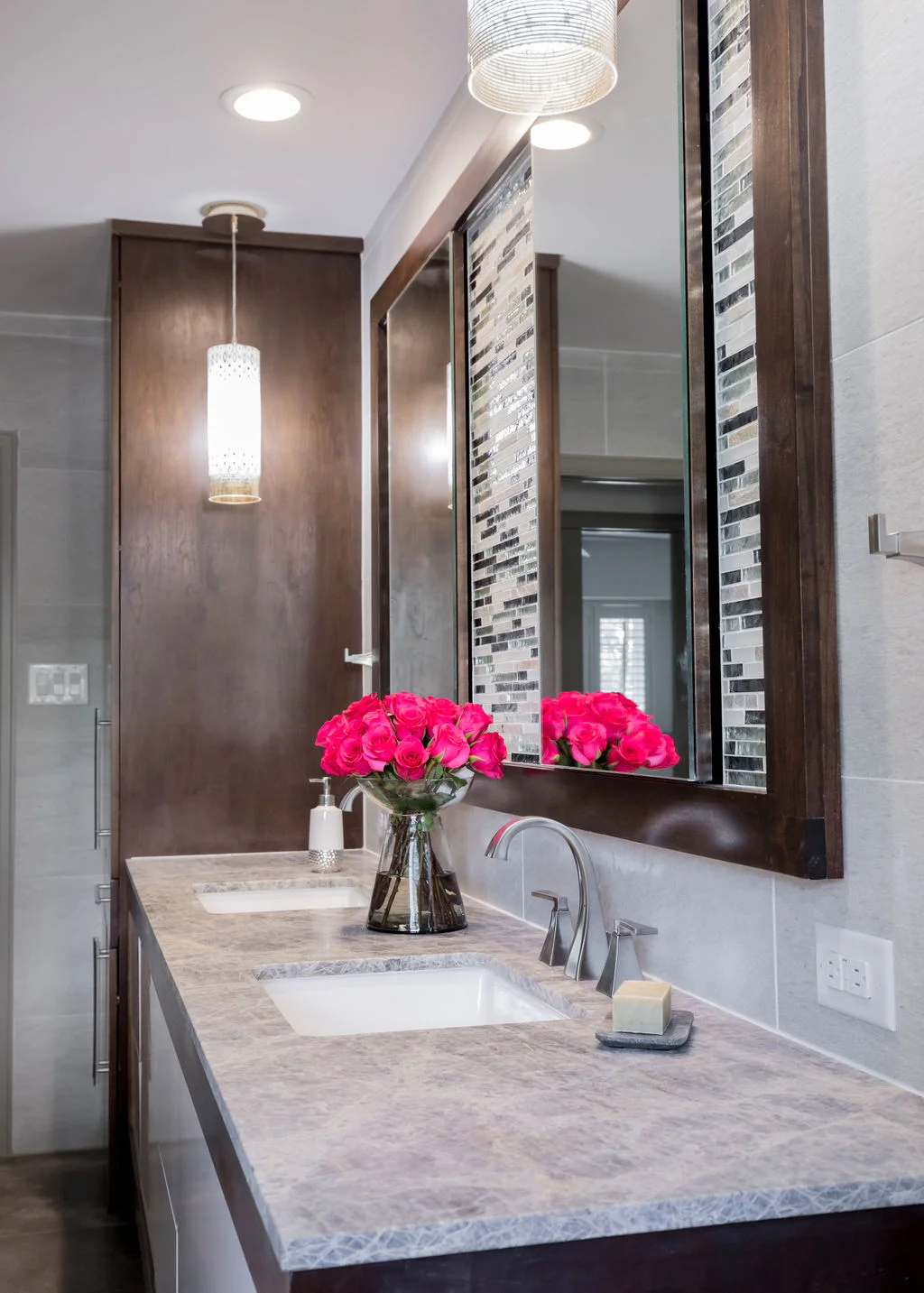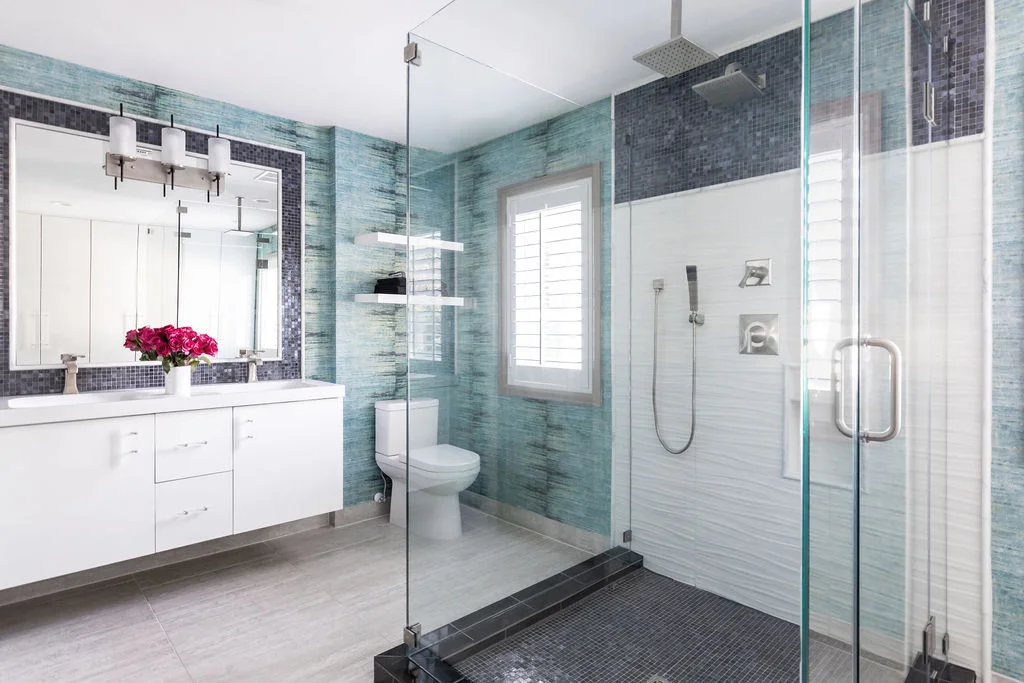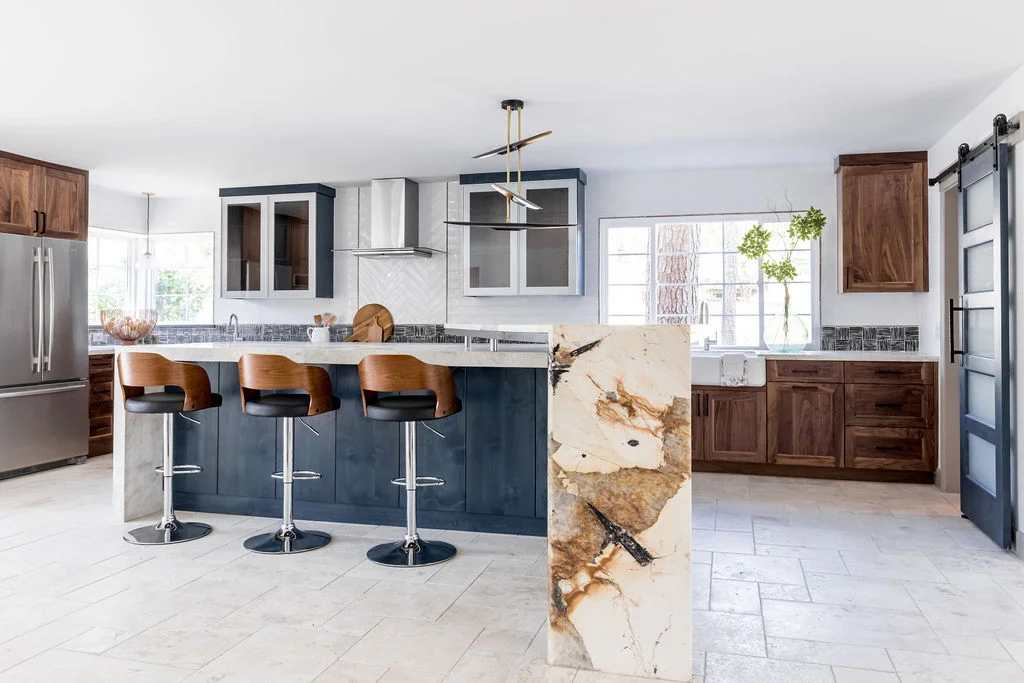
Custom-built homes in Houston typically deliver superior quality compared to production homes through the use of premium-grade materials, advanced energy-efficient systems (HERS Index scores of 45-55 vs. 80-100 for production homes), and precision craftsmanship tailored to site-specific conditions. A good home builder in Houston implements rigorous quality control protocols, offers comprehensive warranties averaging 10 years structural coverage, and provides full material transparency throughout the construction process.
Introduction
The Houston luxury home market presents a critical decision for discerning homeowners: invest in a custom-built residence or opt for a production home from a volume builder. Custom-built homes in Houston offer measurable quality advantages that extend beyond aesthetic preferences, including superior structural integrity, enhanced energy performance, and personalized craftsmanship that reflects your specific lifestyle requirements. When you partner with a good custom home builder who understands the unique demands of Houston's climate and soil conditions, you're investing in a home engineered for longevity, efficiency, and enduring value that production homes simply cannot match.
Key Takeaways
• Schedule comprehensive builder vetting by reviewing 3-5 completed custom homes in person, verifying GHBA or TAB membership, and confirming minimum 10-year structural warranty coverage before signing any contracts to ensure your investment is protected by proven craftsmanship standards.
• Specify premium material selections including engineered lumber for framing, R-38+ attic insulation, and low-E windows with U-factors below 0.30 to achieve energy savings of 25-40% compared to standard production home specifications in Houston's climate.
• Invest in professional energy modeling and HERS rating certification targeting scores below 55 to reduce monthly utility costs by $150-300 and increase resale value by 3-5% in competitive luxury markets throughout Memorial, The Woodlands, and Magnolia.
• Prioritize soil analysis and custom foundation engineering specific to your lot conditions since Houston's expansive clay soils require tailored solutions that production builders often standardize, potentially saving $15,000-40,000 in future foundation repairs.
• Document all material specifications, installation protocols, and warranty terms in detailed construction agreements including change order procedures and quality checkpoints at foundation, framing, and pre-drywall phases to maintain transparency throughout your 10-14 month custom build timeline.
• Allocate 15-25% additional budget for custom home construction compared to production alternatives recognizing that superior materials, skilled craftsmen, and personalized design translate to initial investments of $250-450 per square foot but deliver significantly lower lifecycle ownership costs.
What Defines Quality in Custom-Built Homes?
Quality in custom home construction encompasses far more than attractive finishes and appealing curb appeal. A good custom home builder measures quality through structural integrity, material grade specifications, energy performance metrics, and construction methodology that addresses site-specific challenges. In Houston's unique environment, with expansive clay soils and subtropical climate demands, these factors become even more critical to long-term home performance.
Custom-built homes incorporate engineered solutions rather than standardized templates. Foundation systems receive soil-specific engineering with post-tension or pier-and-beam designs tailored to actual site conditions, not subdivision averages. Framing utilizes select-grade lumber or engineered materials with consistent moisture content and structural ratings. Insulation packages exceed minimum code requirements, often achieving R-38 to R-49 in attics compared to R-30 in production homes. These measurable specifications directly correlate to home performance, durability, and operating costs over the 30-50 year lifespan most luxury homeowners expect.
The quality advantage extends to systems integration and installation precision. Custom builders employ specialized trade contractors rather than high-volume crews rushing through standardized floor plans. HVAC systems receive Manual J load calculations specific to your home's orientation, window placement, and insulation values rather than rule-of-thumb sizing. Plumbing and electrical systems incorporate premium fixtures, copper or PEX-A piping, and circuit designs that accommodate your actual usage patterns and future technology integration.
Material Grade Comparisons
Quality differences become tangible when examining specific material grades and installation standards:
• Framing lumber: Custom builders specify kiln-dried, select-grade dimensional lumber or engineered alternatives with verified load ratings, while production builders often use standard-grade materials with higher moisture content and potential warping issues.
• Roofing systems: Premium architectural shingles with 50-year warranties, enhanced underlayment, and proper ventilation design versus standard 25-year shingles with minimal underlayment common in production construction.
• Window systems: Low-E coated, argon-filled windows with U-factors of 0.27-0.30 and SHGC ratings optimized for Houston's cooling loads compared to standard efficiency windows that meet only minimum code requirements.
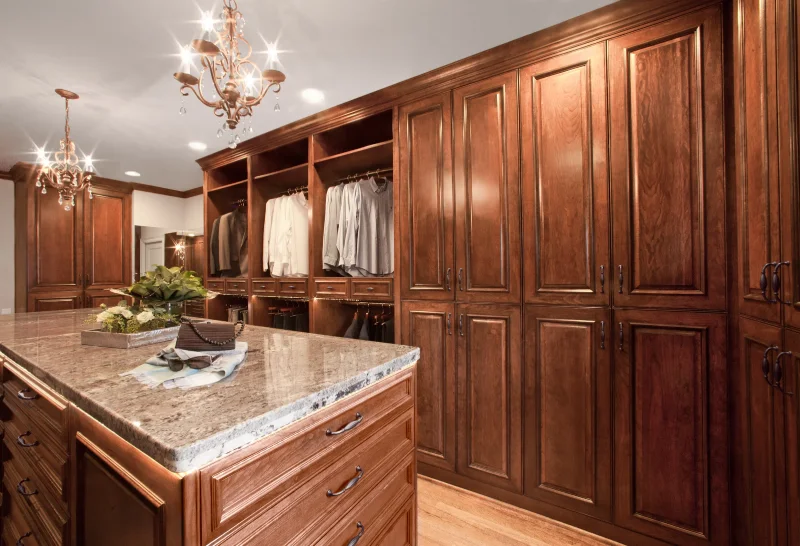
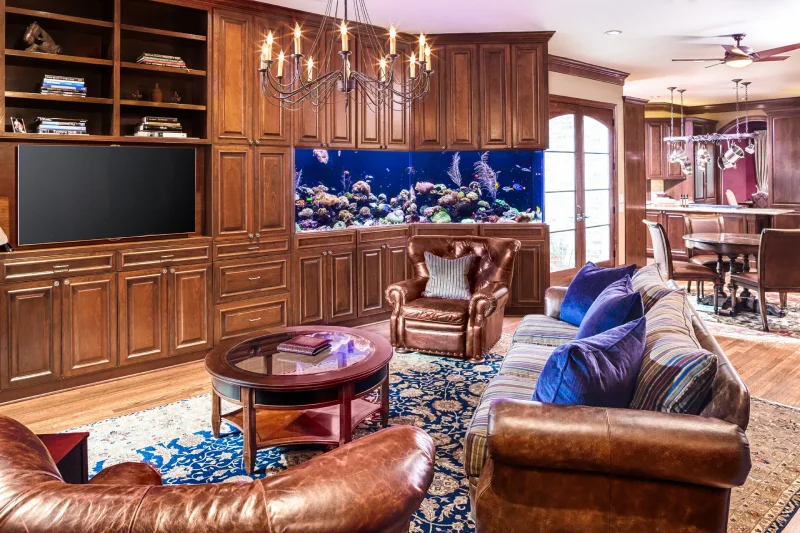
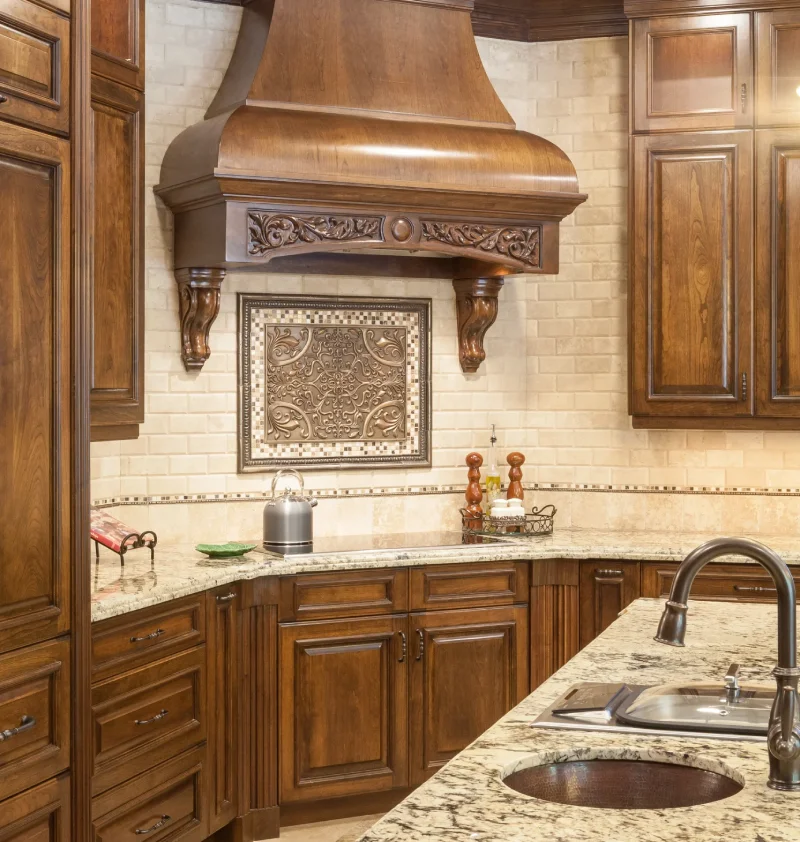
• Interior finishes: Solid wood cabinetry with dovetail joinery and soft-close hardware, natural stone or quartz countertops, and hardwood flooring versus particleboard cabinets, laminate surfaces, and builder-grade carpet typical of production homes.
| Component | Custom Home Specification | Production Home Specification | Quality Impact |
| Foundation | Engineered post-tension or pier system | Standardized slab with minimal reinforcement | 60% reduction in settlement issues |
| Attic Insulation | R-38 to R-49 blown fiberglass or foam | R-30 fiberglass batts | 15-22% improved energy efficiency |
| HVAC Sizing | Manual J calculation, 2-stage systems | Rule-of-thumb sizing, single-stage | 18-25% lower utility costs, better comfort |
| Exterior Paint | 100% acrylic with 15-year warranty | Standard latex with 5-7 year lifespan | Triple the maintenance cycle |
| Plumbing | PEX-A with crimp connections, premium fixtures | PEX-B or CPVC, standard fixtures | 70% fewer connection failures |
Energy Efficiency: A Measurable Quality Indicator
Energy efficiency represents one of the most quantifiable quality differences between custom-built homes and production alternatives in Houston. Custom builders routinely achieve HERS Index scores of 45-55, indicating the home uses 45-55% less energy than a standard new home. Production builders typically deliver HERS scores of 80-100, meeting minimum code requirements but offering little performance advantage over existing home stock.
This performance gap translates to substantial operational savings. A 3,500-square-foot custom home in The Woodlands with a HERS score of 50 typically incurs monthly utility costs of $180-220 during peak summer months, while a comparable production home at HERS 85 averages $320-380. Over a 15-year ownership period, this $150-180 monthly difference accumulates to $27,000-32,400 in utility savings—offsetting a significant portion of the initial construction premium for custom building.
Beyond cost savings, superior energy performance delivers tangible comfort improvements. Custom homes with properly sized HVAC systems, enhanced air sealing, and optimized insulation maintain consistent temperatures throughout the home, eliminate hot and cold spots, and reduce humidity levels that contribute to mold growth in Houston's climate. Indoor air quality improves through balanced ventilation systems and filtration that production builders rarely incorporate.
Energy Performance Features in Quality Custom Homes
A good custom home builder integrates multiple energy-efficient strategies as standard practice:
• Building envelope optimization: Advanced air sealing techniques achieving 3.0-4.5 ACH50 (air changes per hour at 50 pascals pressure) compared to 6.0-8.0 ACH50 in production homes, reducing infiltration and improving system efficiency.
• HVAC system design: Two-stage or variable-speed equipment with zoned control, properly sized ductwork with sealed connections, and programmable or smart thermostats that adapt to occupancy patterns.
• Window orientation and shading: Strategic window placement to minimize western exposure, architectural overhangs calculated for Houston's sun angles, and low-E coatings selected for cooling-dominated climates.
• Appliance and lighting specifications: ENERGY STAR certified appliances throughout, LED lighting packages with smart controls, and water heating solutions including tankless systems or heat pump water heaters.
Site Selection and Preparation Advantages
Custom home construction allows you to select your specific lot based on quality-of-life factors that production home buyers must accept as predetermined. In communities throughout Magnolia, Tomball, Cypress, Memorial Houston, The Woodlands, and Katy, lot selection influences everything from foundation requirements to drainage patterns, tree preservation, view orientation, and privacy considerations. A good custom home builder evaluates each site's unique characteristics and engineers solutions rather than imposing standardized plans.
Houston's expansive clay soils present significant foundation challenges that require site-specific engineering. Custom builders conduct comprehensive soil analyses including plasticity index testing, moisture content evaluation, and bearing capacity determination before designing the foundation system. Production builders typically use standardized foundation designs across entire subdivisions, leading to performance variations and potential failure in lots with poor soil conditions. This customized approach reduces foundation settlement issues by 60-70% compared to one-size-fits-all production methods.
Site preparation for custom homes includes drainage engineering tailored to your lot's topography and relationship to neighboring properties. French drains, surface swales, and strategic grading prevent water intrusion and foundation moisture issues that plague many Houston-area homes. Tree preservation becomes feasible when your home design adapts to existing mature specimens rather than requiring clear-cutting for standardized building envelopes. These site-specific considerations directly impact long-term home performance and your daily living experience.
| Site Factor | Custom Home Approach | Production Home Approach | Long-Term Impact |
| Soil Analysis | Comprehensive geotechnical engineering | Subdivision-wide average assumptions | 60-70% fewer foundation issues |
| Foundation Design | Site-specific post-tension or pier systems | Standardized slab across all lots | Superior stability, lower repair costs |
| Drainage Engineering | Custom grading and drainage infrastructure | Standard lot grading only | Effective water management, no flooding |
| Tree Preservation | Design adapted to preserve mature trees | Clear-cutting for standardized building pads | Enhanced property value, immediate maturity |
| Home Orientation | Optimized for views, privacy, solar exposure | Predetermined by subdivision plan | Better natural lighting, energy efficiency |
| Utility Placement | Coordinated with landscape and design goals | Standardized connection points | Cleaner aesthetics, functional outdoor spaces |
Personalization and Functional Design Quality
The ability to personalize every aspect of your home represents a fundamental quality advantage of custom construction. Beyond aesthetic preferences, personalization means creating spaces that function optimally for your specific lifestyle, family composition, and daily routines. A good custom home builder collaborates with you to understand how you actually live and works backward from those requirements to create floor plans, storage solutions, and spatial relationships that production homes can never achieve.
Functional design quality encompasses room proportions, traffic flow patterns, storage integration, and spatial adjacencies that enhance daily life. Custom homes in Memorial and The Woodlands incorporate features like dedicated home offices with proper acoustics and technology infrastructure, mudrooms positioned adjacent to garages for realistic family flow, pantries sized for actual grocery storage needs, and primary suites separated from children's bedrooms for privacy. These functional considerations cost nothing extra in design phase but dramatically improve the home's livability compared to production floor plans designed for maximum market appeal.
Aging-in-place design represents another quality dimension where custom homes excel. Incorporating wider doorways, zero-threshold showers, reinforced bathroom walls for future grab bars, and first-floor primary suite options costs minimal additional investment during construction but provides decades of functional flexibility. Production builders rarely accommodate these forward-thinking specifications, limiting the home's ability to adapt to changing needs and potentially necessitating expensive retrofits or premature relocation.
Craftsmanship and Construction Oversight
Quality custom home builders implement construction oversight protocols that production builders cannot match given their volume-driven business models. Dedicated project managers conduct multiple inspections at each construction phase, verifying installation quality before subsequent trades begin work. This systematic approach prevents concealed defects and ensures each component meets specified standards rather than merely passing minimum code inspections.
Trade contractor selection significantly impacts finished quality. Custom builders cultivate relationships with specialized craftsmen who take pride in precision work—finish carpenters who scribe cabinets perfectly to walls, tile installers who achieve lippage-free transitions, and painters who deliver flawless finishes through proper surface preparation. Production builders necessarily rely on high-volume crews incentivized to maximize speed, often resulting in acceptable but not exceptional execution.
Change order management during construction allows quality improvements and refinements as the home takes physical form. Custom builders accommodate field adjustments when you recognize opportunities to enhance functionality or aesthetics. This flexibility enables optimization throughout construction rather than forcing adherence to predetermined specifications regardless of field conditions or evolving preferences.
Investment Considerations and Long-Term Value
Custom home construction requires higher upfront investment than production alternatives, typically ranging from $250-450 per square foot in Houston's luxury markets compared to $150-220 per square foot for production homes. This 40-70% cost premium reflects superior materials, skilled labor, comprehensive design services, and extended construction timelines. For affluent homeowners prioritizing quality, personalization, and long-term value, this investment differential delivers measurable returns through lower operating costs, reduced maintenance requirements, and enhanced resale positioning.
Lifecycle cost analysis reveals custom homes' economic advantages over 20-30 year ownership periods. Superior building envelope performance reduces annual utility costs by $2,500-4,500 compared to production homes. Premium materials extend maintenance cycles—exterior paint lasting 15 years versus 5-7 years, roofing systems providing 50-year service versus 25-year, and HVAC equipment operating 18-22 years versus 12-15 years in production installations. These extended service lives reduce the frequency and cost of major home system replacements.
Resale value considerations favor custom homes in established luxury markets throughout The Woodlands, Memorial, and Magnolia. Custom homes command premium pricing due to superior quality, distinctive design, and enhanced land positions. Buyers seeking luxury properties value the personalization and craftsmanship that custom construction delivers. While production homes depreciate components as they approach end-of-service-life, quality custom homes maintain value through superior durability and timeless design that transcends trendy production builder finishes.
Timeline and Process Quality
Custom home construction typically requires 10-14 months from permit issuance to completion, compared to 4-7 months for production homes. This extended timeline reflects thorough planning, quality-focused construction practices, and appropriate material curing times rather than inefficiency. A good custom home builder establishes realistic schedules with defined milestones and communicates proactively about any adjustments required by weather, material availability, or scope refinements you request.
| Construction Phase | Custom Home Timeline | Production Home Timeline | Quality Benefit of Extended Timeline |
| Pre-Construction Planning | 6-10 weeks | 1-2 weeks | Comprehensive engineering, permit coordination, material selection |
| Foundation & Slab | 3-4 weeks | 1.5-2 weeks | Proper soil moisture conditioning, curing time for concrete strength |
| Framing & Dry-In | 6-8 weeks | 3-4 weeks | Precise installation, proper material acclimation, detailed flashing |
| MEP Rough-In | 4-5 weeks | 2-3 weeks | Coordinated systems, proper testing, multiple quality inspections |
| Insulation & Drywall | 4-5 weeks | 2-3 weeks | Complete air sealing, proper drywall finishing with multiple coats |
| Interior Finishes | 8-10 weeks | 4-6 weeks | Precision carpentry, custom millwork, meticulous paint preparation |
| Final Commissioning | 2-3 weeks | 1 week | System balancing, occupant training, comprehensive punch list |
The construction process itself represents a quality indicator. Custom builders provide regular communication through weekly progress updates, photo documentation, and scheduled site visits where you can observe construction quality firsthand. Transparency throughout the process builds confidence and allows you to understand exactly what you're receiving. Production builders limit owner involvement and site access, providing minimal insight into construction methods or material quality until final walkthrough.
Selecting a Good Custom Home Builder in Houston
Builder selection represents the most critical decision in achieving custom home quality. Not all custom builders deliver equivalent results, and builder quality directly determines whether you realize the potential advantages of custom construction. A good custom home builder demonstrates verifiable credentials, transparent business practices, comprehensive warranty coverage, and a portfolio of completed homes you can personally inspect.
Professional affiliations and industry recognition provide objective quality indicators. Membership in the Greater Houston Builders Association (GHBA), Texas Association of Builders (TAB), and National Association of Home Builders (NAHB) demonstrates commitment to industry standards and professional development. Award recognition for design excellence, energy efficiency, or community service indicates peer acknowledgment of superior work. Better Business Bureau ratings and customer reviews on platforms like Houzz offer insights into customer satisfaction and dispute resolution practices.
Financial stability and business longevity matter significantly when selecting a custom builder for a project spanning 10-14 months. Established builders with 10-20+ years of continuous operation in Houston have weathered economic cycles and developed the systems, trade relationships, and expertise that deliver consistent quality. Request bank references, review financial statements if building on a cost-plus contract, and verify proper licensing and insurance coverage including general liability and workers' compensation policies.
Key Evaluation Criteria for Custom Home Builders
• Portfolio inspection: Visit 3-5 completed homes, preferably occupied for 2-5 years, to assess quality over time and speak with homeowners about their construction experience and post-occupancy satisfaction.
• Warranty coverage: Verify comprehensive warranty including 10-year structural, 2-year systems and mechanical, and 1-year workmanship with clear procedures for warranty service and dispute resolution.
• Communication systems: Evaluate the builder's project management approach, communication frequency, decision tracking systems, and change order documentation protocols that prevent misunderstandings.
• Trade contractor relationships: Ask about trade contractor tenure, specialization, and quality control processes to understand who actually performs the work and how quality is verified.
• Material sourcing: Understand material specification processes, supplier relationships, allowance structures, and opportunities for you to select specific brands and products that meet your quality standards.
Frequently Asked Questions
How much more does a custom-built home cost compared to a production home in Houston?
Custom-built homes in Houston typically cost 40-70% more than comparable production homes, ranging from $250-450 per square foot versus $150-220 per square foot for production construction. This premium reflects superior material grades, skilled craftsman labor, comprehensive architectural and engineering services, and extended construction timelines. For a 3,500-square-foot luxury home, expect total investment of $875,000-$1,575,000 for custom construction versus $525,000-770,000 for production alternatives. However, lifecycle cost analysis over 20-30 years reveals custom homes deliver lower operating expenses and maintenance costs that partially offset the initial premium.
What HERS Index score should I expect from a quality custom home builder?
Quality custom home builders in Houston routinely achieve HERS Index scores of 45-55, indicating the home uses 45-55% less energy than a standard reference home. Some exceptional builders reach scores of 35-45 by incorporating advanced technologies like spray foam insulation, high-efficiency HVAC systems, and enhanced air sealing. Production homes typically achieve HERS scores of 80-100, meeting minimum energy code requirements. The 30-45 point HERS difference translates to monthly utility savings of $120-200 in Houston's climate, accumulating to $21,600-36,000 over 15 years of ownership.
How long does custom home construction take from start to finish?
Custom home construction in Houston typically requires 10-14 months from permit approval to final certificate of occupancy, though complex designs or luxury homes exceeding 5,000 square feet may extend to 16-18 months. Pre-construction activities including lot acquisition, architectural design, engineering, and permitting add another 3-6 months before construction begins. Total timeline from initial concept to move-in averages 13-20 months. While significantly longer than 4-7 month production home timelines, this extended duration enables thorough planning, quality-focused construction methods, and proper material installation that custom home quality requires.
Can I use my own lot for custom home construction in Houston suburbs?
Yes, most custom home builders in Houston suburbs including Magnolia, Tomball, Cypress, Memorial Houston, The Woodlands, and Katy offer "build on your lot" services. This approach provides maximum flexibility in site selection, allowing you to choose lots based on school districts, commute patterns, property size, mature trees, or other personal priorities. Ensure your builder conducts comprehensive due diligence including soil analysis, title review, utility availability verification, and easement evaluation before purchasing. Some builders maintain preferred lot relationships or can assist with lot acquisition as part of comprehensive design/build services.
What warranties should a good custom home builder provide?
Reputable custom home builders in Houston provide comprehensive warranty coverage including 10-year structural warranty covering foundation, framing, and load-bearing components; 2-year systems warranty for HVAC, plumbing, and electrical systems; and 1-year comprehensive workmanship warranty addressing finishes, appliances, and minor defects. Quality builders also facilitate manufacturer warranties on major components like roofing (typically 50 years on premium materials), windows (lifetime on frames), and appliances (1-5 years depending on manufacturer). Verify warranty terms in writing before contract execution and understand the service process for warranty claims.
Is a custom-built home worth the extra investment for resale value?
Custom-built homes typically command 10-20% premium pricing compared to similar-sized production homes in Houston's luxury markets, particularly in established areas like Memorial, The Woodlands, and Magnolia. This premium reflects superior quality, distinctive design, better lot positions, and enhanced finishes that appeal to discerning buyers. However, resale value depends significantly on market conditions, location desirability, home maintenance, and whether your personalization choices have broad market appeal. Custom homes designed with timeless aesthetics rather than trend-driven finishes maintain stronger resale positioning. For homeowners planning 10+ year ownership, custom quality delivers value through enhanced livability and reduced operating costs regardless of resale premium.
Conclusion
Custom-built homes in Houston deliver measurably superior quality through premium materials, advanced energy efficiency, site-specific engineering, and precision craftsmanship that production builders cannot economically replicate. The 40-70% investment premium translates to tangible benefits including 25-40% lower utility costs, 60-70% fewer foundation issues, extended maintenance cycles, and personalized design that enhances daily living for decades. When you select a good custom home builder with proven credentials, transparent processes, and comprehensive warranties, you're investing in a home engineered for your specific needs and built to perform optimally in Houston's unique climate and soil conditions.
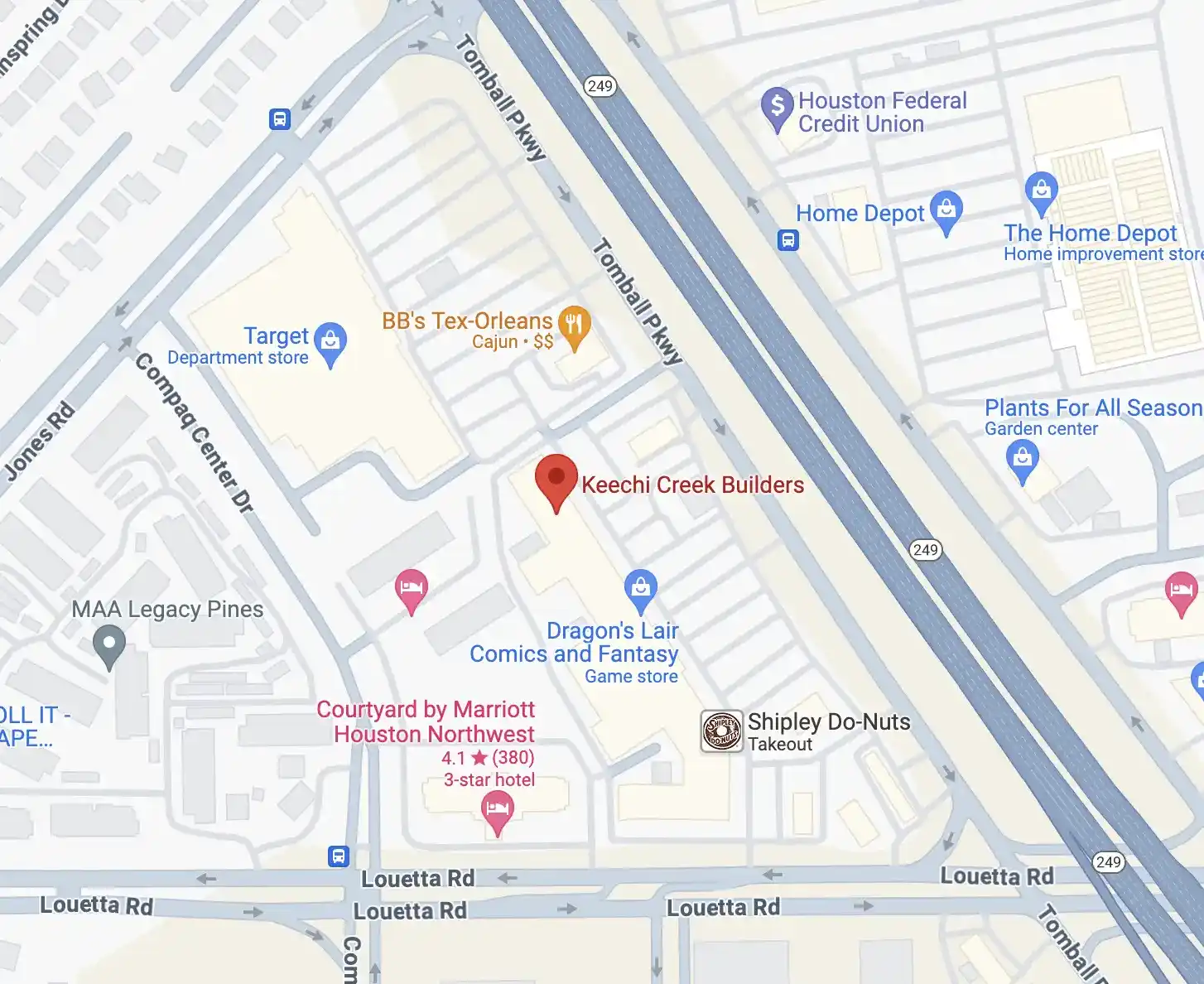
For discerning homeowners throughout Magnolia, Tomball, Cypress, Memorial Houston, The Woodlands, and Katy seeking uncompromising quality and personalized attention, Keechi Creek Builders delivers award-winning custom home construction and luxury remodeling services backed by decades of craftsmanship excellence. Our design/build approach provides seamless project management from concept through completion, ensuring your investment receives the white-glove attention and superior quality you expect. Contact Keechi Creek Builders at 281-688-1454 or visit https://www.keechicreekbuilderstx.com to discuss how we can transform your vision into a custom-built home of exceptional quality and enduring value.