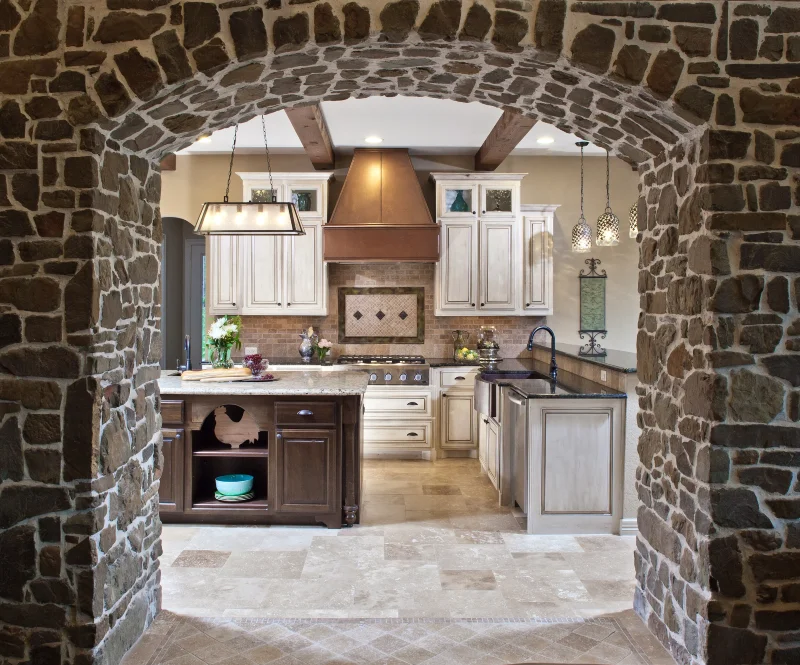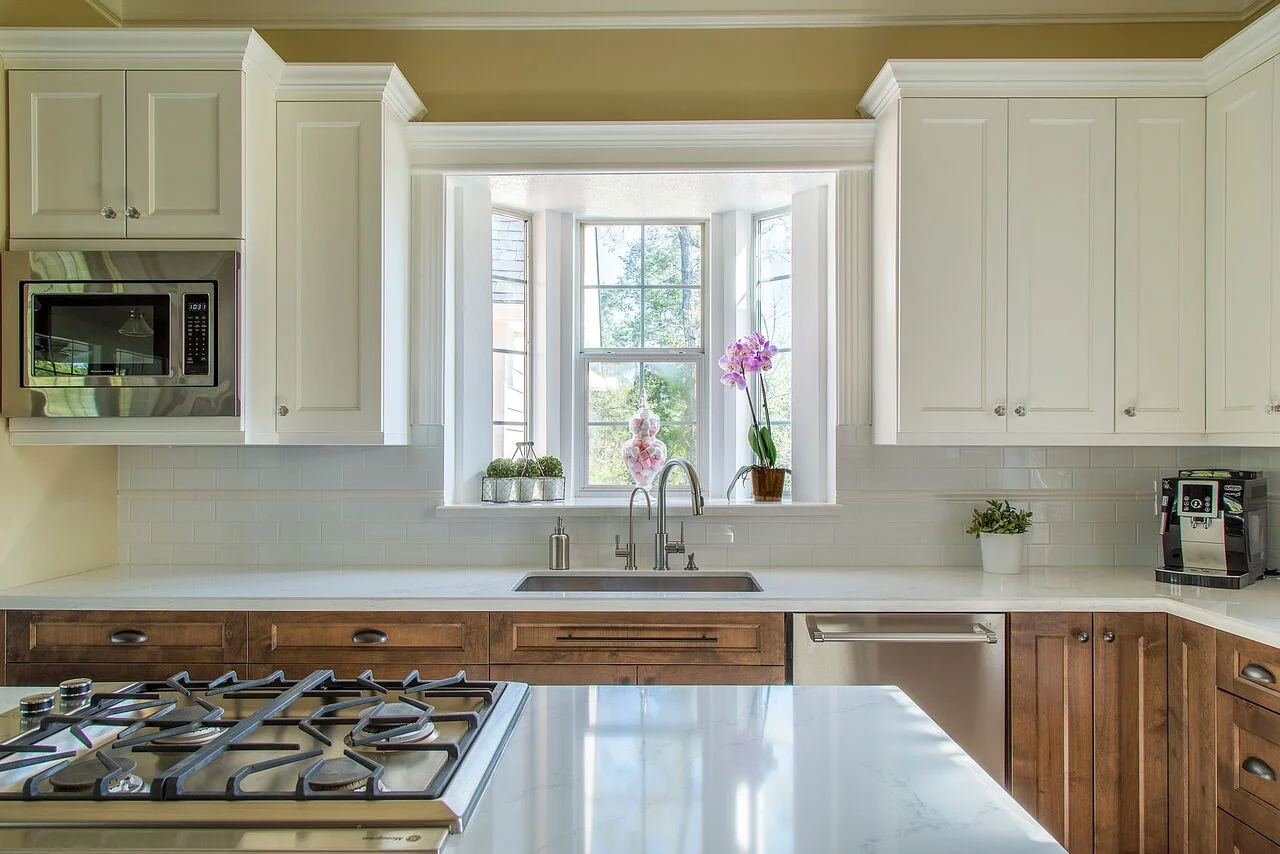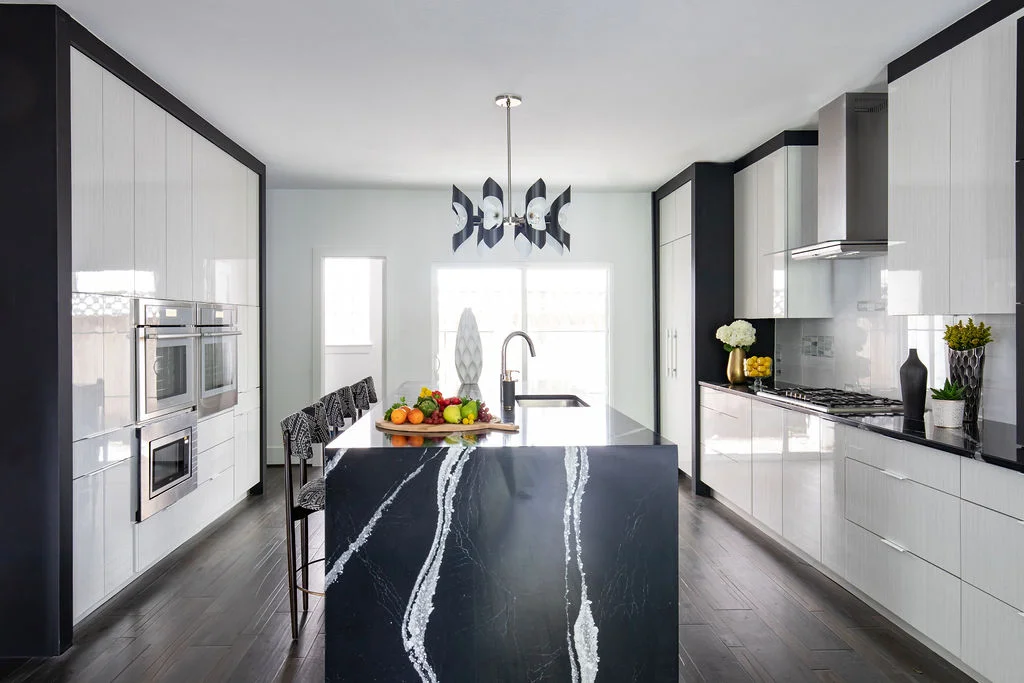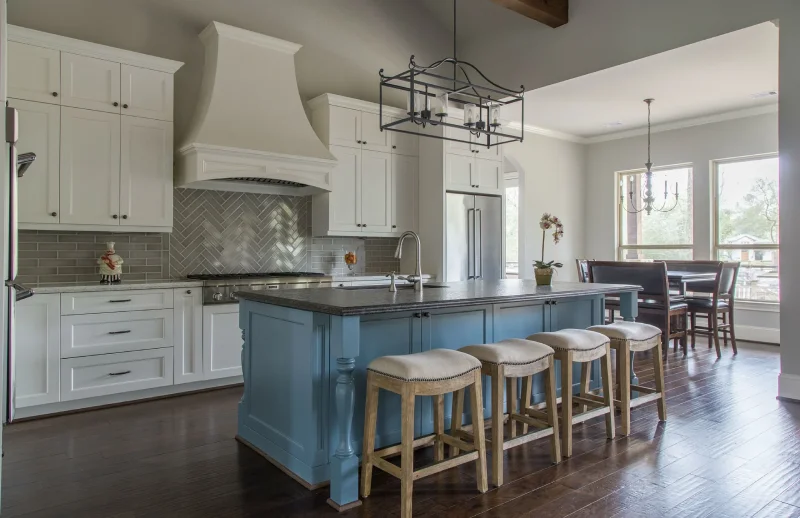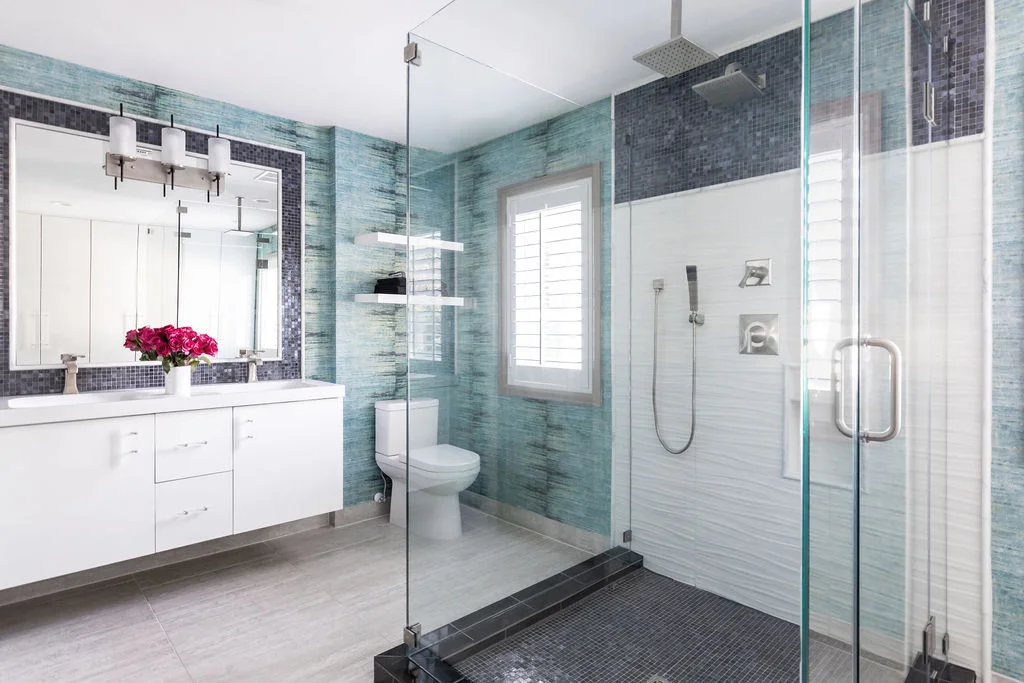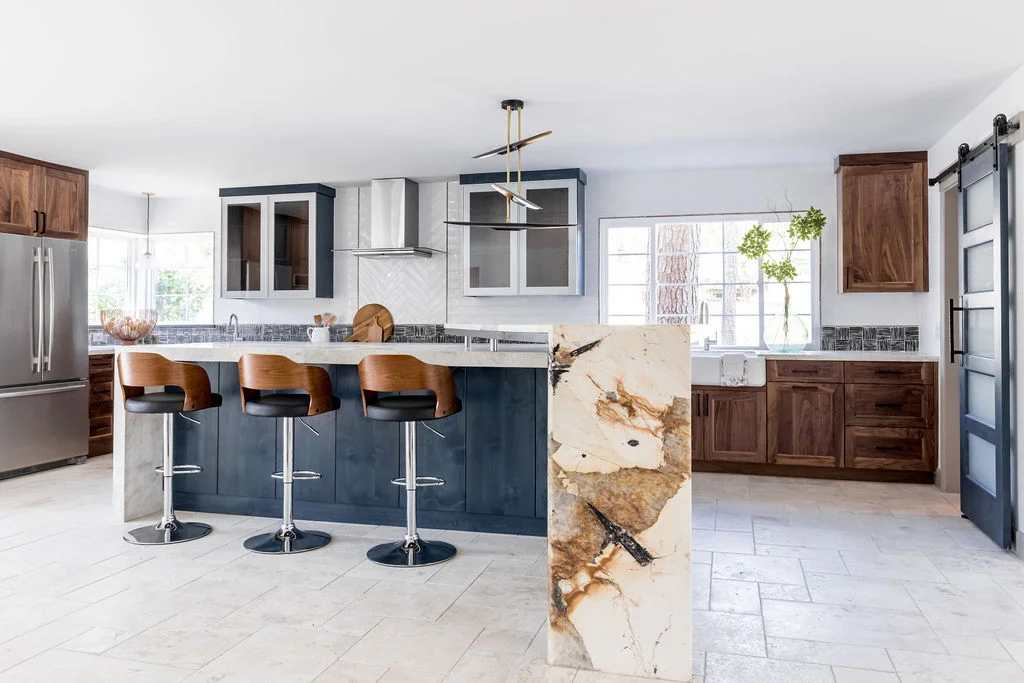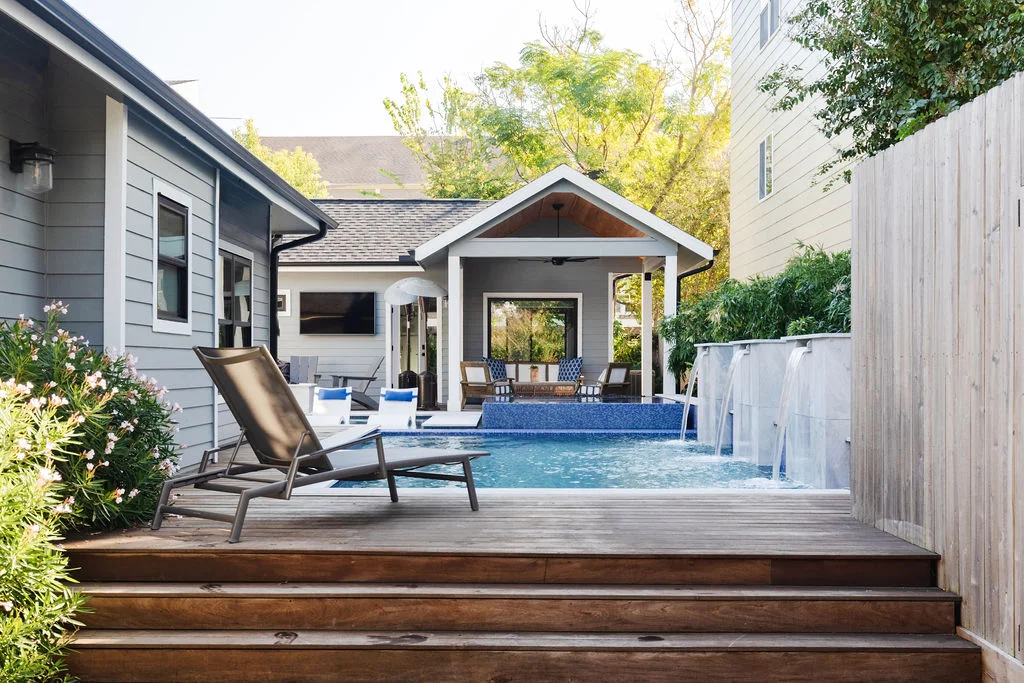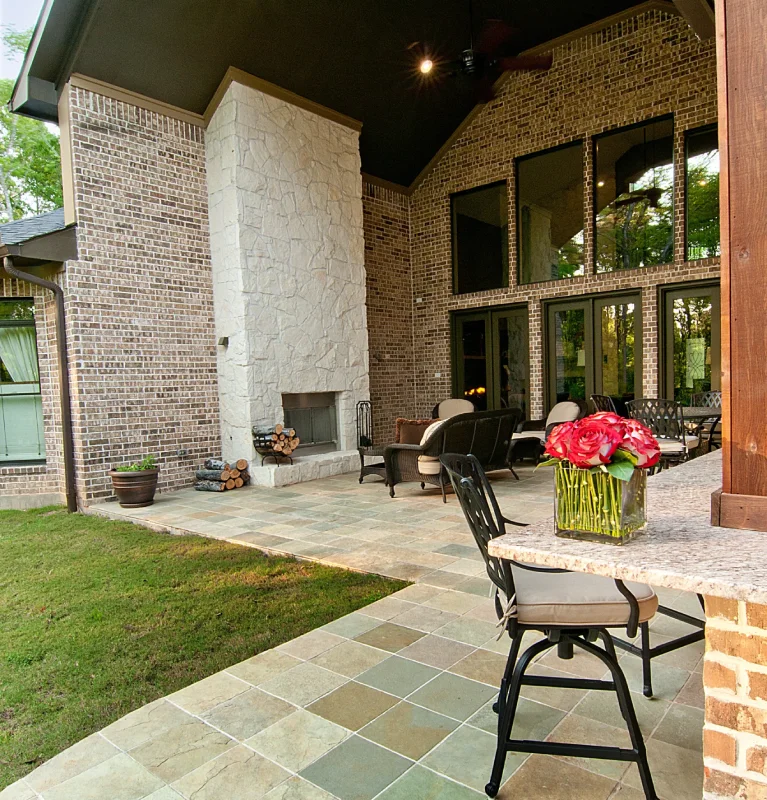
Whole home renovation in Houston demands a builder who understands both the vision and the complexity behind transforming an entire residence. Keechi Creek Builders, recognized with the TAB Star Award for Best Whole House Renovation and named GHBA Custom Builder of the Year, has completed comprehensive home transformations across The Woodlands, Cypress, Memorial, and surrounding communities since 2007. According to the National Association of Home Builders, whole home renovations have increased 23% among homeowners choosing to reinvest in existing properties rather than relocate. For Houston families seeking to reimagine their living spaces without sacrificing their established neighborhoods, schools, and community connections, a strategic whole home renovation delivers both the transformation and the continuity they require.
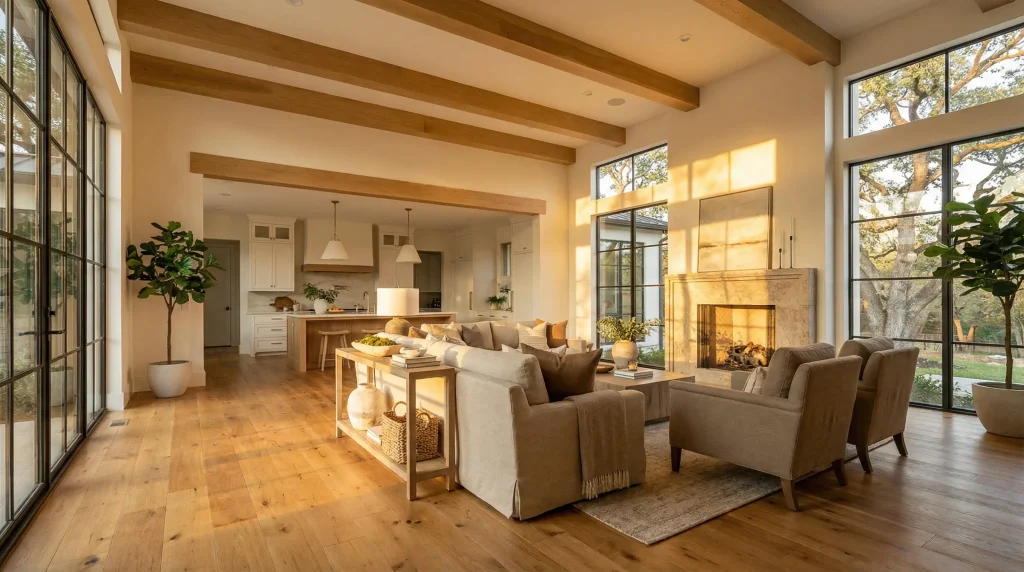
A whole home renovation integrates structural modifications, mechanical system upgrades, and comprehensive finish updates into a single coordinated project—distinguishing it from room-by-room remodeling that addresses spaces in isolation. The key difference lies in systems thinking: when walls open for a kitchen expansion, experienced renovators simultaneously evaluate electrical panel capacity, HVAC distribution, and plumbing infrastructure rather than discovering limitations mid-project.
Houston's housing stock presents specific renovation considerations that builders from other markets may underestimate. Homes built during the 1970s and 1980s expansion era often feature outdated electrical systems insufficient for modern demands, HVAC designs that struggle against Gulf Coast humidity, and foundation systems requiring evaluation before adding structural loads. Whole home renovation addresses these interconnected challenges through integrated planning rather than reactive repairs.
The scope distinction matters for both budgeting and expectations. Partial renovations that address only visible finishes often reveal hidden deficiencies—outdated wiring behind new cabinets, inadequate insulation above fresh drywall, or plumbing that fails within years of a bathroom update. Whole home renovation anticipates and resolves these issues proactively.
According to the National Association of the Remodeling Industry (NARI), homeowners who pursue comprehensive renovations report 35% higher satisfaction rates compared to those completing equivalent work through sequential smaller projects. The efficiency gains extend beyond satisfaction to practical outcomes: unified project management, single permitting processes, and coordinated trade scheduling reduce both timeline and total investment.
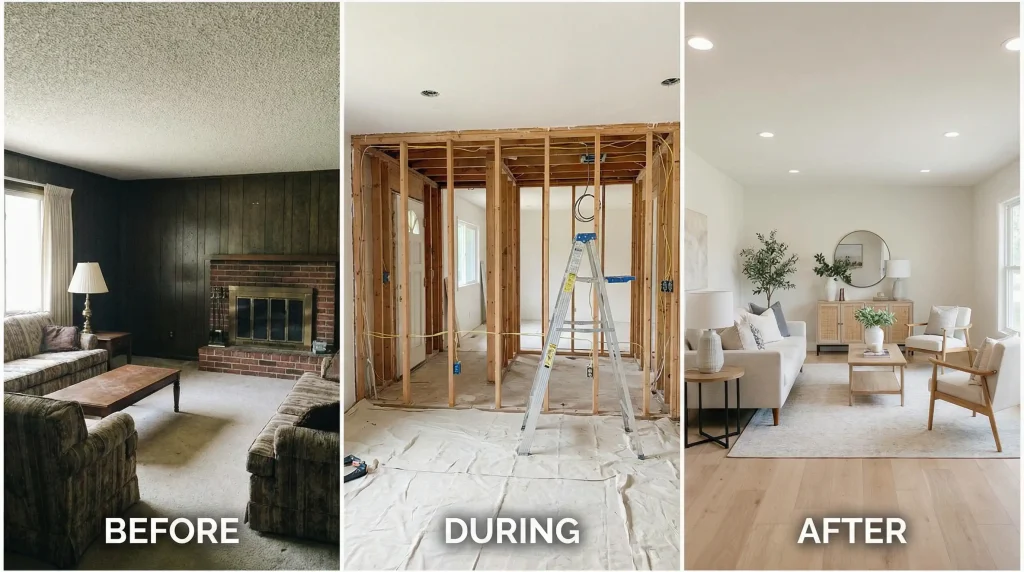
The most critical factor driving whole home renovation decisions in Houston is the combination of established location value and current inventory constraints. Families with children in highly-rated schools within Cypress-Fairbanks ISD, Tomball ISD, or Conroe ISD face a difficult calculus: comparable homes in their preferred attendance zones command premium prices, while their existing properties offer familiar neighborhoods and community connections that new construction cannot replicate.
Real estate data consistently demonstrates that renovation investment in established Houston neighborhoods—particularly The Woodlands, Memorial, and areas within Loop 610—delivers strong returns. The Remodeling 2024 Cost vs. Value Report indicates that major whole-home projects in the South Central region recover 60-75% of investment at resale, with higher percentages for projects that address functional obsolescence alongside aesthetic updates.
Here's what most renovation guides won't acknowledge: the emotional calculation often outweighs the financial one. A home where children learned to walk, where holiday traditions developed, where years of memories accumulated holds value no spreadsheet captures. Renovation preserves that continuity while eliminating the compromises that prompted consideration of moving.
"The families we work with aren't just upgrading their homes—they're investing in the next chapter of their lives in a place that already feels like home," notes a senior project manager at a Houston design-build firm. "When someone shows us the height marks on a doorframe they don't want to lose, we understand that this project means more than square footage and finishes."
The practical advantages compound over time. Renovation eliminates transaction costs, moving expenses, and the disruption of changing children's schools mid-year. For homeowners in flood-resistant areas with established elevation certificates, staying put preserves favorable insurance positioning that new purchases cannot guarantee.
What distinguishes design-build from traditional renovation approaches is the elimination of the adversarial relationship that develops when architects and contractors operate independently. Keechi Creek Builders' integrated model—combining architectural design, engineering expertise, and construction execution under one leadership team—ensures that design decisions account for constructability, budget realities, and Houston-specific code requirements from the earliest sketches.
Traditional design-bid-build processes create inherent conflicts. An architect designs without construction cost accountability; contractors bid on completed plans they had no input creating; homeowners find themselves mediating disputes between parties who share no contractual relationship with each other. Change orders multiply when design intent collides with construction reality.
The design-build approach resolves this structural problem. Brandon Lynch, founder of Keechi Creek Builders, brings a Texas A&M engineering background to renovation planning—technical expertise that identifies structural opportunities and limitations before design development, not during demolition. This integration prevents the costly surprises that plague projects where design and construction operate in silos.

Whole home renovations specifically amplify the coordination benefits. A kitchen expansion that requires beam installation affects structural engineering, electrical routing, HVAC ductwork, and plumbing locations simultaneously. Design-build teams evaluate these interdependencies through a single communication channel rather than forcing homeowners to relay information between disconnected professionals.
Industry research supports the efficiency gains. Design-build projects complete an average of 33% faster than traditional delivery methods, according to the Design-Build Institute of America. The compressed timeline results from parallel processing—construction preparation begins during design development rather than waiting for completed documents—and from reduced rework when design and construction teams share accountability for outcomes.
Whole home renovation timelines in Houston typically range from six to twelve months from design completion through final walkthrough, with project complexity and permit requirements determining position within that range. The most significant timeline variable isn't construction duration—it's the planning and permitting phase that precedes it.
Houston's permitting landscape varies dramatically by jurisdiction. Projects within the City of Houston proper navigate different requirements than those in The Woodlands, which operates under township development standards and architectural review committees. Cypress projects may fall under Harris County, Waller County, or municipal jurisdiction depending on precise location. Experienced local builders account for these variations in project scheduling; firms unfamiliar with Houston's fragmented regulatory environment routinely underestimate permitting timelines by 30-60 days.
Sound familiar? Many homeowners begin renovation conversations with unrealistic expectations shaped by television programs that compress months of work into hour-long episodes. The reality involves sequential phases that cannot be parallelized: design development, permit submission, permit revision, permit approval, demolition, rough framing, inspections, mechanical rough-in, more inspections, insulation, drywall, and finally the finish work that television shows emphasize.
Phased occupancy strategies can accommodate families who prefer to remain in their homes during renovation. This approach isolates construction to specific zones while maintaining livable areas, typically adding 20-30% to overall timeline but eliminating temporary housing costs and disruption. The trade-off depends on family circumstances, project scope, and tolerance for living adjacent to active construction.
"Timeline conversations require honesty," emphasizes one Houston renovation specialist. "We'd rather lose a project to a competitor who promises impossible schedules than inherit the relationship damage when those promises fail. Realistic expectations create successful partnerships."
The most important credential for whole home renovation isn't years in business or project count—it's demonstrated experience with the specific scope and complexity your project requires. A builder with extensive kitchen remodeling experience may lack the structural engineering judgment that whole-home transformation demands. Conversely, new construction specialists may underestimate the complexities hidden within existing walls.
Look for evidence of comprehensive project completion: case studies showing before-and-after transformations at whole-home scale, not collections of individual room renovations. Industry recognition provides external validation—awards from the Texas Association of Builders, Greater Houston Builders Association, or Best of Houzz indicate peer and client recognition that marketing claims cannot replicate.
What about the uncomfortable question most homeowners avoid asking? Request references specifically from whole home renovation clients, not general satisfied customers. Ask those references pointed questions: Did the project finish within the communicated timeline range? How did the builder handle unexpected discoveries during demolition? Would they undertake another major project with this team?
Credential verification matters particularly in Texas, where residential construction licensing requirements are less stringent than many homeowners assume. Confirm that your renovation partner carries appropriate insurance coverage, maintains relationships with qualified trade contractors, and holds any specialized certifications relevant to your project scope—structural modifications, electrical service upgrades, or HVAC system replacement.
Keechi Creek Builders' recognition as GHBA Custom Builder of the Year and recipient of multiple TAB Star Awards reflects the caliber of work that external judges—industry peers evaluating projects against defined excellence criteria—recognize as exceptional. The BBB Winner of Distinction designation across multiple consecutive years indicates sustained customer satisfaction, not isolated positive outcomes.
Preparation for whole home renovation begins months before construction crews arrive, with decisions that affect both project success and family sanity during the process. The initial step involves comprehensive documentation of your home's current condition—photographs, measurements, and identification of elements worth preserving—completed before any demolition occurs.
On the flip side, preparation also means honest evaluation of what should go. Many homeowners develop emotional attachments to features that no longer serve their lifestyle or that compromise overall renovation coherence. That built-in china cabinet from the 1990s may hold memories, but incorporating it into a contemporary whole-home design creates aesthetic tension. Experienced designers help navigate these decisions with sensitivity.
Practical preparation addresses logistics that construction disrupts. Identify climate-controlled storage for furniture, artwork, and belongings that cannot remain in a renovation zone. If pursuing phased occupancy, establish which areas will serve as temporary living space and ensure those zones have adequate utilities before construction isolates them from primary systems.
The bottom line? Communication preparation matters as much as physical preparation. Establish preferred contact methods, decision-making protocols for unexpected discoveries, and realistic availability windows for required homeowner input. Renovation projects generate dozens of decisions beyond initial design—finish selections, fixture choices, minor routing changes. Delayed decisions delay construction.
Financial preparation extends beyond securing project financing. Reserve contingency funds for discoveries that legitimate budgets cannot anticipate: foundation issues hidden beneath flooring, outdated wiring behind drywall, or plumbing conditions that meet code but warrant proactive replacement. Industry guidance suggests 10-15% contingency for comprehensive renovations, with higher percentages for homes exceeding 30 years of age.
How long does a whole home renovation take in Houston?
Whole home renovations in Houston typically require six to twelve months from design completion through final walkthrough. Timeline variables include permit jurisdiction, project complexity, and whether homeowners remain in residence during construction through phased approaches.
What is the difference between whole home renovation and remodeling?
Whole home renovation addresses structural, mechanical, and aesthetic systems as an integrated project, while remodeling typically focuses on individual rooms or cosmetic updates. Renovation evaluates and upgrades interconnected building systems comprehensively.
Can I live in my home during a whole home renovation?
Phased renovation strategies allow continued occupancy by isolating construction zones while maintaining livable areas. This approach typically extends timelines by 20-30% but eliminates temporary housing costs and reduces family disruption.
How do I choose a whole home renovation contractor in Houston?
Prioritize contractors with demonstrated whole-home project experience, industry recognition (TAB Star Awards, GHBA designations), verified insurance coverage, and references specifically from comprehensive renovation clients rather than individual room projects.
What permits are required for whole home renovation in Houston?
Permit requirements vary by jurisdiction within Greater Houston. Projects may require building permits, electrical permits, plumbing permits, mechanical permits, and potentially architectural review approval in communities with development standards.
When is renovation better than buying a new home?
Renovation typically advantages homeowners with strong location attachment, children in preferred school districts, properties in flood-resistant areas, or homes where land value exceeds structure value and total renovation investment.
What should I look for in a design-build renovation firm?
Seek integrated teams offering architectural design and construction under unified leadership, engineering expertise for structural modifications, and demonstrated experience navigating Houston-area permitting across multiple jurisdictions.
The key takeaway from seventeen years of Houston whole home renovations is this: successful transformations result from partnership between homeowners with clear visions and builders with proven capability to realize them. Technical excellence, transparent communication, and shared commitment to outcomes that exceed expectations define projects that families celebrate for decades.
Keechi Creek Builders brings TAB Star Award recognition, GHBA Custom Builder of the Year credentials, and engineering-informed design-build expertise to every whole home renovation across The Woodlands, Cypress, Memorial, Magnolia, Tomball, and surrounding Houston communities. For homeowners ready to transform their current residence into the home they've envisioned, that partnership begins with a conversation about what's possible.