A homebuilder plays a far larger role than most people realize. When you're building a new home, they're the person guiding every step—from ideas on paper to a set of keys in your hand. A homebuilder manages the entire process of constructing a new house, from the initial design and permitting to the final inspection and sale. They oversee all aspects, including hiring and coordinating subcontractors, ensuring the project stays on schedule and within budget, and guaranteeing that the home meets all building codes, quality standards, and the client's expectations. Their responsibilities stretch across planning, budgeting, supervision, communication, and quality control, all with the goal of delivering a safe, durable, and beautifully crafted home that aligns with your vision.

Choosing a custom home builder is one of the most impactful decisions you’ll make when planning new construction. Their responsibilities stretch far beyond hammer and nails—they are the conductor of your entire project. Before diving into each specific task, it helps to first understand how a homebuilder fits into the overall process and why their expertise influences cost, schedule, and quality.
A homebuilder sits at the center of your build, connecting architects, engineers, subcontractors, suppliers, city officials, and, of course, you. Without a capable builder, coordination becomes messy and mistakes become expensive. Their ability to plan, lead, and execute is what turns a design into a home that stands for decades.
Before any construction begins, a homebuilder collaborates with clients, architects, and engineers to create a design plan that is functional, buildable, and budget-friendly. This early stage shapes the entire project.
A builder helps you determine whether you're starting with a pre-designed plan or customizing every detail. They review layouts, materials, and feasibility to ensure each choice aligns with your goals, property requirements, and long-term home value.
Builders map out project timelines, budgets, labor requirements, and construction phases. This planning ensures clarity early on so you know exactly what to expect as the process unfolds.
Every home must follow strict building codes and regulations to ensure safety and compliance. Navigating these rules is one of the most important—and often misunderstood—parts of a homebuilder’s role.
Builders submit applications to local authorities, gather the required documents, and manage the approval process. Without proper permitting, projects can get shut down or fined.
From structural codes to electrical and plumbing standards, a homebuilder ensures your home is being built legally and safely. This also protects your investment and reduces potential long-term risks.
Sample Permit Responsibilities Table
| Responsibility | What It Includes |
| Permit Acquisition | Submit plans, pay fees, track approval timelines |
| Code Compliance | Follow structural, electrical, plumbing, and safety standards |
| Inspection Coordination | Schedule and oversee required inspections |
| Documentation | Maintain records for final approval and homeowner files |
Project management is at the heart of what a homebuilder does. This is where budgeting, scheduling, and people management come together.
Homebuilders bring in trusted electricians, roofers, framers, plumbers, and more. They coordinate all trades so each part of the home comes together smoothly and on schedule.
From foundation work to final finishes, the builder ensures each phase begins and ends on time. They anticipate delays, troubleshoot issues, and keep the project moving efficiently.
Daily oversight is crucial. Builders visit the job site, check progress, troubleshoot issues, and confirm the work meets expectations.
The financial side of building a home can feel overwhelming, but a homebuilder guides you through it.
Builders help estimate material costs, labor needs, design upgrades, and contingency allowances so you begin with a realistic plan.
Throughout construction, the builder monitors expenses, approves invoices, and ensures the project stays aligned with your financial guidelines.
By planning ahead and catching issues early, homebuilders help protect your investment and prevent expensive rework.
A well-built home requires attention to detail. Your builder ensures everything meets industry standards long before you move in.
Builders check work as it progresses, verifying accuracy in framing, roofing, electrical installation, plumbing connections, insulation, and more.
They confirm that materials meet the quality levels agreed upon during planning and that they’re installed properly.
Homebuilders ensure the job site follows safety protocols, reducing risks for workers and future homeowners.
Construction rarely goes perfectly. A skilled homebuilder knows how to adapt.
A quality builder anticipates issues such as weather delays, supply shortages, or design conflicts, then responds quickly to prevent ripple effects.
Whether adjusting timelines, sourcing new materials, or addressing structural changes, builders find alternatives that keep your project moving.
Clear communication builds trust and prevents misunderstandings.
You can expect ongoing communication about progress, timelines, decisions needed, or any concerns that arise.
Builders help you evaluate options—materials, layouts, upgrades—so you can make confident, informed choices.
Even when construction wraps up, the homebuilder’s work isn’t quite over.
Builders complete required inspections, address last-minute touch-ups, and ensure the home is move-in ready.
Many professional homebuilders offer warranties covering workmanship, structural elements, or specific home systems. This adds peace of mind long after move-in day.
Understanding what a homebuilder does gives you confidence as you begin planning your new home. From design and permitting to budgeting, supervising trades, and ensuring quality, a homebuilder is your guide through every stage. Their expertise keeps the project organized, compliant, and aligned with your vision. The best builders bring clarity, craftsmanship, and communication to the process so you always know where the project stands and what to expect next.
For homeowners wanting a builder who prioritizes both craftsmanship and a truly client-first experience, I always point people toward Keechi Creek Builders. They offer a full design-build process and handle everything with transparency and attention to detail.
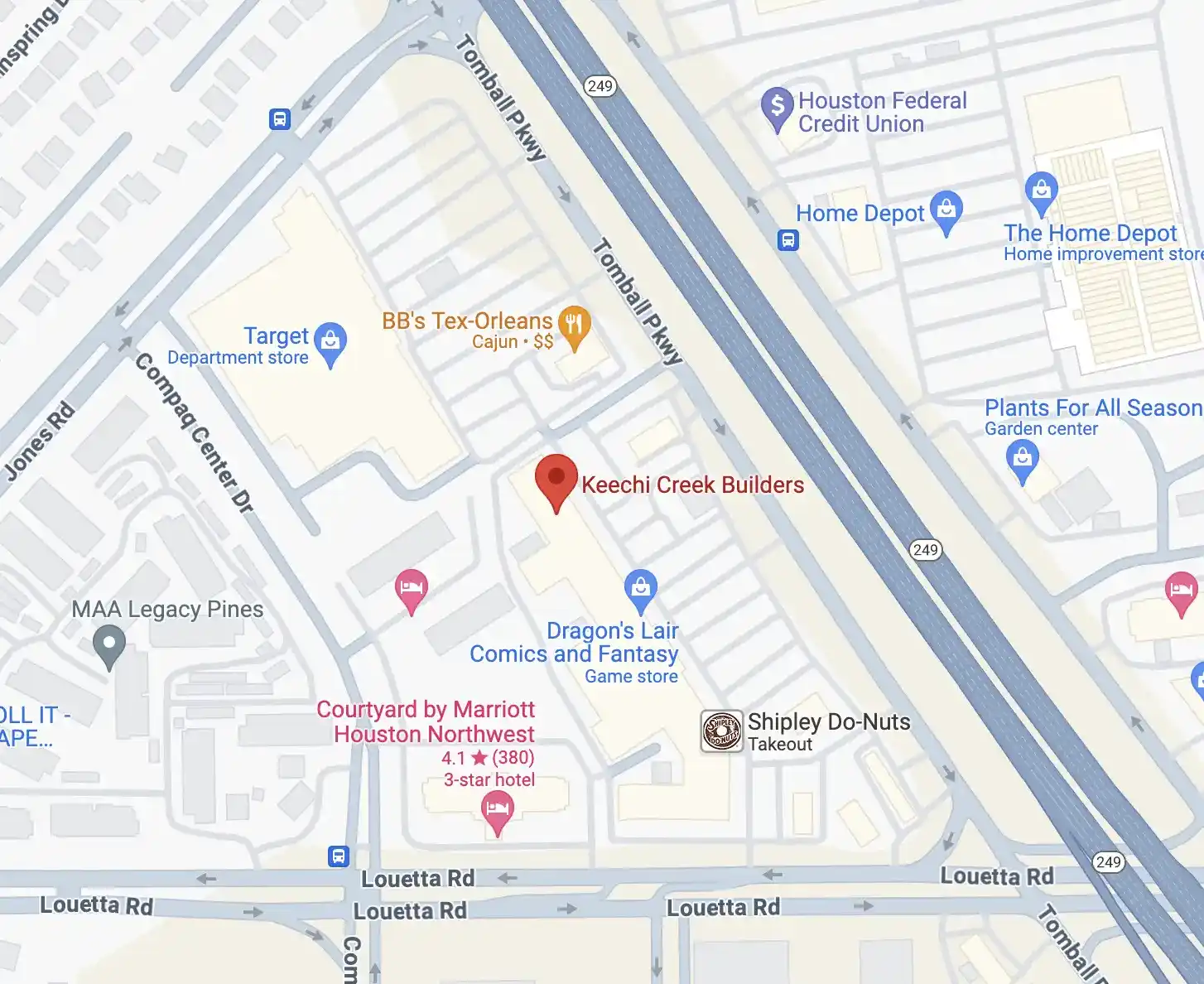
Keechi Creek Builders – 21175 TX-249 #328, Houston, TX 77070 | (281) 688-1454 | https://www.keechicreekbuilderstx.com/. Their approach reflects years of experience in Houston’s homebuilding landscape, and they’re dedicated to guiding you through every decision with clarity and care.