Understanding what custom builders in Magnolia, Texas actually do proves essential before investing in luxury residential construction. These specialized professionals orchestrate every phase of creating your personalized home, from initial site evaluation and architectural design through permit navigation, subcontractor coordination, and final quality inspection across the typical 12-18 month timeline. Unlike production builders who offer limited modifications to pre-designed plans, custom builders in Magnolia transform your unique vision into reality on your own land, managing the complex logistics you shouldn't handle alone: Montgomery County permitting, geotechnical analysis, construction financing coordination, and daily job site supervision ensuring uncompromising craftsmanship.

• Expect comprehensive design-build integration where your custom builder coordinates architects, interior designers, and engineers to create cohesive plans that balance aesthetic vision with structural feasibility, budget constraints, and Montgomery County building requirements, eliminating gaps between design and execution phases.
• Anticipate 6-10 formal decision points throughout the 12-18 month construction timeline where builders guide selections for structural systems, exterior materials, mechanical equipment, cabinetry, flooring, tile, lighting, plumbing fixtures, and finish details requiring your approval before ordering and installation.
• Understand project management includes coordinating 15-25 specialized subcontractors including excavation, foundation, framing, roofing, electrical, plumbing, HVAC, insulation, drywall, trim carpentry, cabinetry, flooring, tile, painting, and landscaping crews while ensuring quality standards, schedule adherence, and proper sequencing.
• Verify builders provide detailed budget transparency through itemized estimates breaking down costs by category (site work, foundation, framing, exterior finishes, mechanicals, interior finishes), monthly financial reports comparing actual expenditures against projections, and clear change order procedures with 15-20% markup disclosure.
• Confirm permit and compliance responsibility includes obtaining all necessary approvals from Montgomery County building departments, scheduling required inspections at foundation, framing, mechanical rough-in, and final stages, plus ensuring work meets International Residential Code standards and local amendments.
• Recognize post-construction support extends 12-24 months beyond move-in through warranty coverage for structural elements (10 years), mechanical systems (2-5 years), and workmanship (1-2 years), plus scheduled walkthroughs at 30, 90, and 365 days to address settling issues or deficiency corrections.
Custom home builders in Magnolia function as general contractors with specialized expertise in residential construction, but their role extends far beyond job site supervision. They serve as project architects (or coordinate with architects), design consultants, financial advisors, permit expediters, and quality control inspectors throughout the building process. This multifaceted responsibility distinguishes true custom builders from construction managers who simply oversee trades without providing design integration or comprehensive client guidance.
The initial consultation phase establishes project parameters and determines feasibility. Builders evaluate your lot or help identify suitable land, assessing factors like soil conditions requiring geotechnical analysis, utility availability (municipal water/sewer versus well/septic systems), access and easement considerations, setback requirements, and HOA or deed restrictions. They provide preliminary budget estimates based on your square footage requirements, desired finishes, and site-specific challenges, helping determine whether your vision aligns with available resources before significant investment occurs.
Design development represents where custom builders differentiate themselves most clearly. Full-service design-build firms employ in-house architects and designers who work collaboratively from project inception, ensuring designs consider constructability, material availability, and cost implications. This integrated approach prevents the common scenario where separately-hired architects create beautiful but unbuildable or budget-exceeding plans. Builders guide you through floor plan iterations, exterior elevation options, material selections, and system choices while explaining trade-offs between aesthetics, functionality, energy efficiency, and budget impact.
| Project Phase | Builder Responsibilities | Typical Duration | Client Involvement Level |
| Pre-Construction | Site evaluation, design coordination, permit applications, subcontractor bidding, material ordering | 8-14 weeks | High - major design decisions, finish selections, budget approvals |
| Site Preparation & Foundation | Clearing, excavation, utility installation, foundation construction, waterproofing | 3-5 weeks | Low - site visits, foundation walkthrough |
| Framing & Exterior Shell | Structural framing, roof installation, windows/doors, exterior finishes, weatherproofing | 8-12 weeks | Medium - framing walkthrough, exterior material verification |
| Mechanical Systems | Electrical, plumbing, HVAC rough-in, insulation, drywall | 6-8 weeks | Medium - fixture location confirmation, system review |
| Interior Finishes | Trim, cabinetry, countertops, flooring, tile, painting, lighting/plumbing installation | 10-14 weeks | High - ongoing finish installations, color confirmations |
| Final Completion | Landscaping, driveway/hardscaping, final inspections, punch list, certificate of occupancy | 2-4 weeks | High - final walkthrough, punch list review |
Project management constitutes the builder's most critical daily function, requiring coordination of multiple simultaneous activities while maintaining schedule integrity and budget discipline. Experienced custom builders create detailed construction schedules using critical path methodology, identifying which tasks must complete before others begin and where delays create cascading timeline impacts. They proactively order long-lead items like custom windows, specialty doors, or unique fixtures 8-12 weeks before installation, preventing costly delays waiting for materials.
Budget management extends beyond initial estimates to ongoing financial stewardship throughout construction. Reputable builders provide monthly financial reports detailing expenditures by category, comparing actual costs against budgeted amounts, and projecting final totals including any approved changes. They manage the payment draw schedule with your construction lender, ensuring funds release appropriately as work completes while protecting you from paying ahead of progress. Transparent builders discuss allowances honestly during initial estimating, explaining that generic allowances for items like flooring ($6-8/sq ft) or lighting ($3,000-5,000) serve as placeholders requiring adjustment once you select actual products.
Change order management tests builder integrity and communication effectiveness. Nearly every custom home experiences changes as clients refine preferences or encounter opportunities during construction. Professional builders provide written change order proposals detailing the scope modification, cost impact (including markup, typically 15-20%), and timeline implications before proceeding. They maintain detailed change order logs ensuring all parties understand cumulative impact on budget and schedule, preventing surprise overruns at project completion.
Quality control represents an often-overlooked builder responsibility that separates exceptional results from merely adequate ones. Superior builders conduct regular inspections of subcontractor work before subsequent trades cover it, ensuring proper installation techniques, material quality, and adherence to plans. They photograph critical phases for documentation and future reference, maintain clean and organized job sites reflecting professional management, and address deficiencies immediately rather than deferring corrections until final walkthrough.
Custom home construction requires orchestrating 15-25 specialized subcontractors, each expert in specific trades but dependent on proper sequencing and coordination to function efficiently. Builders maintain established relationships with qualified subcontractors who understand their quality standards and communicate effectively. These relationships prove invaluable when scheduling becomes tight or problems require immediate attention, loyal subcontractors prioritize builders who provide consistent work and fair treatment.
The subcontractor selection and management process begins during pre-construction when builders solicit competitive bids for major trades. Experienced builders don't automatically select lowest bids, instead evaluating subcontractor reputation, previous work quality, current workload capacity, and insurance coverage. They verify all subcontractors carry appropriate liability insurance and workers' compensation coverage, protecting you from liability if on-site injuries occur. Throughout construction, builders schedule subcontractors in proper sequence, ensuring each trade completes before the next arrives while maintaining continuous productivity without extended gaps.
Daily on-site supervision by the builder or dedicated construction superintendent ensures subcontractors follow plans accurately, use specified materials, and maintain quality standards. Superintendents conduct morning coordination meetings with active trades, review the day's objectives, address material deliveries or equipment needs, and resolve conflicts between trades competing for workspace or electrical outlets. This daily presence prevents small problems from becoming major issues discovered weeks later when corrections cost significantly more.
| Trade Category | Timing in Schedule | Coordination Dependencies | Quality Checkpoints |
| Excavation & Site Work | Weeks 1-2 | Survey stakes, utility locations, erosion control | Grade verification, compaction testing |
| Foundation | Weeks 3-5 | Plumbing under-slab, electrical conduits | Rebar placement, pre-pour inspection, concrete PSI testing |
| Framing | Weeks 6-13 | Structural engineering, material deliveries | Framing inspection, shear wall verification, ceiling heights |
| Roofing | Weeks 10-12 | Framing completion, ventilation installation | Underlayment inspection, flashing details, final roof inspection |
| Exterior Finishes | Weeks 11-16 | Window/door installation, weather barrier | Water intrusion testing, material installation verification |
| Mechanical Rough-In (Electric/Plumb/HVAC) | Weeks 14-18 | Framing inspection clearance, fixture schedules | Rough-in inspection, pressure testing, load calculations |
| Insulation & Drywall | Weeks 19-22 | Mechanical inspection approval | Insulation R-value verification, drywall inspection |
| Interior Finishes | Weeks 23-34 | Drywall completion, paint primer | Cabinet installation, flooring, tile work quality checks |
| Final Trim & Fixtures | Weeks 33-36 | Finish painting completion | Fixture installation, hardware alignment, final details |
Navigating Montgomery County's building regulations and permitting processes represents a critical builder responsibility that homeowners rarely appreciate until problems arise. Builders handle permit applications, providing required documentation including architectural plans, structural calculations, energy compliance forms (Texas Building Energy Performance Standards), and site plans showing setbacks and drainage. They maintain current knowledge of code requirements, which update every three years with new International Residential Code adoptions, plus local amendments specific to Montgomery County.
Inspection scheduling and coordination ensures construction progresses without delays waiting for required approvals. Texas requires inspections at specific milestones: foundation pre-pour, foundation final, framing, mechanical rough-in, insulation, and final inspection before certificate of occupancy issuance. Builders schedule these inspections at appropriate times, ensure work is ready for inspector review, accompany inspectors during visits to address questions, and correct any noted deficiencies promptly. Failed inspections can delay projects significantly, making first-time approval critical.
Code compliance extends beyond passing inspections to implementing best practices that exceed minimum requirements. Quality builders voluntarily incorporate advanced building science principles like proper air sealing, enhanced insulation, moisture management systems, and energy-efficient equipment even when codes don't mandate them. This commitment to performance rather than mere compliance results in more comfortable, durable, and efficient homes while protecting your long-term investment.
The design-build methodology increasingly dominates luxury custom home construction because it eliminates adversarial relationships between architects and builders. In traditional design-bid-build approaches, architects create plans without construction cost accountability, then builders bid the project and frequently identify budget-exceeding elements requiring costly redesign. Design-build firms integrate design and construction from inception, creating buildable plans that align with budgets while maximizing value.
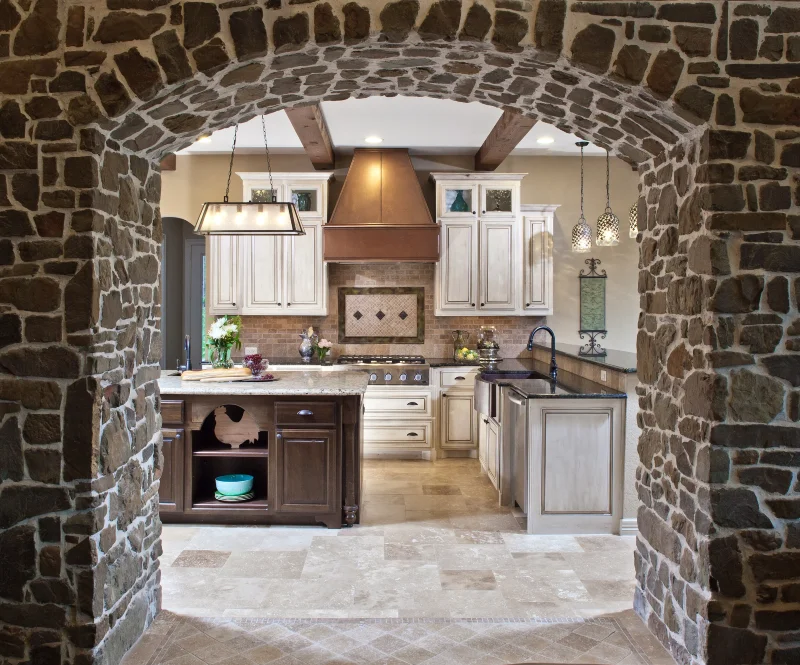
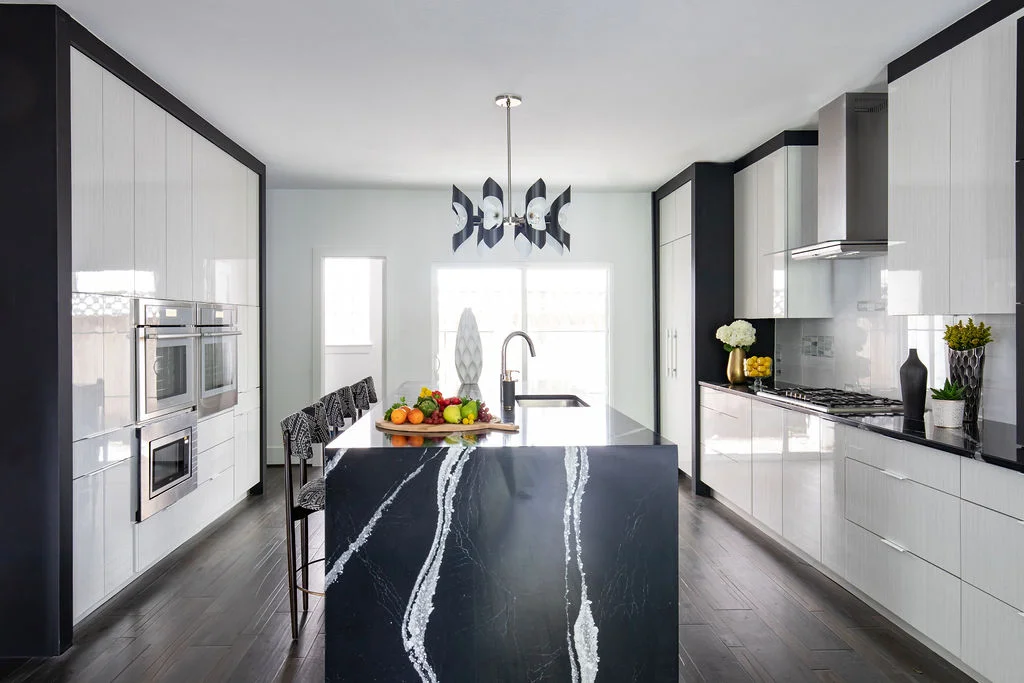
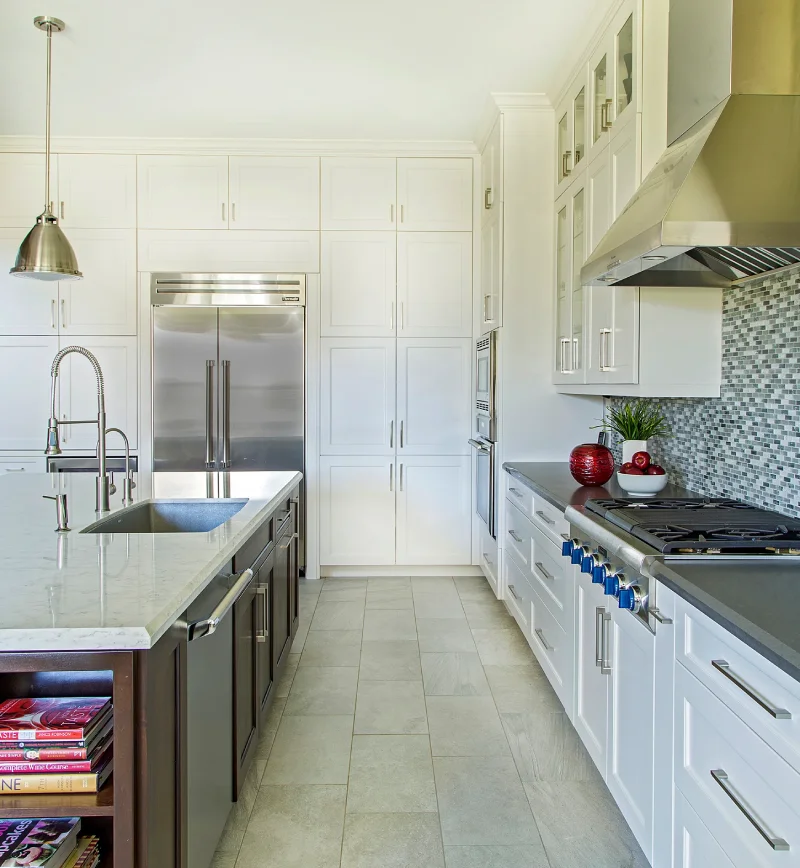
This integration proves especially valuable for custom features distinguishing luxury homes from production housing. Builders with in-house design capabilities seamlessly incorporate specialty spaces like temperature-controlled wine cellars requiring specialized cooling systems and proper humidity control, home theaters demanding acoustic treatments and tiered seating structures, or professional-grade kitchens with commercial appliances requiring upgraded electrical service and specialized ventilation. They understand both the aesthetic vision and technical requirements, ensuring these features function properly rather than looking impressive but performing inadequately.
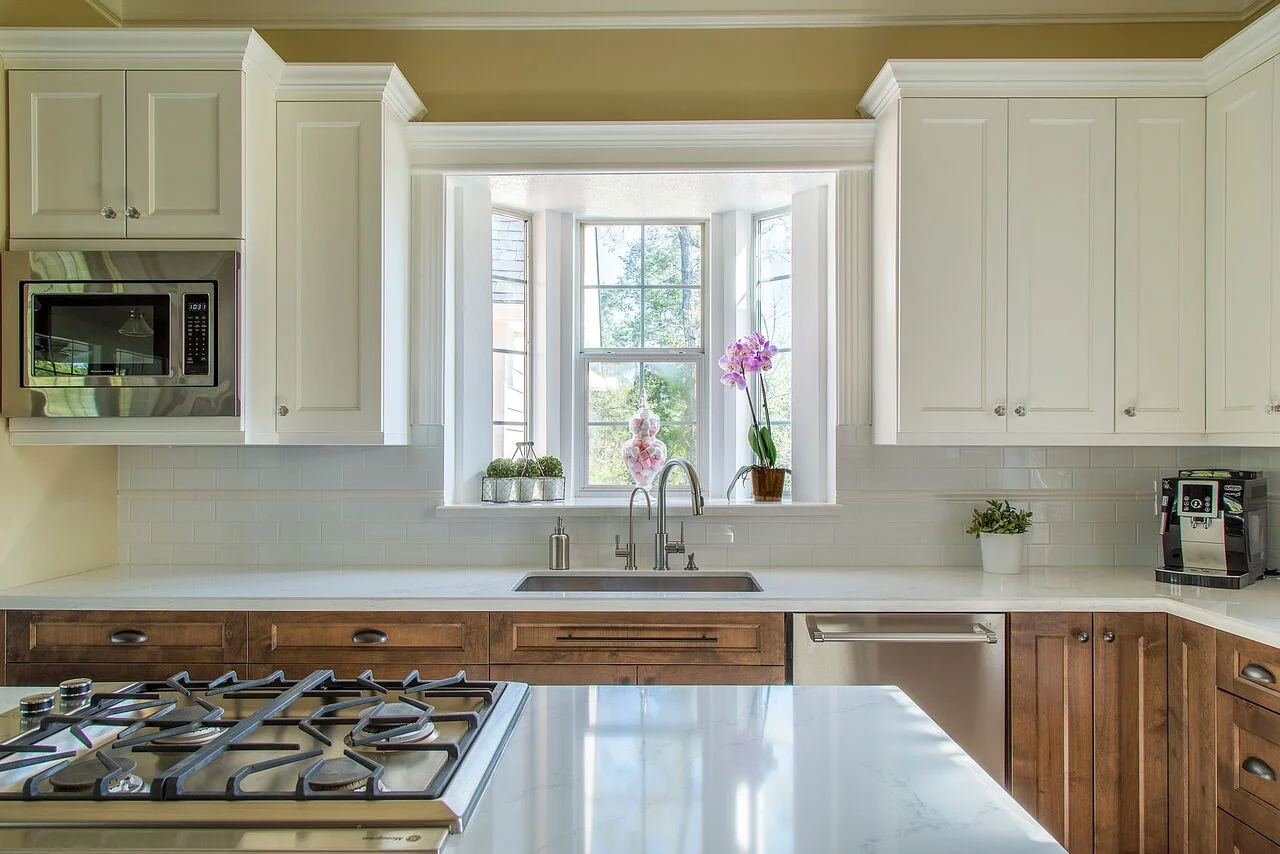
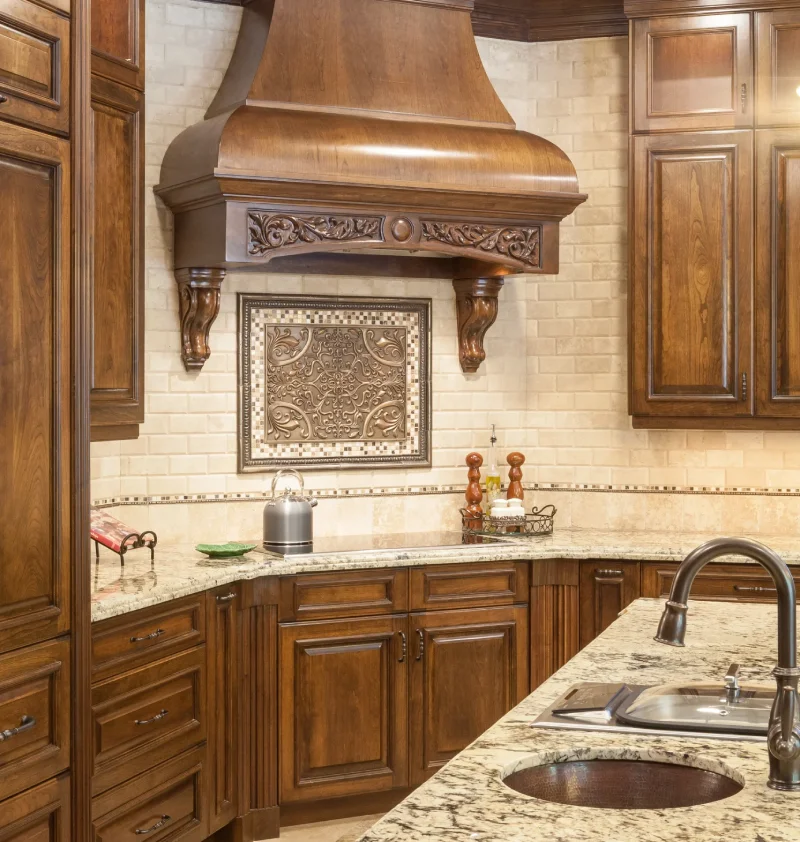
Material selection guidance represents another area where experienced builders add significant value. They maintain relationships with suppliers providing access to premium products, understand lead times for specialty materials preventing schedule delays, and can evaluate quality differences between similar-appearing options. When you select granite countertops, experienced builders explain differences between granite grades affecting durability and appearance, discuss edge profile options and their cost implications, and coordinate templating at the appropriate construction phase ensuring accurate fabrication.
| Custom Feature Type | Design Considerations | Construction Requirements | Typical Cost Premium |
| Wine Cellar (200-400 sq ft) | Temperature/humidity control, proper door seals, display lighting, storage capacity | Specialized cooling unit, vapor barrier, insulated walls, dedicated electrical circuit | $15,000-$40,000 |
| Home Theater | Acoustic treatment, tiered seating, lighting control, equipment integration, soundproofing | Reinforced floor for tiered seating, dedicated HVAC for equipment cooling, specialized wiring | $25,000-$75,000 |
| Outdoor Kitchen | Weather-resistant materials, gas/electrical service, proper drainage, appliance protection | Extended utility runs, concrete pad with proper slope, covered structure | $20,000-$60,000 |
| Smart Home Integration | System selection, device compatibility, user interface design, future expandability | Structured wiring, network infrastructure, electrical capacity, equipment closet | $10,000-$40,000 |
| Pool & Spa | Coordination with home design, equipment location, safety features, landscaping integration | Separate permit process, utility capacity assessment, site access for equipment | $50,000-$150,000+ |
| Workshop/Garage Add-ons | Size requirements, ceiling height, electrical capacity, HVAC needs | Foundation type, insulation requirements, oversized doors, 220V circuits | $15,000-$45,000 |
Custom home builders regularly work with construction financing, understanding how construction loans function differently from traditional mortgages. They coordinate with your lender throughout the process, providing required documentation including detailed cost estimates, construction schedules, proof of insurance, contractor licenses, and progress documentation triggering payment draws. Experienced builders explain construction loan mechanics to first-time custom home clients, including typical draw schedules (5-7 draws at specific completion percentages), inspection requirements before fund release, and interest reserve calculations during construction.
Builders help optimize construction loan efficiency by managing the payment schedule to minimize interest costs while ensuring adequate cash flow for materials and subcontractors. They understand lenders require retainage (typically 10% held until final completion) and structure subcontractor agreements accordingly. They also coordinate with appraisers conducting interim inspections verifying completion percentages justify requested draws, providing access and documentation supporting valuations.
For clients pursuing owner-builder approaches to reduce costs, experienced builders offer consulting services guiding your self-managed construction. They provide construction loan-ready estimates and schedules, recommend qualified subcontractors, explain proper sequencing and inspection requirements, and offer periodic on-site reviews ensuring work quality. This hybrid approach allows motivated owners to capture builder profit margins (typically 15-20%) while accessing professional expertise preventing costly mistakes.
What's the difference between a general contractor and a custom home builder?
Custom home builders specialize exclusively in residential construction with integrated design-build services, offering architectural planning, interior design coordination, and finish selection guidance from concept to completion. General contractors work across commercial and residential projects without design capabilities, focusing on executing existing plans. Custom builders maintain residential-specific subcontractor relationships and understand nuances like HOA requirements, construction financing, and luxury finish installations that general contractors may lack.
How involved will I be during the construction process?
Expect high involvement during initial design development for floor plans, architectural styles, and major systems (weeks 1-10), then medium involvement for material and finish selections (weeks 8-20). Active construction requires lower involvement with weekly updates and monthly site visits. Critical decisions occur every 2-3 weeks for items like exterior materials, cabinetry, flooring, tile, lighting, and plumbing fixtures. Total time commitment averages 60-80 hours across 12-18 months, concentrated heavily in the initial design phase.
Can custom builders help me find land in Magnolia?
Experienced Magnolia builders provide valuable land acquisition guidance through relationships with acreage-specialist real estate agents and knowledge of off-market opportunities. They evaluate lots before purchase, assessing soil conditions, utility availability and connection costs, deed restrictions or HOA requirements, and site work expenses for clearing and grading. This prevents purchasing problematic lots with hidden costs. However, verify builders disclose any financial relationships with sellers or agents ensuring recommendations serve your interests.
What happens if I want to make changes during construction?
Builders accommodate changes through formal change order processes documenting scope modifications, cost impacts including 15-20% markup, and schedule implications before execution. Submit requests early, design-phase changes cost nothing, while post-construction modifications cost exponentially more. For example, relocating a bathroom during planning is free, after framing costs $2,000-5,000, and after plumbing rough-in costs $8,000-15,000. Builders maintain change order logs tracking cumulative impacts on budget and timeline for complete visibility.
How do custom builders ensure quality throughout construction?
Quality control includes daily on-site supervision by builders or construction superintendents, pre-coverage inspections before subsequent trades hide work (foundation before backfill, framing before drywall), photographic documentation of critical phases, and formal quality checklists at project milestones. Superior builders address deficiencies immediately rather than creating lengthy punch lists, maintain clean organized job sites, and use written communication for all approvals creating accountability. Request examples of their quality processes and photos showing attention to less-visible installation details.
What should I expect during the final walkthrough?
The final walkthrough occurs 1-2 weeks before move-in after substantial completion but before final payment. Builders guide you through every room demonstrating systems operation, reviewing maintenance requirements, and noting incomplete or deficient items on a punch list. Bring detailed checklists examining paint, flooring, cabinets, countertops, tile, fixtures, and doors/windows. Quality builders allocate 2-4 hours for thorough reviews and complete punch lists within 2-3 weeks. Schedule secondary walkthroughs after corrections before releasing final payment and starting warranty coverage.
Custom home builders in Magnolia serve as comprehensive project orchestrators managing every aspect of creating your personalized residence, from site evaluation and architectural design through construction management, quality control, and warranty support. Their multifaceted role combines design expertise, financial coordination, subcontractor management, and client guidance into seamless processes that transform your vision into luxury homes reflecting your unique lifestyle. The builder you select becomes your long-term partner throughout the 12-18 month journey, making their experience and commitment to excellence critical factors determining your construction outcome.
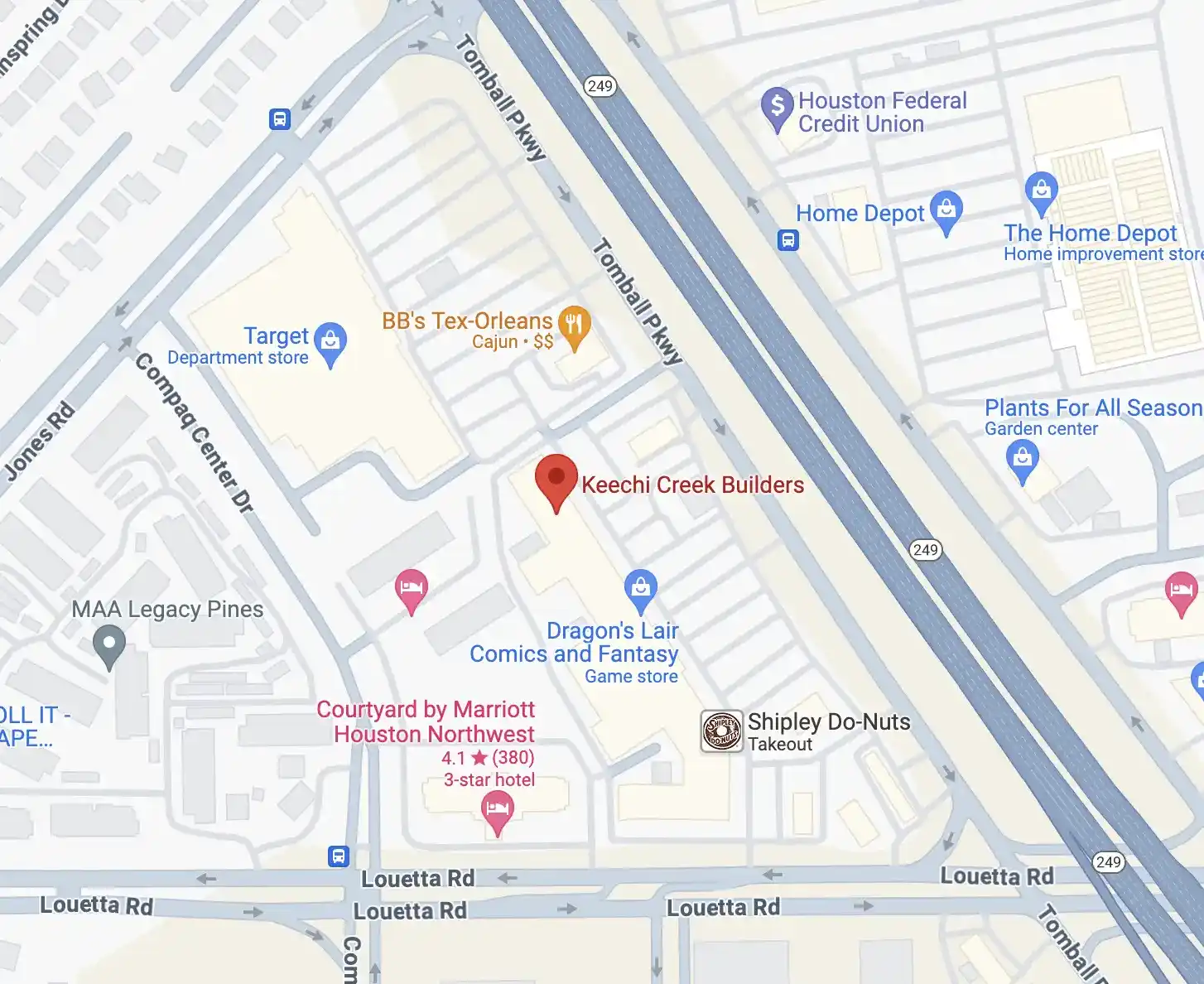
Keechi Creek Builders brings award-winning expertise recognized by the Greater Houston Builders Association and Texas Association of Builders to custom home construction throughout Magnolia and Montgomery County. Our comprehensive design-build approach and white-glove service ensure personalized attention from initial consultation through post-construction warranty support. Ready to start your custom home journey? Contact Keechi Creek Builders at 281-688-1454 or visit https://www.keechicreekbuilderstx.com to schedule your complimentary consultation and discover how our proven process transforms dreams into reality.