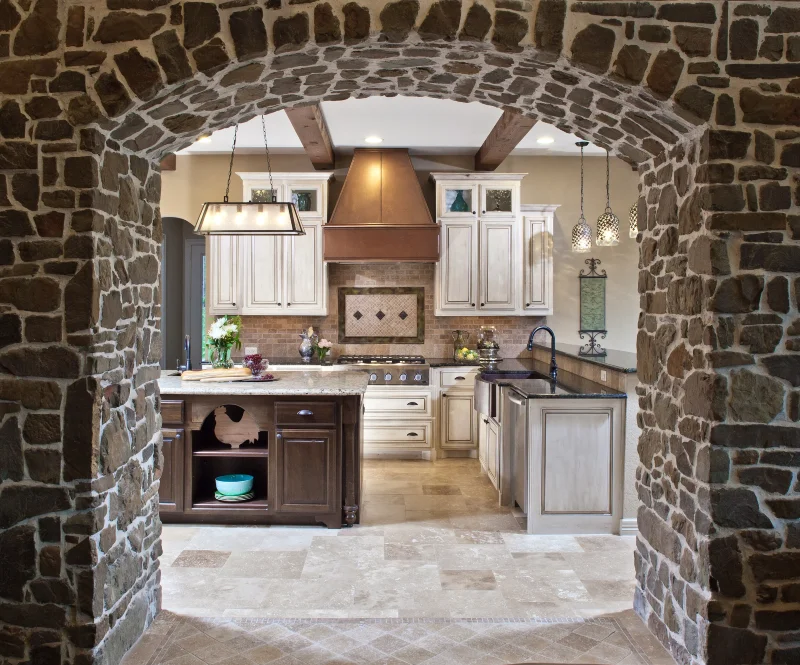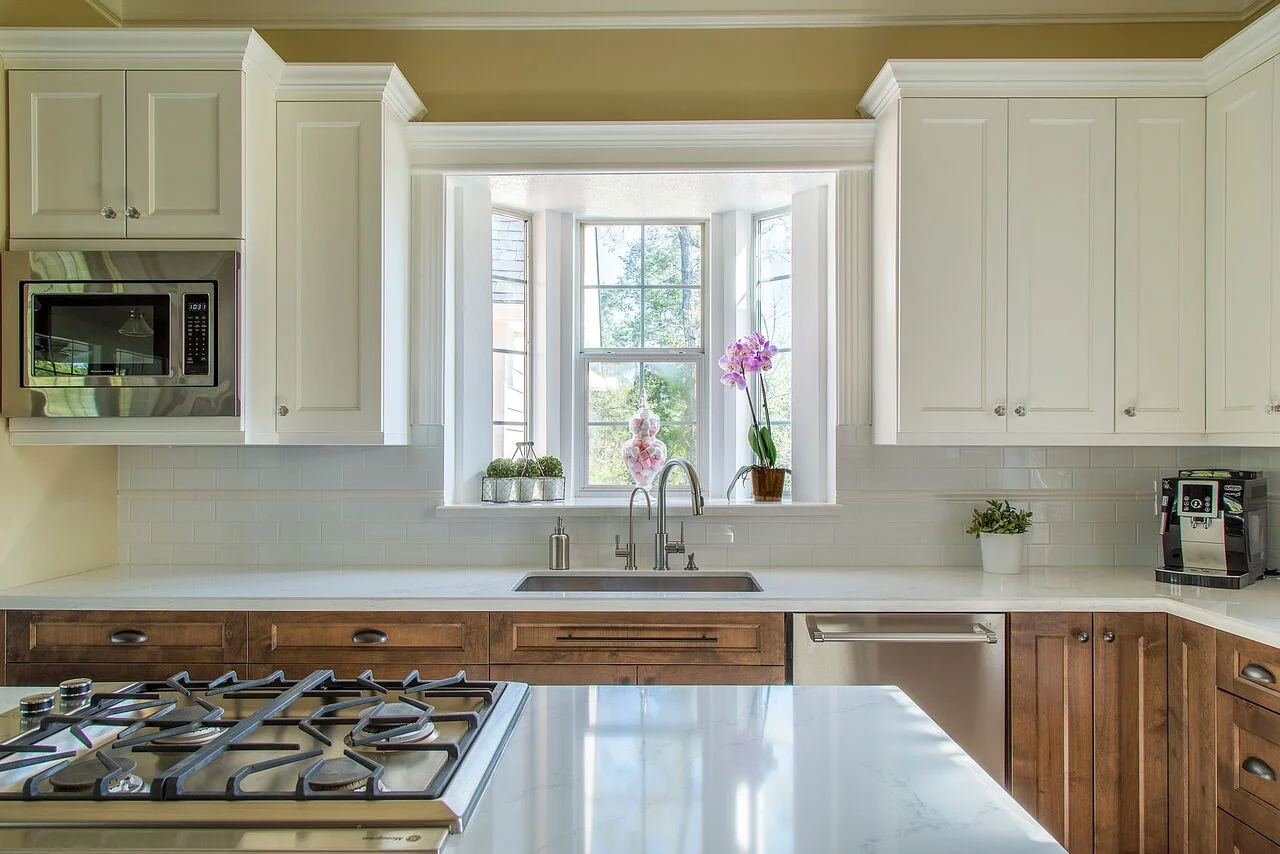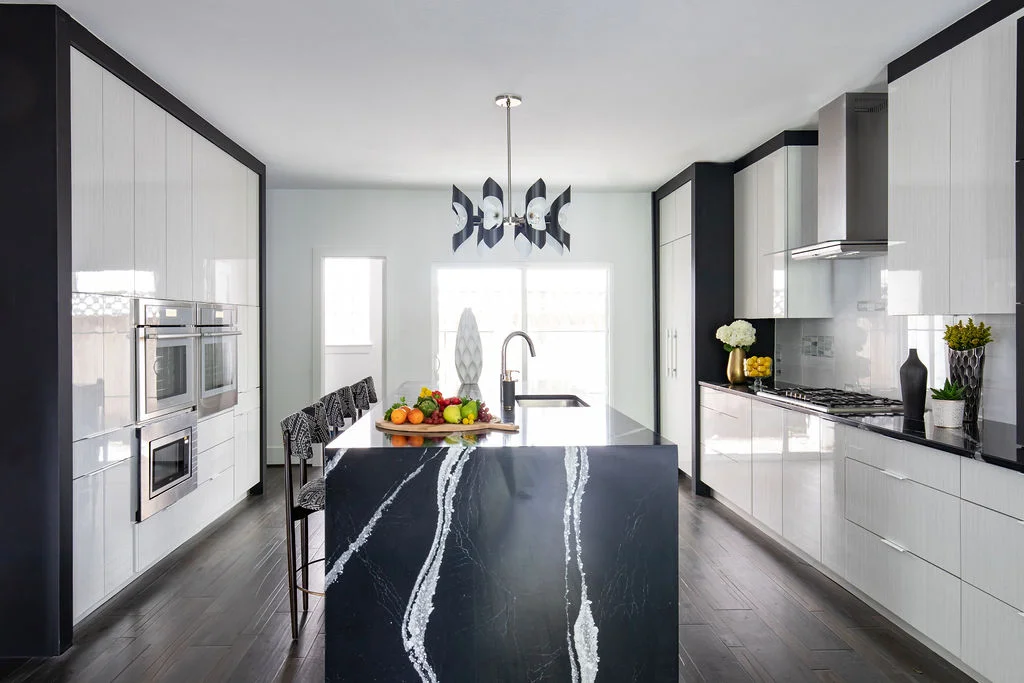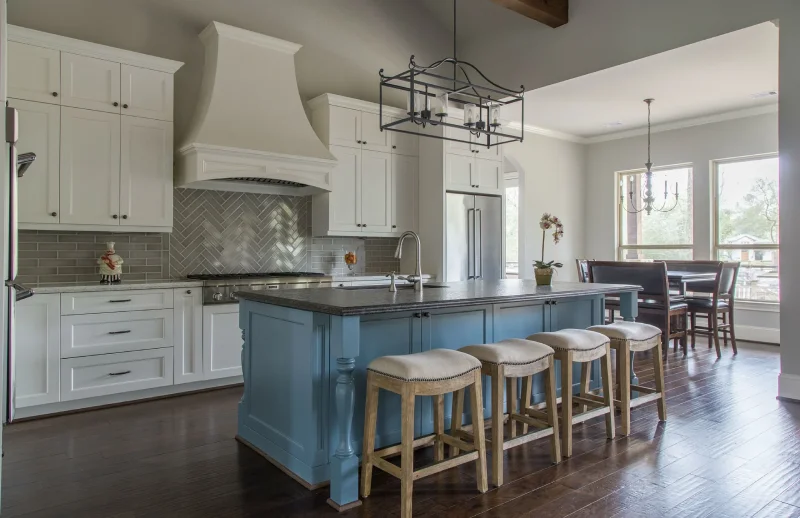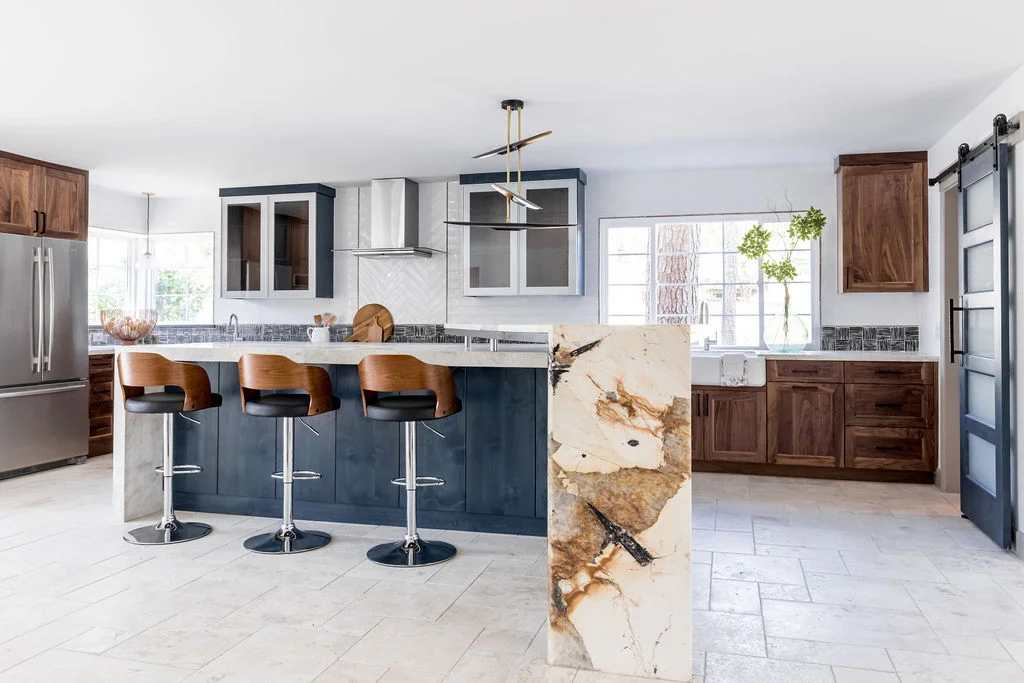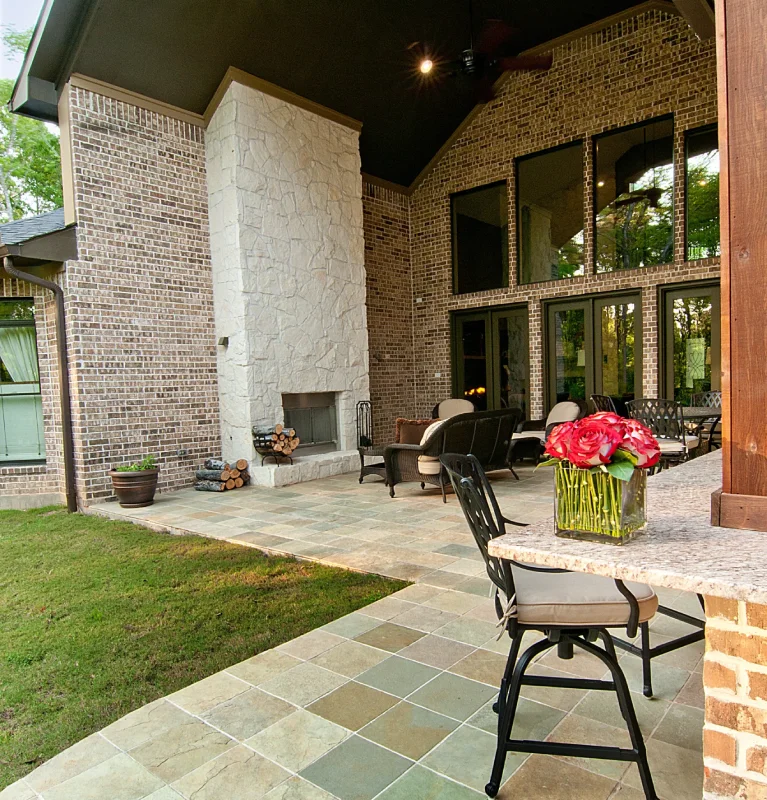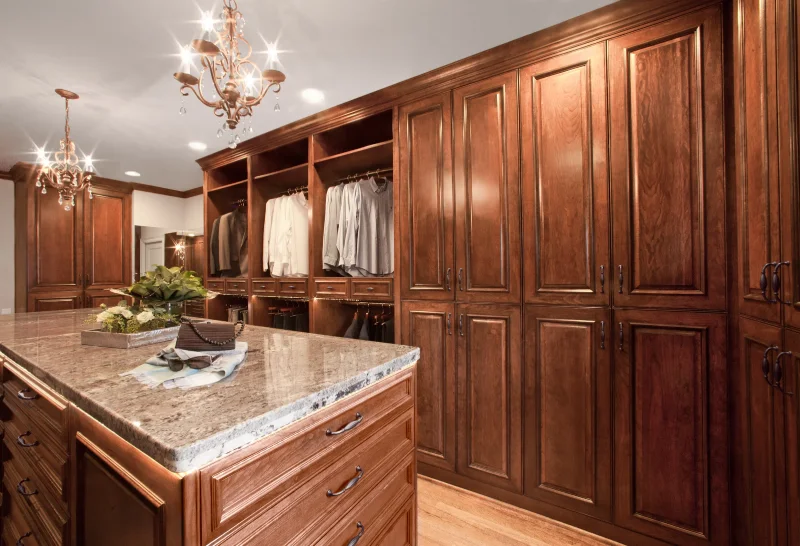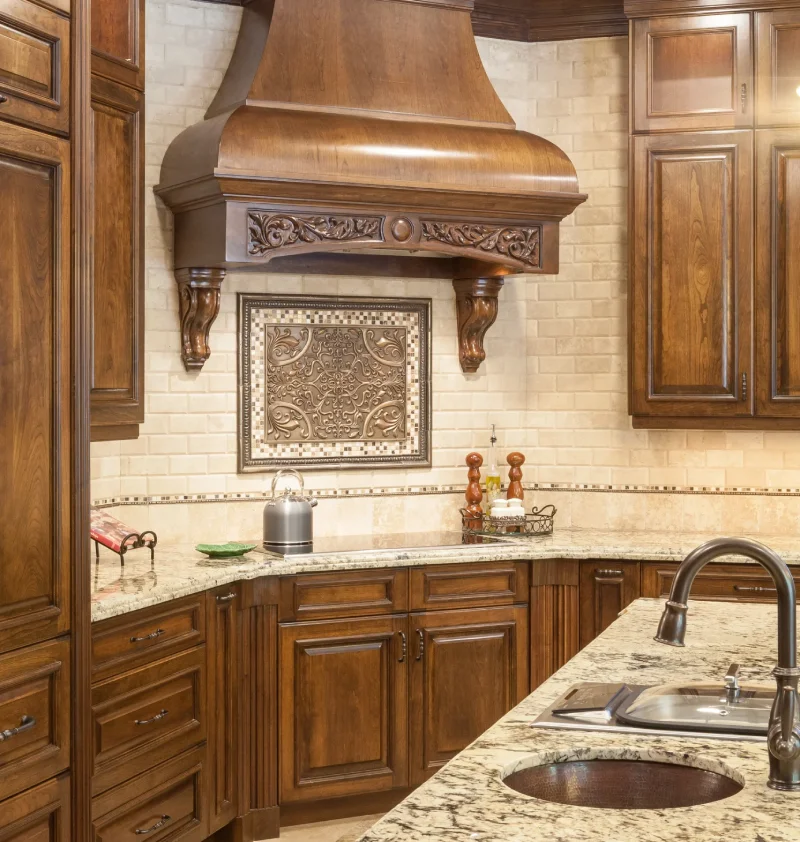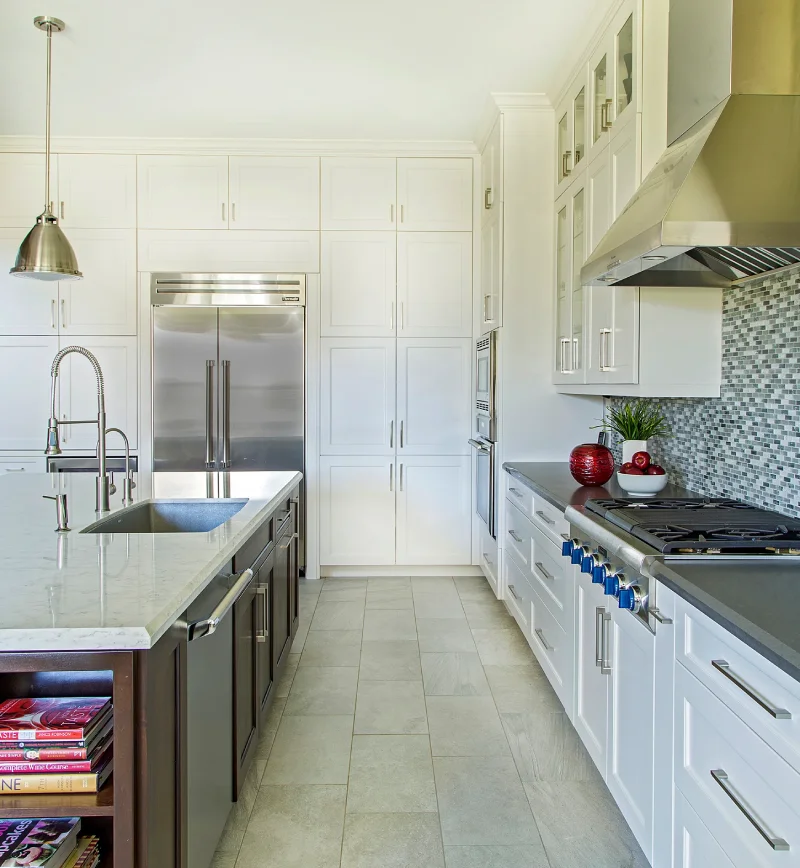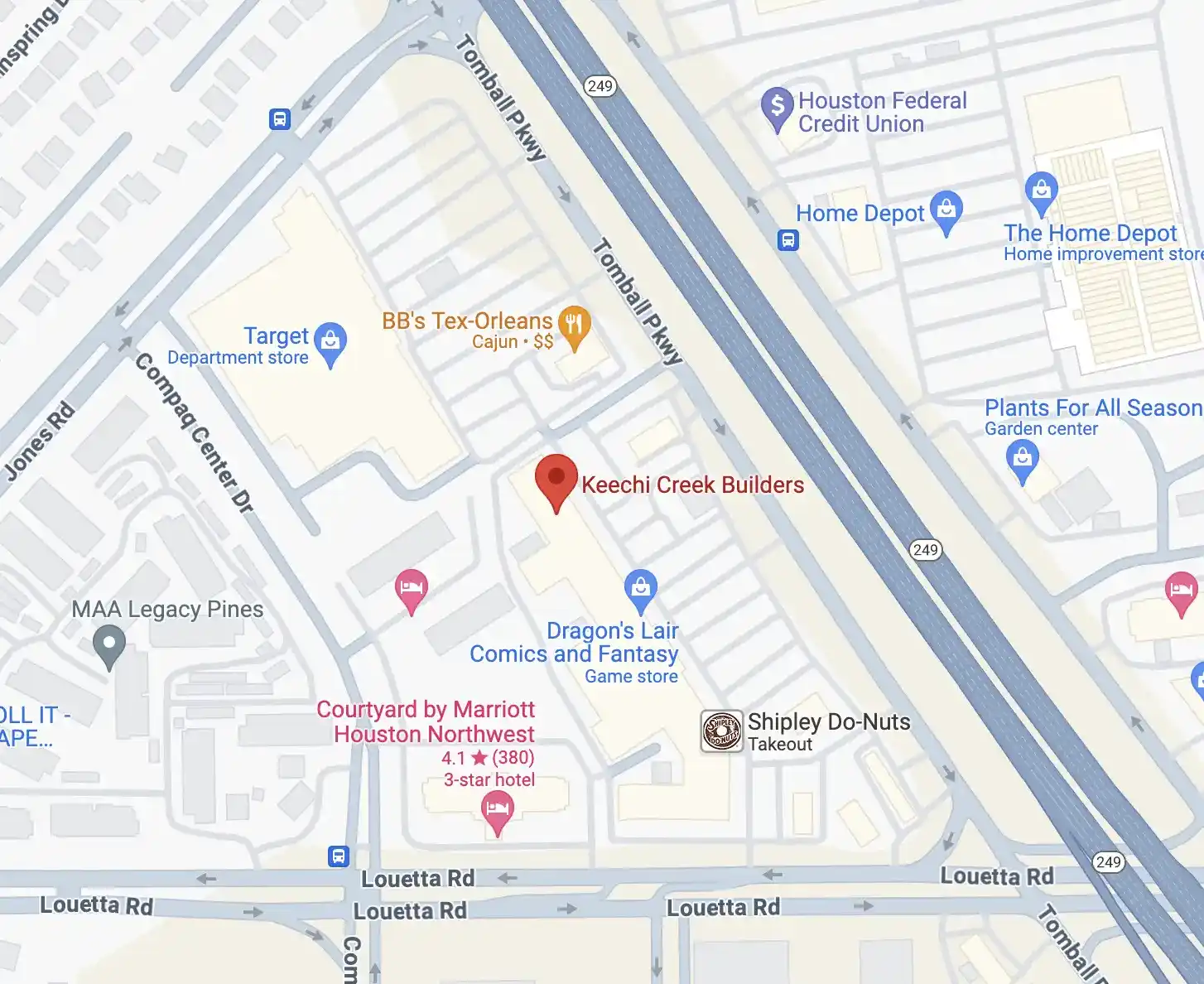
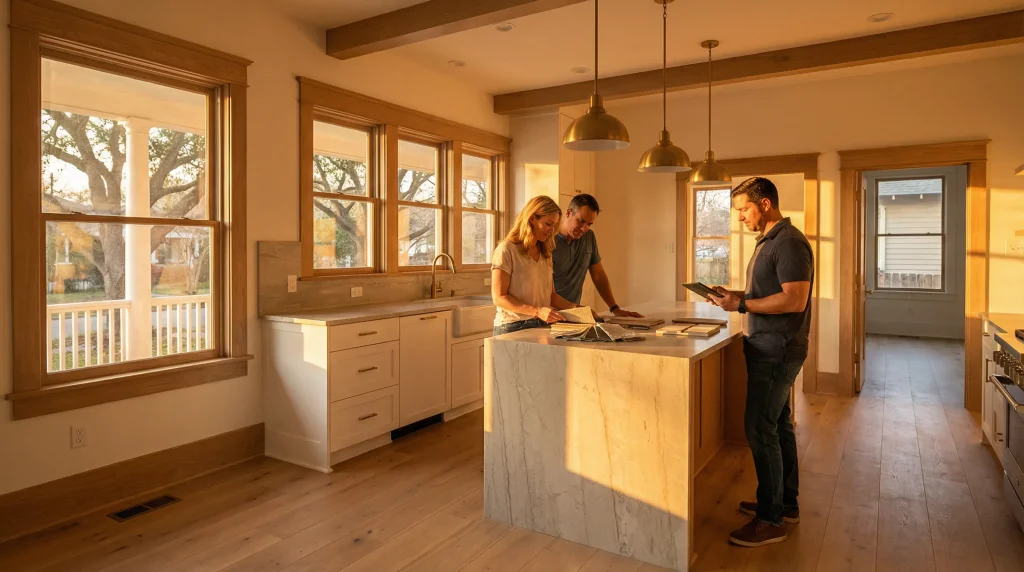
Your kitchen tells a story. It's where Tuesday homework sessions happen over granite countertops, where Saturday mornings smell like fresh espresso, and where the best conversations unfold around the island long after the plates have been cleared. When that space stops working for your life, the right kitchen renovation services don't just update finishes — they reshape how your home feels.
For homeowners across The Heights and greater Houston, selecting kitchen renovation services has become a high-stakes decision with long-term implications. The neighborhood's mix of century-old bungalows and new construction presents unique structural and design challenges that generic contractors frequently underestimate. Choosing the wrong partner can mean months of delays, mismatched aesthetics, or a finished kitchen that ignores the character of the home it sits in.
Kitchen renovation services encompass the full scope of professional planning, design, demolition, construction, and finishing work required to transform a residential kitchen. These services typically include layout reconfiguration, custom cabinetry, countertop fabrication and installation, plumbing and electrical updates, flooring, backsplash installation, lighting design, and appliance integration — all managed under a defined project scope and timeline.
This guide examines the specific services, evaluation criteria, and regional considerations that matter most when planning a kitchen remodel in The Houston Heights, TX — information that the best kitchen remodel contractors in Heights TX already put into practice every day.
Professional kitchen renovation services cover a defined scope of work spanning pre-construction planning through final installation, including architectural design, structural engineering, demolition, plumbing and electrical relocation, custom cabinetry fabrication, countertop templating and installation, tile work, flooring, lighting, and appliance integration. A qualified remodeling contractor manages each phase under a single project timeline and budget.
Here's what most homeowners get wrong: they assume every contractor offering kitchen remodeling provides the same scope. They don't. Some firms handle demolition and cabinet installation but outsource plumbing, electrical, and design to separate vendors — creating coordination gaps that produce delays. Others operate as full-service design-build operations where a single team manages everything from the initial floor plan revision to the final backsplash grout line.
In The Heights, where many homes were built between 1910 and 1940, kitchen renovation also frequently involves structural assessment. Pier-and-beam foundations may need leveling before cabinetry can be installed plumb. Original plumbing often requires complete replacement to meet current City of Houston codes. Electrical panels in pre-war homes rarely support the amperage demands of modern appliance packages — meaning a panel upgrade becomes part of the project scope, not an afterthought.
The National Kitchen & Bath Association (NKBA) reports that 90% of respondents in their 2025 Kitchen Trends survey confirmed that homeowners working from home are remodeling to improve kitchen functionality and aesthetics — a figure that underscores why a full-service approach matters more than ever.

Design-build kitchen renovation consolidates architectural design, engineering, and construction under one contractual entity, eliminating the coordination breakdowns that occur when homeowners independently hire designers, architects, and general contractors. This model produces faster timelines, fewer change orders, and a more predictable final outcome for kitchen remodeling projects of any scale.
Let's be honest: the traditional approach — where you hire an architect to draw plans, then separately bid those plans to contractors — works fine for commercial projects with dedicated project managers. For residential kitchen remodels, it introduces unnecessary friction. The architect specifies a material. The contractor prices a substitute. The homeowner arbitrates. Weeks pass. Under design-build, the team designing your kitchen is the same team building it, so material selections, structural realities, and budget align from the start.
For Heights homeowners renovating historic bungalows or craftsman-style residences, design-build carries an additional advantage: the construction team understands the structural constraints before the design is finalized. That means your contractor won't discover that a load-bearing wall prevents your open-concept layout after demolition day. Firms like Keechi Creek Builders, which has earned TAB Star Awards for both kitchen remodel and whole-house renovation categories, operate on this integrated model specifically because of the complexity that characterizes Houston-area residential projects.
So what does this actually mean for your project? It means one point of contact, one timeline, and one team accountable for the result. That's a material difference when you're living through a renovation.
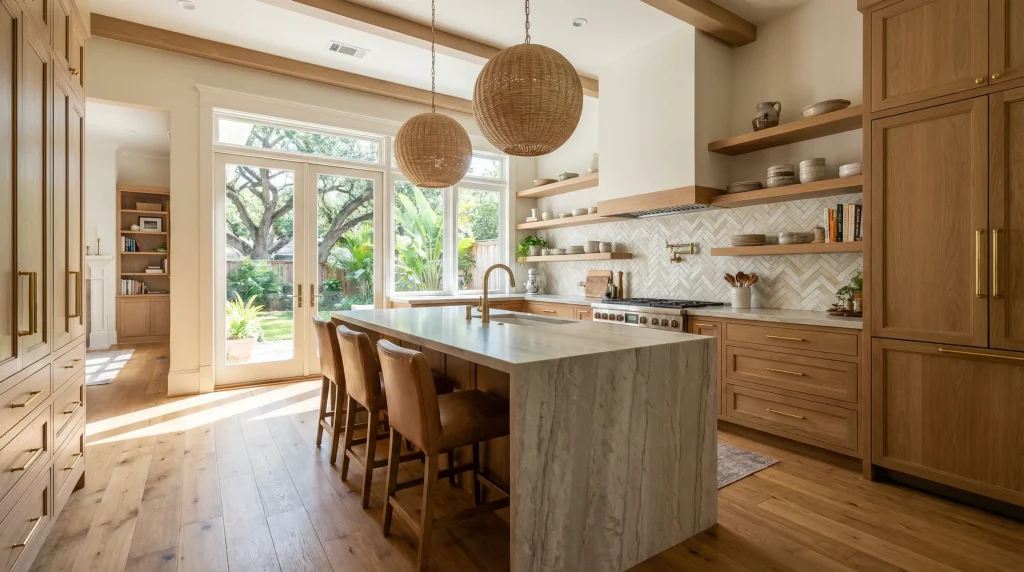
The most significant kitchen renovation trends for 2026 center on expanded footprints, smart technology integration, wellness-focused design, and personalized material palettes — with transitional and timeless aesthetics preferred by 72% of surveyed design professionals according to the NKBA's 2026 Kitchen Trends Report.
Why does this matter for a Heights kitchen remodel? Because The Heights' housing stock sits at the intersection of historic preservation and modern performance expectations. Homeowners want period-appropriate character with contemporary function — and the 2026 trend data validates that demand. Here's where it gets interesting:
Expanding kitchens into underused adjacent rooms — typically formal dining rooms — is now the dominant footprint strategy. The NKBA found that 75% of respondents confirmed kitchens are getting physically larger even as overall home sizes decline. In Heights bungalows, this often means removing the wall between a galley kitchen and a formal dining room to create a single, open cooking and gathering space anchored by a multifunctional island.
Generational preferences are also reshaping project scopes. Gen X and Baby Boomers account for 67% of all kitchen remodel projects and command the highest project budgets, according to NKBA survey data. Gen X homeowners prioritize features that increase home resale value and support multigenerational living. Boomers are investing in accessible design — wider pathways, varied countertop heights, and improved lighting — that allows them to age in place without sacrificing aesthetics.
Material trends have shifted decisively toward natural tones and organic textures. White oak cabinetry remains the frontrunner, with 96% of professionals identifying neutrals as the dominant palette. Statement colors — forest greens and navy blues — appear primarily on islands, backsplashes, and accent walls rather than across entire cabinet runs. For homeowners investing in custom cabinetry, this signals durability: neutral tones maintain relevance across resale cycles.
Evaluating a kitchen remodel contractor requires verification of licensing status, insurance coverage, industry association memberships, portfolio depth in comparable project types, and references from previous clients in the same geographic area. Contractors serving The Heights should demonstrate specific experience with Houston's permitting process, historic-district considerations, and the structural realities of early-twentieth-century residential construction.
Most people skip the single most revealing step: requesting a detailed project schedule alongside the estimate. Any contractor can produce a price. Fewer can produce a week-by-week construction timeline with specific milestones, inspection dates, and material lead times mapped out. A firm that provides both is telling you they've done this work before. A firm that provides only a lump-sum estimate is telling you they're guessing.
Look for membership in the Greater Houston Builders Association (GHBA) and the Texas Association of Builders (TAB). These organizations require adherence to ethical standards, continuing education, and peer review. Awards within these bodies — PRISM Awards from GHBA, Star Awards from TAB — indicate that a firm's work has been evaluated and recognized by independent industry judges, not just by satisfied clients.
We've seen this play out across hundreds of kitchen projects over 17 years: the single greatest predictor of client satisfaction isn't the quality of the tile selection or the appliance package. It's whether the homeowner felt informed at every stage. That's why the best kitchen remodel contractors in Heights TX invest as much in communication infrastructure — weekly updates, digital project portals, designated project managers — as they do in craftsmanship.
According to the Joint Center for Housing Studies at Harvard University (JCHS), homeowner spending on kitchen and bath improvements accounts for one of the largest segments of the $420+ billion U.S. residential remodeling market. With that level of investment at stake, credential verification isn't optional — it's the minimum standard.
A full kitchen renovation in The Heights typically takes 8 to 14 weeks from demolition to completion. Structural modifications, such as removing load-bearing walls or upgrading electrical panels in older bungalows, can extend timelines. Custom cabinetry fabrication adds 4 to 6 weeks of lead time before installation begins. Establishing a realistic schedule with your contractor before signing prevents the most common source of renovation frustration.
A thorough contractor proposal should itemize design consultation, demolition, structural work, plumbing and electrical relocation, cabinetry, countertop fabrication and installation, backsplash, flooring, lighting, painting, appliance installation, and final inspections. Proposals that lump these into a single line item make it difficult to compare bids or identify where scope gaps exist between competing contractors.
Yes. The City of Houston requires building permits for kitchen renovations that involve structural changes, plumbing relocation, electrical modifications, or gas line work. Permit applications are processed through the Houston Permitting Center. A reputable kitchen remodeling contractor handles the full permitting process, including plan submissions and inspection scheduling, as a standard part of the project scope.
In practice, the terms are used interchangeably across the remodeling industry. Technically, a remodel implies changing the structure or layout of the space, while a renovation focuses on restoring or updating existing elements without altering the footprint. Most kitchen projects involve elements of both — new cabinetry and finishes combined with layout reconfiguration — making the distinction largely semantic for homeowners comparing kitchen renovation services.
Custom cabinetry is fabricated to the exact dimensions of your kitchen, allowing non-standard configurations, specialty storage solutions, and material choices that match your design vision precisely. Prefabricated cabinets come in fixed sizes and limited finishes but arrive faster. For Heights homes with irregular wall angles and non-standard ceiling heights, custom cabinetry typically produces a superior fit and finish that justifies the additional lead time and investment.
The right kitchen renovation services do more than deliver new countertops and cabinetry. They give you a kitchen that works the way your household actually lives — designed around your routines, built to the structural realities of your home, and managed by a team that treats your project with the seriousness it deserves.
Keechi Creek Builders brings 17 years of design-build experience to kitchen remodeling projects across The Heights and greater Houston, with GHBA Custom Builder of the Year recognition and TAB Star Awards validating the craftsmanship behind every project. If you're ready to see what's possible for your kitchen, explore the portfolio or schedule a design consultation to start the conversation.