You've scrolled through countless before-and-after photos. You've got a Pinterest board overflowing with spa-bathroom inspiration. Now comes the part that actually determines whether your renovation succeeds or becomes a cautionary tale—choosing who does the work.
Finding a bathroom contractor in Cypress isn't the hard part. Finding the right one? That's where most homeowners stumble. Texas doesn't require general contractor licensing, which means anyone with a truck and a business card can offer remodeling services. The questions you ask during your initial consultation separate contractors who'll deliver your dream bathroom from those who'll leave you with expensive problems to fix.
The most important questions to ask a bathroom contractor focus on four areas: verified experience and credentials, communication and project management approach, problem-handling processes, and contract protections. Asking the right questions during your contractor interview reveals whether you're dealing with a qualified professional or someone who won't be around when warranty issues arise.
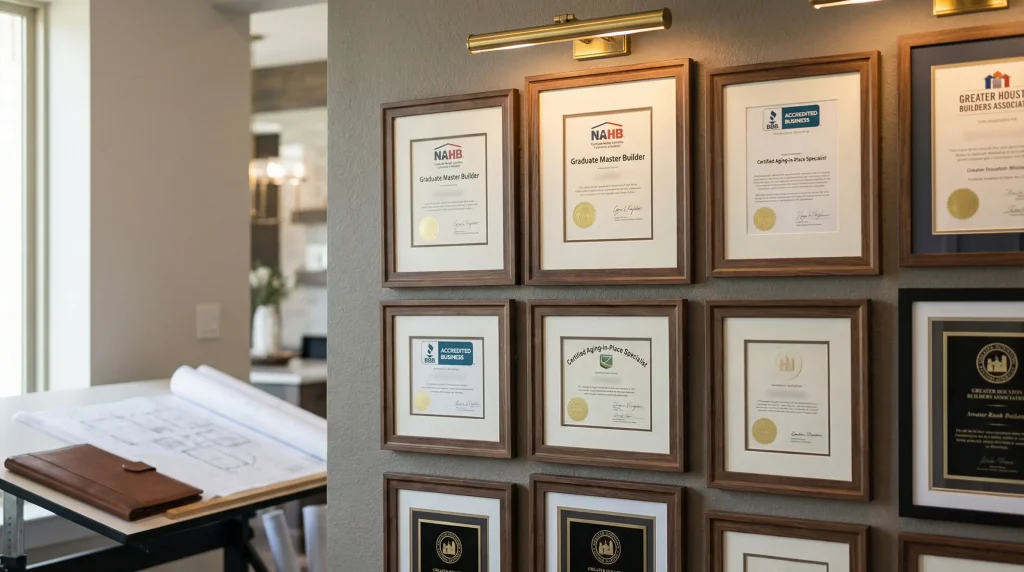
When interviewing a bathroom contractor, ask about years in business, number of similar projects completed, specific certifications like CAPS (Certified Aging in Place Specialist) or CGR (Certified Graduate Remodeler), insurance coverage, and whether their plumbers and electricians hold state-required licenses. Request references from bathroom remodels completed within the past twelve months in communities similar to yours.
Here's the thing about contractor credentials in Texas: most small contractors fail within three years of starting their business. That statistic alone should make longevity your first screening criterion. A contractor who's operated continuously for a decade or more has survived economic downturns, supply chain disruptions, and the inevitable challenges that force undercapitalized operators out of business.
Beyond years in business, look for understanding which credentials matter most for Cypress bathroom remodelers. The National Association of Home Builders offers designations that require actual coursework and demonstrated expertise—not just fee payment. A Graduate Master Builder (GMB) designation represents the highest NAHB credential available. CAPS certification indicates specialized training in accessibility modifications, while CGR demonstrates advanced remodeling expertise.
Your bathroom contractor might be excellent at project coordination, but the plumbers and electricians doing actual work must hold valid Texas licenses. You can verify these credentials through the Texas Department of Licensing and Regulation verification database. Ask contractors directly: "Are your plumbers and electricians licensed through TDLR, and can you provide their license numbers?"
The key takeaway is this: credentials you can independently verify matter far more than verbal assurances of quality. Any contractor can claim expertise—professionals document it.
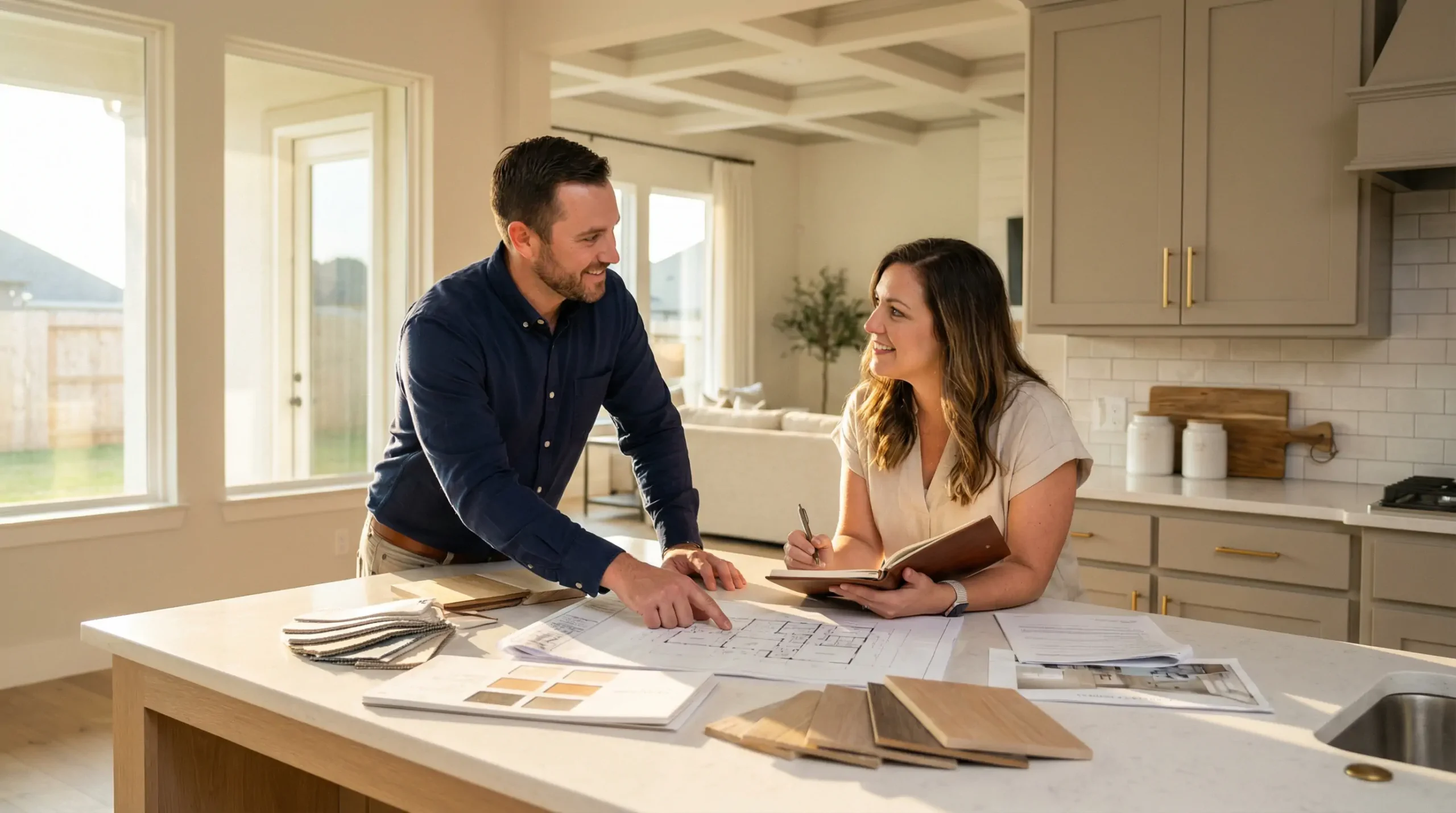
Ask contractors how often they'll provide progress updates, who serves as your primary contact throughout the project, how they handle scheduling changes, and what their process looks like from design through completion. Understanding their project management approach before signing reveals whether you'll experience organized execution or chaotic coordination.
The difference between a smooth renovation and a frustrating one often comes down to who manages the work. Some contractors personally oversee every project. Others delegate to subcontractors with minimal supervision. Neither approach is inherently wrong, but you need to know which you're getting.
Design-build firms handle both design and construction under one contract, giving you a single point of accountability. If something goes wrong, there's no finger-pointing between your designer and your builder. General contractors, by contrast, may coordinate separately hired designers—which can work well but creates more complexity and communication gaps.
During your consultation, ask: "How will I know what's happening each day on my project?" Strong contractors have systems for this—whether that's weekly email updates, a project management app, or scheduled site walkthroughs. Vague answers like "you can call whenever" suggest reactive rather than proactive communication.
Also ask about design visualization. Can they show you 3D renderings or detailed drawings before construction starts? For communities like Bridgeland and Towne Lake, where homeowner expectations run high, you shouldn't commit to material selections based solely on small samples and verbal descriptions.
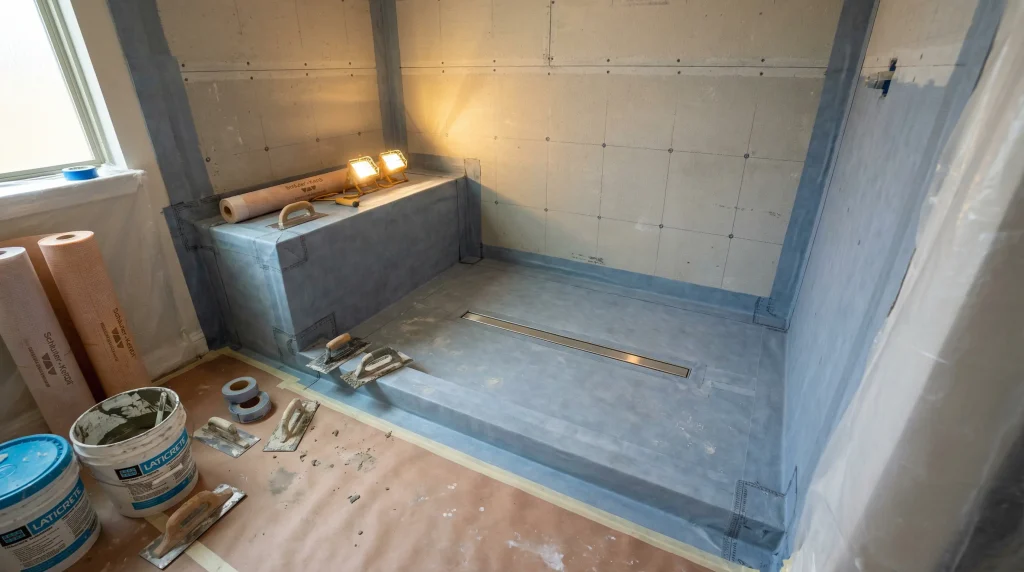
Ask contractors how they handle unexpected discoveries like water damage or outdated plumbing, what their change order process involves, and how they've resolved past project challenges. Quality contractors explain systematic approaches to problems rather than dismissing the possibility of complications.
And honestly? Complications happen. Bathroom remodels commonly reveal hidden issues once demolition begins—deteriorated subfloor, water damage behind walls, plumbing that doesn't meet current code. The contractor who says "we never have problems" is either inexperienced or dishonest.
What you want to hear is a clear process. Something like: "When we encounter unexpected conditions, we stop work in that area, document what we found with photos, provide you a written change order with the scope and cost of addressing it, and don't proceed until you approve in writing." That's a professional response.
Following Hurricane Harvey—which flooded over 8,700 homes in the Cypress Creek watershed—waterproofing has become non-negotiable. Houston receives over 47 inches of rainfall annually, and our subtropical humidity creates conditions where improper waterproofing leads to mold growth within months.
Ask specifically: "What waterproofing system do you use, and why?" Contractors who understand local conditions will reference systems like Schluter or Laticrete and explain proper installation. Those who dismiss waterproofing questions with "we've never had problems" reveal dangerous overconfidence.
The real test comes when you ask about past challenges. A contractor who can describe a specific problem they encountered and how they resolved it demonstrates transparency and problem-solving capability.
Before signing any agreement, ask contractors to explain payment schedules, warranty coverage terms, permit responsibilities, and what happens if the project exceeds the timeline. A detailed written contract protects both parties and establishes clear expectations for your entire bathroom remodel process.
According to Consumer Financial Protection Bureau home improvement contract guidance, your contract should specify the total price, payment schedule, start and completion dates, detailed description of work to be performed, materials to be used, and warranty terms.
Standard payment schedules typically involve a deposit (often around one-third), progress payments tied to completed milestones, and final payment upon walkthrough approval. Be cautious of contractors demanding full payment upfront or heavily front-loaded payment schedules. They suggest cash flow problems that could leave your project stranded.
Cypress sits within unincorporated Harris County and Houston's extraterritorial jurisdiction, creating unique permit requirements. Cosmetic updates generally don't require permits, but plumbing modifications, electrical work, and structural changes typically do. Ask clearly: "Who handles permit applications and inspection scheduling—you or me?"
For homeowners in master-planned communities like Bridgeland, Towne Lake, or Fairfield, also ask about HOA notification requirements. Even interior bathroom remodels may require informing the Architectural Review Committee when contractors will be on-site for extended periods.
The key takeaway is this: everything discussed verbally should appear in your written contract. If a contractor promises something but won't put it in writing, treat that as a warning sign.
In summary, here are the essential points for your bathroom contractor consultation checklist:
What certifications should I look for in a bathroom contractor?
Look for NAHB credentials including Certified Graduate Remodeler (CGR) for general remodeling expertise, Certified Aging in Place Specialist (CAPS) for accessibility modifications, and Graduate Master Builder (GMB) as the highest designation. Also verify that plumbers and electricians hold valid TDLR licenses.
How many references should I request from a bathroom contractor?
Request at least three references from bathroom remodels completed within the past twelve months. Ask specifically for projects similar in scope to yours and in communities comparable to your neighborhood. Contact these references and ask about communication, timeline accuracy, and problem resolution.
Do I need permits for a bathroom remodel in Cypress?
Cosmetic updates like paint, hardware, and fixture replacement typically don't require permits. However, plumbing modifications, electrical changes, and structural alterations require permits through Houston or Harris County depending on your specific location. Your contractor should handle permit applications and inspection scheduling.
What payment schedule is normal for bathroom remodeling?
Standard payment structures involve a deposit around one-third of the project cost, progress payments tied to completed milestones like rough plumbing and tile installation, and final payment upon successful walkthrough. Avoid contractors requesting full payment upfront or heavily front-loaded schedules.
How long should a bathroom remodel take?
Timelines vary by scope: powder room updates take two to three weeks, standard full bathroom remodels run four to six weeks, and luxury primary bathroom transformations may require eight to twelve weeks. Your contract should specify start and completion dates with provisions for weather delays or material backorders.
The questions to ask a bathroom contractor before hiring aren't complicated—but they're often overlooked in the excitement of planning a renovation. Your initial consultation reveals more than credentials and pricing. It shows you how a contractor communicates, handles complexity, and protects your interests.
The key takeaway is this: contractors who welcome detailed questions demonstrate confidence in their processes and track record. Those who deflect, minimize concerns, or resist documentation reveal exactly how they'll behave when challenges arise during your project. When you're ready to interview bathroom contractors in Cypress, having the right questions prepared transforms an uncertain process into a confident evaluation that protects your investment and your home.