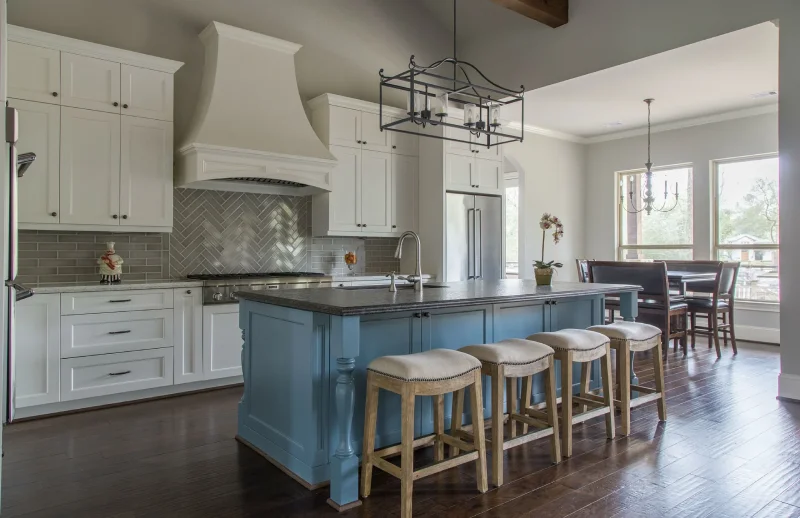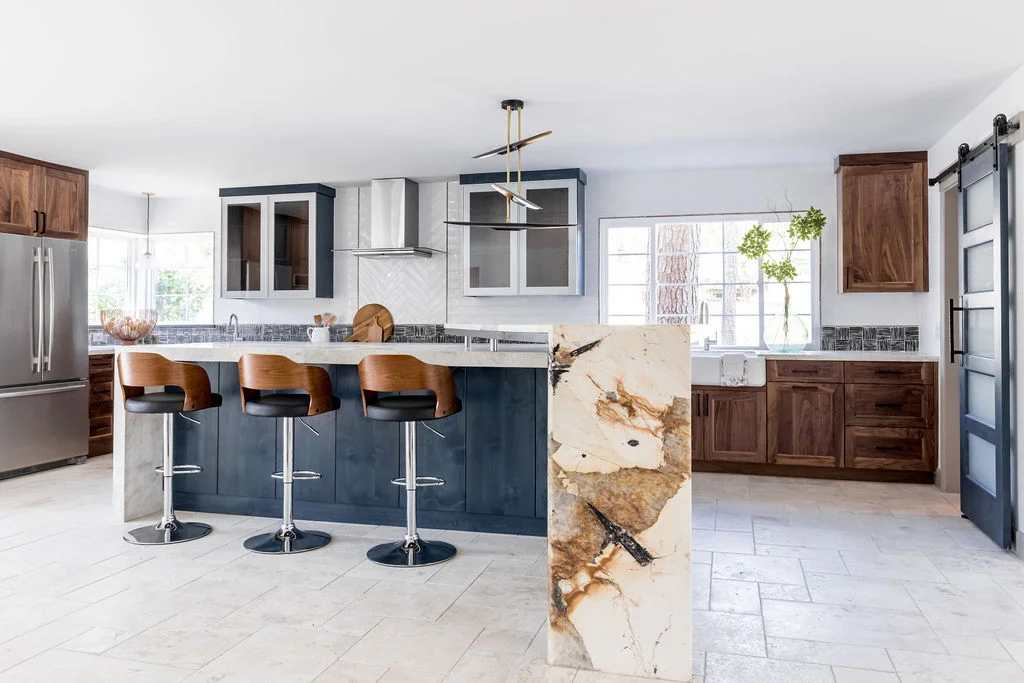
Kitchen remodeling in Magnolia, TX, typically takes 8 to 14 weeks, with projects often yielding over 75% return on investment. Successful renovations involve defining a budget, creating a functional layout, and hiring local professionals for, or, and. Key trends include neutral color palettes, quartz countertops, and durable materials, with costs for, and varying based on, and scope.
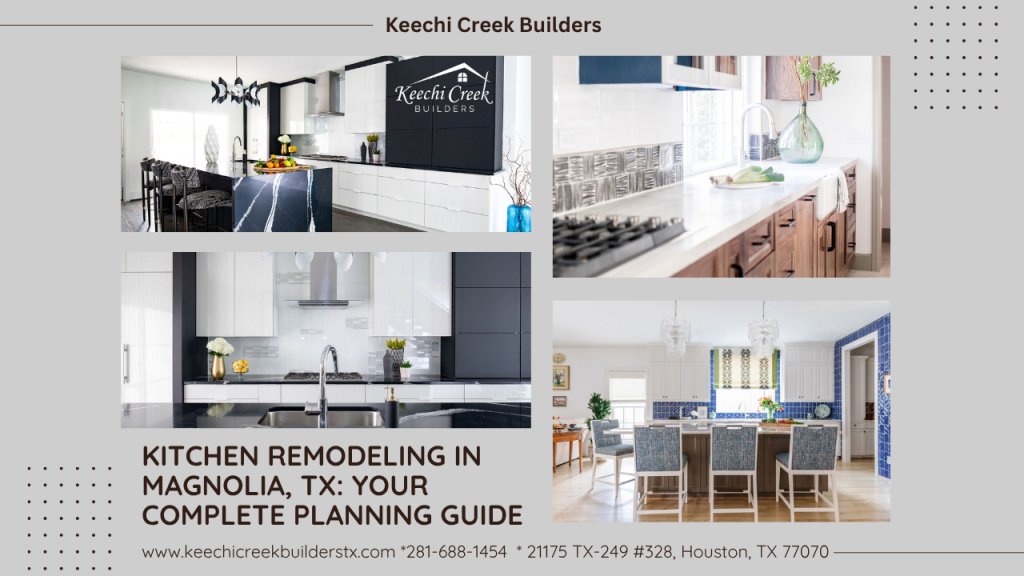
The Magnolia, TX Kitchen Remodeling Guide for Homeowners
A kitchen renovation is among the most rewarding investments a Magnolia homeowner can make — and one of the most complex to get right. Between setting a realistic budget, choosing materials that endure the Texas climate, navigating Montgomery County permits, and finding a contractor who truly understands the local landscape, the process can feel daunting before a single cabinet is removed. This guide breaks every critical step into clear, manageable decisions so you can approach your kitchen remodeling in Magnolia, Texas, with confidence instead of uncertainty, and transform the heart of your home into a space that works as beautifully as it looks.
Key Takeaways
- Budget between 5% and 15% of your home's current appraised value for a kitchen renovation, and reserve a separate 10–20% contingency fund to cover hidden issues like outdated wiring or deteriorated subfloors behind existing walls.
- Verify permit requirements early by contacting Montgomery County or the City of Magnolia, since structural changes, plumbing relocations, and electrical upgrades each require separate approved permits and scheduled inspections.
- Demand a line-item estimate from every contractor you interview — lump-sum bids conceal the cost breakdown between labor, materials, and allowances, making it nearly impossible to compare proposals or track spending during construction.
- Compare material lifespans before selecting finishes: quartzite countertops and custom solid-wood cabinetry typically last 25–30 years, while builder-grade laminate and stock particleboard may require replacement within 8–10 years.
- Confirm your contractor holds current Montgomery County experience by requesting at least three local references, because the dual-jurisdiction permitting system and regional soil conditions require specialized knowledge to avoid costly delays.
- Inspect existing infrastructure before finalizing any design, since homes built before 2000 in the Magnolia area often have galvanized plumbing, undersized electrical panels, or foundation settling that can add $3,000–$8,000 in necessary upgrades.
Setting a Smart Renovation Budget for Your Magnolia Kitchen
Financial clarity before the first design meeting separates a successful kitchen renovation from a stressful one. Industry data for the Greater Houston region indicates that a mid-range kitchen project generally costs between $25,000 and $55,000, while luxury-grade transformations involving custom cabinetry, premium stone, and structural reconfiguration can range from $60,000 to well over $100,000. These numbers shift based on the scope of work, the materials you select, and whether walls move or plumbing lines are relocated.
A widely referenced financial guideline suggests capping your total renovation investment — including labor, materials, permits, and design fees — at roughly 25–30% of your home's current appraised value. With median home values in Magnolia hovering near $360,000 in early 2026, that guideline translates to a practical ceiling of approximately $90,000–$108,000 for a full-scale, luxury-tier kitchen project. Staying within this range protects you from over-improving relative to your neighborhood and helps ensure you recapture a strong percentage of your investment at resale.
Experienced homeowners break their budget into three tiers. Fixed costs — demolition, framing, plumbing rough-in, and electrical work — typically consume 35–40% of the total. Variable costs encompass cabinetry, countertops, flooring, and appliances, where your selections create the widest price swing. Soft costs, including design fees, permit fees, and the essential contingency reserve, round out the plan and protect you from surprises that commonly surface once demolition begins.
Estimated Kitchen Renovation Cost Breakdown in the Magnolia Area
Estimated Kitchen Renovation Cost Breakdown in the Magnolia Area
| Category | Approximate Share of Budget | Typical Cost Range (Mid-to-Luxury) |
| Cabinetry and Hardware | 25–35% | $8,000–$40,000+ |
| Countertops and Backsplash | 10–15% | $3,500–$18,000 |
| Appliances | 10–20% | $4,000–$25,000+ |
| Labor (Plumbing, Electrical, Carpentry) | 20–35% | $7,000–$35,000 |
| Flooring | 5–10% | $2,000–$8,000 |
| Design, Permits, and Contingency | 10–15% | $3,000–$12,000 |
Questions to Ask Before You Commit a Dollar
- What is the current appraised value of my home, and does this renovation fit within the 25–30% guideline?
- Am I planning a cosmetic refresh (cabinet refacing, new countertops, updated lighting) or a structural overhaul that moves walls and plumbing?
- Have I budgeted for temporary meal preparation if the kitchen will be unusable for several weeks?
- Does my contractor provide a detailed allowance schedule for finishes, or only a single lump-sum figure?
Navigating Permits and Regulations in Montgomery County
The permitting landscape in the Magnolia area operates under a dual-jurisdiction system that catches many homeowners off guard. Properties within the incorporated City of Magnolia fall under the city's Planning and Development department, which has adopted the 2021 International Residential Code along with supplementary local ordinances. Properties in unincorporated areas of Montgomery County are governed by the county permit office, which currently operates under the 2015 International Residential Code. This distinction matters because the city's code imposes stricter energy-efficiency and safety standards.
Any kitchen renovation that involves structural modifications, new or relocated plumbing fixtures, electrical circuit additions or panel upgrades, or mechanical system changes will typically require a building permit and one or more inspections in both jurisdictions. Permit fees for a kitchen project in this area generally range from $200 to $1,500, depending on scope and the number of inspections required. Your contractor should handle the full permitting process, but you should always request copies of approved permits and inspection reports for your records.
Homes on larger lots in the Magnolia area frequently rely on on-site sewage facilities. If your kitchen renovation increases the plumbing load — for example, by adding a second sink or a pot-filler line — the septic system capacity may need evaluation through Montgomery County's OSSF department. Additionally, properties in designated FEMA floodplains face stricter development rules, including elevated freeboard requirements within city limits. Always confirm current requirements with your local municipality or a licensed contractor before proceeding.
Common Permit Triggers for Kitchen Projects
- Removing or modifying a load-bearing wall
- Relocating or adding plumbing fixtures such as sinks, dishwashers, or gas lines
- Installing new electrical circuits or upgrading the breaker panel
- Adding a kitchen island with integrated plumbing or electrical connections
- Converting a window opening into an exterior door or pass-through
Selecting High-Performance Materials and Finishes
Material selection is where your kitchen renovation shifts from a construction project into a personal expression of how your family lives, cooks, and gathers. The goal is not simply choosing the most expensive option available — it is choosing materials whose durability, maintenance profile, and aesthetic character align with your daily routines and long-term expectations.
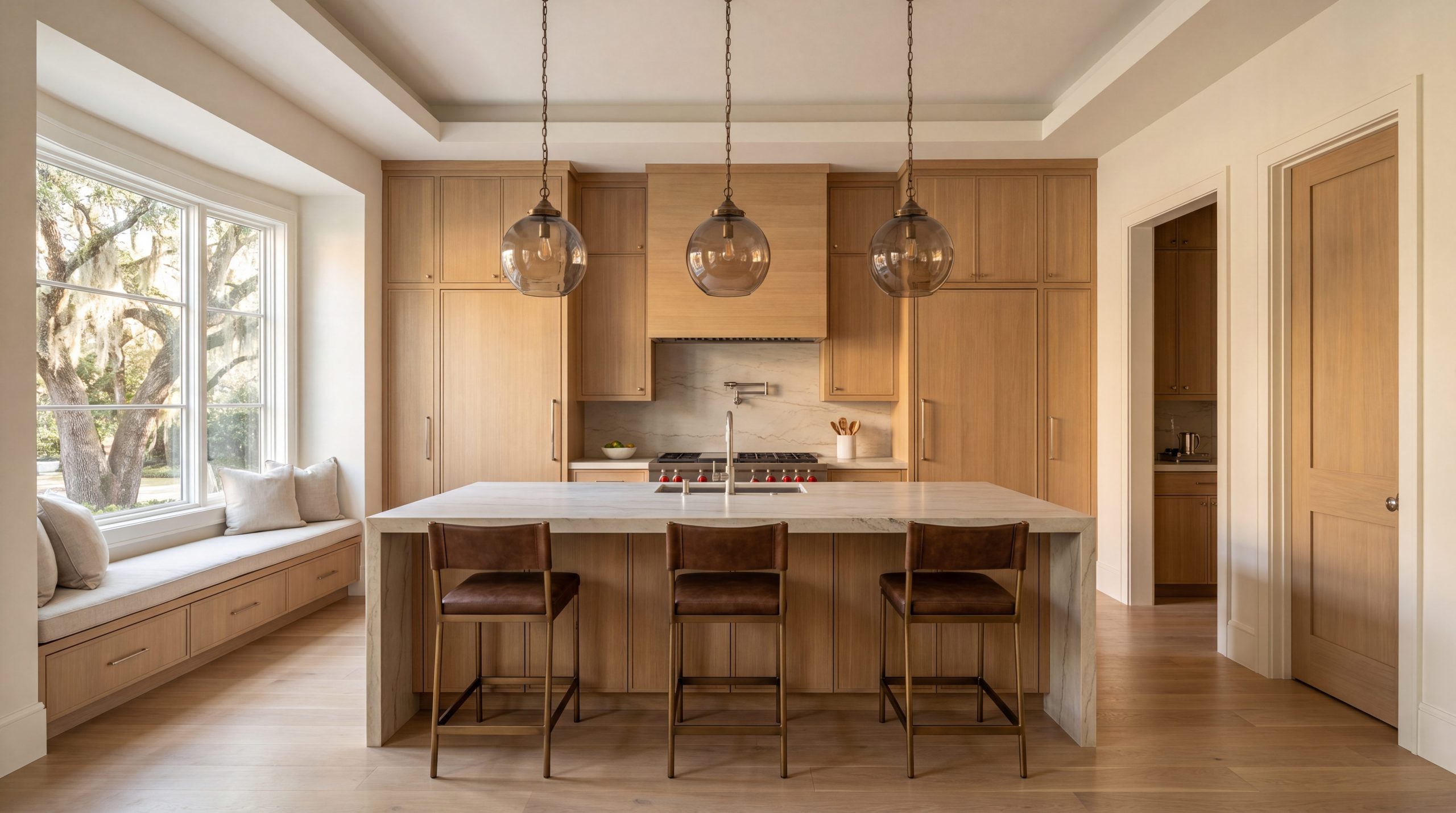
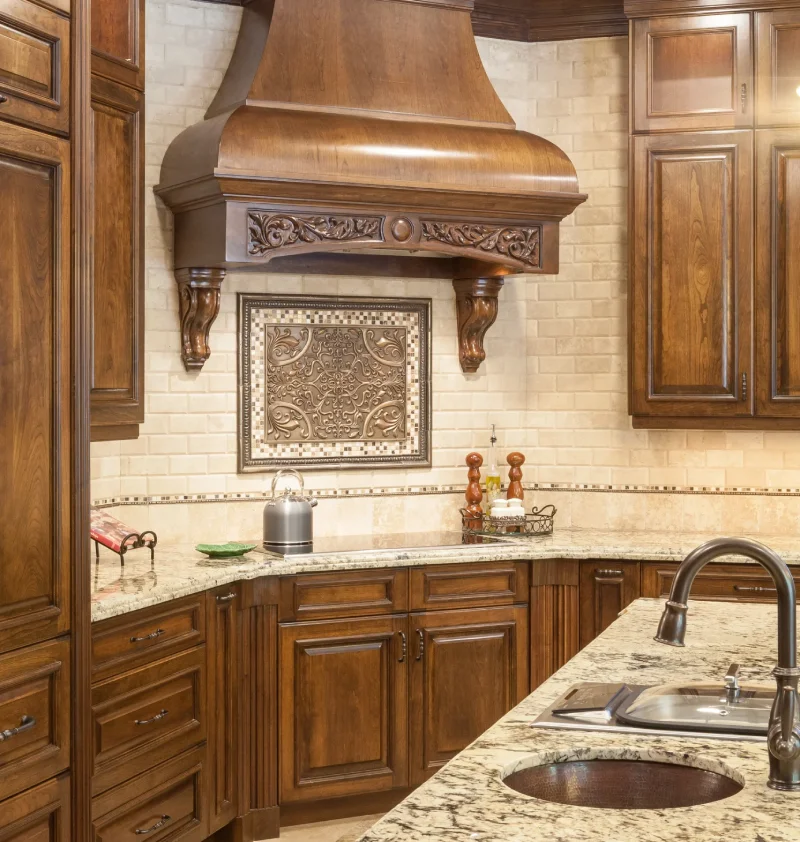
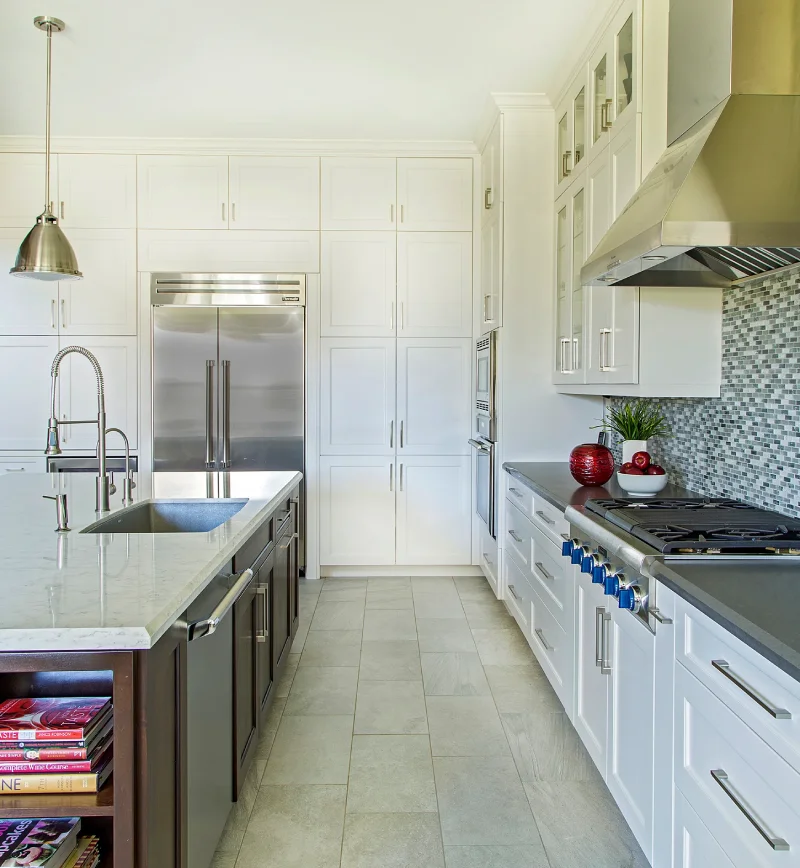
Cabinetry typically represents the largest single expenditure in a kitchen renovation. Custom solid-wood cabinets built with dovetail joinery and soft-close hardware deliver 25–30 years of dependable service with periodic care. Semi-custom options from reputable manufacturers offer strong style flexibility at a lower price point while still outperforming stock cabinetry in both longevity and finish quality. In 2026, design preferences across the Magnolia and Tomball areas lean heavily toward warm, natural wood tones — white oak, rift-cut walnut, and quarter-sawn maple are especially popular, reflecting the Modern Farmhouse and Transitional aesthetics that define the region.
Countertop selection deserves equal care. Quartzite provides the dramatic veining of natural marble with substantially greater resistance to heat, scratches, and etching. Engineered quartz delivers near-zero maintenance and consistent patterning, making it a practical choice for busy households. For high-end Magnolia kitchens, bookmatched quartzite slabs — two matching pieces creating a mirrored pattern across a surface — have emerged as a defining statement feature. Backsplash trends in the area increasingly favor full-height stone slabs, handmade zellige tiles, or textured metalwork that complements the countertop material.
Material Durability and Maintenance Comparison for Magnolia-Area Kitchens
| Material | Expected Lifespan | Maintenance Level | Best Application |
| Quartzite Countertop | 25–30+ years | Low (annual sealing) | High-traffic family kitchens |
| Engineered Quartz Countertop | 20–25 years | Very Low (no sealing) | Modern and transitional designs |
| Custom Solid-Wood Cabinetry | 25–30 years | Low (periodic refinishing) | Luxury and heirloom-quality spaces |
| Semi-Custom Plywood Cabinetry | 15–20 years | Low | Mid-range to high-end renovations |
| Porcelain Tile Flooring | 25+ years | Very Low | High-moisture or heavy-use zones |
| Engineered Hardwood Flooring | 15–25 years | Moderate (periodic refinishing) | Open-concept living transitions |
Appliance Trends Defining Luxury Kitchens in 2026
- Panel-ready integrated refrigeration that disappears behind custom cabinet fronts for a seamless, built-in look
- Steam and combination ovens for healthier cooking methods alongside traditional wall-oven configurations
- Induction cooktops valued for precise temperature control, energy efficiency, and cooler kitchen environments during Texas summers
- Smart appliance ecosystems with Wi-Fi-enabled diagnostics, remote preheating, and real-time energy monitoring
- Built-in beverage stations integrated into cabinetry with dedicated water lines and concealed storage
Why Design-Build Protects Your Renovation Investment
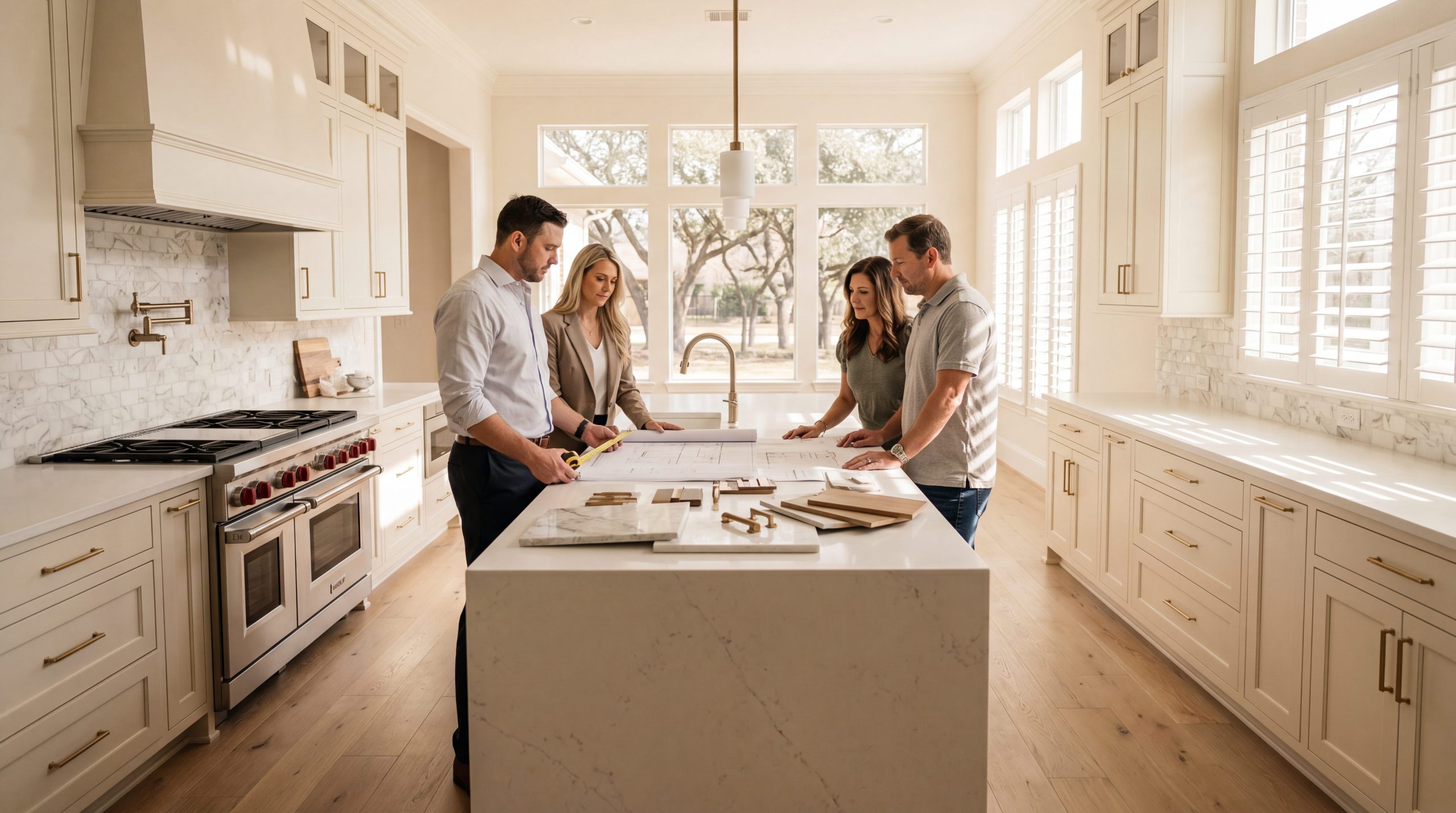
The project delivery method you choose may affect your budget and timeline more than any single material decision. The traditional approach — hiring an independent designer or architect and then soliciting separate construction bids — often creates communication gaps, budget misalignment, and scheduling conflicts that escalate costs. The design-build model unites architecture, interior design, and construction management under one team from the very first conversation.
In a design-build engagement, the same team that develops your 3D kitchen renderings also manages framing, plumbing rough-in, and finish carpentry. Cost analysis and construction planning happen simultaneously, which eliminates the painful disconnect that occurs when a stunning design arrives with a price tag far exceeding the original budget. This integrated approach typically reduces project timelines by 15–25% compared to the traditional separated model, because design and pre-construction phases overlap rather than running sequentially.
For homeowners in the Magnolia and Tomball areas, a design-build firm with deep Montgomery County roots brings a critical additional advantage. Navigating the dual-jurisdiction permitting system, understanding expansive clay soil conditions that affect subfloor stability, and coordinating work on properties with septic systems and well water all demand specialized local expertise. A team that has completed dozens of projects in this specific geography anticipates challenges before they become costly surprises.
Key Advantages of Design-Build for Kitchen Renovations
- Single point of accountability from concept through final walkthrough
- Real-time budget alignment as design decisions are made
- Faster completion timelines through overlapping design and pre-construction phases
- Reduced change-order risk from communication breakdowns between separate design and construction teams
- Access to preferred local material suppliers and skilled trade partners through established relationships
Planning Your Layout Around How Your Family Actually Lives
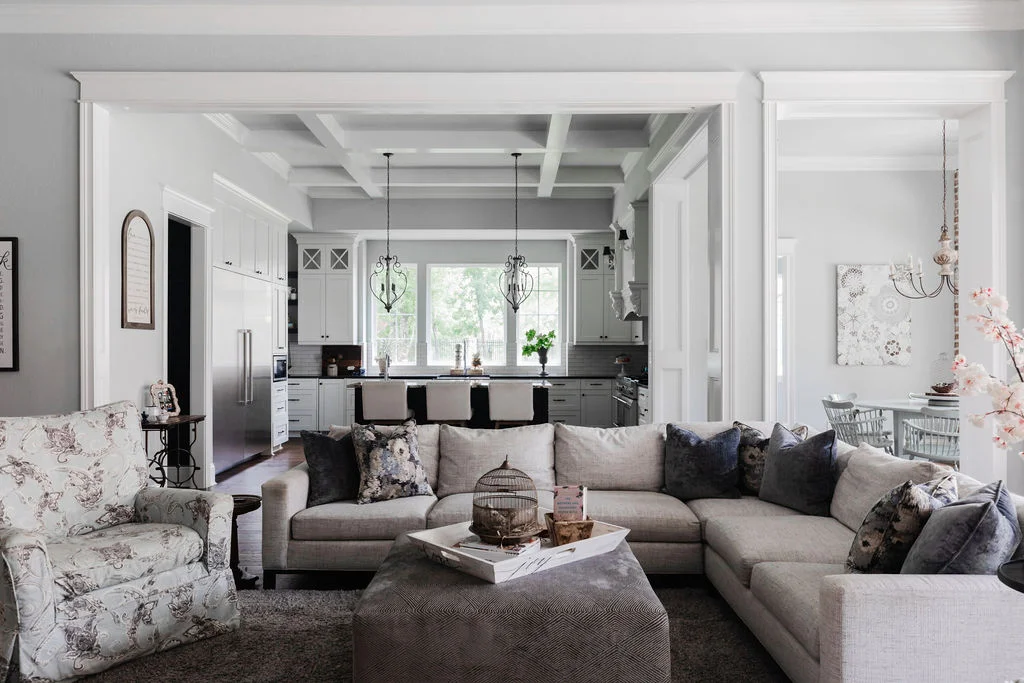
Layout planning determines whether your renovated kitchen feels effortless or frustrating for years to come. The classic work triangle — connecting cooktop, sink, and refrigerator — remains a valid starting point, but modern kitchen design has evolved well beyond a single geometric concept. The most functional luxury kitchens today incorporate multiple dedicated work zones, each optimized for a specific daily activity.
A dedicated prep zone with a secondary sink, generous counter space, and immediate access to knife storage keeps food preparation separate from the primary cooking area. A cleaning zone anchored by the main sink, dishwasher, and waste receptacles streamlines post-meal workflow. A beverage station with its own water supply, built-in coffee equipment, and glass storage removes morning congestion from the main workspace. For Magnolia families who entertain regularly, a hosting zone — typically a large island with comfortable seating and easy access to the refrigerator — allows guests to gather without interrupting the cook.
Open-concept configurations dominate the Magnolia and Tomball markets, where Modern Farmhouse and Transitional styles favor fluid transitions between kitchen, dining, and living spaces. If your renovation involves removing a wall to create this openness, a structural engineer must assess load-bearing implications before demolition. This is a scope item that triggers both a building permit and a structural inspection. Always confirm current requirements with your local municipality or a licensed contractor before proceeding.
Layout Considerations for Magnolia-Area Homes
- Properties on larger lots often feature oversized kitchens that benefit from dual islands — one for prep and one for seating and serving
- Homes relying on well water may need point-of-use filtration systems integrated into the kitchen plumbing design
- Residences built in the 1990s and early 2000s often have original electrical panels that cannot support modern appliance loads without an upgrade
- Texas climate considerations favor placing the oven and cooktop away from HVAC return vents to reduce summer cooling costs
Understanding Timeline and Project Phases
Knowing what happens at each stage of your renovation removes uncertainty and helps you plan daily life around the disruption. A well-managed kitchen renovation in the Magnolia area typically moves through five distinct phases, and understanding each one lets you set realistic expectations from the start.
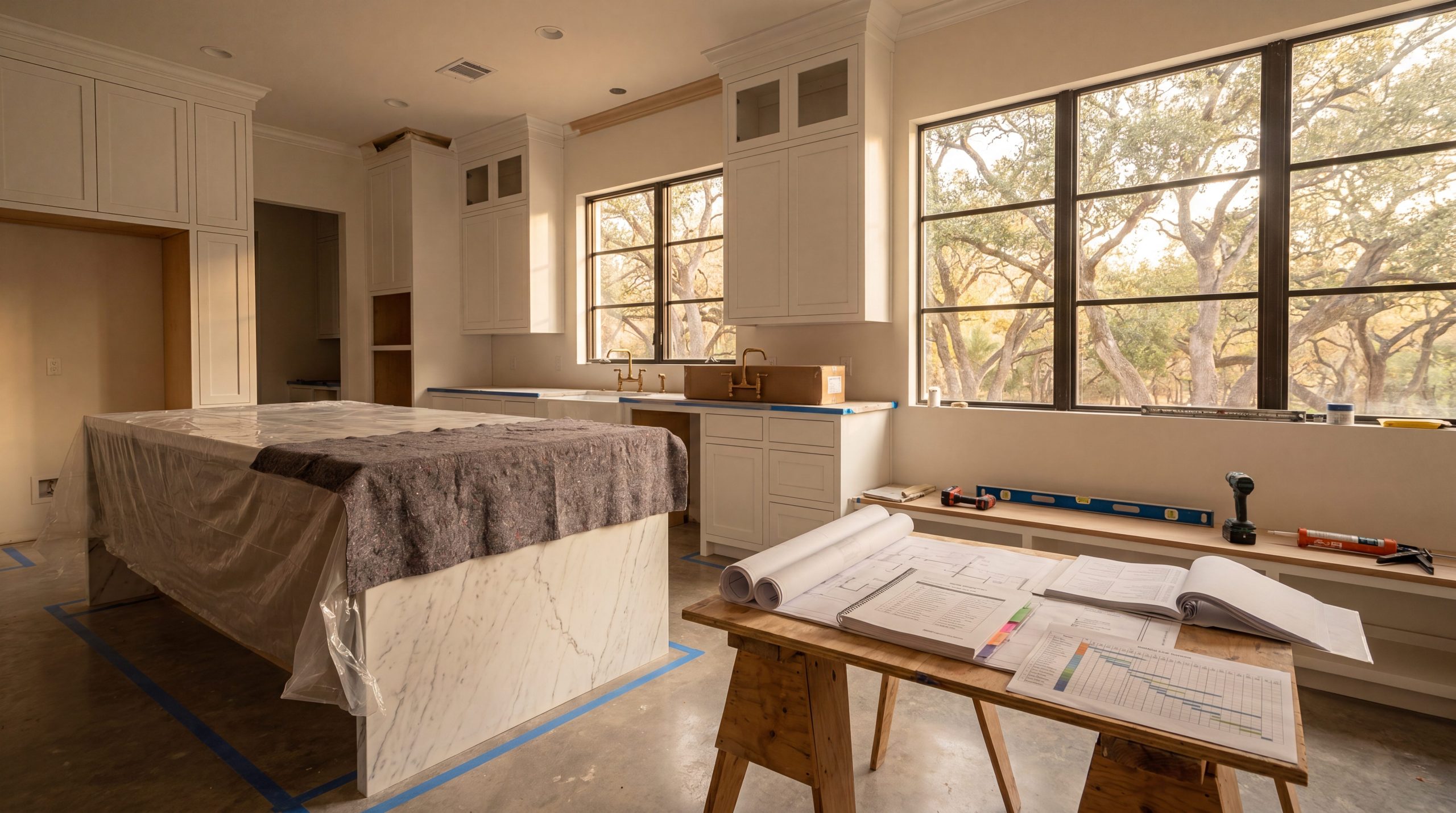
A cosmetic refresh — where no walls move and no plumbing or electrical lines are relocated — can typically be completed in four to six weeks. A full-scale renovation involving structural changes, new plumbing runs, and custom cabinetry fabrication generally spans eight to fourteen weeks from demolition to move-in. Luxury-grade projects with imported materials or specialty fabrication may extend beyond that window.
Several factors specific to the Magnolia area can influence your timeline. Montgomery County permit processing times vary seasonally, and scheduling inspections during peak building months — typically spring and early fall — may add several days between phases. Custom cabinetry lead times currently range from six to twelve weeks after order placement, so finalizing your cabinet selections early in the design phase is essential to preventing construction delays.
Typical Kitchen Renovation Timeline in the Magnolia and Tomball Area
| Phase | Estimated Duration | Primary Activities |
| Design and Planning | 3–6 weeks | Layout finalization, material selection, 3D renderings, permit applications |
| Demolition and Prep | 3–5 days | Removal of cabinets, countertops, flooring, and existing fixtures |
| Rough-In Construction | 2–4 weeks | Structural modifications, plumbing relocation, electrical wiring, HVAC work |
| Installation and Finish Work | 3–6 weeks | Cabinetry, countertop fabrication, tile, flooring, appliance installation, painting |
| Final Inspection and Punch List | 1–2 weeks | Building department inspection, detail corrections, final client walkthrough |
How to Minimize Disruption During Construction
- Set up a temporary kitchen station in an adjacent room with a microwave, electric kettle, and portable induction cooktop
- Establish a weekly written update schedule with your contractor, supplemented by a shared project management portal for real-time progress tracking
- Finalize all material and appliance selections before demolition begins so back-ordered items do not stall construction mid-project
- Discuss dust and debris containment measures — including zip-wall barriers and negative air pressure — to protect the rest of your home
Frequently Asked Questions
How much does a kitchen remodel cost in Magnolia, Texas?
A mid-range kitchen renovation in Magnolia typically costs between $25,000 and $55,000, while luxury projects involving custom cabinetry and structural changes can range from $60,000 to over $100,000. The final number depends on material selections, scope of plumbing and electrical work, and whether walls are relocated. Requesting a detailed, line-item estimate is the best way to understand exactly where your investment goes.
Do I need a permit to remodel my kitchen in Montgomery County?
Yes, a building permit is generally required in both the City of Magnolia and unincorporated Montgomery County for projects involving structural modifications, electrical work, plumbing changes, or mechanical upgrades. Cosmetic updates like painting or swapping hardware typically do not require a permit. Always confirm current requirements with your local municipality or a licensed contractor before proceeding.
How long does a full kitchen renovation take in Magnolia?
A full kitchen renovation in Magnolia, Texas, typically takes eight to fourteen weeks from demolition through final inspection. Simpler cosmetic refreshes can be completed in four to six weeks. Custom cabinetry lead times and permit scheduling during peak building season are the most common variables that affect overall project duration in the area.
What kitchen design styles are popular in Magnolia in 2026?
Modern Farmhouse and Transitional aesthetics lead the Magnolia market in 2026. Homeowners favor warm natural wood cabinetry in white oak or walnut, quartzite countertops with organic veining, and open layouts connecting the kitchen to living and dining areas. Integrated smart appliances, induction cooktops, and dedicated beverage stations are also gaining strong popularity among luxury homeowners.
Is it better to remodel my kitchen or buy a new home?
Remodeling is often the more cost-effective path, especially in today's higher interest-rate environment where keeping an existing favorable mortgage rate has significant financial value. A well-executed kitchen renovation in Texas can recoup 50–75% of its cost at resale while delivering a space customized to your exact preferences. Building or buying new makes more sense only if the home's structure or location no longer serves your lifestyle.
What is the biggest mistake homeowners make during a kitchen remodel?
Underestimating the cost of work hidden behind walls is the most common and expensive mistake. Outdated wiring, deteriorated plumbing, and compromised subfloor conditions frequently surface during demolition and can add thousands to the final bill. Setting aside a 10–20% contingency fund before your project begins absorbs these surprises and keeps the renovation on track without emergency budget scrambles.
Your Magnolia Kitchen Renovation Starts With the Right Partner
A successful kitchen renovation in the Magnolia area rests on three pillars: a realistic budget grounded in local market knowledge, materials and layout decisions aligned with how your family actually lives, and a construction process managed by a team with deep expertise in Montgomery County's unique building environment. When these elements work together, the result is a kitchen that raises your home's value, simplifies your daily routines, and becomes the space where your family's best moments naturally gather.
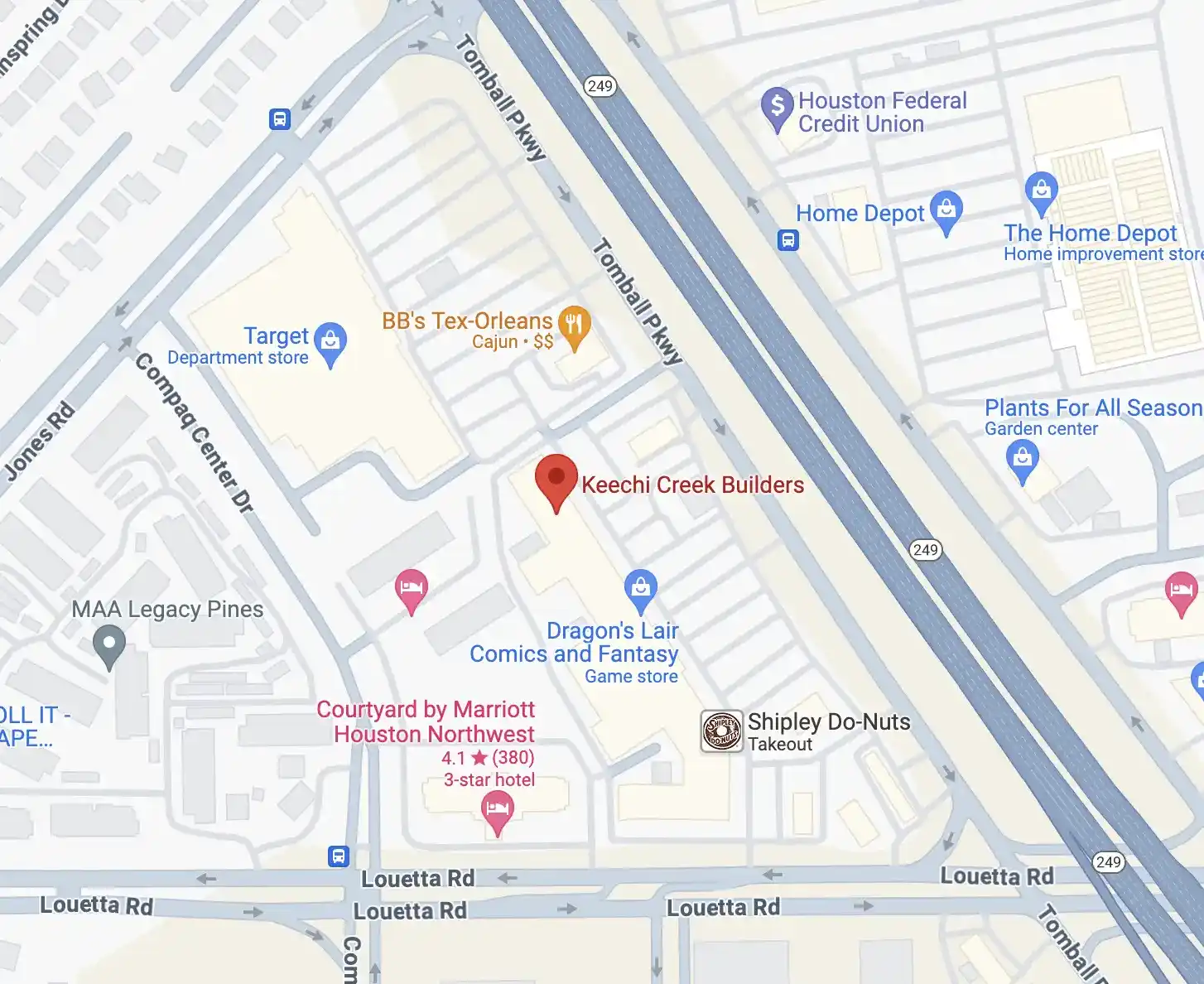
Keechi Creek Builders brings an award-winning, integrated design-build approach to every kitchen renovation in Magnolia, Tomball, and the surrounding Montgomery County communities. To explore how a team recognized with multiple GHBA and TAB awards for kitchen design and whole-home remodeling can bring your vision to life, call 281-688-1454 or visit keechicreekbuilderstx.com to schedule your personalized design consultation today. Your kitchen deserves the same standard of craftsmanship you bring to every other part of your life.