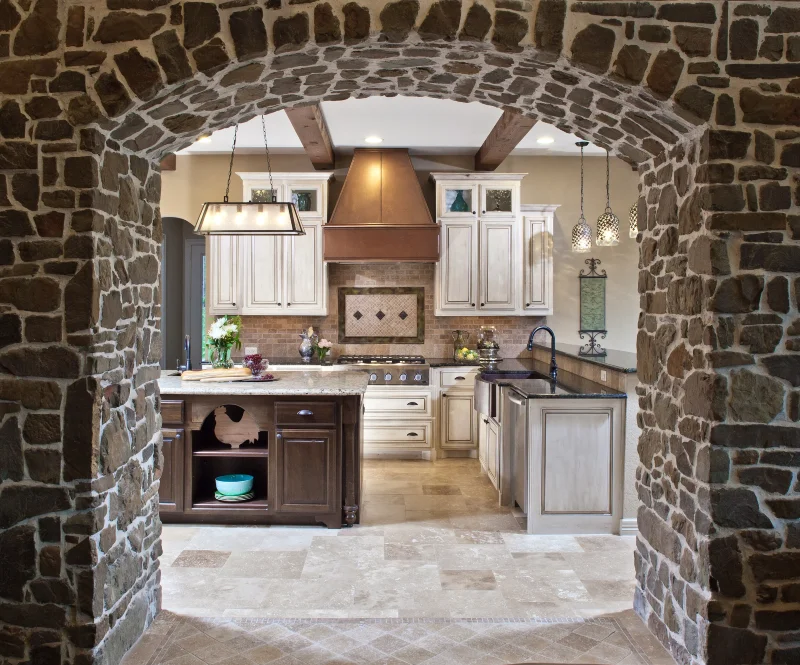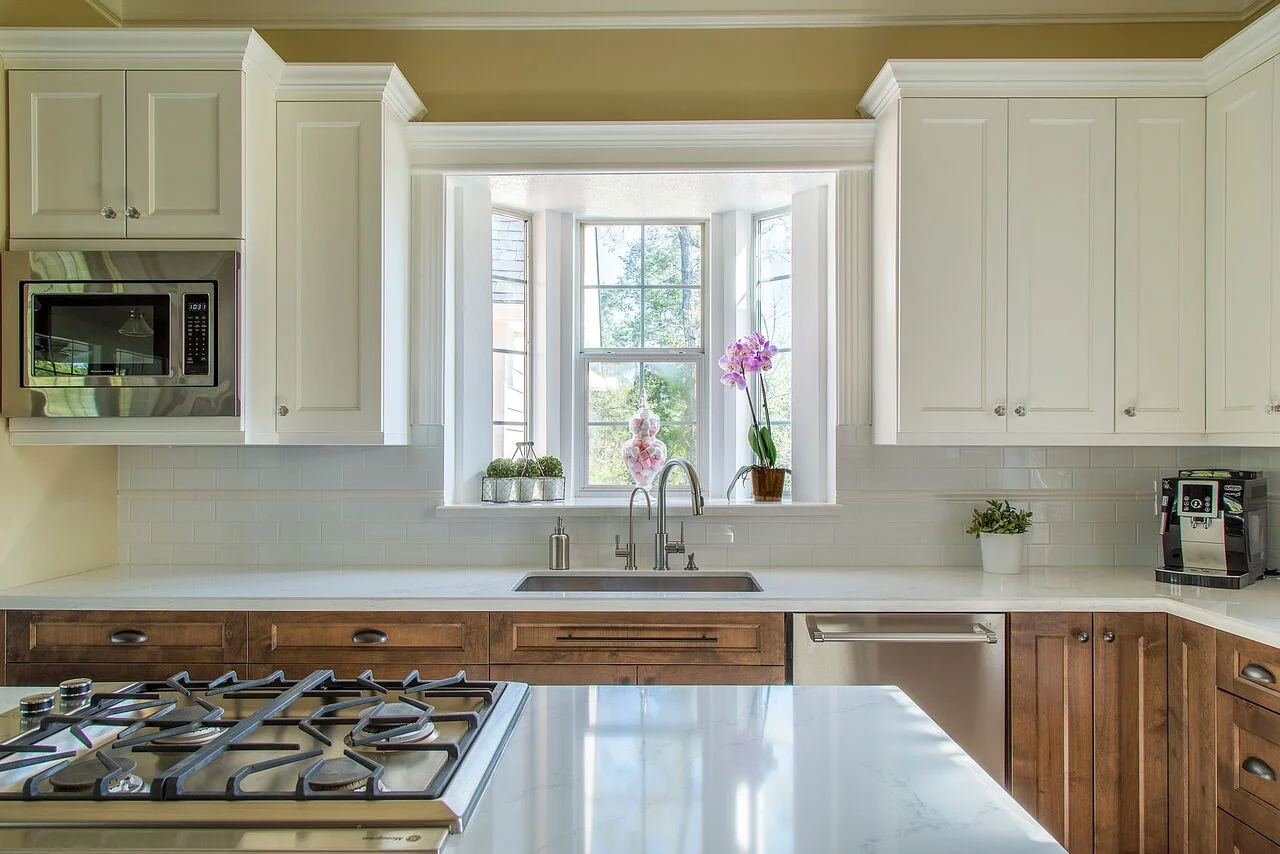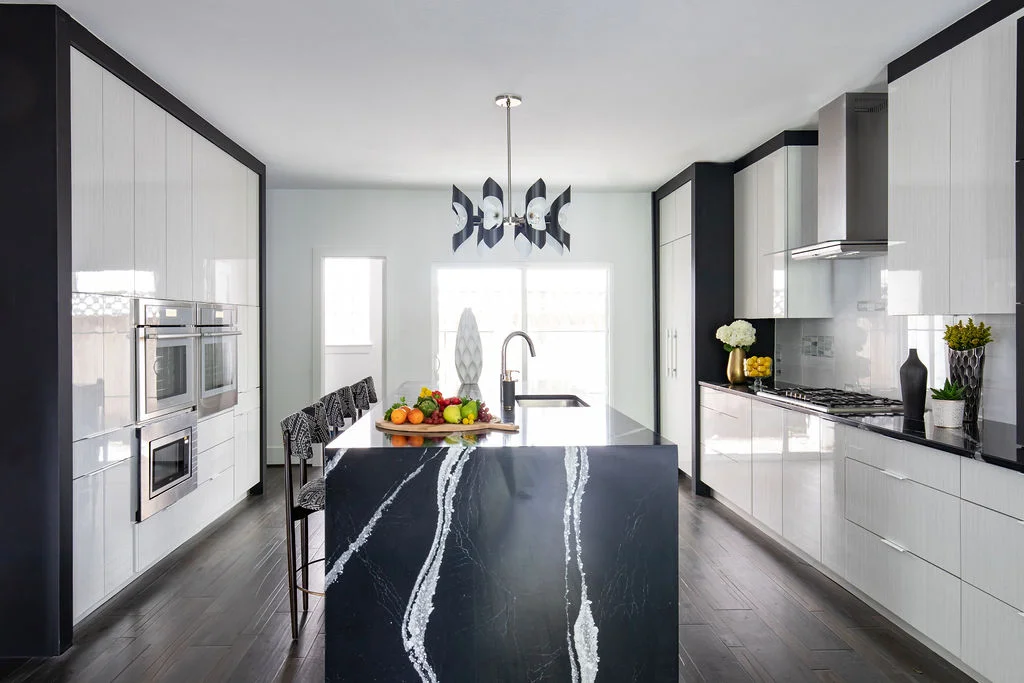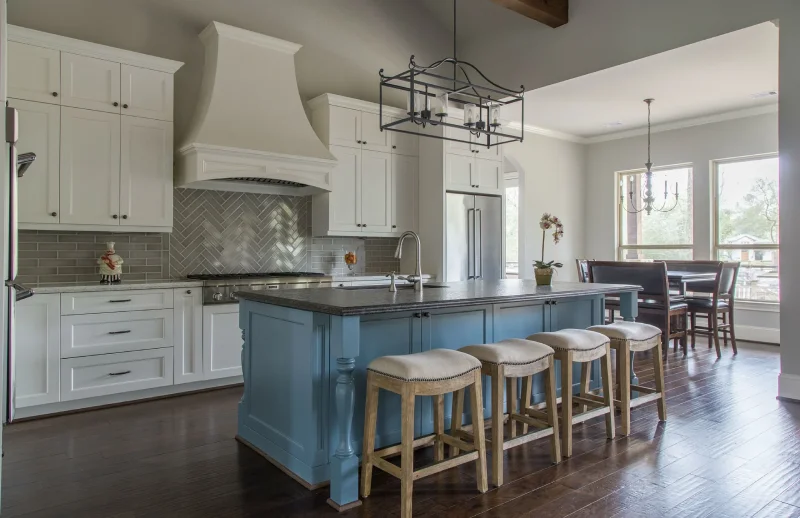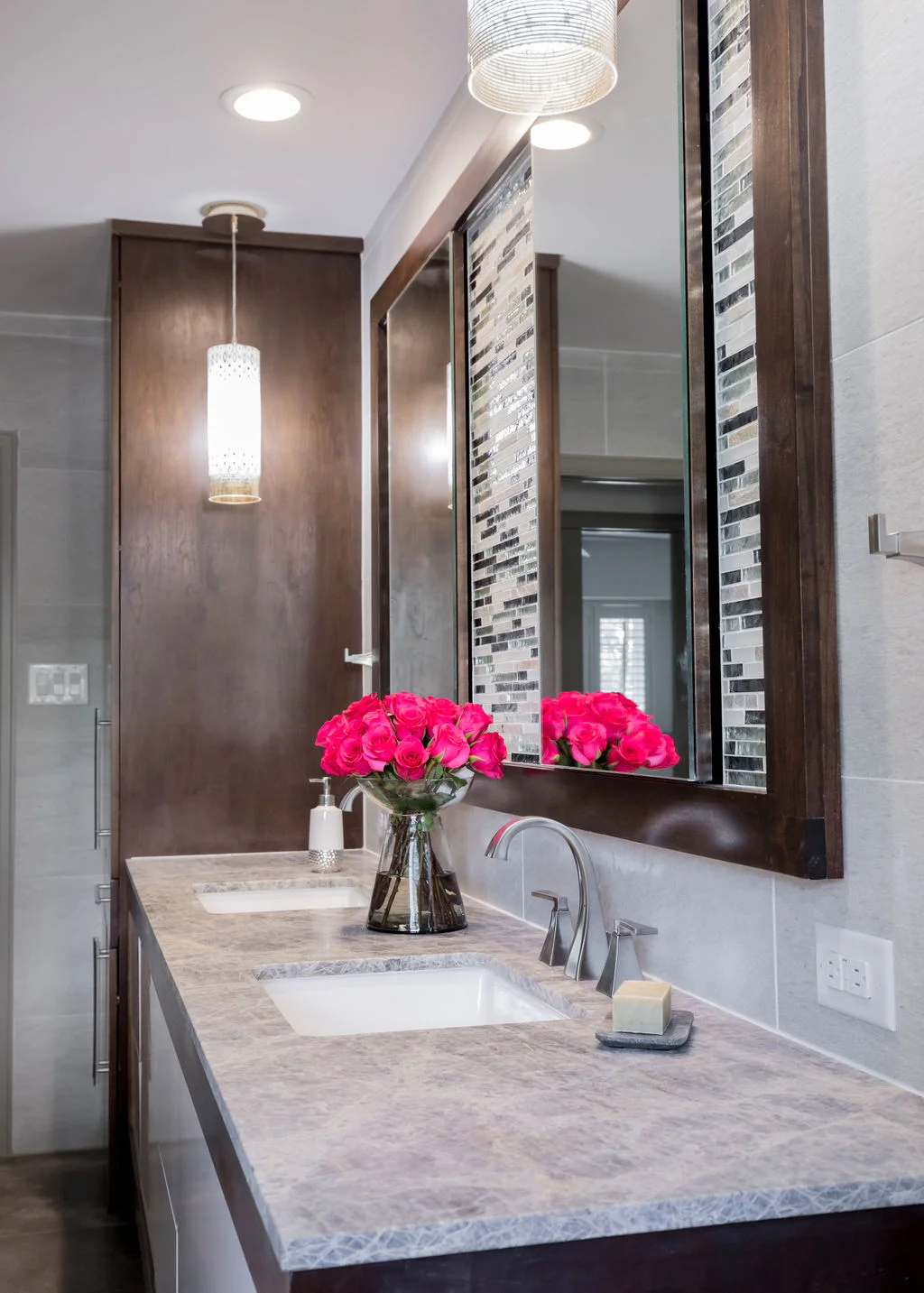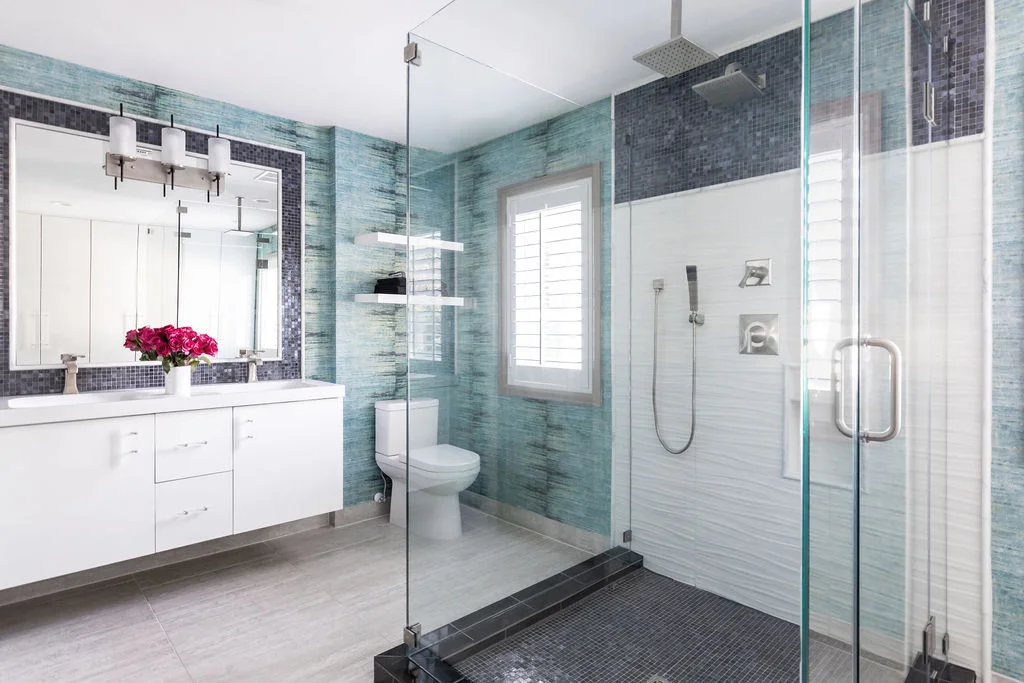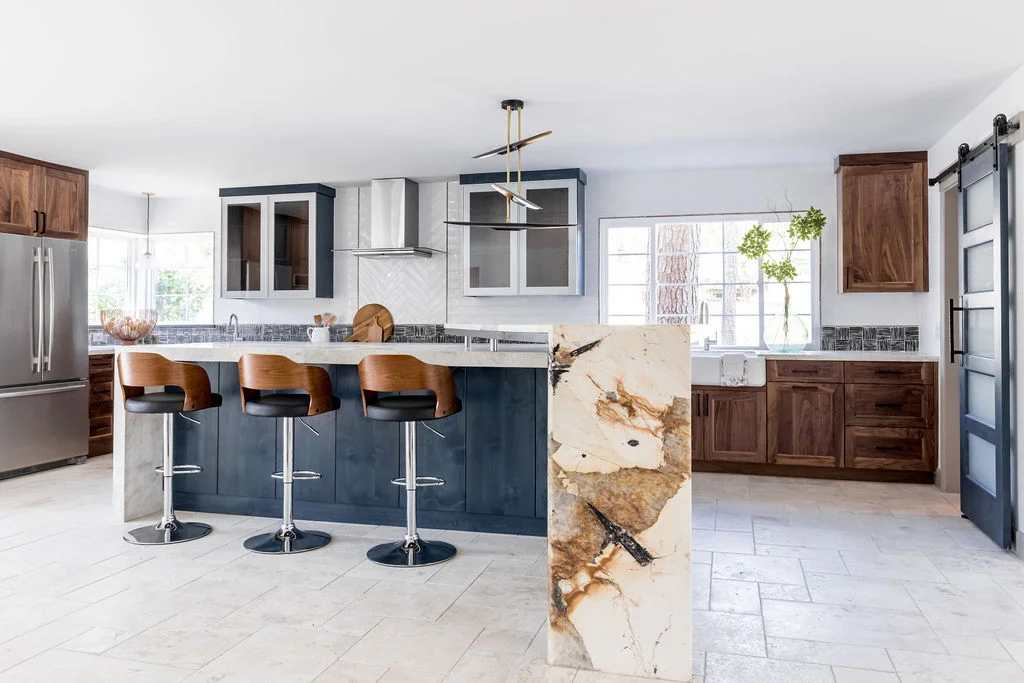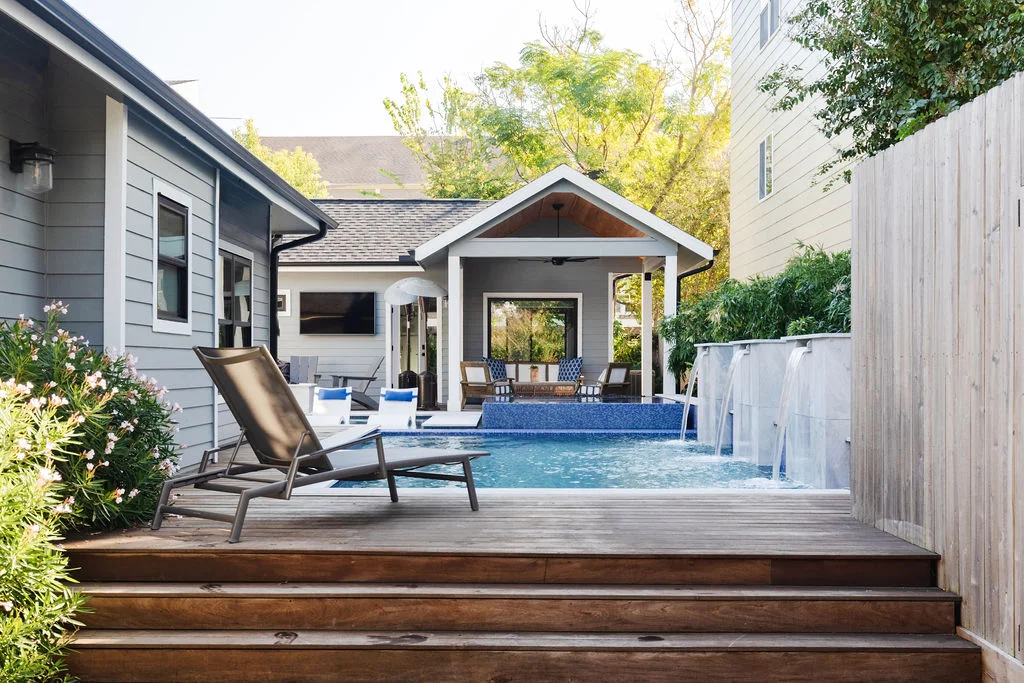
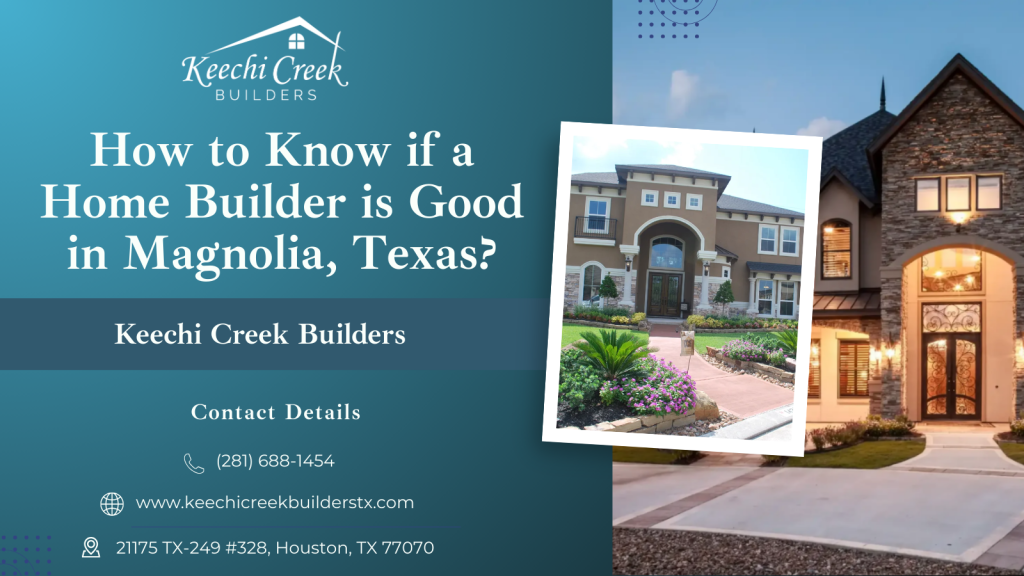
Building a home in Magnolia is exciting, but choosing the right builder is where everything starts to feel “real.” You’re not just hiring a crew; you’re picking the team that will translate your lifestyle, priorities, and investment into something you’ll live with every day. To choose the right home builder in Magnolia, TX, research local builders' experience and reputation, check their licensing/insurance, verify their financial stability, ask for referrals and visit past projects to see quality firsthand, and ensure clear communication and transparent contracts covering budget, materials, and timelines. Look for builders who are :service-oriented, detail-focused, and understand the local Montgomery/Harris County market. When you follow a clear process, you avoid costly surprises and stay in control.
In Magnolia, you’ll meet everyone from large production builders to smaller custom builders and design-build teams. The “right” choice depends on your land, your design goals, your risk tolerance, and how involved you want to be. The common thread: the best builders are organized, transparent, and calm under pressure—because something always comes up in construction.
Before you fall in love with a floor plan or a price tag, it helps to know what you’re actually evaluating. Use the table below as a quick way to compare home builders in Magnolia TX without getting lost in marketing claims.
| What to Evaluate | What “Good” Looks Like | Questions to Ask | Red Flags |
|---|---|---|---|
| Experience in your area | Familiar with Magnolia conditions, permitting, and trades | “How many homes have you built near Magnolia?” | Vague answers, no local examples |
| Process & communication | Set meeting cadence, clear decision timeline | “How often do we get updates and in what format?” | Hard to reach, inconsistent replies |
| Budget clarity | Detailed specs, realistic allowances, clean change-order rules | “What’s included vs. upgrade?” | “Ballpark” numbers, unclear allowances |
| Quality control | Walkthrough checklists, punch process, warranty system | “How do you track quality during the build?” | No documented process |
| Subcontractor consistency | Long-term trade relationships | “How do you select and manage trades?” | “Whoever is available” approach |
| Timeline discipline | Real schedule tied to selections and permits | “What typically causes delays and how do you prevent them?” | Overpromised timelines |
The “paperwork” part isn’t glamorous, but it’s where you avoid the biggest headaches. Think of it like due diligence before a major investment—because that’s exactly what this is. You’re trying to confirm that the builder is stable, legitimate, and set up to protect you if something goes wrong.
Ask for proof of general liability insurance and confirm how they handle worker coverage and subcontractors. You’re not being difficult; you’re being responsible. A reliable builder expects this question and will help you feel confident.
Also, look for a contract structure that clearly spells out responsibilities. If the contract feels thin, overly generic, or easy to “interpret,” that’s usually a sign you’ll be negotiating under pressure later.
You’re not asking to see someone’s bank account—but you can still verify stability in practical ways. Ask how they structure draws, how they handle deposits, and what happens if material pricing shifts. A stable builder has a plan for these conversations and doesn’t rely on last-minute improvising.
If a builder pressures you to pay large amounts upfront without clear milestones, slow down and ask more questions.
Reputation in construction can be tricky because reviews often reflect emotions, not details. What you want is pattern recognition. If multiple clients mention the same strengths (or the same problems), believe the pattern.
A strong builder can point you to projects that resemble yours: similar square footage, similar level of finish-out, similar neighborhood expectations. When you call references, ask specific questions like:
You’re listening for confidence, clarity, and consistency—not perfection.
A finished home can look great even if the process was chaotic. An active job site shows you the truth: organization, supervision, safety, and respect for the property. Look for protected materials, clean pathways, and obvious coordination between trades.
If a job site feels unmanaged, that tends to show up later as delays, rework, and cost creep.
A home build isn’t just construction—it’s decision management. The builder who guides you through selections, timelines, and trade coordination with a steady hand will save you time, money, and stress. This is where top-tier builders separate themselves.
Design decisions don’t happen all at once. You’ll make dozens of choices—cabinets, flooring, lighting, hardware, paint, tile, plumbing fixtures, and more. The right builder helps you sequence decisions so you’re not rushed into expensive “panic picks.”
Ask how change orders work. A good system is written, timely, and priced transparently. You should never feel like you’re signing blank checks.
If you’re waiting days for answers during the sales process, it often gets worse once the build starts. You want someone who communicates clearly, doesn’t dodge questions, and doesn’t make you feel like a nuisance for wanting to understand your own project.
Comparing builders isn’t like comparing identical products on a shelf. Two bids can look similar while hiding major differences in allowances, materials, and scope. The goal is “apples to apples,” because that’s how you protect your investment.
A low bid often relies on low allowances (for flooring, cabinetry, fixtures) that can’t realistically match the quality level you expect. Then the price rises later through “upgrades,” and you’re stuck because you’ve already committed.
Ask for a detailed spec sheet. The more specific the documentation, the fewer surprises you’ll face.
A slightly higher price can be worth it if it buys you tighter project management, better subcontractors, stronger warranty response, and fewer schedule slips. In Magnolia, where weather and site conditions can impact timeline, experienced supervision matters more than most people realize.
Magnolia is growing fast, and builds can vary depending on whether you’re in a more established pocket, a newer development, or on land. Local knowledge matters because “small details” can become big costs.
If you’re building on land, ask how the builder handles site evaluation, dirt work, drainage planning, and utility coordination. You don’t want surprises after permits are pulled. A builder who regularly works in and around Magnolia will have a more realistic handle on timelines and site needs.
Parts of the Magnolia area touch different rules and processes depending on the exact location and whether you’re in Montgomery County, Harris County, or a specific municipality/MUD. Your builder should be able to explain who pulls permits, what’s required, and how inspections are managed.
If you’re remodeling in Memorial, pick a builder with deep renovation experience because tying new work into an existing structure is different from building new. Ask about handling hidden conditions, protecting occupied homes, and navigating neighborhood expectations. Custom-building skills help, but renovation systems matter more.
Ask how they manage parking, deliveries, work hours, debris removal, and neighbor communication—especially in tighter Memorial streets. Also ask about permitting timelines, inspections, and how they protect landscaping and existing features. A builder who plans logistics well prevents daily frustration during a renovation.
A realistic bid clearly lists scope, allowances, and what’s excluded. If it’s much lower than others, it may be missing structural work, permit costs, or realistic finish selections. Ask for line-item detail and confirm that demolition, disposal, and protection of the home are included.
Timelines vary by scope and material lead times, but a quality builder should give you a written schedule tied to selections and inspections. The key is how they handle delays: weekly updates, quick change-order pricing, and proactive ordering of long-lead items like cabinetry and specialty tile.
Design-build can be helpful if you want one team responsible for both design and construction decisions. It often reduces handoff issues and keeps budgeting aligned with design choices. If you already have plans, a strong builder can still execute well—just confirm coordination and change management.
Look for clear scope, payment schedule tied to milestones, allowance definitions, change-order rules, and a dispute-resolution process. You also want clarity on who handles permits, inspections, and warranty response. A good contract reduces “gray areas” that cause cost increases and timeline conflicts.
Choosing among home builders in Magnolia TX comes down to more than style and price—it’s about trust, process, and proof. Verify credentials, confirm insurance, and look for financial and operational stability. Validate reputation with references and real job-site visits, not just curated photos. Demand clear communication, written change-order procedures, and transparent contracts that spell out materials, allowances, and timelines. When you compare bids, focus on specifications and management quality, not just the bottom line. If you’re unsure, schedule a few conversations and bring your questions—good builders welcome informed clients.
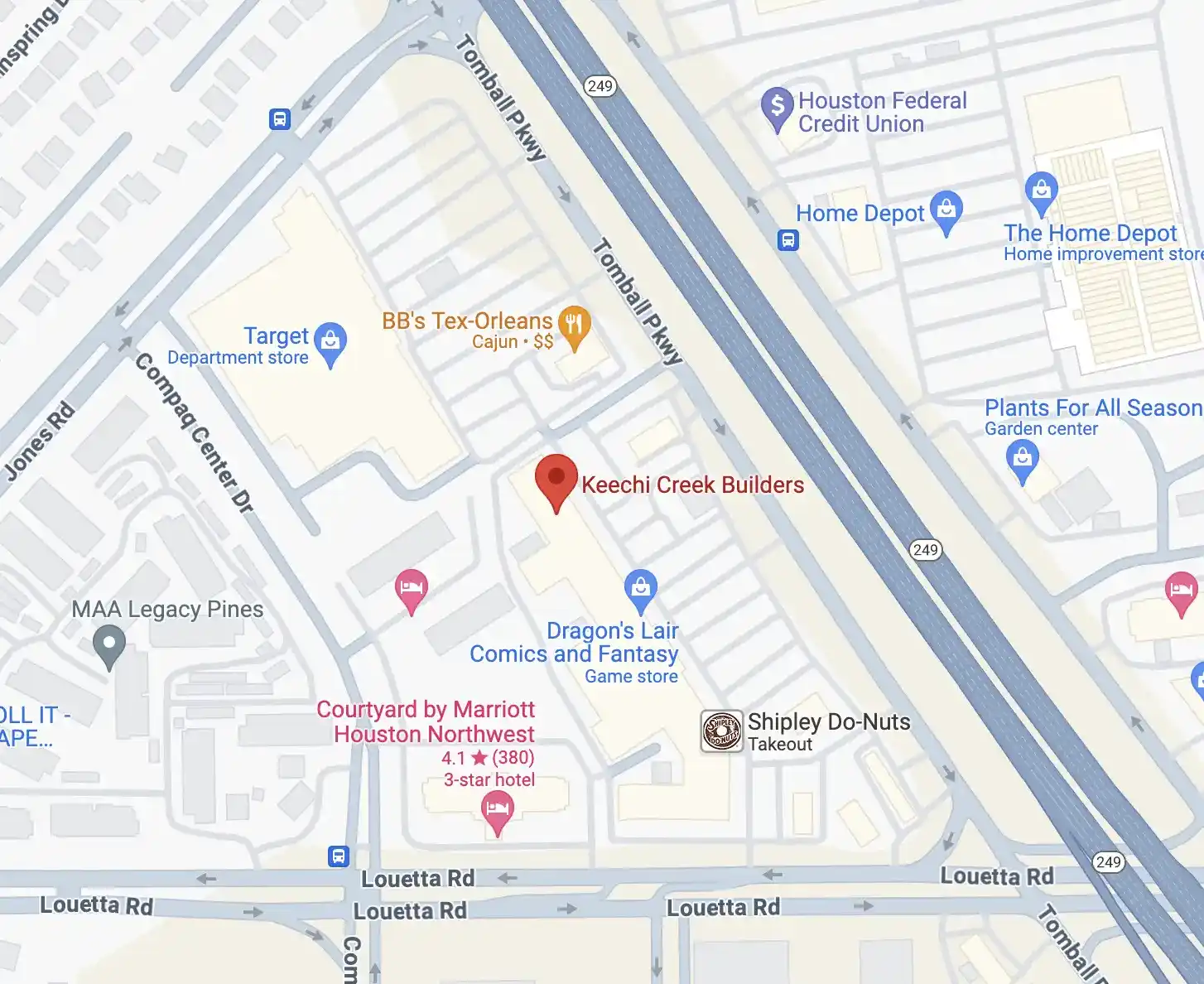
If you want a builder who values clarity, craftsmanship, and a calm, well-managed experience, Keechi Creek Builders is known for a client-first process and detail-focused execution. You can reach Keechi Creek Builders at 21175 TX-249 #328, Houston, TX 77070, or call 281-688-1454.