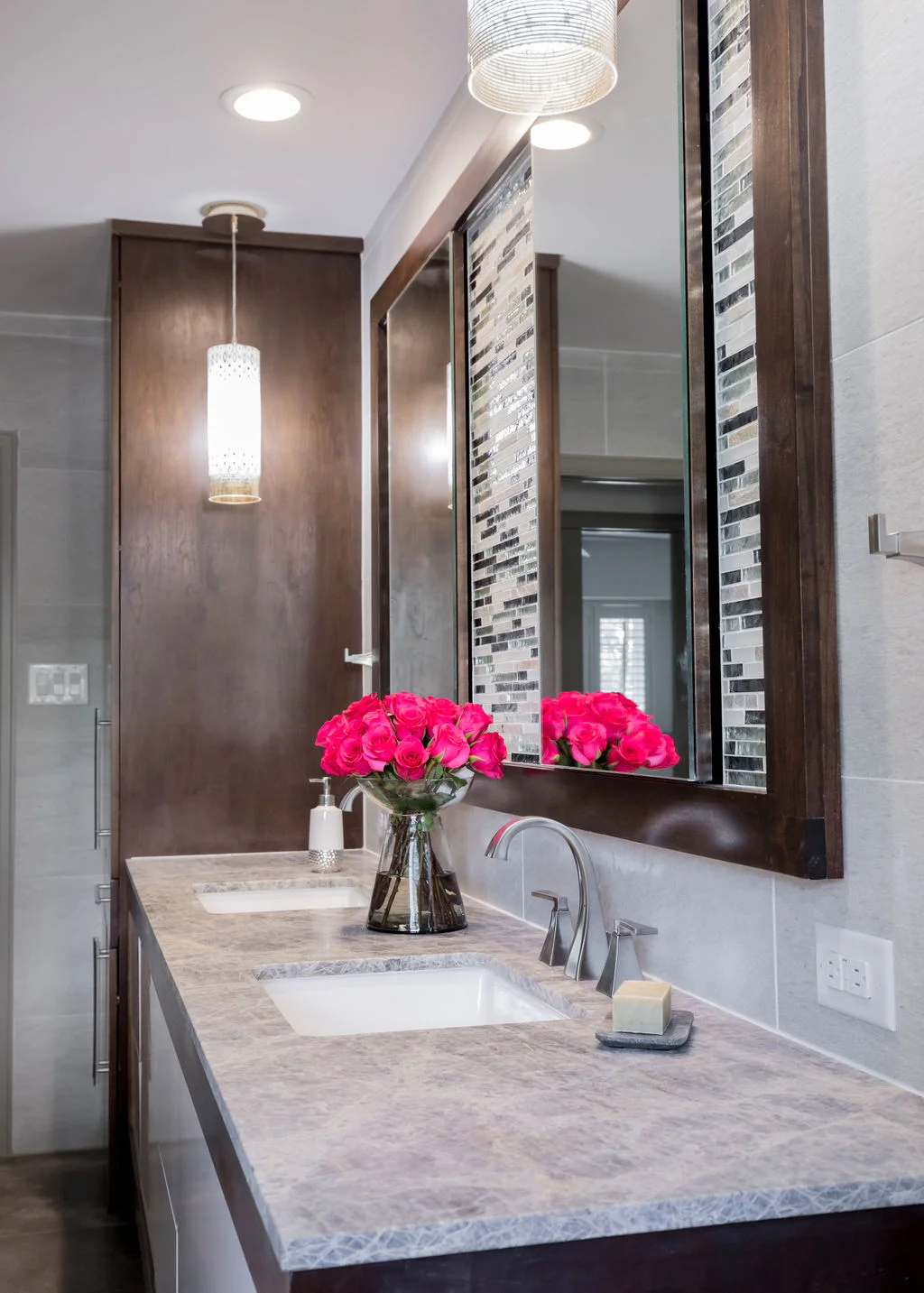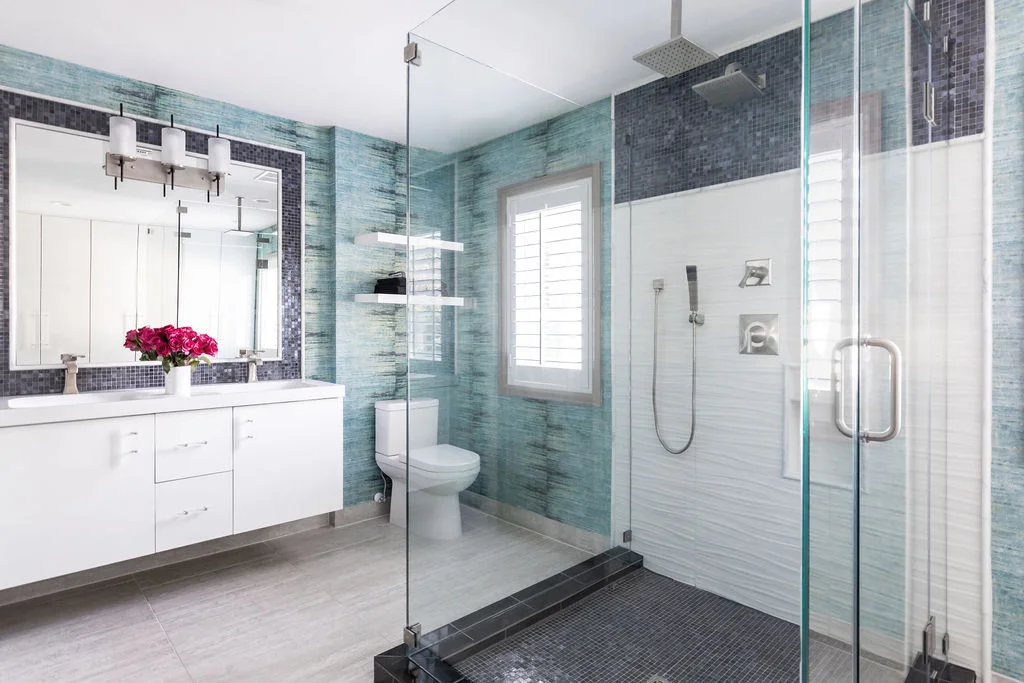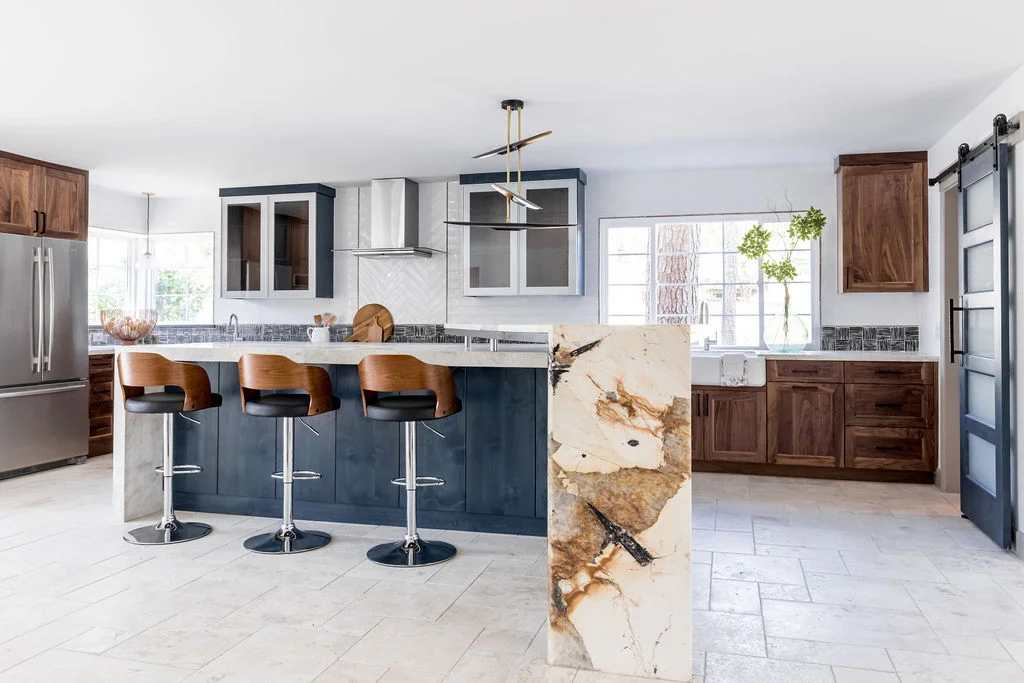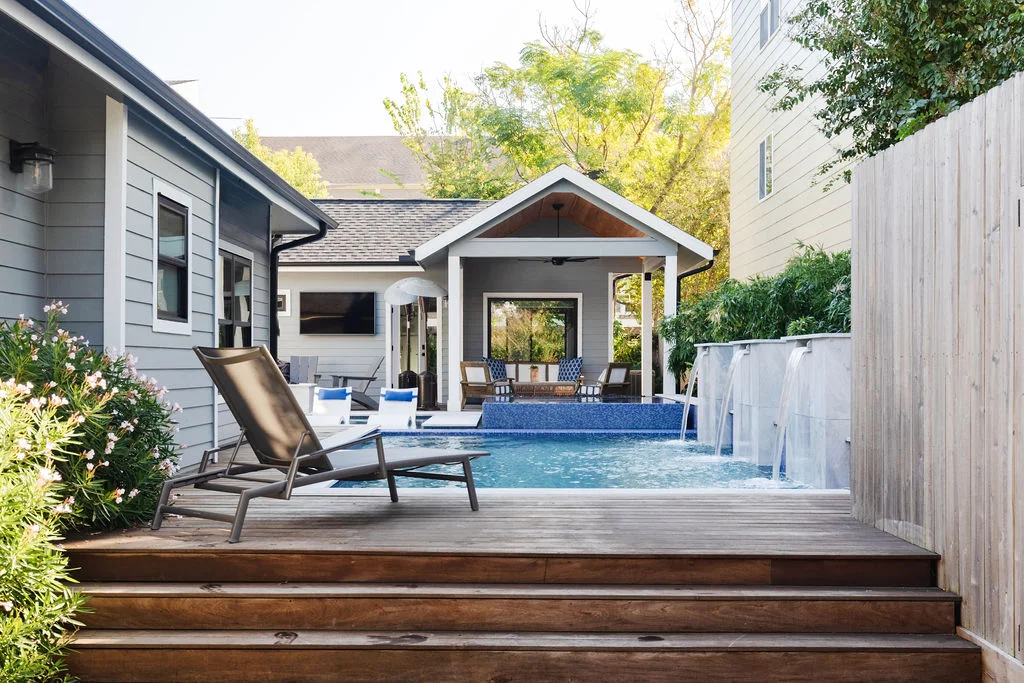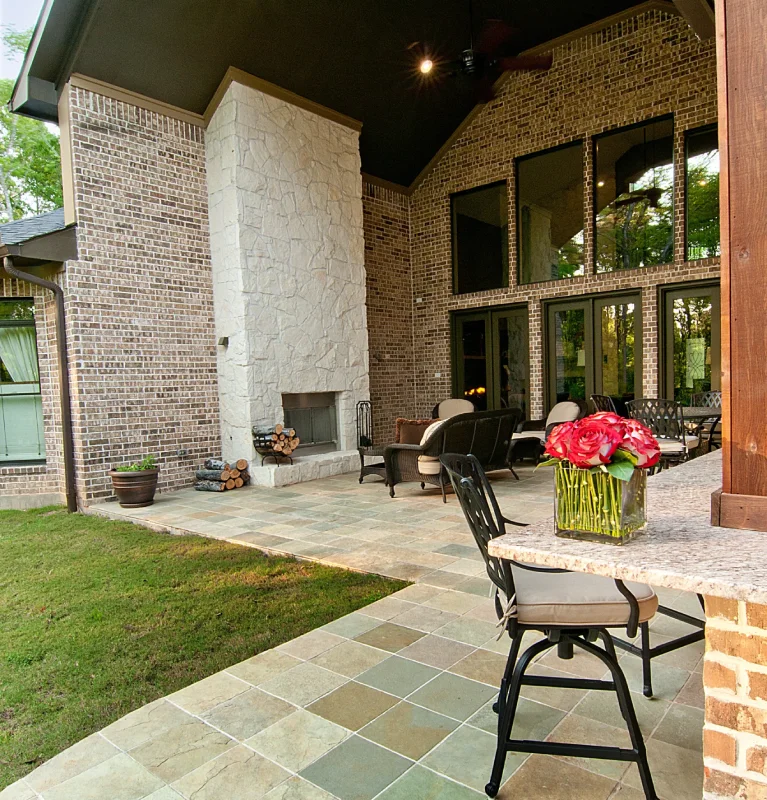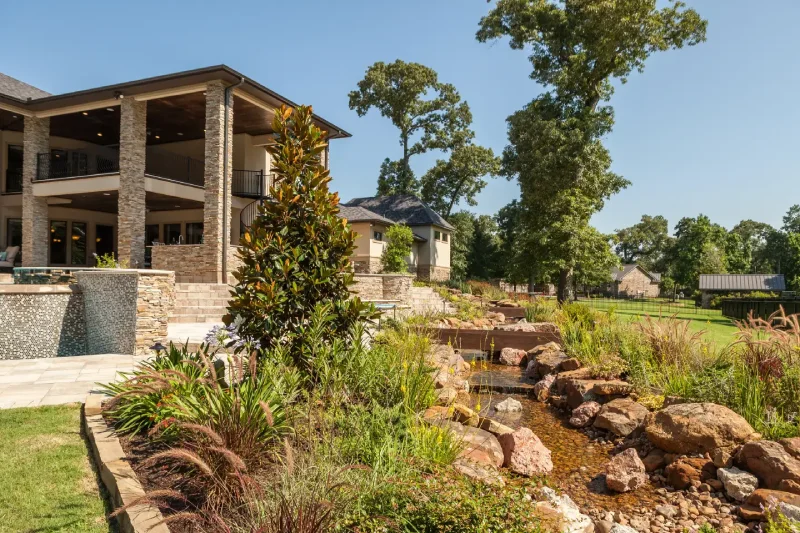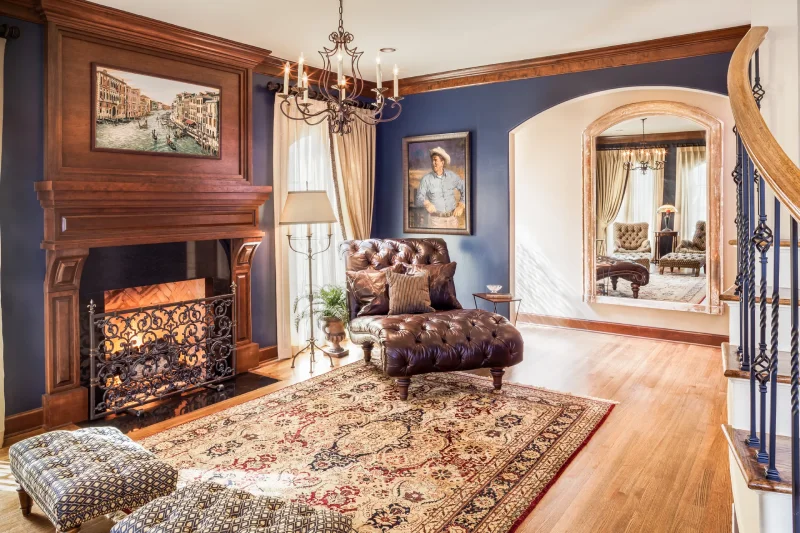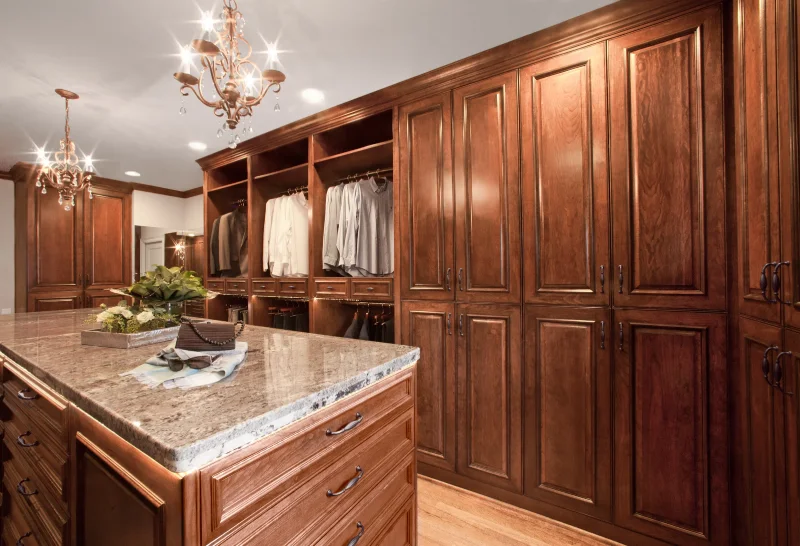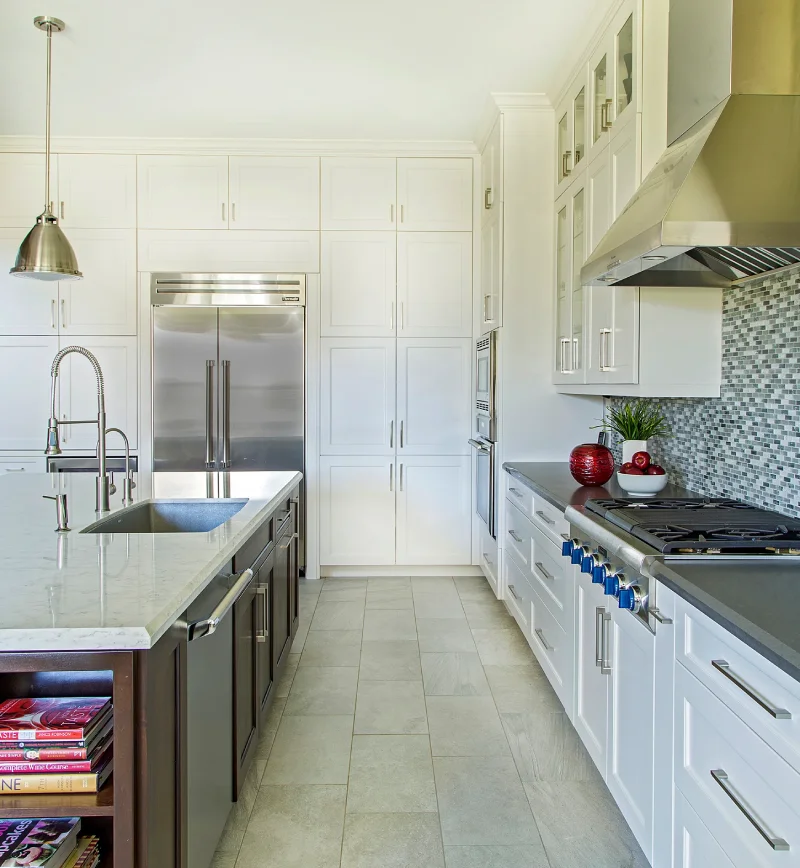
Custom additions to humble homes can effectively expand space and increase property value by incorporating diverse options. Sunrooms, typically costing between $15,000 to $22,000, offer enhanced natural light and potential for high returns on investment. Full-size house expansions can involve multiple rooms, boosting comfort and versatility. Energy-efficient installations contribute to cost savings and environmental benefits. Additionally, bathroom and garage conversions address the evolving needs of growing families. Understand more about cost-effective strategies and planning.
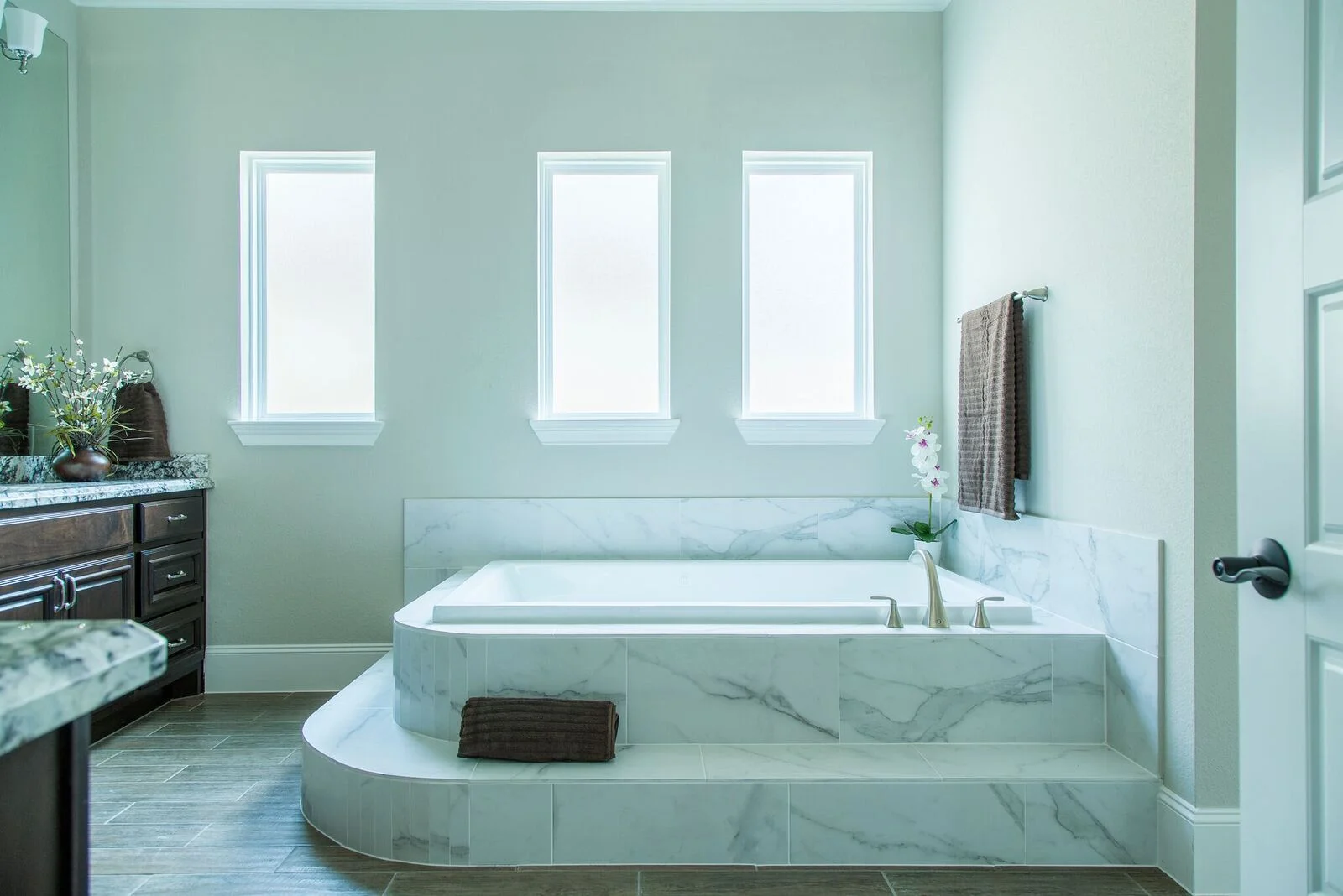
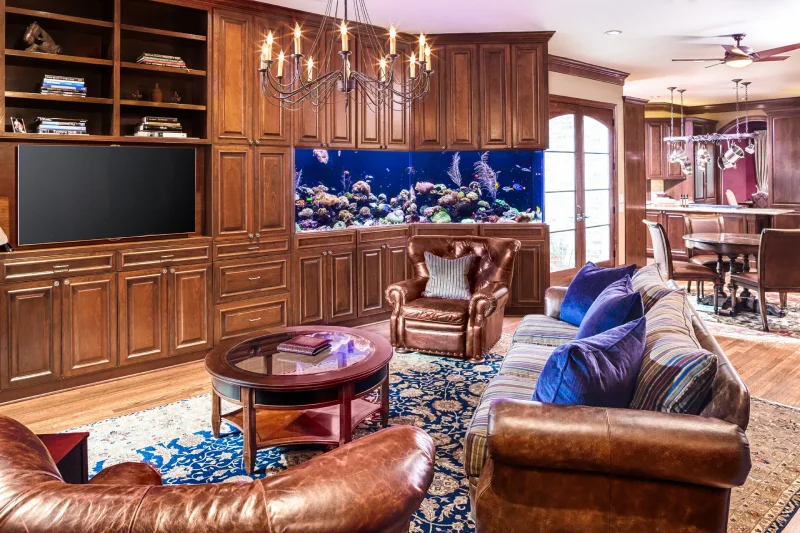
Home additions come in various forms, each designed to enhance living space and improve the overall functionality of a residence, while also potentially increasing its market value. A room addition, such as a new bedroom or office, provides customized space solutions tailored to specific needs. Sunroom additions, offering extra living space and abundant natural light, range from $15,000 to $22,000, with a significant return on investment potential. These additions not only expand usable space but also contribute to the aesthetic appeal of the home. Full-size house additions may include multiple rooms, enhancing both living comfort and property value. Whether opting for a practical room addition or a serene sunroom, each type serves distinct purposes while meeting varied homeowner aspirations. Homeowners can also explore energy-efficient additions that integrate sustainable features, offering both environmental benefits and potential energy savings. Home additions can also include bathroom and garage conversions, providing versatile options to accommodate growing families or changing needs.
Several factors intricately influence the expenses associated with adding custom additions to a home, each contributing to the final cost in distinct ways. Budget considerations and design choices are essential in this situation. Key elements include:
Project Size and Scope: The square footage cost, ranging from $80 to $200 per square foot, alongside complexity and customization, greatly impacts expenses. Larger and more intricate designs typically result in higher costs.
Materials: Foundation and framing expenses vary widely, with high-end materials and customizations elevating the budget. Home additions can cost between $45,000 and $250,000, with an average of $120,000.
Geographic Location: Regional cost variations, influenced by local construction trends and labor costs, can considerably affect the overall expense.
Professional Services: Architect fees and general contractor charges, including permit approval and subcontractor management, play a vital role in shaping the final budget.
Understanding the financial aspects of custom home additions is only the beginning of a thorough enhancement project; exploring viable financing options is the next logical step to guarantee these improvements are feasible. Homeowners must navigate a range of financing strategies, balancing budget considerations with available resources. Home equity loans and HELOCs, leveraging home value, offer competitive interest rates, while cash-out refinancing reconfigures existing mortgages for renovation funds. FHA 203(k) rehab loans integrate purchase and renovation costs, ideal for fixer-uppers, whereas personal loans serve those with limited equity. Government incentives, such as FHA Title I loans and energy-efficient mortgages, further expand possibilities, offering tax benefits and state rebates. Thorough assessment of equity and project scope is essential for selecting appropriate financing. Many homeowners prefer secured loans like home equity loans due to their typically lower interest rates.
When considering home improvements, expanding living space presents a multitude of advantages that extend beyond mere aesthetics. By focusing on space optimization and family dynamics, homeowners can achieve increased comfort and functionality.
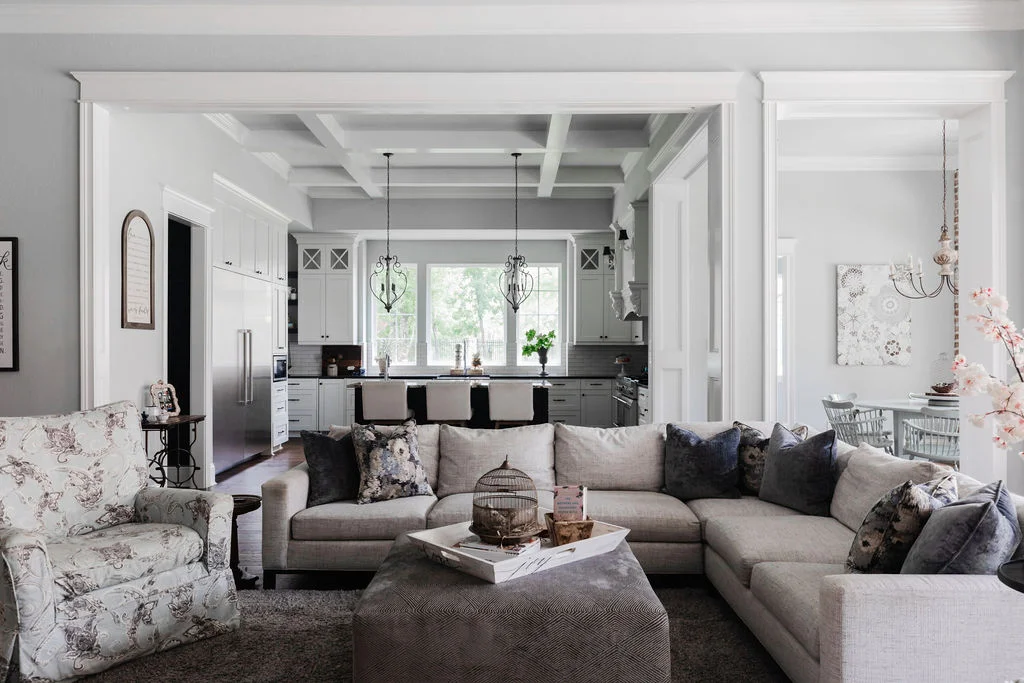
Enhanced Living Space: Transforming underused areas creates valuable zones for relaxation and entertainment, catering to diverse family needs. Enhancing outdoor living spaces, such as adding three-season rooms or screened porches, blends indoor and outdoor living seamlessly.
Improved Natural Light: The inclusion of strategically placed windows and doors not only enhances natural light but also improves ventilation, fostering a healthier living environment.
Better Space Utilization: Dedicating specific areas for different activities optimizes home functionality, facilitating smoother family dynamics.
Increased Property Value: Well-designed additions not only adapt to evolving family requirements but also considerably boost property value and resale potential, making them a wise long-term investment.
These enhancements collectively contribute to a more harmonious and versatile home.
Starting a home addition project requires meticulous strategic planning to guarantee both immediate and long-term success. Understanding the core reasons for the addition, such as evolving family dynamics or lifestyle enhancements, is essential. Prioritizing important needs over optional features secures the project remains focused and within budget. Evaluating how the new space will be utilized daily allows for effective space utilization, while also considering long-term functionality to future-proof the investment. Selecting experienced designers and reliable contractors is critical; their expertise will adhere to local regulations and navigate the complex permit process. A thorough financial plan, including accurate cost estimates and a contingency fund, supports adherence to project timelines and minimizes unforeseen expenses. Researching local building codes and zoning laws ensures compliance and prevents delays during the approval process.
To summarize, home additions can greatly enhance both the functionality and value of a property, offering tailored solutions to meet diverse needs. The costs associated with these projects vary widely, influenced by factors such as design complexity, materials, and labor. By exploring various financing options, homeowners can strategically manage expenses, ensuring a successful outcome. Ultimately, careful planning and professional guidance are essential to maximize the benefits of expanding living spaces, making them a worthwhile investment for long-term satisfaction and financial gain. For more information, call Keechi Creek Builders or visit their website to explore how they can help with your home addition project.