Your family has outgrown your residence, but you're not ready to leave the neighborhood you love. That morning coffee on the patio, the way sunlight fills the kitchen at 7 a.m., the community you've built over the years—moving would mean starting over. Here's the thing: you don't have to.
Designing an addition to your house in Tomball means expanding your living space while preserving the investment, memories, and lifestyle you've built. A well-planned home addition transforms cramped quarters into functional sanctuaries that serve your family for decades. Tomball homeowners in established neighborhoods like Creekside, Rosehill Reserve, and Lakewood Forest are discovering that strategic additions deliver more value than relocating—without the stress of uprooting everything you've built.
This guide explores the most impactful home addition design ideas for Tomball residences, the critical planning steps that prevent costly mistakes, and how local building requirements shape what's achievable on your property.
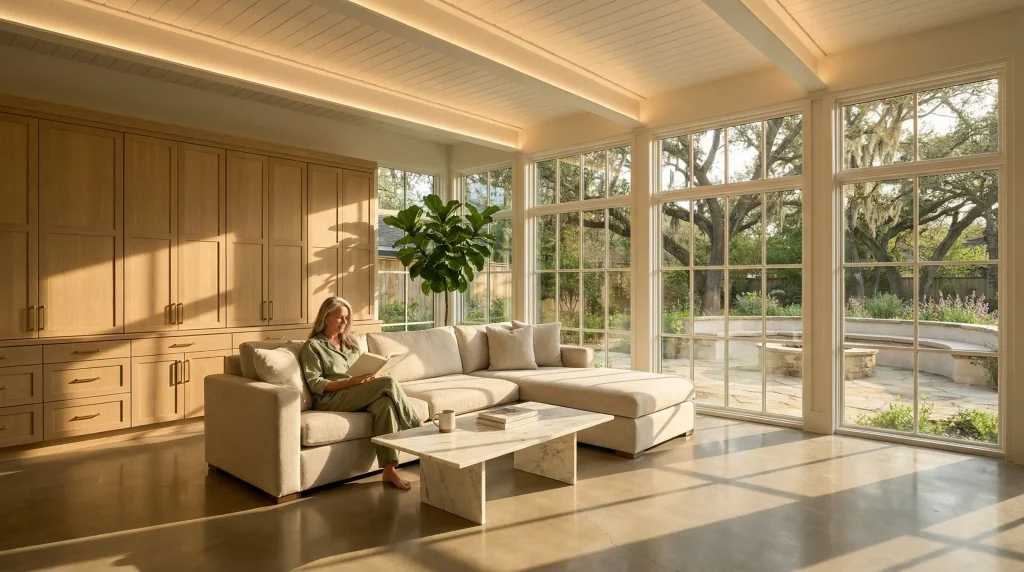
Room additions in Tomball should solve specific lifestyle problems rather than simply adding square footage. The most successful projects target identifiable pain points: inadequate storage, lack of private workspace, insufficient entertaining space, or multigenerational living requirements.
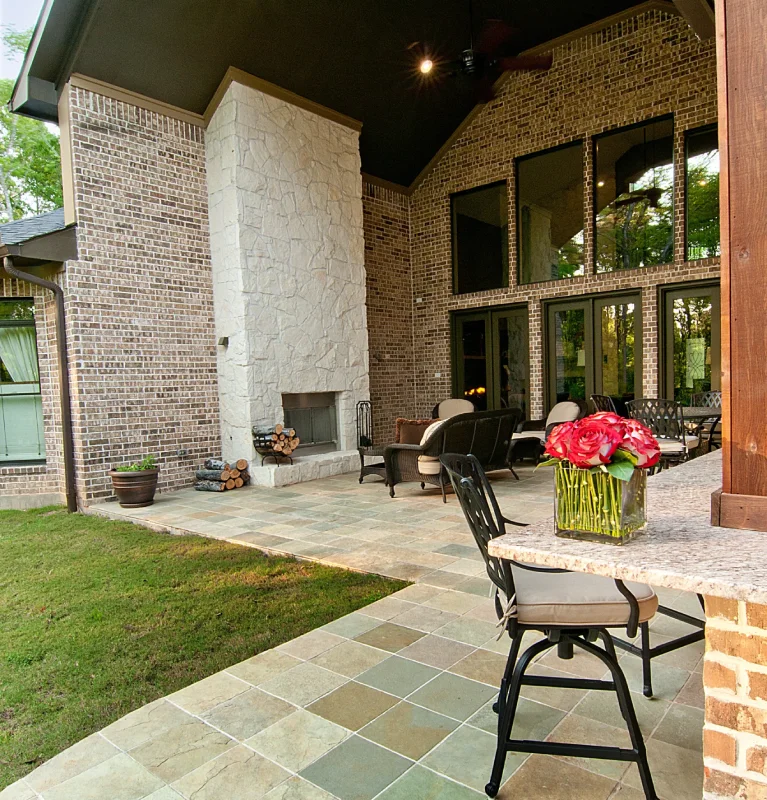
Sunroom and four-season room additions rank among the most requested projects in Northwest Houston. These spaces bridge indoor comfort with outdoor connection—particularly valuable given Texas weather extremes. Modern four-season rooms feature climate control systems, impact-resistant glazing, and motorized shading that make the space usable year-round. Homeowners consistently report that sunrooms become the most-used space in their residence within months of completion.
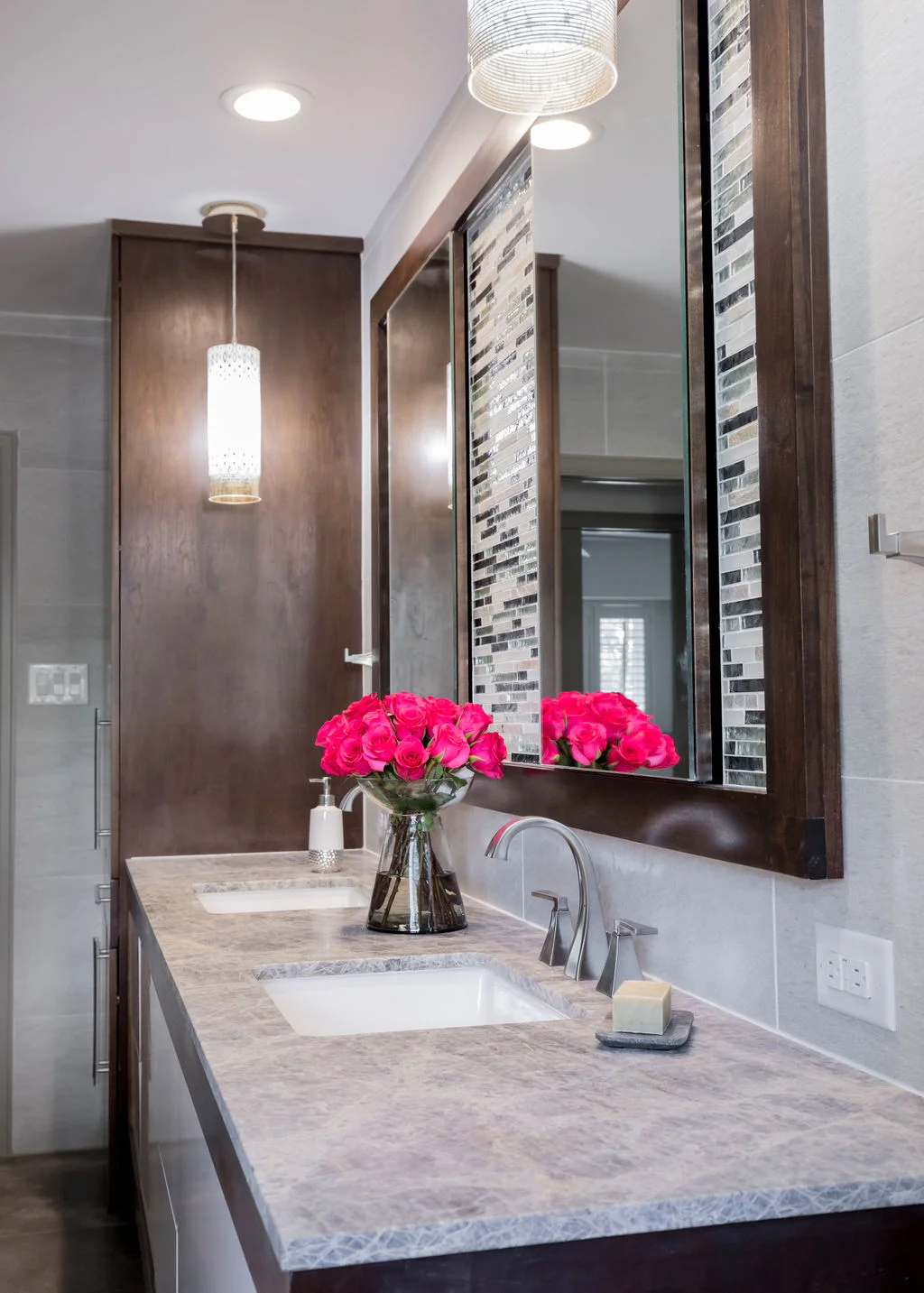
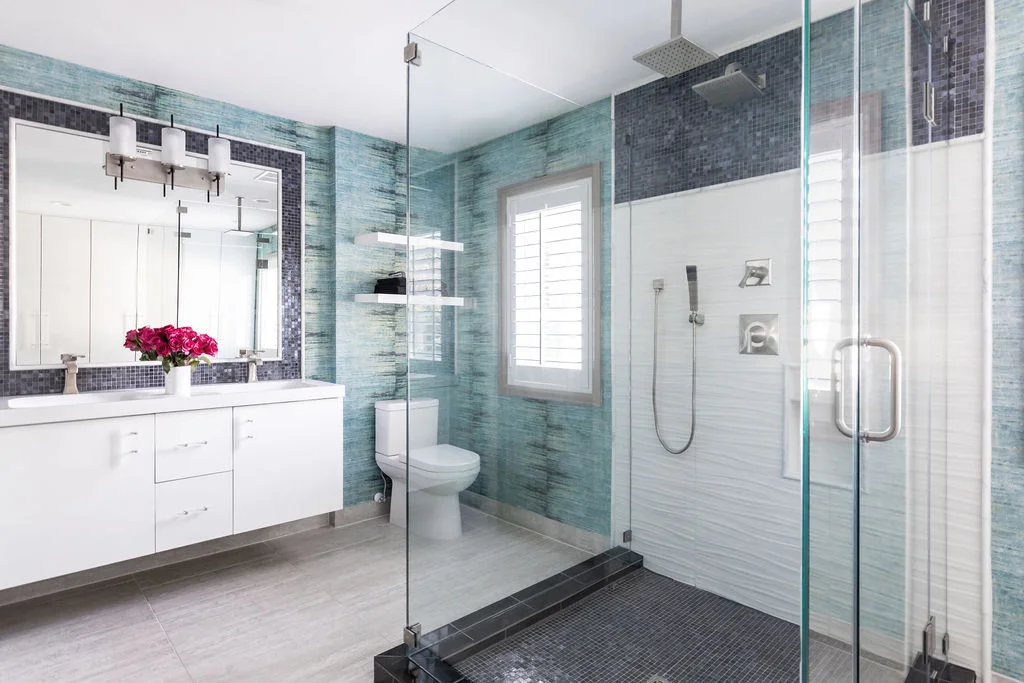
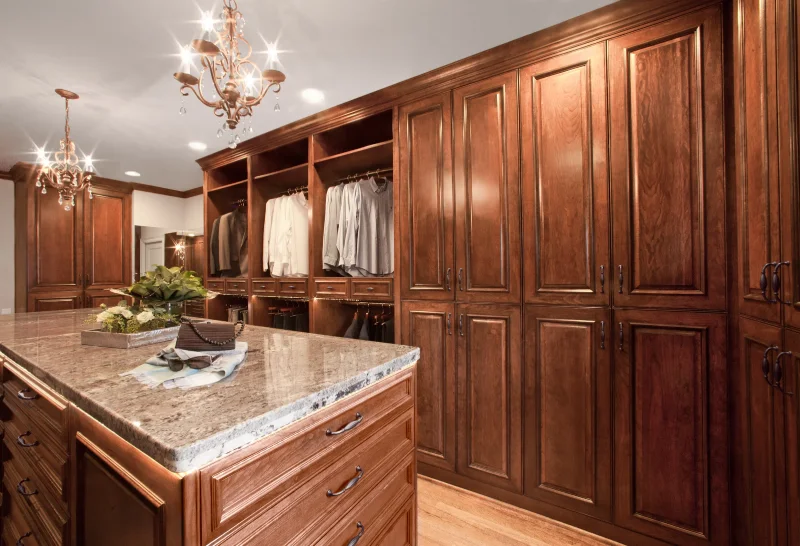
Primary suite additions address the common problem of undersized master bedrooms in homes built before 2005. According to the National Association of REALTORS, primary suite renovations and additions recoup approximately 56% of project investment at resale while dramatically improving daily quality of life. A thoughtfully designed suite includes walk-in closet systems, spa-influenced bathroom design, and dedicated sitting areas that create genuine retreat spaces.
| Addition Type | Average Size | Primary Benefit | Best For |
|---|---|---|---|
| Sunroom | 200-400 sq ft | Indoor-outdoor connection | Entertaining, relaxation |
| Primary Suite | 400-600 sq ft | Private retreat space | Established homeowners |
| In-Law Suite | 500-800 sq ft | Multigenerational living | Family caregiving |
| Home Office | 150-300 sq ft | Dedicated work space | Remote professionals |
| Bonus Room | 300-500 sq ft | Flexible function | Growing families |
In-law suites and accessory dwelling units serve the growing multigenerational household trend. These self-contained living spaces include private entrances, kitchenettes, full bathrooms, and dedicated HVAC zones. Tomball's residential zoning allows accessory structures on properties meeting minimum lot size requirements—though setback and height restrictions apply. Planning these additions requires careful coordination with Harris County regulations and potentially HOA architectural guidelines.
The planning phase determines whether your addition integrates flawlessly or forever feels like an afterthought. Let's be honest: rushing this stage creates problems that persist for the life of the structure.
Start with a professional site assessment before committing to any design direction. Tomball properties built on expansive clay soils—prevalent throughout Harris County—require geotechnical evaluation to determine foundation requirements. The Texas Board of Professional Engineers maintains licensing standards for the structural engineers who conduct these assessments. Skipping this step invites foundation movement, cracking, and costly remediation within years of completion.
Define your functional requirements with precision. A vague goal like "more space" leads to additions that don't actually solve problems. Instead, articulate specific needs: "a 12x14 home office with built-in storage, natural light, and sound isolation from the main living areas." This clarity drives design decisions and prevents scope creep that inflates budgets.
Consider how the addition connects to existing circulation patterns. The transition between old and new construction should feel intentional, not awkward. Hallway widths, door placements, and sightlines matter enormously. The best additions enhance traffic flow throughout the entire residence rather than creating dead-end spaces.
What most contractors won't tell you: the design phase is where you have maximum leverage over outcomes. Changes on paper take minutes; changes during construction take weeks and significant additional investment.
Professional home addition design follows a structured sequence that protects homeowner interests while ensuring regulatory compliance. Understanding this process helps you recognize quality workmanship and identify red flags with less experienced contractors.
Phase One: Discovery and Documentation. Your design partner should thoroughly document existing conditions—measuring rooms, identifying structural elements, locating utilities, and photographing current finishes. This baseline information prevents surprises during construction. Experienced firms use 3D scanning technology to capture precise as-built dimensions.
Phase Two: Concept Development. Based on your stated requirements and site constraints, designers develop preliminary concepts showing massing, placement, and general configuration. Expect two to three directional options that explore different approaches to solving your space problem. This is not the time for finish selections—focus on spatial relationships and flow.
Phase Three: Design Development. Once you select a concept direction, detailed development begins. Floor plans specify room dimensions, door swings, and fixture locations. Elevations show exterior appearance and how new construction relates to existing architecture. Sections reveal ceiling heights, foundation depth, and structural connections. According to the American Institute of Architects, design development documents should reach approximately 60% completion before permitting.
Phase Four: Construction Documentation. Final drawings include all information contractors need for accurate bidding and code-compliant construction. Specifications detail materials, installation methods, and quality standards. These documents become the contract basis for your construction agreement.
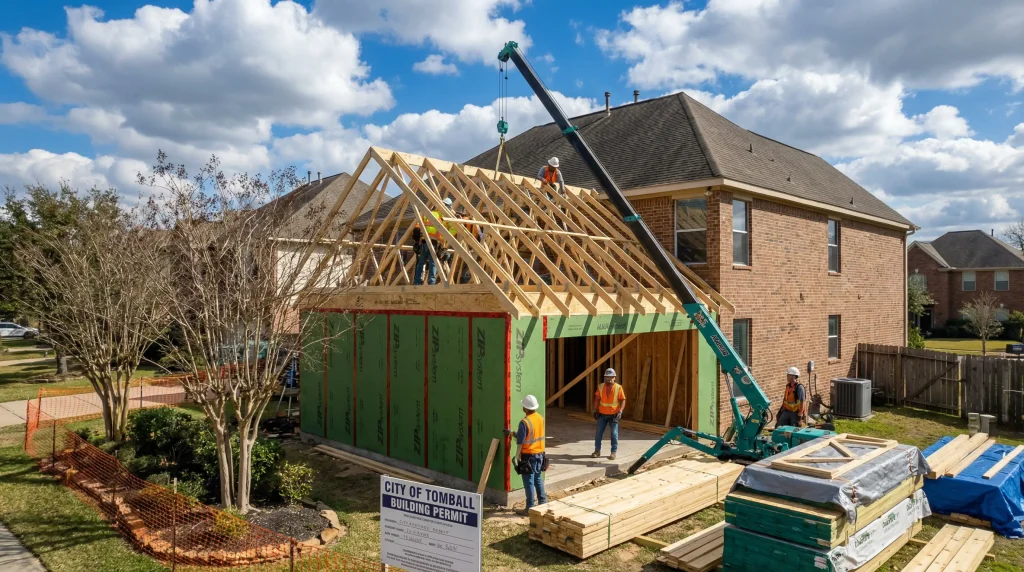
Permit requirements protect homeowners by ensuring additions meet structural, electrical, and safety standards. Tomball residential permits fall under Harris County jurisdiction for unincorporated areas and City of Tomball authority within city limits.
Residential building permits for additions typically require 15-20 business days for initial review in Harris County. Plan submissions must include site plans showing property boundaries and setbacks, floor plans with dimensions, structural details, and mechanical system documentation. Incomplete submissions trigger additional review cycles that extend timelines.
The City of Tomball Planning Department requires building permits for any structural modification exceeding 120 square feet. Their permitting portal provides application forms and fee schedules. Expect permit fees ranging from several hundred to several thousand dollars depending on project scope—a minor investment compared to the complications of unpermitted construction.
HOA architectural review adds another approval layer for properties in master-planned communities. Submit architectural applications simultaneously with permit applications to keep timelines aligned. HOA review typically focuses on exterior appearance, roof pitch compatibility, material selections, and neighborhood aesthetic consistency.
So what does this actually mean for your project? Budget four to eight weeks from design completion to permit issuance. Experienced design-build firms manage this process proactively, anticipating review comments and addressing concerns before they become delays.
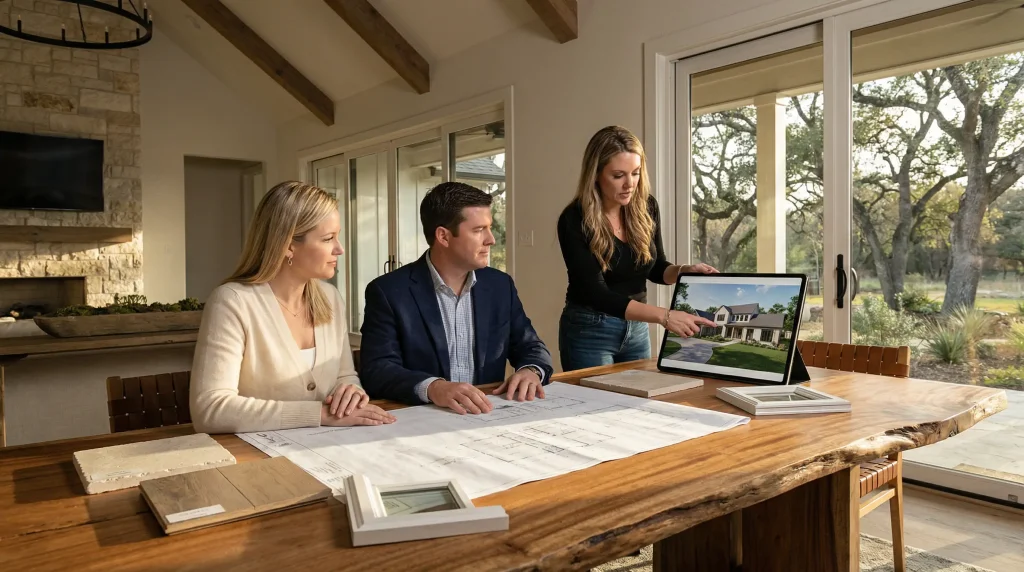
The design-build delivery method consolidates responsibility under a single contract, eliminating the gaps and finger-pointing common when architects and contractors work independently. For home additions specifically, this approach delivers measurable advantages.
Design-build firms provide accurate budgets earlier in the process. Because designers and builders collaborate from project inception, cost implications inform design decisions before commitments are made. Traditional design-bid-build often surprises homeowners with bids far exceeding design-phase estimates—triggering costly redesigns that waste time and erode trust.
Communication flows more efficiently when one team handles everything. Homeowners maintain a single point of contact rather than mediating between architect and contractor. Design intent translates directly into construction execution without interpretation errors.
The National Association of Home Builders reports that design-build projects complete approximately 33% faster than traditional delivery methods. For family additions where disruption impacts daily routines, this acceleration matters enormously.
Look for design-build partners with verifiable local experience. Tomball-specific knowledge—soil conditions, permitting quirks, reliable subcontractor networks, preferred material suppliers—directly impacts project outcomes. Credentials like GHBA (Greater Houston Builders Association) membership, NAHB certifications, and established presence in Northwest Houston signal commitment to the professional standards your project deserves.
Sunroom and four-season room additions consistently rank as the most requested projects in Tomball and the greater Northwest Houston area. These additions provide indoor-outdoor living connection while managing Gulf Coast climate extremes through climate control systems and advanced glazing options. Primary suite additions follow closely, particularly for homeowners in properties built before 2005 with undersized master bedrooms.
A typical home addition in Tomball requires 4-6 months from initial design consultation through construction completion for moderate-scope projects like sunrooms or primary suites. This timeline includes 4-8 weeks for design development, 3-5 weeks for permitting, and 8-16 weeks for construction depending on complexity. Larger additions or projects with custom architectural details may extend to 9-12 months total duration.
Yes, residential building permits are required for room additions in both the City of Tomball and unincorporated Harris County. Any structural modification exceeding 120 square feet requires permit approval. The permitting process ensures additions meet building codes for structural integrity, electrical safety, plumbing compliance, and energy efficiency standards. Unpermitted construction creates complications for future resale, insurance claims, and refinancing.
Foundation requirements, roof integration, and utility connections most significantly impact addition complexity. Tomball's expansive clay soils often require engineered foundation systems rather than simple slab construction. Matching existing rooflines while ensuring proper drainage adds architectural complexity. Extending electrical, plumbing, and HVAC systems to serve new spaces requires coordination with existing infrastructure capacity and potential system upgrades.
Compare total costs including real estate commissions, closing costs, moving expenses, and potential interest rate changes against addition investment. Generally, additions become financially advantageous when they cost less than 15-20% of current home value while addressing specific functional needs. Emotional factors—established neighborhood relationships, school district stability, and community connection—often tip decisions toward staying and expanding for Tomball homeowners.
Designing an addition to your house in Tomball represents a significant decision that affects your family's daily life for years. The right partnership transforms this complexity into an organized process with predictable outcomes. Whether you envision a sun-drenched reading room, a spacious primary retreat, or flexible space for your evolving family, the journey begins with understanding what's possible on your specific property.
Keechi Creek Builders brings engineering-rooted expertise and award-winning craftsmanship to home additions throughout Tomball and Northwest Houston. Our design-build approach eliminates coordination headaches while delivering the quality your investment deserves. Schedule a design consultation to explore creative solutions for your residence.