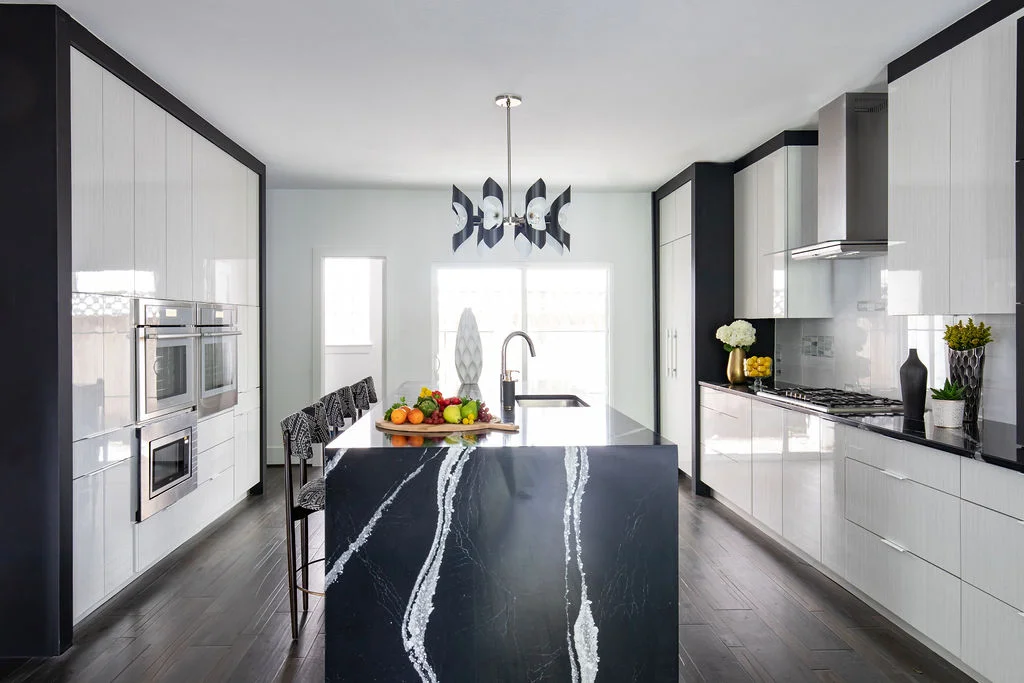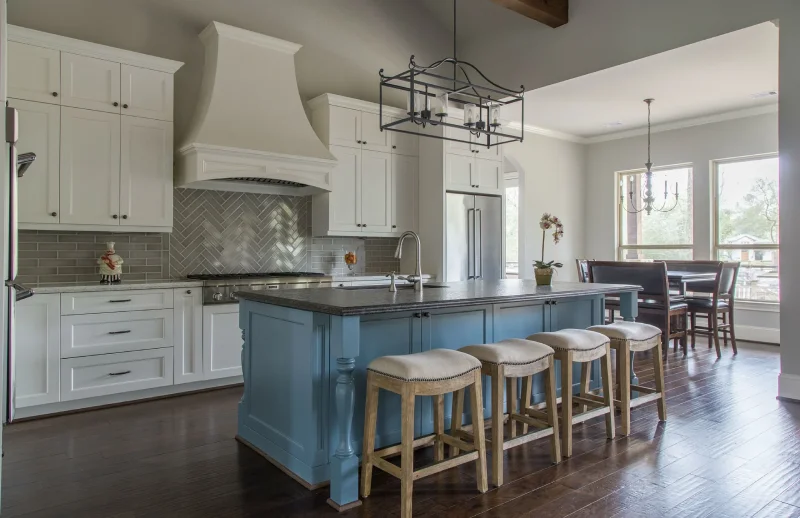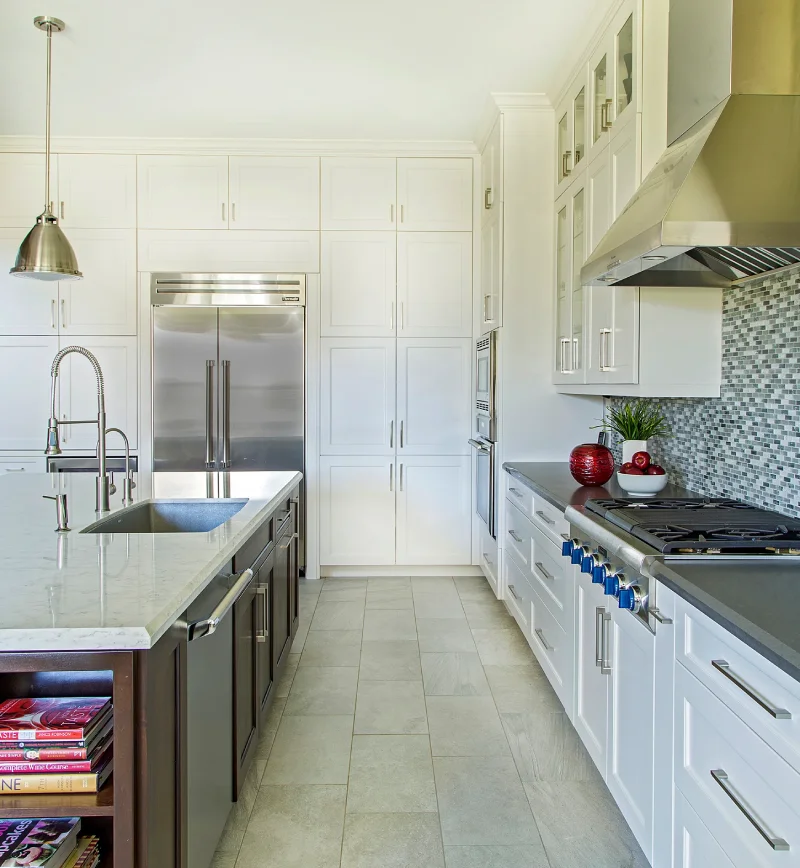
If you've started planning a kitchen transformation in Tomball, TX, the first question on your mind is usually simple: how long is this actually going to take? The answer depends on how deep you're willing to go. A kitchen remodel contractor working on a full gut renovation faces an entirely different schedule than someone swapping out countertops and a backsplash. For the discerning homeowners in Tomball — families juggling careers, school schedules, and busy social lives — understanding the true timeline upfront is the first step to a stress-free renovation experience.
Key Takeaways
- Budget at least 3 to 5 months for a complete kitchen transformation in Tomball — and begin planning 2 to 3 months before your target start date to allow adequate time for design development, material selection, and permit submission.
- Schedule your renovation start date strategically: launching in fall or early winter sidesteps the peak spring and summer permit review rush in Montgomery County and Harris County, which can add up to 2 additional weeks to your pre-construction window.
- Order custom cabinetry the moment your design is finalized — full custom cabinet programs carry lead times of 8 to 16 weeks and are the single most common reason a kitchen renovation runs behind schedule in the Houston area.
- Hire a licensed design-build contractor who manages the permit process in-house; in Tomball and surrounding communities, electrical, plumbing, gas line, and structural changes each require separate permits and formal inspections before the next phase can begin.
- Verify your HOA's Architectural Control Committee requirements early in the process — master-planned communities near Tomball and Magnolia often require 2 to 4 weeks of ACC review, completely separate from county permitting, before any exterior-affecting work is approved.
- Maximize your planning phase by building in a 20 to 25 percent contingency buffer on both time and budget; demolition day in older Texas homes frequently reveals subfloor damage, outdated wiring, or undersized plumbing that can add 1 to 3 weeks to the active construction schedule.

What Really Drives the Timeline of a Full Kitchen Renovation in Tomball?
The scope of your project is the single biggest factor in setting your timeline. A full kitchen renovation in Tomball can involve everything from structural wall removal and slab plumbing relocation to floor-to-ceiling custom cabinetry, luxury countertop fabrication, and new dedicated circuits for professional-grade appliances. Each of those elements adds distinct layers of planning, permitting, material procurement, and skilled labor coordination. The more comprehensive your vision, the more rewarding — and the more time it rightfully demands.
Tomball sits in a unique position within the northwest Houston market, straddling both Harris County and Montgomery County depending on your specific address. That jurisdictional detail matters because it determines which permitting authority governs your project and how their review timelines work. Homeowners in communities along FM 2920, the Tomball Parkway corridor, or near the Spring Creek watershed should confirm their county designation early — submitting to the wrong portal can cause immediate delays before a single decision is made on materials or design.
Your contractor's established relationships with licensed subcontractors are another factor most homeowners underestimate. Skilled electricians, licensed master plumbers, and finish carpenters in the Tomball and Magnolia area are in consistent demand. A firm without long-standing trade partnerships can find itself waiting weeks for licensed subs to become available — stalling your project before demolition even begins. Established design-build firms carry those relationships forward on every project, keeping your schedule moving predictably. Major custom kitchen renovations in the Tomball area typically range from [INSERT $/sqft RANGE], with mid-range projects averaging around [INSERT MID-RANGE AVG $] depending on materials, structural scope, and custom finishes selected.
The Three Tiers of Kitchen Renovation Scope
Understanding which tier your project falls into prevents timeline surprises before they happen.
| Renovation Type | Estimated Timeline | Typical Scope |
|---|---|---|
| Minor / Cosmetic | 2–6 weeks | Hardware replacement, backsplash, paint, appliance swap in the same position |
| Moderate / Mid-Range | 8–12 weeks | Semi-custom cabinets, new flooring, electrical updates, countertop replacement |
| Major / Full Custom | 3–5+ months | Layout redesign, wall removal, custom cabinetry, plumbing relocation, high-end luxury finishes |
Your Kitchen Renovation, Phase by Phase: A Realistic Look at the Schedule
For a Tomball homeowner, kitchen renovation phases don't begin on demolition day — they begin in the design room. The pre-construction phase covers initial consultation, schematic drawings, 3D design development, material and finish selections, and permit application submission. Depending on project complexity and how quickly decisions are finalized, this phase alone takes 4 to 8 weeks — before a single wall comes down. Rushing through selections at this stage creates the downstream delays that most homeowners mistakenly blame on construction itself.
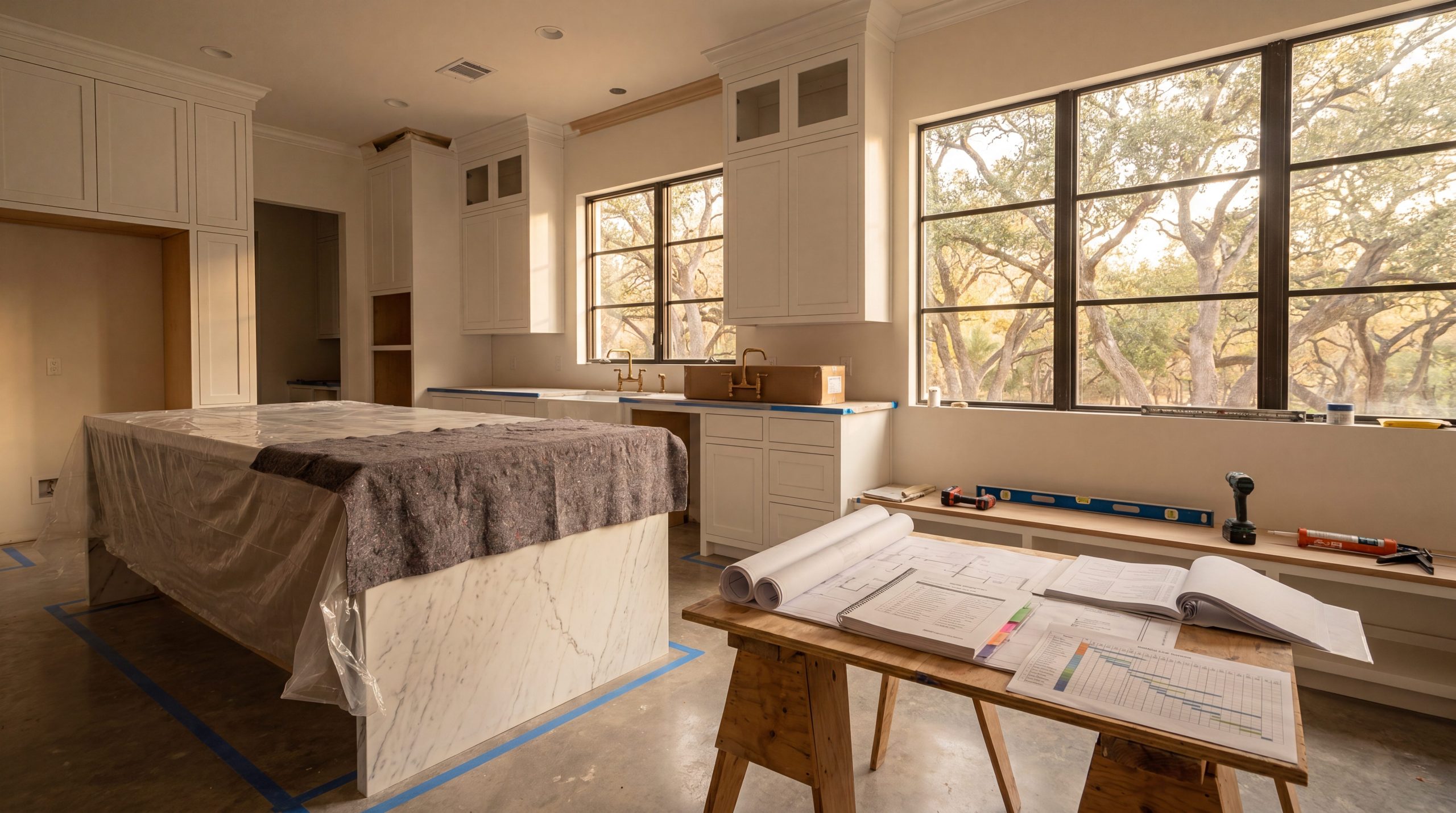
Once permits are approved and materials are confirmed on order, active construction begins. Demolition of a standard kitchen takes 3 to 5 days. Rough-in work — running new electrical circuits, rerouting plumbing supply and drain lines, and adjusting HVAC duct runs — follows immediately and spans 1 to 2 weeks. This phase must pass a formal rough-in inspection before drywall can close the walls. That inspection creates a deliberate scheduling checkpoint in every permitted project, and it cannot be skipped or rushed.
The installation phase is where your kitchen begins to take its final shape. Flooring is typically laid first, followed by cabinet installation, countertop templating, and backsplash work. Because stone countertops are templated only after cabinets are fully set and leveled — and then sent to a fabrication facility — there is almost always a 1- to 3-week gap between cabinet completion and countertop installation. Appliance connections, plumbing finals, electrical fixture installation, trim work, and touch-up painting round out the process before the final inspection officially closes your permit.
Key Construction Milestones to Discuss with Your Contractor
- Demo & Site Prep: 3–5 days — existing kitchen removed; subfloor condition evaluated
- Rough-In (Electrical, Plumbing, HVAC): 1–2 weeks — all system work complete before rough-in inspection
- Insulation & Drywall: 3–5 days — walls closed after inspection approval
- Flooring Installation: 3–7 days — field flooring laid; transitions and thresholds set
- Cabinet Installation: 1–2 weeks — all cabinetry set, shimmed, leveled, and secured
- Countertop Template & Fabrication: 1–3 weeks — stone templated after cabinets; fabricated off-site
- Backsplash & Decorative Tile: 3–5 days — grouting and sealing included in this window
- Appliance, Plumbing & Electrical Finals: 3–5 days — all connections made, tested, and verified
- Punch List & Final Inspection: 3–7 days — permit officially closed; project handed off to homeowner
Material Lead Times That Catch Tomball Homeowners Off Guard
Of all the timeline surprises in a custom kitchen renovation in the Greater Houston area, material lead times are the most predictable — and the most consistently underestimated. Homeowners often assume their materials will arrive within a week or two of ordering. The reality for a luxury kitchen renovation is different. Every item — cabinetry, countertops, specialty fixtures, professional appliances — carries its own procurement lead time, and those windows run in parallel with your permit process, not after it. A skilled project manager plans for all of them simultaneously.
Custom cabinetry is almost always the longest lead-time item in a high-end kitchen project. Full custom cabinet programs from premium manufacturers typically require 8 to 12 weeks from finalized order to delivery, and bespoke millwork programs can extend to 14 to 16 weeks or longer. This is precisely why experienced contractors place the cabinetry order the moment design is approved — not after the permit arrives. Waiting to order until construction begins is the single most common and most avoidable cause of extended kitchen renovation timelines in the Houston market.
Exotic stone countertops — rare quartzite, book-matched marble, or distinctive granite slabs — often require 8 to 10 weeks from slab selection to final fabrication and delivery. Specialty appliances, particularly professional-grade ranges, fully integrated refrigerators, steam ovens, and ventilation systems from European manufacturers, carry their own lead times of 6 to 12 weeks depending on the product line and current inventory. A thorough pre-construction schedule accounts for every one of these windows before the first subcontractor sets foot on your property.
Material Lead Time Reference Guide for Luxury Kitchen Renovations
| Item / Material | Standard Lead Time | Custom / Premium Lead Time |
|---|---|---|
| In-Stock Semi-Custom Cabinets | 3–6 weeks | Not applicable |
| Full Custom Cabinetry | 8–12 weeks | 14–16+ weeks for bespoke programs |
| Domestic Granite or Quartz Countertops | 1–3 weeks after templating | 3–5 weeks for rare or exotic slabs |
| Quartzite, Book-Matched Marble, Specialty Stone | 4–6 weeks after templating | 8–10+ weeks |
| Professional-Grade / European Appliances | 4–6 weeks | 8–12+ weeks |
| Custom Range Hoods and Decorative Vent Covers | 4–8 weeks | 10–14 weeks |
| Handmade or Imported Decorative Tile | 2–4 weeks | 6–10 weeks |
| Luxury Plumbing Fixtures | 2–4 weeks | 6–10 weeks |
Navigating Permits and Inspections in Tomball and Montgomery County
Your kitchen remodeling schedule in Montgomery County TX — or in unincorporated Harris County if your Tomball address falls within that jurisdiction — will be shaped in a very direct way by the permitting process. Any scope that touches electrical systems, plumbing supply or drain lines, gas connections, or load-bearing walls requires permits before work begins. In Tomball proper, applications are submitted through the City of Tomball's SmartGov online portal. Properties outside city limits must use county-specific systems. Always confirm your governing authority with your licensed contractor during the planning phase.
Permit review timelines in the area typically run 5 to 10 business days for standard kitchen scopes and 2 to 3 weeks when structural engineering review is required. During the peak spring and summer seasons, all of those windows extend by 3 to 7 additional business days. The most effective strategy for any Tomball homeowner is to run permit applications simultaneously with material orders — not one after the other. When approval and delivery arrive in roughly the same window, construction can begin immediately without a gap. Always consult your licensed contractor to ensure permit applications are complete and accurate on the first submission.
Inspections create structured, mandatory pause points throughout the construction calendar. The rough-in inspection — which occurs after all electrical, plumbing, gas, and framing work is complete but before drywall closes the walls — must pass before the project can advance to finish work. If an inspector requires corrections, a re-inspection adds another 3 to 7 business days. The final inspection officially closes the permit and creates the permanent record that your title company, appraiser, and future buyer will reference. Skipping permits in Texas is not a shortcut — it is a liability that can complicate or derail a home sale entirely.
Permit Approval Timeline Reference — Tomball Area (2026)
| Project Type | Typical Review Time | Notes |
|---|---|---|
| Minor Electrical or Plumbing Only | 3–7 business days | Fastest track; no structural plans required |
| Layout Changes Without Structural Modification | 5–10 business days | Updated floor plan drawings required for submission |
| Gas Line Modifications | 5–10 business days | Licensed plumber must pull this permit; pressure test required |
| Structural Wall Removal or Beam Addition | 2–3 weeks | Engineering drawings and load calculations required before submission |
| Full Kitchen Gut Renovation | 1–3 weeks | Multiple permit types required; early simultaneous submission strongly recommended |
| Peak Season Delay (Spring and Summer) | Add 3–7 business days to any estimate above | Plan this buffer into your master schedule proactively at the outset |
Hidden Delays: What Demo Day Reveals and How to Protect Your Schedule
In a complete kitchen overhaul in northwest Houston and the Tomball corridor, what exists behind the walls often determines whether a project runs on schedule or runs weeks long. Slab-foundation construction is the dominant building method throughout this area — and it means plumbing drain lines are routed beneath the concrete floor. When a layout change requires plumbing relocation, slab cutting adds a distinct sequence: cutting the slab, completing the plumbing work, passing inspection, pouring new concrete, and waiting for the fill-back to cure. That sequence typically adds 7 to 14 days.
Outdated electrical systems are another frequent discovery in Texas homes built before 2000. Kitchens that were originally wired for two or three appliances now need 8 to 10 dedicated circuits to meet modern code requirements and support today's high-performance cooking equipment. If the existing electrical panel is already near capacity, a panel upgrade may be required — adding its own separate permit, its own inspection, and 5 to 10 additional business days to the project calendar. Building in a 20 to 25 percent time contingency at the outset absorbs these common discoveries without derailing your overall schedule.
Subfloor damage from historic water intrusion is a consistent finding in Houston-area homes that experienced flooding over the past decade. Subfloor replacement adds 3 to 7 days and delays the flooring installation phase that follows. A thorough pre-construction assessment by your contractor — including moisture readings and visual inspection of accessible subfloor areas — can identify likely problem zones before demolition begins. Catching these issues in planning, rather than on demo day, is the difference between a managed adjustment and a schedule crisis.
Common Demo-Day Discoveries and Their Timeline Impact
| Issue / Condition | Frequency in Older Texas Homes | Estimated Added Time |
|---|---|---|
| Outdated or Undersized Electrical Panel | High in pre-2000 builds | 5–10 business days for panel upgrade plus permit |
| Slab Plumbing Relocation Required | Moderate | 7–14 days for cutting, work, inspection, pour, and cure |
| Subfloor Water Damage or Rot | Moderate to High | 3–7 days for replacement and prep |
| Asbestos-Containing Materials (Pre-1980 Homes) | Low to Moderate | 7–14 days; licensed abatement required under Texas law |
| Mold Behind Walls or Beneath Subfloor | Moderate | 5–10 days for professional remediation |
| Load-Bearing Wall Misidentified in Original Plans | Low | 5–10 days for structural re-engineering and revised plan approval |
Timing and Planning Your Luxury Kitchen Renovation for the Best Outcome
Choosing when to start your luxury kitchen renovation in the Houston area is a strategic decision, not just a logistical one. Fall and early winter — October through December — are widely recognized as the optimal launch window by experienced contractors throughout northwest Houston. Permit offices are less backlogged during this period, skilled trade subcontractors are more available, and material suppliers face lower order volumes. Starting in this window can realistically trim 2 to 4 weeks from your total schedule without sacrificing any quality or scope.
Planning for daily life during the renovation matters as much as planning the construction itself. A full kitchen renovation typically displaces your household's cooking and dining routines for 8 to 12 weeks of active construction. Families that set up a functional temporary kitchen — a countertop induction cooktop, a microwave, a small refrigerator, and a dedicated prep space in a dining room or garage — manage the disruption far more comfortably than those who don't plan ahead. Your project manager should walk you through exactly which construction phases require the most significant site access and when daily routines will be most impacted.
The most important investment you can make before demolition begins is a detailed, week-by-week project schedule from your contractor — one that maps every phase, every material arrival date, every inspection checkpoint, and every subcontractor visit in a single shared document. A well-executed luxury kitchen renovation is not improvised. It is choreographed. When every party — homeowner, designer, project manager, and trade partners — operates from one master schedule, the process becomes what it was always meant to be: an exciting transformation, not a months-long source of stress.
Ways to Compress Your Timeline Without Sacrificing Quality
- Start the design process 3 months before your target construction start date
- Order cabinetry immediately after design approval — never wait for permit issuance
- Submit permits and place material orders in parallel, never sequentially
- Prepare backup selections for countertops and tile in case first choices face supply delays
- Schedule your renovation start in October through December for the best subcontractor availability
- Choose a design-build firm that manages all licensed trades in-house and owns the full schedule
Frequently Asked Questions
How long does a full kitchen renovation take in Tomball, TX?
A full kitchen renovation in Tomball, TX, typically takes 3 to 5 months from planning to final walkthrough. Active construction runs 8 to 12 weeks, but design development, material selection, and permit approvals add 4 to 8 weeks of pre-construction time. Custom cabinetry is usually the longest lead-time item, so ordering early is essential. Always ask your contractor for a written, phase-by-phase schedule before signing a contract.
What permits do I need for a kitchen remodel in the Tomball area?
In Texas, any kitchen remodel involving electrical, plumbing, gas, or structural changes requires permits before work begins. In Tomball proper, applications are submitted through the City of Tomball's SmartGov portal. If your address falls in unincorporated Harris or Montgomery County, separate county portals apply. Consult your licensed contractor to confirm which authority governs your specific property and which permit types your scope requires — getting this right upfront prevents costly delays.
Does my HOA need to approve my kitchen renovation near Tomball or Magnolia?
HOA approval is typically required if your remodel affects anything visible from outside your home. In master-planned communities near Tomball and Magnolia, Architectural Control Committees review exterior venting changes, new window openings, and contractor staging — even for otherwise interior kitchen projects. HOA review adds 2 to 4 weeks to your pre-construction schedule. Start this process simultaneously with your permit application, not after it, to avoid stacking delays that push your construction start date back unnecessarily.
Why do custom cabinets take so long to arrive in Texas?
Custom cabinets take 8 to 16 weeks because they are built to your exact dimensions, door style, wood species, and finish — nothing is pulled from existing inventory. For Texas homeowners investing in a high-end kitchen, this means placing the cabinet order the moment your design drawings are approved. Delaying the order until after permit issuance is the most common and most avoidable reason a kitchen renovation runs 4 to 6 weeks longer than it should.
What happens if my contractor finds a problem during demolition?
Stop-work surprises during demolition are a normal part of renovation in Texas, particularly in homes older than 20 years. A reputable contractor will immediately document the issue, present an updated scope and timeline, and submit any required permit amendments before work continues. This is why a 20 to 25 percent contingency buffer on both time and budget is standard practice. Experienced project managers identify the most likely problem areas during a pre-construction inspection before demolition begins.
When is the best time of year to start a kitchen remodel in the Magnolia and Tomball area?
Fall and early winter — October through December — are the best months to begin a kitchen renovation in Magnolia and the greater Tomball area. Permit review offices run leaner backlogs, licensed trade subcontractors are more readily available, and material suppliers process orders faster as seasonal demand drops. Launching in spring or summer adds real risk of permit delays, limited subcontractor windows, and longer material lead times during the Houston area's busiest renovation season.
Ready to Start Your Kitchen Renovation in Tomball the Right Way?
Whether you're planning a thoughtful mid-range refresh or a fully custom kitchen transformation, three realities will define your experience in Tomball: thorough pre-construction planning, proactive material lead time management, and a licensed professional who owns your entire permit and inspection process from start to finish. The homeowners who arrive at project completion with the least stress are those who understood the full timeline — and built a realistic schedule around it — before demolition day ever arrived.
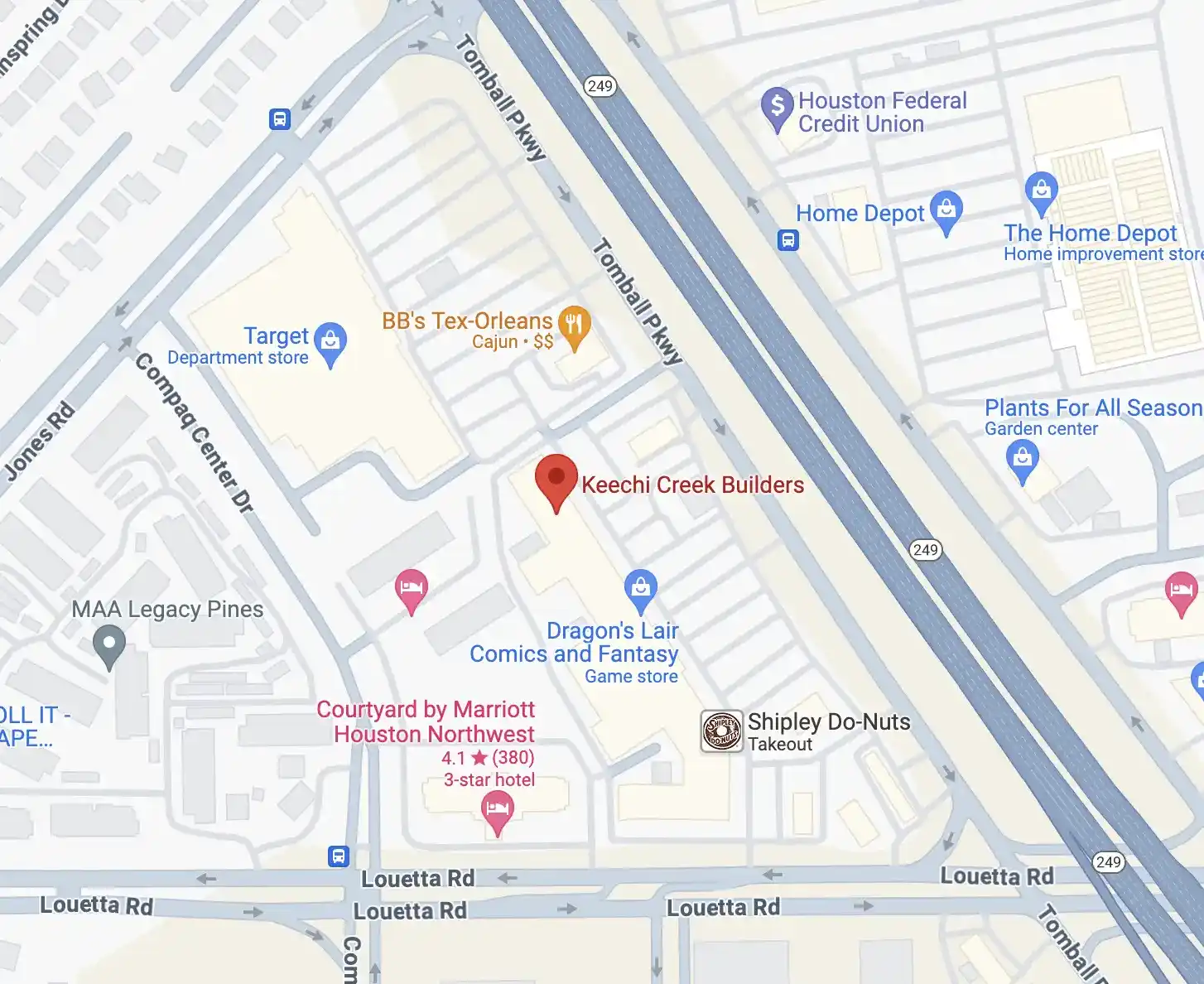
Keechi Creek Builders serves the greater Houston area — including Tomball, Magnolia, Cypress, The Woodlands, and beyond — with award-winning design-build craftsmanship and white-glove project management. Call us today at 281-688-1454 or visit keechicreekbuilderstx.com to schedule your complimentary kitchen consultation and receive a detailed, phase-by-phase project timeline built around your specific vision.