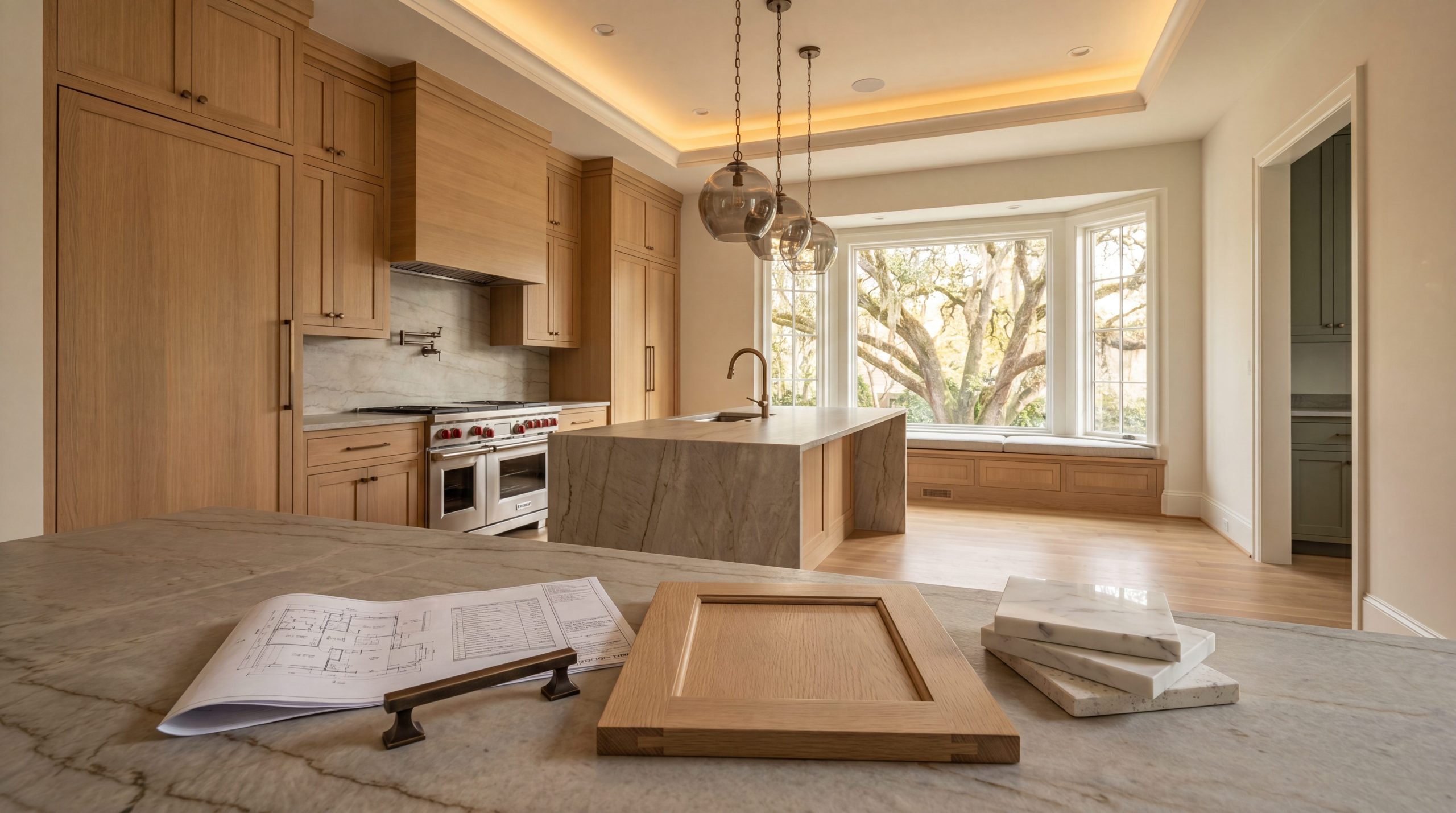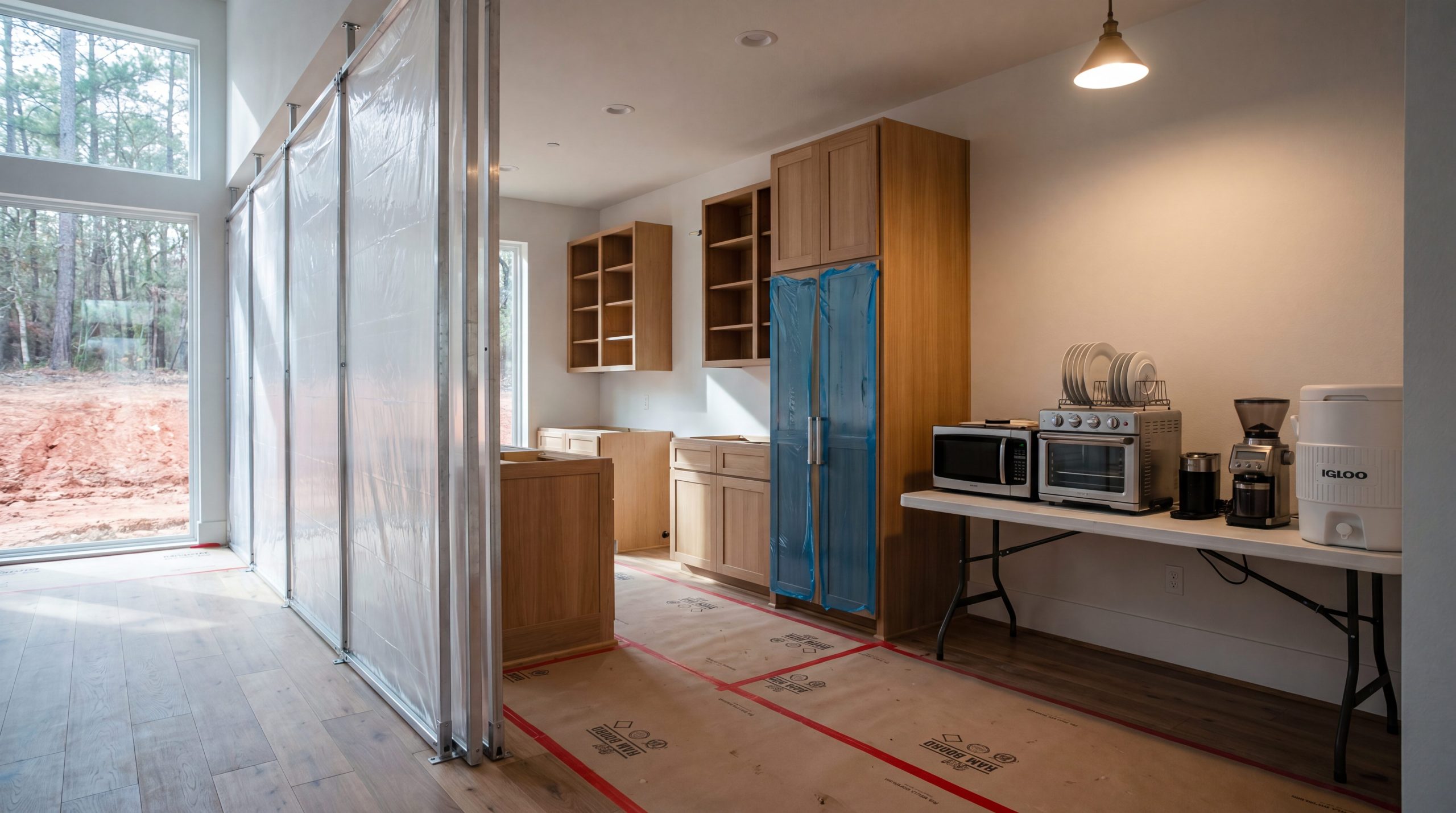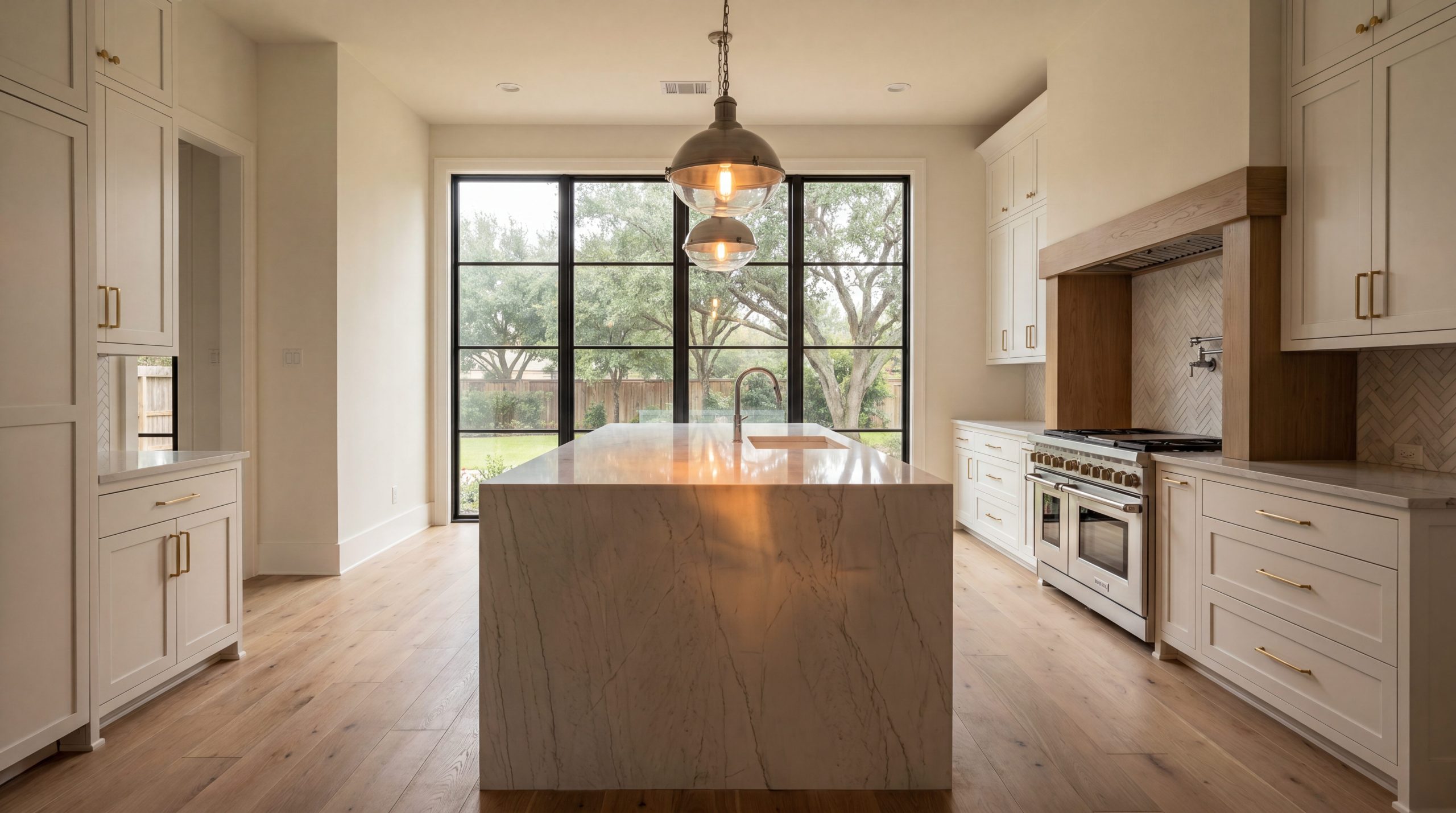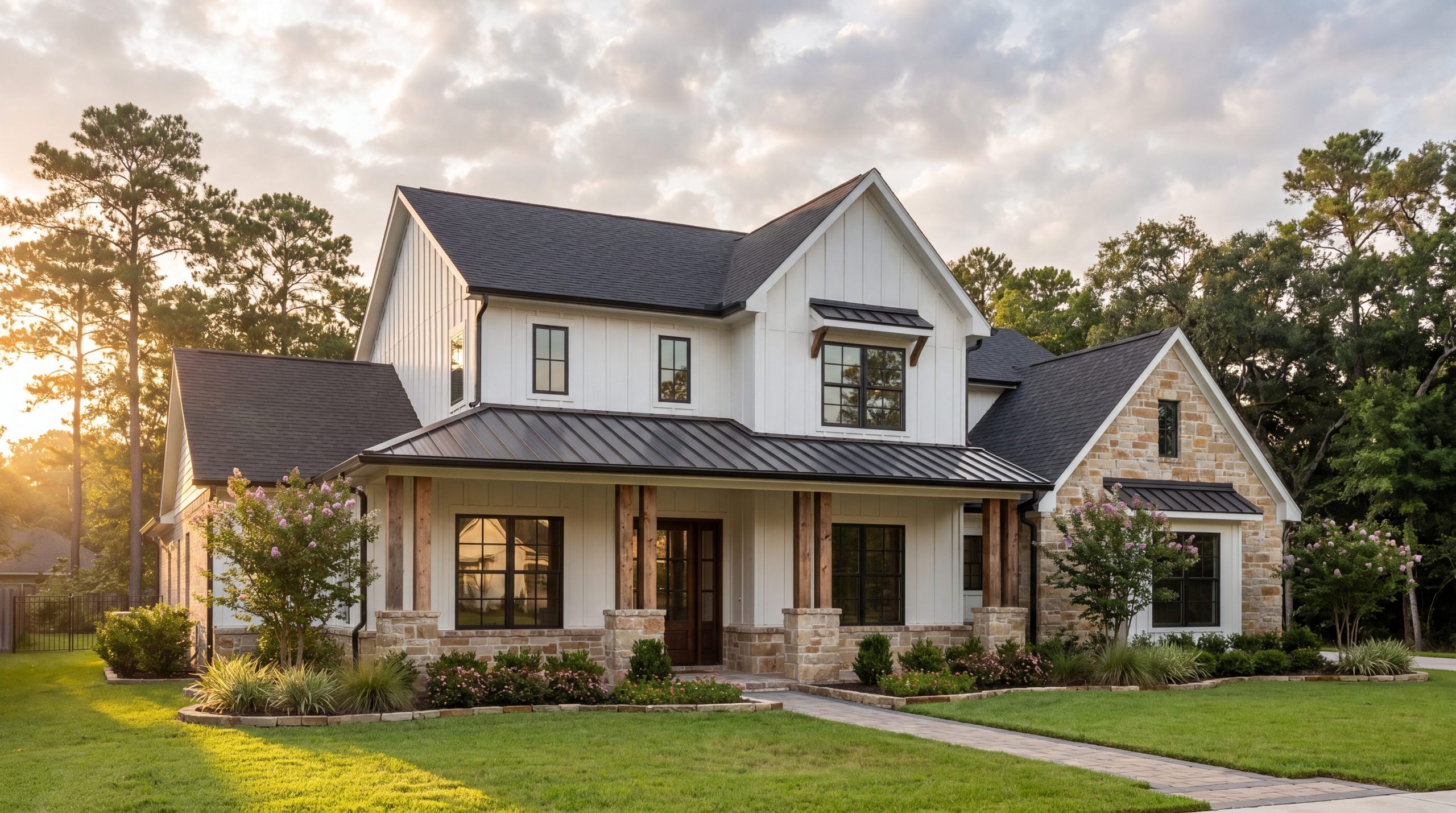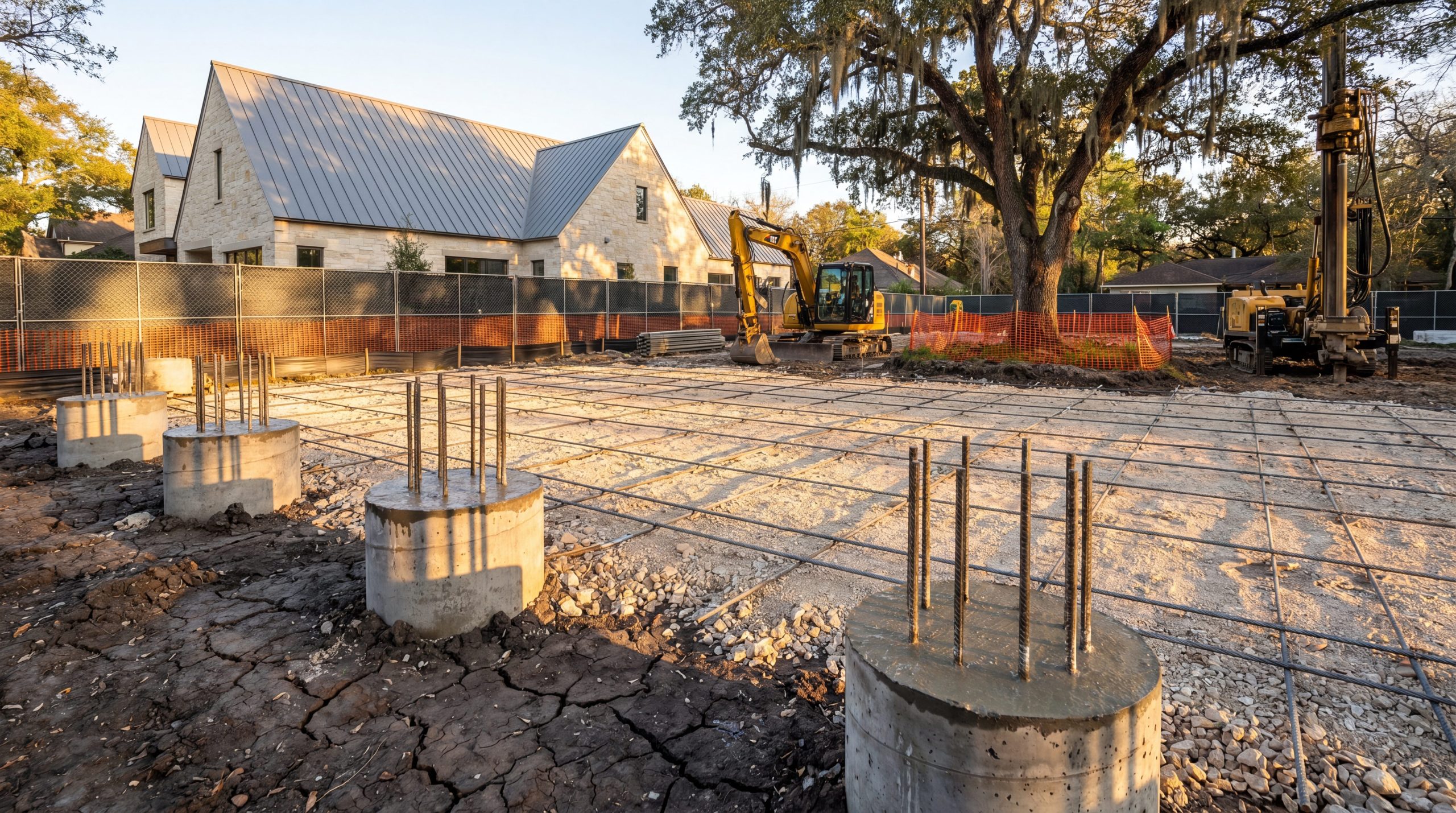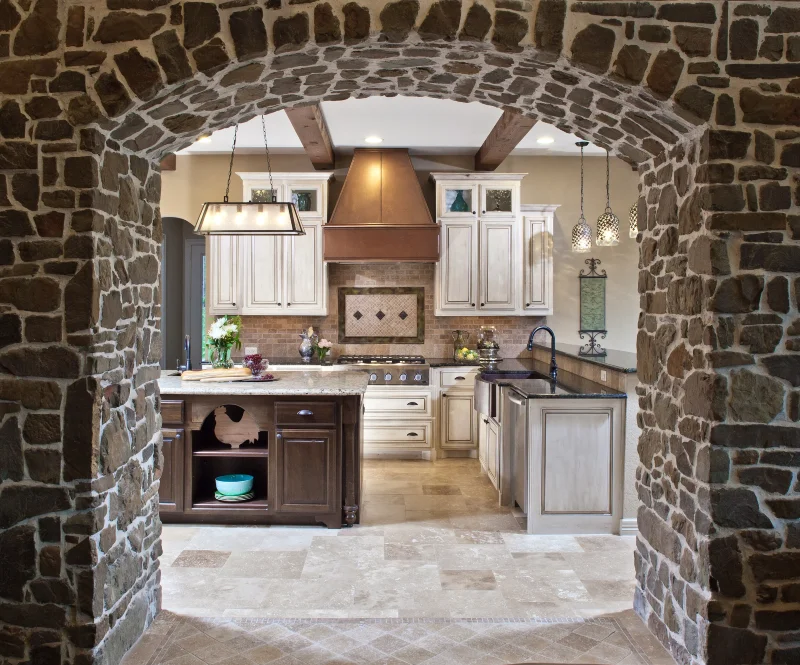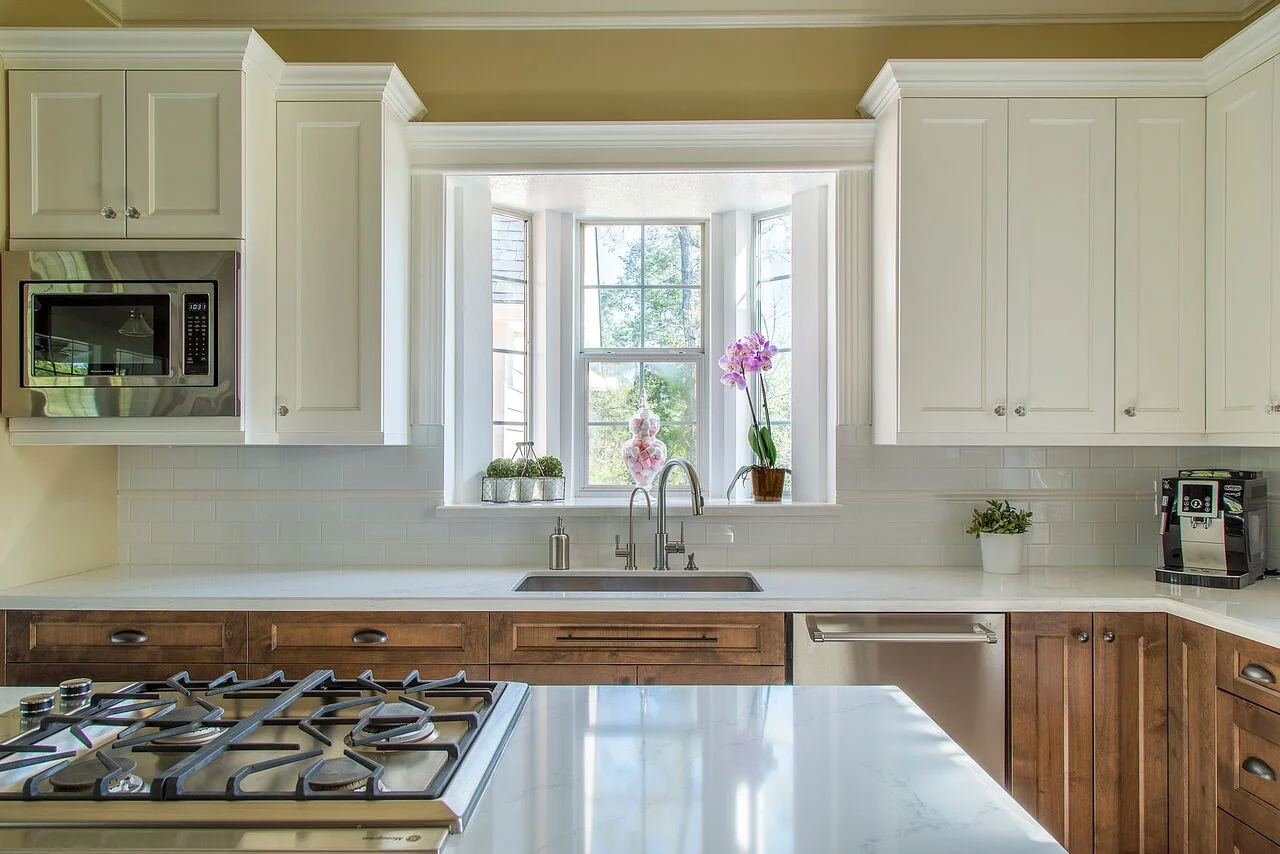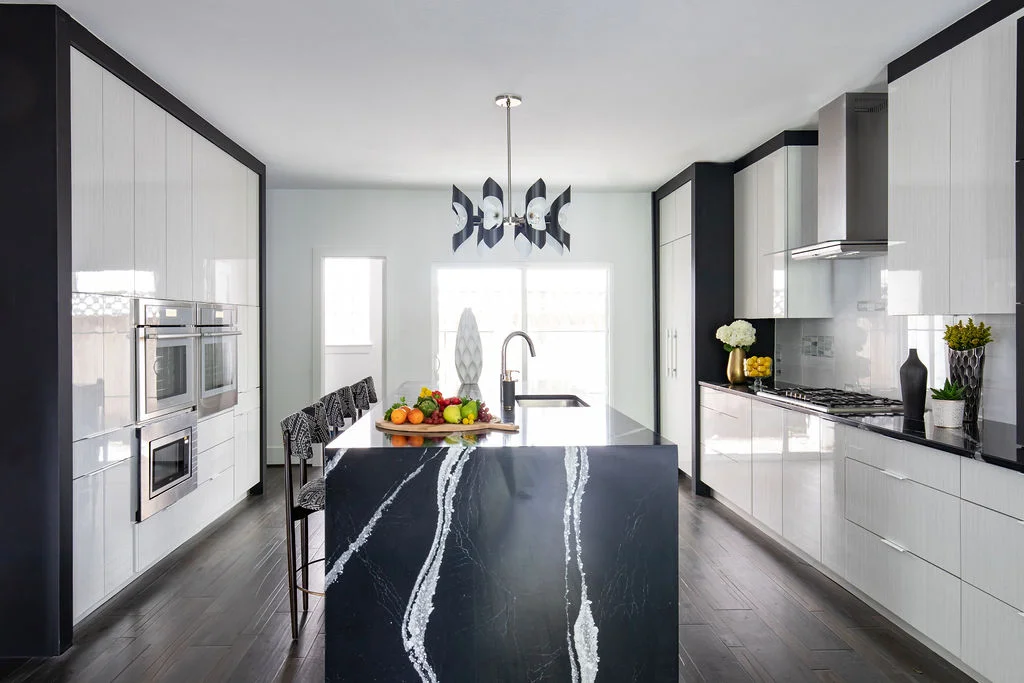
Waiting until 2026 to build a custom home presents a strategic opportunity as mortgage rates are projected to stabilize near 6%, construction timelines normalize, and market conditions shift toward improved affordability, making 2026 a potentially advantageous year for custom home builder 2026 projects in the Greater Houston area.
Introduction
The decision to build a custom home in 2026 represents more than timing—it's about aligning your vision for a forever home with optimal market conditions. As economic forecasts predict mortgage rates settling in the 6% range and Houston's luxury custom home building sector experiencing balanced growth, prospective homeowners face a unique window of opportunity. Understanding how 2026's construction landscape, financing environments, and material costs interact with your personal financial readiness will determine whether waiting serves your long-term interests or delays your dream home unnecessarily.
Key Takeaways
• Evaluate mortgage rate projections carefully – Rates expected to stabilize around 6% in 2026, offering predictability compared to the volatility of 2022-2025, with potential savings of $200-$400 monthly on a $750,000 custom home loan versus peak rates.
• Leverage improved construction timelines – Houston custom home builders report normalized supply chains in 2026, reducing typical build times from 14-16 months back to 10-12 months, allowing faster move-in while maintaining quality standards.
• Capitalize on balanced inventory conditions – The Greater Houston market expects 15-20% more available lots in premium areas like Magnolia, Tomball, and The Woodlands by mid-2026, increasing negotiating power for land acquisition.
• Strengthen financial positioning strategically – Use waiting periods to increase down payment reserves by 10-15%, improve credit scores by 30-50 points, and qualify for better loan terms that save $50,000-$100,000 over loan lifetimes.
• Monitor construction cost trends actively – While labor costs may rise 3-4% annually, material costs show signs of stabilization in 2026, with lumber and steel prices projected 8-12% below 2022 peaks, offsetting some increases.
• Align timing with personal readiness milestones – Waiting should coincide with concrete financial improvements, not market speculation; building in 2026 makes sense when your equity position, income stability, and lifestyle needs converge.
Understanding the 2026 Custom Home Building Market Landscape
The custom home builder 2026 market in Houston reflects a significant departure from the frenetic conditions of previous years. According to the National Association of REALTORS®, home sales are expected to jump 14% in 2026, driven primarily by improved affordability as mortgage rates decline from their 7%+ peaks. For luxury custom home buyers in Magnolia, Cypress, Memorial, The Woodlands, and Katy, this translates to a more deliberate, less competitive environment where quality and personalization take precedence over speed.
Houston's construction sector, specifically, shows promising indicators for 2026. The Texas Real Estate Research Center projects steady growth with moderated price increases between 3-5%, supported by robust job creation and infrastructure expansion in suburban corridors. This balanced growth environment favors custom home builders who emphasize craftsmanship and client collaboration over rushed production timelines. Elite buyers benefit from builders having adequate time to source premium materials, coordinate skilled tradespeople, and implement sophisticated design elements without the pressure-driven compromises common during market peaks.
The Great Housing Reset—a term coined by Redfin—describes how income growth is projected to outpace home price appreciation for the first time since 2019. For custom home buyers, this means your purchasing power strengthens relative to construction costs, creating a favorable leverage point when negotiating with builders and selecting premium finishes, smart home integrations, and sustainable building features that define luxury properties.
Current Market Conditions vs. 2026 Projections
| Market Factor | Current (Q1 2026) | Mid-2026 Projection | Impact on Custom Builds |
| Mortgage Rates | 6.15% (30-year fixed) | 5.8-6.2% average | Improved affordability, $300-$500/month savings on $800k loan |
| Construction Timeline | 11-13 months | 10-12 months | Faster occupancy, reduced carrying costs |
| Land Availability (Houston suburbs) | Moderate supply | 15-20% increase | Better lot selection, competitive pricing |
| Material Cost Index | Stabilizing | 2-3% below Q1 levels | Lower per-square-foot build costs |
| Custom Builder Capacity | Healthy availability | Strong competition for projects | More negotiating power, better service |
Mortgage Rate Dynamics: The Financial Foundation
Mortgage rates serve as the cornerstone of your custom home building decision. Fannie Mae's 2026 forecast positions rates in the "high-ish but steadier" category around 6%, a dramatic improvement from the uncertainty that characterized 2022-2024. For a $750,000 construction loan—typical for a 3,500-square-foot luxury custom home in The Woodlands or Magnolia—the difference between 7% and 6% represents approximately $475 per month or $171,000 over a 30-year term.
The Federal Reserve's monetary policy signals point toward cautious rate management through 2026, balancing inflation concerns with economic growth objectives. This creates a predictable borrowing environment where custom home buyers can confidently commit to construction timelines spanning 10-14 months without fear of dramatic rate shifts mid-project. Construction-to-permanent loans, favored by many custom home builders, benefit particularly from this stability, as the conversion from construction financing to permanent mortgage occurs at more favorable terms.
Houston-specific lending dynamics add another layer to 2026's advantage. Local and regional banks have increased their appetite for jumbo construction loans in premium suburban markets, recognizing the wealth demographics of areas like Memorial and Katy. This competition among lenders translates to better terms, reduced origination fees, and more flexible draw schedules that align with custom building milestones—foundation completion, framing, mechanical rough-in, and final finishes.
How Rate Reductions Impact Custom Home Affordability
Prospective custom home builders should calculate not just monthly payment differences but total interest expense over time. A custom home builder 2026 project financed at 6% versus 6.5% might seem marginal—only $190 monthly on a $600,000 loan—but compounds to $68,400 over 30 years. This saved capital can instead fund premium architectural elements, energy-efficient systems, or landscape design that enhances property value and daily living experience.
Consider also the psychological advantage of stable rates. When you engage a custom home builder in a predictable rate environment, you can focus negotiations on design quality, material selection, and construction timelines rather than racing to lock financing before rates climb. This shifts the building experience from transactional urgency to collaborative partnership, allowing the detailed planning that luxury custom homes deserve.
Construction Cost Trajectories and Material Availability
Construction costs in 2026 present a nuanced picture requiring careful analysis beyond simple inflation adjustments. While labor costs in Houston's construction sector continue rising 3-4% annually due to skilled tradesperson demand, material costs show significant stabilization. Lumber prices, which spiked 300% during pandemic disruptions, have settled to levels only 15-20% above 2019 baselines. Steel, copper, and concrete—core materials for custom home construction—similarly reflect normalized supply chains with predictable pricing.
For custom home builder 2026 projects in Houston's luxury segment, material stabilization means accurate budgeting with minimal contingency padding. Premium materials favored by high-net-worth clients—quartzite countertops, European oak flooring, designer tile, architectural-grade windows—maintain consistent availability through established supply networks. Builders can provide firm fixed-price contracts with confidence, reducing the change-order inflation that plagued 2021-2023 construction projects.
The normalization of international shipping and domestic logistics directly benefits custom home construction timelines. During peak disruption periods, delays in receiving custom millwork, specialty lighting, or imported fixtures extended projects by 2-4 months. Current projections indicate 2026 lead times returning to pre-pandemic standards: 8-12 weeks for custom cabinetry, 6-8 weeks for high-end windows, and 4-6 weeks for specialty tile and stone. These improvements allow builders to sequence work efficiently without costly crew downtime.
| Construction Cost Category | 2022-2023 Peak | 2026 Projection | Net Change | Impact on $1M Custom Home |
| Lumber & Framing | 185% of 2019 baseline | 115-120% of baseline | -35% reduction | $25,000-$35,000 savings |
| Labor (skilled trades) | 125% of 2019 baseline | 135-140% of baseline | +8-10% increase | $15,000-$20,000 increase |
| Concrete & Foundation | 140% of 2019 baseline | 125-130% of baseline | -10% reduction | $8,000-$12,000 savings |
| Mechanical Systems | 130% of 2019 baseline | 120-125% of baseline | -8% reduction | $6,000-$9,000 savings |
| Premium Finishes | 115% of 2019 baseline | 110-115% of baseline | Stable to slight decrease | $3,000-$5,000 savings |
| Net Cost Position | Peak pricing | Moderating | -12% to -18% overall | $22,000-$41,000 net savings |
Strategic Material Selection in 2026
Custom home buyers working with experienced builders in 2026 gain leverage through informed material selection. The stabilized market allows time to compare suppliers, negotiate bulk discounts on high-volume items, and select products based on quality and aesthetics rather than mere availability. For example, choosing indigenous Texas limestone for exterior facades becomes feasible again without the 16-20 week lead times that forced substitutions in recent years.
Energy-efficient building materials warrant particular attention in 2026. Federal tax credits for energy-efficient home construction, including the Energy Efficient Home Credit providing up to $5,000 for homes meeting ENERGY STAR standards, incentivize investments in superior insulation, high-performance HVAC systems, and solar-ready infrastructure. These features reduce operating costs by $2,500-$4,000 annually while increasing resale value by 5-8% in Houston's environmentally conscious luxury market.
Houston Market Dynamics: Location-Specific Considerations
The Greater Houston area's suburban markets—Magnolia, Tomball, Cypress, Memorial, The Woodlands, and Katy—each present distinct opportunities for custom home builder 2026 projects. These communities attract affluent professionals and entrepreneurs seeking larger lots, superior school districts, and lifestyle amenities while maintaining convenient access to Houston's major employment centers.
Magnolia and Tomball benefit from ongoing Grand Parkway expansion, which reduces commute times to Houston's Energy Corridor and Medical Center by 15-20 minutes. This infrastructure investment drives land values while preserving the semi-rural character that attracts custom home buyers seeking 1-3 acre homesites with mature trees and natural topography. Custom builders report strong demand for 4,000-6,000 square foot homes featuring outdoor living spaces, guest suites, and workshop facilities that leverage the generous lot sizes.
The Woodlands represents Houston's premier master-planned community, where custom home opportunities exist primarily in gated enclaves and executive neighborhoods. The 2026 market shows increased inventory of premium lots as original homeowners downsize, creating opportunities for custom rebuilds or estate renovations. The Woodlands' established infrastructure—including 220+ miles of pathways, shopping districts, and cultural venues—commands premium pricing but delivers unmatched lifestyle value for families prioritizing walkability and community amenities.
Comparing Target Markets for Custom Home Building
| Market Area | Typical Lot Size | Average Custom Home SF | Price Per SF (Land + Build) | Key Demographic | 2026 Inventory Trend |
| Magnolia | 1-3 acres | 3,800-5,500 | $180-$240 | Executives, professionals age 40-55 | Increasing 18-22% |
| Tomball | 0.75-2 acres | 3,500-5,000 | $170-$225 | Young families, entrepreneurs | Increasing 15-20% |
| Cypress | 0.5-1.5 acres | 3,200-4,800 | $175-$230 | Growing families, tech professionals | Stable to +10% |
| Memorial | 0.25-0.75 acres | 4,000-6,500 | $250-$400 | High-net-worth, urban professionals | Limited, competitive |
| The Woodlands | 0.33-1 acre | 3,800-5,500 | $220-$320 | Executives, medical professionals | Increasing 12-15% |
| Katy | 0.5-1.5 acres | 3,500-5,200 | $175-$235 | Families, energy sector employees | Increasing 16-20% |
Personal Financial Readiness: The Deciding Factor
Market conditions, while important, should serve your personal financial position rather than dictate it. The decision to wait until 2026 to build a custom home gains merit only when that time strengthens your financial foundation measurably. Key indicators include increasing your down payment from 10% to 20%—eliminating PMI and reducing monthly payments by $300-$500 on typical custom home loans—or improving credit scores from the low 700s to 750+, qualifying for rate reductions of 0.25-0.50%.
The custom home building process demands financial stamina beyond initial construction costs. Prospective builders should maintain liquidity equal to 6-12 months of living expenses plus 10-15% of construction costs for contingencies, upgrades, and unexpected site conditions. Waiting until 2026 allows accumulation of these reserves without overextending, ensuring you can select premium finishes and approve beneficial change orders without financial stress that compromises your vision.
Income stability and career trajectory also factor significantly. Custom home construction spans 10-14 months from groundbreaking to occupancy, during which your financial profile must remain strong for construction loan draws and ultimate conversion to permanent financing. If 2026 represents a period of established income growth, completed business transitions, or vested equity compensation, your borrowing profile strengthens substantially compared to periods of career uncertainty.
Financial Preparation Checklist for 2026 Custom Home Building
• Credit Score Optimization: Target 760+ FICO scores through strategic debt paydown, credit utilization below 10%, and dispute resolution for any inaccuracies. Each 20-point improvement above 740 can reduce rates by 0.125%.
• Down Payment Accumulation: Strive for 20-25% down payment ($150,000-$187,500 on a $750,000 project) to eliminate PMI, access better rates, and demonstrate strong equity position to builders and lenders.
• Reserve Building: Maintain liquid assets equal to 18-24 months of expenses plus construction contingency reserves of $75,000-$150,000 for a typical luxury custom home project.
• Income Documentation: Assemble 24 months of tax returns, profit-loss statements if self-employed, verification of assets, and documentation of all income sources to streamline construction loan underwriting.
• Debt-to-Income Optimization: Target DTI below 36% for best loan terms; pay down installment debt, avoid new credit obligations, and structure finances to show strong monthly cash flow exceeding $15,000-$25,000 for luxury home affordability.
The Case for Building Now vs. Waiting
While 2026 presents advantages, the opportunity cost of waiting deserves equal consideration. Every month of delay represents postponed homeownership, continued rent or mortgage payments on a less-suitable property, and deferred enjoyment of a home custom-designed for your specific lifestyle needs. For families with children, timing decisions may prioritize school enrollment dates or family milestone events over marginal market optimizations.
Current homeowners considering custom builds face equity utilization decisions. If your existing home has appreciated substantially, that equity serves as your down payment for new construction. Waiting risks either missing your optimal selling window if inventory increases dramatically, or facing competition from other sellers if many homeowners simultaneously decide 2026 is ideal for transitioning. Strategic timing involves coordinating your existing home sale with construction milestones—ideally selling when your custom home reaches 60-70% completion, allowing a 3-4 month closing and moving buffer.
The intangible value of time in your custom home also merits consideration. A luxury custom home designed for your specific needs—whether accommodating multi-generational living, creating dedicated work-from-home spaces, or integrating aging-in-place features—delivers quality-of-life benefits that compound annually. Building in early 2026 versus late 2026 or 2027 means 12-18 additional months enjoying that perfectly designed kitchen makeovers, resort-style outdoor living area, or climate-controlled workshop that enhances your daily experience.
Decision Matrix: Wait vs. Build Now
| Factor | Favor Building in 2026 | Favor Building Immediately | Neutral/Depends |
| Current mortgage rate | Above 6.5% | Below 5.8% | 5.8-6.5% range |
| Available down payment | <15% of project cost | >20% of project cost | 15-20% available |
| Credit score | <720 (needs improvement) | >760 (optimal) | 720-760 range |
| Income stability | Expected increase/bonus in 2026 | Stable, documented | Self-employed variability |
| Lot availability | Limited current options | Dream lot available now | Multiple acceptable options |
| Current housing situation | Manageable, no urgency | Outgrown, impacting family | Adequate but not ideal |
| Construction timeline flexibility | Can wait for optimal conditions | Ready to start immediately | 3-6 month flexibility |
Working with a Custom Home Builder: The Partnership Advantage
Selecting a custom home builder represents one of your most significant decisions, influencing not just the final product but the entire 12-14 month journey from concept to completion. Established luxury custom home builders in the Greater Houston area bring decades of expertise navigating market cycles, managing subcontractor networks, and translating client visions into architecturally distinguished homes that appreciate value while delivering daily joy.
The design-build approach offered by premium custom home builders provides seamless integration of architectural design, engineering, and construction execution. This model eliminates the disconnection between what architects draw and what builders can practically construct, reducing change orders by 30-40% compared to traditional design-bid-build methods. For complex luxury homes featuring specialty elements—wine cellars, home theaters, outdoor kitchens, smart home integration—the design-build partnership ensures feasibility analysis occurs before finalizing plans.
Transparent pricing and project management differentiate exceptional custom home builders from volume contractors. Fixed-price contracts based on detailed specifications protect you from cost overruns while allowing flexibility for client-driven upgrades within defined budgets. Progressive builders utilize project management software providing real-time visibility into construction schedules, payment draws, and pending decisions, transforming what can be an anxiety-inducing process into an engaging collaboration.
Questions to Ask Your Custom Home Builder About 2026 Projects
- How do you project 2026 construction costs compared to current pricing? Look for data-driven responses citing specific material costs, labor rates, and subcontractor pricing rather than generic inflation estimates.
- What is your current project pipeline and anticipated start dates for 2026? Builders with balanced pipelines (4-8 active projects) maintain quality oversight while having sufficient volume to negotiate favorable supplier pricing.
- How do you handle fixed-price contracts in a potentially volatile market? Premium builders absorb moderate fluctuations but include clearly defined escalation clauses for extraordinary material cost changes, protecting both parties.
- What financing partnerships do you maintain with construction lenders? Established builders have relationships with multiple lenders offering competitive construction-to-permanent loans with streamlined approval processes.
- Can you provide client references from projects completed in the past 12-18 months? Recent references reflect current operational practices, subcontractor quality, and communication approaches during your anticipated construction period.
Frequently Asked Questions
Will construction costs actually decrease in 2026, or just stabilize?
Construction costs in 2026 are more likely to stabilize rather than decrease significantly. While material costs like lumber and steel show moderate reductions from pandemic peaks—approximately 8-12% below 2022 highs—labor costs continue rising 3-4% annually due to skilled tradesperson demand in Houston's robust construction market. The net effect creates a more predictable cost environment with total per-square-foot costs holding steady or declining slightly for luxury custom homes, allowing accurate budgeting without the excessive contingency reserves required during 2021-2023. This stability represents a strategic advantage even without absolute cost decreases.
How long does it actually take to build a custom home in Houston in 2026?
Realistic timelines for luxury custom home construction in the Greater Houston area span 10-13 months from groundbreaking to final occupancy, depending on home size and complexity. A 3,500-square-foot home with standard luxury finishes typically requires 10-11 months, while estates exceeding 5,000 square feet with specialty spaces—wine cellars, elevators, extensive millwork—may extend to 12-14 months. This represents normalized timelines as supply chain improvements reduce material wait times to pre-pandemic standards. Add 2-3 months for design and permitting phases, bringing total time from initial consultation to move-in to 12-16 months.
Should I buy land now or wait until I'm ready to build?
Land acquisition timing depends on market-specific inventory dynamics and your financial position. In high-demand areas like Magnolia, The Woodlands, and Memorial, premium lots with desirable characteristics—mature trees, topography, cul-de-sac locations—warrant acquisition when available, even if construction won't commence for 6-12 months. Land ownership provides design flexibility and locks in that cost component while you finalize financing and builder selection. However, carrying costs including property taxes ($8,000-$15,000 annually for 1-2 acre parcels) and potential construction loan requirements for owned land merit consideration. If inventory is improving as projected for 2026, waiting until 3-4 months before construction start balances securing desirable land with minimizing carrying expenses.
How much should I budget for a luxury custom home in Houston's premium suburbs?
Luxury custom home budgets in Magnolia, Tomball, Cypress, Memorial, The Woodlands, and Katy typically range from $600,000 to $2,000,000+ depending on size, finishes, and lot characteristics. Per-square-foot costs range from $180-$250 for well-appointed custom homes up to $300-$400+ for ultra-luxury estates in Memorial or The Woodlands featuring premium architectural elements, imported materials, and sophisticated systems. A realistic budget includes land acquisition ($100,000-$400,000 depending on location and size), construction costs, site development, landscaping, and 10-15% contingency reserves. Working with an experienced custom home builder ensures comprehensive budgeting that accounts for often-overlooked costs like impact fees, utility connections, and premium upgrade selections.
What mortgage rate should I expect when building in 2026?
Mortgage rates for construction-to-permanent loans in 2026 are projected to range between 5.8-6.3% for 30-year fixed-rate products, according to forecasts from Fannie Mae and the National Association of REALTORS®. Your specific rate depends on credit score (760+ achieves optimal pricing), down payment percentage (20%+ eliminates PMI and accesses better tiers), and loan-to-value ratio. Construction loans typically carry rates 0.5-1.0% higher than permanent mortgages during the construction phase, converting to standard mortgage rates upon completion. High-net-worth borrowers with strong financial profiles and substantial down payments may qualify for rates at the lower end of projections, while those with minimal down payments or credit scores below 720 will price toward the higher range.
Is 2026 really better than 2025 or 2027 for building a custom home?
The "ideal" year for custom home building depends more on personal financial readiness than market timing alone. That said, 2026 offers a confluence of favorable conditions: stabilized (not rising) interest rates, normalized construction timelines, balanced lot inventory, and moderated material costs following pandemic-era disruptions. These conditions create a less pressured environment than 2022-2024, when shortages and rate volatility complicated planning. Compared to 2025, rates in 2026 should be marginally lower and more predictable; compared to 2027, you gain 12 months of homeownership enjoyment without significant financial disadvantage. If your financial position is strong—adequate down payment, excellent credit, stable income—the benefits of building in 2026 outweigh speculation about fractional improvements in 2027 or beyond.
Conclusion
The decision to wait until 2026 to build a custom home hinges on aligning favorable market conditions with your personal financial readiness and lifestyle priorities. With mortgage rates stabilizing near 6%, construction costs moderating, and inventory improving across Houston's premium suburban markets, 2026 presents a strategic window for custom home construction that balances affordability with quality execution. The normalization of material supply chains, competitive builder availability, and predictable financing environments create conditions where your custom home vision can be realized without the compromises forced by recent market volatility.
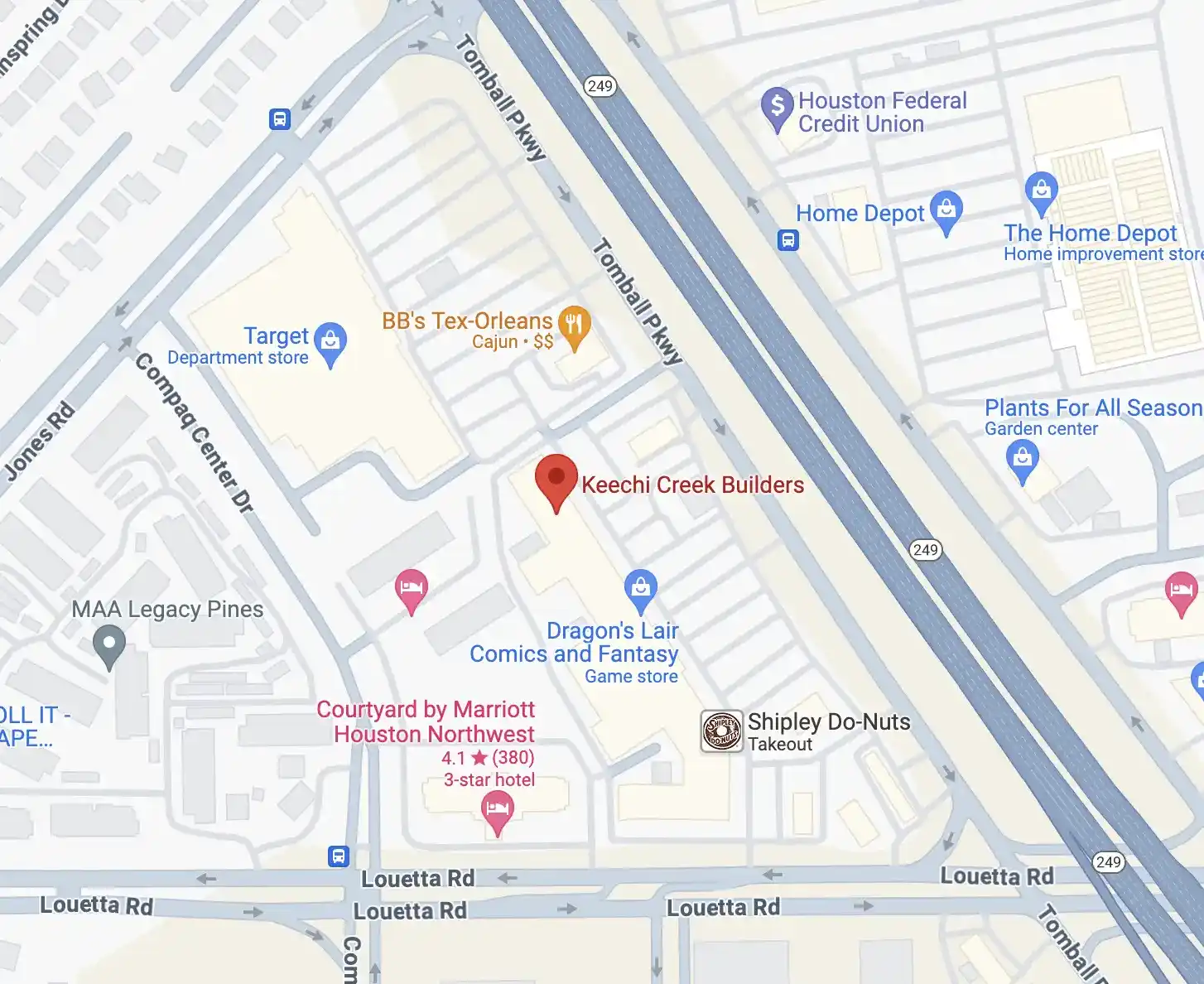
However, timing optimization should never overshadow personal readiness. The months leading to your construction start date offer opportunities to strengthen credit profiles, accumulate down payment reserves, and clarify design priorities through thoughtful consultation with experienced custom home builders. Keechi Creek Builders specializes in guiding affluent families throughout Magnolia, Tomball, Cypress, Memorial Houston, The Woodlands, and Katy through the custom home building journey, delivering turnkey design-build services that transform architectural visions into exceptional residences. Whether 2026 represents your optimal building year or you're prepared to begin immediately, partnering with a builder who prioritizes craftsmanship, transparent communication, and personalized attention ensures your forever home reflects both your lifestyle aspirations and sound financial planning. Contact Keechi Creek Builders at 281-688-1454 or visit https://www.keechicreekbuilderstx.com to explore how 2026 can become the year your custom home vision becomes reality.