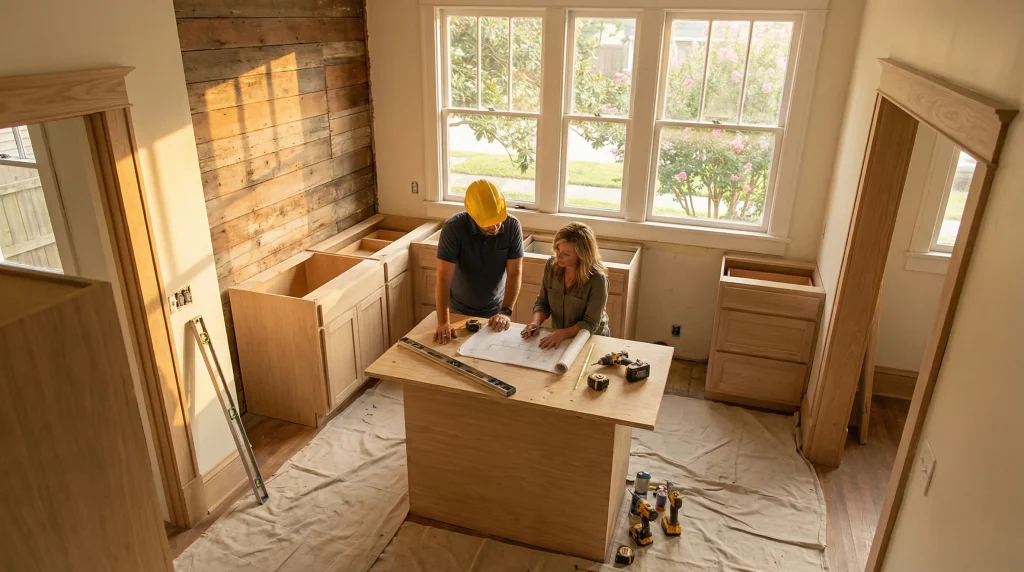
The kitchen in a Houston Heights bungalow carries more weight than its square footage suggests. It holds a century of architectural character in its bones — original trim, pier-and-beam framing, windows that were hung before your grandparents were born. Renovating that space well means respecting what's already there while building something that works for the way you live right now.
Most homeowners across Houston Heights begin the kitchen renovation process with strong design instincts but limited information about the regulatory, structural, and climate-specific factors that separate a successful project from a costly misfire. The neighborhood's inclusion in multiple historic districts adds permitting layers that standard Houston kitchen projects never encounter. Foundation conditions, humidity exposure, and material durability requirements here differ significantly from newer construction in surrounding suburbs — and the best kitchen remodel contractors in Heights TX understand these differences before they submit a single design drawing.
Kitchen renovation services in Houston Heights require specialized planning that addresses historic district compliance, pier-and-beam foundation assessment, City of Houston permitting for structural and mechanical work, climate-appropriate material selection, and coordination with a remodeling contractor experienced in pre-war residential construction. Proper upfront planning prevents the delays, budget overruns, and design compromises that derail projects across this neighborhood every year.
The tips below cover the planning decisions with the greatest impact on your project's outcome — the kind of preparation that turns a good renovation into one you're still proud of a decade from now.
Key Takeaways
- Start with a structural assessment, not a design board. Houston Heights pier-and-beam foundations frequently need leveling before cabinetry installation can produce plumb, lasting results.
- Know your historic district obligations before finalizing plans. Properties in Houston's designated historic districts require a Certificate of Appropriateness for exterior alterations — and kitchen renovations often trigger exterior changes homeowners don't anticipate.
- Select materials rated for Houston's humidity and heat. Solid wood, natural stone, and engineered products perform differently in subtropical climates than they do in showroom conditions.
- Vet contractors for Heights-specific experience. A firm that builds in Katy or Sugar Land may not understand pre-war framing, original plumbing systems, or galvanized electrical wiring.
- Sequence your permits before scheduling demolition. City of Houston permit review takes 7 to 14 business days; historic district approvals add weeks beyond that.
Why Houston Heights Kitchen Projects Require a Different Strategy
Kitchen renovation projects in Houston Heights present distinct challenges that standard remodeling guidance fails to address, including pier-and-beam structural variability, pre-war electrical and plumbing systems, historic preservation overlays, and climate conditions that affect both material performance and construction scheduling. A contractor unfamiliar with these factors introduces risk before the first wall is opened.
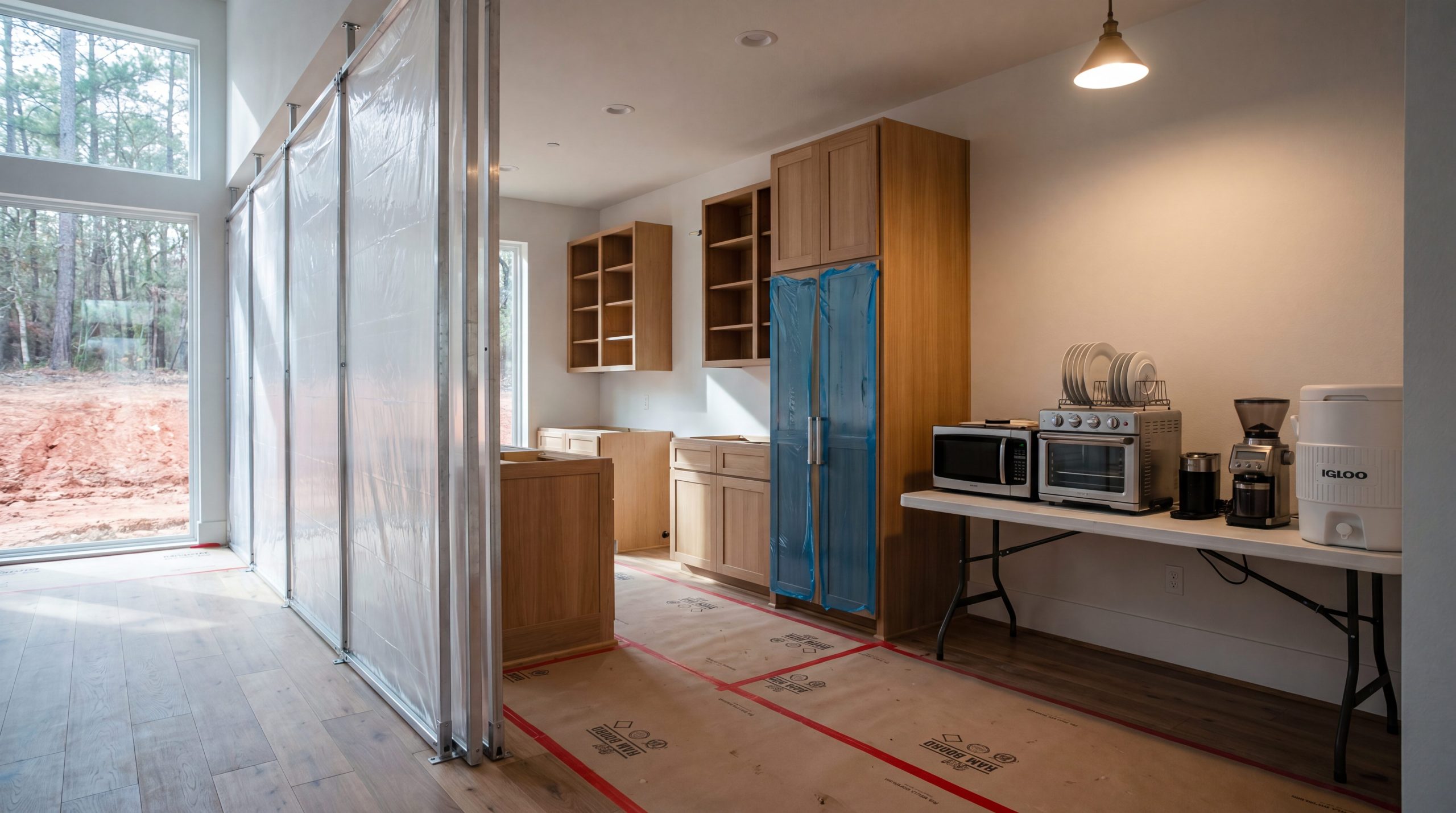
Here's what most renovation planning guides won't tell you: the biggest variable in a Heights kitchen project isn't your material selection or your appliance budget. It's what's hiding behind the walls. Homes built between 1910 and 1940 frequently contain knob-and-tube wiring, galvanized steel supply lines, and cast-iron drain pipes that have reached the end of their functional lifespan. A kitchen remodel that opens walls for layout reconfiguration will expose these systems — and current City of Houston code enforcement requires bringing them to modern standards before finishes go in.
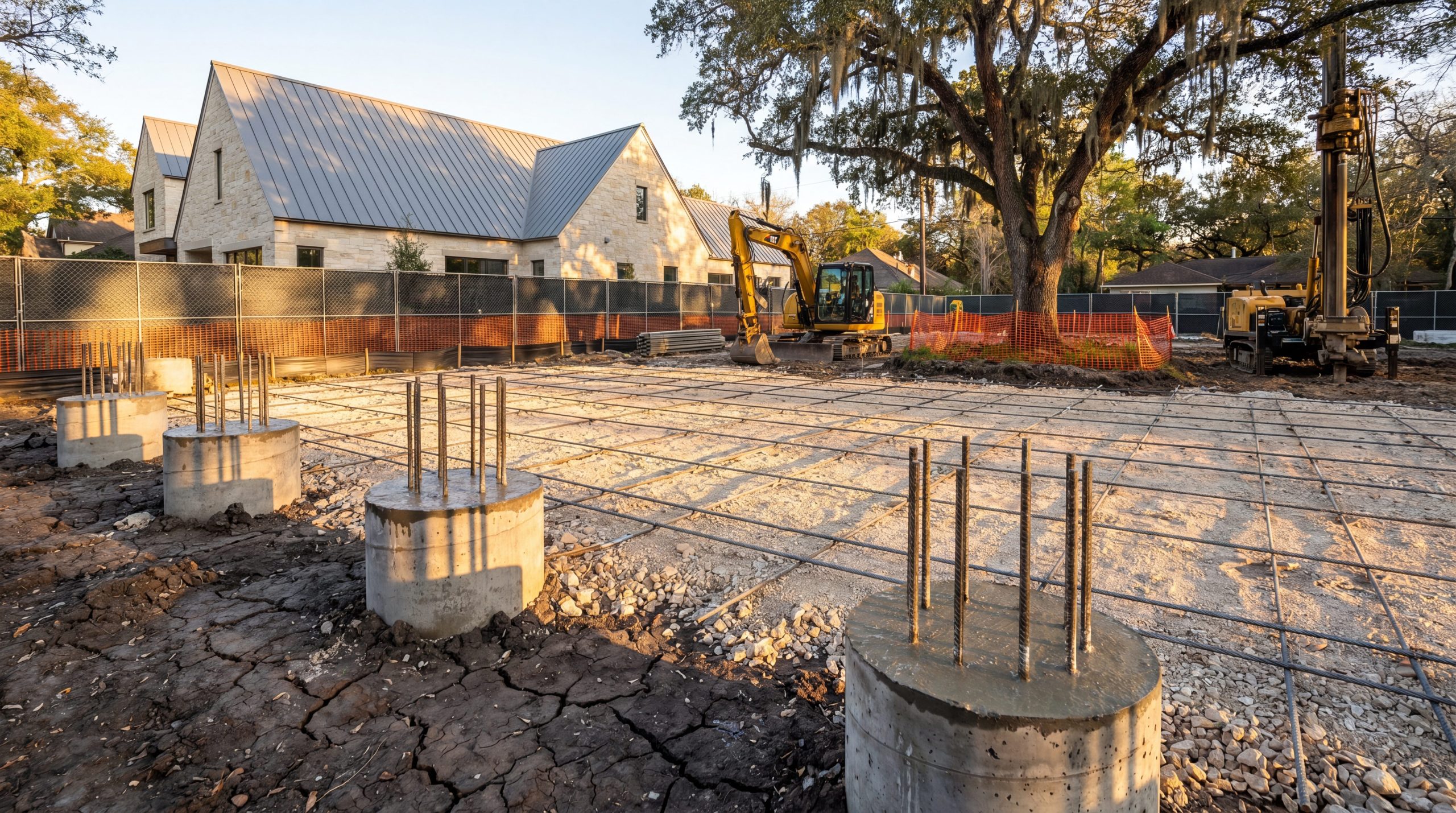
Foundation conditions compound the issue. Unlike the slab-on-grade construction common in newer Houston neighborhoods, Heights bungalows sit on pier-and-beam systems that shift over decades. A floor that's settled even half an inch will produce cabinetry that doesn't hang level, countertops that don't sit flat, and drawers that bind on opening. Addressing foundation leveling before construction begins — not after custom cabinetry is installed — prevents the single most expensive mid-project correction in older home renovation.
So what does this actually mean for your planning timeline? It means the first professional you need isn't a designer. It's a structural engineer.
The City of Houston Planning & Development Department confirms Houston has 23 historic districts as of January 2026, with multiple districts covering the Heights area. That designation directly affects what you can change and how the approval process works.
What Houston Heights Historic District Rules Mean for Your Kitchen Remodel
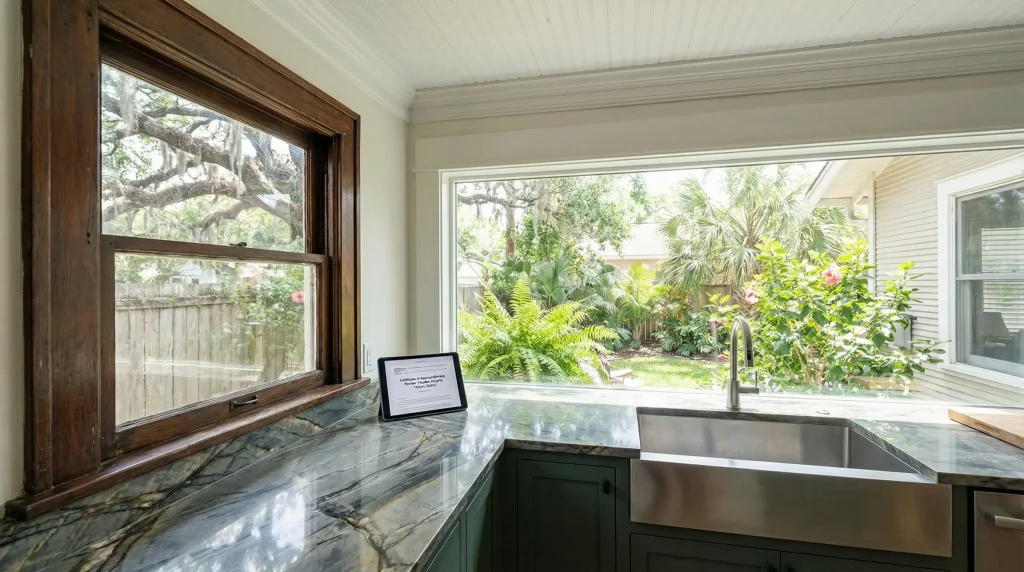
Properties within Houston's designated historic districts must obtain a Certificate of Appropriateness (COA) from the Houston Archaeological and Historical Commission before making exterior alterations. Kitchen renovations that require window relocation, additions affecting the roofline, or new exterior venting for range hoods can trigger this requirement — adding review time but also unlocking a 50% building permit fee discount for approved projects.
Sound familiar? You plan to remove a wall and expand toward the rear of the house. Or you want to install a commercial-grade range hood that requires a new exterior penetration through the roof or side wall. Both of those changes alter the building's exterior appearance or footprint, which means the Houston Office of Preservation reviews the proposed work before a building permit can be issued.
The City of Houston's historic preservation office recommends contacting staff at 832-393-6556 before finalizing design documents — and that recommendation carries real weight. A pre-application review costs nothing and can prevent weeks of revision. The HAHC meets monthly, and complete COA applications must be submitted at least 22 days before the next scheduled meeting.
On the flip side, there's a tangible financial incentive for working within the system. Projects that receive COA approval qualify for a 50% discount on City of Houston building permit fees and may be eligible for a city tax exemption — benefits that partially offset the additional planning time required. A design-build firm experienced in Houston Heights kitchen renovation services builds this timeline into the project schedule from the start, rather than discovering the requirement after demolition is already underway.
We've seen homeowners lose four to six weeks because they didn't check their district designation before scheduling their contractor. That's an avoidable mistake.
Structural and Mechanical Upgrades You Should Plan For
A kitchen renovation in a pre-war Houston Heights home nearly always requires electrical panel upgrades, plumbing replacement, and structural reinforcement — work that expands project scope but prevents the failures that cosmetic-only remodels leave hidden behind new finishes. Planning for these upgrades upfront keeps timelines accurate and eliminates the most common source of mid-project budget escalation.
Let's be honest: nobody starts a kitchen renovation excited about replacing a drain stack or upgrading a breaker panel. But in Heights homes built before 1950, these aren't elective improvements. They're baseline requirements that determine whether your renovation lasts five years or fifty.
Electrical systems present the most frequent issue. Pre-war homes were wired for a fraction of the electrical load modern kitchens demand. A single 15-amp circuit serving the entire kitchen — typical in a 1925 bungalow — cannot safely support an induction cooktop, dishwasher, garbage disposal, and under-cabinet LED lighting operating simultaneously. The National Electrical Code requires dedicated circuits for most kitchen appliances, and the City of Houston enforces these standards through mandatory post-installation inspection.
Plumbing follows the same pattern. Galvanized steel supply lines corrode internally over decades, reducing flow volume and introducing rust contamination. Cast iron drain lines develop scale buildup that restricts drainage and produces recurring backups. Replacing these systems during an open-wall renovation costs a fraction of what identical work costs after tile, cabinetry, and countertops are installed.
According to industry cost analysis data, mechanical upgrades — HVAC, plumbing, and electrical — account for up to 36% of total renovation costs in older home projects. Experienced kitchen renovation services providers include this scope in their initial proposal rather than presenting it as a surprise change order after demolition reveals the true condition of the home's systems.
Choosing Materials That Survive Houston's Climate
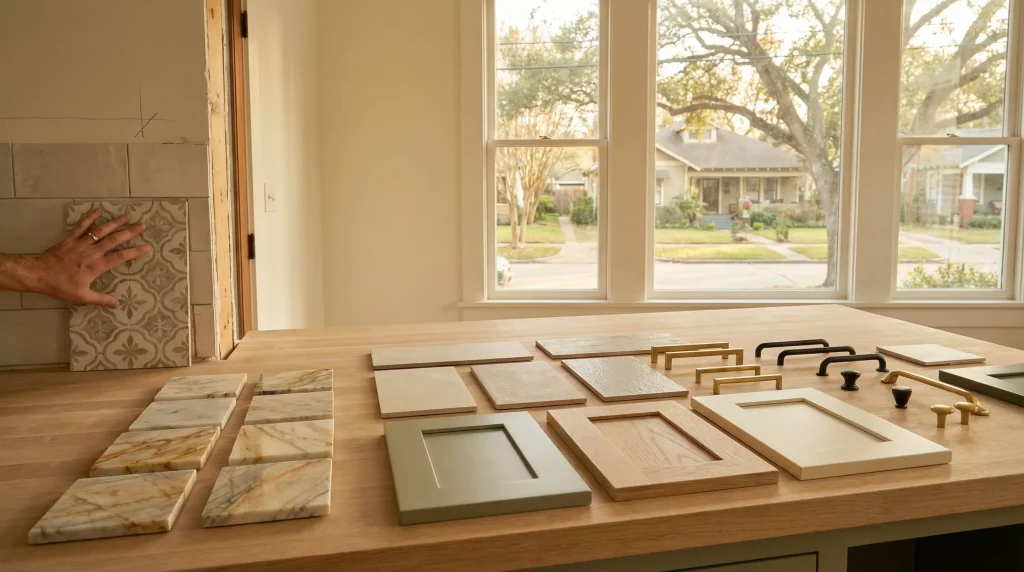
Material selection for Houston Heights kitchen renovations must account for sustained high humidity, temperature swings between air-conditioned interiors and subtropical exterior conditions, and moisture intrusion risk through pier-and-beam subfloor systems. Products that perform flawlessly in arid or temperate climates can warp, swell, or degrade within a single Houston summer.
Here's the thing. That reclaimed barn wood island you bookmarked from a design blog based in Colorado? It will cup and split within two Gulf Coast summers if it isn't kiln-dried and sealed to marine-grade specifications. Houston's average relative humidity exceeds 75% for much of the year, and pier-and-beam homes allow moisture migration from the crawl space into the living area in ways that slab foundations simply don't.
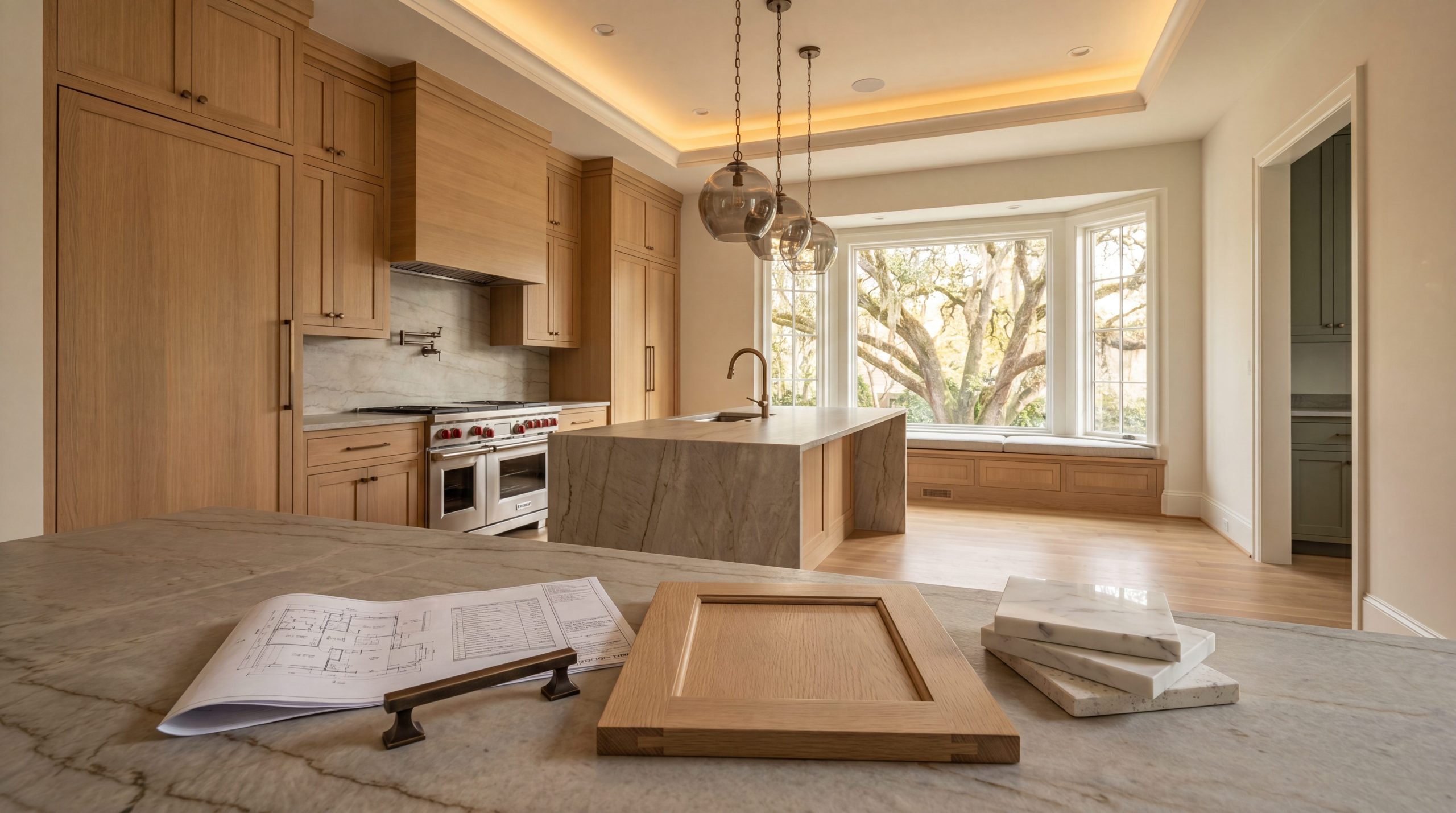
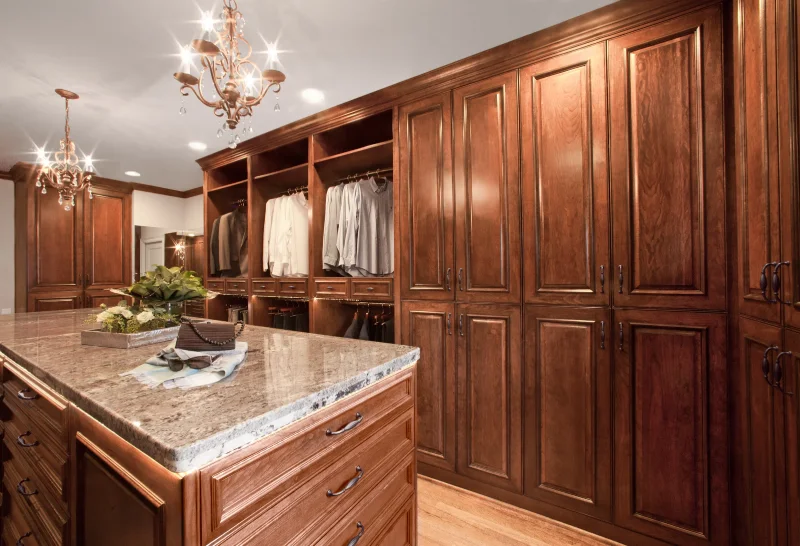
Cabinetry construction matters more than cabinetry style. Solid wood frames with plywood box construction outperform particleboard and MDF in high-humidity environments because they resist swelling and maintain structural integrity across seasonal moisture cycles. For homeowners investing in custom cabinetry — and in Houston Heights, custom sizing is frequently necessary to fit non-standard wall dimensions — specifying plywood box construction and verifying the finish system's moisture resistance isn't optional. It's the difference between cabinets that perform for 20 years and cabinets that need replacement in five.
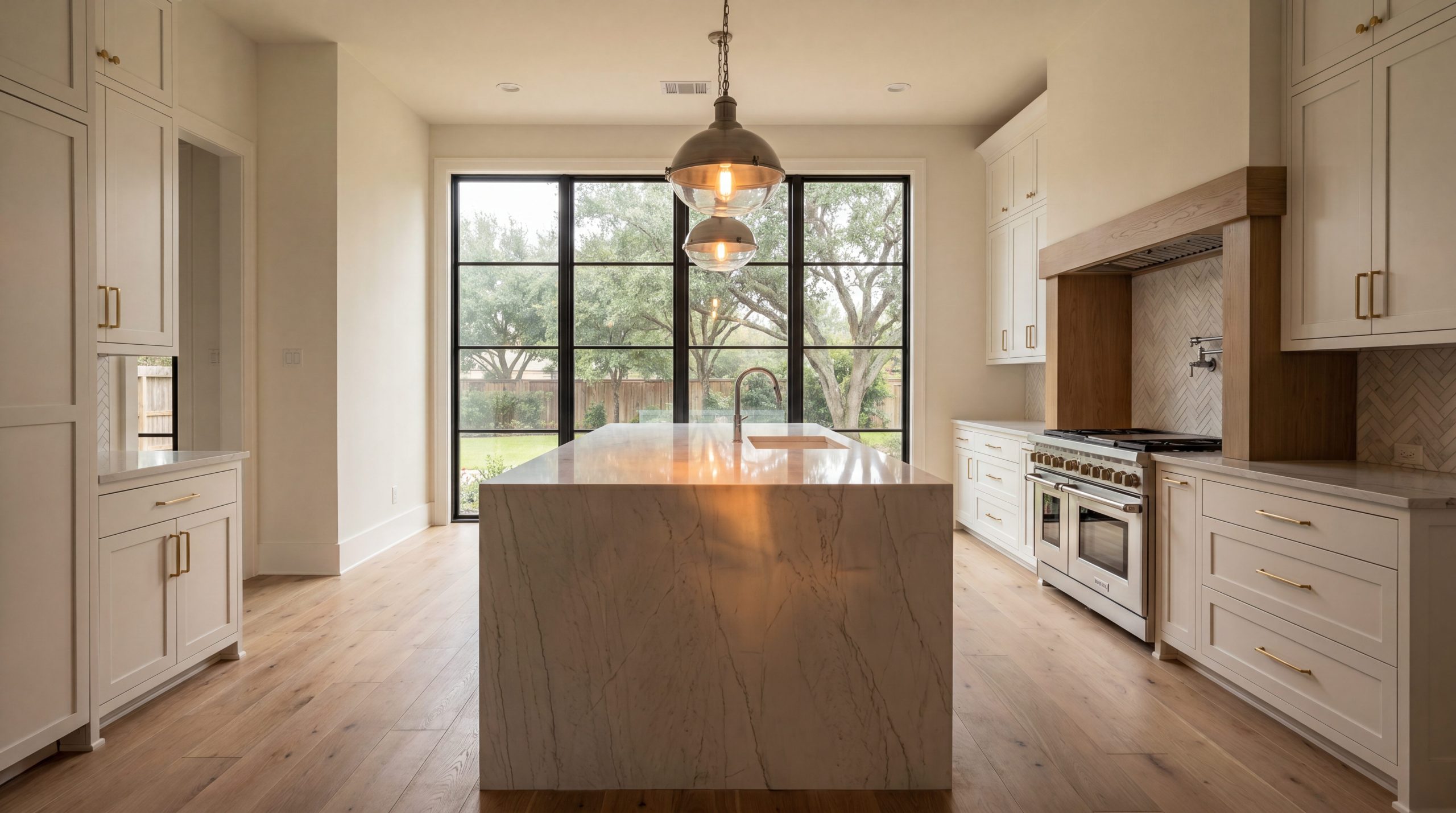
The National Kitchen & Bath Association's (NKBA) 2026 Kitchen Trends Report found that wood grain finishes now surpass painted cabinets in popularity, with 59% of 634 surveyed design professionals identifying wood grain as a growing preference and white oak leading at 51%. For countertops, quartz and natural quartzite dominate at 62%, while 94% of respondents selected wood flooring as the most popular option. In Houston specifically, engineered hardwood handles humidity cycles better than solid hardwood, and porcelain tile backsplashes outperform natural marble for long-term moisture resistance — a practical reality that trend-focused content rarely mentions.
Why does this matter for your project? Because a material that looks stunning in a showroom and performs poorly in your home isn't a design choice. It's an expensive mistake.
Frequently Asked Questions
Do I need a permit to remodel a kitchen in Houston Heights?
Yes. The City of Houston requires building permits for kitchen renovations involving structural modifications, plumbing relocation, electrical work, or gas line changes. The Houston Permitting Center processes residential remodel applications with review timelines of 7 to 14 business days. If your property falls within a designated historic district, you may also need a Certificate of Appropriateness before the building permit is issued.
How long does a kitchen renovation take in a Houston Heights bungalow?
Most full kitchen renovations in Houston Heights bungalows take 10 to 16 weeks from demolition through completion. Homes built before 1950 frequently require additional time for structural, electrical, and plumbing upgrades that newer construction doesn't demand. Custom cabinetry fabrication adds 4 to 8 weeks of lead time before installation begins, making early ordering a critical scheduling decision.
What kitchen renovation services should a Heights contractor include?
A qualified Houston Heights remodeling contractor should provide design consultation, structural assessment, full permitting management, demolition, framing, electrical and plumbing upgrades, cabinetry installation, countertop fabrication and templating, tile work, flooring, lighting design, painting, appliance installation, and code inspections — all coordinated under a single project manager with documented weekly progress communication.
Can I change the layout of my kitchen in a historic Heights home?
Interior layout changes — removing non-load-bearing walls, relocating plumbing, and reconfiguring electrical — are generally permissible without historic district review since they don't alter the building's exterior appearance. However, if the layout change requires expanding the home's footprint, modifying the roofline, or adding new exterior venting penetrations, a Certificate of Appropriateness review may be required. Confirm your property's designation status before finalizing structural design changes.
What should I look for when choosing a kitchen remodel contractor for Houston Heights?
Prioritize contractors with documented experience in pre-war Houston residential construction, active Greater Houston Builders Association (GHBA) and Texas Association of Builders (TAB) membership, current City of Houston licensing, verifiable insurance coverage, and a portfolio of completed Heights-area kitchen projects. Request a detailed week-by-week project schedule alongside the cost estimate — firms that provide both demonstrate the planning discipline that complex Heights renovations require.
Building the Kitchen Your Heights Home Deserves
Every tip in this guide points toward the same principle: Houston Heights kitchen projects succeed when planning accounts for what makes this neighborhood structurally, historically, and climatically distinct from the rest of the Houston market. The right kitchen renovation services don't just install cabinets and countertops — they assess your foundation, respect preservation requirements, select materials that perform in your climate, and manage the permitting process your project demands.
Keechi Creek Builders has spent 17 years delivering design-build kitchen remodeling across Houston Heights and surrounding communities, earning GHBA Custom Builder of the Year recognition and TAB Star Awards for kitchen and whole-house renovation work. If your Heights bungalow is ready for a kitchen that matches how your household actually lives, explore the portfolio or schedule a design consultation to start the conversation.