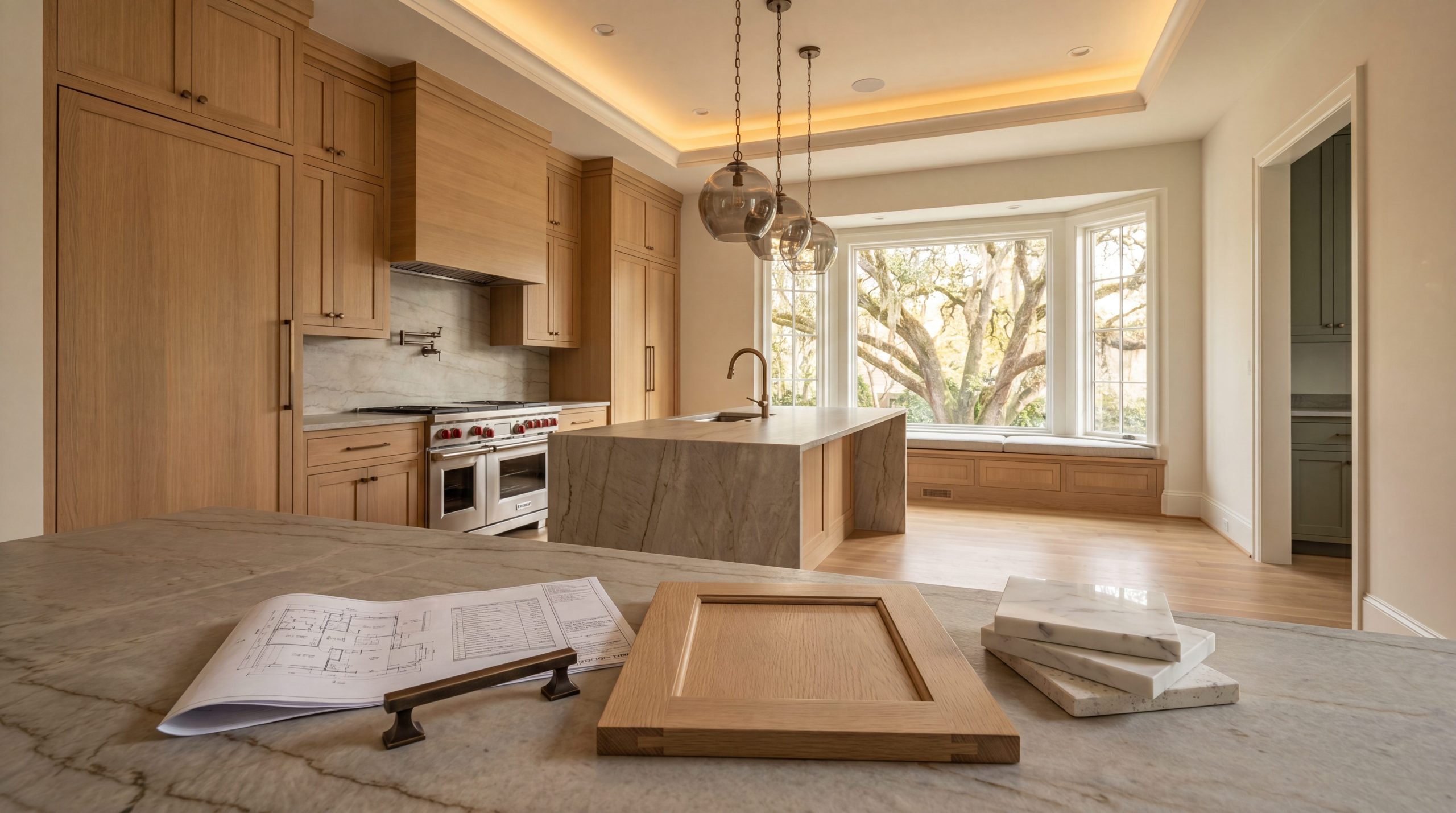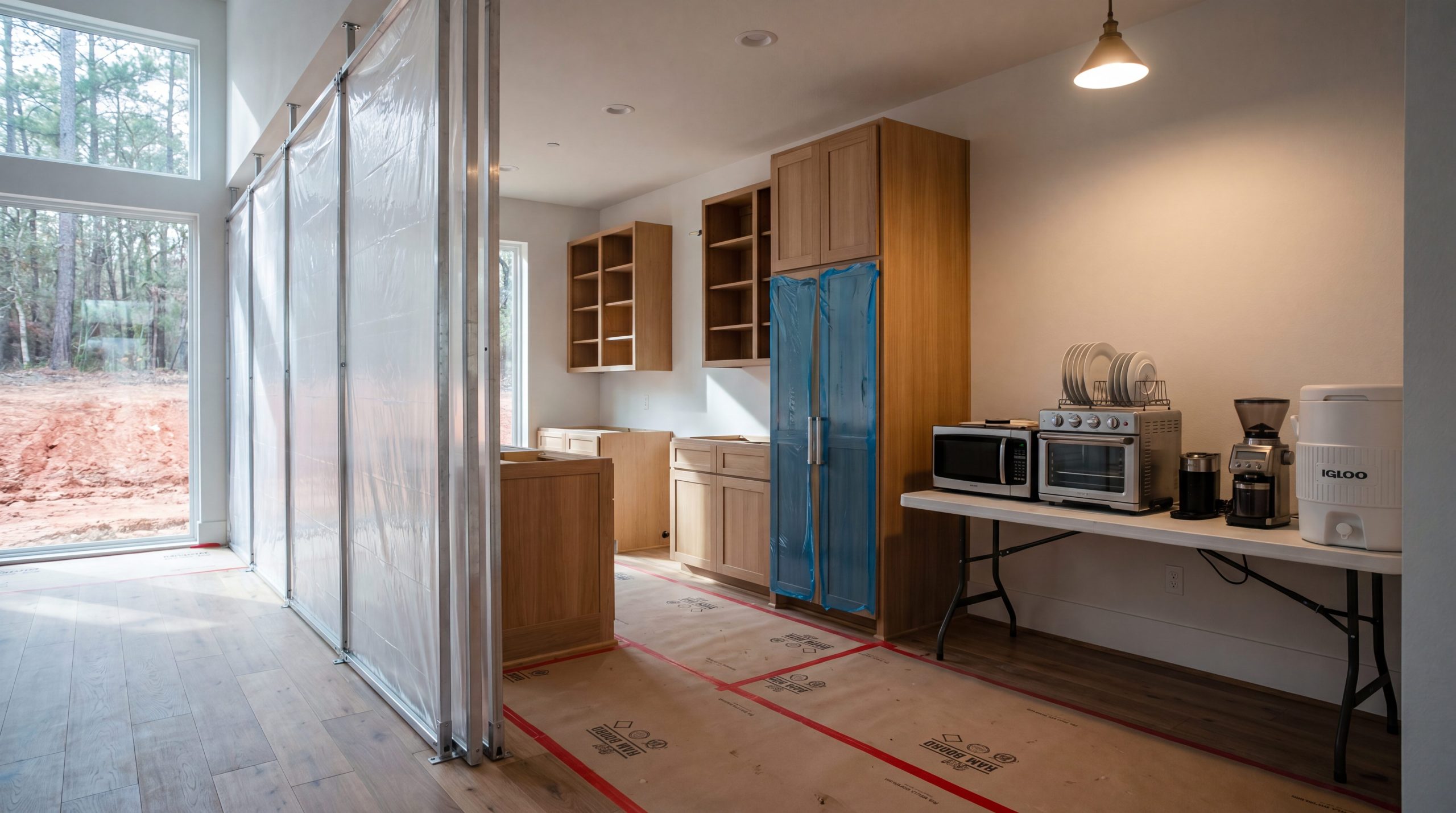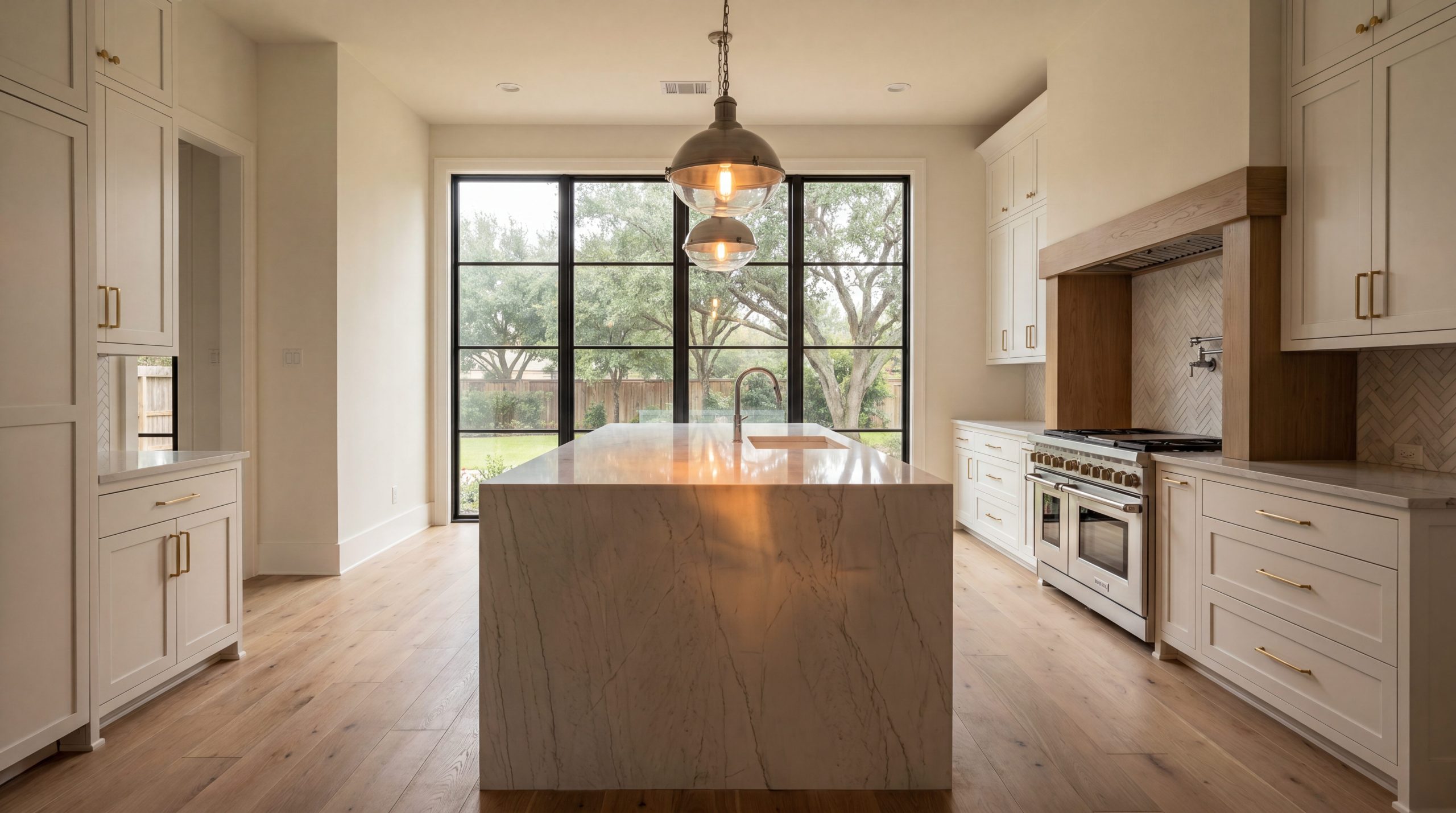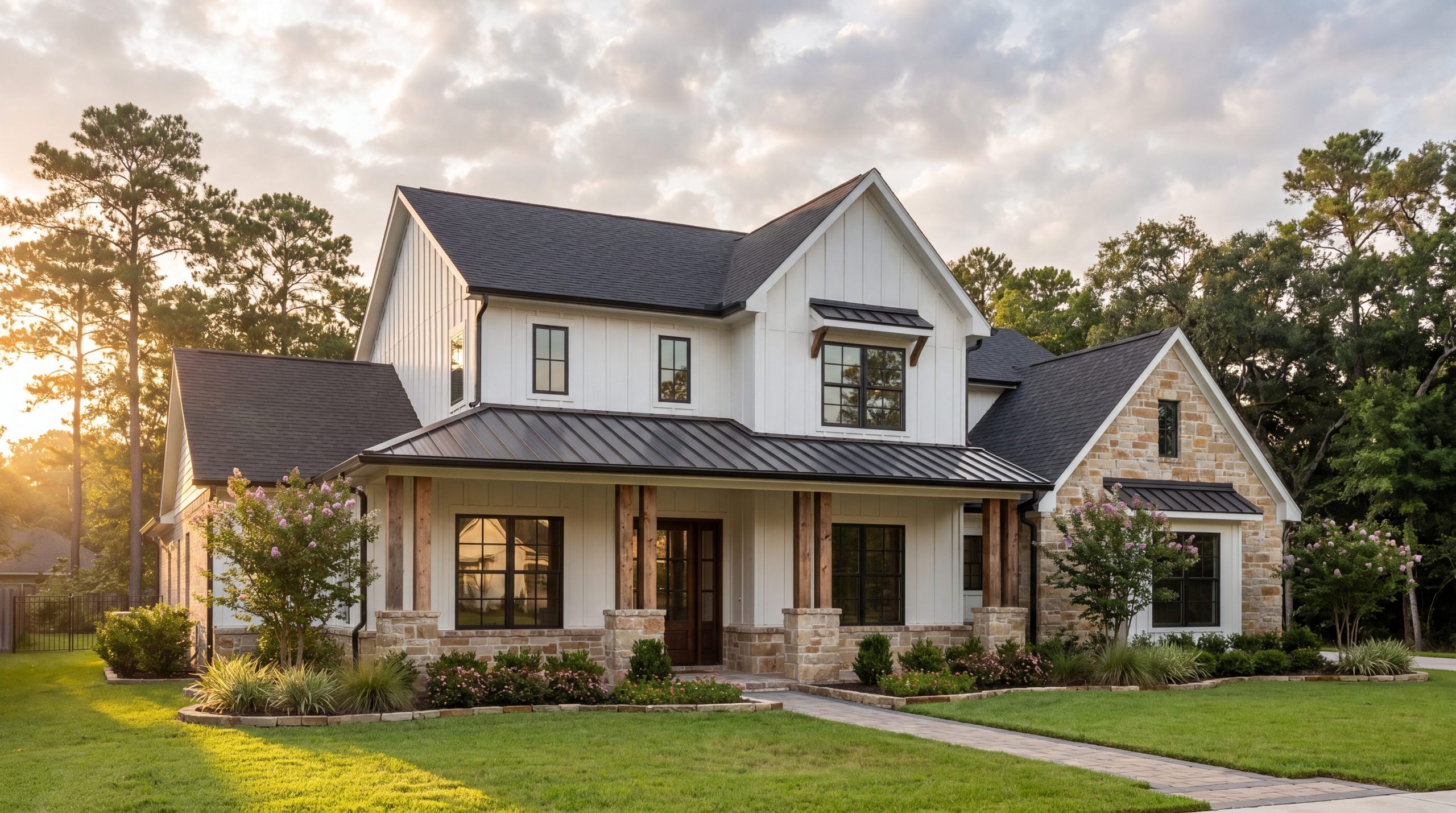
The optimal time to start custom home construction in Houston is during spring (March-May) or fall (September-November), when temperatures range between 65-85°F and precipitation averages 3-4 inches monthly, creating ideal conditions for foundation work, framing, and exterior construction while minimizing weather-related delays and labor productivity issues.
Introduction
Timing your custom home build in Houston requires strategic planning around the city's subtropical climate, hurricane season, and construction industry demand cycles. As a prospective homeowner partnering with an experienced custom home builder in Houston, understanding seasonal advantages helps optimize your project timeline, budget, and overall construction quality. The decision of when to break ground affects everything from material costs and labor availability to the structural integrity of critical early-phase work like foundation pouring and framing.
Key Takeaways
• Schedule groundbreaking in early spring (March-April) to complete foundation and framing before summer heat reaches 95°F+, reducing worker fatigue and material stress while avoiding peak hurricane season delays that can extend timelines 3-6 weeks.
• Leverage fall construction windows (September-November) when temperatures drop to 70-80°F and humidity decreases 15-20%, creating optimal conditions for exterior finishes, roofing, and HVAC installation with potentially better contractor availability than peak spring months.
• Avoid summer starts (June-August) when extreme heat indices exceeding 105°F reduce productivity by 25-30%, and hurricane/tropical storm risks between June-November can halt construction for extended periods, particularly affecting outdoor concrete work and material deliveries.
• Plan winter contingencies (December-February) for occasional freeze events that occur 2-4 days annually in Houston, requiring 48-72 hour construction pauses for temperature-sensitive concrete curing and preventing damage to freshly laid foundations or outdoor plumbing installations.
• Reserve contractor commitments 4-6 months in advance during peak spring season when demand for quality custom home builders in Houston increases by 40-50%, ensuring you secure experienced teams and lock in material pricing before seasonal fluctuations.
• Coordinate permitting timelines 8-12 weeks before desired start dates, as Houston's building department approval processes can extend 6-10 weeks depending on project complexity, and initiating during off-peak winter months may expedite review times by 2-3 weeks.
Understanding Houston's Climate Impact on Custom Home Construction
Houston's subtropical climate presents unique challenges and opportunities for custom home building projects. The region experiences high humidity year-round, averaging 75-90% during summer months, which directly affects material handling, curing times, and worker productivity. Temperature extremes range from occasional winter freezes to summer heat indices exceeding 110°F, making seasonal timing critical for construction efficiency.
Rainfall patterns significantly influence construction schedules, with Houston receiving an average of 53 inches annually—considerably higher than the U.S. average of 38 inches. Spring months typically see 3-4 inches per month, while summer can bring intense thunderstorms delivering 5-7 inches monthly. These precipitation patterns affect site preparation, foundation work, and any exterior construction phases. Strategic timing minimizes weather delays that can add 15-25% to your overall project timeline.
Hurricane season, officially running June 1 through November 30, represents the most significant weather risk for Houston construction projects. Even when direct hits are rare, tropical systems bring heavy rainfall, high winds, and construction moratoriums. Experienced custom home builders in Houston build contingency buffers of 2-4 weeks into summer and early fall schedules to account for these potential disruptions, ensuring realistic completion expectations.
Seasonal Weather Data for Houston Construction
| Season | Avg Temperature Range | Monthly Rainfall | Construction Risk Factors |
| Spring (Mar-May) | 65-85°F | 3-4 inches | Moderate rain, high builder demand |
| Summer (Jun-Aug) | 80-95°F | 5-7 inches | Extreme heat, hurricanes, storms |
| Fall (Sep-Nov) | 70-85°F | 3-5 inches | Cooling temps, late hurricane season |
| Winter (Dec-Feb) | 45-65°F | 3-4 inches | Occasional freezes, milder conditions |
Spring Construction: The Premium Building Season
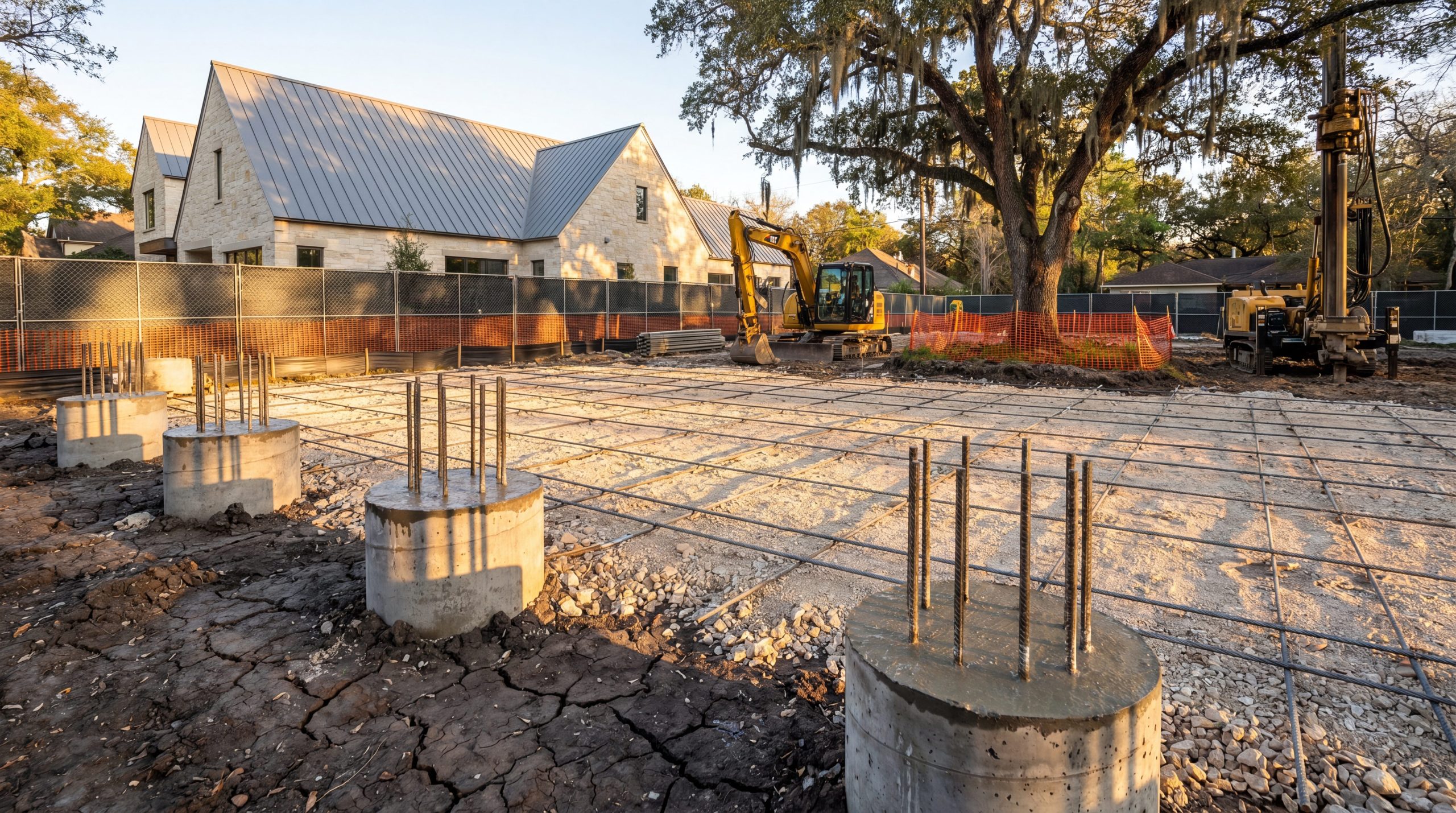
March through May represents peak season for custom home construction in Houston, offering the most favorable combination of weather conditions and extended daylight hours. Temperatures consistently remain in the comfortable 70-85°F range, allowing concrete to cure properly without extreme heat stress while keeping workers productive throughout 10-12 hour construction days. This season provides the ideal window to complete your home's structural envelope—foundation, framing, and roof—before summer's challenging conditions arrive.
Starting your custom home build in early spring allows strategic phasing where weather-sensitive exterior work completes during optimal conditions, while interior construction can proceed through summer months in climate-controlled environments. Foundation work in particular benefits from spring temperatures, as concrete achieves optimal 28-day curing strength when ambient temperatures stay between 50-85°F. This timing ensures structural integrity that forms the basis of your luxury custom home's longevity.
The primary challenge of spring construction is high demand. This is when most homeowners want to build, creating competition for premium custom home builders in Houston and their skilled trade partners. Booking contractors 4-6 months in advance becomes essential. Material costs may also run 5-10% higher during peak season due to supply chain demand. However, the efficiency gains from favorable weather often offset these premium costs through faster completion and reduced delay-related expenses.
Spring Building Advantages
- Optimal foundation conditions: Soil moisture levels stable after winter rains create ideal base preparation
- Extended work hours: Daylight extends to 7-8 PM by May, allowing 10-12 hour construction days
- Material stability: Lumber and building materials acclimate well in moderate humidity without warping
- Trade coordination: Full availability of electrical, plumbing, and HVAC subcontractors
- Landscape establishment: Completing construction by fall allows landscaping to establish before summer heat
Summer Building: Managing Heat and Hurricane Challenges
June through August presents the most demanding construction conditions in Houston, yet some homeowners strategically choose this period for specific advantages. While daytime temperatures routinely exceed 95°F with heat indices over 105°F, creating challenging conditions for exterior work and worker safety, this season offers potential cost savings and contractor availability that appeal to budget-conscious builders.
The extreme heat requires modified work schedules, with most custom home builders in Houston starting crews at 6-7 AM to maximize productivity during cooler morning hours. Concrete pours often begin before dawn to prevent rapid curing that can cause cracking. Roofing work becomes particularly challenging, with surface temperatures on dark materials reaching 150-170°F, necessitating frequent breaks and reduced productivity that can extend these phases by 25-35% compared to spring timelines.
Hurricane season represents the most significant risk factor for summer construction. Even without direct hurricane impacts, tropical disturbances bring heavy rainfall, lightning, and high winds that halt construction for days or weeks. Material deliveries face delays, and securing exposed structures becomes priority work. Experienced builders incorporate 3-4 week weather buffers into summer project timelines, and comprehensive builder's risk insurance becomes non-negotiable during this period.
Summer Construction Considerations
| Factor | Impact Level | Mitigation Strategy |
| Extreme Heat (95-100°F+) | High | Early morning starts, frequent hydration breaks, shade structures |
| Hurricane Season | High | Weather tracking, site securing protocols, flexible scheduling |
| Afternoon Thunderstorms | Moderate | Morning-focused exterior work, interior work during storms |
| Material Heat Stress | Moderate | Covered storage, evening deliveries, rapid installation |
| Worker Productivity | Moderate | Shorter exterior shifts, increased labor costs, safety prioritization |
Fall Construction: The Ideal Alternative Window
September through November offers an excellent alternative to spring building, combining favorable weather conditions with potentially better contractor availability and pricing. As temperatures moderate to 70-85°F and humidity drops 15-20% from summer peaks, construction crews experience renewed productivity. This season allows efficient completion of roofing, exterior finishes, window installation, and HVAC system setup—all critical components that benefit from mild, stable weather conditions.
Early fall construction does overlap with the tail end of hurricane season through November, requiring the same weather monitoring and contingency planning as summer builds. However, tropical activity typically decreases significantly after mid-October, reducing risk exposure. By timing a fall start, you can complete weather-sensitive exterior work by late November or December, then transition interior construction into winter months when climate-controlled interior spaces shield work from occasional temperature fluctuations.
Fall construction also provides scheduling advantages for luxury custom home buyers planning specific move-in dates. A September start typically results in substantial completion by late spring or early summer of the following year, allowing landscaping installation during the optimal spring growing season. This timing enables full property establishment—home and grounds—before the next summer season arrives, creating a cohesive, finished estate that reflects the quality standards expected from premier custom home builders in Houston.
Project Phase Timing for Fall Starts
- Foundation & site work (Sep-Oct): Complete before winter freeze potential
- Framing & structural (Oct-Dec): Mild weather accelerates rough construction
- Roof & exterior (Nov-Jan): Weather-tight envelope before spring rains
- Interior systems (Dec-Mar): Protected work during winter months
- Interior finishes (Mar-May): Detail work in controlled environment
- Landscaping & final (Apr-Jun): Spring planting season for optimal establishment
Winter Building: Opportunities and Temperature Constraints
December through February represents Houston's mildest season, with average temperatures ranging 45-65°F and relatively low rainfall. While not as optimal as spring or fall, winter construction offers distinct advantages for specific project types and budget-conscious builders. Contractor availability typically improves during this off-peak season, and material costs may run 5-8% lower than peak spring pricing. Custom home builders in Houston often have more scheduling flexibility, potentially expediting your project start date by 4-8 weeks compared to peak season waits.
The primary concern for winter construction involves occasional freeze events. Houston experiences 2-4 days annually when temperatures drop below 32°F, with rare deep freezes reaching the mid-20s for extended periods. These conditions halt concrete work, as temperatures below 40°F prevent proper curing and can cause permanent structural damage. Experienced builders monitor weather forecasts closely and schedule pours only when 48-72 hours of adequate temperatures (above 50°F) are predicted, ensuring concrete achieves sufficient initial strength before potential freezes.
Foundation work during winter requires particular expertise and planning. Concrete pours must be timed between freeze events, and may require heating blankets or enclosures if temperatures drop unexpectedly after placement. Above-ground construction phases—framing, roofing, and exterior finishes—proceed normally in moderate winter temperatures, often with enhanced worker comfort compared to summer heat. This makes winter an excellent time for structural work, positioning projects for interior finish work during spring and summer when exterior conditions might otherwise slow progress.
Winter Construction Timeline Optimization
| Construction Phase | Winter Suitability | Planning Considerations |
| Site Preparation | Excellent | Drier ground conditions, easier excavation |
| Foundation Work | Moderate | Requires freeze-free weather windows, 3-5 day forecasts |
| Framing & Structural | Excellent | Comfortable working temperatures, faster productivity |
| Roofing | Good | Mild conditions, occasional rain delays |
| Exterior Finishes | Good | Stable temperatures, proper material curing |
| Interior Construction | Excellent | Climate-controlled environment, no weather dependency |
Strategic Project Planning: Matching Build Type to Season
Different custom home construction projects benefit from specific seasonal timing based on their unique requirements and critical construction phases. New ground-up custom homes require extensive foundation work and structural framing—phases highly dependent on favorable weather. Starting these projects in early spring (March-April) ensures foundation curing during optimal temperatures and completes framing before summer heat impacts productivity. This timing allows the home to be "dried in" (roof, windows, and exterior doors installed) by early summer, protecting interior work from weather.
Major whole-house renovations and remodels follow different optimal timing. Since these projects often involve living in the existing structure during construction, starting in fall or winter can be advantageous. Cooler temperatures make temporary disruptions to HVAC systems more tolerable, and completing exterior work (new additions, roof modifications) during mild winter weather minimizes weather exposure to your existing home's interior. Kitchen and bathroom remodels can proceed year-round since they're interior-focused, though scheduling during your family's vacation periods often proves most convenient.
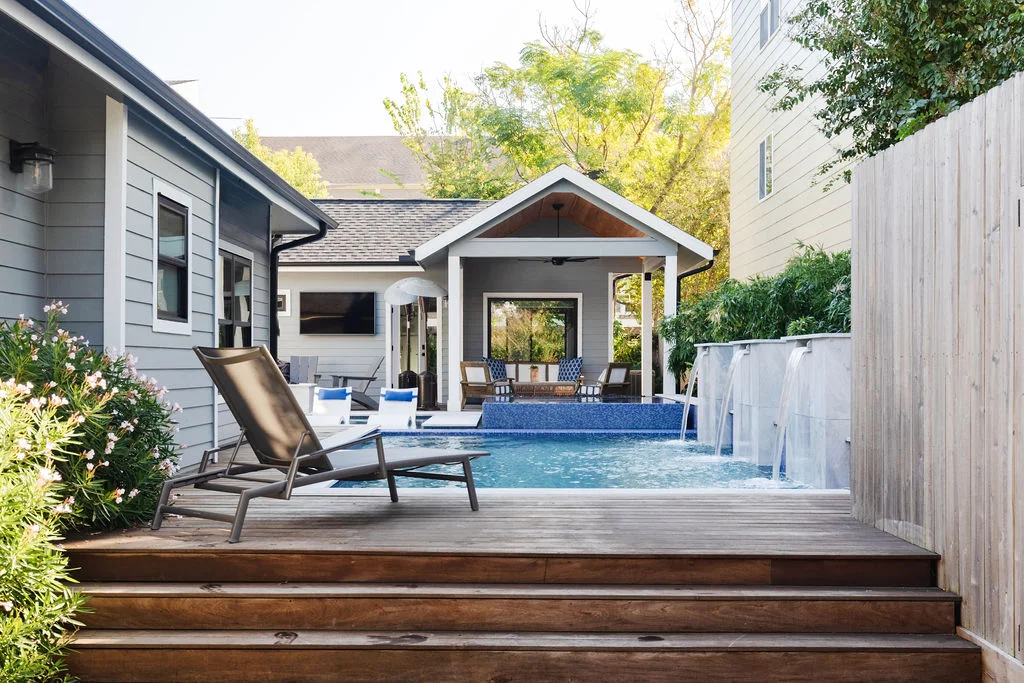
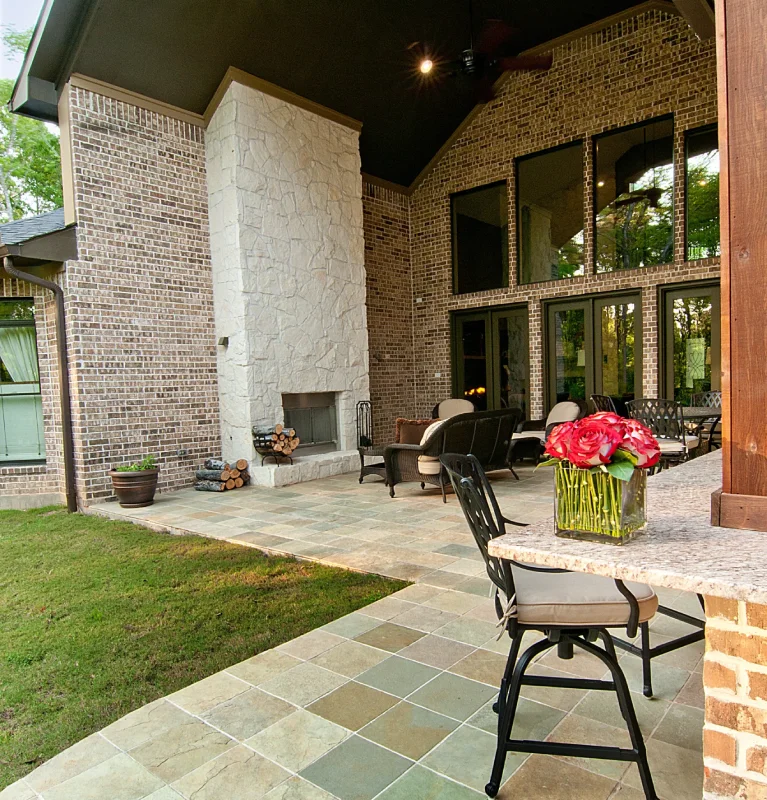
Outdoor living spaces, pools, and detached structures like guest houses or workshops ideally start in fall or early winter. Pool construction traditionally begins October through February, allowing completion before peak summer season when demand drives prices up 15-20%. Outdoor kitchens, pavilions, and landscaping projects benefit from fall starts that enable spring planting and establishment. Experienced custom home builders in Houston coordinate these project types to leverage off-peak contractor availability and complete work when you'll most appreciate the finished spaces.
Optimal Start Times by Project Type
- New Custom Homes: Early spring (March-April) for foundation through framing
- Whole-House Renovations: Fall (September-October) or winter for exterior modifications
- Kitchen Remodels: Year-round, avoid major holidays and family event dates
- Bathroom Remodels: Year-round, coordinate with household schedule
- Pool Construction: Fall/winter (October-February) for pre-summer completion
- Outdoor Living Spaces: Fall (September-November) for spring readiness
- Detached Structures: Spring or fall for optimal building conditions
Permitting, Planning, and Pre-Construction Timing
The actual construction start date represents only one element of project timing strategy. Successful custom home builds require 8-16 weeks of pre-construction planning, permitting, and preparation that must be factored into your seasonal strategy. Houston's building department typically requires 6-10 weeks for permit review and approval, depending on project complexity and current application volume. Initiating permit applications during winter months (November-January) may expedite approvals as department workload tends to be lighter than during peak spring submission periods.
Design development and architectural planning ideally begin 4-6 months before your desired construction start date. This timeline allows thoughtful collaboration with your custom home builder in Houston to refine plans, select materials, and make design decisions without rushing. For spring construction starts, beginning design work the previous fall ensures completed plans and permit applications by January, positioning you for March groundbreaking. This forward planning prevents delays and demonstrates the sophisticated project management that distinguishes luxury custom home experiences.
Site evaluation and preparation work can often proceed during permitting phases, weather permitting. Boundary surveys, geotechnical soil testing, tree surveys, and preliminary site clearing don't typically require building permits and can advance during winter months. This parallel processing accelerates your timeline, ensuring the site is construction-ready immediately upon permit issuance. Strategic custom home builders in Houston coordinate these activities seamlessly, maximizing efficiency while maintaining compliance with all regulatory requirements.
Frequently Asked Questions
How long does it take to build a custom home in Houston from start to finish?
A typical luxury custom home in Houston requires 10-14 months from groundbreaking to completion, depending on size, complexity, and finish level. This timeline includes 2-3 months for foundation and framing, 3-4 months for systems installation and exterior completion, and 4-6 months for interior finishes and detail work. Weather delays, material availability, and custom element lead times can extend timelines by 4-8 weeks. Starting in spring positions most projects for completion within 12-14 months, while summer starts may require 14-16 months due to weather-related productivity impacts.
Can I start building a custom home in Houston during hurricane season?
Yes, you can start construction during hurricane season (June-November), though it requires careful planning and realistic timeline expectations. Experienced custom home builders in Houston incorporate weather contingency buffers of 3-4 weeks into summer and fall schedules to account for tropical weather delays. The key is working with builders who maintain comprehensive insurance, secure jobsites properly during weather events, and communicate proactively about schedule adjustments. Many builders successfully execute summer projects by focusing on interior work during severe weather periods and maintaining flexible scheduling for exterior phases.
What are the cost differences between building seasons in Houston?
Spring construction typically carries 5-10% premium pricing due to peak demand for contractors and materials, while fall and winter builds may offer 5-8% savings through better contractor availability and negotiating leverage. However, weather-related delays during less optimal seasons can offset initial savings through extended timelines and carrying costs. Summer builds might appear cost-effective initially but often experience productivity losses that extend schedules. The most cost-effective approach is typically booking a quality custom home builder in Houston during their preferred season 6-8 months in advance, securing optimal pricing and schedule commitment.
How do freezes affect custom home construction in Houston?
Houston's occasional freezes primarily impact concrete work, which cannot be placed when temperatures are below 40°F or expected to drop below freezing within 72 hours of placement. Foundation pours require careful weather monitoring and may need postponement during freeze warnings. Framing, roofing, and other above-ground structural work typically proceeds normally in cold weather, as lumber installation isn't temperature-sensitive. Exterior painting and some finish work may be delayed during freezes. Experienced builders plan winter projects around typical freeze patterns, usually scheduling concrete work during extended mild weather windows or postponing foundation phases until after freeze risk passes in late February.
Should I delay my project to wait for the perfect season?
The decision depends on your specific timeline needs, flexibility, and priorities. If you have 6-8 months of flexibility, strategically timing for spring or fall starts optimizes weather conditions and construction efficiency. However, delaying 6-12 months to hit a "perfect" window may not be practical or necessary, especially if you're working with an experienced custom home builder in Houston who understands seasonal management. Many successful projects start year-round by adapting strategies to seasonal conditions—interior-focused work during weather-sensitive periods, aggressive scheduling during favorable windows, and realistic contingency planning. The builder's expertise and project management capabilities often matter more than perfect seasonal timing.
What's the ideal timeline for planning before construction starts?
Begin planning 8-12 months before your desired construction start date to allow for design development, budget finalization, permit applications, and contractor selection. For a spring construction start, initiate consultations with custom home builders in Houston the previous summer or early fall. This timeline provides 3-4 months for design development, 2-3 months for detailed pricing and contract negotiation, and 6-10 weeks for permit processing. Starting the planning process well in advance also allows you to secure your preferred builder during peak demand periods and makes thoughtful decisions without timeline pressure. Premium custom home builders often book 4-6 months out during busy seasons, making early engagement essential for optimal scheduling.
Conclusion
Selecting the optimal time to build your custom home in Houston directly impacts project efficiency, cost management, and construction quality. Spring and fall emerge as the premium seasons, offering favorable weather conditions that minimize delays and maximize productivity, though peak spring demand requires advance planning and contractor commitments. Summer and winter builds remain viable options when strategic planning addresses seasonal challenges—heat management and hurricane contingencies in summer, freeze precautions and scheduling flexibility in winter.
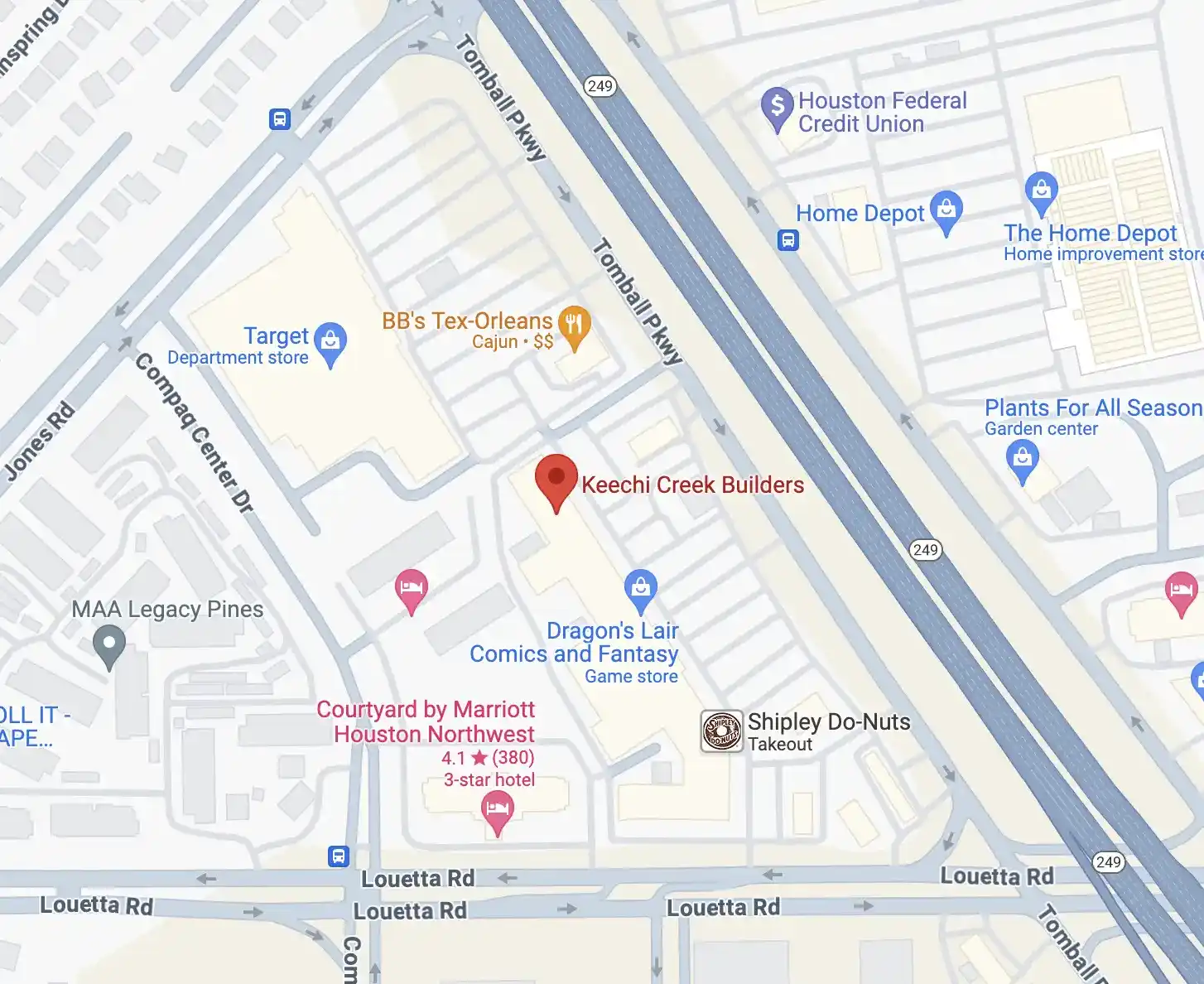
The most successful custom home projects result from partnering with experienced professionals who understand Houston's unique climate challenges and market dynamics. Keechi Creek Builders brings decades of expertise building luxury custom homes throughout Houston, Magnolia, Tomball, Cypress, The Woodlands, and surrounding areas, with sophisticated project management systems that optimize construction schedules regardless of seasonal timing. Our team coordinates every phase—from initial design through final walkthrough—ensuring your investment delivers the exceptional quality and personalized attention you deserve. Contact Keechi Creek Builders at 281-688-1454 or visit our design center at 21175 TX-249 #328, Houston, TX 77070 to begin planning your luxury custom home with Houston's premier design-build firm.