Building a custom home ranks among life's most significant investments—and choosing the wrong builder can turn your dream into a financial nightmare. The good news? A systematic evaluation approach separates trustworthy craftsmen from risky contractors.
If you're planning to build a custom home in Magnolia, Texas, you're facing a decision that will affect your family for decades. Montgomery County offers incredible opportunities for acreage living, but the abundance of builders—from established custom firms to production home giants—makes the selection process overwhelming. We've watched families struggle with this exact challenge for over 17 years, and we've learned that successful builder selection comes down to knowing exactly what to look for.
Here's the straightforward answer on how to choose a custom home builder in Magnolia: Evaluate candidates based on verifiable credentials (particularly NAHB certifications), documented local experience with Montgomery County's unique soil and permitting requirements, a diverse portfolio of completed projects, enthusiastic references from past clients, proper licensing and insurance, and active membership in recognized industry associations. The builder who checks all these boxes has demonstrated the commitment and capability your project demands.
What Makes a Qualified Custom Home Builder in Magnolia
A qualified custom home builder in Magnolia, Texas community and demographic information demonstrates verifiable credentials such as NAHB certifications, documented local experience with Montgomery County permits and soil conditions, a portfolio of completed projects, positive references from past clients, proper licensing and insurance, and membership in recognized industry associations like the Greater Houston Builders Association.
Let's be honest—the term "custom builder" gets thrown around loosely. Production builders call their upgrade packages "custom." Remodeling contractors claim custom capabilities. And plenty of general contractors hang out a shingle after a few successful projects. True custom builders operate differently.
The baseline qualifications separate legitimate custom builders from pretenders. First, they've built a track record of completed custom projects—not just managed subcontractors on production homes. They maintain proper Texas licensing and carry adequate liability insurance and workers' compensation coverage. They hold memberships in industry organizations like the National Association of Home Builders (NAHB) or the Greater Houston Builders Association (GHBA) that require adherence to professional standards.
But here's what really matters in Magnolia: local expertise. Montgomery County presents unique challenges that out-of-area builders consistently underestimate. Our expansive clay soils require specialized foundation engineering—the same foundation system that works perfectly in Dallas will crack within years here. Local permitting processes, particularly for acreage properties requiring septic systems and private wells, follow specific protocols. HOA architectural review committees, even in "low restriction" communities, have approval requirements that can delay projects by months if you don't navigate them correctly.
Builder longevity matters more than most people realize. Industry statistics show that a significant percentage of construction businesses fail within their first five years. A builder operating successfully for 15+ years has weathered economic downturns, supply chain disruptions, and the thousand small challenges that sink less experienced firms. That longevity signals financial stability, established subcontractor relationships, and proven project management systems.
The key takeaway is this: qualified doesn't just mean capable—it means proven specifically in your market with your project type.
Why Builder Credentials and Certifications Matter for Your Project
Builder credentials like the Graduate Master Builder (GMB) designation demonstrate advanced training in construction management, business practices, and building science. These certifications require ongoing education and indicate commitment to industry best practices, giving homeowners confidence that their builder maintains current knowledge of codes, materials, and techniques.
You might wonder whether certifications actually matter or just look good on business cards. Here's the reality: the construction industry has no mandatory advanced training requirements. A contractor can legally build homes with only basic licensing. Certifications represent voluntary investment in expertise—and that investment correlates directly with project outcomes.
The NAHB certification hierarchy tells you exactly what a builder has accomplished. The Certified Graduate Builder (CGB) requires coursework in business management, contracts, and construction technology. The Graduate Master Builder designation—NAHB's highest credential—demands additional training in customer service, building science, and business operations, plus continuing education to maintain status. Specialized certifications like Certified Aging-in-Place Specialist (CAPS) and Certified Green Professional (CGP) indicate focused expertise in specific areas.
According to NAHB, builders who pursue advanced certifications demonstrate measurably better project management practices and client communication. Research consistently shows that certified builders resolve issues faster and generate fewer warranty claims. That's not marketing spin—it's documented performance difference.
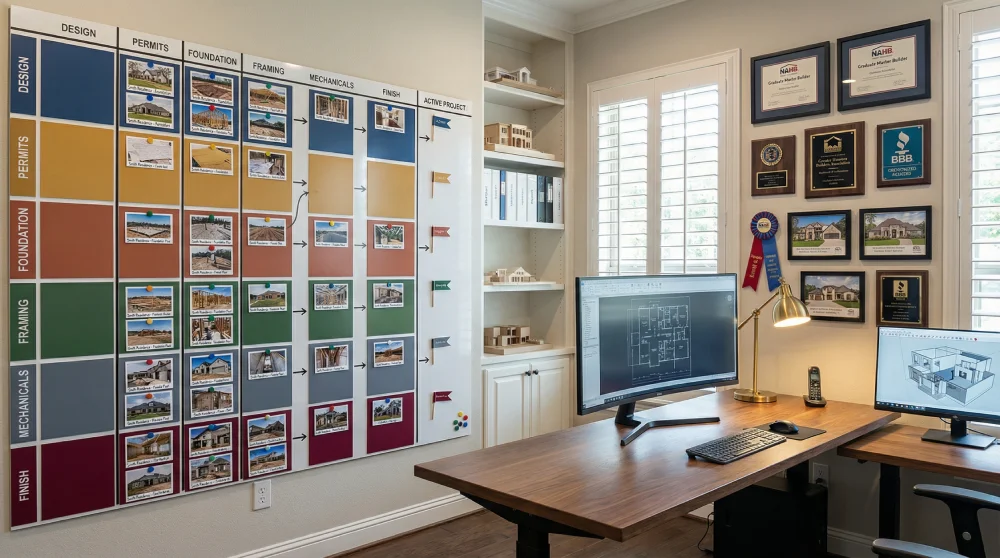
Beyond certifications, third-party validation matters. A Better Business Bureau A+ rating requires documented complaint resolution practices and customer satisfaction. Industry awards from organizations like the Greater Houston Builders Association involve peer review and project evaluation. Online review platforms like Houzz provide unfiltered client feedback.
The combination tells a story. A builder with GMB certification, BBB A+ status, and GHBA recognition has invested in expertise, maintained customer satisfaction, and earned peer respect. That's a fundamentally different profile than a builder with only a contractor's license.
How to Evaluate a Builder's Portfolio and Past Work
Evaluate a custom builder's portfolio by examining project diversity across styles and complexity levels, requesting addresses of completed homes to drive by, asking for references from clients with similar project scopes, reviewing before-and-after documentation, and assessing whether their design aesthetic aligns with your vision while demonstrating technical capability.
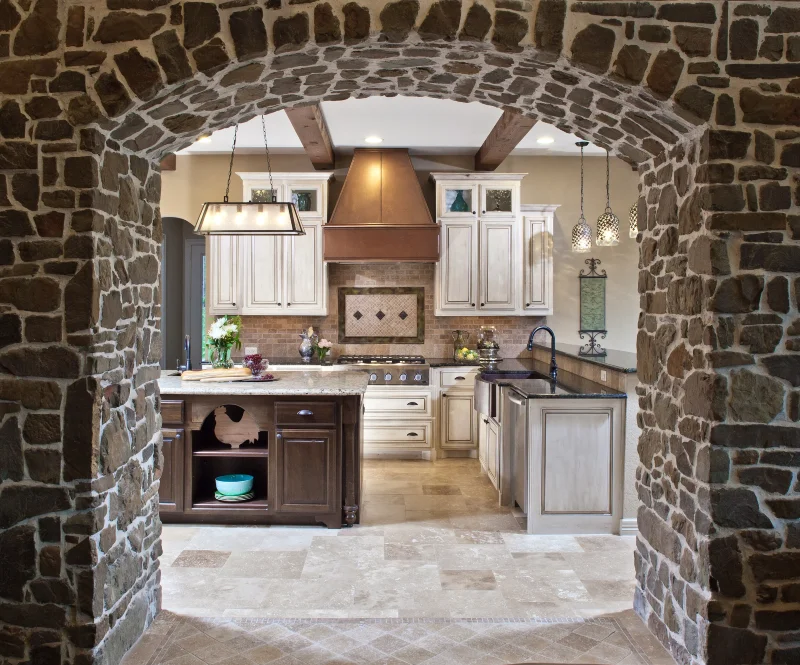
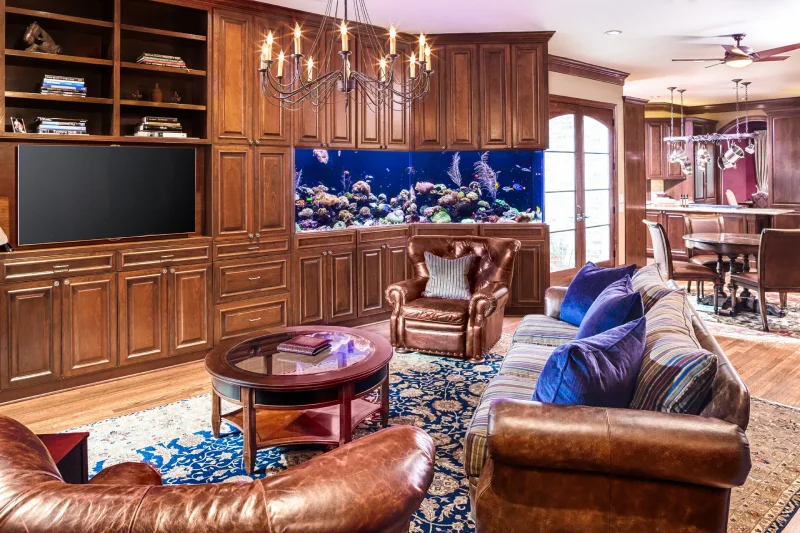
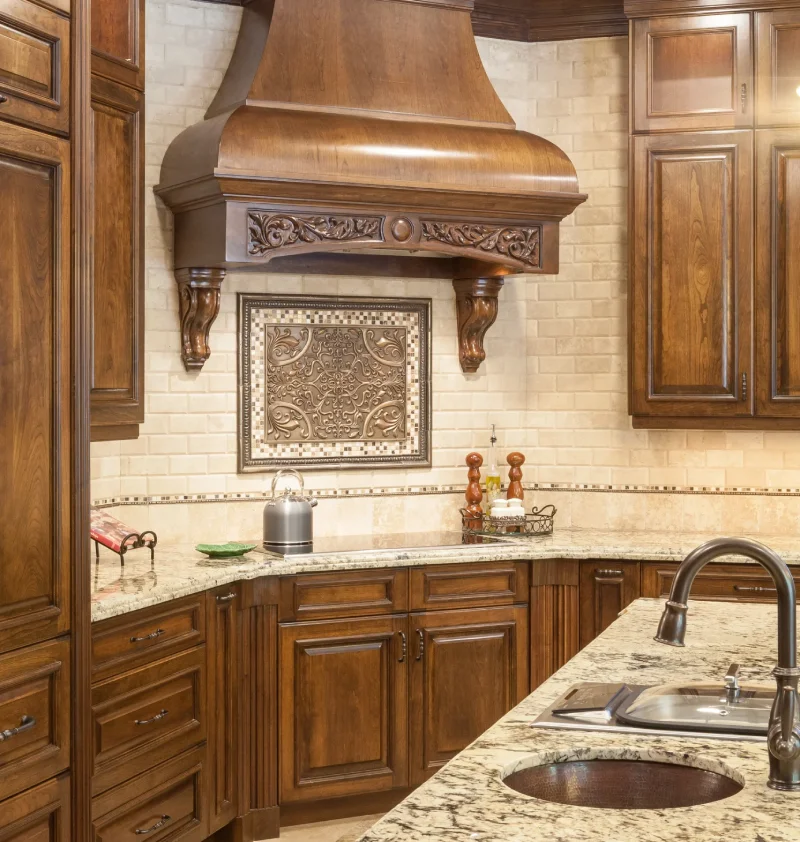
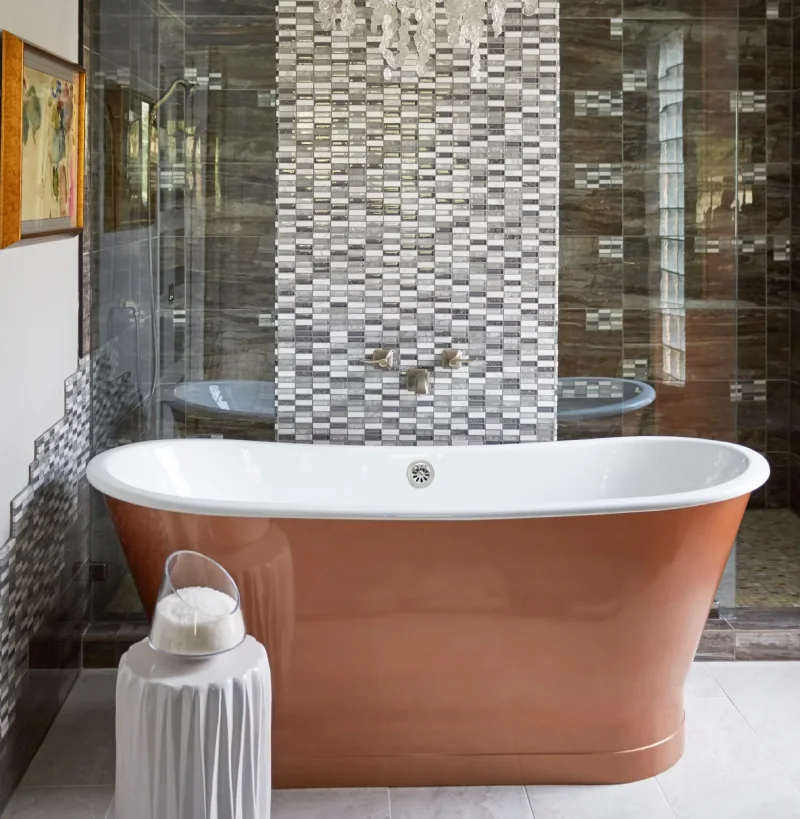
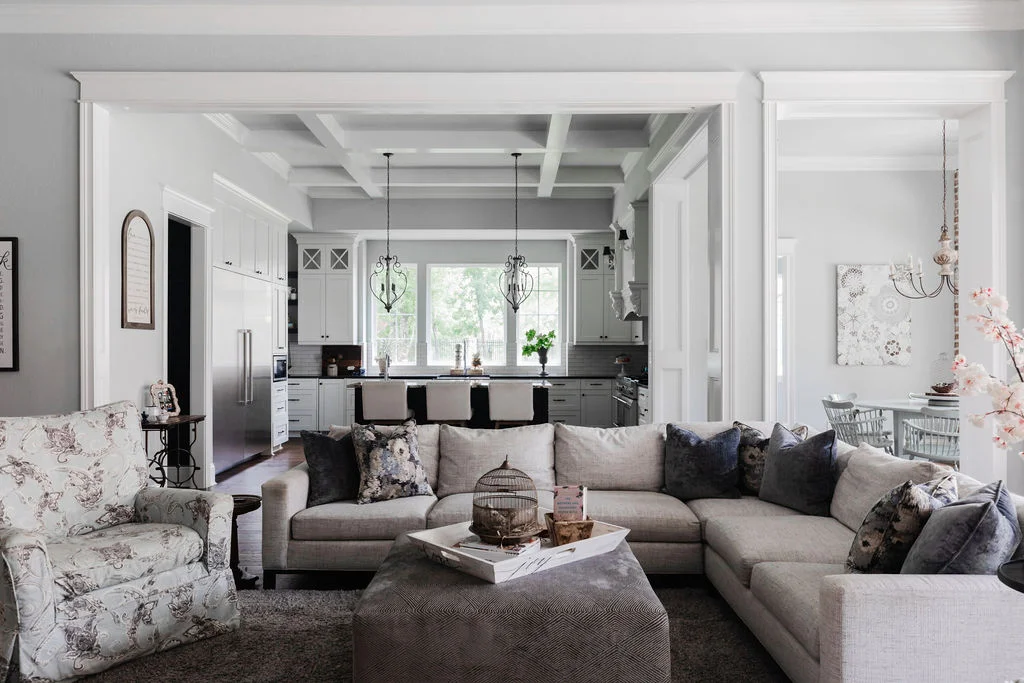
Portfolio review separates serious evaluation from casual browsing. Anyone can create impressive website galleries with professional photography and favorable angles. Your job is determining whether those images represent consistent capability or cherry-picked highlights.
What to Look for in Portfolio Photos and Project Documentation
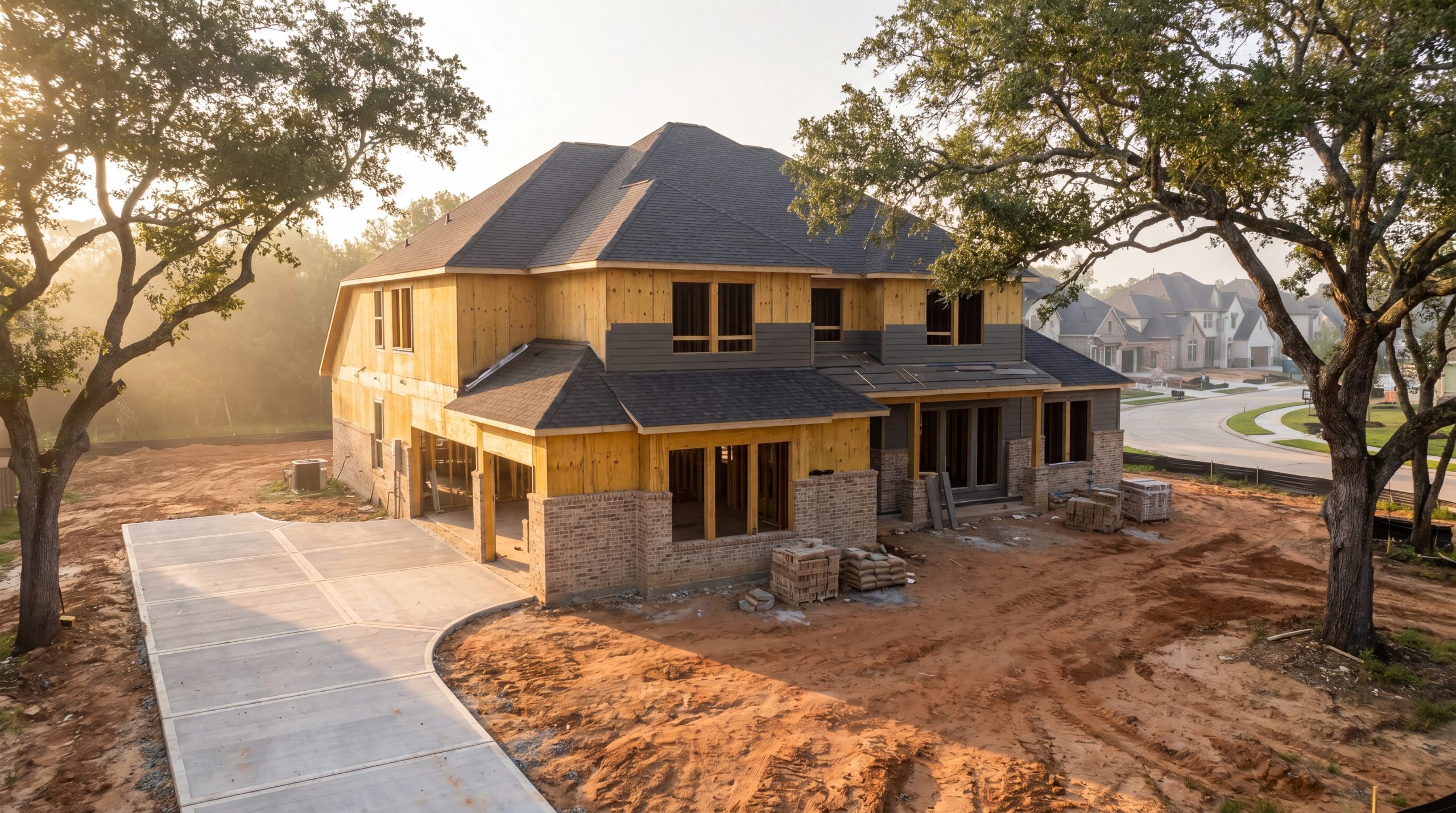
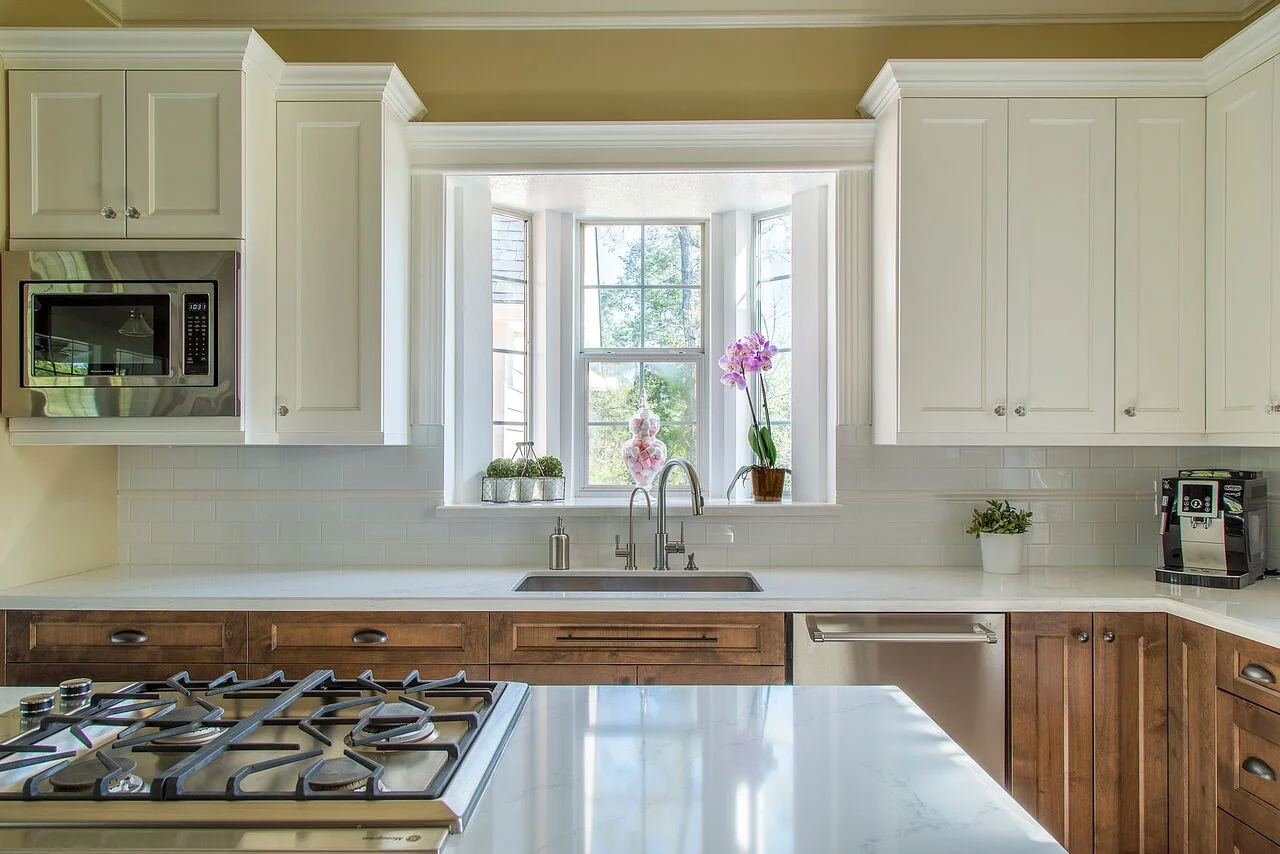
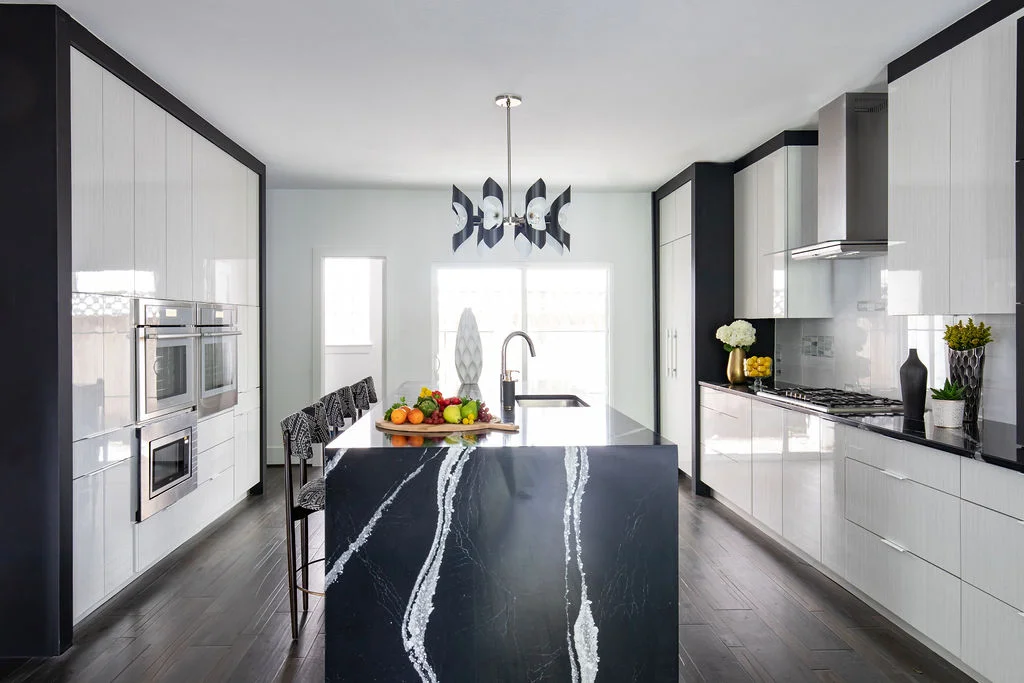
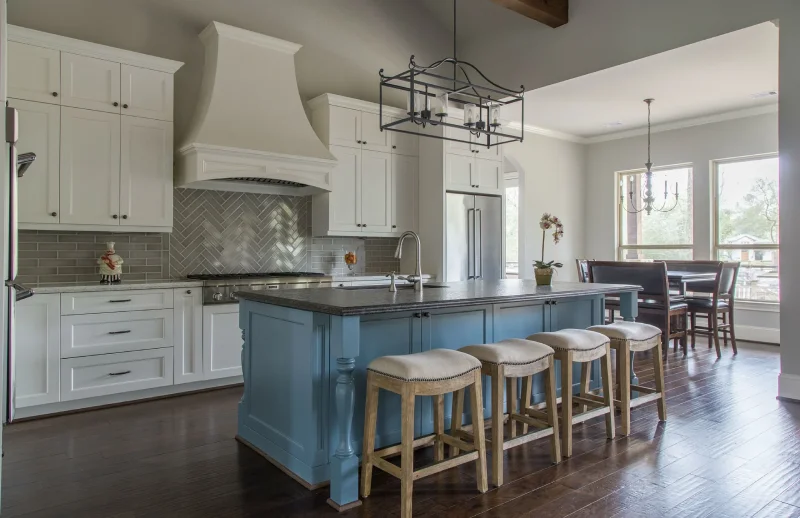
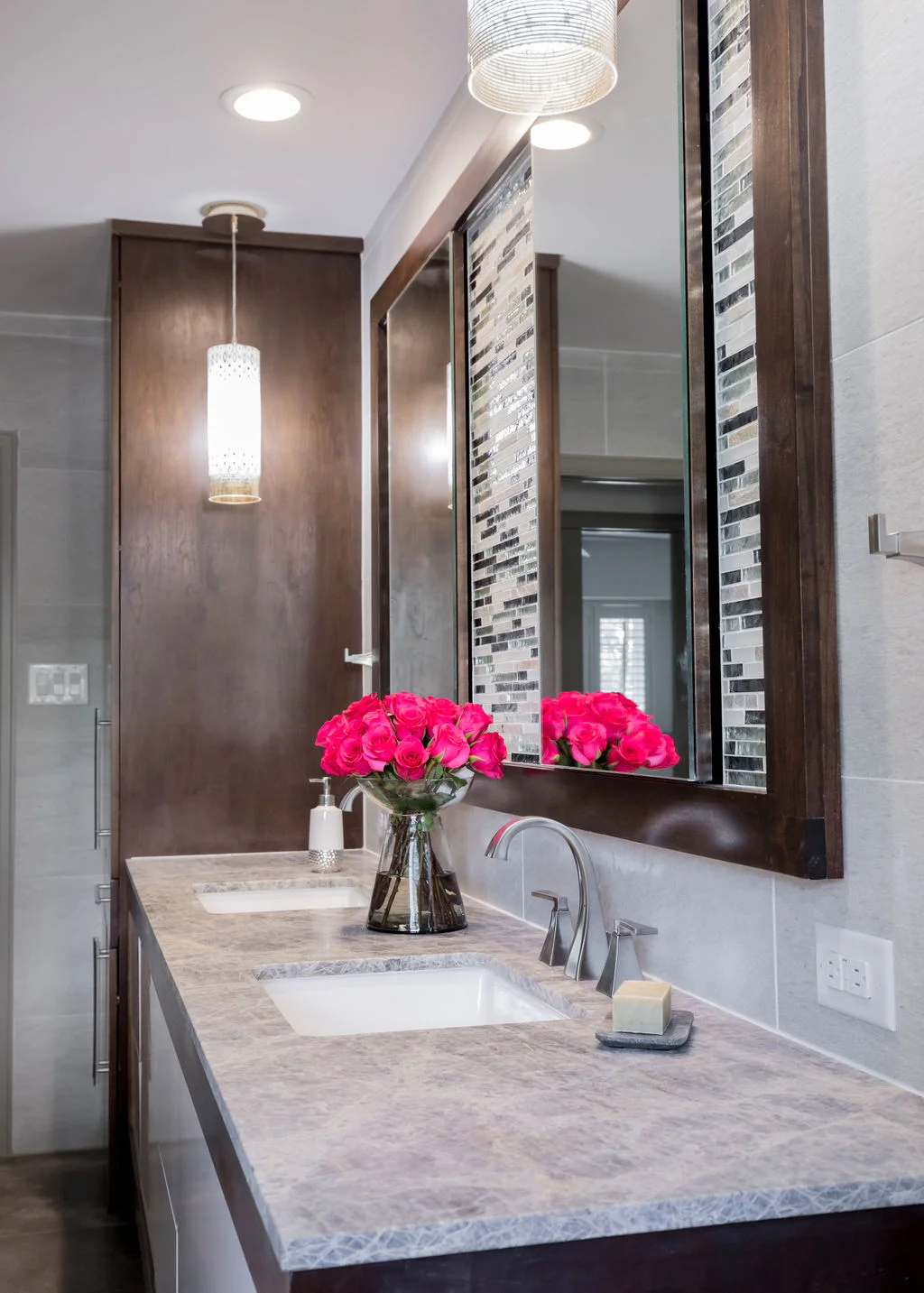
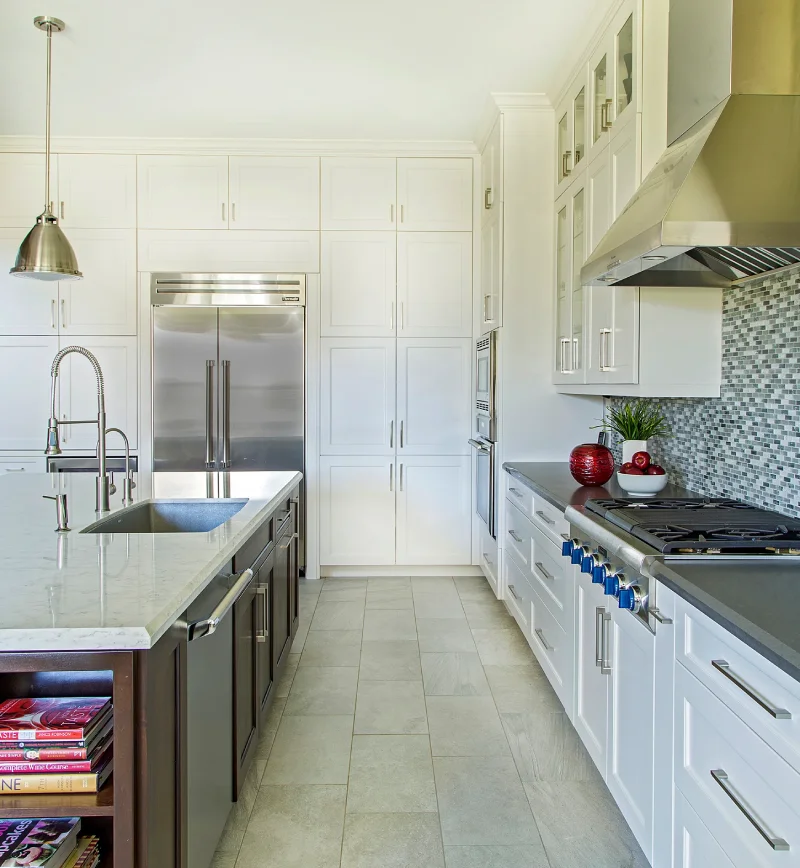
Start with project diversity. A strong portfolio shows range across architectural styles—traditional, modern farmhouse, contemporary, Texas Hill Country—and various complexity levels. Look for evidence they've handled challenging sites: sloped lots, heavily wooded acreage, properties requiring extensive drainage engineering. If every project looks similar, the builder may have limited design capability.
Pay attention to documentation quality. Builders who photograph extensively throughout construction demonstrate pride in their process. Before-and-after site photos show how they handle raw land. Progress documentation reveals construction quality at stages you'll never see once drywall covers the framing.
How to Conduct Effective Reference Calls
References matter more than most buyers realize. Request at least five references—industry professionals recommend speaking with a minimum of three before making final decisions. Ask specifically for clients with projects similar to yours in scope, budget range, and complexity.
When you call, ask targeted questions: How did the builder handle unexpected challenges? Were there cost overruns, and how were they communicated? Would you hire them again without hesitation? The enthusiasm (or hesitation) in responses tells you more than rehearsed answers.
Visiting Completed Homes and Active Job Sites
Request permission to drive by completed homes. Website photos show design intent; in-person viewing reveals execution quality and how homes age. Look at landscape integration, exterior material conditions, and overall curb appeal after several years.
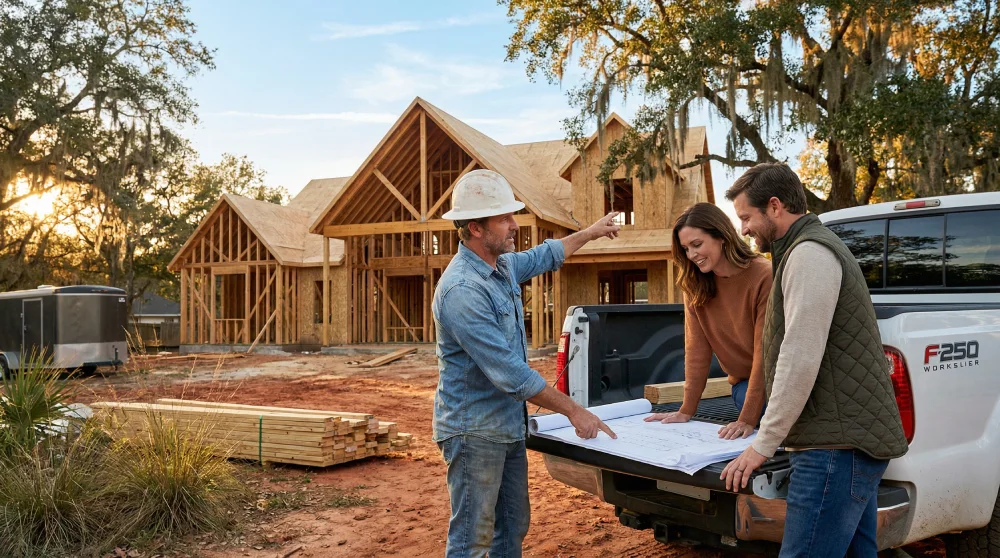
If possible, visit an active job site. Observe organization, cleanliness, and how workers interact. A well-managed site reflects the builder's operational standards. Chaos on-site typically translates to problems in your project.
Essential Questions to Ask Custom Home Builders Before Signing
Ask custom builders about their experience with local soil conditions and foundation engineering, their change order process and how costs are communicated, expected timeline with milestone markers, subcontractor management practices, warranty coverage details, communication frequency and methods, and how they handle permitting and HOA approvals. Document all answers in writing before signing any contract.
The interview process determines whether this builder can deliver what you need. Generic questions get generic answers. Specific questions reveal true capability and potential problems. For comprehensive guidance, reference NAHB's consumer guide to choosing a home builder.
Questions About Technical Expertise and Local Experience
"How do you engineer foundations for Houston's expansive clay soils?" Any experienced local builder should immediately discuss soil testing, pier systems, and moisture management. Vague answers suggest they'll outsource this critical element—or worse, use inadequate standard solutions.
"Walk me through your permitting process for acreage properties in Montgomery County." You want to hear specifics about septic permits, well drilling requirements, and typical approval timelines. Builders unfamiliar with local processes create costly delays.
"What's your experience with our specific HOA's architectural review committee?" Even builders with strong local presence may lack experience with your community's requirements. Previous approvals demonstrate familiarity with specific design guidelines.
Questions About Budget, Timeline, and Communication
"How do you handle change orders, and what's your historical average for cost changes between contract and completion?" Transparent builders acknowledge that some changes are inevitable and explain their documentation process. Evasive answers signal potential budget problems.
"What's your realistic timeline for a project like ours, and what milestones will mark progress?" Experienced builders break projects into phases with specific duration ranges. Overly optimistic timelines—or inability to articulate phases—indicate poor planning.
"How will we communicate during the project, and how often?" Establish expectations for update frequency, site meetings, and contact availability. The best technical builder creates frustration if communication fails.
Questions About Warranties and Post-Construction Support
"What does your warranty cover, and for how long?" Industry standards typically include one year for workmanship, two years for systems, and ten years for structural elements. Ask specifically about how warranty claims are handled.
"What happens if we discover issues after move-in?" You want a clear process, not vague assurances. Established builders have systematic approaches for warranty service.
The key takeaway is this: document every answer. Verbal promises mean nothing when disputes arise months into construction.
Understanding Design-Build vs. Traditional Builder Models
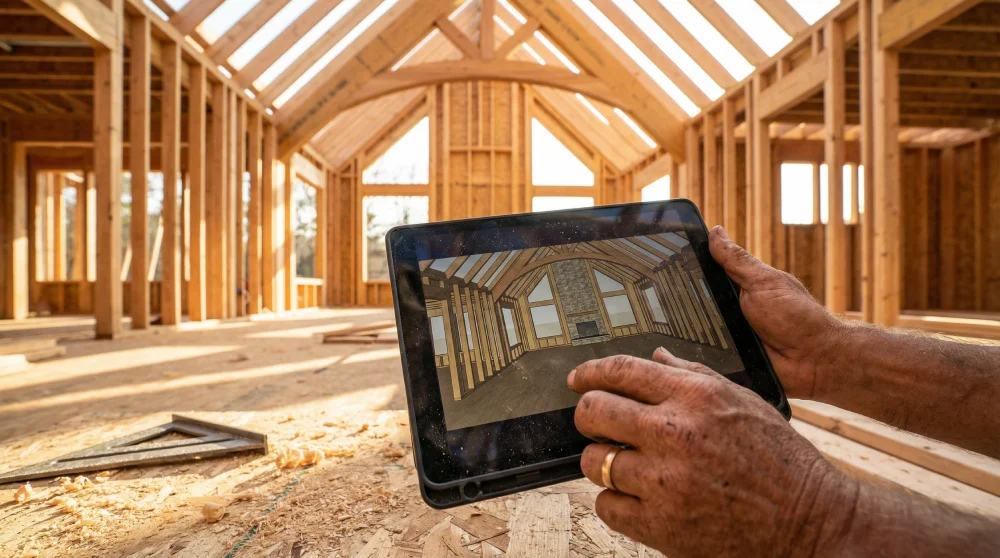
Design-build firms provide both architectural design and construction under one contract, offering streamlined communication and single-point accountability. Traditional models separate architect and builder, potentially offering more design flexibility but requiring homeowner coordination. Design-build typically reduces change orders and timeline delays by resolving design decisions through visualization before construction begins.
This decision fundamentally shapes your building experience. Neither approach is universally superior—but one likely fits your situation better.
The main difference between design-build and traditional models comes down to accountability and coordination. In the traditional model, you hire an architect to create plans, then separately hire a builder to construct them. When problems emerge—and they always do—you're caught between two professionals pointing fingers. The architect says the builder deviated from plans. The builder says the plans were impractical. You pay for the resolution either way.
Design-build integration eliminates that dynamic. A single firm handles both design and construction under one contract. When issues arise, there's one point of accountability. More importantly, the builder's construction expertise informs design decisions from day one. That foundation beam that would require expensive special engineering? The design team knows before finalizing plans, not after you've paid for architectural revisions.
Research shows design-build delivery typically reduces change orders compared to traditional methods. The reason is simple: when the people building the home also designed it, they've already resolved constructability issues. 3D renderings and detailed visualizations let you experience spaces before committing to construction—catching expensive mistakes when they cost nothing to fix.
Traditional models offer advantages for some buyers. If you have a specific architect whose aesthetic you want, hiring them separately preserves that vision. Complex or unusual designs sometimes benefit from dedicated architectural focus. And some buyers simply prefer keeping design and construction responsibilities separated.
For most Magnolia families building their first custom home, design-build offers meaningful advantages: simplified communication, clear accountability, and integrated problem-solving that reduces surprises.
Red Flags and Warning Signs When Vetting Custom Builders
Red flags when vetting custom builders include reluctance to provide references, pressure to sign quickly, unusually low bids, no physical office or business address, lack of proper licensing and insurance documentation, poor online reviews or BBB complaints, and unwillingness to put details in writing.
Here's the thing: most builder horror stories share common warning signs that buyers either missed or ignored. Recognizing these patterns protects your investment.
Reluctance to provide references tops the list. Every successful builder has satisfied clients willing to speak positively. Excuses about "client privacy" or offering only pre-screened references suggest problems they're hiding.
Pressure to sign quickly signals desperation or deception. Legitimate builders understand custom homes require careful decision-making. High-pressure tactics often accompany bait-and-switch pricing or attempt to prevent comparison shopping.
Unusually low bids rarely mean you've found a bargain. Custom construction has relatively predictable cost ranges in any market. Bids significantly below competitors typically rely on cutting corners, using inferior materials, or planning change orders to recover margin later.
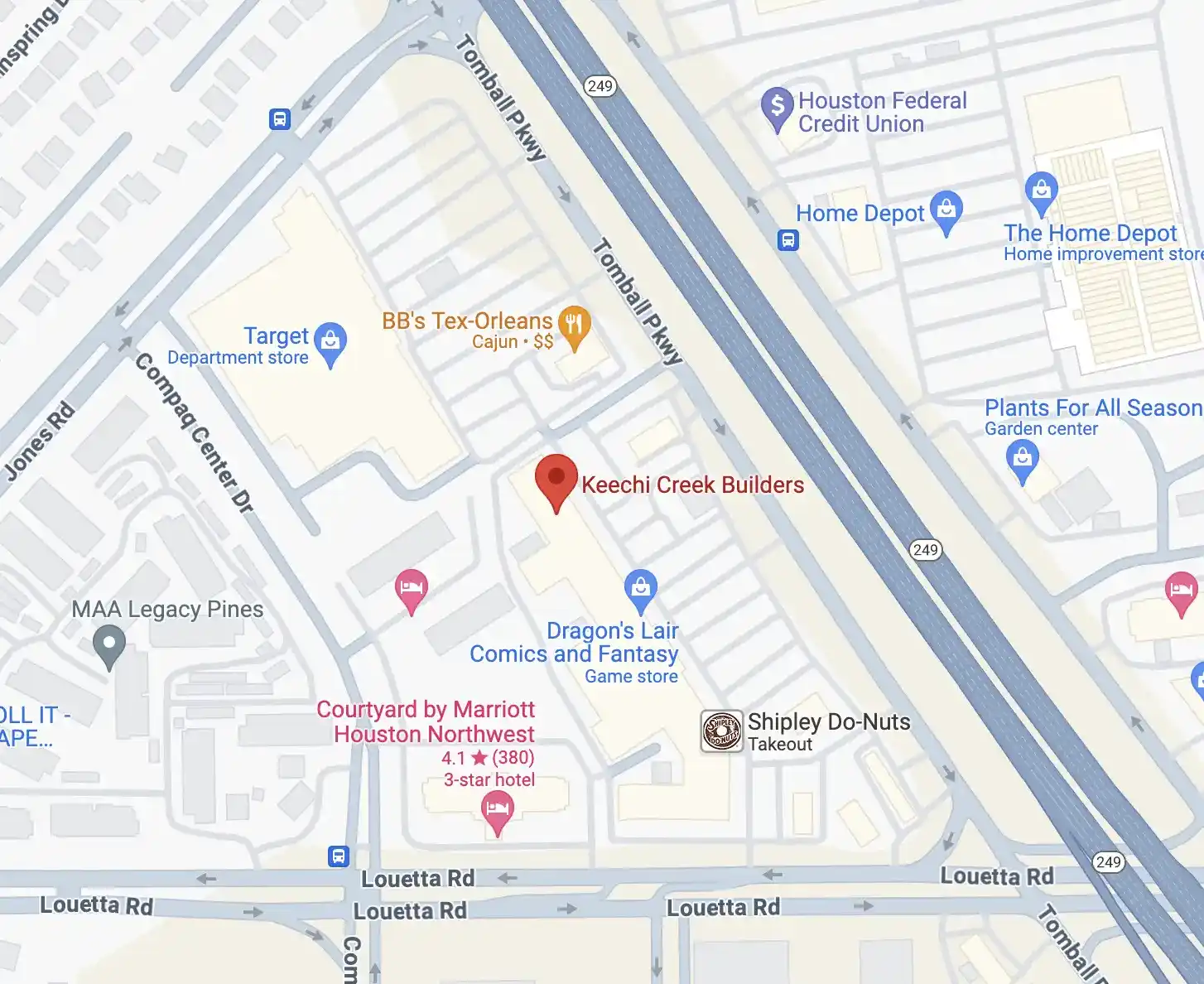
No physical business presence raises serious concerns. Legitimate custom builders maintain offices, storage facilities, or showrooms. Builders operating from personal phones and residential addresses often lack the infrastructure—and stability—your project requires.
Licensing and insurance gaps create catastrophic risk. Request copies of current licenses, liability insurance, and workers' compensation coverage. Verify with the issuing agencies. Uninsured builders expose you to liability for job-site injuries and leave you without recourse for faulty work.
Online review patterns reveal more than individual complaints. Every builder has occasional unhappy clients. Look for patterns: multiple complaints about communication, repeated cost disputes, or consistent timeline failures. Check BBB records for complaint volume and resolution.
Refusal to document commitments predicts future problems. Everything discussed should appear in contracts: specifications, allowances, timelines, communication protocols. Builders who resist documentation likely plan to deviate from verbal promises.
Trust your instincts. If something feels wrong during evaluation—evasive answers, dismissive responses, or pressure tactics—those behaviors only intensify once they have your deposit.
Key Takeaways
In summary, here are the essential points for choosing a custom home builder in Magnolia:
- Verify credentials systematically. Look for NAHB certifications (especially Graduate Master Builder), BBB ratings, and industry association memberships that demonstrate commitment beyond basic licensing requirements.
- Prioritize local expertise. Montgomery County's expansive clay soils, permitting processes, and HOA requirements demand builders with documented local experience—not firms learning your market on your project.
- Evaluate portfolios thoroughly. Review project diversity, visit completed homes in person, and contact multiple references with specific questions about communication, budget accuracy, and problem resolution.
- Ask detailed questions before signing. Document answers about foundation engineering, change order processes, timelines, warranties, and communication expectations—then verify those answers appear in your contract.
- Trust red flags immediately. Pressure tactics, unusually low bids, reference reluctance, and documentation resistance signal problems that only worsen once construction begins.
Frequently Asked Questions
How long should a custom home builder have been in business before I trust them?
Look for builders with at least ten years of continuous operation, though fifteen years or more provides stronger evidence of stability. The construction industry sees high failure rates in early years, so longevity demonstrates financial management, established subcontractor relationships, and proven project systems that newer firms haven't developed.
What certifications should I look for in a Magnolia custom home builder?
The Graduate Master Builder (GMB) designation from NAHB represents the industry's highest credential, requiring extensive training and continuing education. Also valuable are CGB (Certified Graduate Builder), CAPS (Certified Aging-in-Place Specialist), and CGP (Certified Green Professional). These certifications indicate voluntary investment in expertise beyond minimum licensing requirements.
How many references should I contact before choosing a builder?
Contact at least three to five references, focusing on clients who completed projects similar to yours in scope and budget. Ask specific questions about communication quality, budget accuracy, timeline adherence, and whether they would hire the builder again. Pay attention to enthusiasm levels—hesitation often signals problems not directly stated.
What's the difference between design-build and hiring an architect separately?
Design-build firms handle both architectural design and construction under one contract, providing single-point accountability and integrated problem-solving. Traditional approaches separate architect and builder, potentially offering more design flexibility but requiring you to coordinate between two parties and resolve conflicts when they disagree about plans or execution.
How can I verify a builder's licensing and insurance?
Request copies of current contractor licenses, general liability insurance, and workers' compensation coverage directly from the builder. Then verify independently: contact the Texas Department of Licensing and Regulation for license status and call insurance companies to confirm policies remain active and adequate for your project size.
Your Path to a Successful Custom Home Project
The key takeaway is this: choosing a custom home builder in Magnolia isn't about finding the lowest price or the most impressive website—it's about systematic evaluation of credentials, local expertise, and proven performance. The builder who demonstrates all these qualities has earned the trust your project demands.
We understand this decision feels overwhelming. With over 17 years building custom homes in Montgomery County and 200+ completed projects throughout the Magnolia area, we've guided hundreds of families through exactly this process. If you're ready to explore what a design-build partnership looks like, we invite you to view our portfolio of completed homes or schedule a conversation about your vision—no pressure, just honest answers to your questions.