Imagine you're a Roman engineer, deciding on the best marble for the emperor's bath. Today, you're not dealing with marble, but the principle is the same. You're planning a pool and need to choose the right materials and equipment. You'll consider concrete, vinyl, or fiberglass for the structure, and pumps, filters, heaters, and lights for functionality. But how do you know what's best? Let's explore this together, and by the end, you'll have the knowledge to make informed decisions, ensuring your pool is not just a splash, but a long-lasting investment.
Key Takeaways
- Pool design should focus on functionality, aesthetics, safety, maintenance costs, and environmental considerations.
- Essential pool materials include durable and slip-resistant pool shell and deck materials, with appropriate waterproofing and finishing.
- Pool equipment selection should balance longevity, energy efficiency, and cost, with a focus on low-maintenance options.
- Ensuring pool safety and efficient maintenance involves quality filtration systems, safety features, rescue equipment, and meticulous water management.
Understanding Pool Design Basics
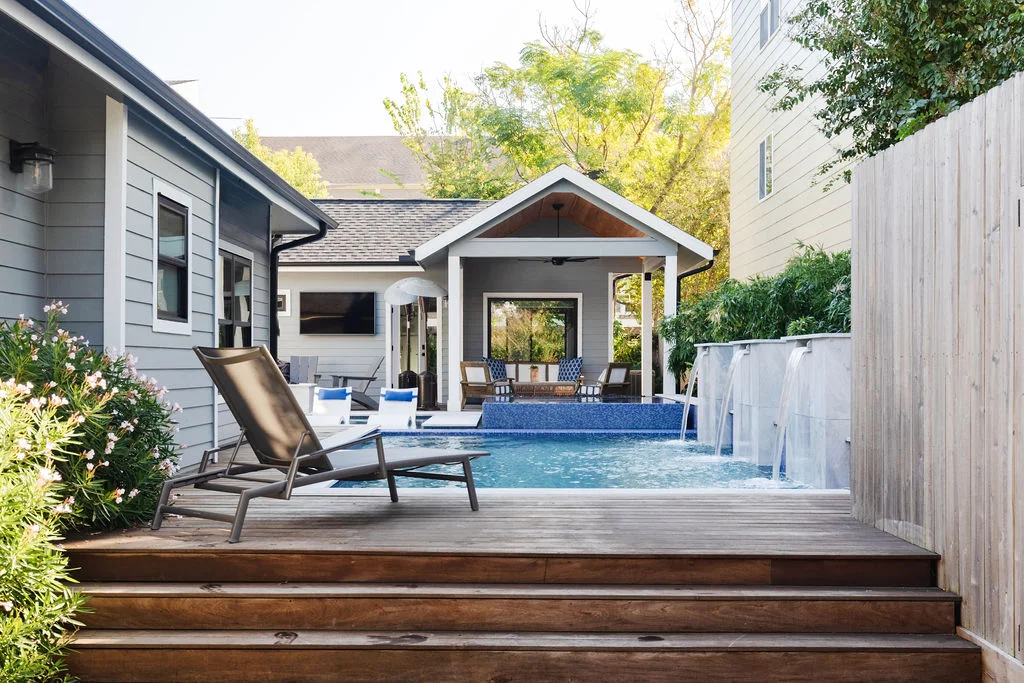
Diving into the basics of pool design, you need to grasp key elements such as shape, size, and placement, which play pivotal roles in crafting the perfect pool for your space. Pool Shapes, for instance, aren't merely about aesthetics; they should adapt to your yard's contours and your lifestyle. If you're into fitness, a rectangular design is suitable for laps. For a family-centric pool, kid-friendly shapes with gentle curves are ideal.
Next, consider your Pool Depths. It's not just a random choice; it correlates with your pool's purpose. For a family pool, you'd want a gradual depth transition, while for diving, a minimum depth of 8 feet is necessary. Remember that the depth will also impact the pool's total volume, thus affecting its maintenance cost.
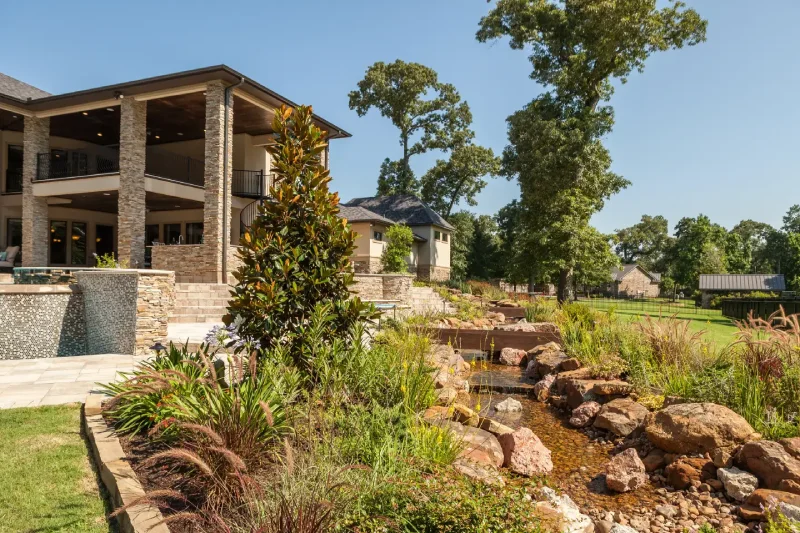
Lastly, the pool's placement is crucial. It should harmoniously blend with your landscape and provide easy access without compromising safety. You also need to consider sun exposure, wind direction, and proximity to trees.
Essential Pool Building Materials
Choosing the right building materials is a critical step in the pool construction process, as they dictate the durability, aesthetics, and maintenance requirements of your pool. Waterproofing techniques are crucial in ensuring the longevity of your pool. Materials like concrete, vinyl, or fiberglass are typically used for the pool shell, each having its own strengths and weaknesses.
Concrete offers flexibility in design and size but requires regular maintenance. Vinyl is less expensive and easier to install, but not as durable or customizable. Fiberglass, while pricier, requires less maintenance and has a longer lifespan.
For the pool deck, materials need to be slip-resistant and withstand constant exposure to water and chemicals. Options include concrete, natural stone, and pavers.
The interior finish, which adds to the aesthetic appeal, is usually made from plaster, tile, or aggregate finishes. Plaster is a traditional choice but prone to staining and discoloration. Tiles are more durable and offer various design options, while aggregate finishes are robust and provide a luxurious look.
Choosing the Right Pool Equipment
In the journey of creating your perfect pool, selecting the right equipment plays a pivotal role in ensuring its optimal functionality and longevity. Equipment longevity and energy efficiency should be at the forefront of your decision-making process. Your aim should be to invest in equipment that is built to last, reducing the frequency of replacements and repairs.
Energy efficient equipment is not only environmentally friendly but also cost-effective in the long run. Pool pumps, heaters, and lighting are areas where energy efficiency can make a significant impact. Look for pool pumps that are variable-speed, as they consume less energy than single-speed pumps. Similarly, opt for LED pool lights which use less energy compared to traditional incandescent lights.
Furthermore, ensure that the equipment is suited to the size and type of pool you're installing. For instance, the pump and filter system should be proportionate to the pool's volume. Also consider the equipment's maintenance requirements, as low-maintenance equipment saves time and money.
Choosing the right pool equipment is a careful balance of cost, energy efficiency, and equipment longevity. It's a complex task, but the payoff is a pool that not only looks great but runs optimally for years to come. Selecting equipment that aligns with innovative custom pool designs ensures that your pool functions seamlessly while complementing its unique aesthetic. Advanced technologies, such as energy-efficient pumps and smart automation systems, can further enhance your pool's performance while minimizing environmental impact. Investing in high-quality components today can save you money in the long run through reduced maintenance and operational costs.
Importance of Quality Filtration Systems
As you continue your pool design journey, it's crucial to understand that a quality filtration system plays a significant role in maintaining the cleanliness and overall health of your pool. The filtration system types you select can considerably influence your pool's functionality, aesthetics, and eco-friendliness.
Several reasons underscore why a top-quality filtration system is a must-have:
- It screens out debris, maintaining the pool's cleanliness and enhancing its aesthetic appeal.
- It inhibits the growth of algae, preventing the pool from turning green.
- It improves water circulation, preventing stagnant water and promoting the health of pool users.
- Eco friendly filters use less water and energy, reducing your environmental footprint.
- A well-functioning filtration system can extend your pool's lifespan, saving you from frequent high-cost repairs.
Lighting and Heating Options
Now let's delve into the myriad of options available for pool lighting and heating, two crucial elements that can dramatically enhance your swimming experience.
When it comes to lighting, innovative techniques can transform your pool into a nighttime oasis. LED lights, for instance, offer a rainbow of colors and are energy efficient solutions. Fiber optics, another option, create captivating underwater light shows. Beyond aesthetics, proper lighting also increases visibility for evening swims, enhancing your safety.
For heating, solar pool heaters are gaining popularity as an environmentally friendly and cost-effective solution. These systems convert sunlight into heat, maintaining a comfortable swimming temperature without a significant impact on your energy bills. Heat pumps, another energy-efficient option, operate by extracting heat from the air, reducing your carbon footprint.
In-floor heating systems provide another option. They not only heat the water but also help distribute pool chemicals evenly, offering you a dual benefit.
Safety Equipment for Pools
Beyond the aesthetics and comfort, prioritizing safety equipment is paramount when designing a pool, ensuring you can enjoy your swim without a worry in the world. Creating a safe environment entails considering childproof measures and lifeguard essentials.
We've outlined a few crucial components you should incorporate:
- Pool Fencing: An essential childproof measure, pool fences prevent unsupervised access, reducing the risk of accidental drownings.
- Pool Alarms: These devices alert you when there's unexpected water disturbance, offering an extra layer of security.
- Safety Covers: These prevent accidental falls into the pool when it's not in use.
- Rescue Equipment: Lifeguard essentials like life rings, rescue tubes or poles are vital for immediate response to emergencies.
- First Aid Kit: A stocked first aid kit should be readily available to handle minor injuries or medical emergencies.
Maintenance Tools for Pool Upkeep
Having addressed the importance of safety measures, it's equally critical to equip yourself with the right tools for regular pool maintenance to ensure your swimming pool remains clean, safe, and inviting.
One of the key aspects of pool maintenance is mastering chemical balancing techniques. Regular testing and adjusting of your pool's pH, alkalinity, and sanitizer levels are crucial. This not only keeps the water crystal clear, but also prevents harmful bacteria and algae from blooming.
In addition to basic tools such as telescopic poles, leaf skimmers, and pool brushes, innovative cleaning gadgets can significantly ease your maintenance routine. Automatic pool cleaners, for instance, navigate around your pool, picking up debris and scrubbing surfaces. Robotic cleaners, in particular, are programmable, energy-efficient, and capable of cleaning the pool floor, walls, and waterline.
Also, consider investing in a high-quality pool cover. It reduces evaporation, keeps debris out, and can help maintain balanced water chemistry.
Frequently Asked Questions
What Are the Expected Costs of a Complete Pool Design and Construction Project?
You'll find that costs can vary greatly, depending on design and materials. Consider financing options to manage the expense. Don't forget, pool maintenance is an ongoing cost you'll need to factor into your budget.
How Long Does It Typically Take to Design and Construct a Pool?
Typically, it'll take about 6-10 weeks to design and construct a pool, but it can vary due to pool maintenance needs and seasonal considerations. Always consult with your pool contractor for a specific timeline.
What Are the Legal Requirements or Permits Needed for Pool Construction?
You'll need to comply with local zoning regulations and safety standards for pool construction. Permits ensure your design meets these rules. It's crucial to get these sorted before you start digging your pool.
What Are Some Innovative Pool Design Trends in 2022?
You're seeing smart lighting options and interactive water features dominate 2022's pool design trends. They're boosting aesthetic appeal while adding fun, functionality, and energy efficiency to modern pool designs.
How Can I Make My Pool Eco-Friendly?
You can make your pool eco-friendly by incorporating solar heating and natural filtration systems. Solar panels harness sun's energy for heating, and natural filters reduce chemical use, promoting healthier swimming conditions.