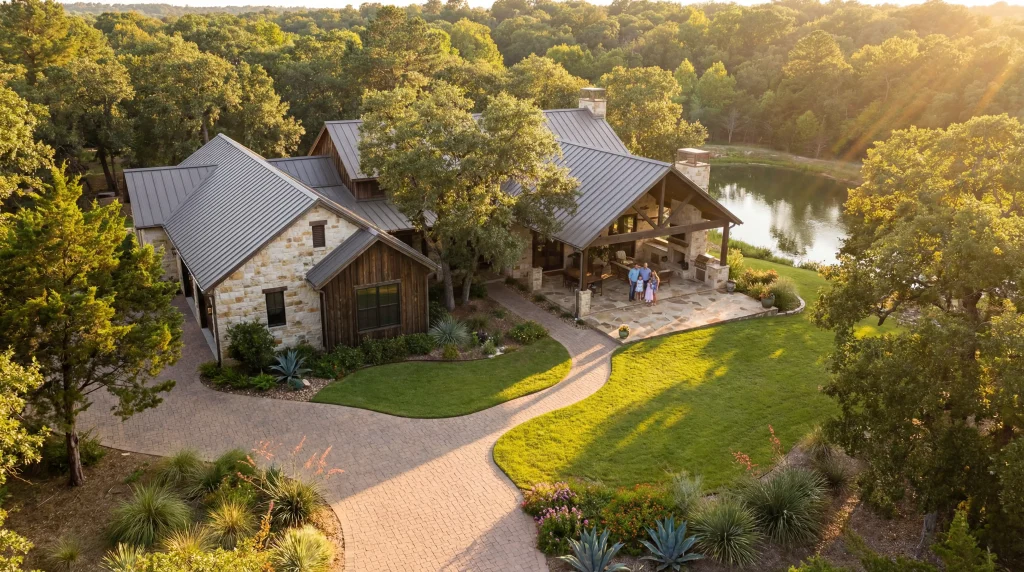
Magnolia, Texas occupies a unique position in the Greater Houston residential market, combining rural character with commutable proximity to employment centers in The Woodlands, Tomball, and northwest Houston.
According to the U.S. Census Bureau, Magnolia's population growth reflects broader trends in exurban migration—families seeking more space per dollar without sacrificing school quality or highway access. The FM 1488 corridor and State Highway 249 (Aggie Expressway) provide direct routes to I-45 and Grand Parkway 99, connecting residents to The Woodlands Town Center in under 25 minutes.
Here's the thing most relocation guides skip: Magnolia isn't one market. It's several distinct micro-markets defined by lot size, HOA structure, and builder requirements.
| Community Type | Typical Lot Size | Price Range | Custom Building? | HOA Restrictions |
|---|---|---|---|---|
| Master-Planned | 50-80 ft wide | $300K-$650K | Limited to approved builders | Moderate to strict |
| Estate/Acreage | 0.5-2+ acres | $500K-$1.5M+ | Full custom allowed | Minimal to none |
| Rural Unincorporated | 2-20+ acres | $400K-$2M+ | Full custom allowed | None |
That distinction matters. A family wanting 2,500 square feet in a community with pools and trails has different options than someone planning a 4,000-square-foot custom build on five wooded acres.
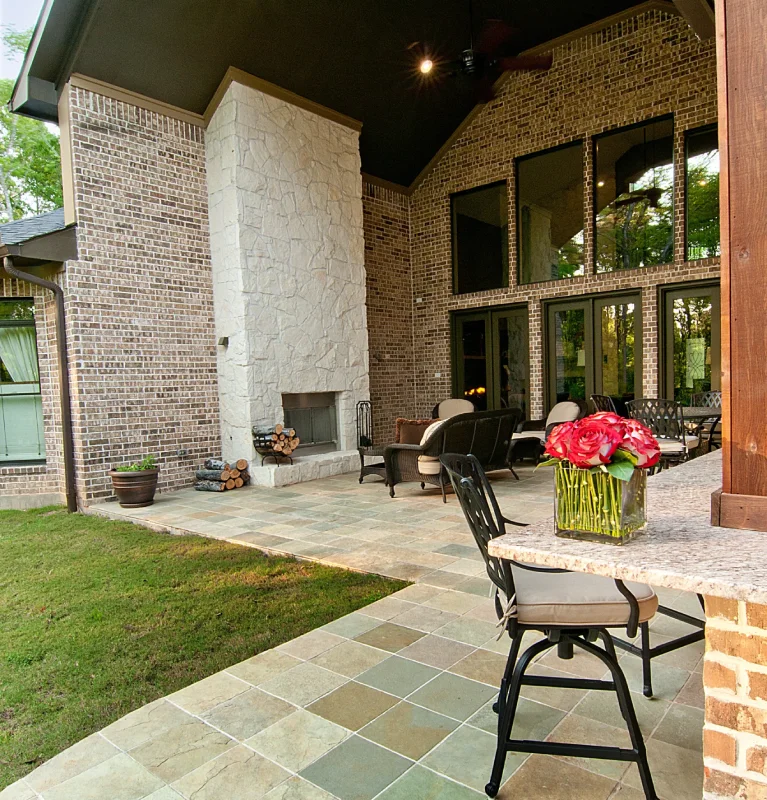
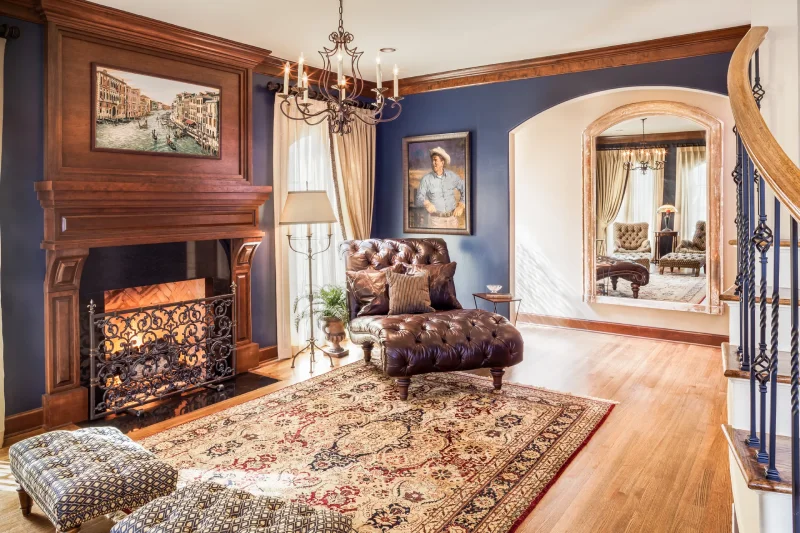
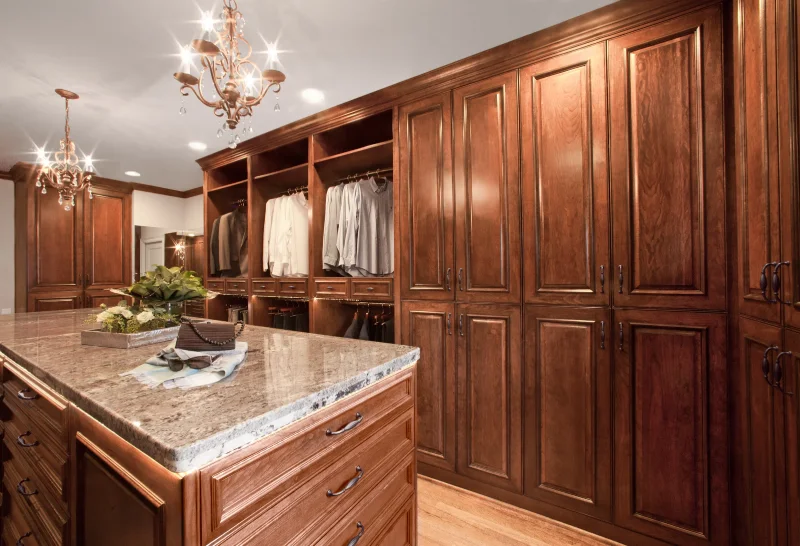
The residential communities in Magnolia span production-home neighborhoods to estate developments where buyers control every design decision—selecting their own custom home builder rather than choosing from developer-approved options.
Master-Planned Communities (Production/Semi-Custom):
Audubon, Northgrove, and Emory Glen represent the high-volume new construction market. Builders like Lennar, D.R. Horton, Century Communities, and Chesmar Homes offer homes from the mid-$200s to $700s with floor plan modifications rather than ground-up custom design. These communities feature resort-style amenities—pools, fitness centers, trails—and fall within Magnolia ISD boundaries.
Estate Communities (Full Custom):
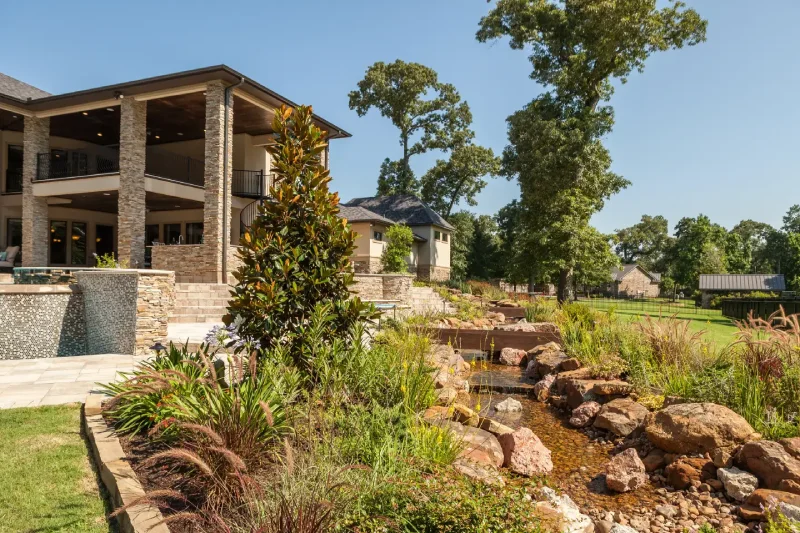
Magnolia Reserve, High Meadow Estates, and portions of Thousand Oaks support true custom construction. Half-acre to 1.5+ acre lots, minimal architectural restrictions, and the ability to bring any qualified builder create flexibility impossible in master-planned environments. Homes in these communities typically range from $600,000 to well over $1.5 million depending on size and finishes.
Why does this matter? If you're reading this, you probably aren't looking for a production home. The communities allowing full custom builds—where you select your own contractor, create original floor plans, and control every material specification—exist in Magnolia at a scale unavailable closer to Houston proper.
According to the Greater Houston Builders Association, Houston led the nation in 2024 with over 52,000 single-family building permits. Magnolia's unincorporated Montgomery County areas captured a meaningful share of that activity, particularly among buyers seeking acreage living with custom construction flexibility.
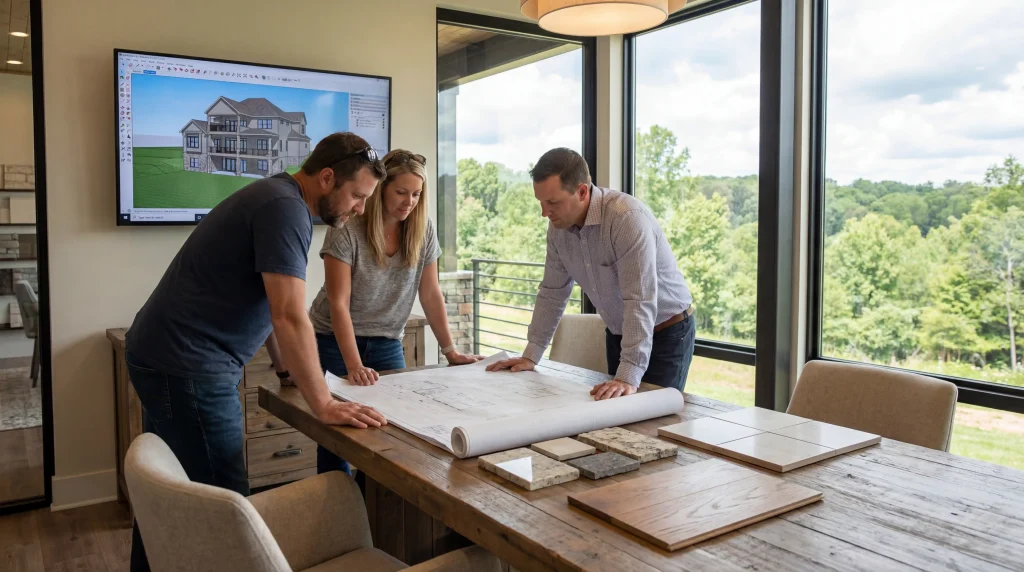
Building a custom home in Magnolia, Texas involves navigating a dual-layered regulatory environment that differs significantly from Houston city limits or deed-restricted suburbs.
Properties within incorporated Magnolia follow city building codes and permitting through the City of Magnolia Planning and Zoning office. However, the majority of Magnolia-area residential land falls within unincorporated Montgomery County, where county-level permits apply and additional infrastructure requirements emerge.
Sound complicated? Here's the practical breakdown.
Key Permitting Differences:
| Requirement | City of Magnolia | Montgomery County (Unincorporated) |
|---|---|---|
| Building Permit | City Planning & Development | Montgomery County Permit Office |
| Building Code | 2021 IRC | 2015 IRC |
| Septic System | OSSF permit if no sewer | Required for most lots |
| Water Well | City water available | Often required |
| Driveway Culvert | City Public Works | County Precinct Commissioner |
Most custom home projects on acreage require septic system installation ($15,000-$40,000 depending on soil and system type) and water well drilling ($8,000-$15,000+). These aren't optional—they're baseline requirements outside municipal utility districts.
The Texas Commission on Environmental Quality governs On-Site Sewage Facility (OSSF) requirements, and Montgomery County maintains its own OSSF department managing permit applications and inspections.
Here's what most guides won't tell you: experienced local builders view permitting navigation as a competitive advantage, not a burden. A custom home builder with established relationships at Montgomery County offices can often accelerate timelines by weeks compared to out-of-area contractors learning the system.
Houston's expansive clay soils don't stop at the city limits. The same geological conditions requiring specialized foundation engineering throughout Harris County extend into Montgomery County—including Magnolia's most desirable communities.
Expansive clay soils swell when wet and shrink when dry, creating seasonal ground movement that conventional foundations cannot accommodate. According to LJA Engineering, a regional firm specializing in geotechnical assessment, Montgomery County soils present particular challenges due to the transition zone between Gulf Coast clays and more stable sandy loam found further north.
Foundation Options for Magnolia Custom Homes:
The two primary foundation systems appropriate for Magnolia construction are post-tensioned concrete slabs and pier-and-beam foundations.
Post-tensioned slabs use high-strength steel cables tensioned after concrete curing, creating a unified structural system that moves with soil fluctuations rather than cracking under stress. This approach adds $10,000-$25,000 versus conventional slabs but prevents the repair costs—often exceeding $50,000—when foundations fail.
Pier-and-beam foundations drive piers 15-25 feet into stable soil strata below the expansive clay layer, supporting a structural beam system that isolates the home from surface-level soil movement. We've seen this approach save countless headaches for clients building on particularly active lots near creek beds or low-lying areas.
The geotechnical soil report—typically costing $1,500-$3,000—determines which approach makes sense for your specific lot. Any qualified structural engineer can interpret these reports, but builders with extensive Magnolia experience often identify potential issues faster based on neighborhood-level soil knowledge accumulated over years of local construction.
Custom home construction costs in Magnolia typically range from $200-$350 per square foot depending on finish level, with total project costs spanning $500,000 to $2 million or more. Land costs add $50,000-$300,000+ depending on acreage and location. Budget an additional $25,000-$60,000 for site preparation including septic, well, and lot clearing on undeveloped acreage.
Magnolia Independent School District serves the city of Magnolia and surrounding communities. The district includes Magnolia High School, Magnolia West High School, Bear Branch Junior High, and multiple elementary campuses. Magnolia ISD receives consistently strong ratings from Texas Education Agency accountability reports, making it a primary driver of family relocation to the area.
No. Master-planned communities like Audubon, Northgrove, and Emory Glen restrict construction to developer-approved builders. However, estate communities such as High Meadow Estates, Magnolia Reserve, and rural unincorporated acreage allow buyers to select their own custom home builder. Verify lot covenants before purchasing if custom construction flexibility is a priority.
Typical custom home projects require 10-16 months from contract to completion: 4-6 months for pre-construction (design, engineering, permitting, selections) and 6-10 months for active construction. Properties requiring septic installation, well drilling, and extensive lot preparation may add 4-8 weeks to the pre-construction phase.
Magnolia city limits use 2021 building codes, offer municipal water connections in some areas, and process permits through city offices. Unincorporated Montgomery County uses 2015 codes, typically requires septic systems and water wells, and routes permits through county offices. Neither approach is inherently better—they present different requirements and timelines.
Magnolia, Texas offers something increasingly rare in the Houston metro: the combination of established school quality, commutable location, and genuine custom building flexibility on meaningful lot sizes.
Whether you're considering a semi-custom production home in a master-planned community or a fully bespoke custom build on wooded acreage, the market supports both paths—provided you understand which neighborhoods align with your goals.
The families who thrive here typically share a common trait: they value space and design control over proximity and amenity convenience. If that describes your priorities, Magnolia deserves serious consideration.
For those ready to explore specific communities, evaluate builder options, or understand what your custom project might require, the next step is defining your parameters—lot size, budget range, must-have features—and visiting neighborhoods that match.