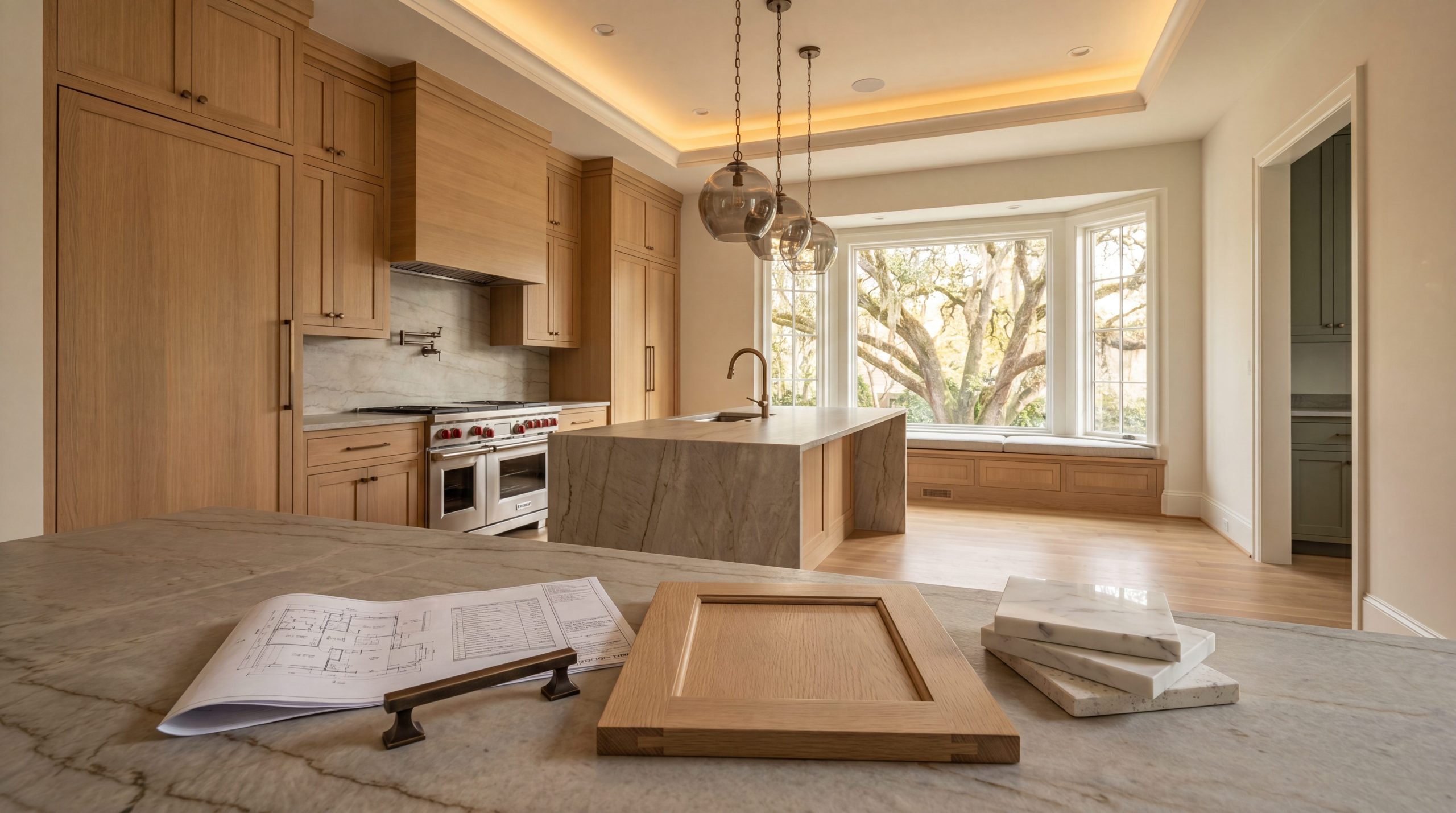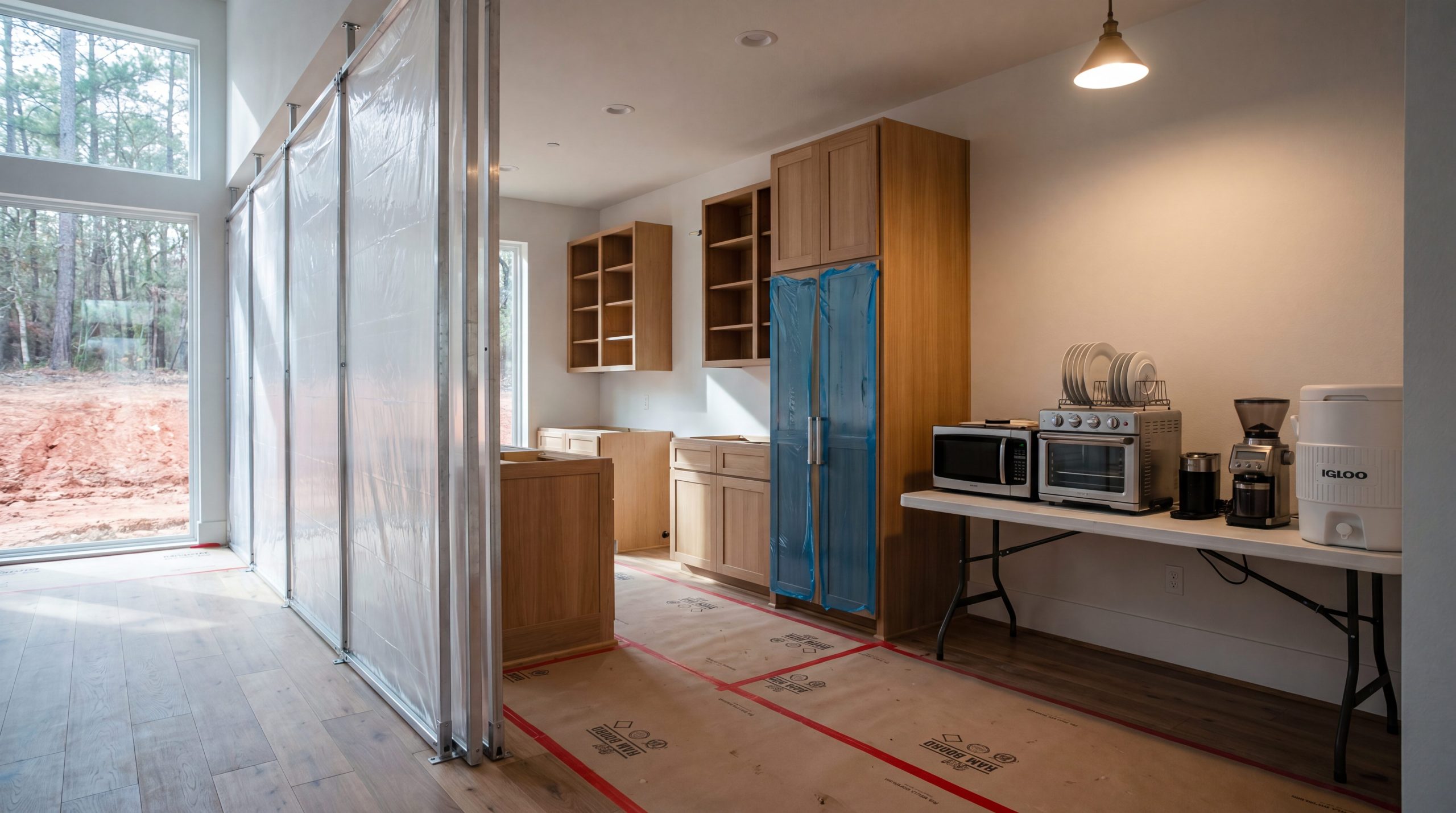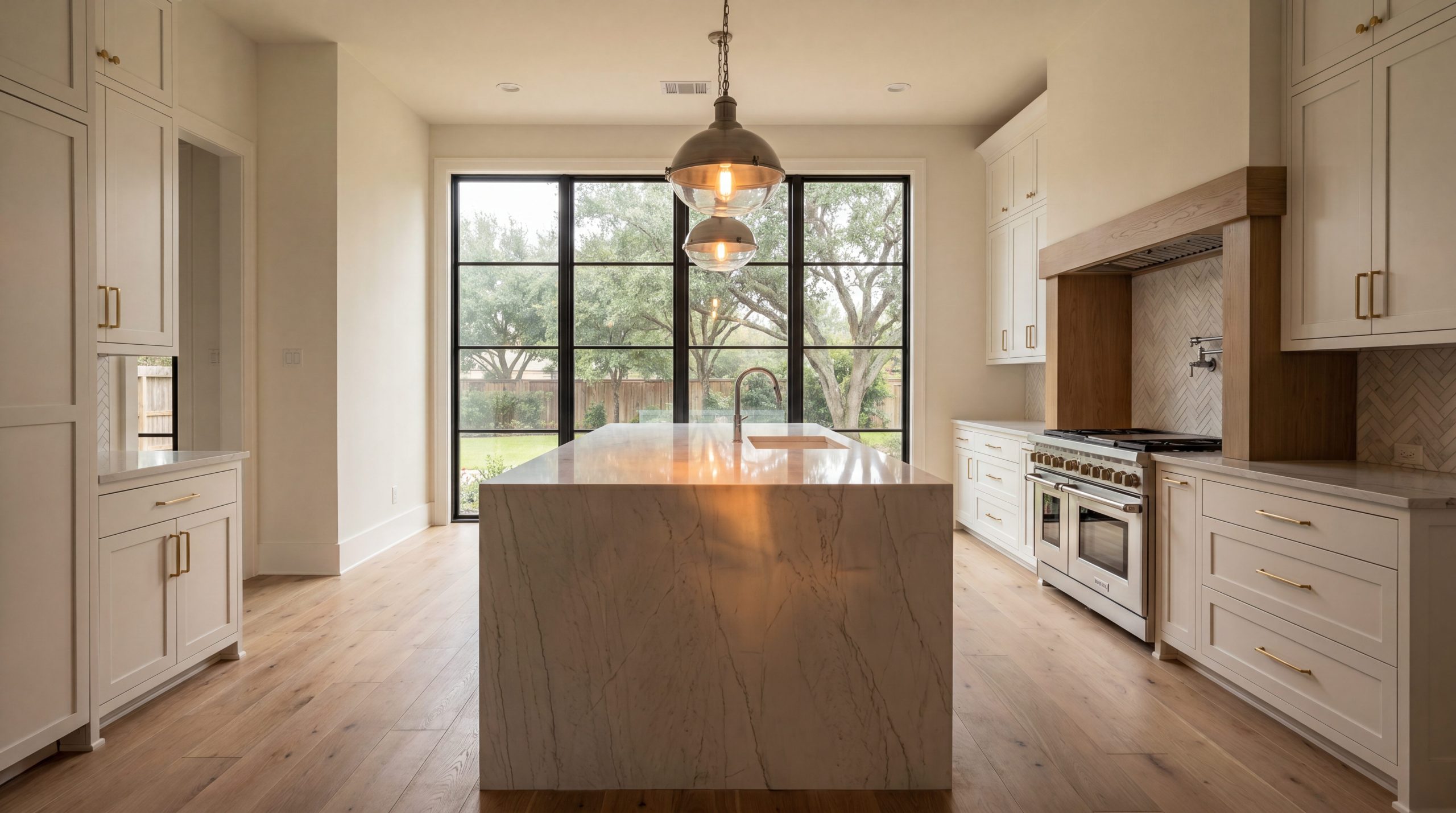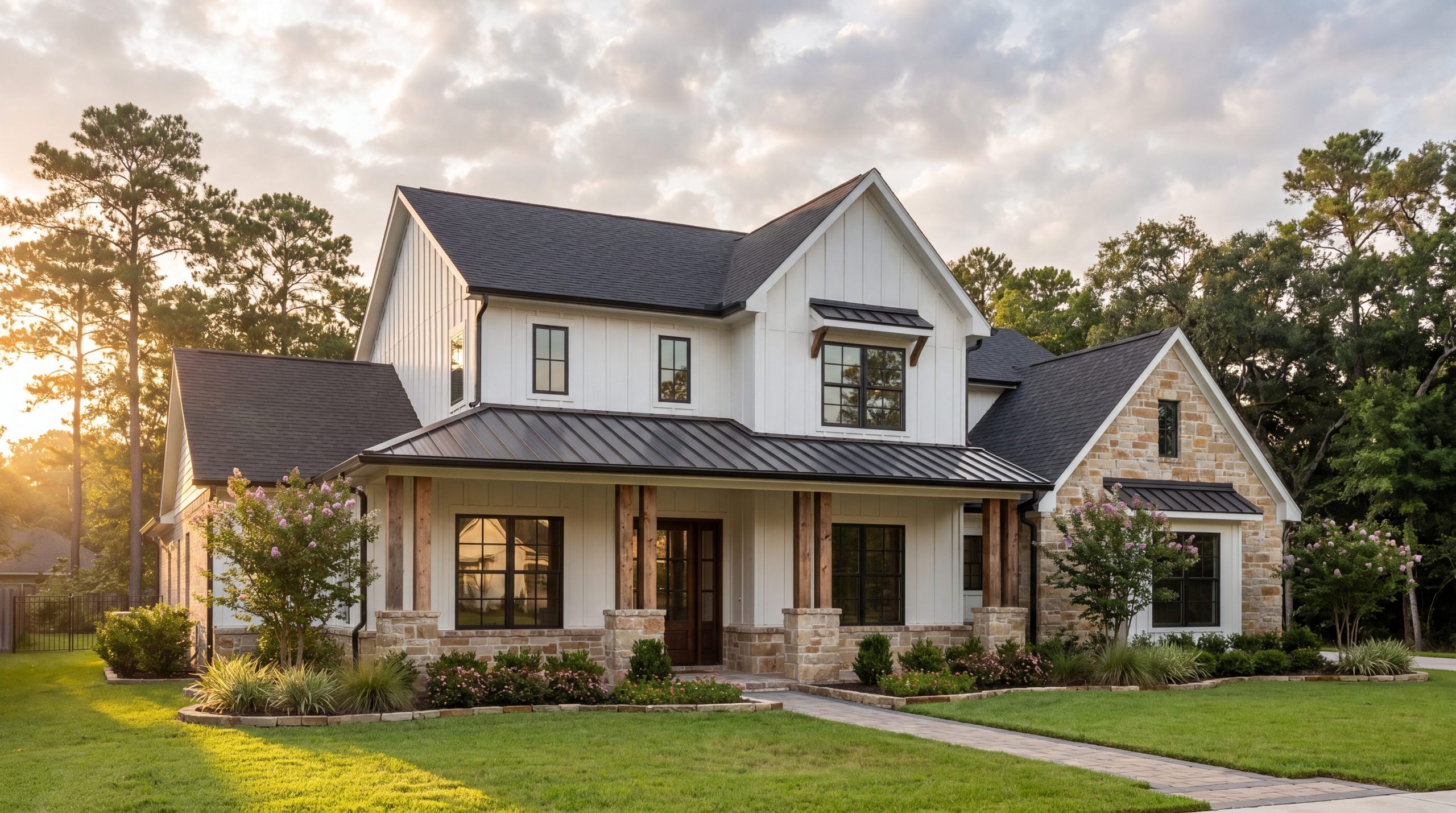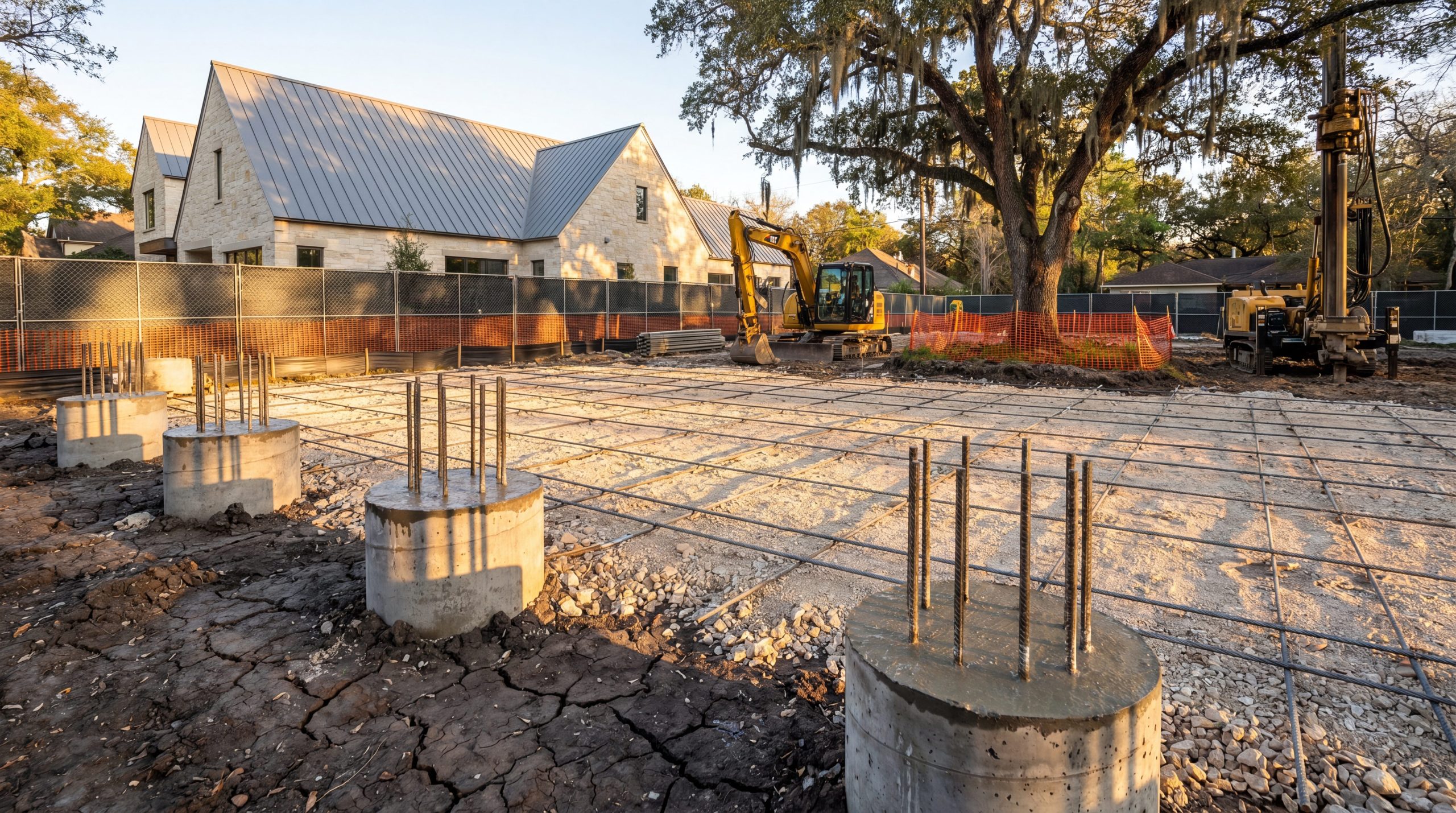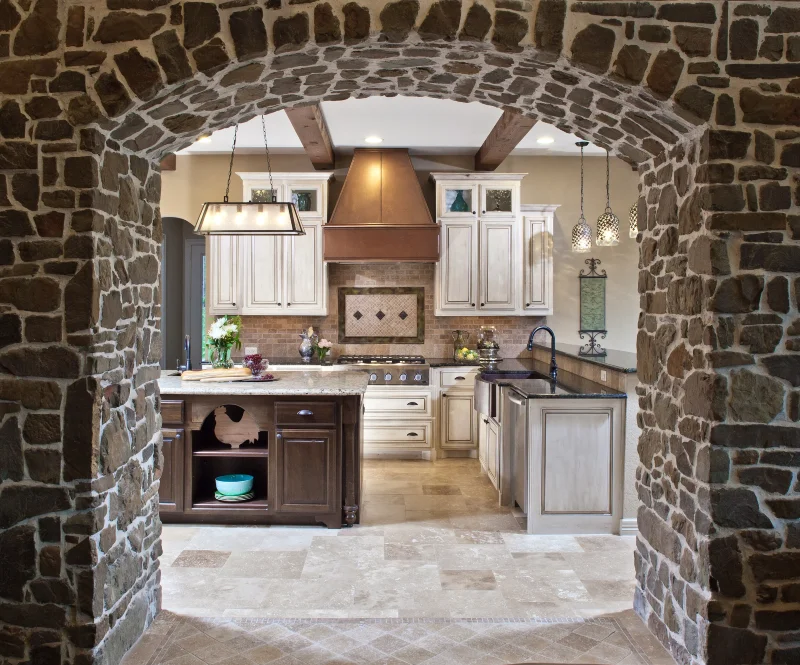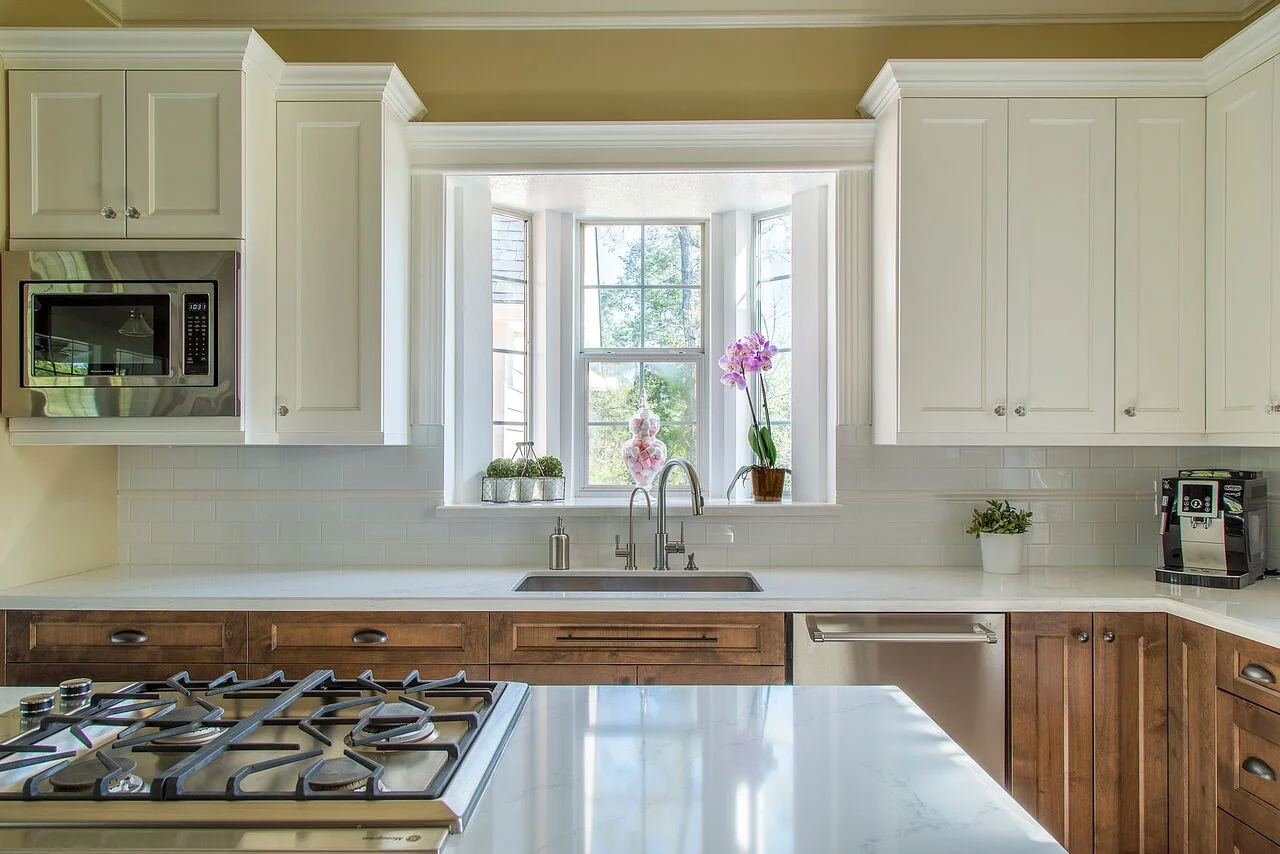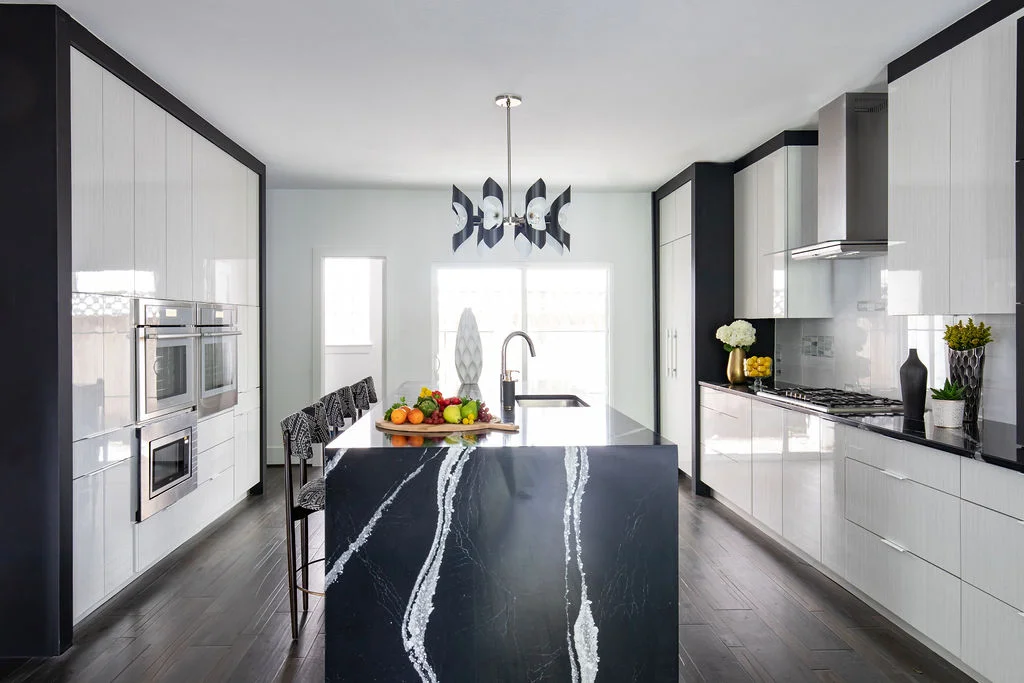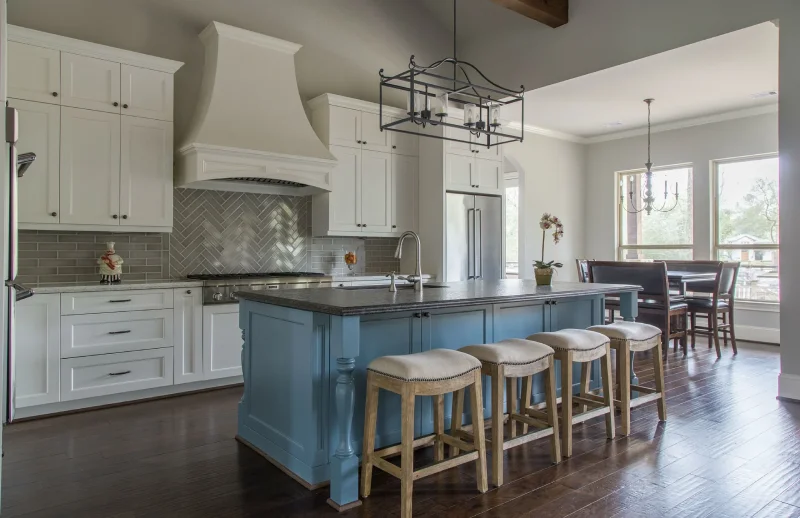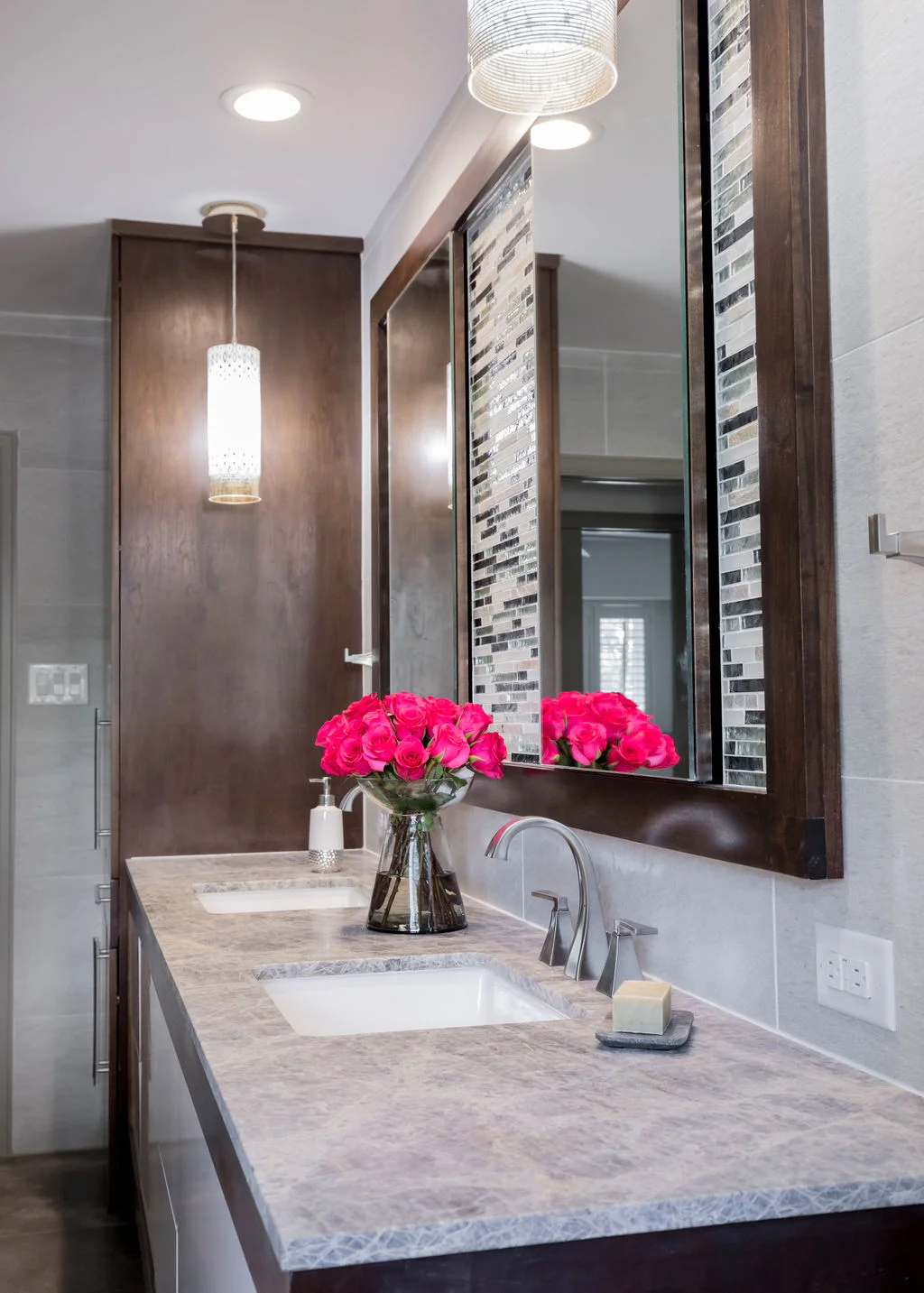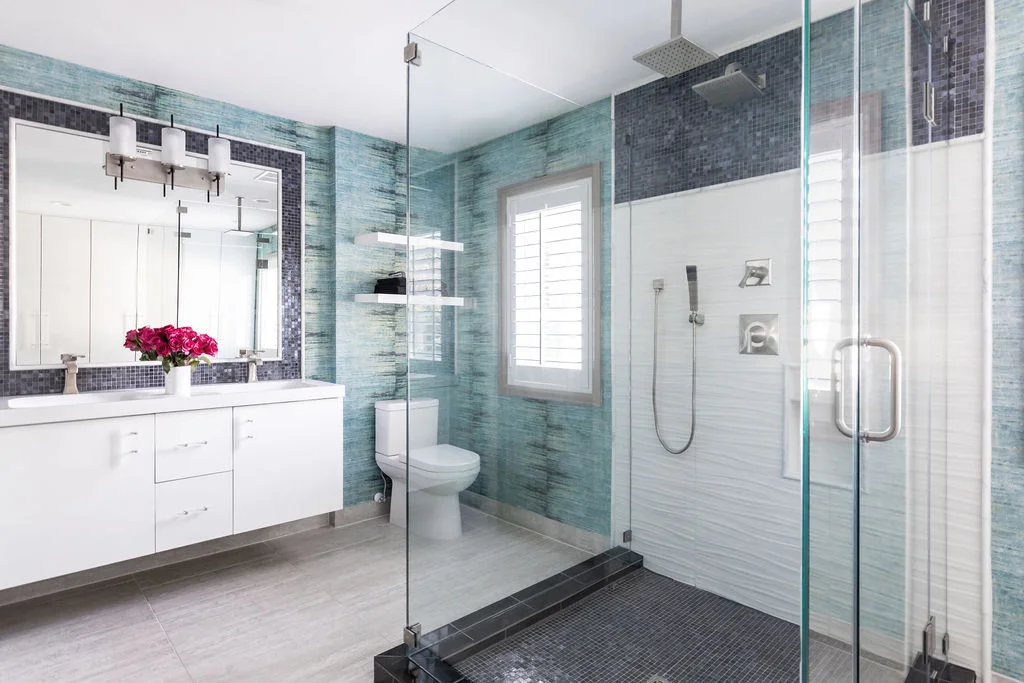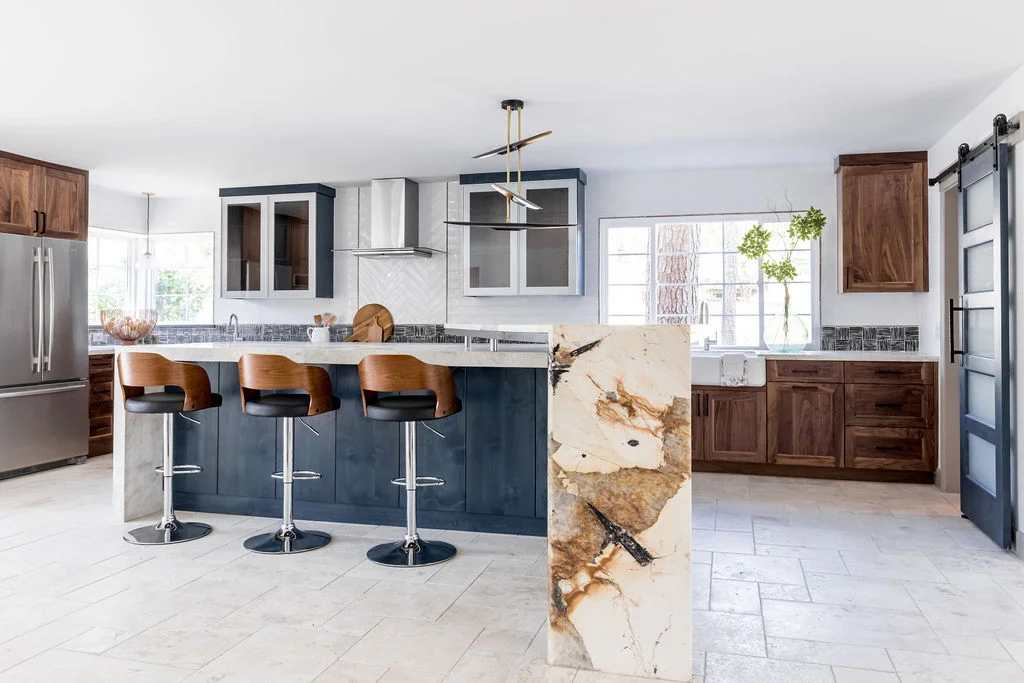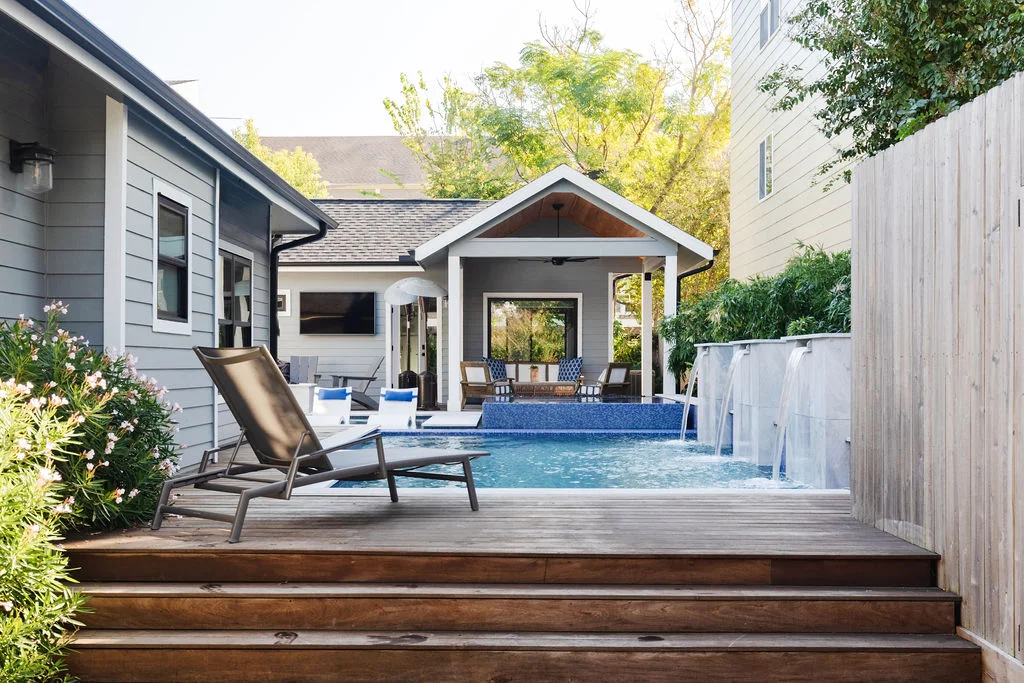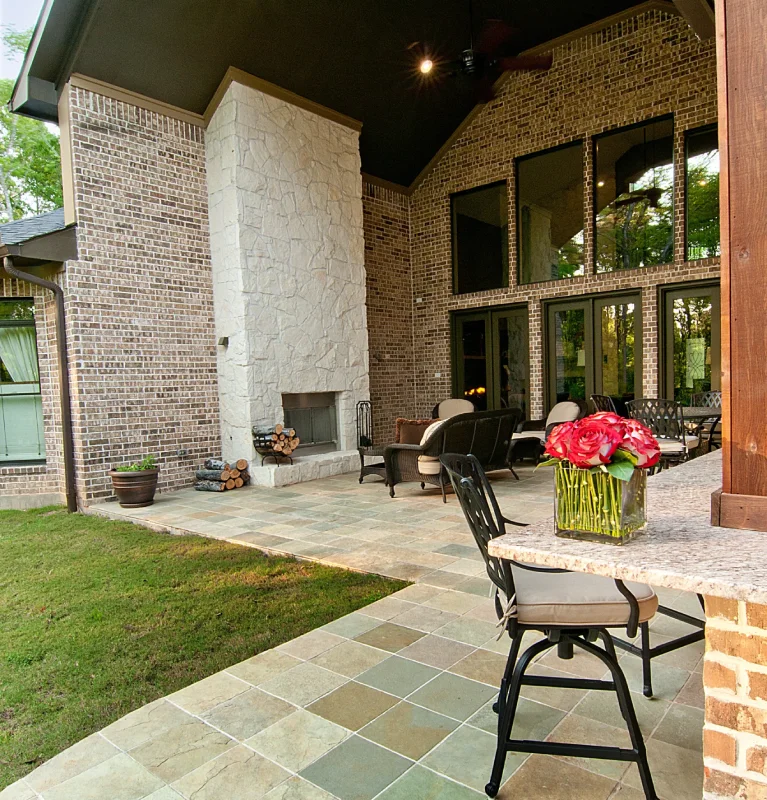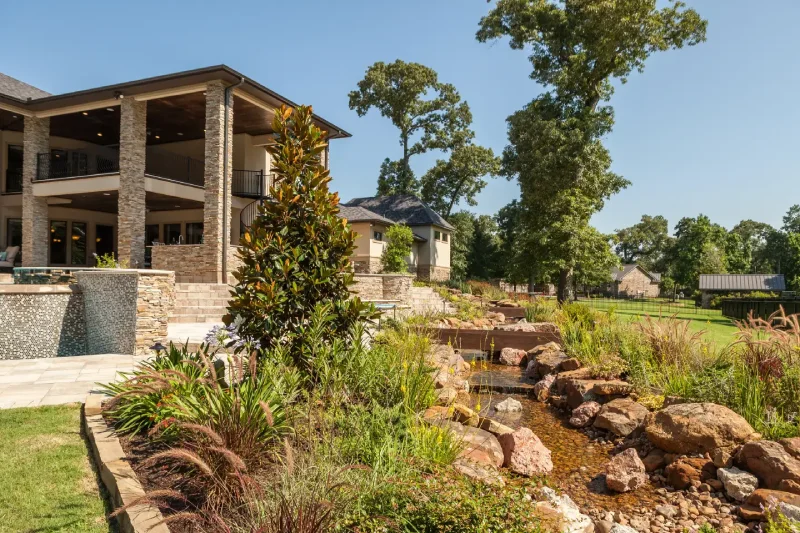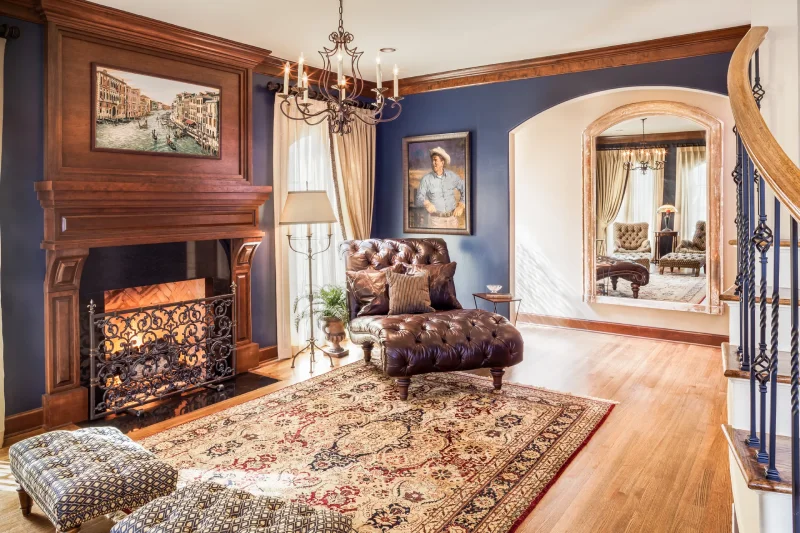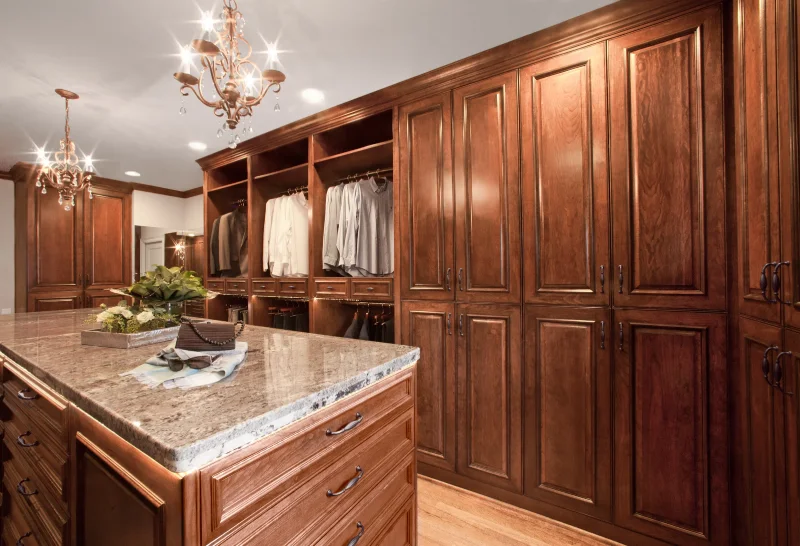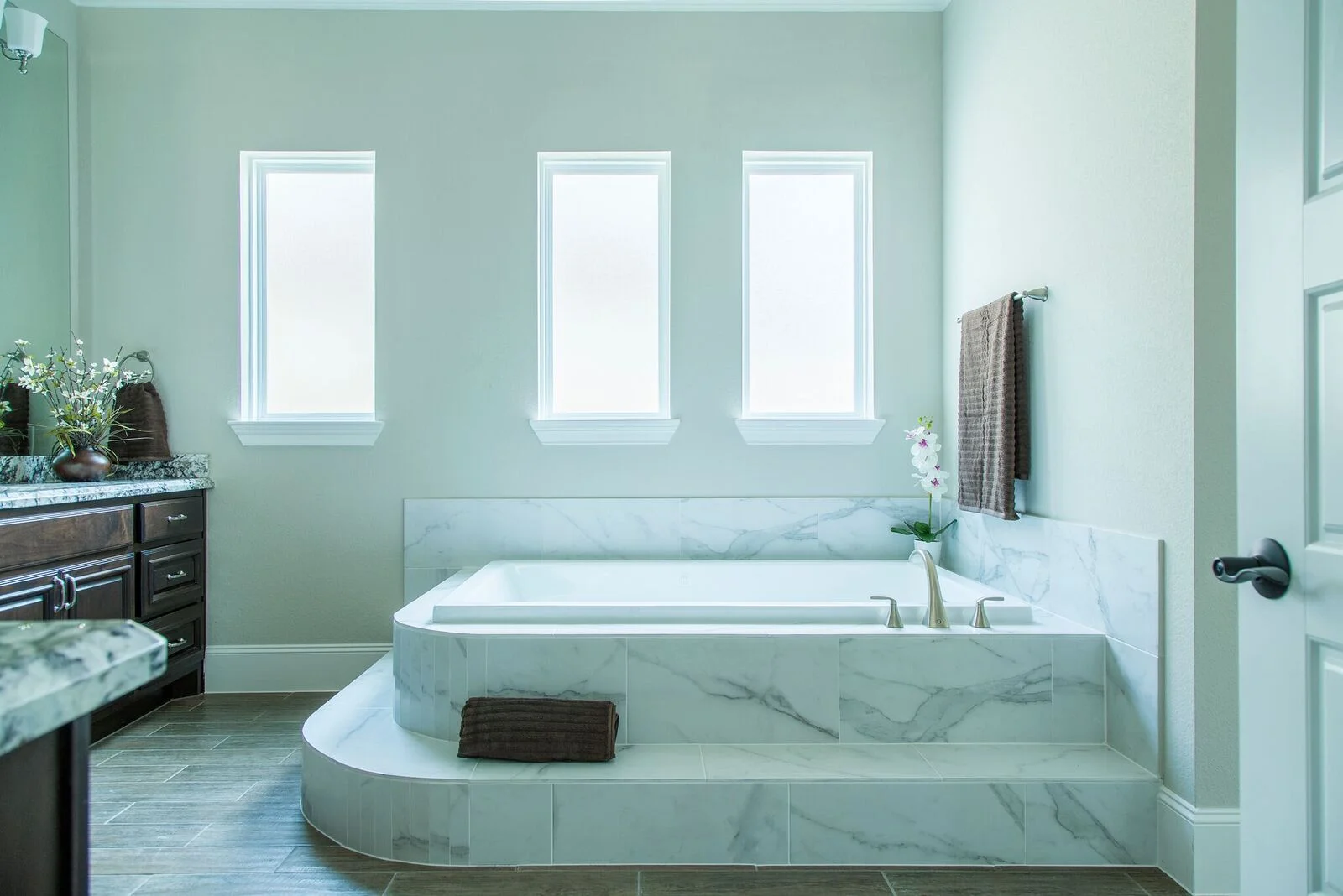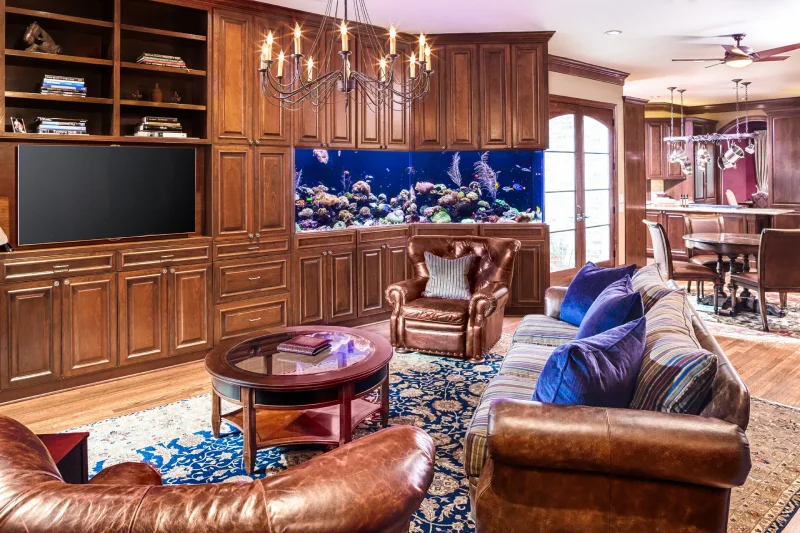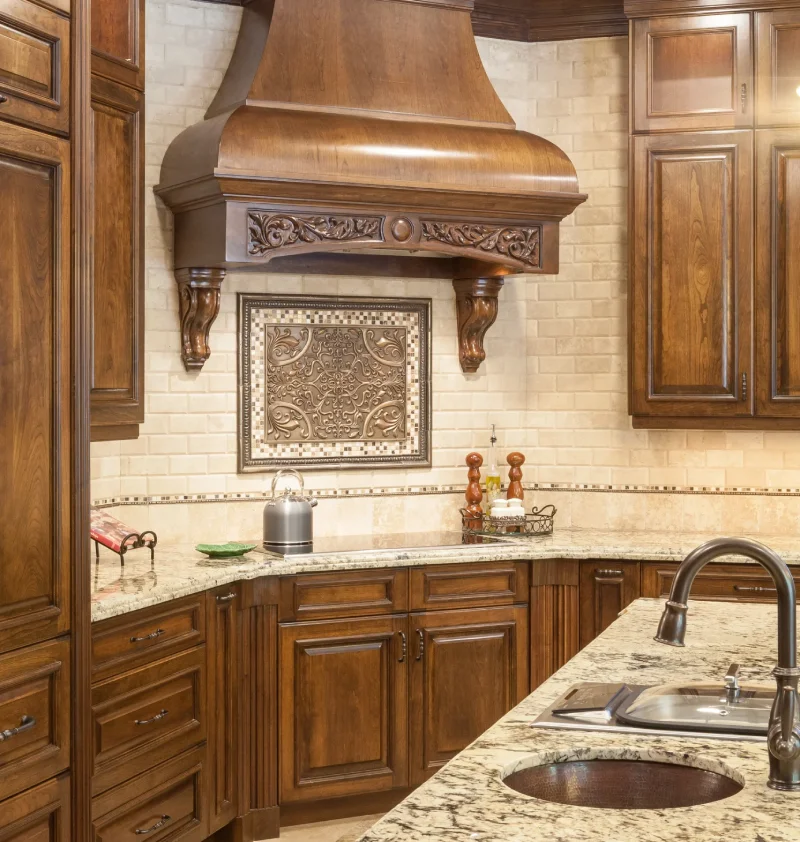
The 30% Rule in remodeling is a financial guideline stating that total renovation costs—including labor, materials, and permits—should not exceed 30% of a home's current market value to prevent overcapitalization and ensure investment recoverability upon resale. This benchmark helps Magnolia homeowners balance renovation ambitions with market realities in Montgomery County's competitive real estate landscape.

Introduction
As Magnolia, Texas continues its transformation into one of Montgomery County's most sought-after residential markets, homeowners face critical decisions about renovation investments. The 30% Rule serves as a strategic framework for custom home builder projects and remodeling initiatives, ensuring that upgrades enhance both lifestyle and property value without exceeding what the local market will support. With average home values in Magnolia reaching $359,584 in 2026, understanding this principle becomes essential for making financially sound renovation decisions that align with neighborhood standards while protecting long-term equity.
Key Takeaways
• Calculate your maximum renovation budget by multiplying your home's current appraised value by 0.30, ensuring you don't exceed this threshold for standard upgrades—a $400,000 home in Magnolia should cap renovations at $120,000 to maintain investment viability.
• Reserve 10-20% of your total renovation budget as a contingency fund specifically for unexpected structural, plumbing, or electrical issues commonly discovered during kitchen remodel and bathroom remodel projects in older Magnolia properties.
• Research comparable home sales within a half-mile radius of your property before finalizing renovation plans, as exceeding neighborhood price ceilings by more than 15% significantly reduces ROI potential and extends time-on-market if selling.
• Prioritize high-impact upgrades such as kitchen renovations (averaging 70-80% ROI) and master bathroom remodels (65-75% ROI) over niche improvements when working within the 30% guideline to maximize both enjoyment and resale value.
• Exceed the 30% Rule strategically only when purchasing a fixer-upper at 20-30% below market value, planning to remain in the home for 10+ years, or addressing critical safety and structural deficiencies that affect habitability.
• Consult a local custom home builder or remodeling specialist familiar with Magnolia's luxury market trends and Montgomery County building codes to validate your budget allocation and ensure renovations align with neighborhood expectations and buyer preferences.
Understanding the 30% Rule: Financial Foundation for Smart Remodeling
The 30% Rule represents more than a simple budgeting formula—it's a strategic approach to protecting your most significant asset while enhancing your living environment. This guideline emerged from decades of real estate analysis showing that homes improved beyond 130% of neighborhood median values experience diminishing returns, extended selling periods, and difficulty recouping investment costs. For Magnolia homeowners working with a custom home builder or remodeling contractor, this principle provides essential guardrails for decision-making.
At its core, the rule calculates your maximum renovation expenditure by multiplying your home's current fair market value by 0.30. If your Magnolia property appraises at $450,000, the 30% threshold suggests limiting total renovation investments to $135,000. This calculation encompasses all project costs: architectural fees, permit expenses, material purchases, labor charges, and fixture selections. Many homeowners mistakenly exclude design fees or permit costs from their calculations, inadvertently exceeding the guideline and risking overcapitalization.
The concept of overcapitalization occurs when renovation investments surpass what surrounding properties command in the marketplace. In Magnolia's evolving neighborhoods, where new construction frequently sets premium pricing benchmarks, distinguishing between justified upgrades and over-improvements requires careful market analysis. A home builder experienced in Montgomery County understands these nuances, helping clients invest strategically in features that resonate with local buyer preferences while avoiding extravagant upgrades that fail to translate into recoverable value.
When the 30% Rule Applies Most Effectively
This financial guideline proves particularly valuable for several renovation scenarios common throughout Magnolia. Standard cosmetic updates—paint, flooring, fixtures—should comfortably fit within the 30% framework while delivering immediate aesthetic impact. Kitchen remodel projects, consistently ranking among the highest-ROI improvements, align perfectly with this budgeting approach when scaled appropriately to home value and neighborhood standards.
| Renovation Type | Typical Budget Allocation | Expected ROI |
| Kitchen Remodel (Minor) | 5-8% of home value | 70-80% |
| Bathroom Remodel (Primary) | 3-5% of home value | 65-75% |
| Kitchen Remodel (Major) | 12-15% of home value | 55-65% |
| Bathroom Addition | 8-12% of home value | 50-60% |
| Outdoor Living Space | 5-7% of home value | 45-55% |
The 30% Rule also provides crucial guidance for whole-house renovations where multiple systems require updating simultaneously. Magnolia homes built in the 1990s and early 2000s frequently need concurrent updates to kitchens, bathrooms, HVAC systems, and finishes. Rather than addressing projects piecemeal over many years, comprehensive renovations executed within the 30% framework deliver cohesive design outcomes while maintaining financial discipline. A qualified custom home builder can develop phased approaches that prioritize critical upgrades first, ensuring both immediate functionality and long-term value preservation.
Calculating Your Renovation Budget: Magnolia Market Specifics
Accurate budget calculation begins with establishing your home's true current market value—not the price you paid years ago, not the tax-assessed value, and not your emotional attachment figure. In Magnolia's dynamic real estate environment where property values fluctuate with new development patterns and school district performance, obtaining a professional appraisal or comparative market analysis provides the essential foundation for 30% Rule calculations. Real estate professionals familiar with subdivisions like Kresston, Stewart's Forest, and Heritage Grand can identify the specific value drivers affecting your property.
Once you've established current market value, multiply by 0.30 to determine your maximum recommended renovation investment. For a home valued at $375,000, this calculation yields $112,500 as your renovation ceiling. However, sophisticated budget planning requires additional considerations beyond this simple multiplication. Experienced custom home builder professionals recommend allocating your 30% budget using the following framework: 60-70% for visible improvements (kitchens, bathrooms, flooring, paint), 20-25% for infrastructure updates (plumbing, electrical, HVAC), and 10-20% reserved as contingency for unexpected discoveries during demolition and construction phases.
Magnolia's rapid growth brings unique considerations to renovation budgeting. Neighborhoods experiencing significant new construction—where $500,000+ homes rise regularly—create upward pressure on renovation standards. Homeowners in these areas may justify approaching or slightly exceeding the 30% guideline because neighborhood value ceilings continue rising. Conversely, established neighborhoods with slower turnover and stable pricing require stricter adherence to the 30% framework, as buyer expectations remain more conservative and over-improvements face greater resistance.
The Critical Contingency Fund Component
Within your 30% allocation, reserving 10-20% specifically for contingencies separates successful renovations from budget-busting nightmares. This contingency addresses the inevitable surprises that emerge when walls open and systems undergo inspection. Magnolia homes, particularly those built during the area's initial development phases, frequently reveal outdated wiring, inadequate insulation, plumbing configurations that no longer meet code, and structural modifications requiring engineering consultation.
| Contingency Scenario | Typical Cost Range | Frequency in Magnolia Remodels |
| Outdated electrical panel upgrade | $2,500-$4,500 | 40-50% of pre-2000 homes |
| Plumbing re-routing | $3,000-$8,000 | 30-40% of kitchen remodels |
| Structural beam reinforcement | $4,000-$12,000 | 15-25% of wall removal projects |
| Mold remediation | $1,500-$5,000 | 20-30% of bathroom renovations |
| Foundation crack repair | $3,000-$10,000 | 10-15% of whole-house projects |
A reputable custom home builder incorporates thorough pre-construction inspections to minimize contingency surprises, but even comprehensive planning cannot predict every hidden condition. Budget-conscious homeowners sometimes eliminate the contingency allocation, gambling that their project will proceed without complications. This approach inevitably leads to mid-project funding crises, forced design compromises, or contractor disputes—all of which diminish final results and create stress throughout the renovation journey.
Strategic Application: Kitchen and Bathroom Remodels in Magnolia
Kitchen remodel projects represent the most common application of the 30% Rule throughout Magnolia's residential neighborhoods. As the functional heart of family life and a primary consideration for home buyers, kitchen investments deliver both immediate lifestyle enhancement and substantial resale value protection. The challenge lies in calibrating upgrade levels to match both your personal preferences and neighborhood standards—a balance that custom home builder professionals navigate through extensive local market experience.
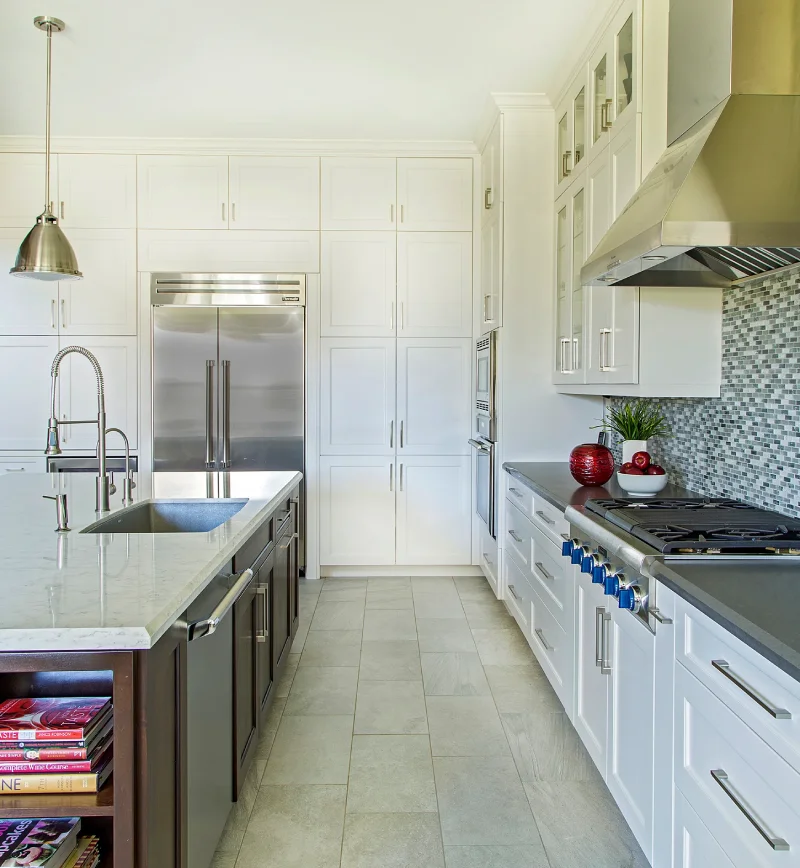
Minor kitchen remodels, typically consuming 5-8% of home value, focus on surface-level improvements: cabinet refacing or painting, countertop replacement, updated appliances, new backsplash, improved lighting, and fresh paint. For a $400,000 Magnolia home, this translates to $20,000-$32,000—an investment that refreshes aesthetics without restructuring layouts or relocating plumbing and electrical systems. These projects consistently achieve 70-80% ROI because they address buyer priorities without pricing the home out of market range.
Major kitchen remodels, consuming 12-15% of home value, involve comprehensive transformations: complete cabinet replacement, layout reconfiguration, high-end appliance packages, custom countertops, expanded square footage, and upgraded systems. For that same $400,000 property, major renovations range from $48,000-$60,000. While transformative, these projects require careful consideration of neighborhood ceiling prices. In Magnolia subdivisions where most homes sell between $350,000-$450,000, installing a $75,000 gourmet kitchen risks overcapitalization—the improvement exceeds what typical buyers in that price range expect or will pay for in that specific location.
Bathroom Remodeling Within the 30% Framework
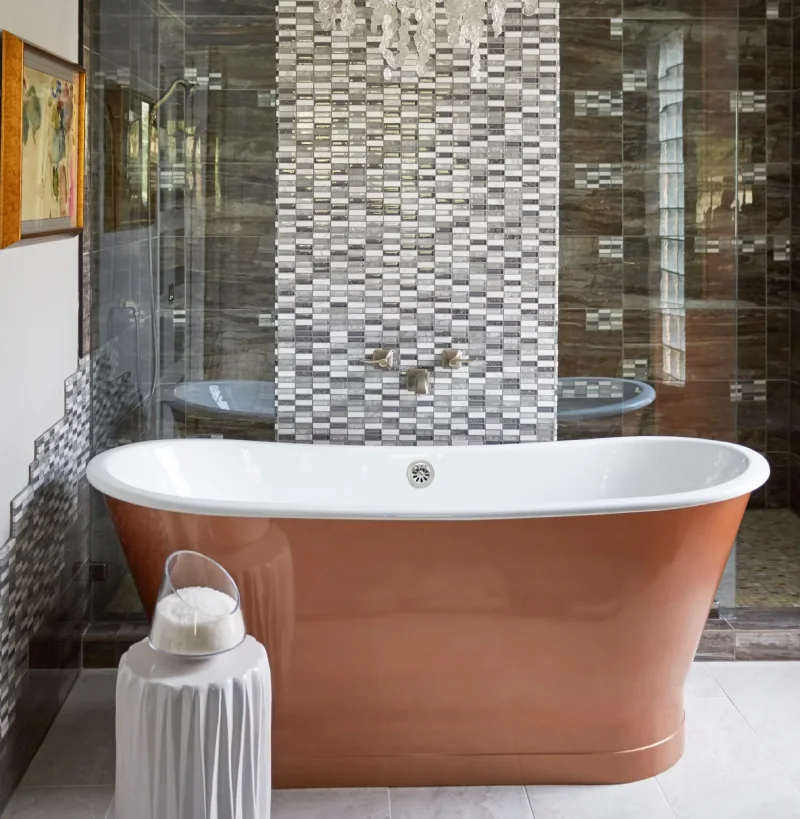
Bathroom remodel investments follow similar principles but typically consume smaller budget percentages. Primary bathroom renovations, allocating 3-5% of home value, deliver strong returns (65-75% ROI) by transforming daily routines and creating spa-like retreats that appeal to luxury homebuyers throughout Montgomery County. For a $450,000 Magnolia home, this suggests $13,500-$22,500 for comprehensive primary bathroom upgrades including walk-in shower systems, dual vanities, quality fixtures, improved lighting, and thoughtful storage solutions.
Secondary bathroom updates require more modest investments—typically 2-3% of home value—focusing on functionality over luxury. These renovations address guest bathrooms and children's bathrooms with durable, attractive finishes that serve practical needs without elaborate design elements. Families planning to remain in their Magnolia home long-term may choose to invest more heavily in primary bathroom luxury, accepting that some features may not fully recoup costs but significantly enhance daily living quality.
| Bathroom Feature | Standard Investment | Luxury Investment | ROI Impact |
| Shower/Tub System | $2,500-$4,500 | $8,000-$15,000 | Moderate positive |
| Vanity & Countertop | $1,500-$3,000 | $4,000-$8,000 | High positive |
| Tile & Flooring | $2,000-$4,000 | $6,000-$12,000 | Moderate positive |
| Fixtures & Lighting | $800-$1,500 | $2,500-$5,000 | Low to moderate |
| Layout Reconfiguration | $0 (same layout) | $5,000-$12,000 | Variable by property |
The key to successful bathroom remodel projects within the 30% framework involves matching finish quality to overall home value. Magnolia homeowners with $600,000+ properties can justify premium materials and custom elements that would constitute overcapitalization in a $300,000 home. A custom home builder specializing in luxury remodels understands these gradations, guiding material selections that feel appropriate to your home's market position while delivering the aesthetic you desire.
When Exceeding the 30% Rule Makes Strategic Sense
While the 30% Rule provides valuable guidance, rigid adherence isn't always optimal for every situation. Several scenarios justify exceeding this threshold when homeowners understand the financial implications and align their decisions with long-term plans. The first exception involves purchasing significantly undervalued properties—fixer-uppers acquired 20-30% below market rate due to deferred maintenance or outdated systems. In these cases, renovation investments that reach 40-50% of purchase price may still result in total investment (purchase + renovation) well below comparable updated homes in Magnolia neighborhoods.
Long-term residence plans represent another valid reason for exceeding the 30% guideline. Homeowners who plan to remain in their property for 10-15+ years prioritize personal enjoyment and lifestyle enhancement over immediate resale considerations. For these families, investing 35-40% of home value in creating their ideal living environment makes sense because they'll fully utilize and appreciate the improvements over many years. A custom home builder can design these enhanced projects to incorporate aging-in-place features and adaptable spaces that serve evolving family needs across decades of residence.
Critical structural, safety, or systems failures demand attention regardless of the 30% Rule. Foundation issues, roof failures, severely outdated electrical systems, or compromised plumbing require immediate remediation to protect property integrity and family safety. While these necessary repairs may push renovation spending beyond recommended thresholds, delaying them creates exponentially greater costs and potential liability. Responsible homeowners address critical deficiencies immediately, then phase discretionary aesthetic improvements to stay within reasonable financial parameters.
Neighborhood Dynamics and Market Timing Considerations
Magnolia's rapid development creates neighborhoods at different lifecycle stages, each presenting unique renovation dynamics. Newer subdivisions with ongoing construction activity benefit from rising value ceilings as each new build establishes higher price points. Homeowners in these areas may reasonably exceed the 30% Rule by 5-10% when renovations align with new construction quality standards, effectively positioning their homes as premium resale properties that compete directly with builder inventory.
Established Magnolia neighborhoods with completed development and stable demographics require more conservative approaches. Here, the 30% Rule provides crucial protection against over-improving beyond what neighborhood comparables support. Even exceptional renovations struggle to command premium pricing when surrounded by properties that don't reflect similar investment levels. Smart homeowners in mature neighborhoods strictly observe the 30% guideline, focusing on maintaining competitive condition rather than establishing new luxury benchmarks that the market won't reward.
Avoiding Overcapitalization: Lessons from Montgomery County Markets
Overcapitalization—investing more in property improvements than market conditions will return—represents one of the most common and costly mistakes in home renovation planning. Throughout Montgomery County and specifically in Magnolia, overcapitalization typically manifests in several recognizable patterns. The first involves finish-level mismatches where homeowners install ultra-premium materials and custom elements that exceed neighborhood norms. Installing $150-per-square-foot exotic hardwoods in a subdivision where comparable homes feature $8-per-square-foot engineered flooring creates a disparity that buyers won't fully compensate for at resale.
Scope creep during active renovation projects contributes significantly to overcapitalization risk. Projects that begin within the 30% framework gradually expand as homeowners make incremental decisions to upgrade fixtures, expand square footage, or add features that weren't in original plans. Each individual upgrade seems reasonable in isolation, but collectively they push total investment well beyond prudent limits. Experienced custom home builder professionals combat scope creep through comprehensive upfront planning, detailed contracts, and structured change-order processes that require homeowners to confront cumulative cost impacts before approving modifications.
Personal taste diverging significantly from mainstream buyer preferences creates another overcapitalization pathway. Highly customized design elements—elaborate murals, unconventional layouts, niche hobby spaces—may perfectly serve current homeowners but limit appeal to future buyers. When these personalized features consume substantial portions of the renovation budget, they essentially become sunk costs that won't transfer to resale value. The solution involves distinguishing between permanent structural improvements (which should reflect broad market appeal) and easily reversible decorative elements (where personal expression carries minimal financial risk).
Market Research: Your Overcapitalization Prevention Tool
Preventing overcapitalization begins with thorough market research before finalizing renovation plans. Examining recent sales of updated homes within a half-mile radius of your Magnolia property reveals the actual price premiums that renovations command in your specific neighborhood context. If comparable renovated homes sell for $420,000-$445,000 while unrenovated versions sell for $365,000-$385,000, the market demonstrates a renovation value premium of approximately $55,000-$60,000. Planning renovations that cost $90,000 exceeds what the market rewards, resulting in overcapitalization.
| Analysis Component | Data Sources | Key Insights Revealed |
| Comparable sales (renovated vs. as-is) | MLS data, county records | Actual renovation value premium in your neighborhood |
| Days-on-market comparison | Real estate listings, closed sales | Whether updated homes sell faster (liquidity benefit) |
| Price-per-square-foot analysis | Recent closings within 0.5 miles | Neighborhood pricing ceiling and variance range |
| Feature popularity assessment | Active listings, buyer feedback | Which improvements buyers value most in your area |
| New construction pricing | Builder sales data | Maximum supportable price point for your location |
Working with a custom home builder who maintains deep familiarity with Magnolia market conditions provides invaluable guidance in this research process. These professionals track sales trends, understand buyer preferences across different price segments, and recognize which improvements deliver strong returns versus those that represent personal preferences unlikely to recoup costs. Their market intelligence helps calibrate renovation scope and finish selections to optimize both your current enjoyment and future financial outcomes.
Partnering with the Right Professional for 30% Rule Success
Successfully implementing the 30% Rule requires more than mathematical calculations—it demands professional expertise in design, construction, market analysis, and project management. Selecting the right custom home builder or remodeling partner directly influences whether your renovation achieves its dual objectives of enhanced lifestyle quality and protected financial investment. In Magnolia's competitive contractor landscape, homeowners should prioritize professionals who demonstrate comprehensive understanding of luxury renovation principles, local market dynamics, and the disciplined budget management that the 30% Rule represents.
Qualified professionals begin client relationships with thorough discovery conversations that explore not only your renovation wish list but also your long-term property plans, budget realities, and market positioning goals. This consultative approach reveals whether you should strictly observe the 30% guideline or whether your specific circumstances justify different budget parameters. Contractors who immediately propose projects without understanding your complete situation or who dismiss budget constraints as unnecessarily restrictive often lead clients toward overcapitalization and financial regret.
Throughout the planning and execution phases, experienced custom home builder teams provide transparent cost tracking, proactive communication about budget status, and structured decision-making processes for handling the inevitable choices and changes that arise during construction. They help you distinguish between must-have elements that justify budget allocation and nice-to-have features that can be deferred or eliminated to maintain the 30% framework. This collaborative approach transforms the 30% Rule from a restrictive limitation into an empowering framework that focuses resources on renovations delivering maximum impact per dollar invested.
Frequently Asked Questions
How do I determine my home's current market value for 30% Rule calculations?
Obtain a professional appraisal from a licensed appraiser familiar with Magnolia and Montgomery County markets, which typically costs $400-$600 and provides the most accurate valuation. Alternatively, request a comparative market analysis from experienced local real estate agents who can analyze recent sales of similar homes in your neighborhood. Avoid relying on tax-assessed values or online estimate tools, as these frequently diverge from actual market values by 10-15% in rapidly changing markets like Magnolia, potentially leading to flawed renovation budget calculations.
Should I include permit fees and design costs in my 30% calculation?
Yes, the 30% Rule encompasses all renovation-related expenses including architectural fees, engineering consultations, permit costs, material purchases, labor charges, fixture selections, and project management fees. Homeowners who exclude "soft costs" like permits and design from their calculations typically exceed the guideline by 8-12%, risking overcapitalization. A comprehensive budget approach ensures you account for the true total investment required to complete your renovation, allowing for more accurate ROI projections and market positioning assessments.
Does the 30% Rule apply differently to luxury homes versus average-priced properties?
The fundamental principle remains consistent across price points, but luxury homeowners in Magnolia's $600,000+ segment often have greater flexibility for strategic exceptions. High-end properties compete in markets where buyers expect exceptional finish quality and unique design elements, sometimes justifying 35-40% investments for whole-house transformations. However, even luxury renovations benefit from the discipline the 30% Rule provides, ensuring that improvements align with comparable luxury property standards rather than creating outlier pricing that extends selling timelines and limits buyer pools.
What happens if I exceed the 30% Rule when renovating?
Exceeding the guideline doesn't guarantee financial loss, but it increases the risk that you won't fully recoup your renovation investment upon resale. You may experience extended time-on-market as the smaller pool of buyers willing to pay premium pricing takes longer to materialize. In some cases, your total property value (original value plus renovation costs) may exceed neighborhood ceiling prices, requiring price reductions that effectively transfer your renovation investment to the buyer rather than building your equity. The financial impact varies based on how far you exceed the threshold and how long you remain in the property before selling.
Can I use the 30% Rule for outdoor renovations like pools or outdoor kitchens?
Yes, the 30% Rule applies to all property improvements including outdoor living spaces, pools, landscaping, and detached structures. However, outdoor improvements typically deliver lower ROI (40-60%) compared to kitchen and bathroom projects (65-80%), so they require particularly careful consideration within the 30% framework. In Magnolia's climate where outdoor living extends across most of the year, well-designed outdoor spaces add significant lifestyle value, but homeowners should allocate proportionally less of their 30% budget to these features compared to essential indoor improvements that serve daily functional needs.
How does the 30% Rule relate to the home buying cycle for luxury clients?
Affluent buyers in Magnolia's luxury market conduct extensive due diligence before purchasing, carefully evaluating whether asking prices align with property condition, finish quality, and neighborhood comparables. Homes renovated within the 30% framework typically present as appropriately improved properties that command justified premiums without pricing concerns, facilitating smoother negotiations and faster sales. Properties that significantly exceed the guideline often raise buyer skepticism about over-improvement and value alignment, triggering more aggressive negotiation tactics and extended selling timelines even when the renovations feature exceptional quality and craftsmanship.
Conclusion
The 30% Rule in remodeling provides Magnolia homeowners with a proven framework for balancing renovation aspirations with financial prudence, ensuring that investments in kitchen remodel, bathroom remodel, and whole-house transformation projects enhance both lifestyle quality and property value. By limiting total renovation costs to 30% of current market value—with strategic exceptions for fixer-uppers, long-term residence plans, or critical repairs—you protect against overcapitalization while creating living spaces that reflect your standards and serve your family's evolving needs. The rule's effectiveness depends on accurate home valuations, comprehensive budget planning that includes contingencies, and thoughtful market research that reveals neighborhood pricing dynamics and buyer preferences throughout Montgomery County.
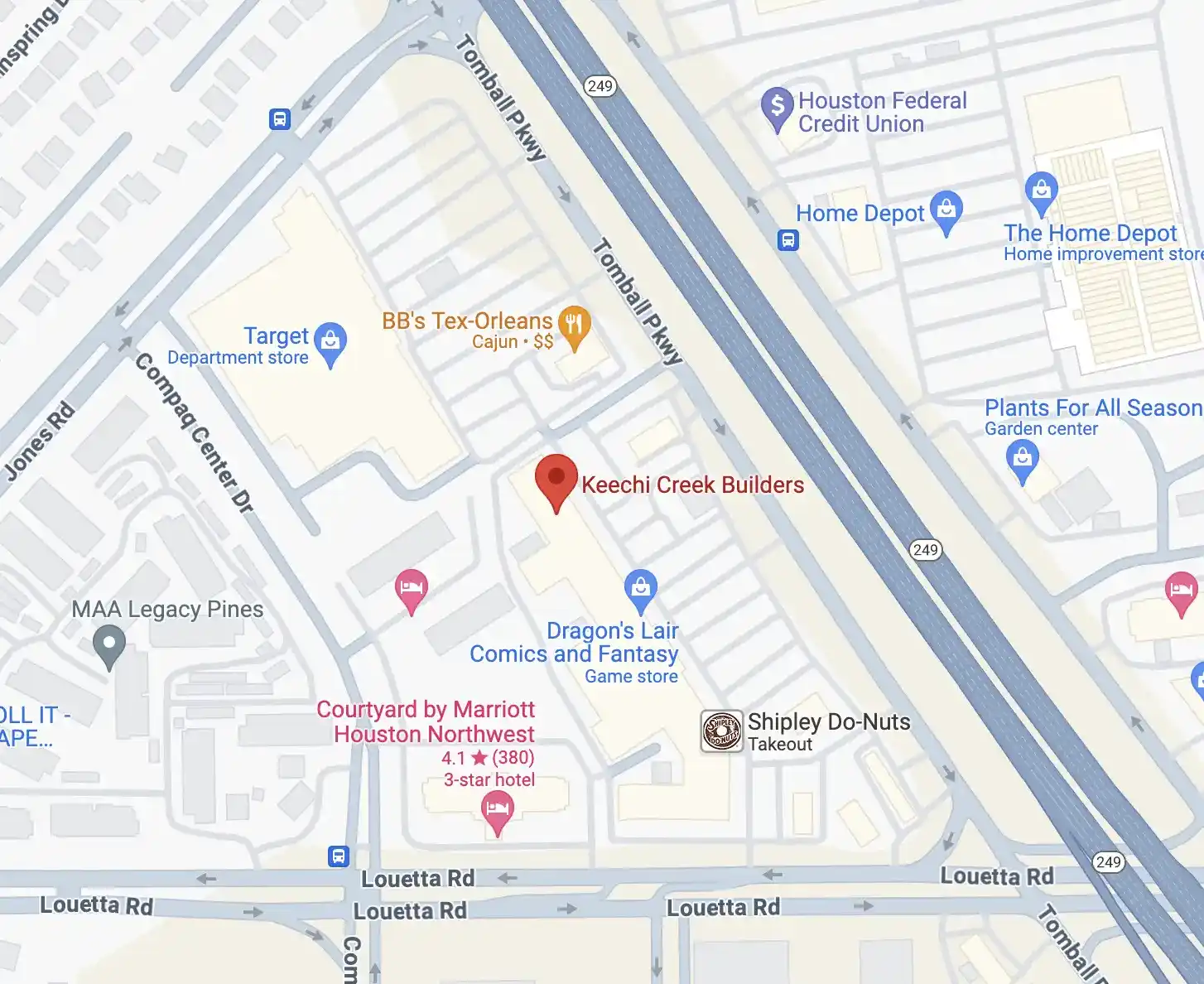
As Magnolia continues attracting families seeking the perfect blend of small-town character and proximity to Houston's opportunities, renovation decisions carry increasing significance for property positioning and financial outcomes. Whether you're contemplating a targeted kitchen update or a comprehensive whole-house transformation, partnering with a custom home builder who understands both the 30% Rule principles and Magnolia's unique market characteristics ensures your investment delivers maximum impact. Keechi Creek Builders brings award-winning craftsmanship, personalized attention, and deep Montgomery County market expertise to every remodeling project, helping Magnolia homeowners create exceptional spaces while protecting long-term value. Contact us at 281-688-1454 or visit keechicreekbuilderstx.com to discuss your renovation vision and discover how strategic planning transforms houses into forever homes that honor both your lifestyle dreams and financial wisdom.